

A bathroom can feel like a small spa if you fill it with the right greenery. Ten air-purifying plants, from the bold Snake Plant to the graceful Weeping Fig, bring color and texture to a small room while also filtering the air you breathe. Many of these species tolerate steam and low light, which makes them a natural fit for bathrooms. Adding a few to your space is an easy way to boost both looks and air quality.
Snake Plant for Cleaner Air
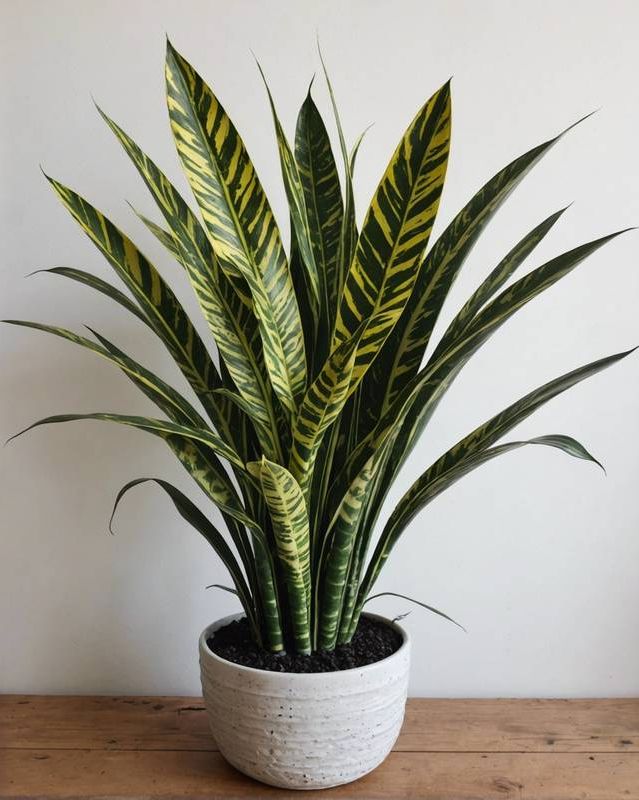
The Snake Plant is a favorite for bathrooms because it tolerates low light and needs very little water. If you tend to forget about watering schedules, this plant forgives you for it.
Beyond its striking, upright leaves, this plant filters out common toxins, giving your bathroom a quiet boost in air quality.
Plant your Snake Plant in well-draining soil and let it dry out fully between waterings. Root rot is the biggest risk, and it almost always comes from watering too often.
Bright, indirect light keeps a Snake Plant looking its best, though it will still survive in dim corners if that’s all your bathroom offers. Avoid direct sun, which can scorch the leaves.
Peace Lily for Bathroom Freshness
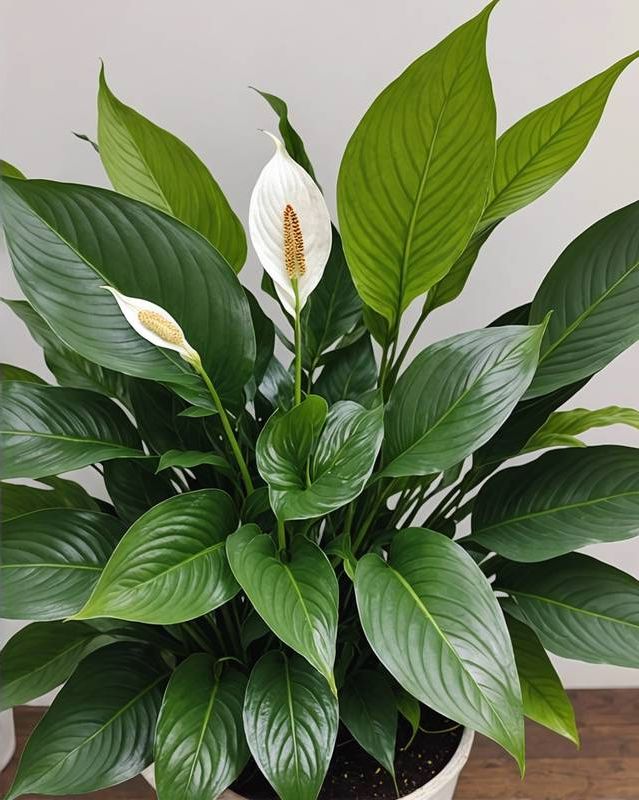
For a more refined look, the Peace Lily brings both beauty and function to a bathroom.
Glossy green leaves and white blooms give this plant visual appeal, while its air-cleaning ability makes it more than just decoration.
It filters out benzene, formaldehyde, and trichloroethylene, three toxins commonly found in household products and building materials.
Keeping a Peace Lily alive doesn’t take much effort.
A bathroom window that lets in indirect sunlight gives this plant exactly what it needs to grow.
Check the soil regularly, watering once it feels dry, and mist the leaves now and then to boost humidity around the plant.
Watch the water level closely, since soggy soil is the fastest way to rot the roots. A little restraint goes a long way with this plant.
With consistent care, a Peace Lily rewards you with fuller leaves, more blooms, and steadily improving air quality in the room.
Spider Plant for Air Quality
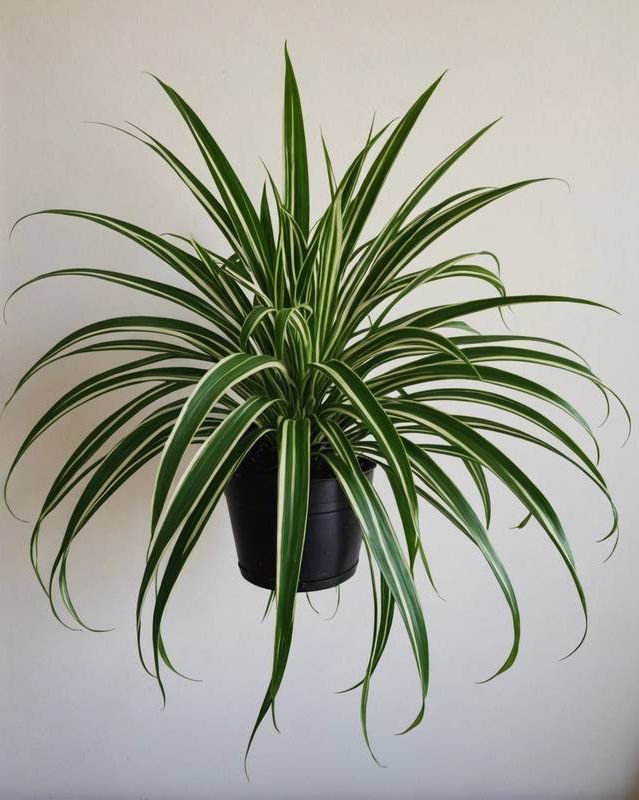
Long, arching stems make the Spider Plant easy to spot, and its low-maintenance nature makes it easy to keep alive too.
It also filters indoor air as it grows, which makes it a solid choice for a bathroom shelf or hanging planter.
Set it in bright, indirect light and water roughly once a week for steady growth.
Well-drained soil helps this plant avoid soggy roots and keeps it growing steadily.
ZZ Plant for Low-Light Bathrooms
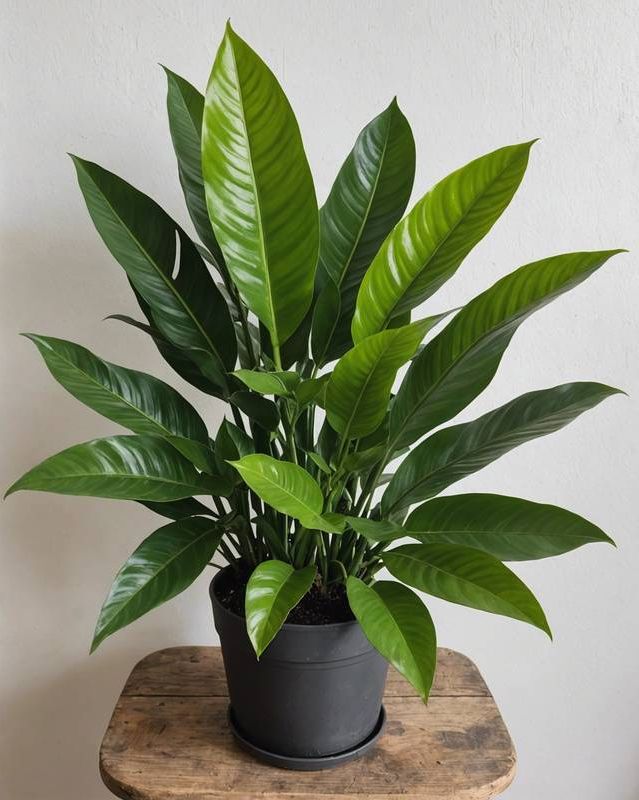
The ZZ Plant earns its reputation as a nearly indestructible houseplant, and that toughness makes it a smart bathroom choice. It tolerates low light or moderate sun and doesn’t demand a strict watering routine, so it suits anyone who’s busy or a bit forgetful with plant care.
Its glossy, dark green leaves give a room a polished look, and as a bonus, it filters indoor air as it grows, quietly improving the space around it.
Aloe Vera for a Fresher Bathroom
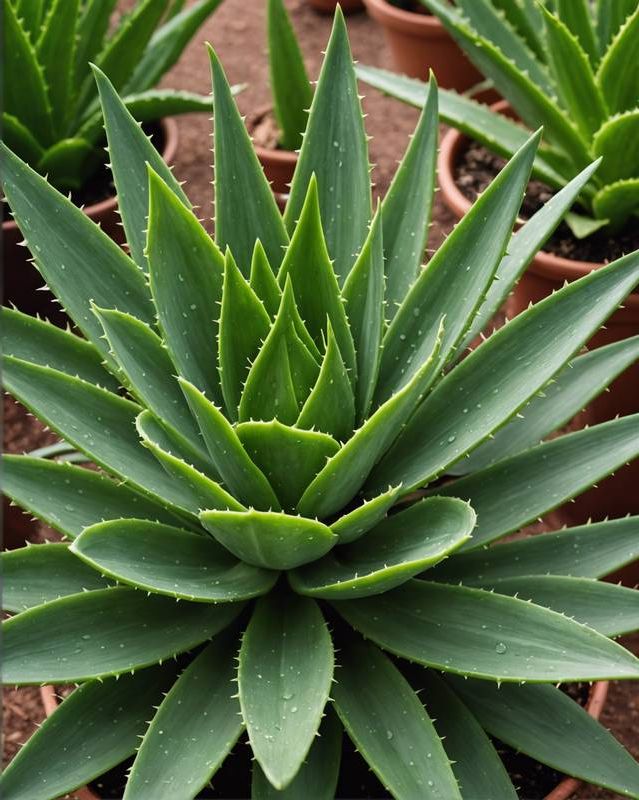
Thick, succulent leaves let Aloe Vera handle dim bathroom lighting better than many other plants. It also pulls formaldehyde and benzene out of the air, adding a practical benefit to its low-maintenance nature.
Give it bright, indirect light and water only occasionally, letting the soil dry between sessions.
Overwatering is the main threat to this plant’s roots, so err on the side of less. Cared for properly, an Aloe Vera plant can live for years, cleaning your air and supplying gel you can use on minor skin irritations.
Bamboo Palm for Humid Rooms
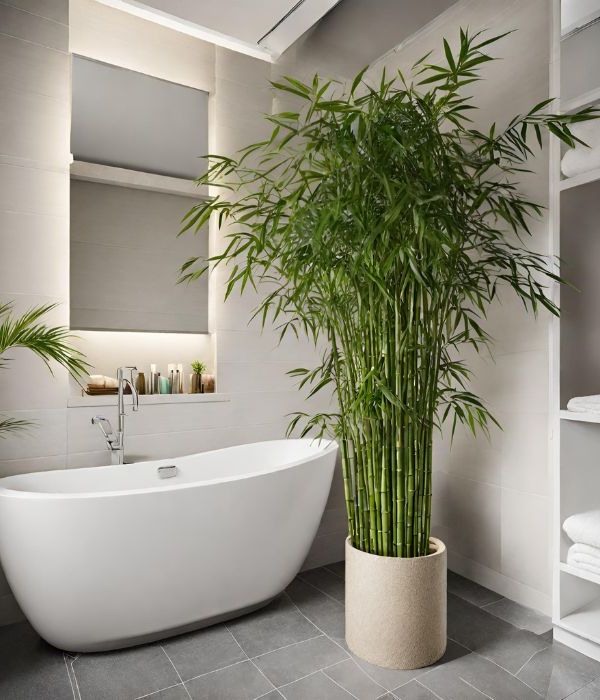
Slender canes and dense, dark green fronds give the Bamboo Palm a distinct, upright shape that stands out in a bathroom corner.
This plant naturally prefers humid conditions, which makes steamy bathrooms a good match for its tropical origins.
Give it plenty of bright light, but keep it out of direct sun. Water once the soil starts to feel dry, and avoid soaking it.
Feed it during the growing season, typically spring and summer, and set a humidity tray underneath to mimic the tropical conditions it prefers.
Well cared for, this palm filters indoor air while adding a graceful, tropical feel to the room.
Golden Pothos for Easy Air Purification
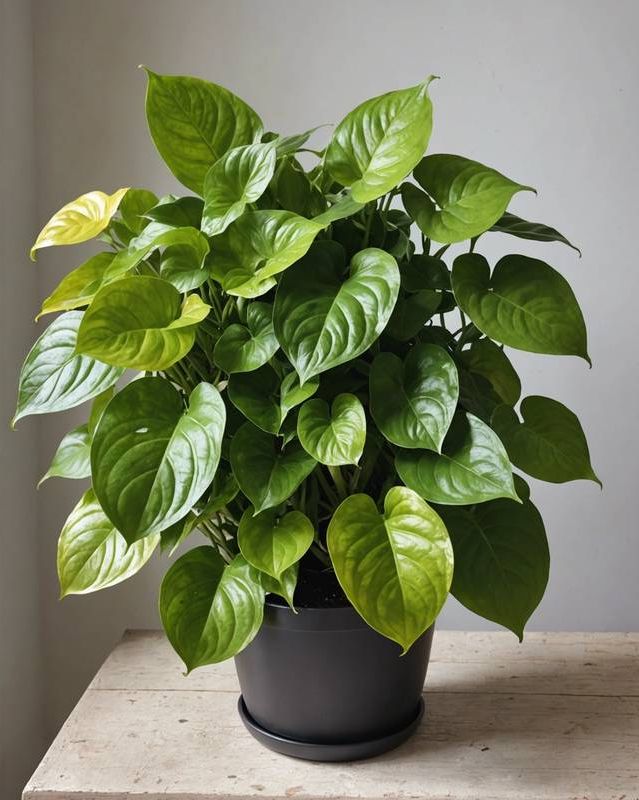
Golden Pothos handles neglect well, filters indoor air, and asks for very little light or water, making it a smart pick for anyone short on time.
Keep it in indirect light and water once the top inch of soil dries out. A little attention now and then keeps its trailing vines full and healthy.
Weeping Fig for Removing Toxins

Known for its air-purifying power, the Weeping Fig removes formaldehyde and trichloroethylene from indoor air, making it a solid pick for a bathroom that needs a fresher atmosphere.
I love how the beautiful, flowing leaves on this plant make the room feel so peaceful and relaxing.
Care Tips: Place in bright, indirect light.
Water thoroughly when the top few inches of soil are dry to the touch.
Be careful not to give your plants too much water, as it can cause their roots to rot.
Provide high humidity by misting regularly or placing on a pebble tray filled with water.
English Ivy for Bathroom Air

Have you heard about English Ivy? It’s a super popular plant for freshening up the air in your home.
It removes formaldehyde, benzene, and other harmful toxins from the air.
This plant is easy to care for and can thrive in a variety of light conditions.
Water when the soil is dry to the touch and fertilize monthly during the growing season.
Oh, and don’t forget to give your English Ivy some love and attention! It tends to grow pretty fast, so make sure to give it a little trim every now and then to keep it in check.
It is also important to keep the plant away from pets, as it can be toxic if ingested.
Boston Fern for Humidity Control

With its beautiful, arching fronds, the Boston Fern adds a touch of elegance to any bathroom.
Not only is it visually appealing, but it also helps purify the air by removing harmful toxins.
If you want to keep your Boston Fern happy, just find a nice spot with bright but indirect light for it, and make sure the soil stays nice and damp. That’s all it takes to keep this little guy thriving!
Make sure not to water too much, because then the roots can get all soaked and start rotting. So, you know, just water your plant a reasonable amount and it should be all good.
Fertilize monthly during the growing season with a balanced liquid fertilizer.