A gorgeous garden doesn’t require a big budget. A small balcony or a sprawling backyard can both become a peaceful retreat if you use what you already have. With a little creativity, you can build an outdoor space that fits your home and stays easy on your wallet.
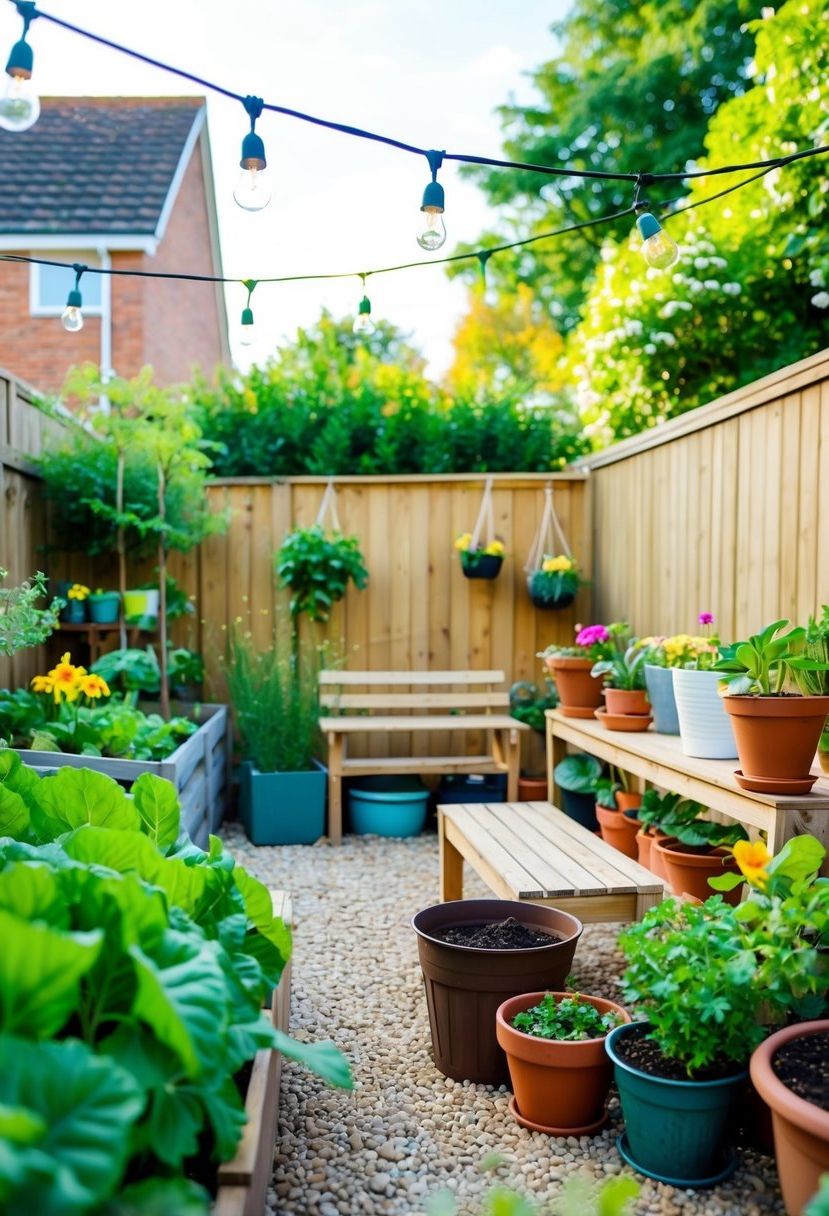
This article rounds up budget-friendly garden ideas for gardeners at every skill level, from total beginners to seasoned green thumbs. You’ll find DIY projects alongside smart planting hacks that stretch your outdoor space and your dollar further. Grab your gloves and get ready to watch your plants thrive without spending a fortune.
Building Raised Garden Beds on a Budget
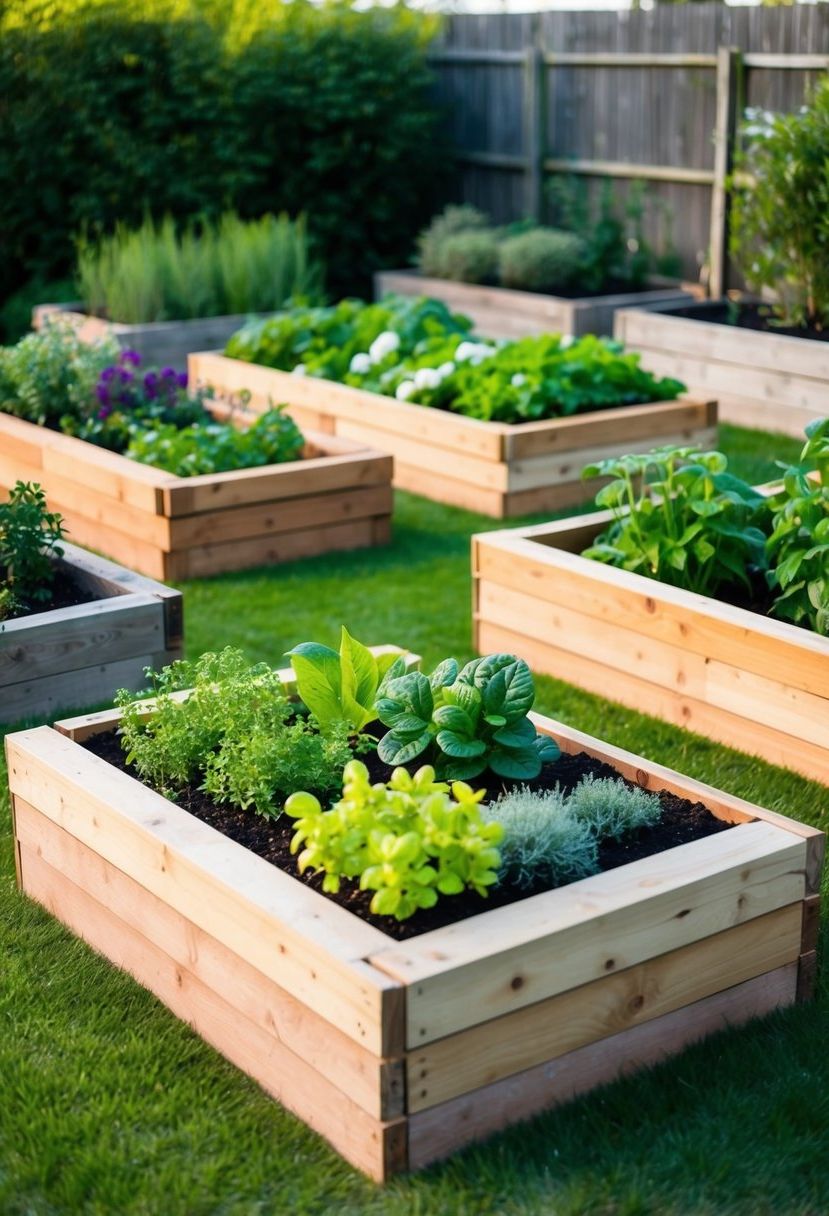
Building your own raised garden bed makes a satisfying weekend project. Untreated wood and free pallets both work as cheap materials for a simple, sturdy structure. It’s hands-on work, and it rewards you with a dedicated spot to grow vegetables or flowers.
Start by measuring your space so you know what size bed fits best. Branches woven together or wooden stakes driven into the ground both create a solid frame to hold the soil in place.

Fill the finished frame with quality soil so roots have room to spread and nutrients to draw on. Raised beds keep gardening manageable since you control the soil mix and layout, and they also cut down on weeding and bending over compared to ground-level plots.
Building a Mason Jar Herb Garden

A mason jar herb garden turns kitchen clutter into a windowsill feature. Old jars become planters with almost no cost, since most households already have a few sitting in a cupboard.
Fill each jar with potting soil and tuck in herb seeds or small starter plants like basil, mint, or thyme. Set the jars on a sunny windowsill that gets at least four to six hours of light a day, and soon you’ll be snipping fresh herbs straight into your cooking.
Building a Pallet Compost Bin

A pallet compost bin turns scrap wood into a money-saving, eco-friendly way to recycle kitchen and yard waste. It keeps usable pallets out of landfills while giving you free fertilizer for your beds.
Track down three sturdy pallets to start. Stand them upright in a U-shape so you have a box with one open side for loading and unloading compost easily.
Secure the corners with screws so the frame stays rigid. Attach a fourth pallet with hinges to act as a door, which makes turning the compost much simpler. For extra hold, wrap synthetic twine or zip ties around the joints before you load it up.
This simple pallet design recycles material you might otherwise toss and turns it into a steady source of compost. Within a few months, your plants get a nutrient boost that store-bought fertilizer can’t always match.
Turning Old Tires into Planters
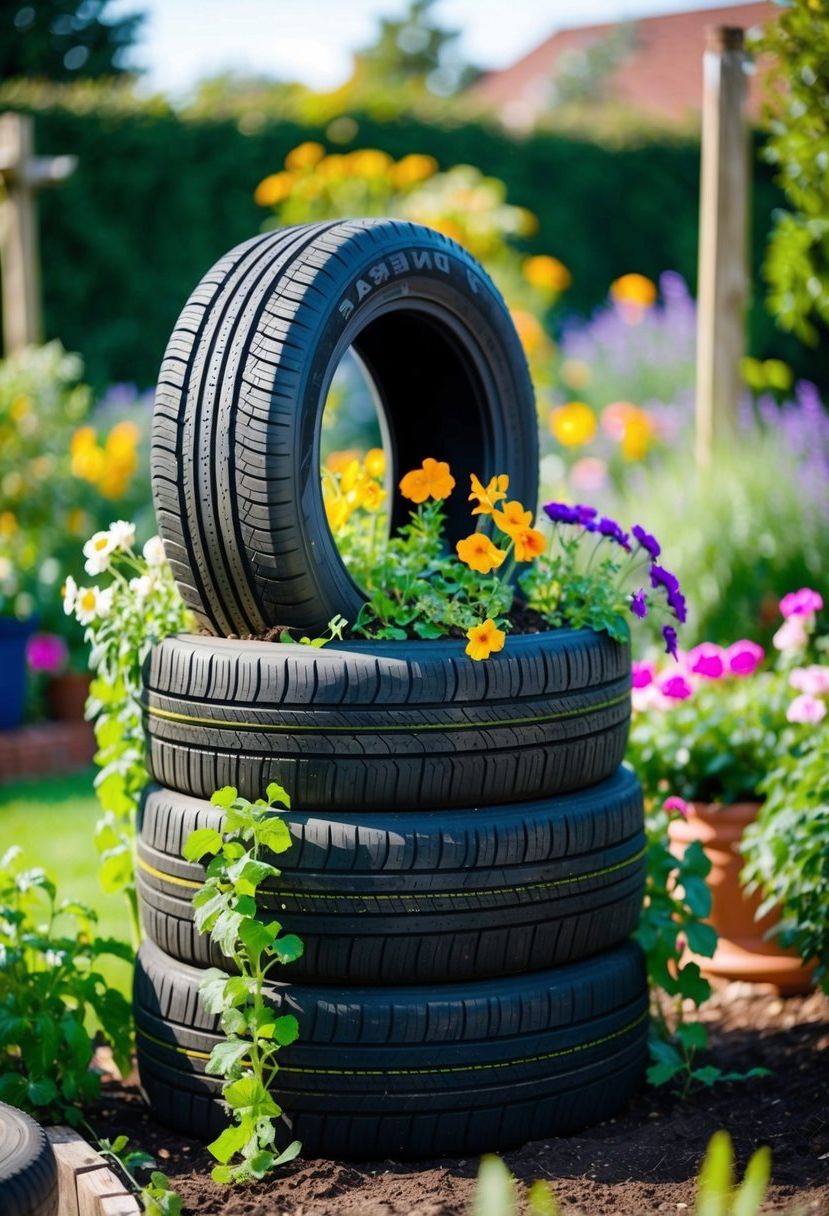
Old tires make sturdy, free planters once you clean them up. A coat of bright paint in red, yellow, or turquoise instantly turns a worn tire into a colorful garden accent.
Stack two or three tires to form a raised bed for vegetables or flowers, saving the cost of buying lumber. The rubber walls also improve drainage and help keep soil temperature steady through changing weather.

Tuck a few evergreen branches into your tire planters around the holidays for a festive touch. It’s a low-cost way to refresh your yard’s look using items you already own instead of buying seasonal decor.
Bordering Garden Beds with Wine Bottles

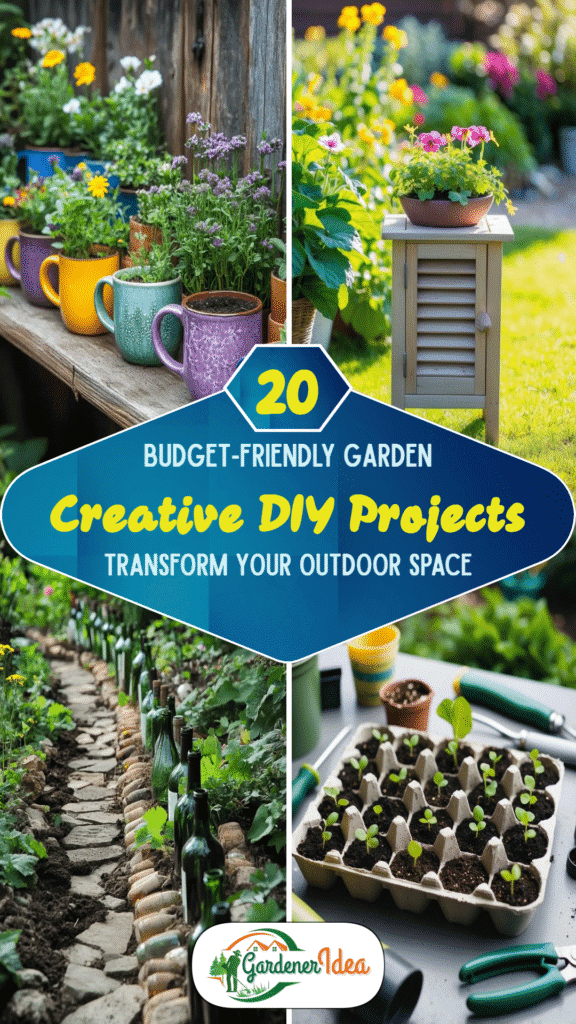
Empty wine bottles make a sturdy, low-cost border for garden beds and pathways. It’s an easy upcycling project that adds structure to your outdoor space without buying edging material.
Dig a narrow trench along the line where you want the border to sit. Sticking to bottles of a single color, like green or clear glass, keeps the finished edge looking neat and unified.
Push the bottles into the trench upside down so the necks point down and the bottoms stick up above the soil line. This creates a distinctive border while giving old glass a second life instead of the recycling bin.
Line a garden pathway or the edge of a flower bed with this bottle-border method for a striking visual effect. It’s a small project that often gets neighbors and visitors asking how you made it.
Making a Teacup Bird Feeder

A teacup bird feeder adds a whimsical accent to any garden corner and takes only a teacup and matching saucer to build. It’s an easy way to repurpose mismatched china instead of donating or tossing it.
Wash the teacup and saucer thoroughly before you start gluing. Apply waterproof adhesive and set the cup at an angle on the saucer so it looks like seeds are spilling out mid-pour.
Let the adhesive cure fully according to its instructions before you handle the piece again. Once it’s set, fill the cup with birdseed and hang the feeder somewhere sheltered to draw in local birds like sparrows or finches.
Turning Old Shutters into a Plant Stand
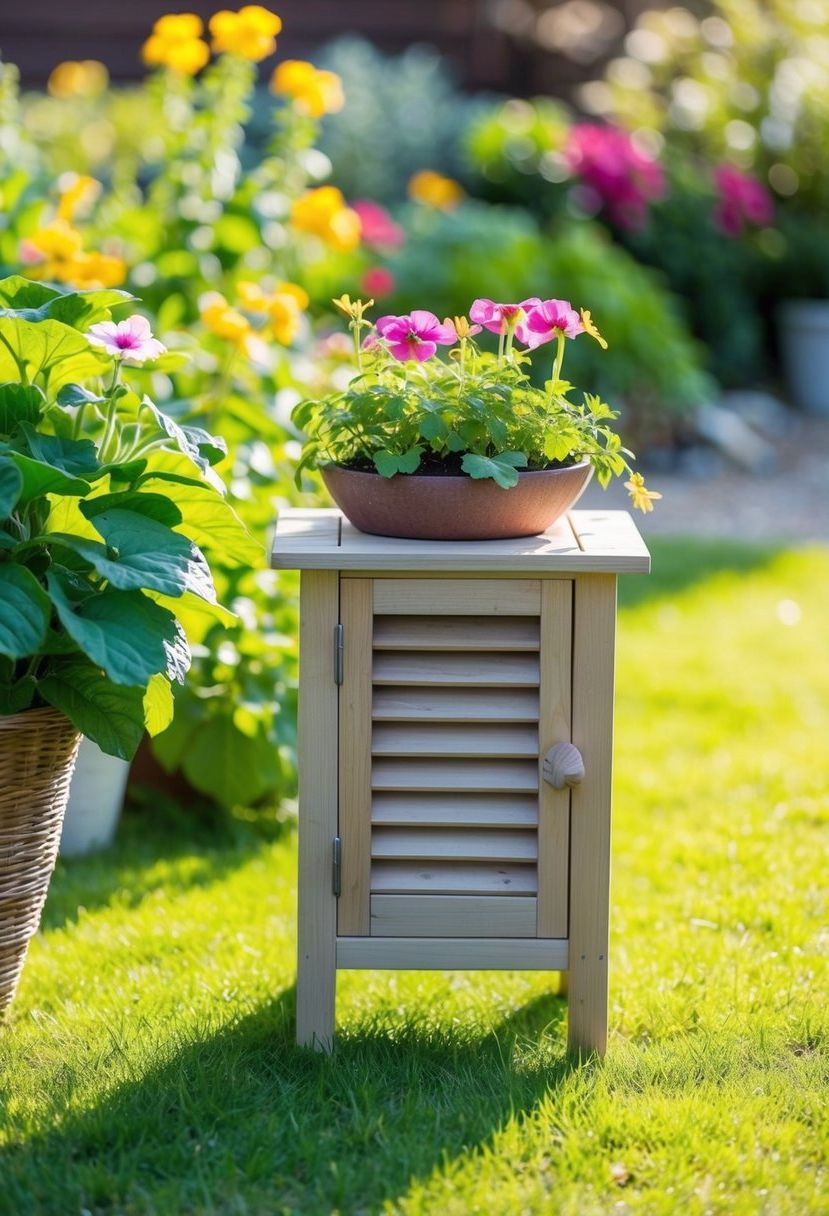
Old wooden shutters make a rustic, ready-made plant stand with almost no extra work. Thrift stores often carry them cheap, or you can repurpose a set already sitting in your garage.

Lean the shutters against an outdoor wall and rest potted plants on the built-in slats. The louvered shelves hold pots at staggered heights, which gives the display a layered, uneven look that feels less staged than a flat shelf.
Building Shelves from Wooden Crates
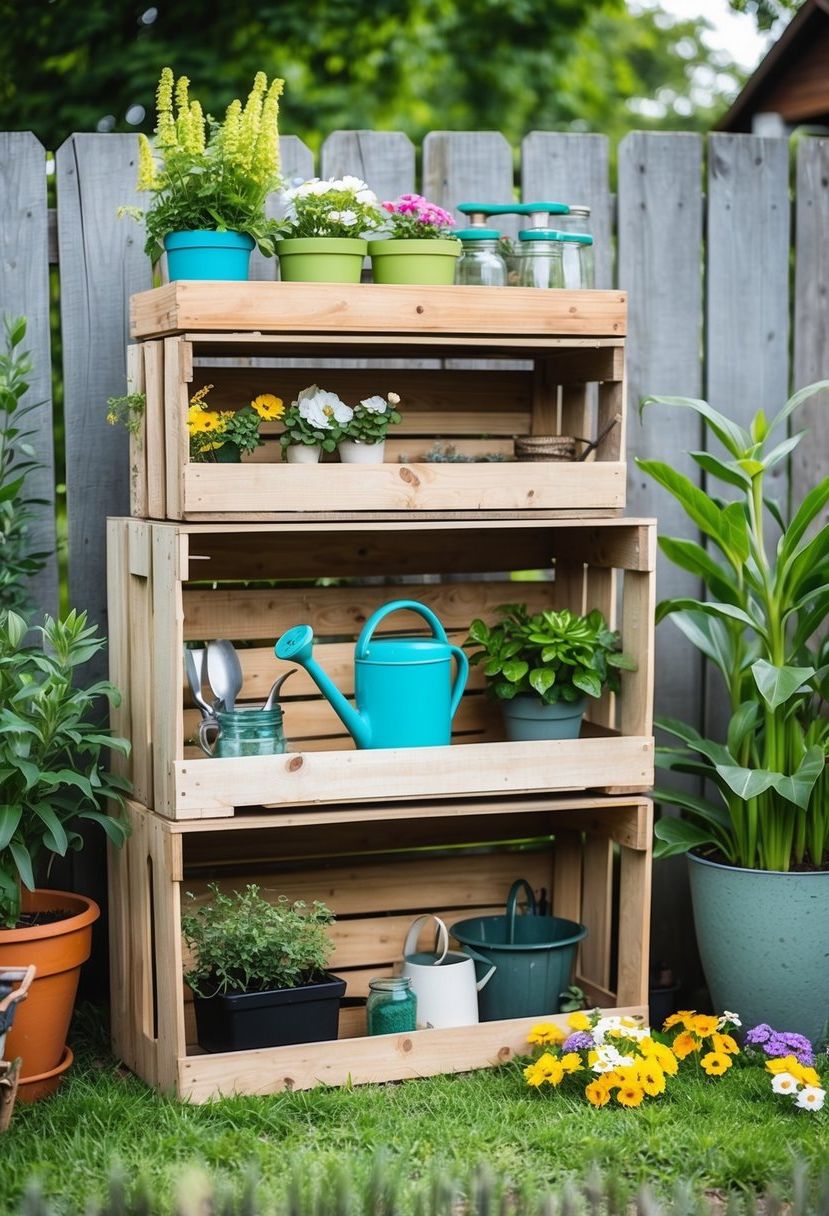
Old wooden crates make sturdy garden shelves that double as tool storage. Thrift stores, flea markets, and online marketplaces are good places to hunt for weathered ones with real character.
Stack the crates for vertical storage or mount them on a wall for a floating shelf effect. Either way, they hold potted plants, hand tools, or watering cans within easy reach while you work.

Crate shelving costs little to put together and brings a rustic, reclaimed-wood look to any yard. Sand the edges, add a coat of stain, or leave them raw and weathered depending on the style you’re going for.
Making a Colander Hanging Planter
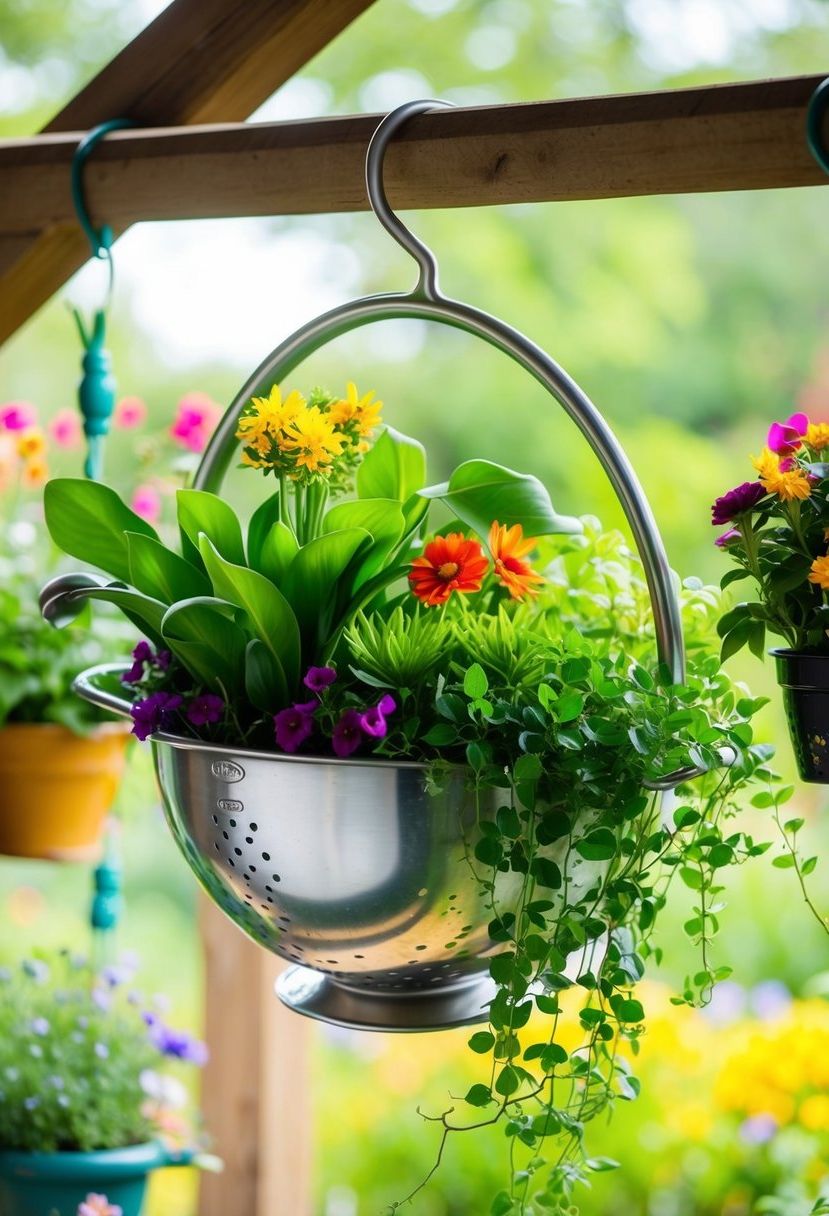
A kitchen colander makes a quick, low-cost hanging planter with almost no extra materials needed. Its existing holes already handle drainage, so the setup work is minimal.
Clean the colander well before you begin. Line the inside with plastic wrap, poke a few extra drainage holes through it, then add potting soil and plant trailing flowers or herbs like ivy or oregano.

Attach twine or a metal chain to the rim to hang your planter from a hook or tree branch. It takes only a few minutes and adds a layer of greenery at eye level instead of only at ground level.
Building a Watering Can Fountain
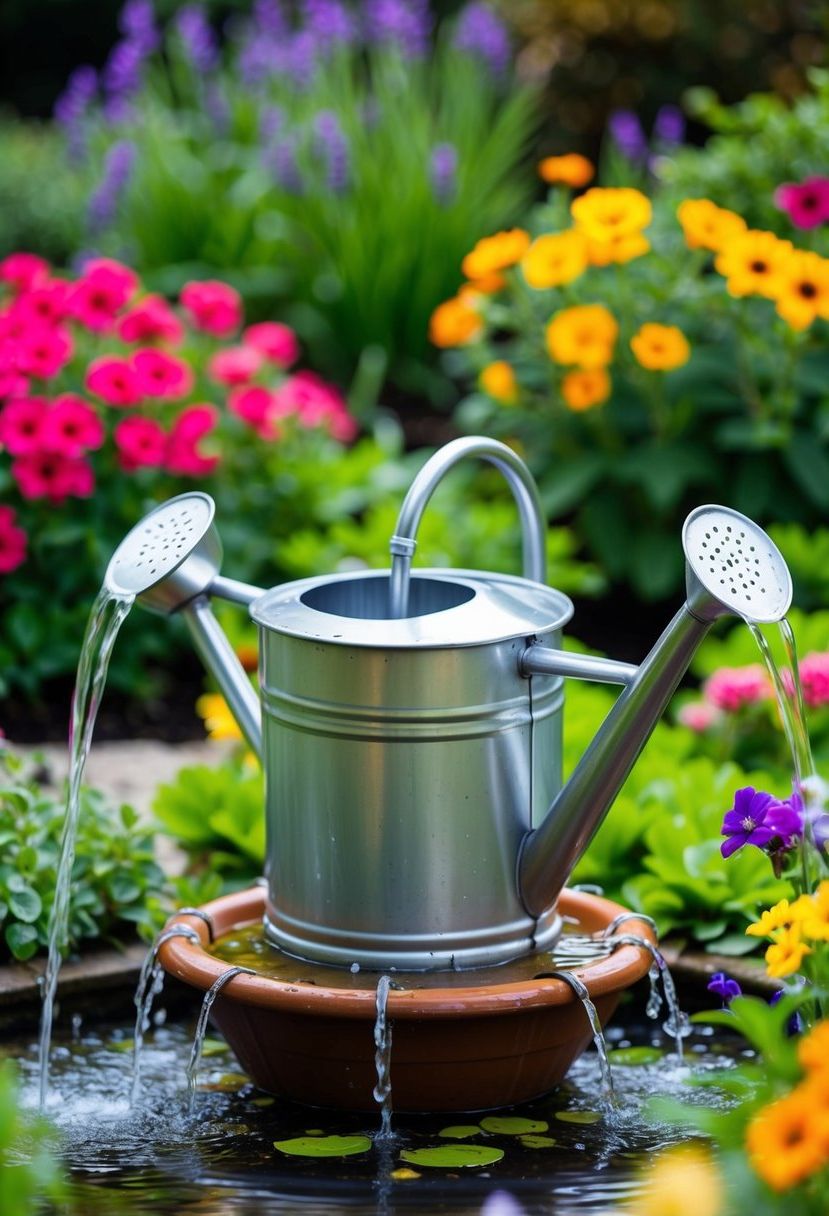
A watering can fountain adds gentle movement and sound to a garden corner, and most versions come together in under an hour. A small submersible pump tucked inside the can recirculates the water for a continuous trickle effect.
Why not grab that old watering can over there and a small water pump? Set up the can so it looks like it’s pouring water into a basin or plant pot.

Go ahead and get creative with your watering can! Add some paint or decorations to make it your own. And don’t forget to appreciate the calming sound of water while you spruce up your outdoor area. Have fun!
Turning Old Trowels into Wall Hooks

Want to add some character to your backyard or garage? Grab those old gardening trowels and turn them into cute hooks! Just bend the handles to make a hook shape, then attach them to a wooden board or straight onto the wall. It’s a fun and creative way to repurpose those old tools!
Oh, you’re going to adore these recycled trowel hooks! They’re not just practical for hanging your tools, but they also bring a fun and whimsical vibe to your gardening spot. They really add some personality to the space!
Making a Watering Can from a Milk Jug
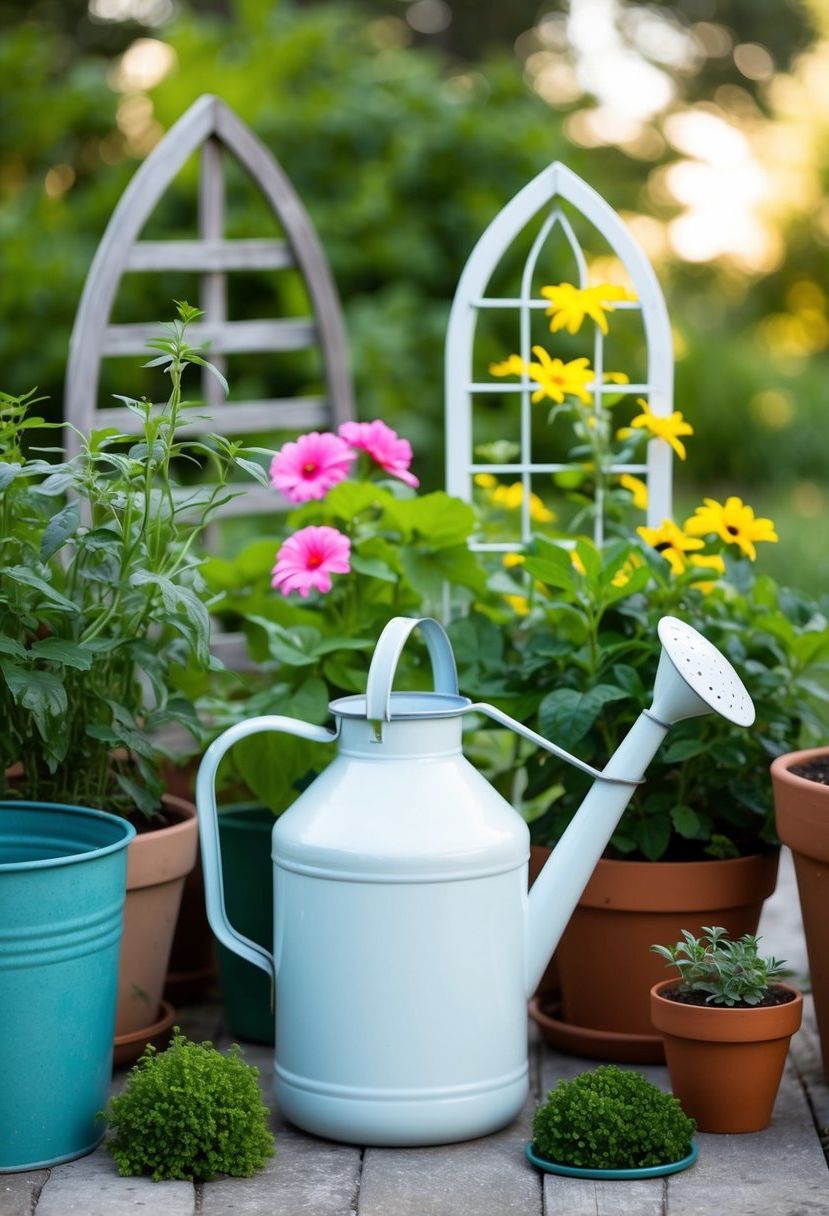
Hey, have you ever thought about turning an empty milk jug into a watering can? It’s actually a really easy and cost-effective way to repurpose something you might just throw away. Plus, it’s super handy for watering your plants!
First things first, make sure to give your jug a good cleaning to get rid of any leftover gunk. After it’s nice and dry, grab a nail or drill and make some little holes in the lid so you can water your plants evenly.
Feel free to customize the hole sizes based on how much water your plants need. This project is a cool way to reuse materials and make sure your plants are getting enough water.
Starting Seeds in an Egg Carton
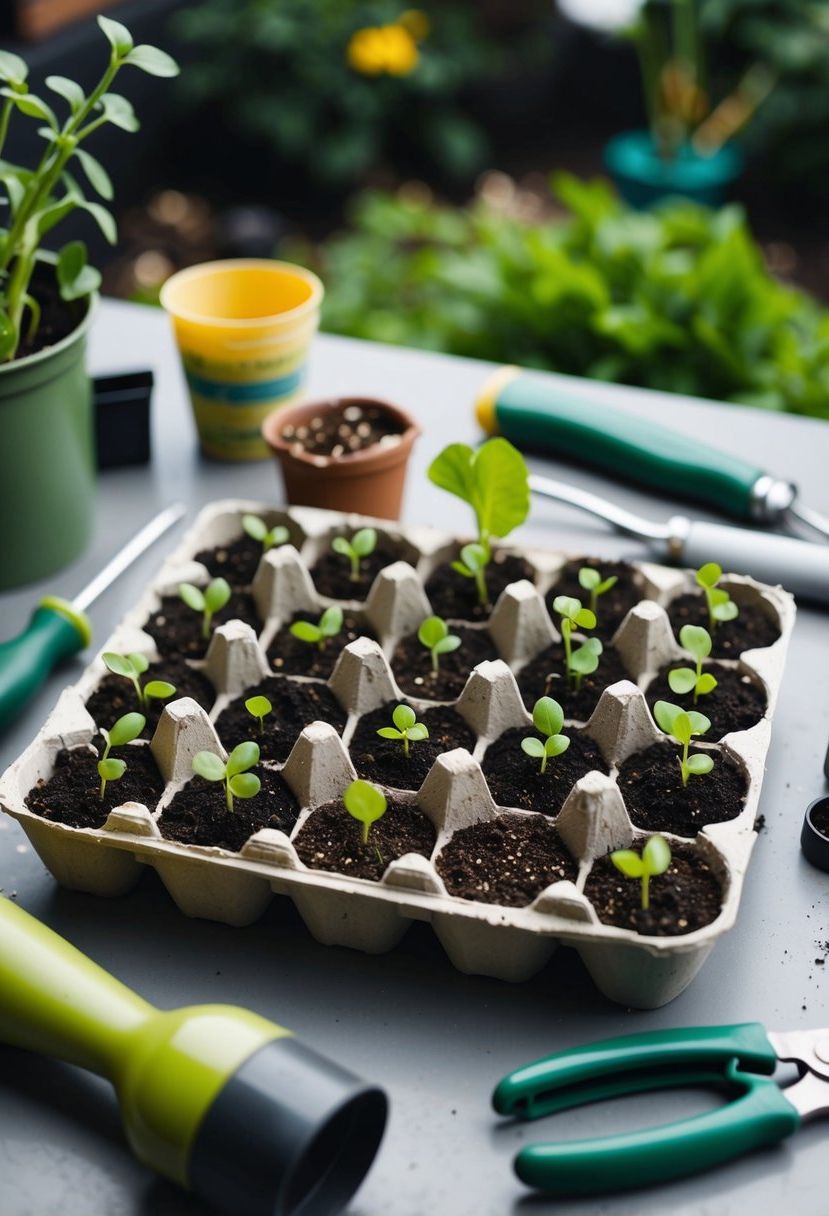
Have you ever tried using egg cartons to start your seeds? It’s a great money-saving gardening trick!
Hey there! All you gotta do is cut the sections apart and make some holes at the bottom for drainage. Then, go ahead and fill each cup with potting soil and plant your seeds just like it says on the package. Easy peasy!

This easy trick works wonders and is also super eco-friendly!
Using Mugs as Garden Planters

You know what’s a cool idea? Using old coffee mugs as planters! It’s a fun way to add some character to your garden or balcony without breaking the bank. Just grab those mugs collecting dust in your cupboard and give them a new life as cute little plant homes. It’s a simple and creative way to spruce up your outdoor space!
If you want your plants to have proper drainage, just grab a mug and drill a hole in the bottom of it. But hey, if you’d rather not mess with drilling, just toss some small rocks in the mug to catch the extra water. Easy peasy!
Hey there! Did you know that mugs can be great for planting herbs or small succulents? It’s a fun way to add a personalized touch to your gardening. Just pick out your favorite mugs and get ready to enjoy watching your plants grow!
Building a Garden Bed from Cinder Blocks
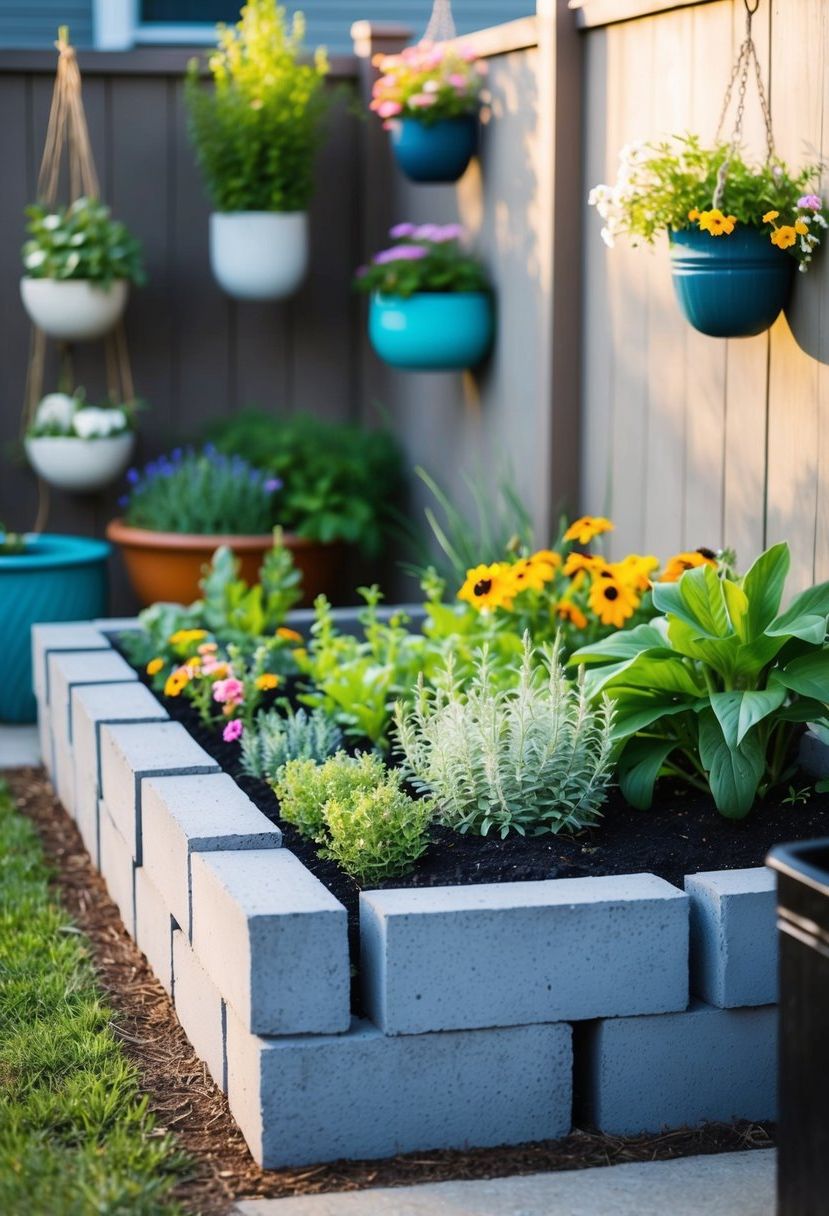
Hey there! If you’re looking to start a garden without breaking the bank, have you considered using cinder blocks? They’re a great, affordable option for creating garden beds in your backyard. Plus, they’re super easy to put together and provide a strong foundation for your plants. Why not give it a try?

These blocks are great for keeping water out and keeping bugs away. And the best part is you can paint them to match your garden’s look!
Making Plant Markers from Old Spoons

Have you ever tried using old spoons to label your garden plants? It’s a creative and cost-effective idea that adds a unique touch to your garden. Just grab some metal or plastic spoons and start personalizing your markers!
All you have to do is grab a permanent marker and write the names of your plants on the spoons. If you want to get creative, you can even add some paint or washi tape for a unique look. It not only adds a cute touch but also makes it super easy to keep tabs on all your plants.
Turning Gutters into Garden Planters
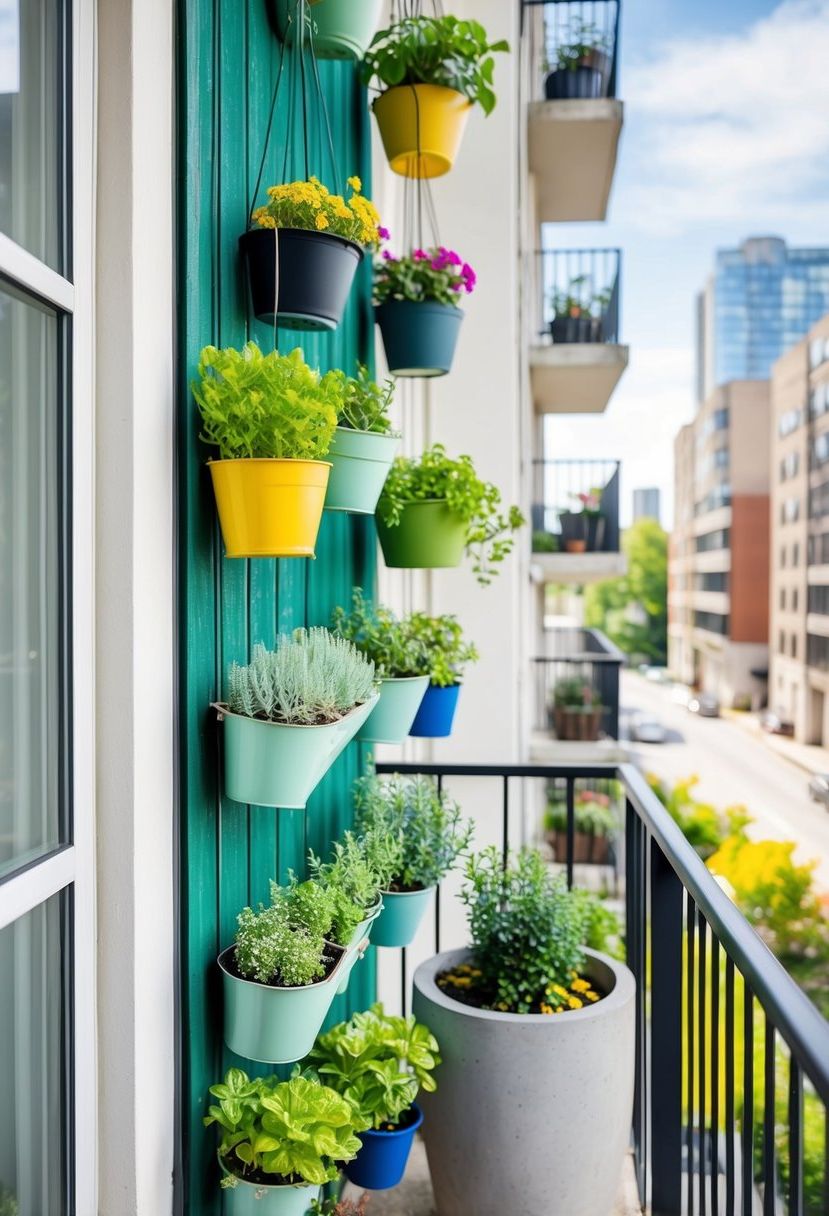
Hey there! Have you ever thought about creating a gutter garden? It’s really a cool and affordable way to bring some green vibes into your space. Just grab some old rain gutters and use them as planters for your favorite herbs, flowers, or veggies. It’s super easy and adds a nice touch to your home or garden!

All you have to do is poke some holes in the bottom and then hang them up on a wall or fence. It’s a great way to save space and they’re super easy to take care of.
Repurposing a Tree Stump in the Garden

Have you ever thought about using an old tree stump to add some rustic charm to your garden? It’s a great way to repurpose something and give your outdoor space a unique touch. You could even turn it into a planter by hollowing it out and filling it with some soil and pretty flowers. How cool is that?
How about just keeping the tree stump as is and jazzing it up with some candles? It’ll give your outdoor area a special touch with some cool lighting.

Want to add a fun and spooky vibe to your Halloween decorations? Try carving some designs or creepy faces into a tree stump! It’s a budget-friendly way to turn an ordinary stump into a cool and unique piece for your garden.
Displaying Succulents as Living Decor

Have you ever thought about making your own succulent frame? It’s a really fun and affordable gardening project that you can try out. You can get creative and use a wooden frame or even recycle an old window frame to showcase your plants. Give it a go and see how beautiful it turns out!
Go ahead and pour that soil into the frame, and then have some fun arranging those adorable little succulents just how you like! It’ll really make your garden or indoor area pop with a cool and unique vibe.
Hey, don’t forget to mix things up and choose different colors and shapes to really catch people’s eyes! Have fun with your new creative display!
20. Building a Pallet Vertical Garden
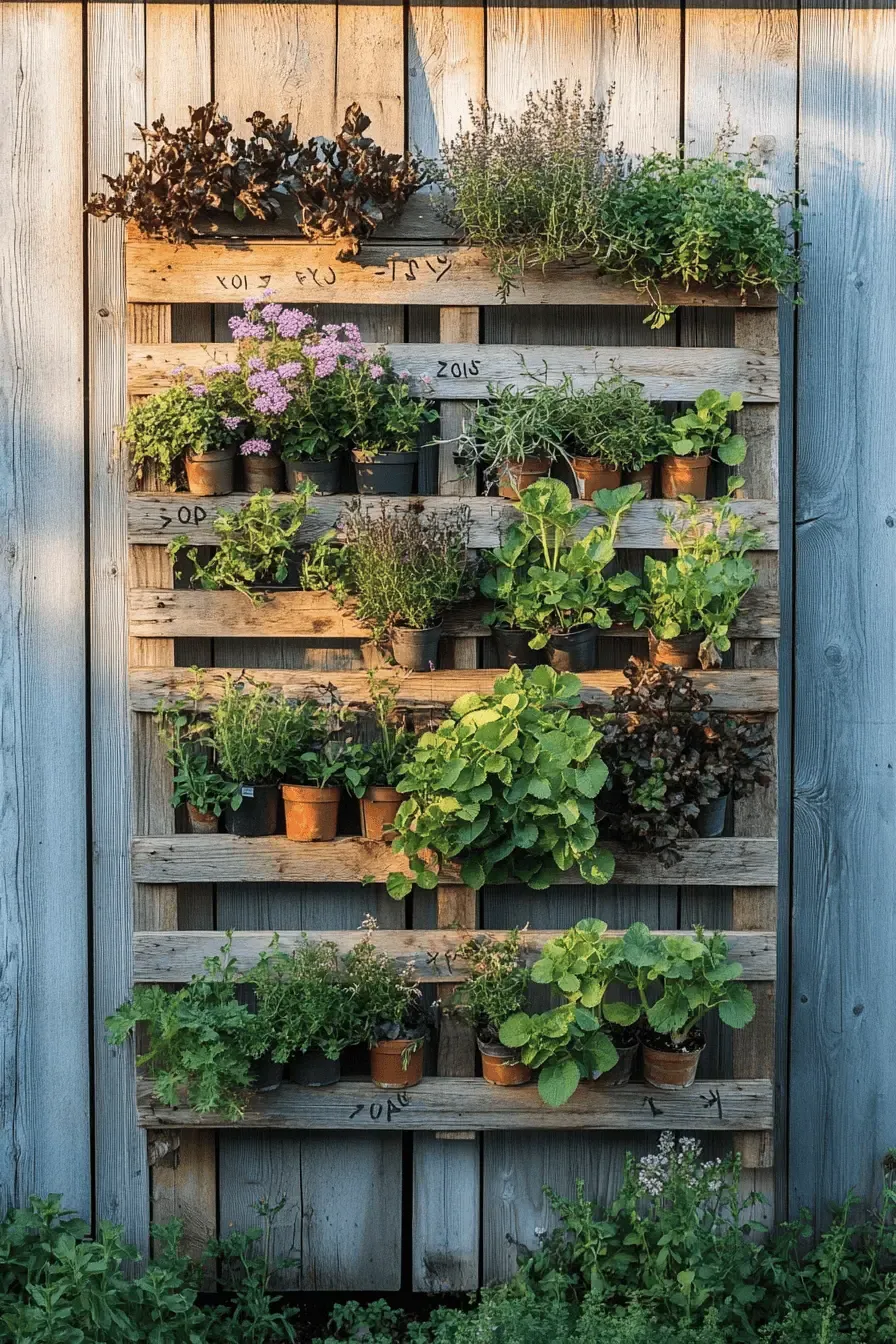
Have you ever thought about creating a pallet vertical garden? It’s such a cool and thrifty way to bring some green into your place. Plus, you get to give a new life to an old pallet, which is not only good for the environment but also super handy.
Hey there! All you’ve gotta do is fill those slats with some soil, throw in your favorite herbs or flowers, and you’re good to go! It’s a great way to save space and keep things low maintenance. You can hang it on a wall or prop it up against a fence. And if you’re looking for more cool DIY vertical garden ideas, be sure to check out for some inspiration!
How to Choose Budget-Friendly Plants

Choosing the perfect plants for your garden is super important if you want to save some money. By going for plants that come back every year, sticking to native species, and learning how to propagate, you can have a beautiful garden without breaking the bank.
Perennials vs. Annuals
When you’re thinking about what to plant in your garden, it’s good to think about the difference between perennials and annuals. Perennials are the ones that come back year after year, so you only have to plant them once and you’ll keep enjoying them for many seasons. Some of my favorites are hostas, daylilies, and black-eyed Susans. They always bring a nice pop of color to the garden!
On the other hand, annual plants need to be replanted every year, which can get pretty pricey. Although they do add a lot of colors and different options, it’s a good idea to pick just a few annuals to mix in with your perennial plants for a touch of seasonal flair without spending too much money.
Native Plants
Choosing native plants is a great way to save some cash. They’re already used to the weather and soil in your area, so you won’t have to spend as much time and money taking care of them. Plus, they don’t need as much water to stay healthy. Using native plants is also better for the environment since they require fewer resources to grow. Isn’t that neat?
Hey there! If you want to add some lovely touches to your garden while helping out the environment, consider planting native species like coneflowers, lavender, or asters. Not only do these plants attract beneficial pollinators, but they also promote biodiversity in your outdoor space. Plus, choosing native plants can save you some money and create a beautiful landscape at the same time. Win-win! So why not give it a try and watch your garden flourish?
Propagating Your Own Plants
Have you ever thought about growing your own plants? It’s actually a fun and budget-friendly idea! You can simply take cuttings from your existing plants or divide them. Did you know that herbs like mint and basil easily root in water? It’s a great way to expand your garden!
You can start by taking some small plant cuttings and putting them in some good soil. Make sure to keep them watered and pretty soon you’ll see them turn into new plants. This way, you can save some cash and add more of your favorite plants to your garden without spending extra money. Cool, right?
Making Creative Use of Garden Space
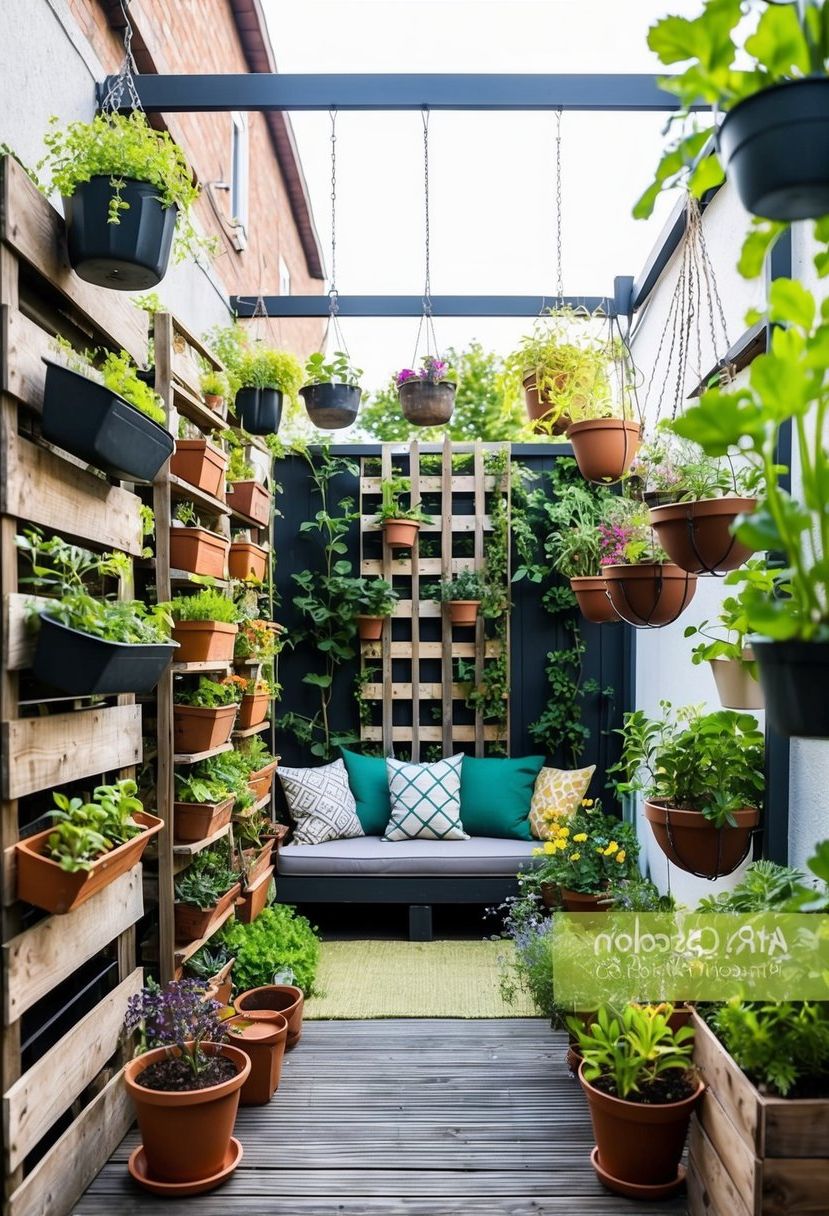
Have you ever thought about how awesome it would be to turn your small garden into a flourishing paradise? Well, let’s chat about some cool ideas on how to make the most out of your outdoor space!
Vertical Gardening
Have you ever heard of vertical gardening? It’s a super cool way to make the most out of your space! Instead of spreading out your plants on the ground, you grow them upwards to save room. It’s all about being smart with your limited space.
Hey there! Let’s talk about vertical gardening options. So, there are a lot of cool ways you can garden vertically, like using trellises, hanging planters, or even wall-mounted planters. It’s a great way to save space and add some greenery to your home. Got any questions or ideas you want to share? Let’s chat!
- Trellises and Arbors: Use these structures to support climbing plants like beans and cucumbers, enhancing both beauty and harvest.
- Wall Planters: Hanging pots or wall-mounted planters are perfect for small herbs or flowering plants, adding a splash of color at eye level.
This way of doing things not only helps save some room, but it also lets your plants get more fresh air and sunlight. So, it’s a win-win for everyone involved!
Container Gardening
Container gardening is such a great option because you can basically grow plants anywhere! It doesn’t matter if you have a little balcony, a cozy patio, or even just a sunny corner in your yard, pots can be a perfect fit for any space.
Have you ever thought about trying container gardening? It’s a fantastic way to grow your own plants, even if you don’t have a lot of space or a big backyard. Plus, it’s super easy to get started and you can grow all sorts of things, like herbs, vegetables, or flowers. And the best part? You can move your containers around to find the perfect spot for each plant. So why not give it a try and see all the amazing benefits for yourself?
- Variety of Plants: You can mix flowers, herbs, and vegetables in one area, making your garden versatile.
- Mobility: Move containers around to follow the sun or change your landscape design easily.
Make sure your pots have good drainage and use the right soil mix to keep your plants happy and thriving!
Pallet Gardens
Have you ever thought about trying out a pallet garden? It’s such a cool and affordable way to make the most of your vertical space. You can easily put together a cute little garden using old wooden pallets.
So, have you ever thought about trying your hand at creating a pallet garden? It’s a super fun and creative way to grow your own plants and veggies, all while upcycling old pallets. Plus, it’s a great project to get your hands dirty and enjoy some time outdoors. Just imagine all the beautiful flowers and fresh herbs you could have right in your own backyard! Have you ever considered giving it a try?
- Select a Sturdy Pallet: Make sure it’s safe for gardening, avoiding those treated with harmful chemicals.
- Fill with Soil: Lay the pallet flat or stand it upright. Fill the slats with nutrient-rich soil and select suitable plants.
- Choose the Right Plants: Opt for herbs, succulents, or small flowers that thrive in confined spaces.
This method is really cool because it gives off a cozy, rustic vibe and lets you plant stuff in little nooks and crannies. It’s super fun to try out and see what you can grow in unexpected spots!
Affordable Maintenance Services for a Beautiful Garden
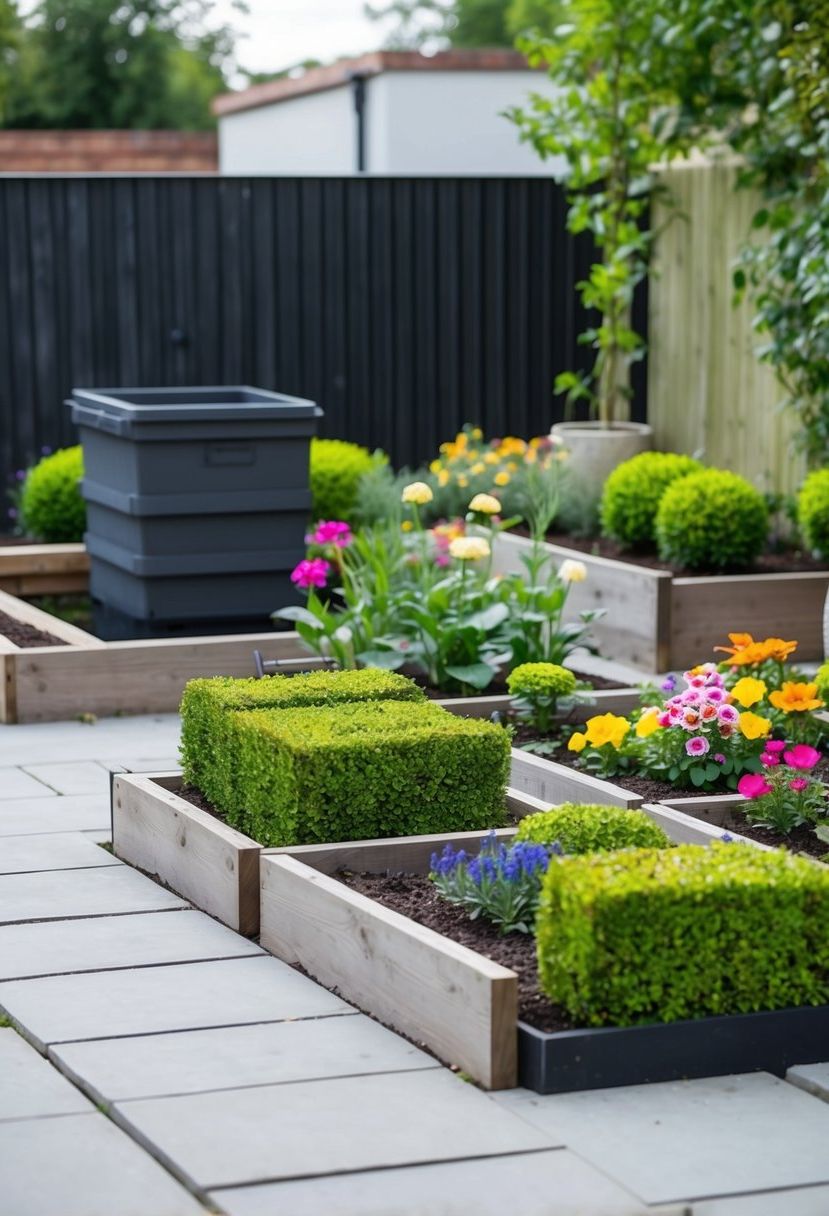
Having a lovely garden doesn’t have to break the bank! With a few clever tricks, you can make sure your garden stays healthy without spending a fortune. Check out these easy tips for taking care of your garden.
DIY Composting
Making your own compost is really awesome because it helps make your soil super healthy without having to spend a ton of money. Just gather all your kitchen scraps like veggie peels, coffee grounds, and eggshells, and mix them in with grass clippings and leaves from your yard. It’s a simple way to give back to the earth!
If you’re looking to whip up your own compost bin, there are a few easy ways to go about it! You could throw together a wooden structure, set up some wire mesh, or simply create a pile in the back of your yard. Just be sure to give it a good mix every now and then to help it break down faster. In no time, like around six months or so, you’ll have some top-notch compost ready to give your garden a real boost!
Water Efficiency Tips
Hey there! Did you know that watering your plants wisely can actually help you save a pretty penny on your utility bills? I recommend trying out drip irrigation systems or soaker hoses – they’re great because they deliver water right to your plants, meaning less waste and more savings for you! Give it a shot and see the difference for yourself.
You might want to think about setting up some rain barrels to collect water for your garden. It’s a great way to save money and give your plants the hydration they need. Try watering in the morning or evening to prevent evaporation and keep your garden thriving.
Furthermore, adding mulch around your plants is a great way to keep the soil moist for longer periods, so you won’t have to water as often. It’s a small change that can really have a big impact!
Natural Pest Control
Did you know that you don’t need to spend a ton on pesticides to keep pests away? One easy way is by bringing in friendly bugs like ladybugs and lacewings that can take care of those pesky critters for you. Plus, planting pretty flowers like marigolds can help keep the bad bugs at bay. It’s a win-win for your garden!
If you’re dealing with a few pesky bugs, a mixture of water and dish soap works wonders on aphids and spider mites. You can even whip up your own insect traps using vinegar or soapy water – it’s a budget-friendly way to keep those pests at bay!
If you try out these natural methods, your garden will stay healthy and looking great without having to spend money on those pest control products you find in stores. Sounds like a win-win!