

Deer treating your beds like a salad bar? I’ve put together landscaping ideas that send them looking elsewhere while your yard still looks sharp. Most of these rely on plants deer skip, plus a few smart structures that block their favorite routes.
1. Sedum as a Deer Proof Ground Cover

Deer walk right past sedum, which makes it a smart ground cover choice. The thick, waxy leaves store water, so it shrugs off dry spells and poor soil. I use it to fill bare gaps between stones and along bed edges in my garden.
3. Ornamental Grasses for Texture
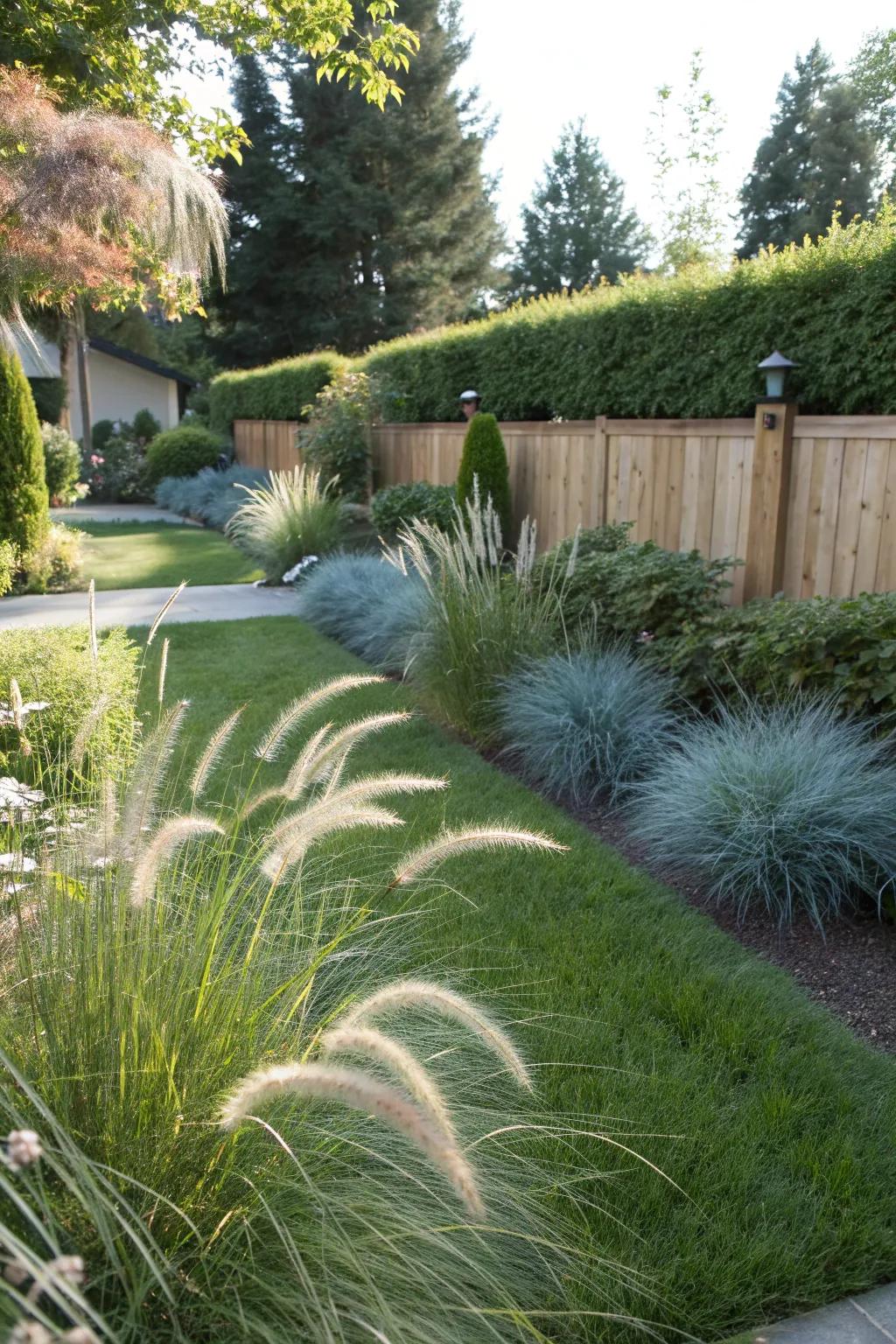
Fountain grass and blue oat grass bring movement and texture to a bed, and deer rarely touch either one. I rely on them for height without worrying about stems chewed to the ground. Their seed heads also hold shape through winter, which keeps the garden interesting after frost. For extra defense, look at these creative garden deer fence ideas to keep your plants safe.
3. Bee Balm for Pollinator Gardens

Bees and butterflies swarm bee balm, yet deer leave the shaggy red and purple flowers alone. That combination makes it a strong pick for a pollinator garden. The plant spreads by runners, so give it room or divide it every few years. For more ways to bring in winged visitors, check out these butterfly bush landscaping ideas.
4. Garlic and Its Pungent Aroma

That sharp garlic smell works as a natural deer deterrent. I tuck cloves in near tender plants that need cover, and I still get bulbs for the kitchen. Fall planting gives the best heads the following summer. You can also close off your perimeter with creative deer fence gate ideas to keep wildlife out.
5. Raised Beds for Extra Height
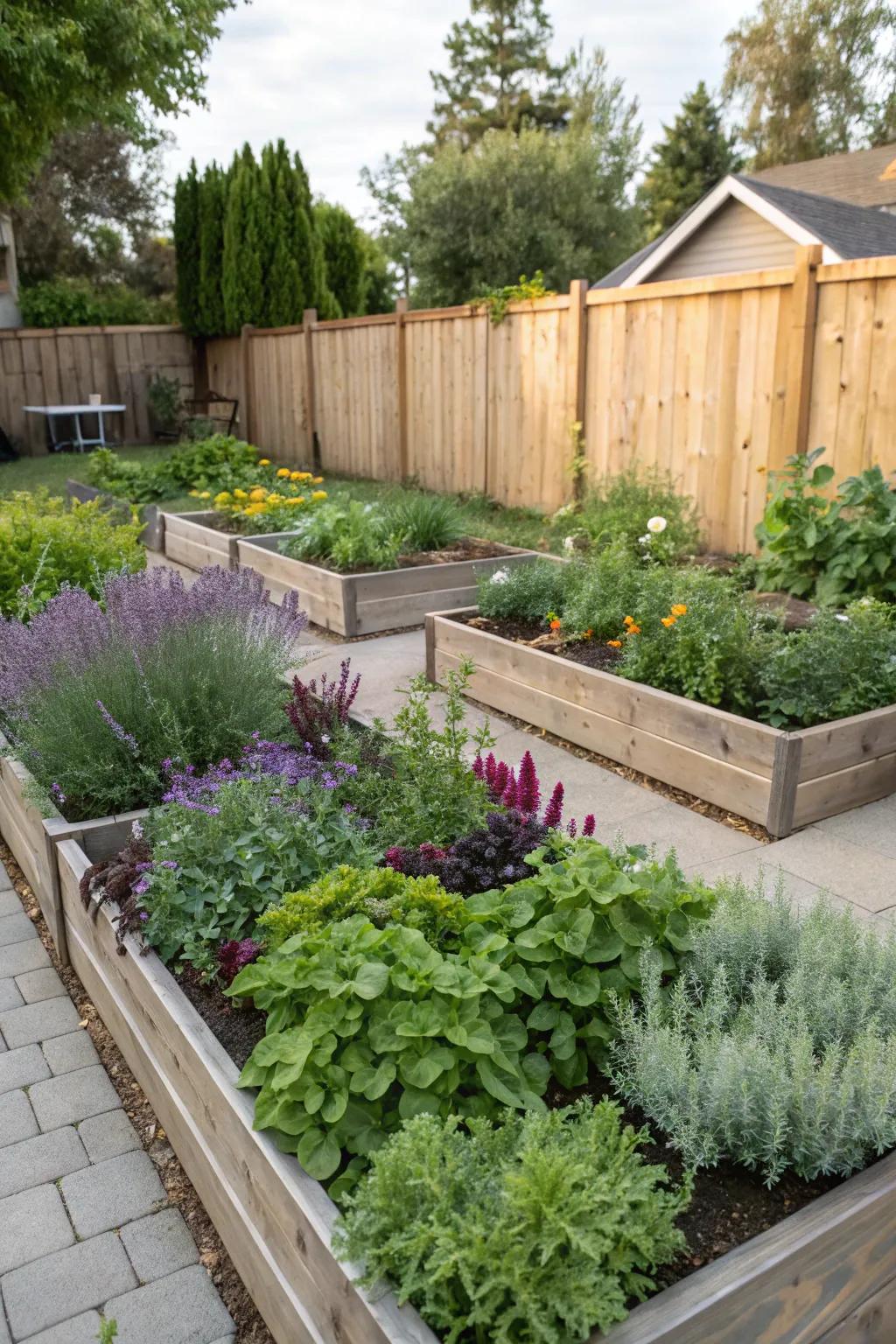
Lifting your plants into raised beds puts them harder to reach for browsing deer. The added height also gives flat yards some layers to look at. In my backyard, the beds have saved delicate greens more than once. Pair them with attractive deer fencing for full coverage.
6. Rosemary and Other Scented Herbs

Rosemary and thyme pull double duty in the garden. Their strong oils bother deer, and both taste great in the kitchen. I scatter clumps of each through the beds so the scent spreads around. Rosemary also handles heat and dry soil well. You can find more ways to protect fruit trees from deer by using these aromatic plants.
7. Yarrow for Color and Resistance
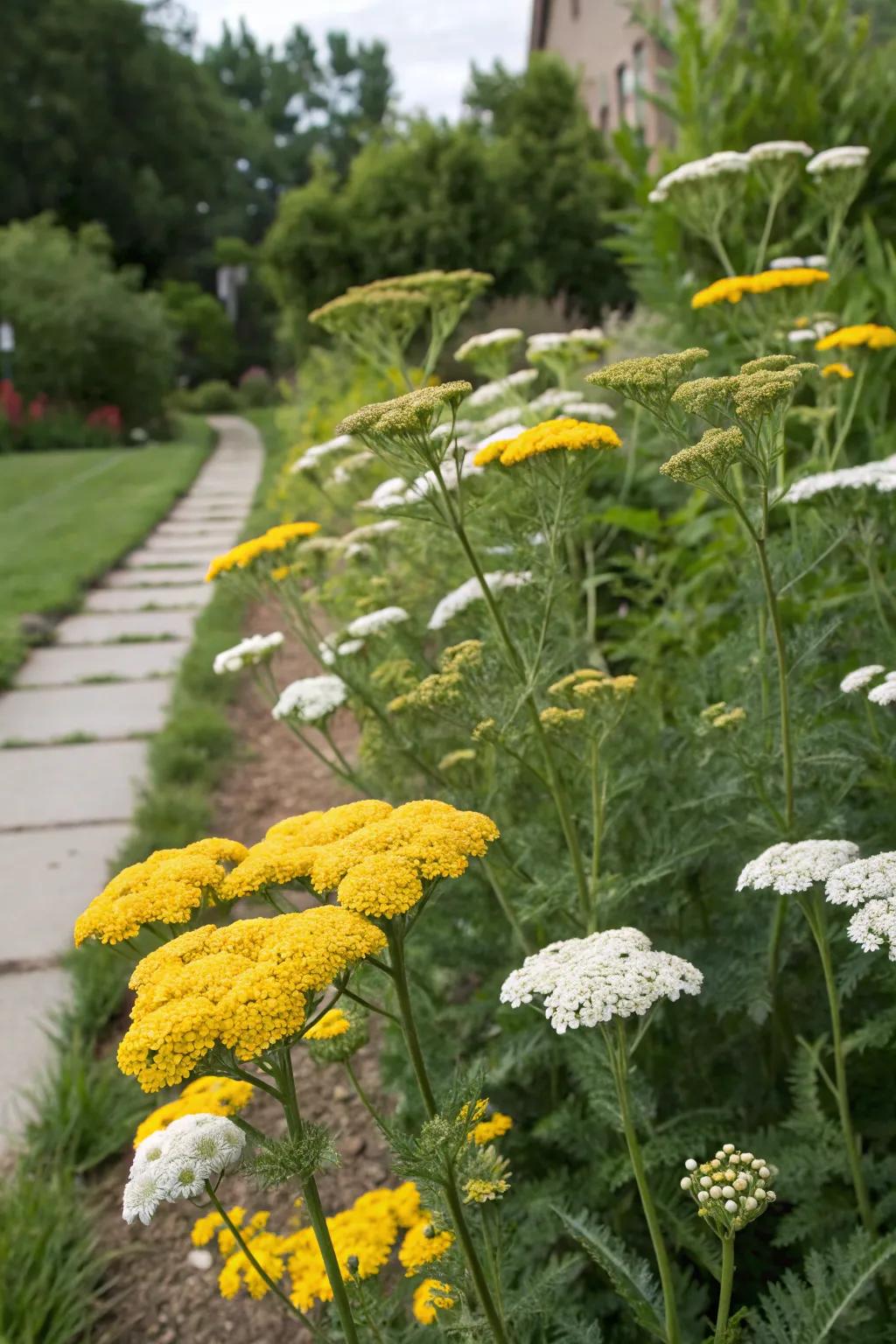
Flat clusters of yarrow blooms sit above feathery gray-green foliage, and deer find the whole plant unappetizing. That mix of color and resistance earns it a spot in my garden every year. Cut stems dry well for indoor arrangements too. For more ways to manage wildlife in your landscape, check out these creative deer pole ideas.
8. Decorative Fencing With Charm
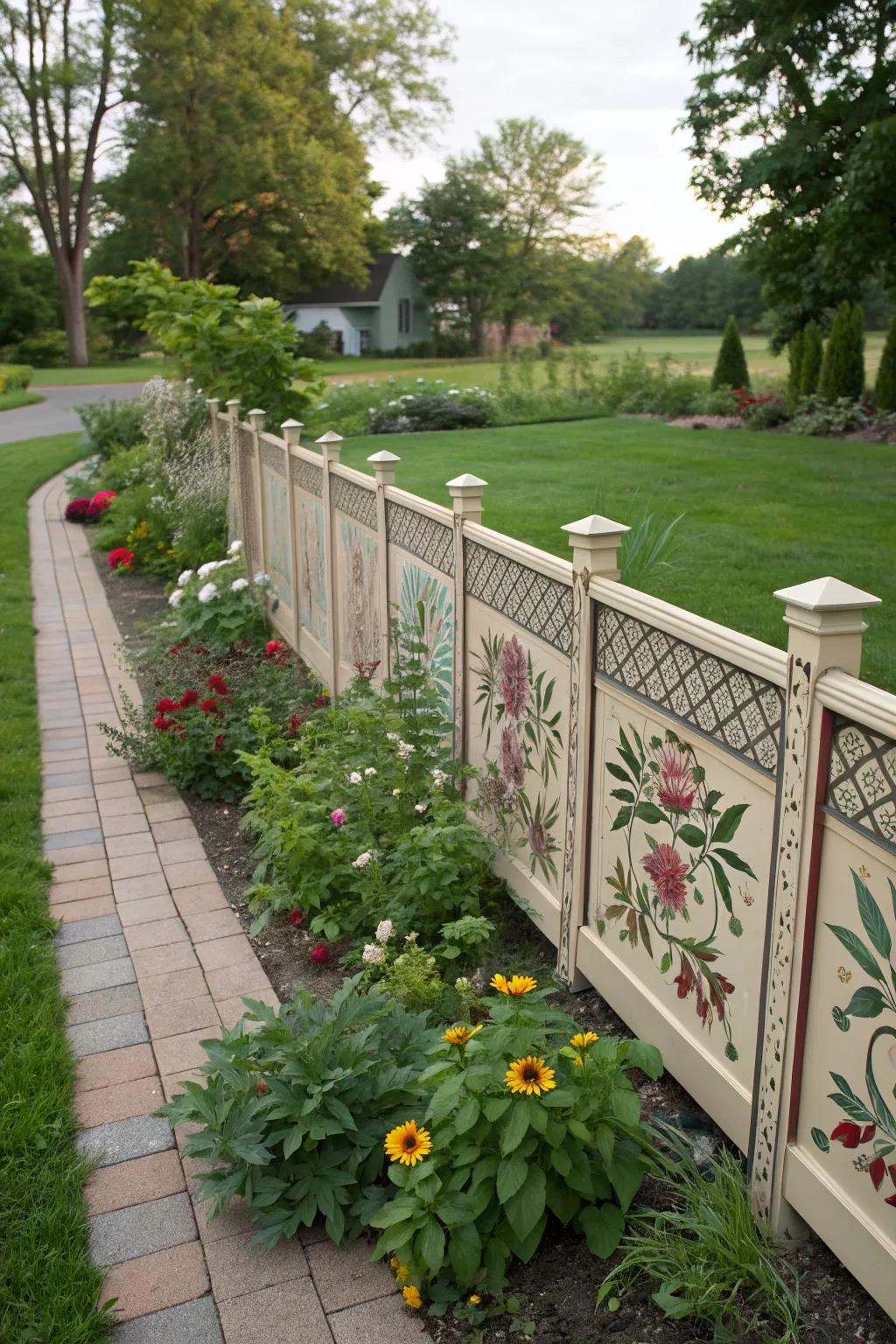
Decorative fencing guards your plants and gives the garden a finished edge. Even a low picket or hoop border has turned deer away in my yard. Wood and black metal both blend in without looking like a barricade, which is why the investment pays off.
9. Build a Lavender Hedge
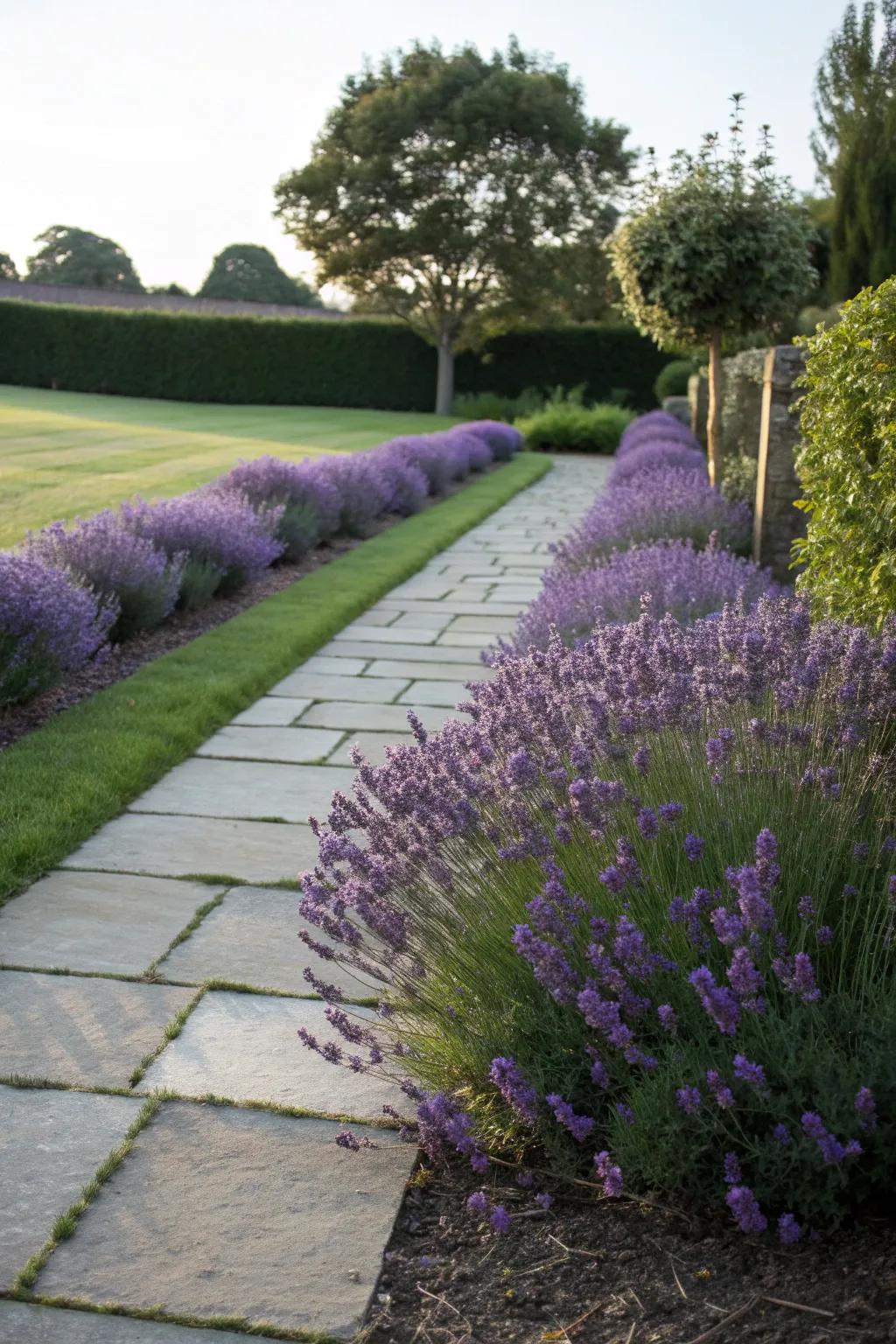
Lavender brings silver foliage, purple spikes, and a scent deer would rather skip. I’ve lined my pathways with it, so every walk past releases the fragrance. Plant it in full sun with gritty, well-drained soil and it will come back for years. If you want to improve your hunting setup, check out these cozy deer stand interior ideas.
10. Stone Walls for Structure and Defense
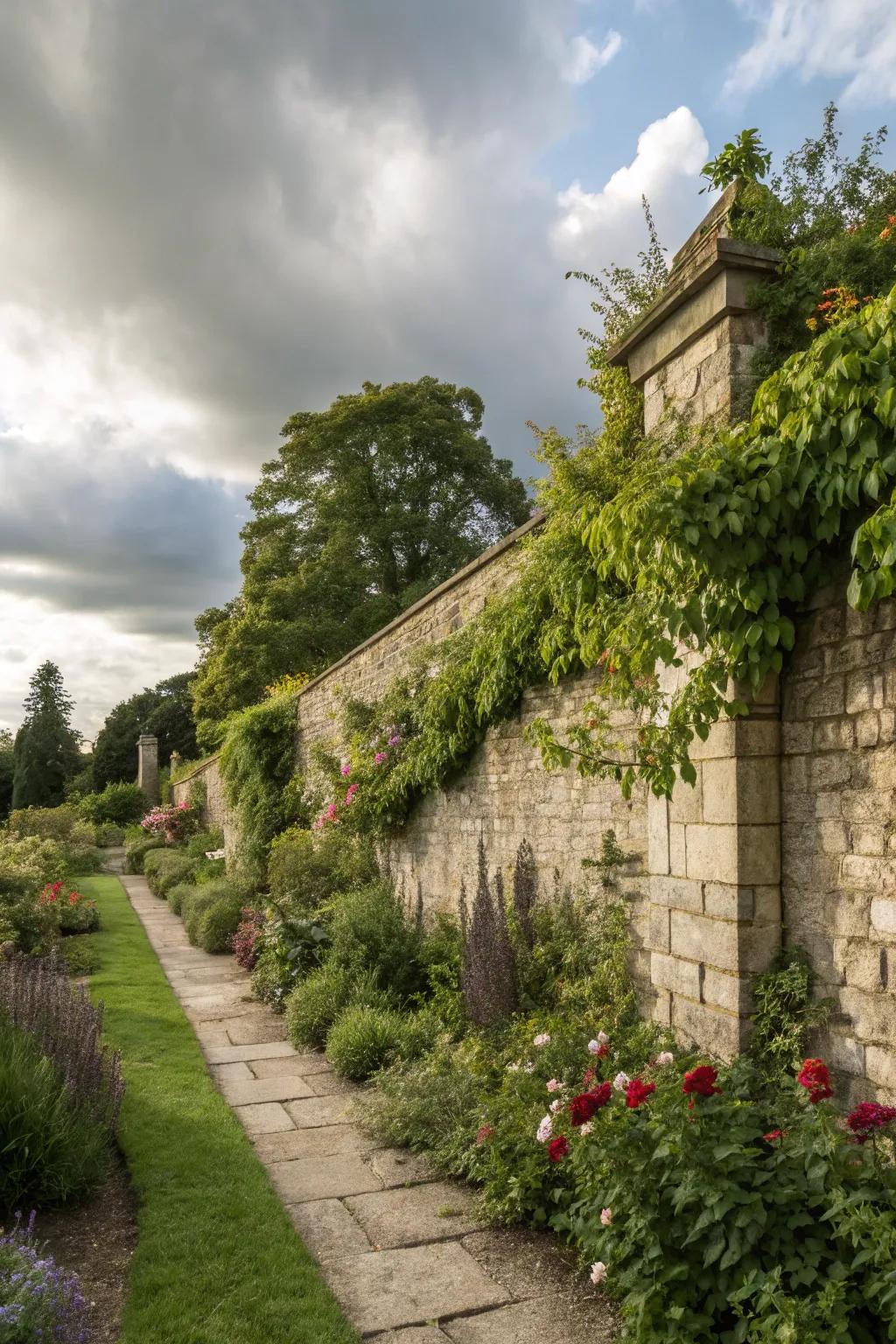
Stone walls give a garden weight and a solid physical barrier at the same time. I use them in my designs to hold soil, split levels, and slow deer down. Dry-stacked stone also warms up fast in spring, which suits plants tucked at the base. These features show up in my front yard landscaping ideas for Zone 6.
11. Foxglove for Vertical Accents
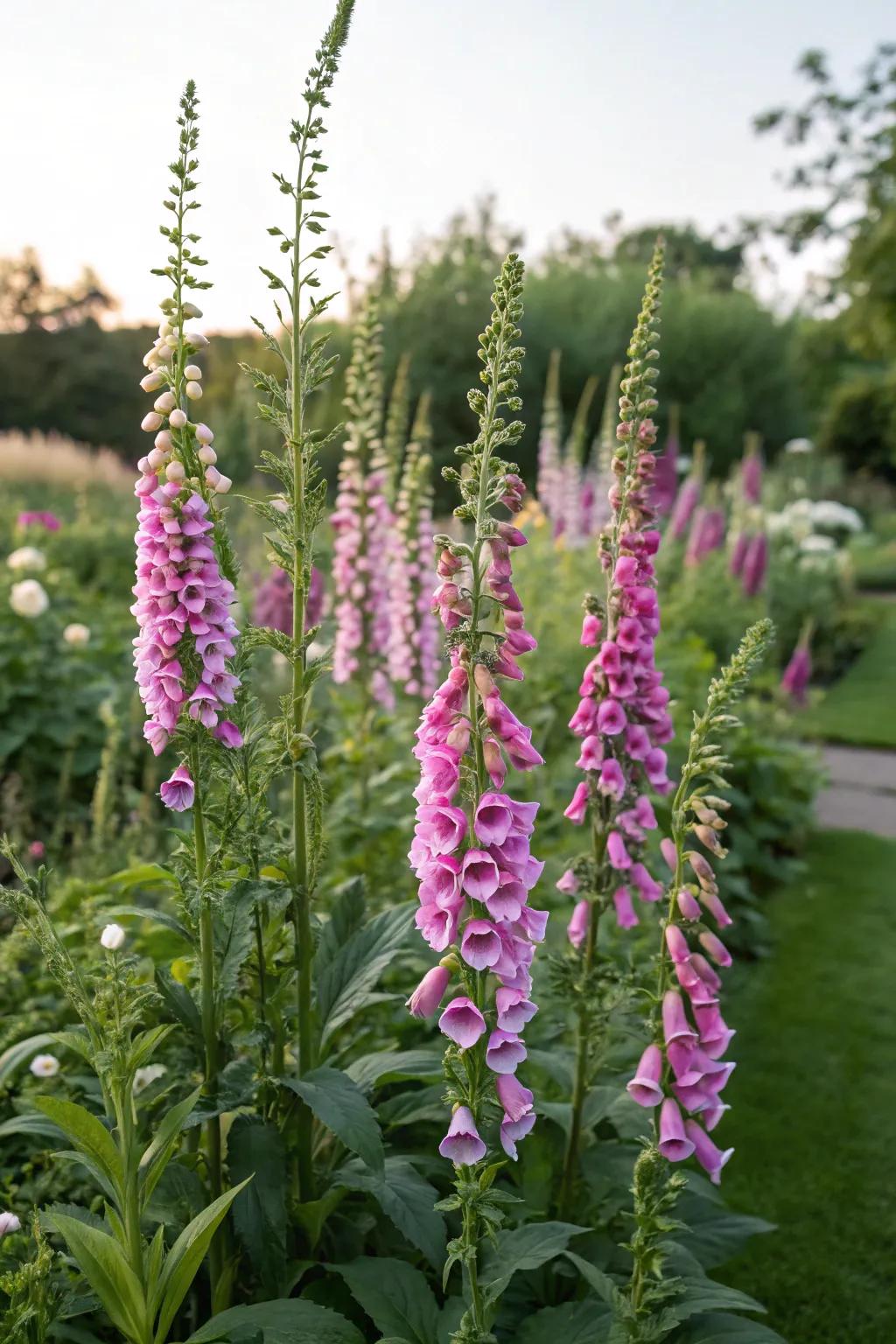
Tall foxglove spires add vertical interest to the back of a border. Deer avoid them because every part of the plant is toxic. I count on them for height, and they self-seed into new spots each season.
12. Astilbe for Shady Spots

Shade beds get tricky fast, and astilbe solves them. Deer skip it, and the fluffy pink and white plumes rise above ferny leaves. Keep the soil moist and it will bloom for weeks in early summer.
13. Guide Traffic With Stepping Stones
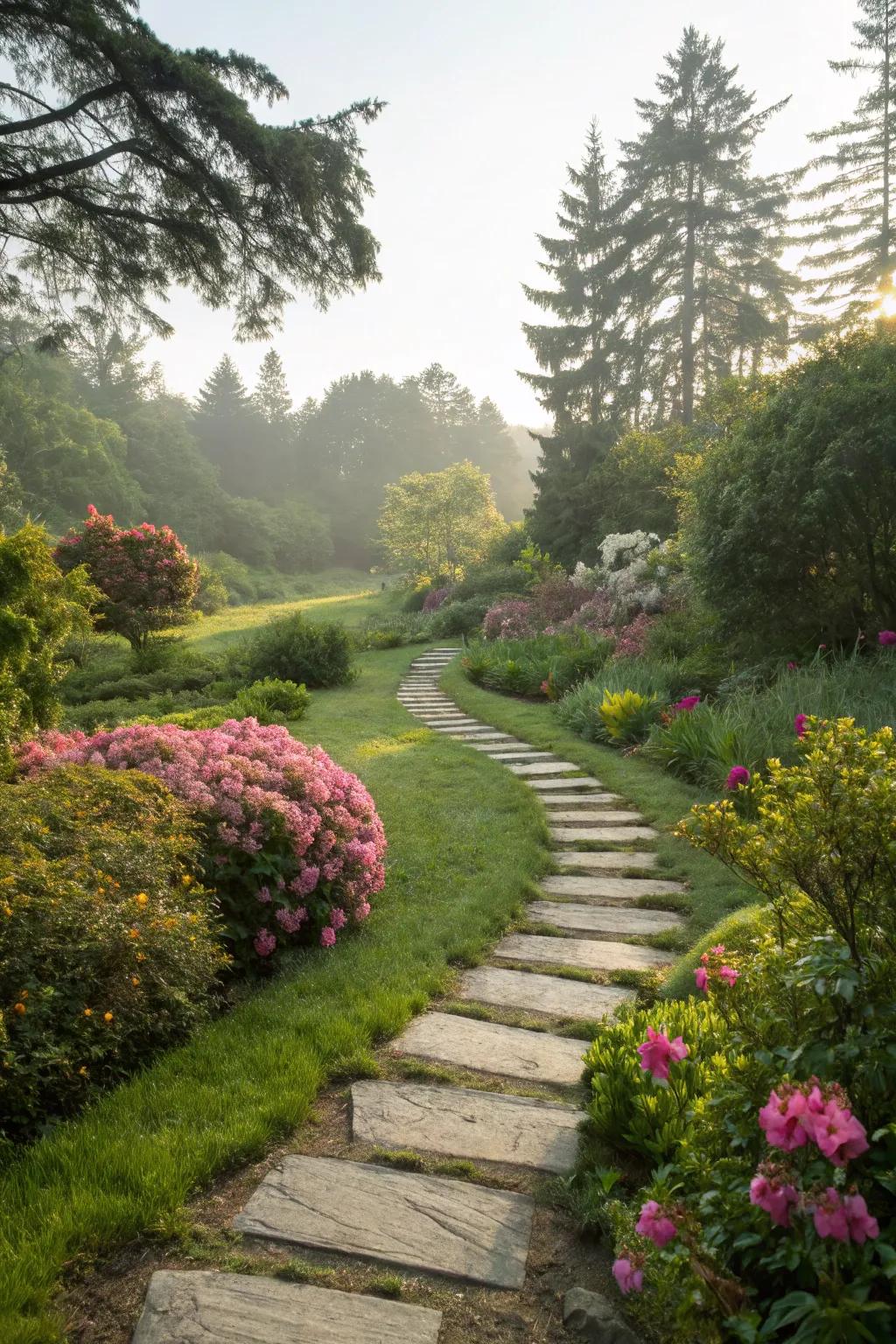
Stepping stones do two jobs: they make a pretty path and they steer deer traffic away from tender plants. I like the whimsical look flagstone or rounded pavers bring to a bed. Set them a comfortable stride apart so the walk feels natural. You can explore these creative stepping stones in grass to find the perfect style for your landscape.
14. Ferns for Lush Woodland Foliage
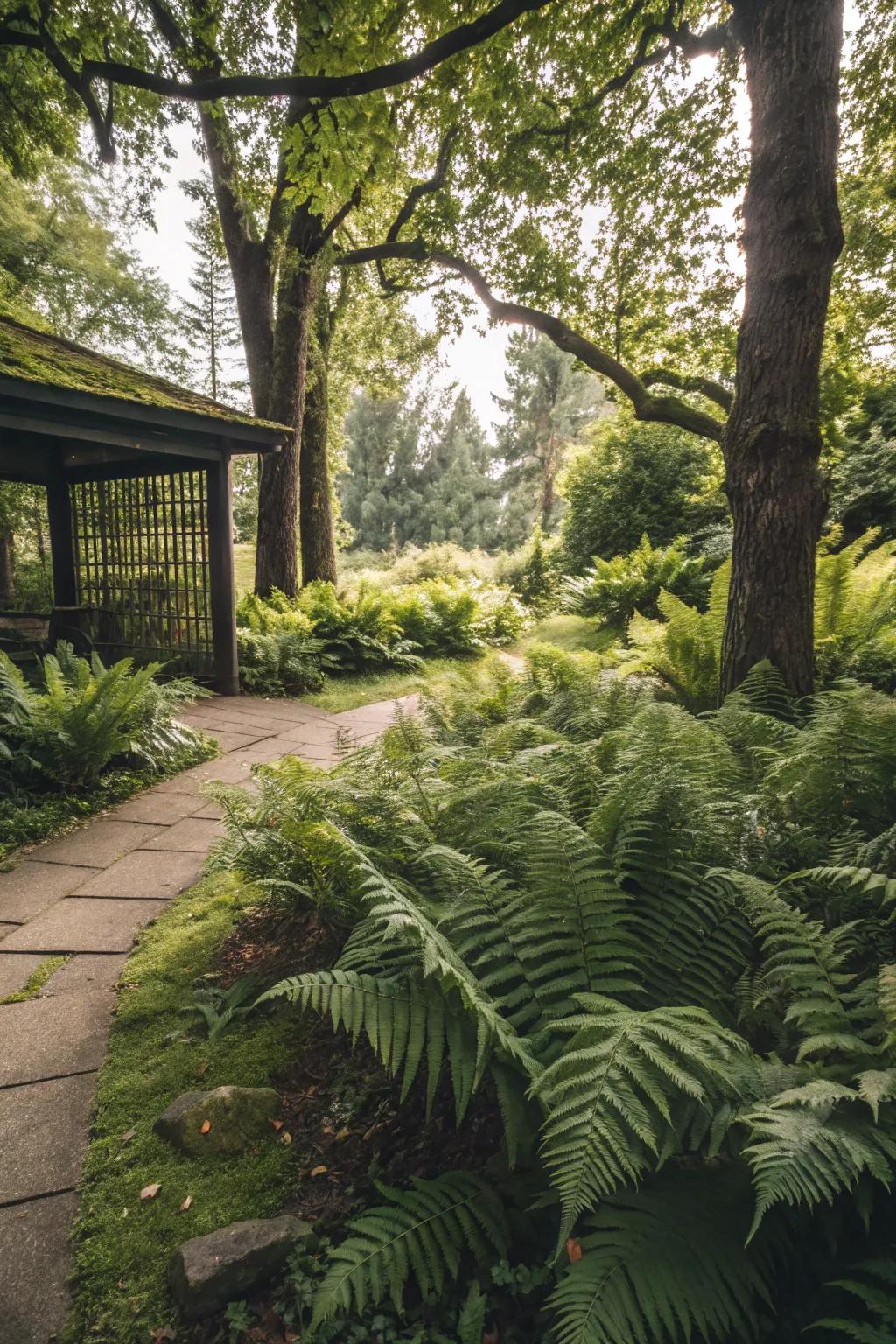
Deer generally ignore ferns, which makes them dependable filler for shady corners. The arching fronds build that cool woodland look I want under trees. Ostrich and Christmas ferns both spread slowly to cover bare ground.
15. Daffodils for Spring Color

For deer resistance, daffodils are hard to beat. Their bulbs are toxic, so nothing gets nibbled. The yellow and white trumpets open early in spring, then the clumps return bigger every year. Plant them in fall, a few inches deep, and forget about them.
16. Place Potted Plants Strategically

Pots give you options deer can’t plan around. I shift them to shield vulnerable plants or block a path deer keep using. Grouping three pots of different heights looks better than one alone, and moving them keeps the design flexible. You can also work in stylish outdoor potted plants to enhance your poolside decor.
17. Echinacea for a Burst of Purple

Coneflower, also called echinacea, brings purple daisy-like blooms that deer find off-putting. It handles heat and drought once the roots settle in. I leave the spiky seed heads standing so finches can pick at them in fall.
18. Install a Water Feature
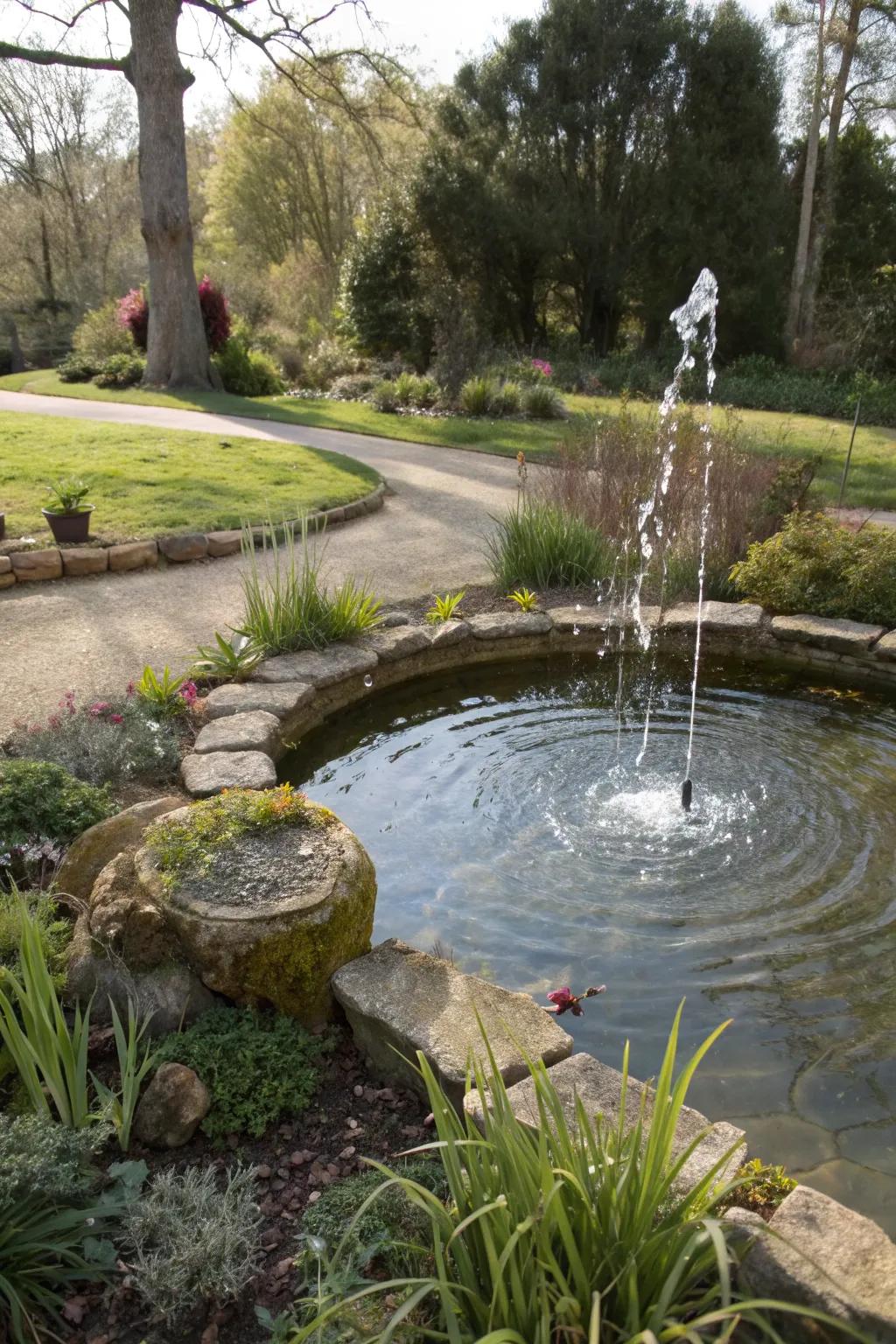
A water feature sharpens the look of a garden and pulls deer attention away from your beds. In my experience, running water keeps them less focused on plants. A small recirculating pump handles a basin or fountain without much upkeep. You can explore these stunning corner water feature ideas to find the perfect fit for your space.
19. Nettles as a Natural Barrier
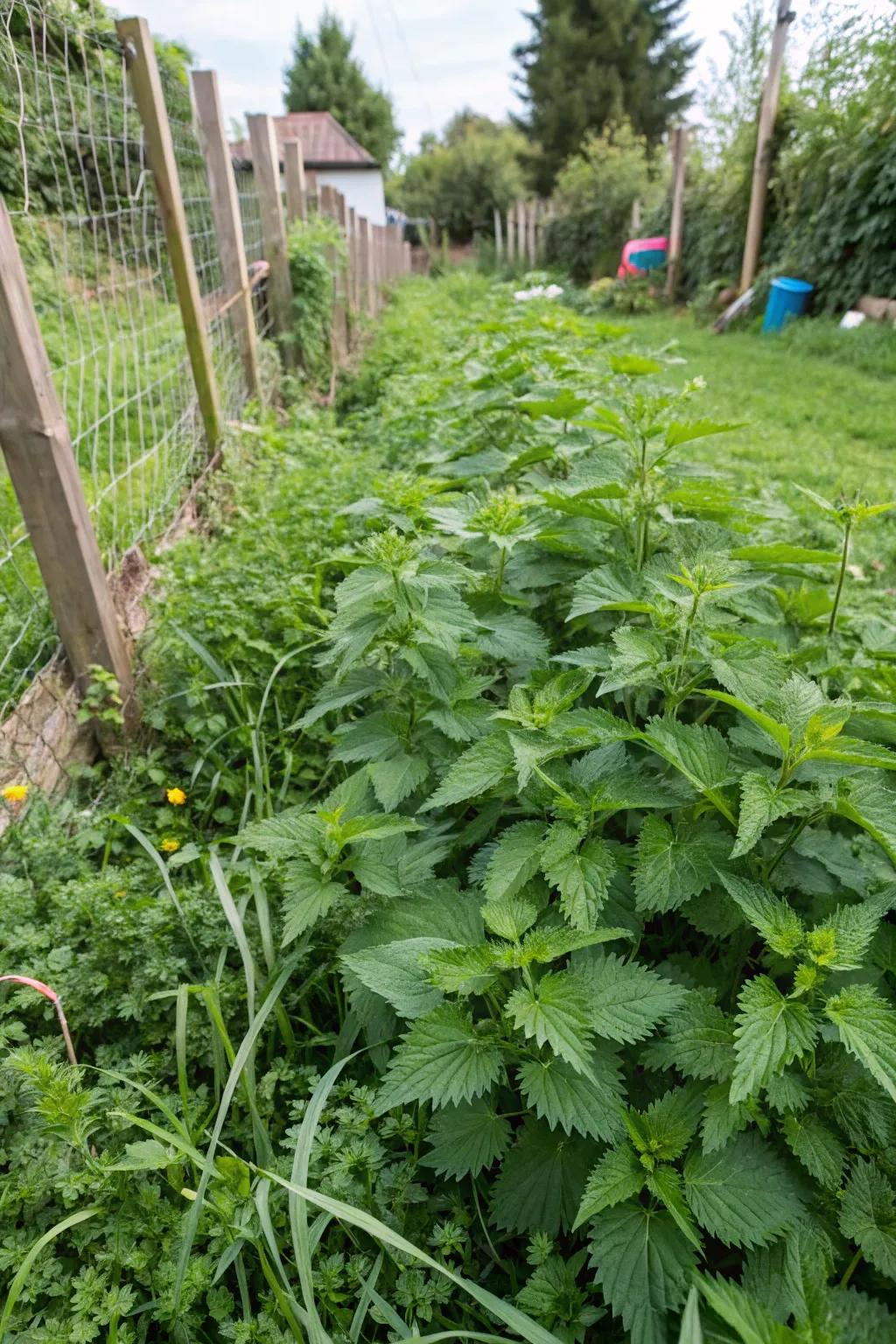
Nettles turn back deer and plenty of other unwanted visitors thanks to their stinging hairs. I’ve used them as an eco-friendly barrier along a back fence line, where nobody brushes past. Cut them back hard in late summer to keep the patch in bounds. You can even work them into your magical Christmas garden ideas for a unique seasonal look.
20. Fennel for Its Bold Scent
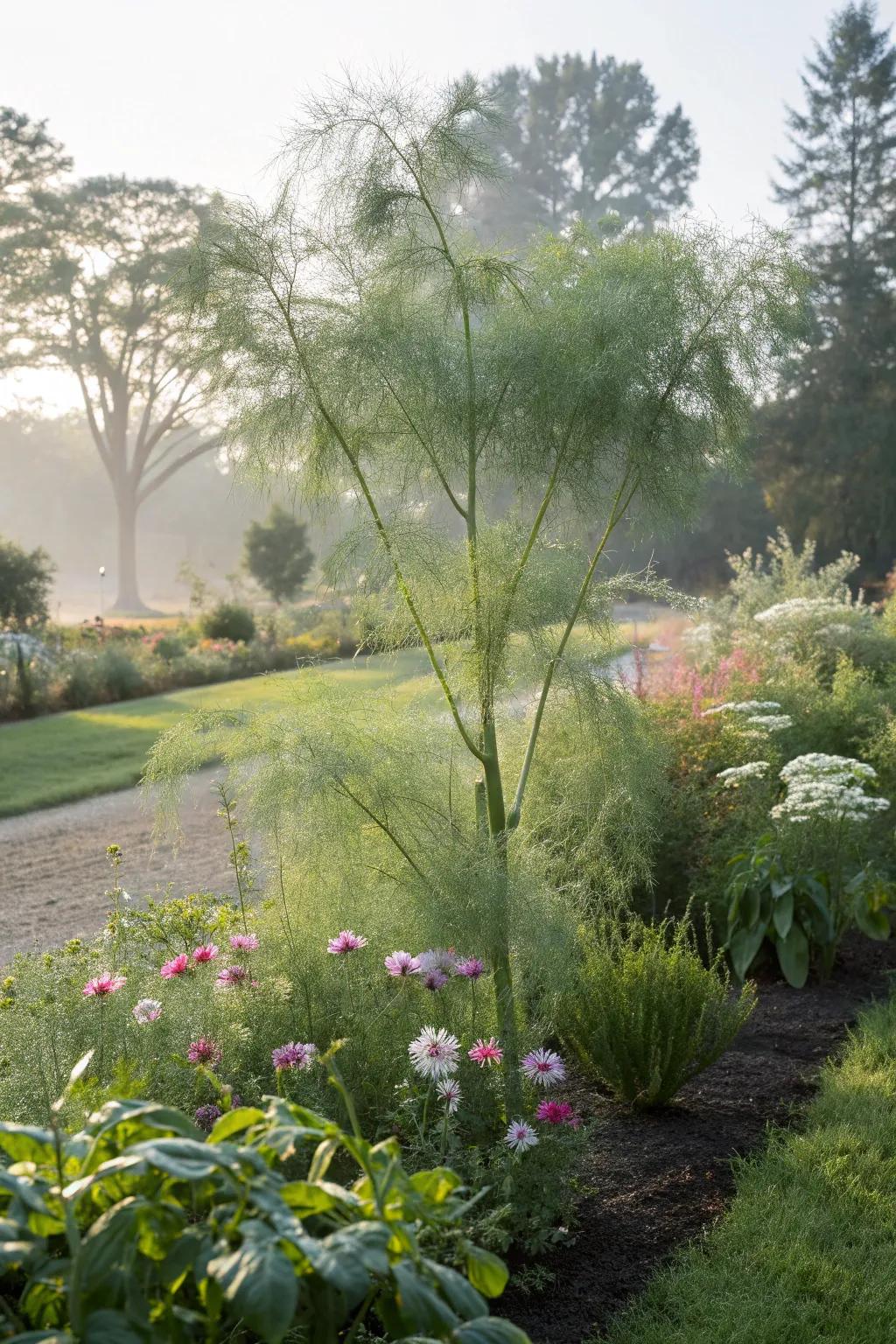
Fennel’s licorice-like scent is one deer usually walk away from. I grow it for the airy, feathery foliage and the yellow flower umbels as much as the protection. Swallowtail caterpillars often feed on the leaves. It pairs beautifully with charming country pumpkin decor for a cozy autumn setup.
21. Boxwood Borders for Clean Lines
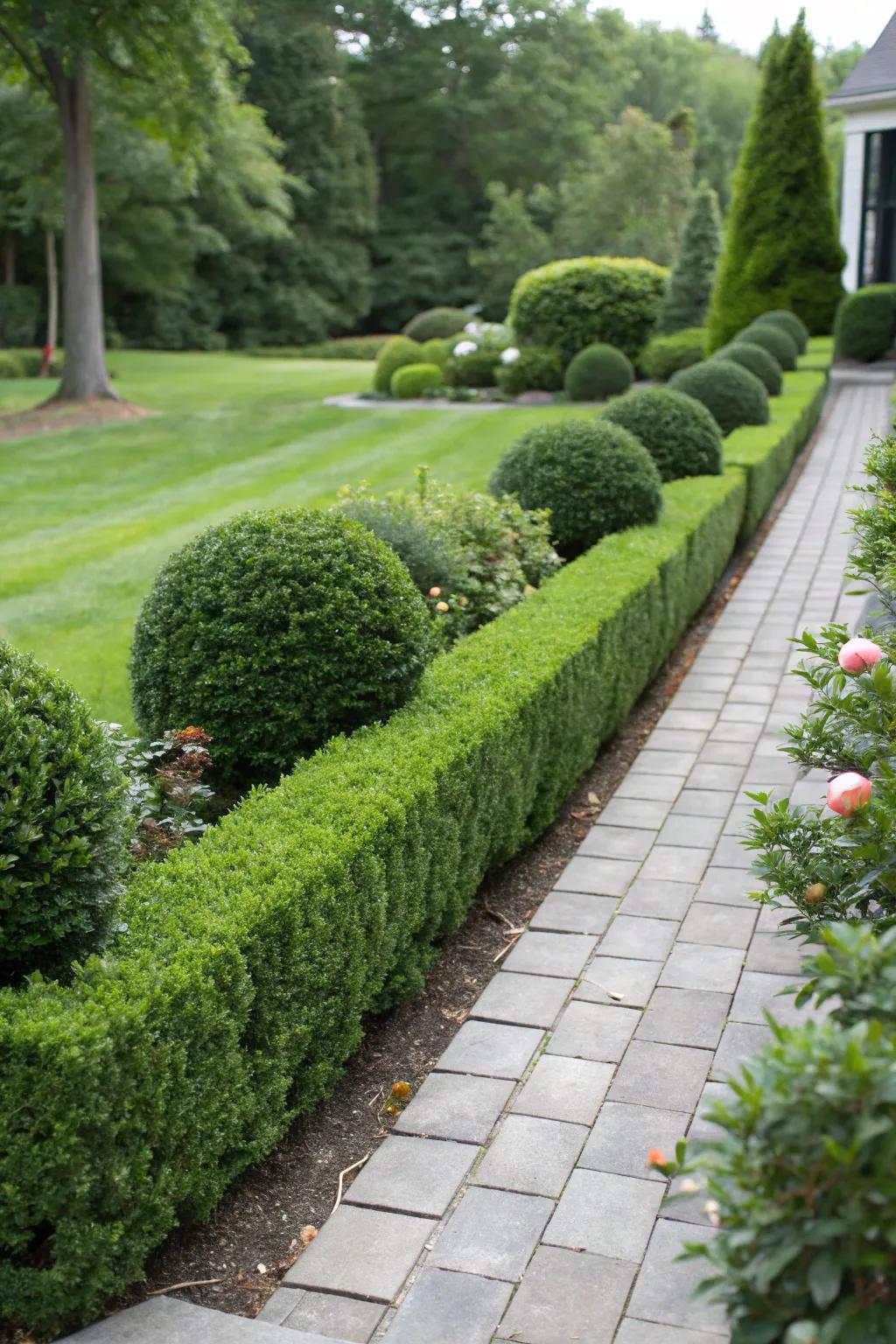
Boxwood sits well off the deer menu, which makes it ideal for structured borders. I use clipped rows to frame beds and mark the edge of a path. One shearing in early summer keeps the shape tight all season. You can explore more creative landscaping ideas with boxwoods to enhance your garden design.