
Gardening has taken over a big chunk of my free time lately, and phlox plants are the reason why. The blooms on Garden Phlox alone are enough to make anyone stop and stare.
Woodland Phlox has its own quiet charm too, with soft colors that suit shady corners. I’ve gathered 16 varieties that stood out to me, each one able to change the whole feel of a garden.
Every species brings its own color palette, petal shape, and scent, so the display shifts as the seasons change.
Below, I’ll walk through each of these standout plants and share what it takes to grow a garden full of thriving phlox.
Garden Phlox: Phlox Paniculata
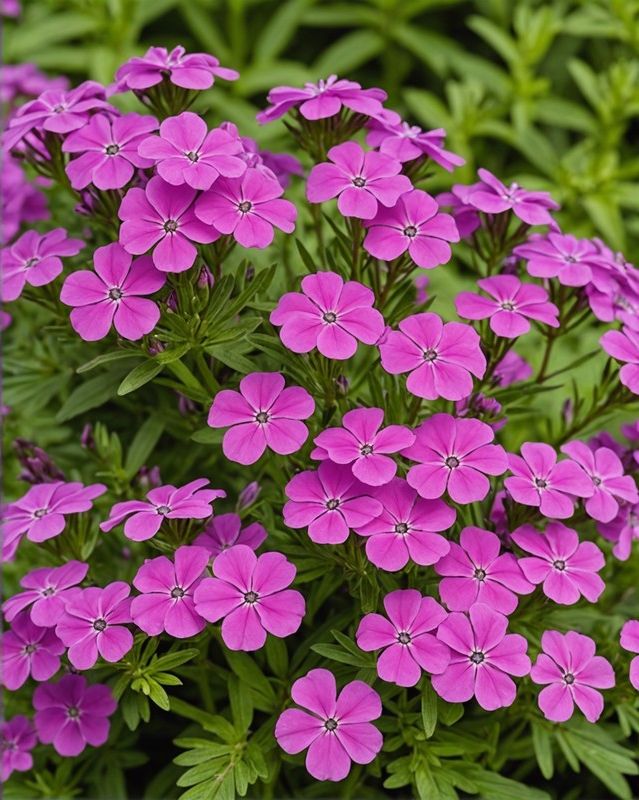
Garden phlox packs a garden bed with fragrant blooms that seem to multiply overnight.
Blooms come in white, pink, purple, and red, clustered atop sturdy, tall stems that hold up well in wind and rain. Many gardeners pair it with black-eyed Susans or coneflowers for a layered summer border.
Butterflies and hummingbirds flock to these blooms, which is one reason garden phlox stays a staple in pollinator gardens.
Growing garden phlox isn’t complicated. Give it moist, well-drained soil and a spot with full sun to partial shade, and it will reward you with strong growth. It also shrugs off most pests and diseases, so upkeep stays minimal season after season.
Wild Blue Phlox: Phlox Divaricata
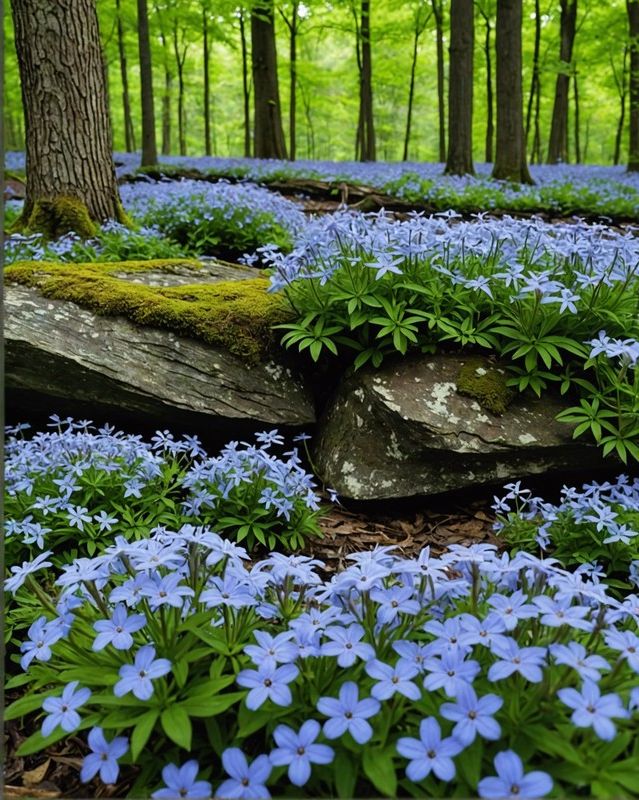
Wild blue phlox brings a wash of vibrant blue to woodland edges and open meadows, and it’s hard to miss once it starts blooming.
Each bloom looks like a tiny five-pointed star, and in spring these flowers gather into a dense, colorful carpet across the ground.
The foliage stays delicate and low, and the plant’s sprawling growth habit makes it a natural fit for ground cover or for trailing over rock walls.
This variety prefers moist, well-drained soil and partial shade, unlike some phlox that demand full sun, which makes it a flexible pick for shadier yards.
Butterflies and hummingbirds visit these blooms often, adding motion and life to what is already a striking spring wildflower.
Creeping Phlox: Phlox Subulata
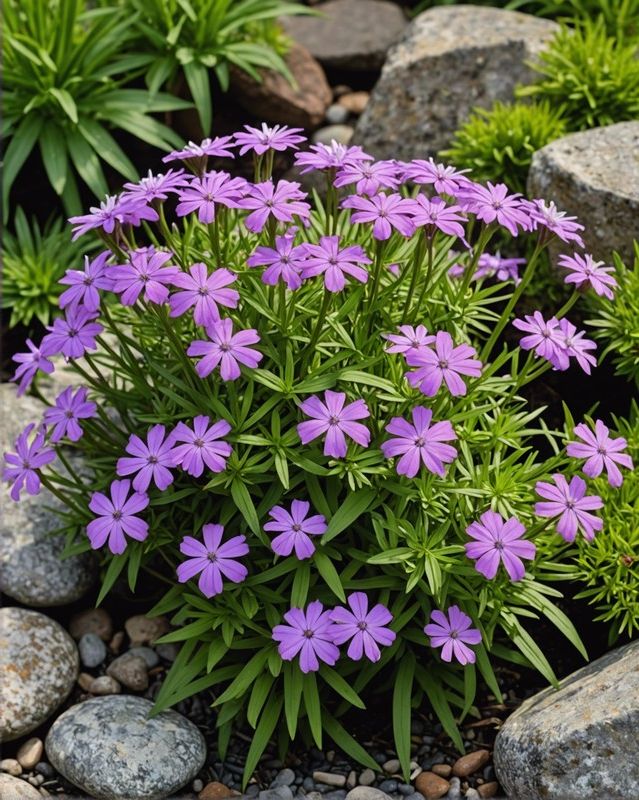
Creeping phlox spreads fast, forming a dense mat of foliage that hugs the ground. Its needle-like leaves give the plant texture year-round, while star-shaped flowers cover it in bright color each spring.
Full sun to partial shade and well-drained soil are all this plant needs to thrive, which explains why it shows up in so many different garden styles.
Because of its compact shape and heavy bloom, creeping phlox works well along rock gardens and border edges, filling gaps with color where other plants struggle to establish.
Woodland Phlox: Phlox Sylvatica
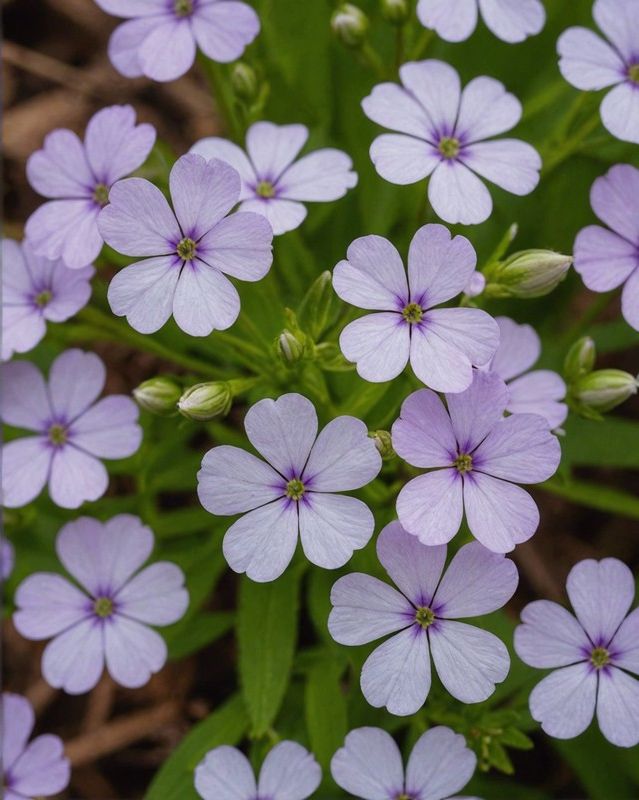
Native to North America, woodland phlox ranks among the easiest wildflowers to establish in a home garden.
Clusters of fragrant flowers, ranging from lavender to white, open up in spring and bring welcome color to shady spots or woodland-style plantings.
Moist, well-drained soil suits this plant best, and it grows especially well when the ground is rich in organic matter like compost or leaf mold.
Rhizomes let it spread on its own, and over time it forms a solid, attractive ground cover without much help.
During the growing season, keep the soil consistently moist and shield the plant from intense afternoon sun.
Moss Phlox: Phlox Subulata
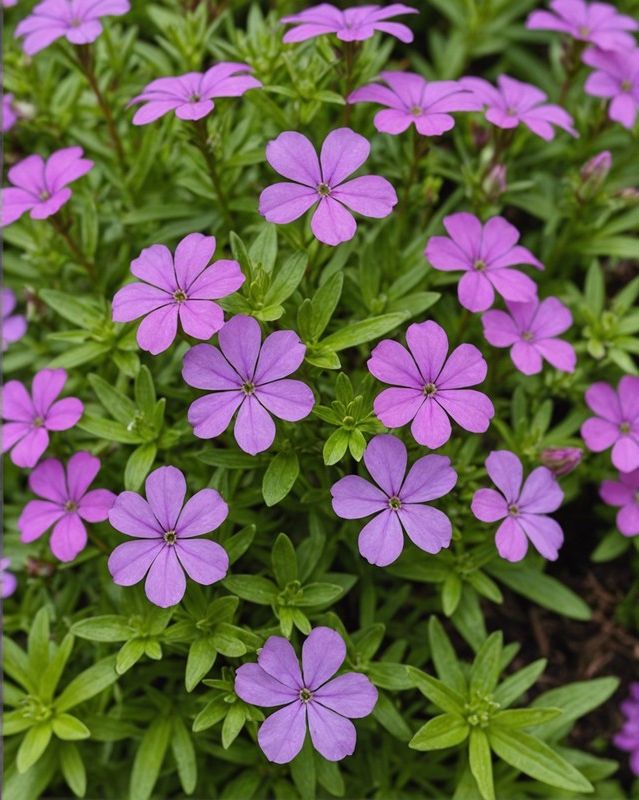
Moss phlox stays low to the ground, spreading into a thick mat of fine foliage as it matures.
Gardeners often choose it for ground cover since it tolerates a wide range of soil and light conditions with little fuss.
Spring brings a flush of tiny star-shaped flowers in pink, white, blue, and purple, turning a plain garden bed into a patchwork of color almost overnight.
Care stays simple: an occasional drink of water and a light feeding of fertilizer keep it going strong.
Deer tend to leave moss phlox alone, which makes it a solid option for yards where deer damage other plants.
Drummond’s Phlox: Phlox Drummondii
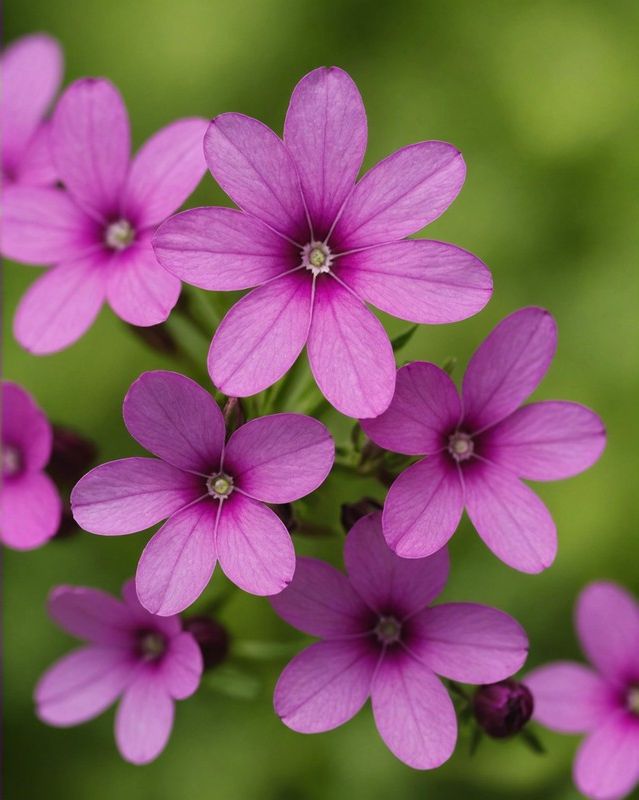
As an annual, Drummond’s phlox produces flowers in pink, red, white, and purple, often within a single growing season.
Gardeners like it for two reasons: it’s simple to grow, and butterflies show up for the blooms regularly.
Full sun and dry soil bring out the best growth in this variety, unlike phlox types that prefer consistent moisture.
Regular watering keeps it thriving, but skip the fertilizer entirely, this plant does fine without it.
Drummond’s phlox is a relatively short-lived plant, but it will self-seed and come back year after year.
Flame Phlox Growing Guide
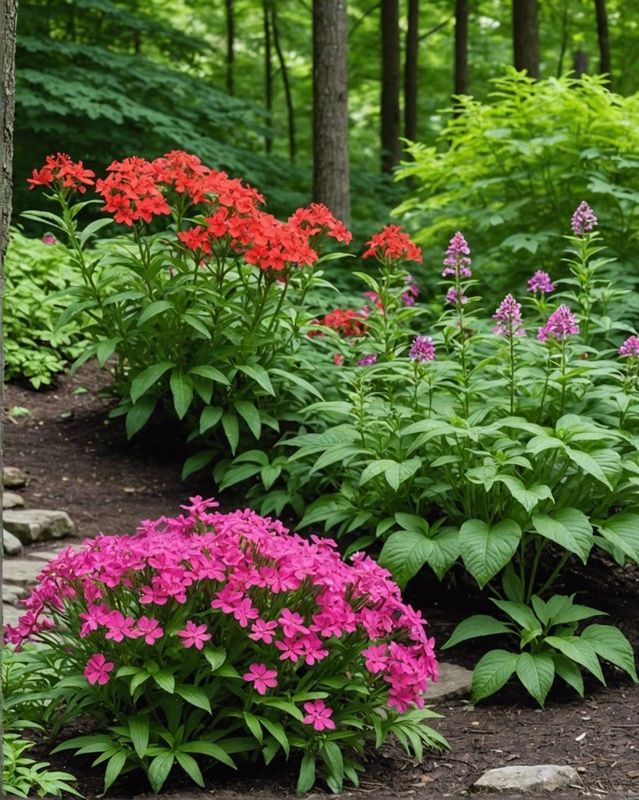
Flame phlox bursts onto the scene in late summer, attracting pollinators from far and wide. Its vibrant scarlet blooms light up shady gardens, bringing a touch of fiery color to the landscape.
Unlike many phlox varieties, flame phlox thrives in moist, woodland-style areas, making it an excellent choice for damp spots in your yard.
Growing to about 2-3 feet tall, flame phlox forms dense clumps that spread slowly, providing long-lasting beauty and a lush, textural presence. Its foliage remains attractive throughout the season, adding interest even when the blooms have faded.
Sweet William: Dianthus Barbatus
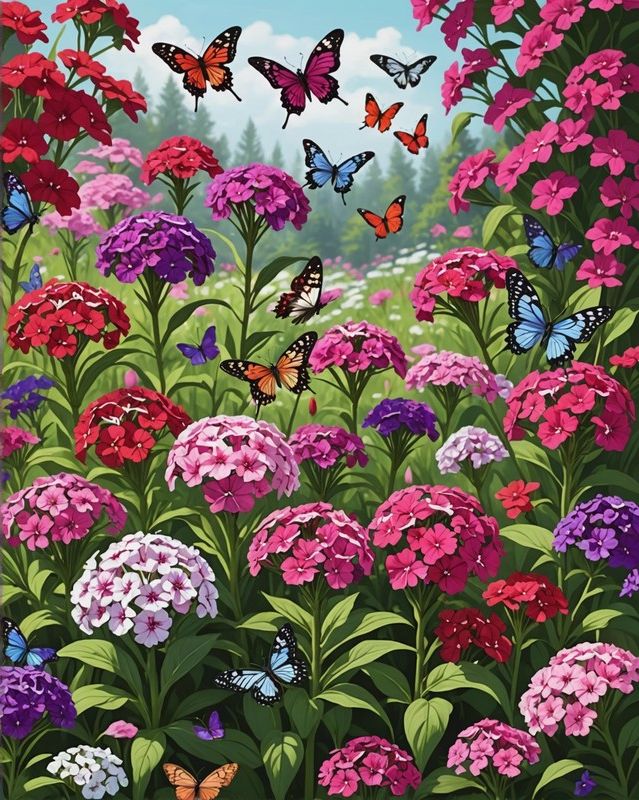
Sweet William is a charming biennial or short-lived perennial known for its vivid colors and delightful fragrance. Its clusters of small, compact blooms appear in shades of pink, purple, red, and white.
Sweet William absolutely loves well-drained soil and basking in the sun, so it’s a great choice for any garden.
As a cut flower, its blooms bring a touch of elegance to bouquets and arrangements, where they can last up to two weeks. Plus, they attract butterflies and hummingbirds, adding a touch of magic to your outdoor space.
Mountain Phlox: Phlox Adsurgens
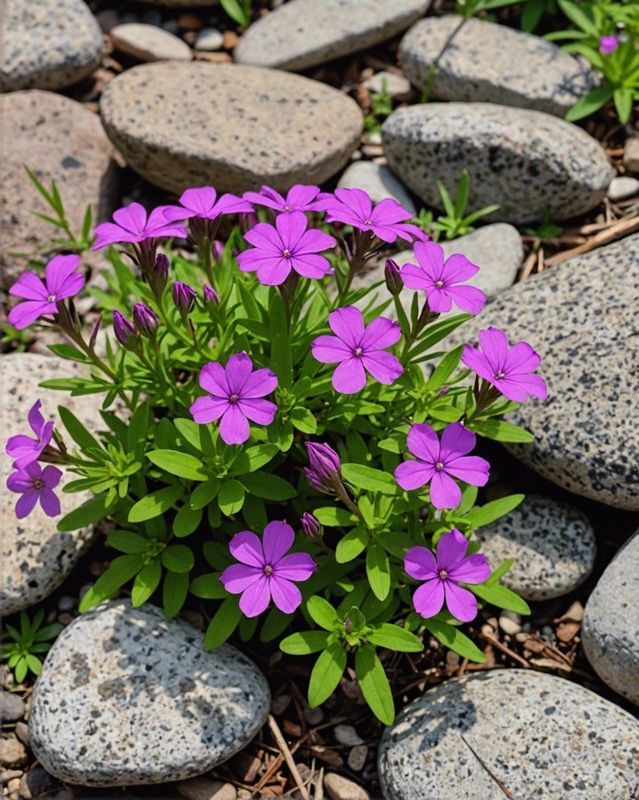
Have you ever seen the beautiful Mountain Phlox, also known as Phlox adsurgens? This lovely native wildflower can be spotted in the mountainous areas of North America.
The plant typically blooms in late spring through early summer and prefers moist, rocky habitats.
Have you seen its unique look? It has these beautiful bright pink to purple flowers with five petals.
Mountain Phlox is a low-growing, mat-forming perennial, making it ideal as a groundcover or for rock gardens.
It’s a relatively easy plant to grow, requiring well-draining soil, partial to full sun, and regular watering.
If you’re looking for a splash of color in your garden, Mountain Phlox is a great choice that will attract pollinators and add beauty to your landscape.
Showy Phlox: Phlox Speciosa
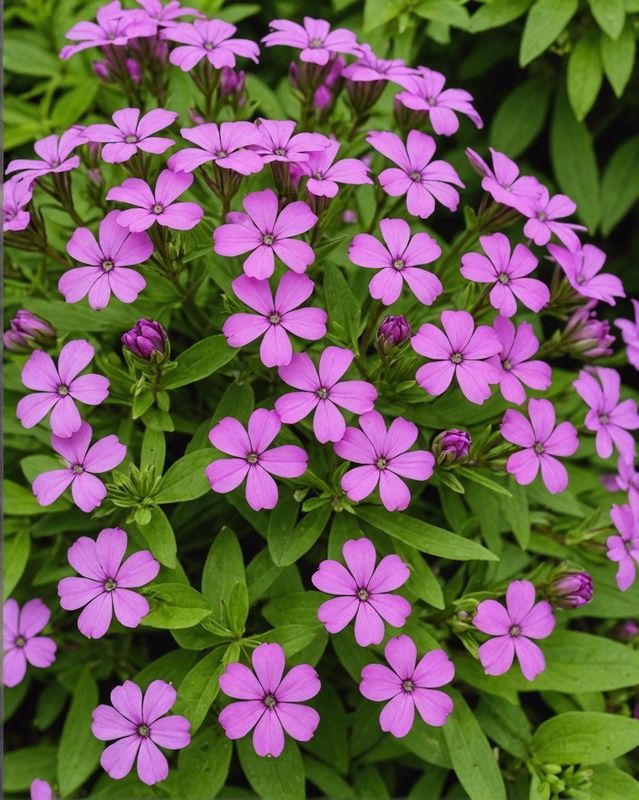
Have you heard of Showy Phlox, also known as Phlox speciosa? It’s a lovely native wildflower that can really brighten up a garden with its pops of color.
These flowers smell amazing too! You’ll see them in shades of pink, purple, and white, blooming from late spring to early summer.
Showy Phlox is a real trooper – it’s happy either basking in the sun or hanging out in some partial shade. You can plop it right into all kinds of gardens and it’ll fit right in!
Its showy blooms and ease of care make it a popular choice for both novice and experienced gardeners alike.
Smooth Phlox: Phlox Glaberrima
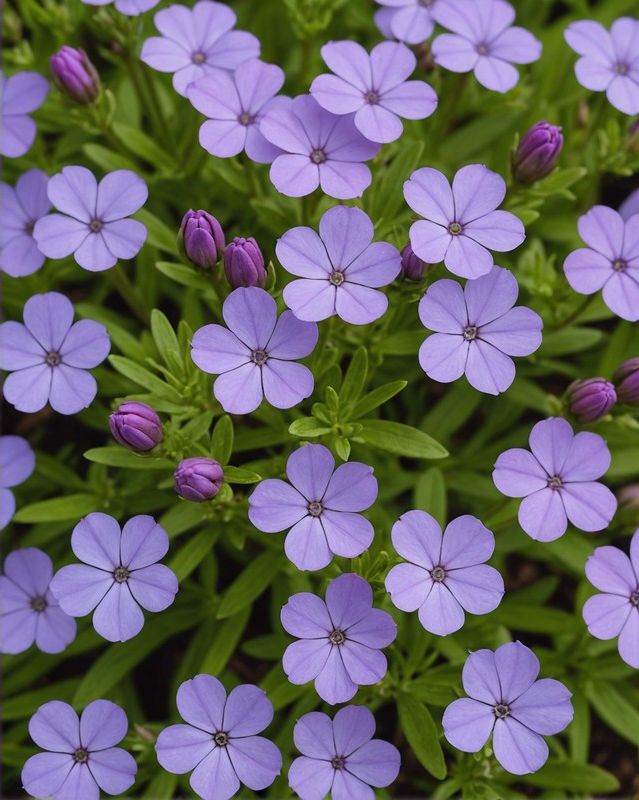
The Smooth Phlox, known scientifically as Phlox glaberrima, is an exceptional plant renowned for its delicate blooms. This low-growing perennial boasts fragrant, star-shaped flowers in varying shades of blue, pink, or white.
It prefers moist, well-drained soil and thrives in partial to full sun.
Smooth Phlox adds a charming touch to gardens, attracting butterflies and other pollinators with its sweet scent. Its compact size and easy-care nature make it an ideal choice for borders, rock gardens, or groundcovers.
Prickly Phlox: Phlox Acuminata
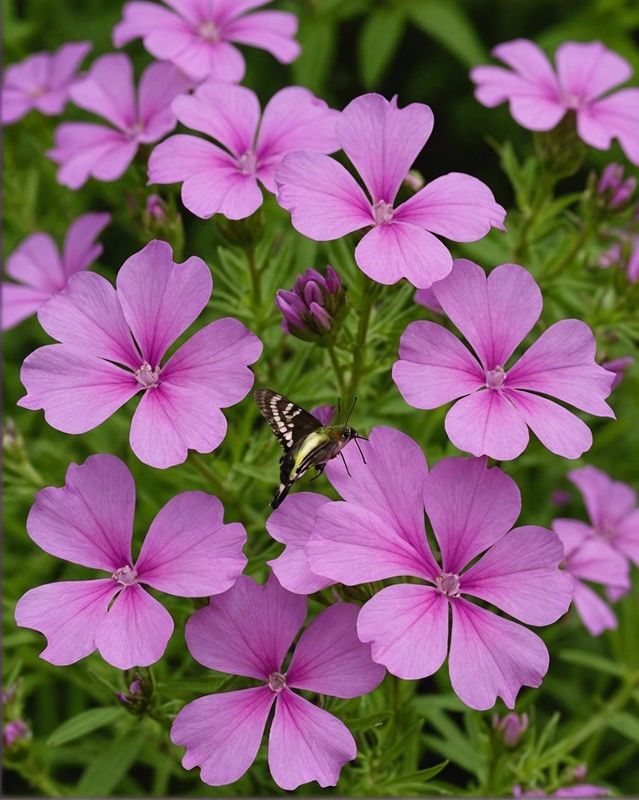
Prickly Phlox adds texture to any garden with its needle-like leaves and delicate blooms. Its lavender or pink petals form dense clusters that bloom in spring to early summer.
Hardy to zones 3 to 8, this low-growing perennial tolerates various soil types but prefers well-drained spots.
When you prune Prickly Phlox after it blooms, it helps it produce even more beautiful flowers and stay nice and compact.
Plus, it’s a favorite of butterflies and hummingbirds, which adds a lovely touch to your garden or yard. So, it’s definitely a great choice for adding both beauty and wildlife to your outdoor space!
Carolina Phlox: Phlox Carolina
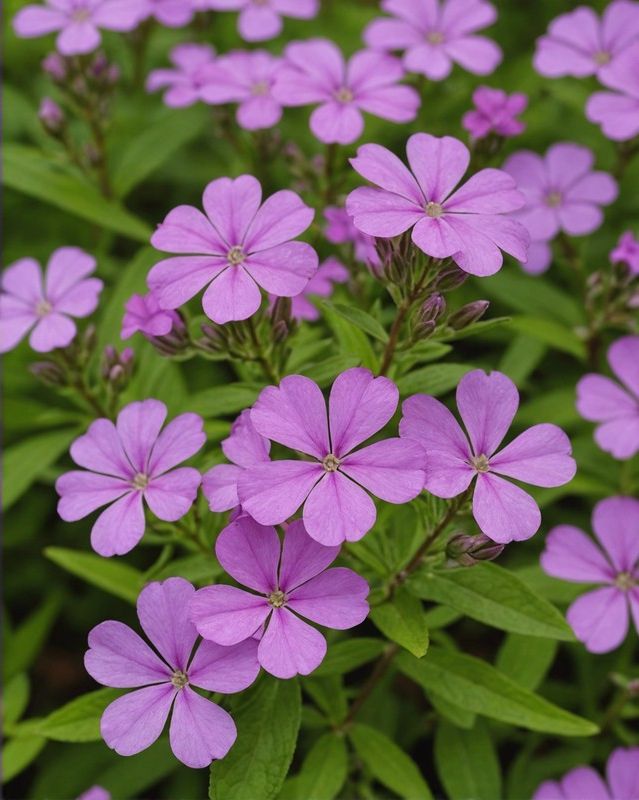
Carolina Phlox is known for its graceful blooms that add a vibrant touch to gardens.
This native North American plant thrives in a variety of soil conditions, making it easy to care for.
This phlox variety is a favorite for borders, rock gardens, and cottage gardens because of its compact size and beautiful flowers. It’s perfect for adding color and charm to your outdoor space!
Its unique lavender-pink petals create a breathtaking display, attracting butterflies and other pollinators.
Whether you’ve been gardening for years or just getting started, Carolina Phlox is a great pick to bring some beauty and wildlife to your outdoor area!
Cleft Phlox: Phlox Bifida
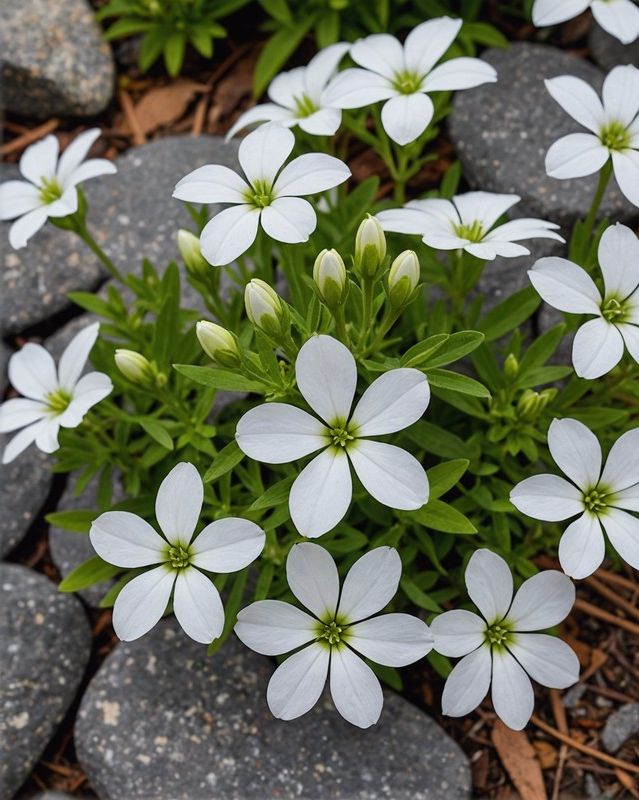
Cleft Phlox is not the typical garden fare, so if you’re looking for something a bit more unusual, this is it.
Its pure white flowers are divided deeply into three narrow segments that flare slightly at the ends, giving the flower a distinctive star-shaped appearance.
This lovely plant blooms in the middle to end of spring and has pretty narrow, gray-green leaves.
Phlox bifida is such a breeze to take care of and it’s perfect for rock gardens or lining your pathways.
Downy Phlox: Phlox Pilosa
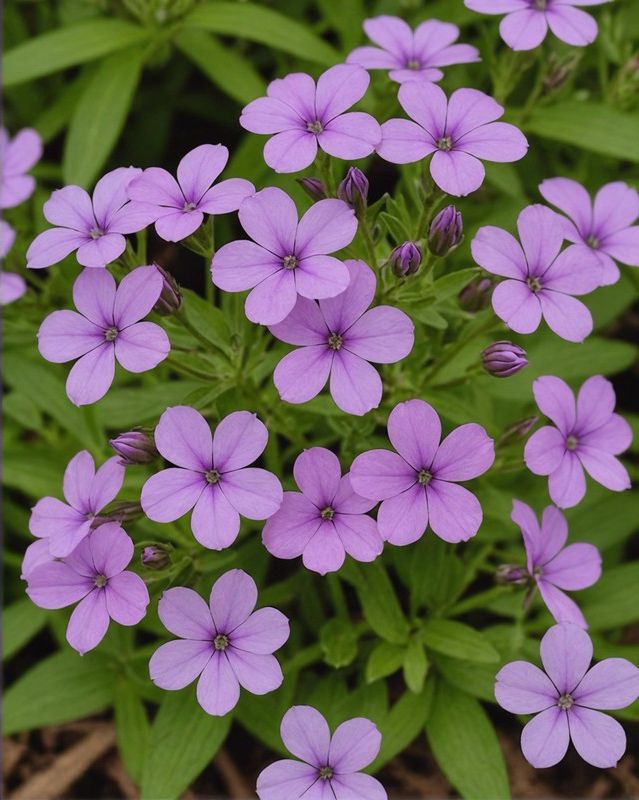
Downy phlox is a lovely groundcover that adds a touch of color to your garden from late spring to early summer.
With its soft, silky hairs on both the stems and leaves, downy phlox has a unique and gentle appearance.
Have you seen those adorable little star-shaped flowers? They come in so many pretty shades like pink, purple, and blue, giving off such a happy and colorful vibe. It’s like a little burst of joy in any garden!
This is a low-maintenance plant that can naturalize easily, making it a great choice for a wildflower garden or a low-growing border.
This plant is pretty cool because it can handle all kinds of soil and sun situations. It’s like the perfect fit for any garden!
Hairy Phlox Growing Tips
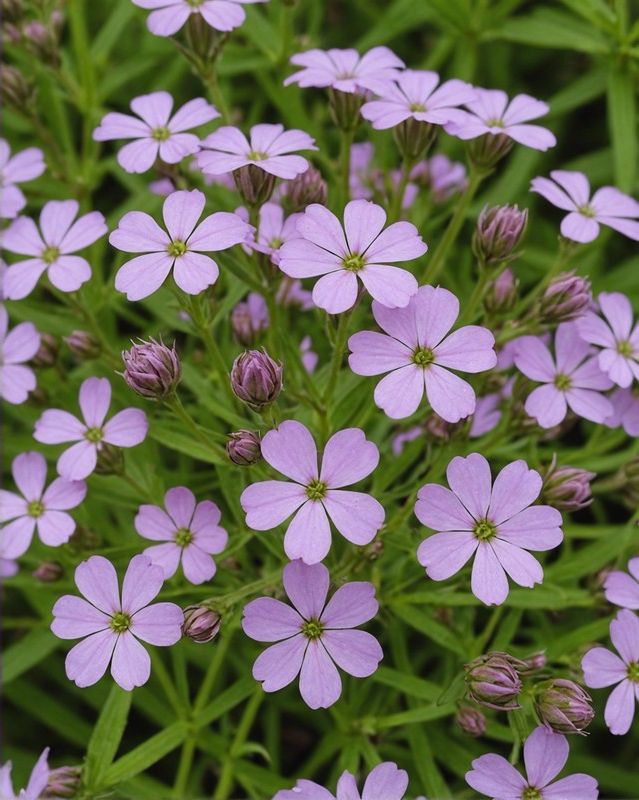
Among the diverse phlox varieties, the Hairy Phlox (Phlox pilosa) stands out with its unique appearance.
This native North American wildflower features hairy stems and leaves, giving it a distinct texture.
These flowers are so lovely! They bloom in a soft lavender-pink color that really pops in the garden. They grow in these cute little clusters that just bring a touch of charm to any yard.
Have you heard of the Hairy Phlox? It’s this amazing perennial plant that comes back every year, showing off its beauty like no other.
This plant is a favorite among both newbies and seasoned gardeners because it’s so tough and can thrive in various environments.