Skip the hose and build a striking, water-wise yard with these 10 dry garden ideas. From drought-tolerant plants to mulch and permeable pavers, this guide shows you how to cut back on water use without giving up a yard that’s great for relaxing and hosting friends.
Best Drought-Tolerant Plants to Grow
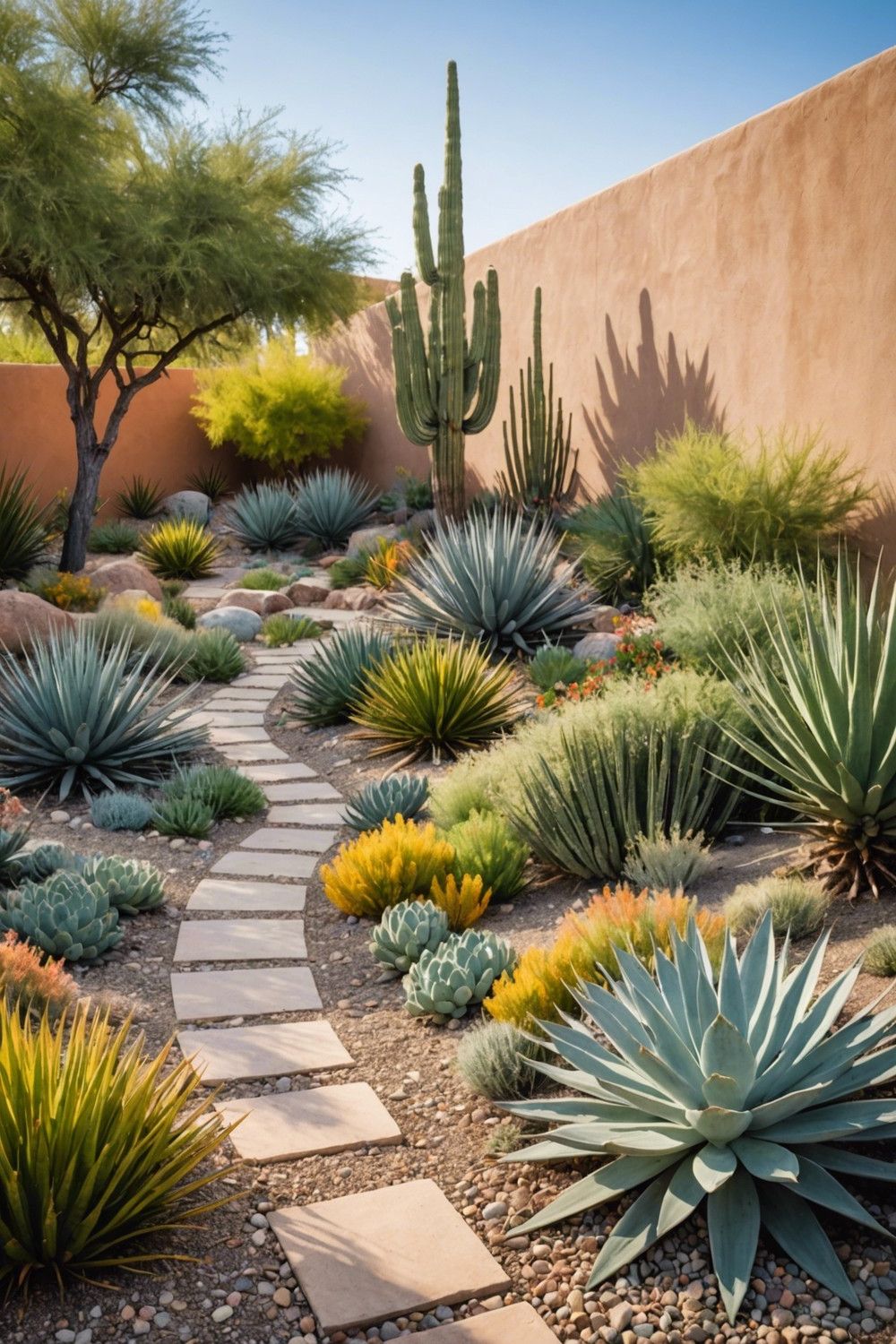
The plants you choose make or break a water-wise garden. Pick species built for dry weather and your yard can look lush without a heavy water bill.
Succulents, yucca, and Texas sage are solid choices since they thrive even with infrequent watering.
Many drought-tolerant species store water in their leaves, stems, or roots, a trait that lets them survive long stretches without rain. That’s exactly why they hold up so well in arid climates.
Fill your beds with these low-water species and you’ll cut your outdoor water use dramatically while keeping the landscape full of color and texture.
Best Low-Water Ground Covers
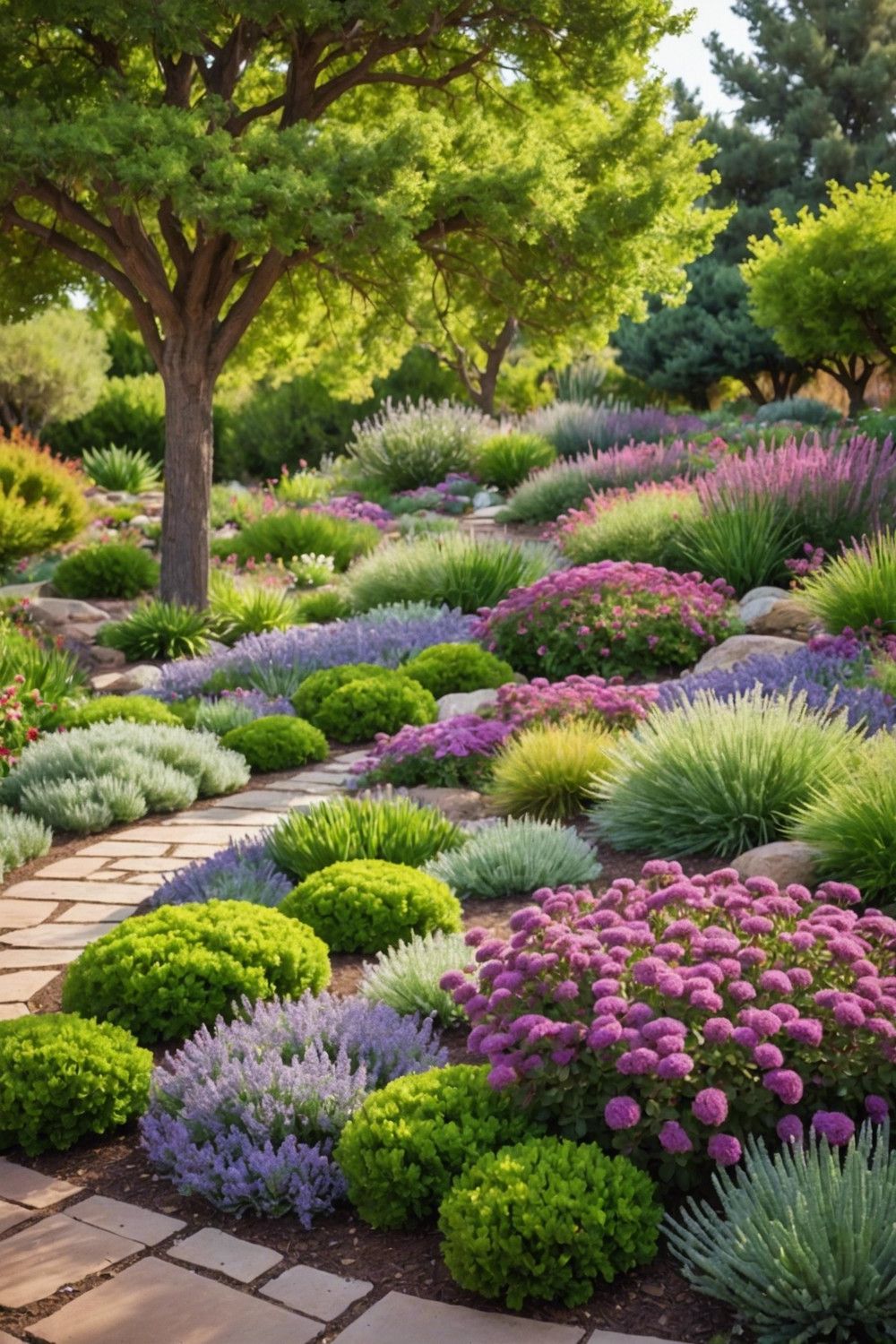
Swapping in low-water ground covers is one of the easiest ways to cut back on garden watering, and your plants will still stay healthy.
These species are bred or naturally suited for dry soil, so they need only occasional watering once established.
Skip the traditional turf lawn and try creeping thyme, sedum, or vinca minor instead.
All three tolerate dry stretches without much fuss, so you won’t be out there watering constantly or fighting weeds every weekend.
How Mulch Helps Retain Soil Moisture
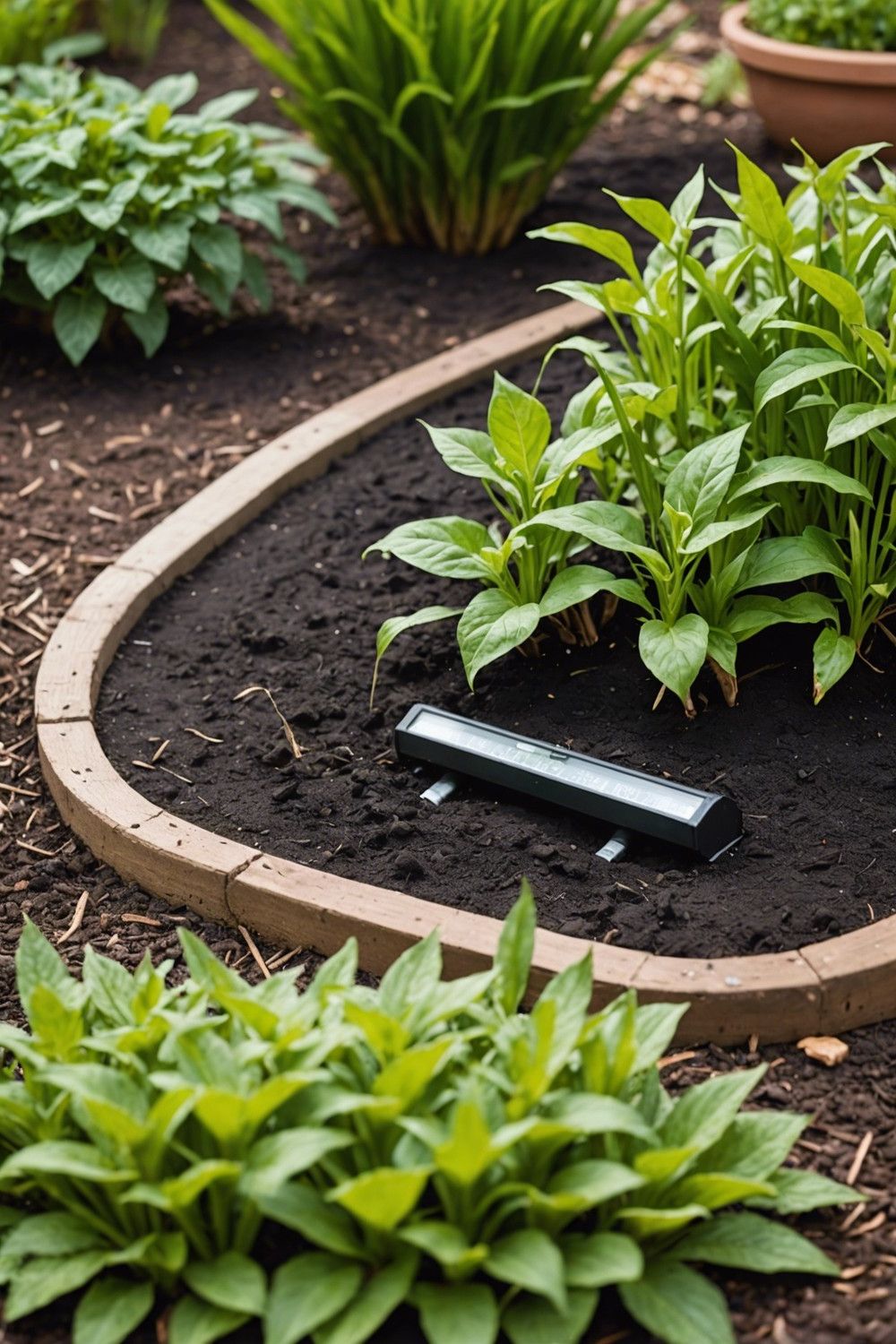
Spreading mulch across your dry garden beds is one of the easiest ways to keep soil moisture from disappearing.
It cuts down on evaporation and slows rainwater runoff, so the soil has more time to soak up every drop.
Over time, mulch also breaks down into organic matter, which boosts the soil’s ability to hold water long-term. Wood chips, straw, and shredded bark are common choices, and most need topping off once or twice a year.
The result is a garden that needs watering far less often, making mulch one of the simplest water-conservation tricks around.
Design a Water-Wise Succulent Garden
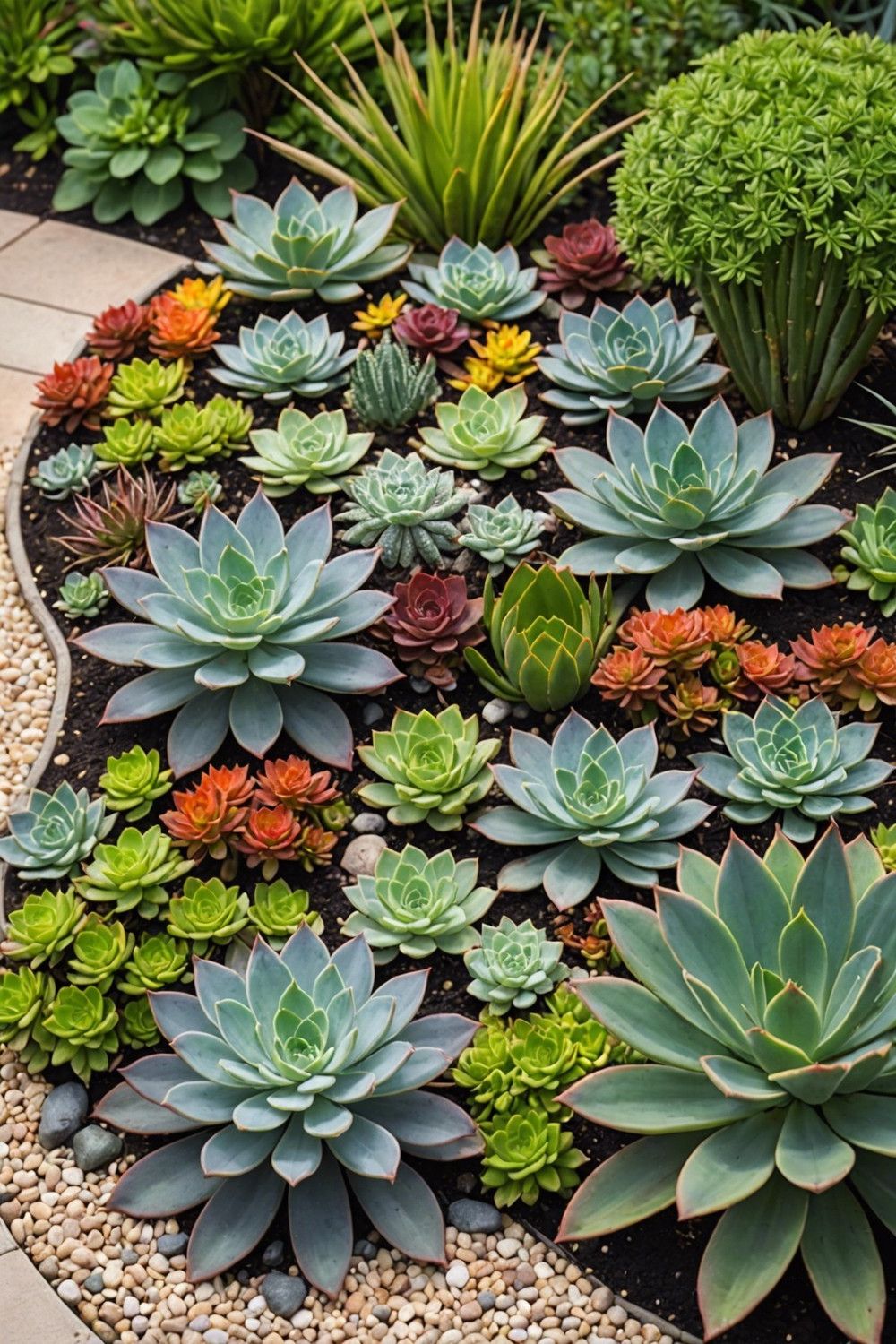
A succulent garden adds striking visual appeal to your yard while cutting your water use significantly.
Combine several succulent varieties with different textures, colors, and shapes for a display that catches the eye year-round.
Mixing plants with different growth rates keeps the bed looking full in every season, not just spring and summer.
Plant them in a well-draining potting mix and choose containers with drainage holes; without that drainage, roots can rot within weeks.
Best Irrigation Systems for Water Efficiency
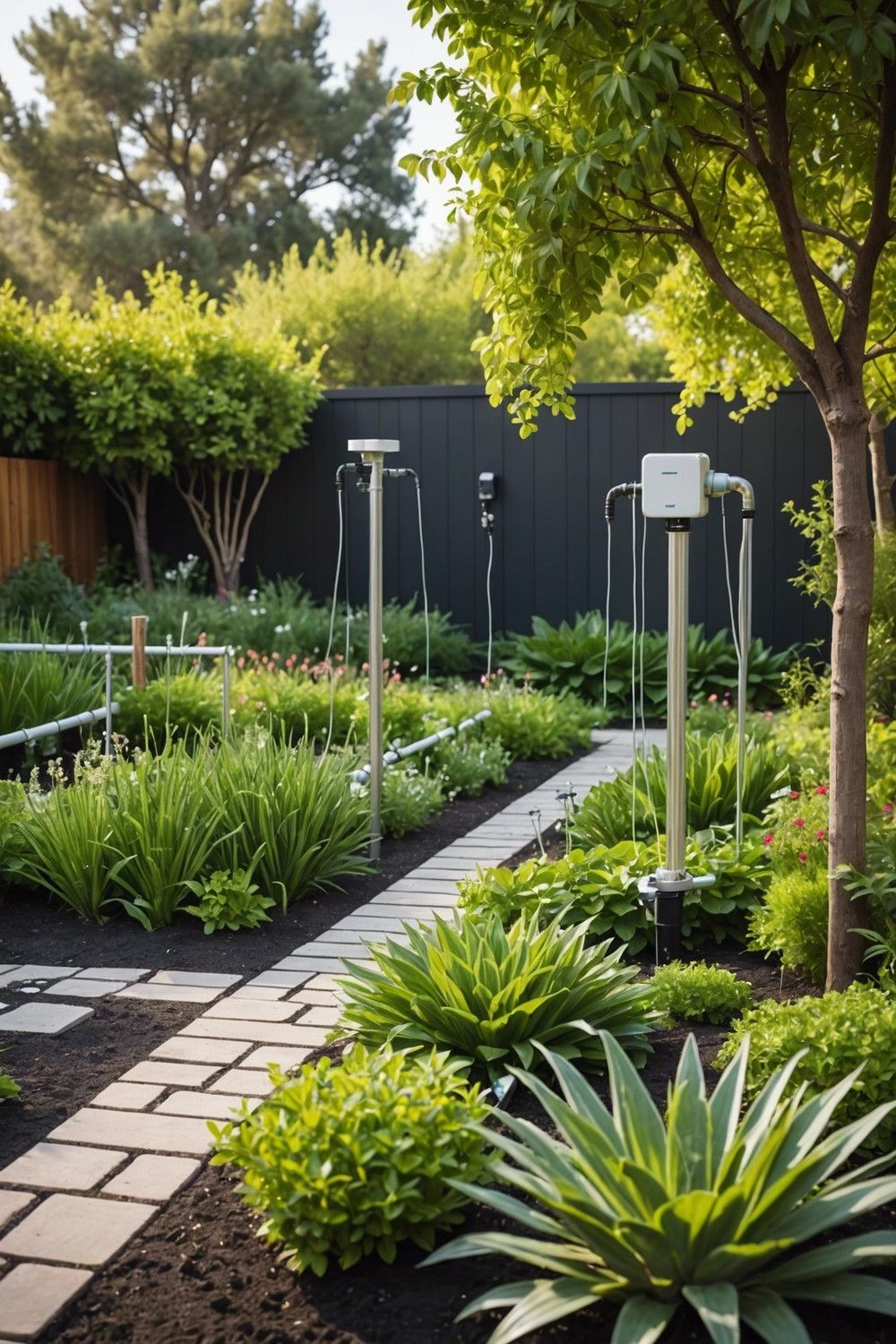
Cutting water waste in a dry garden starts with the right irrigation setup. A drip irrigation system sends water straight to plant roots, which limits both evaporation and runoff compared to overhead sprinklers.
Smart irrigation controllers take this further by adjusting watering schedules automatically based on current weather, soil moisture readings, and the specific plants in your yard.
This kind of automation takes the guesswork out of watering and keeps your system running efficiently without daily attention.
The payoff is simple: your plants get exactly the water they need, no more and no less, which conserves a resource that’s becoming scarcer every year.
Decorative Rocks and Gravel Ideas
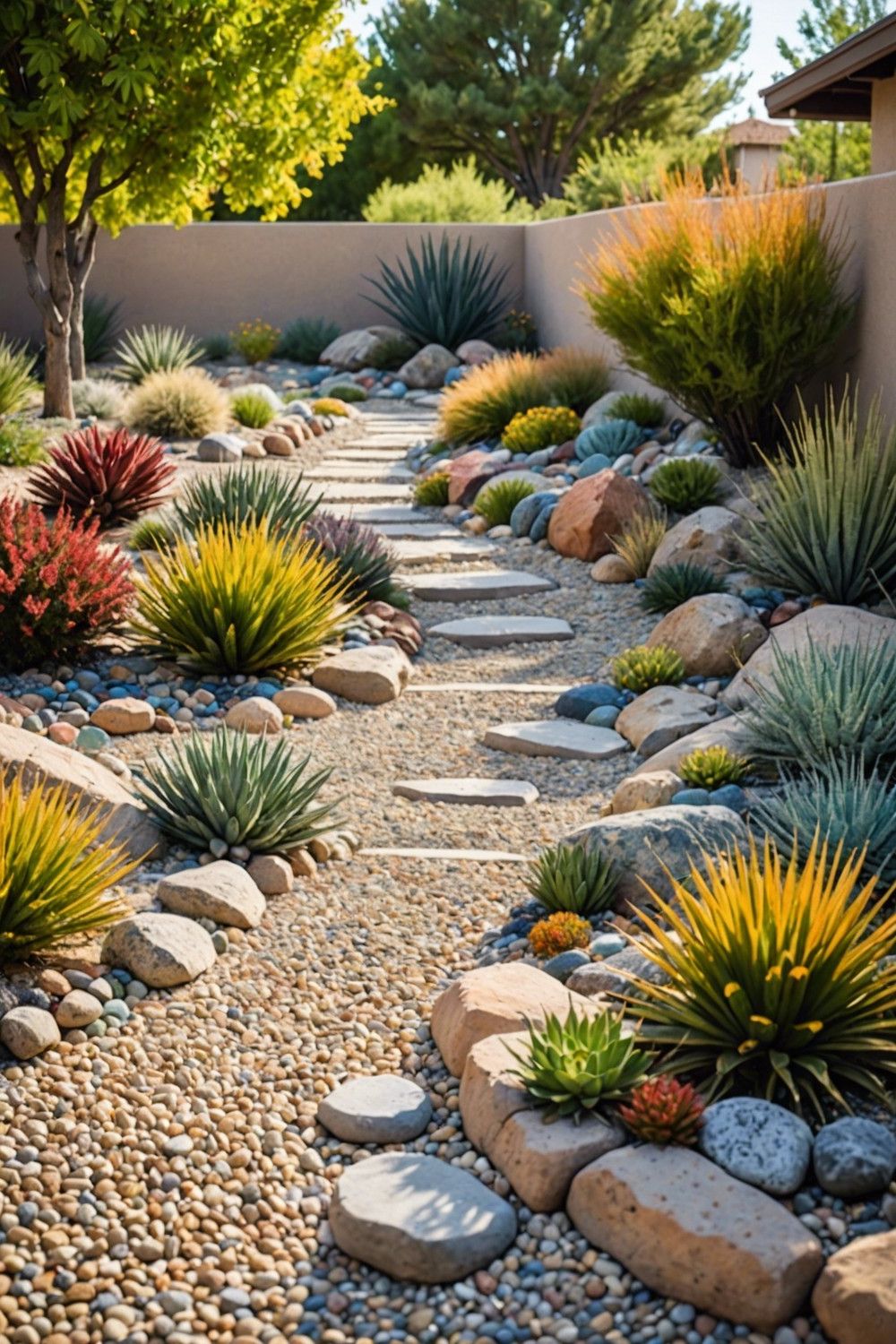
Decorative rocks and gravel give a dry garden a polished look while keeping water use to a minimum.
As inorganic ground cover, rocks and gravel block weed growth, which means less time spent maintaining beds and less water lost to competing plants.
They also let rainwater filter down into the ground instead of running off, which helps recharge groundwater supplies over time.
With so many colors, sizes, and textures available, you can build a low-maintenance focal point that still looks intentional and well-designed.
Pairing Cacti with Succulents
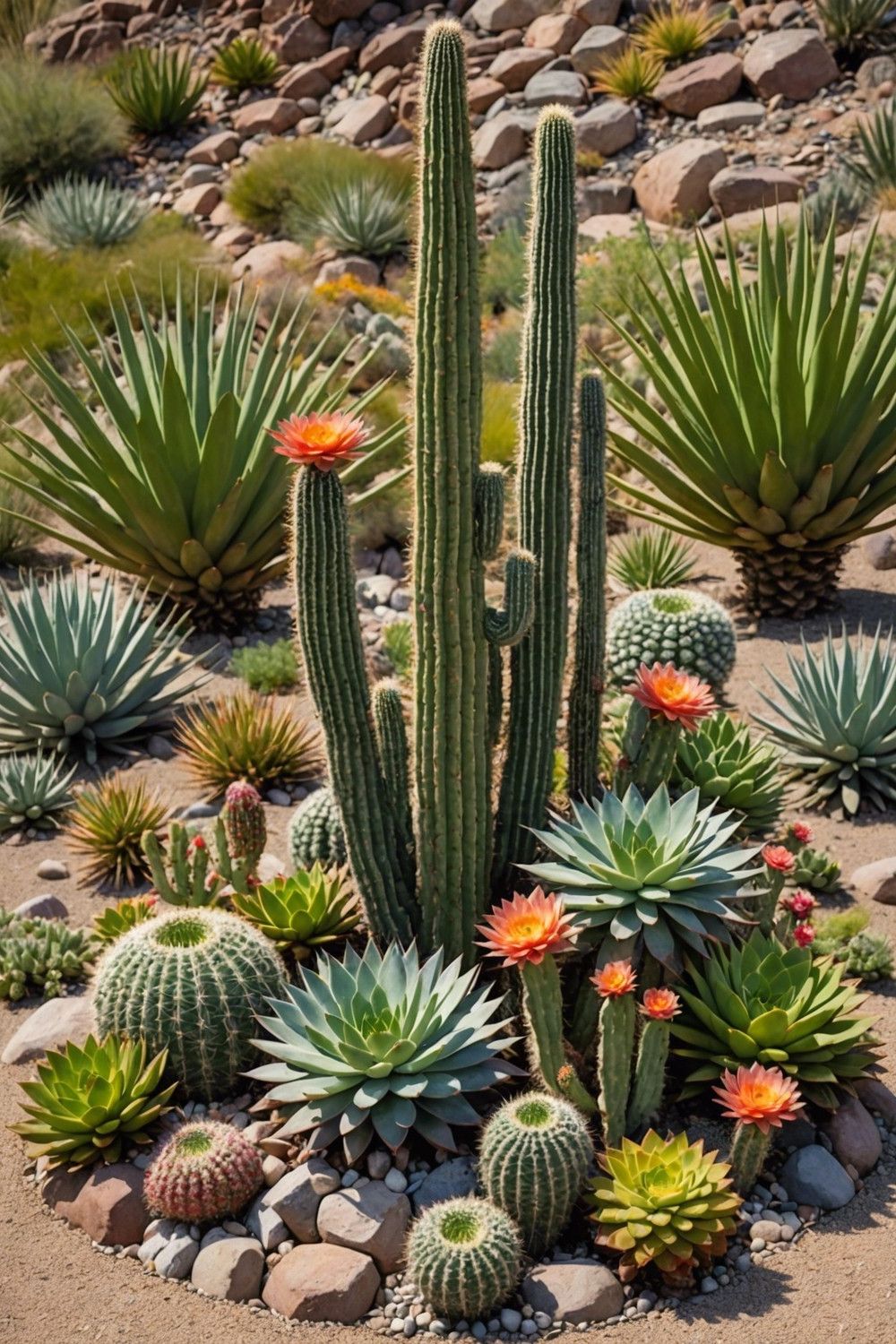
Mixing cacti with succulents adds contrast and depth to a dry garden design.
Pairing round, fleshy succulents with tall, spiny cacti creates a striking visual contrast that draws the eye.
Try a tall saguaro cactus next to a cluster of low, flowering echeverias, or surround a large aloe plant with small, spiky urchin cacti.
Balancing different shapes, textures, and heights is the trick to making the whole arrangement feel deliberate rather than random.
Best Permeable Pavers for Pathways
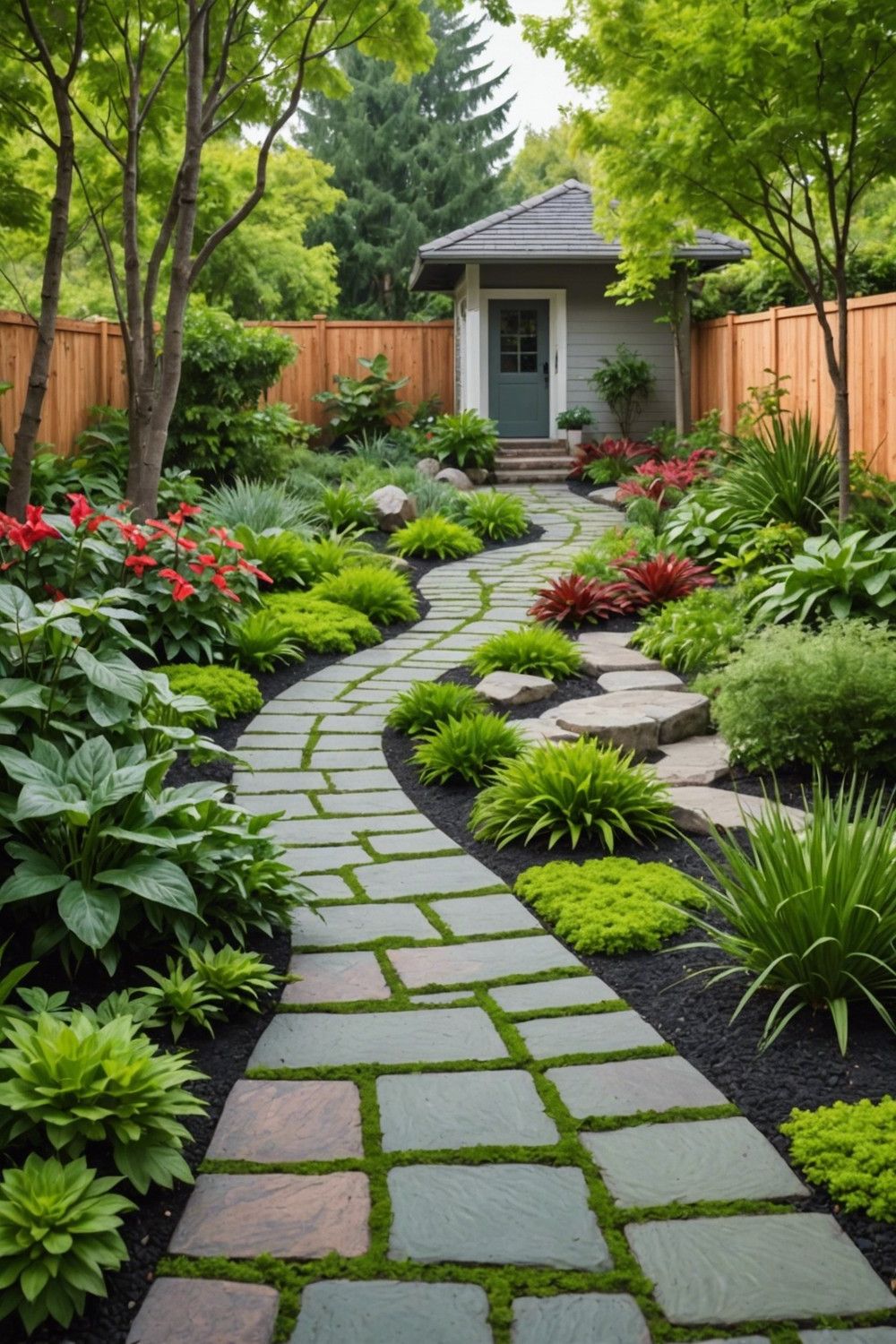
Permeable pavers are worth considering if you’re planning a pathway through your dry garden, since they let water pass through instead of pooling on the surface.
They’re a great way to help prevent stormwater runoff and let rainwater seep back into the ground.
Plus, they’re a more eco-friendly choice compared to the usual materials, which can put a strain on storm drains and increase the chance of water pollution. Just something to think about for your next outdoor project!
Permeable pavers also reduce the risk of puddles and slippery surfaces, making your pathways safer and more accessible.
Building a Gravel Garden
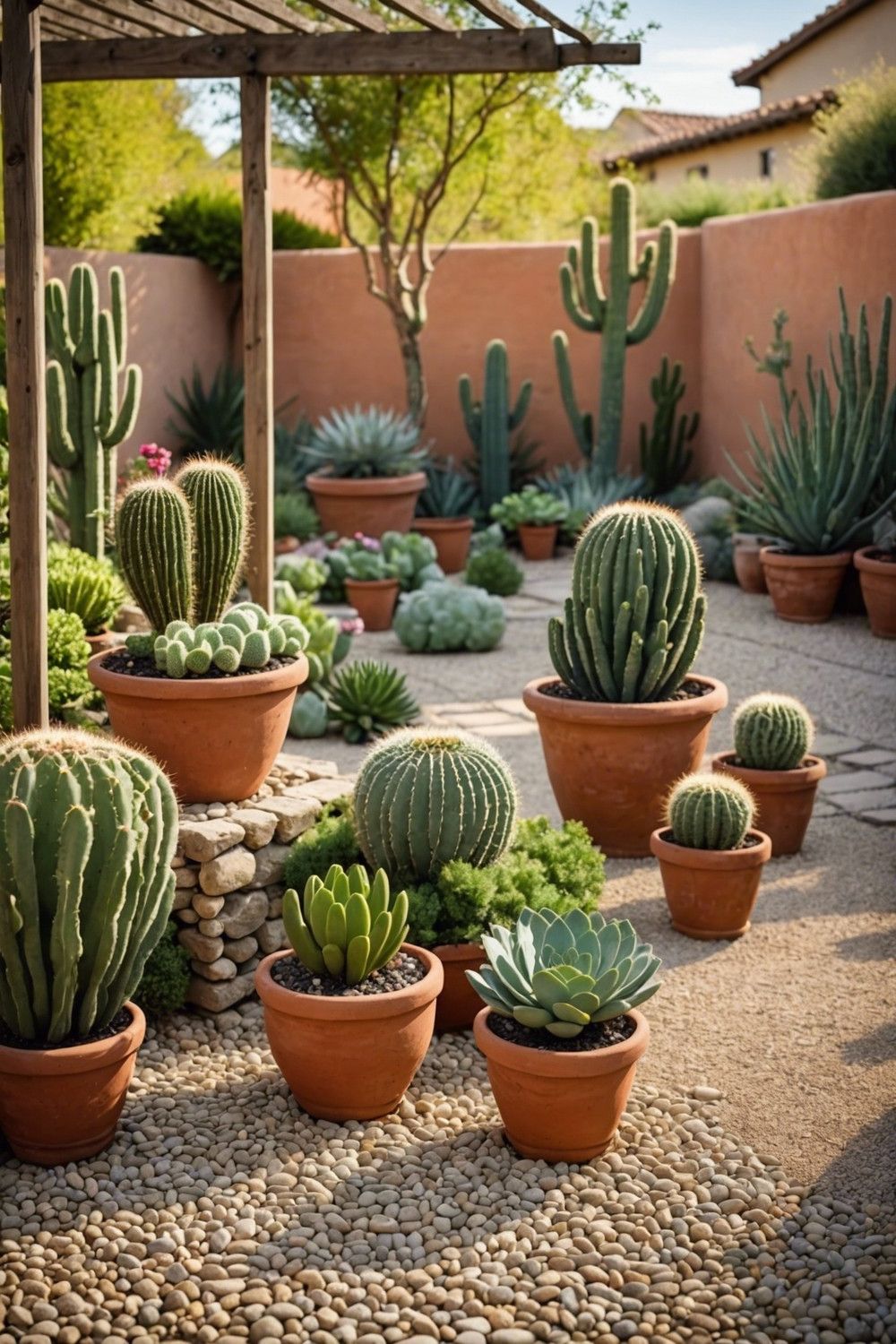
A gravel garden is a perfect solution for a dry garden, requiring minimal watering and maintenance.
To create one, start by removing any grass or weeds from the area.
Then, lay down a layer of landscape fabric to prevent weeds from growing back.
Next, spread a thick layer of gravel, leaving space for plants that thrive in dry conditions, such as succulents or cacti.
This type of garden is not only water-efficient but also adds a visually appealing texture to your outdoor space.
Best Water-Storing Plants to Grow
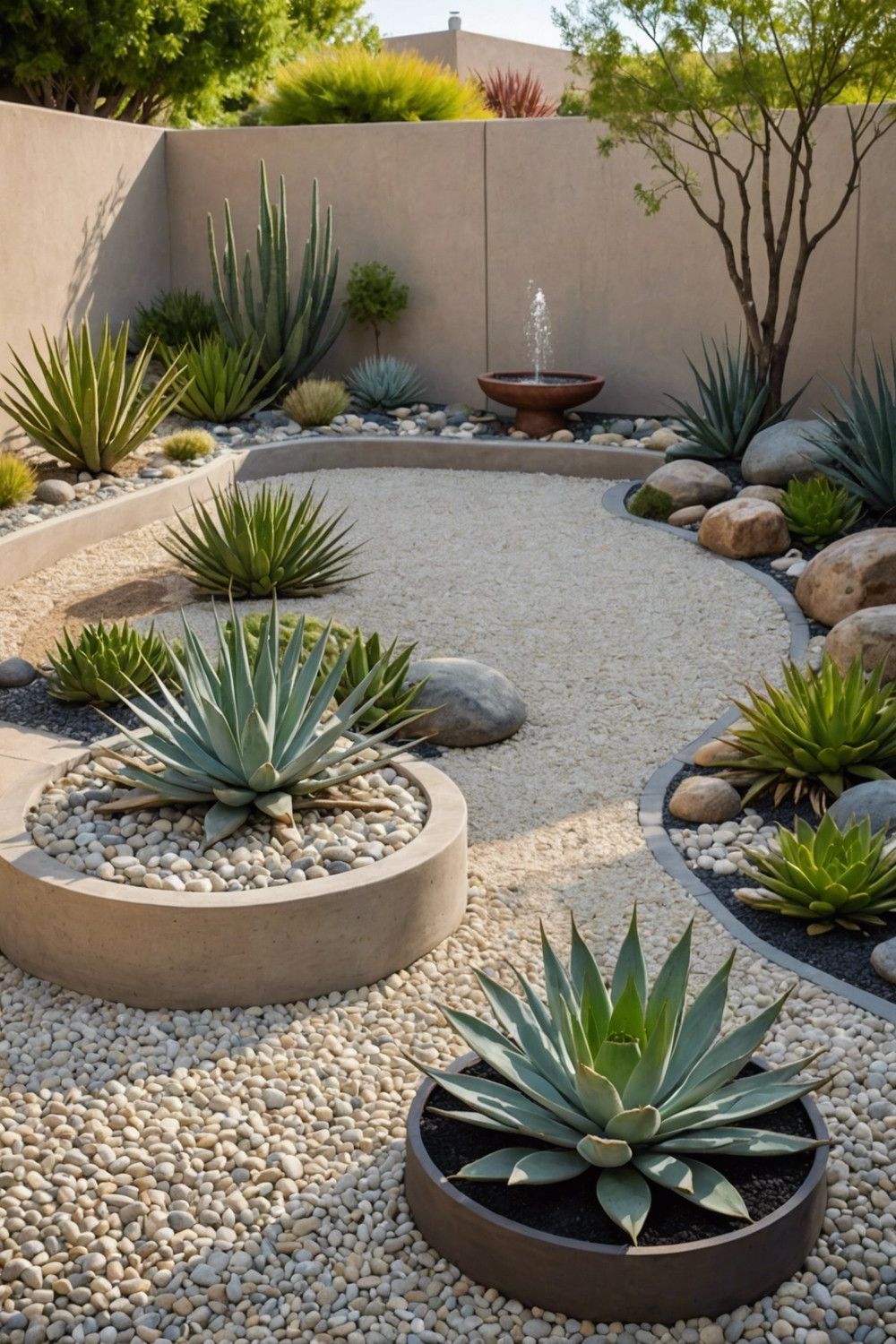
Incorporating water-storing plants is an excellent way to create a dry garden that consumes less water.
These plants, also known as succulents, have adapted to survive in dry conditions by storing water in their leaves, stems, or roots.
Some popular water-storing plants include aloe vera, agave, and echeveria.
These plants are so easy to take care of and they look really cool in your garden with all their different shapes and textures.
Plus, you don’t have to worry about watering them too often, which is perfect if you want to save on water in your garden.