Autumn is the ideal season to give your garden a fresh, cozy update before winter sets in.
Picture rows of colorful vegetables, hardy flowers, and a warm outdoor nook for relaxing on cool evenings. There are countless creative ways to make it happen.
Here are 20 fall garden projects that bring warmth and character to your yard as the leaves change color.
Growing a Fall Vegetable Garden
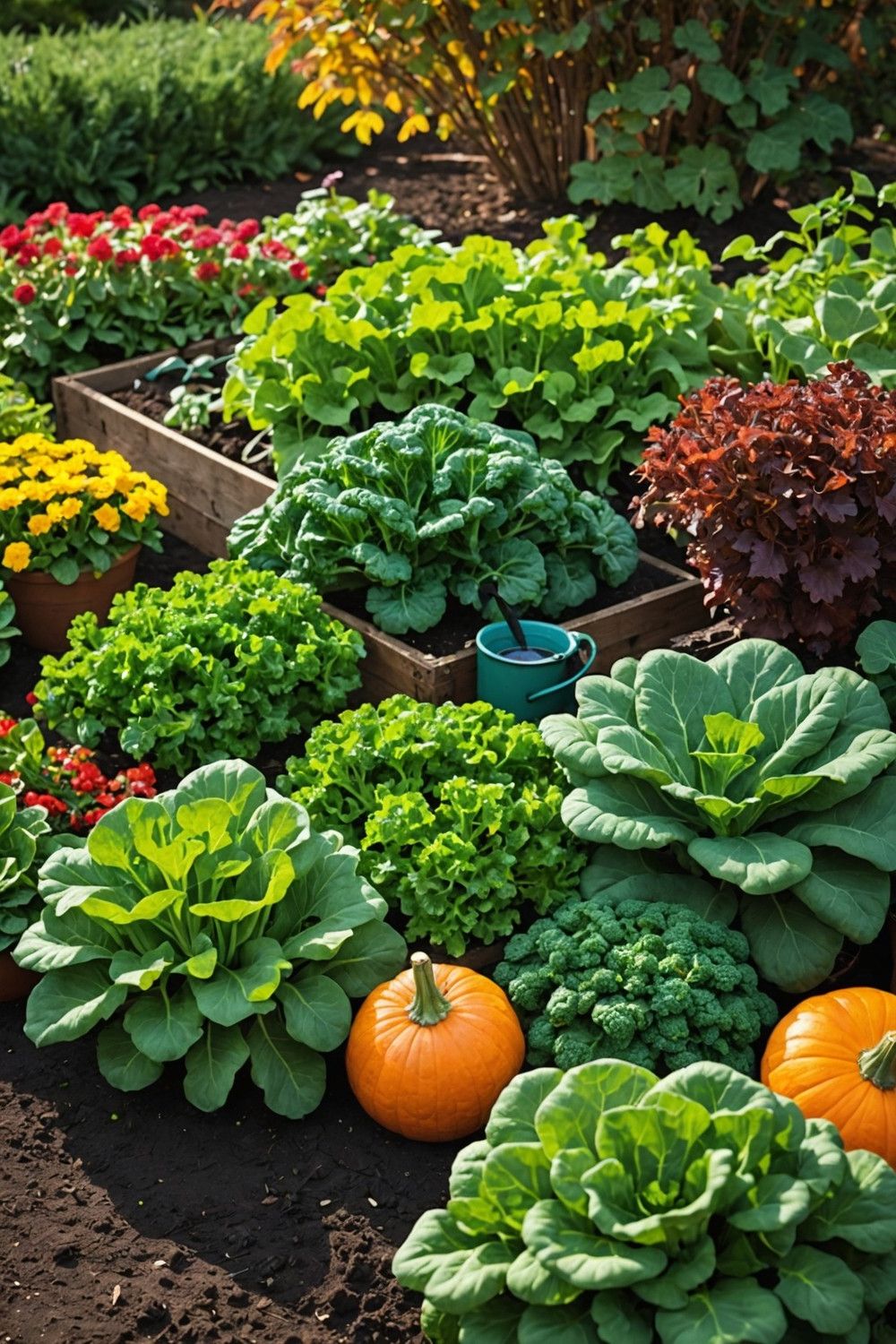
Growing your own fall vegetable garden is easier than most people expect, and the payoff is real.
Cooler temperatures actually help many vegetables thrive, giving you a second growing season for fresh produce before winter.
Cool-season crops like kale, spinach, and broccoli do especially well in fall. A light frost can even make them taste sweeter.
Pick a sunny spot, work organic matter into the soil, then plant seeds or seedlings at their recommended spacing.
Keep the soil moist by watering consistently and adding mulch as temperatures drop.
With steady care, you can keep harvesting fresh vegetables well into the winter months.
Adding Seasonal Fall Flowers

Seasonal flowers bring instant color to a fall garden just as summer blooms start to fade.
Chrysanthemums, asters, and pansies are solid choices since they tolerate cooler temperatures without losing their color or shape.
Beyond their color, these flowers attract bees and other pollinators, keeping your garden active even as other plants go dormant.
Pairing late-blooming perennials with your annual flowers creates natural contrast in texture, height, and color.
That combination also extends your bloom time, so the garden keeps its color further into fall than annuals alone would allow.
Building a Cozy Fire Pit Area
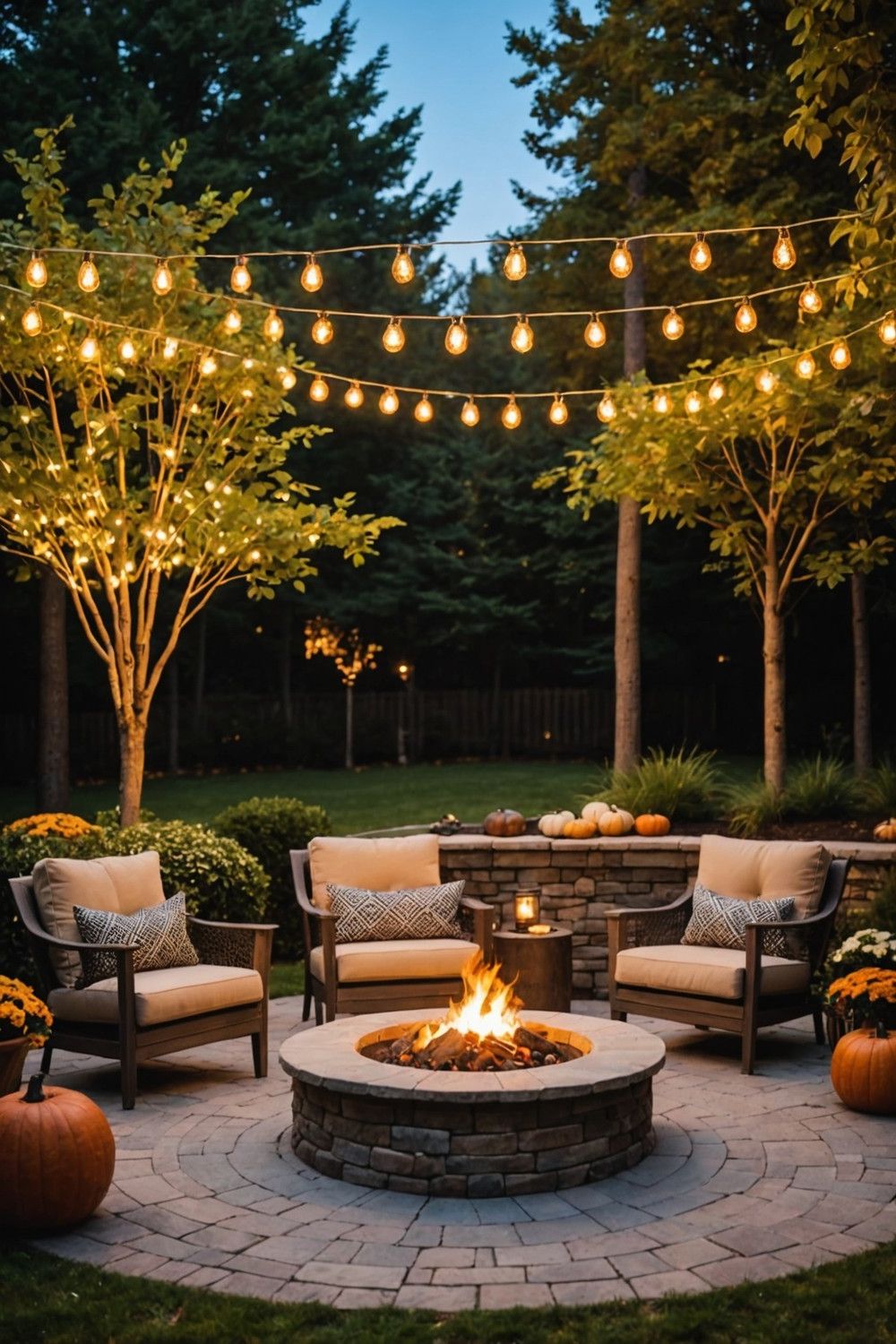
A fire pit area stretches your time outdoors well into the cooler fall evenings.
Pick level ground away from overhanging branches and low-hanging trees before you start building.
Outdoor sofas or wicker chairs make comfortable seating, and cushions or throw blankets add extra warmth on chilly nights.
Ring the pit with decorative stones or pavers, which improves both safety and the overall look.
String lights or lanterns placed nearby add a soft glow, extending the space’s use well after sunset.
Adding Garden Lighting
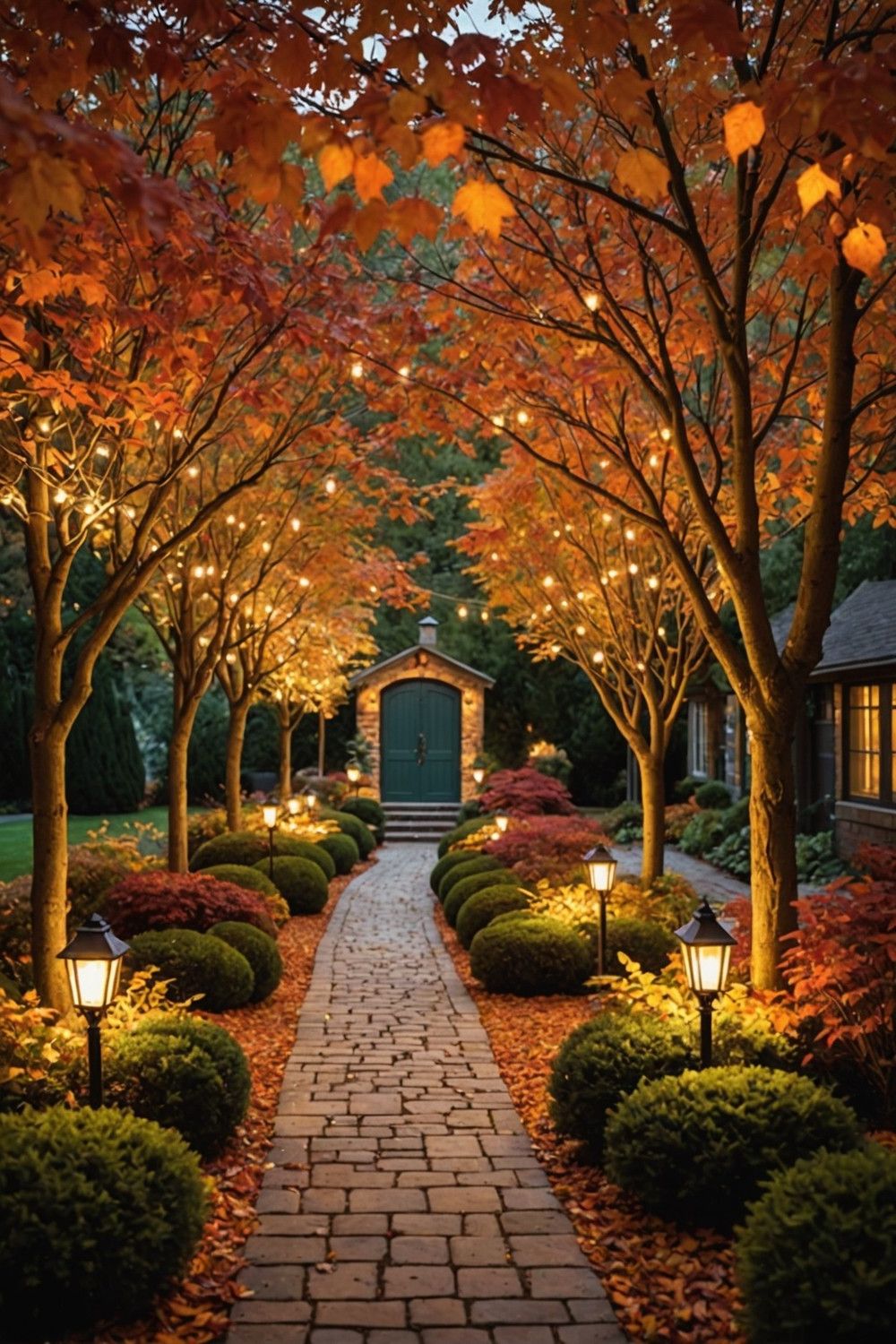
Garden lighting does double duty, adding visual appeal while making pathways safer after dark.
Path lights, string lights, and spotlights each create a different mood, so pick fixtures that match your garden’s overall style.
Think about which features deserve attention, such as a mature tree, a stone pathway, or a flowerbed border.
Solar-powered fixtures are worth considering since they’re simple to install and don’t require extra wiring.
Choose lights rated for outdoor and wet conditions, since fall weather can turn windy and rainy fast. That durability keeps your garden lit and welcoming as daylight hours shrink.
Building a Compost Bin
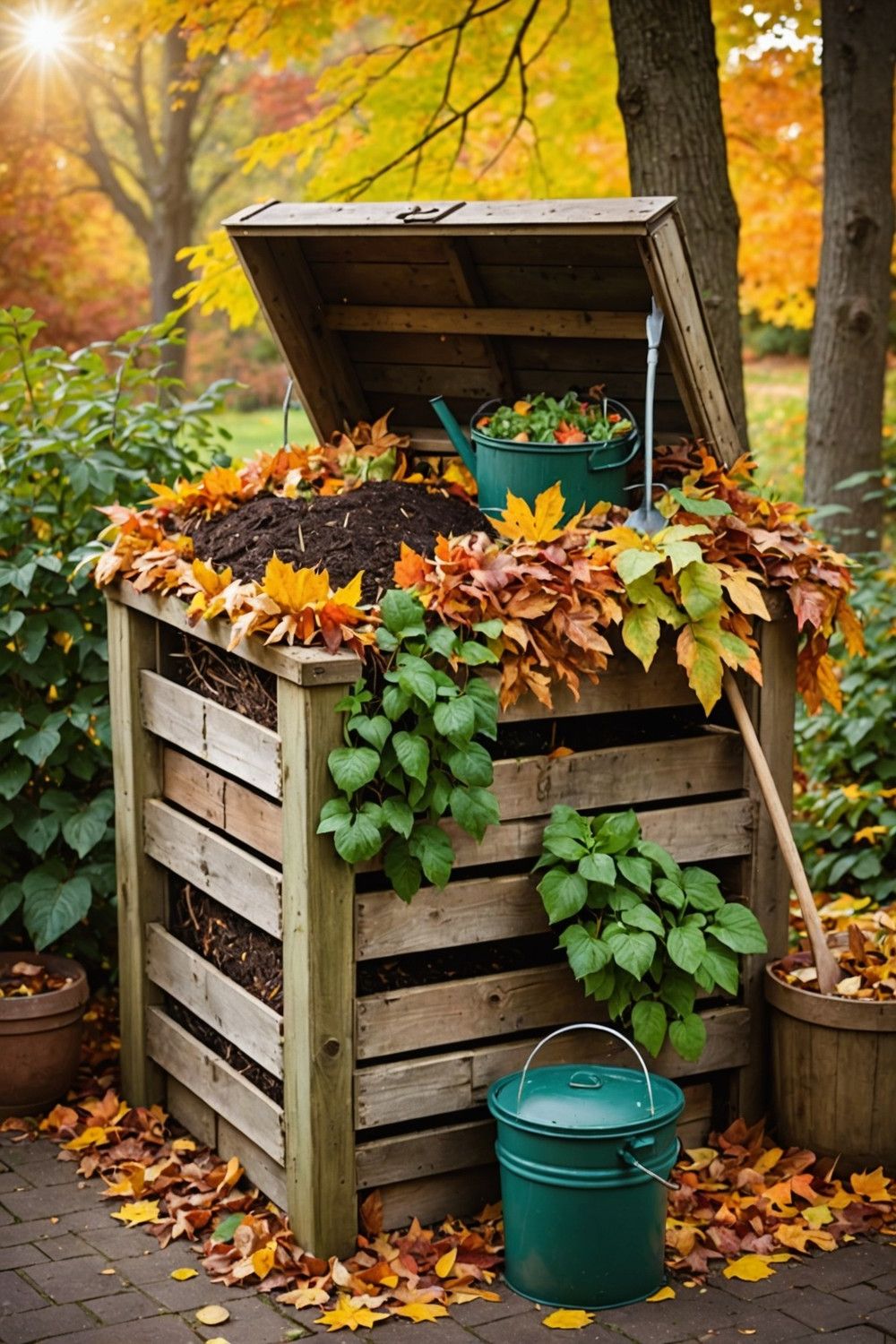
A compost bin turns kitchen scraps and yard waste into nutrient-rich material for your garden beds. Pick a spot that’s easy to reach but shaded from direct sun.
Wooden pallets, wire mesh, and plastic bins all work well as the base structure.
Leave gaps between materials for airflow, and layer carbon-rich brown material with nitrogen-rich green material to speed up decomposition.
Turn the pile regularly, and you’ll have rich soil amendments ready for your fall garden in a matter of weeks.
Decorating with Pumpkins
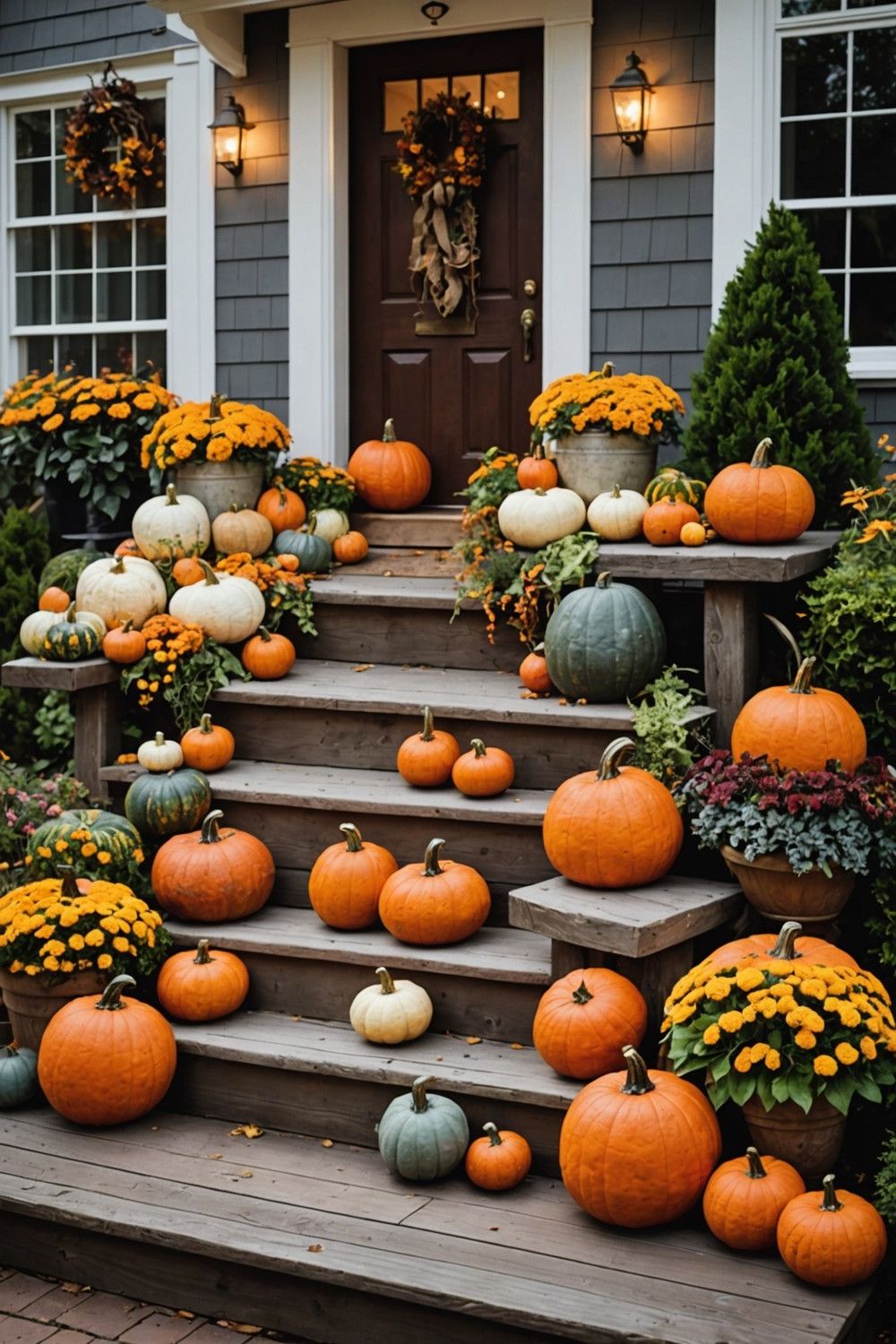
Decorative pumpkins in different sizes, colors, and textures instantly add visual interest to a fall garden.
Line them along steps, group them in clusters on tables, or tuck them into flowerbeds for a layered look.
They can even serve as unique planters for fall flowers or small succulents. Incorporate some twinkling lights or gourds to elevate your display, making your garden a cozy gathering spot as the days grow shorter.
Starting an Herb Garden
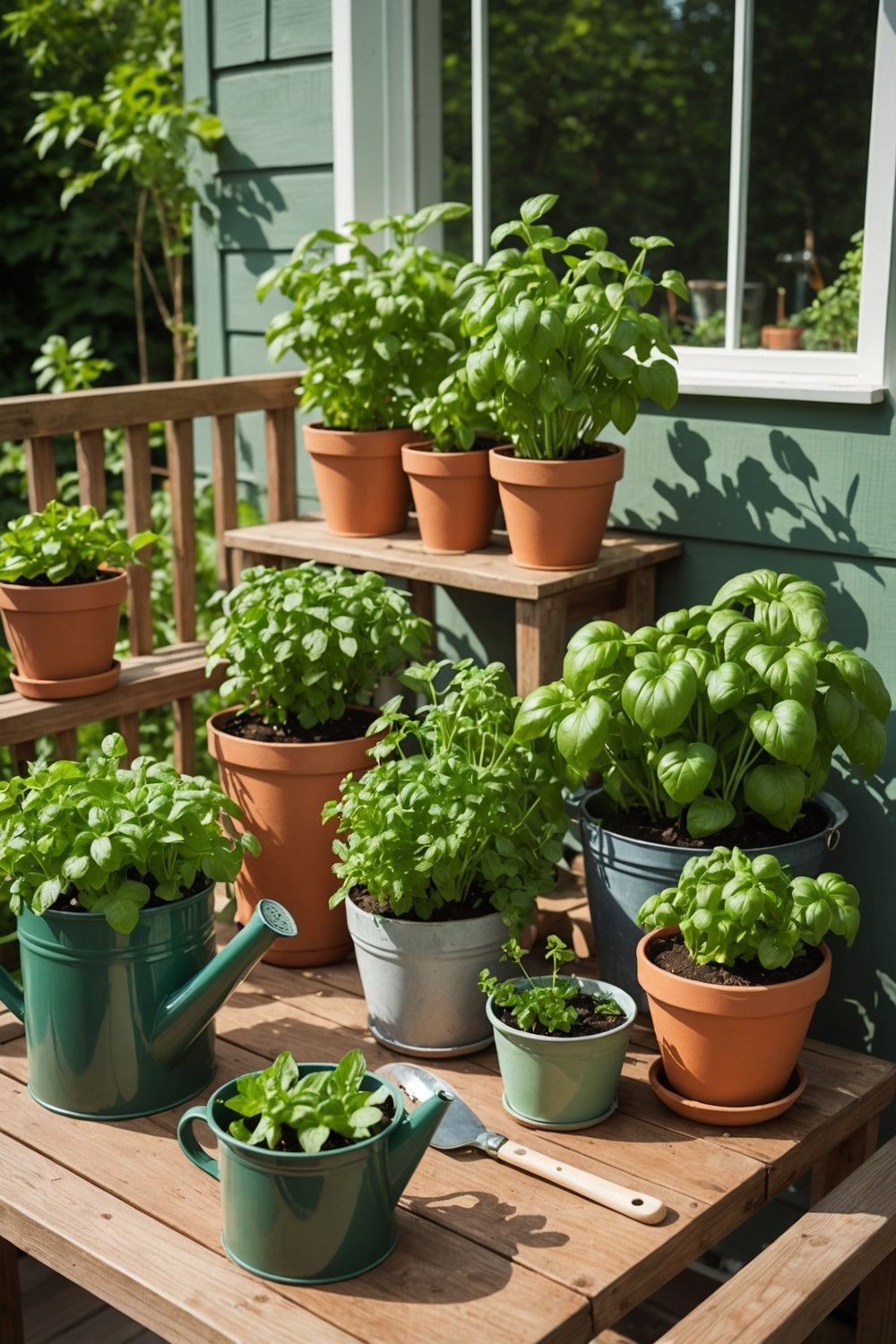
Starting a herb garden is a rewarding way to enhance your culinary experiences and bring fresh flavors to your meals. Choose a sunny spot in your yard or balcony where herbs can bask in sunlight.
Easy-to-grow varieties like basil, parsley, and mint thrive well in small spaces.
Plant them in pots to create a flexible garden that can move with the changing seasons. Regular watering and occasional pruning will keep your herbs healthy and encourage growth.
Fresh herbs are not only convenient but also add vibrant flavors to dishes all season long.
Adding Mulch for Winter Protection
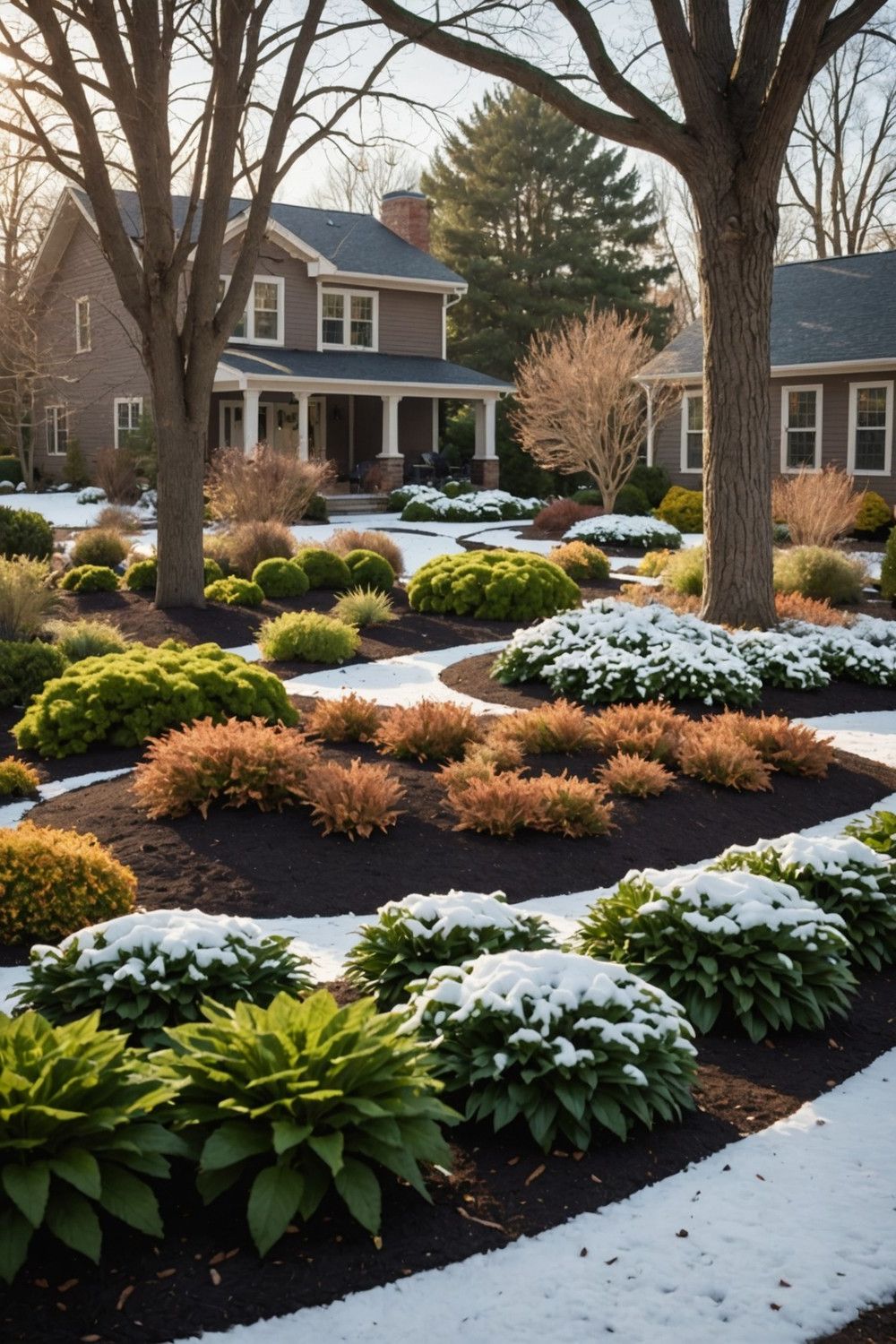
Adding mulch is an effective way to protect your garden during winter. A thick layer of mulch conserves soil moisture, regulates temperature, and prevents frost heave in your plants.
Organic options like shredded leaves, wood chips, or straw not only benefit the soil as they break down but also provide insulation against harsh winter conditions.
Make sure to apply mulch around the base of plants and trees, but keep it a few inches away from their stems to avoid rot. This preparation ensures your garden remains healthy and ready for spring growth.
Building a Rain Garden
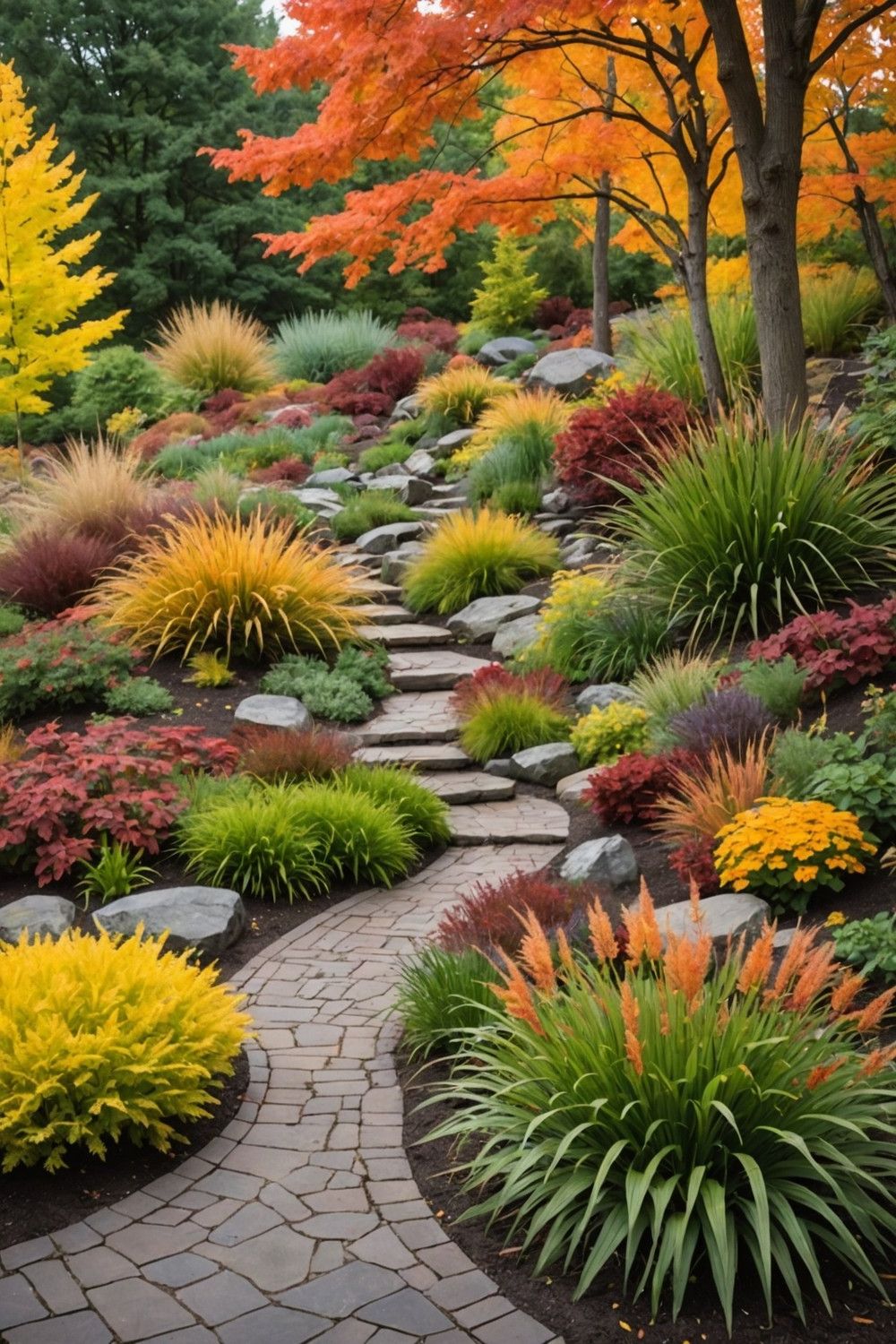
Have you ever thought about adding a rain garden to your fall garden? It’s a great way to not only enhance the beauty of your garden but also to help manage stormwater runoff more effectively.
Have you heard of gardens that use native plants to soak up rainwater? They’re pretty cool because they help prevent flooding and erosion, while also supporting the local wildlife!
Choose a low-lying area to install it, and consider using a mix of flowering plants, grasses, and shrubs to create visual interest.
Not only does it provide a beautiful landscape feature, but it also plays a vital role in water conservation and environmental health.
Designing an Outdoor Seating Area
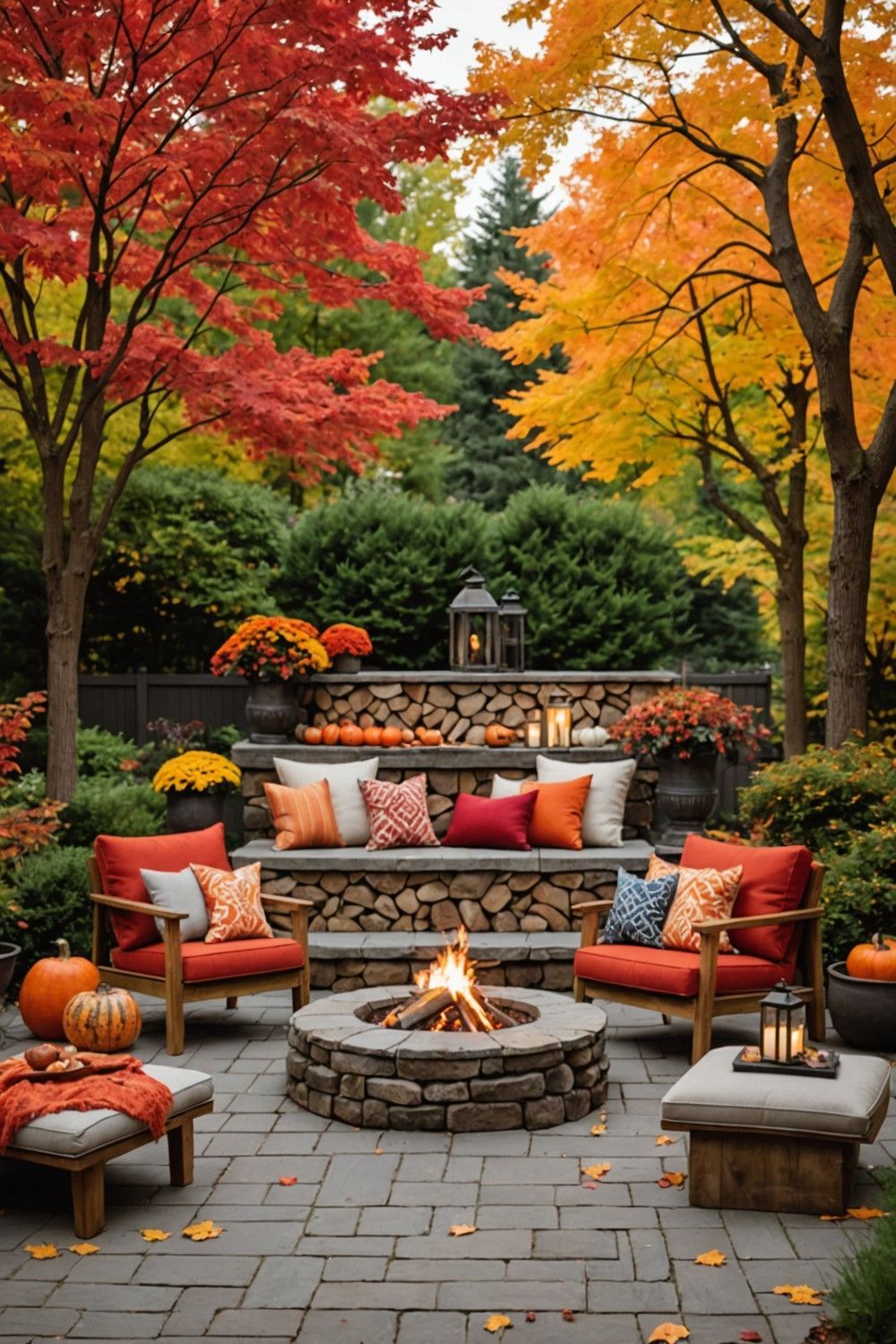
Creating an outdoor seating area enhances your garden, providing a perfect spot for relaxation and enjoyment.
Choose comfortable furniture that complements your garden’s style, such as rustic wooden benches or sleek modern chairs.
Incorporating cushions and throws can add a cozy touch.
How about adding a fire pit or outdoor heater to cozy up during those cool fall nights?
You could also throw in some colorful plants and decorative lanterns around the seating area to really set the mood and make it a spot you’ll never want to leave.
Just imagine yourself relaxing and enjoying the beauty of the season – sounds pretty inviting, right?
Planting Ornamental Grasses
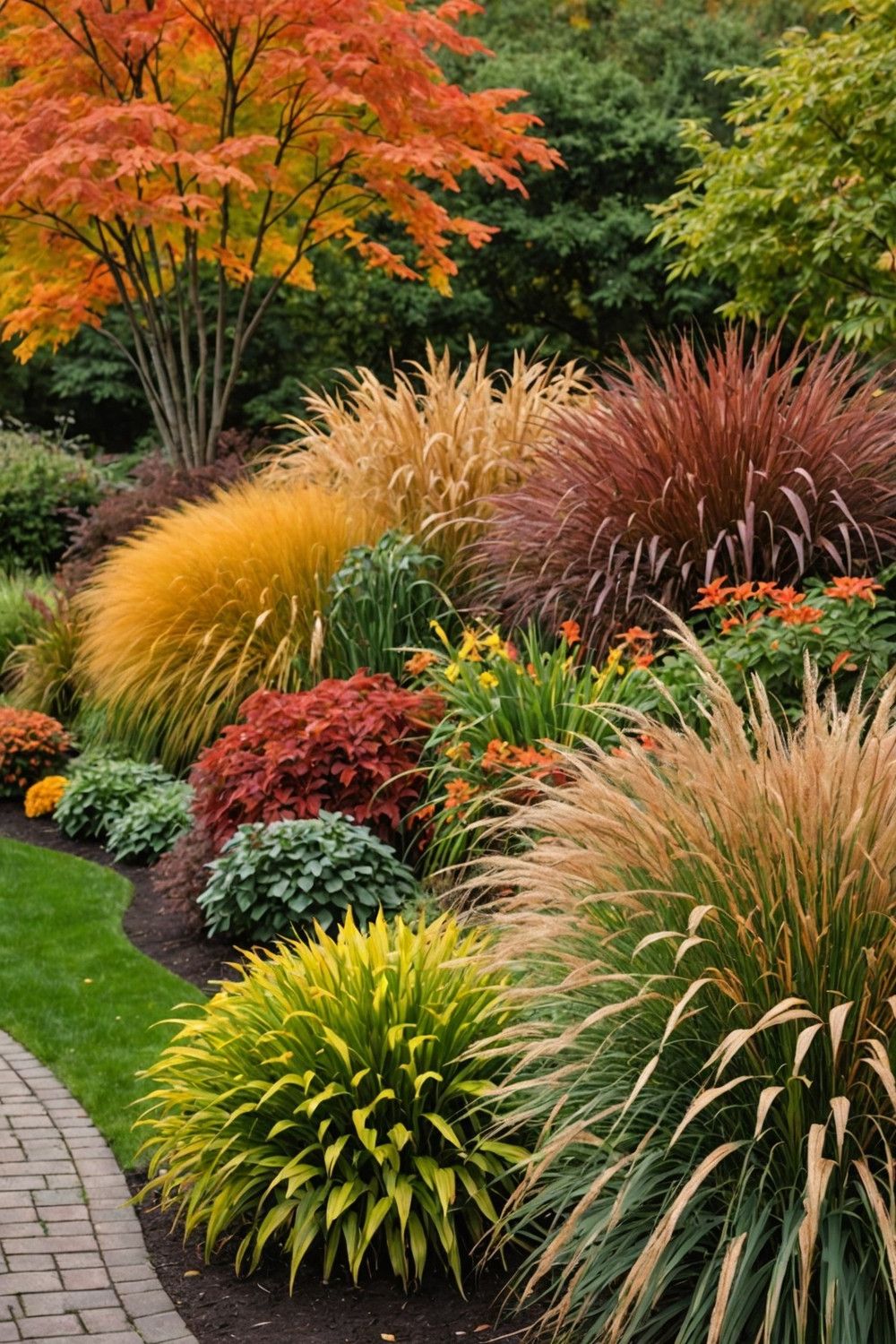
Ornamental grasses add texture, movement, and a splash of color to your fall garden. Their unique shapes and graceful forms create an attractive contrast against autumn’s vibrant foliage.
If you want to give your garden beds, borders, or even containers a little extra charm, consider planting varieties like Miscanthus or Panicum. They can really add a nice touch to your outdoor space!
When the wind blows through the leaves, they create a soft, soothing sound that adds to the peaceful vibe of your outdoor area on those cool autumn days.
Building a DIY Bird Feeder
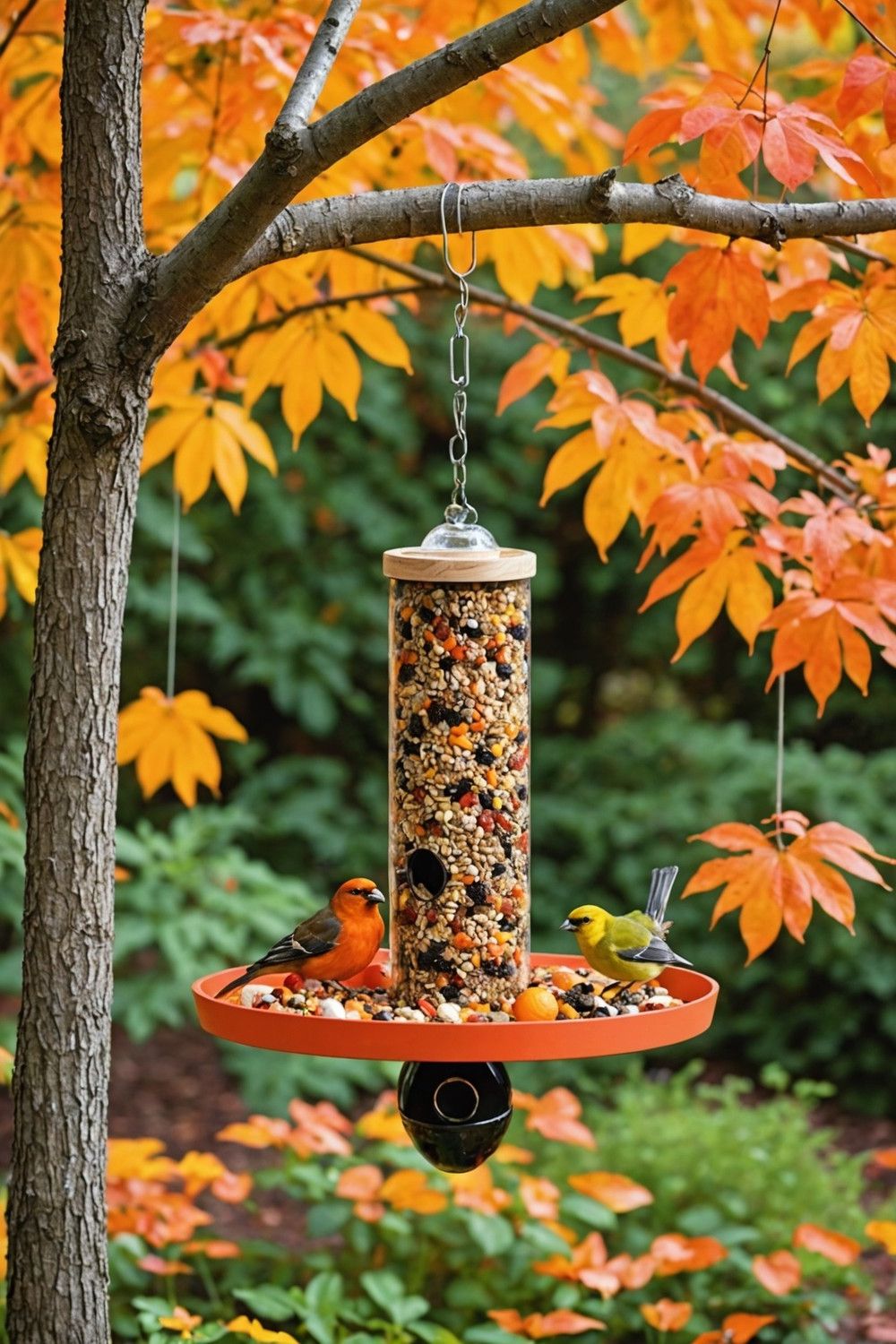
Crafting a DIY bird feeder is a fun and rewarding project that can enhance your garden while attracting beautiful birds.
Begin with materials like a wooden board, a plastic bottle, or even a coconut shell.
Hey there! Don’t forget to cut some openings for the birds and add a perch if you’d like. It’ll make their new home even cozier!
Fill it with birdseed, and hang it from a tree or a sturdy hook.
Personalize it with paint or decorations to add charm and blend it seamlessly into your fall garden.
Don’t forget to fill up the feeder often so your bird buddies will keep on visiting you!
Planning Ahead for Spring Bulbs

Planning for spring bulbs starts with selecting the right varieties that thrive in your climate.
Choose from popular options like tulips, daffodils, and hyacinths.
Prepare the garden by ensuring the soil is well-drained and enriched with compost.
“Hey there! When you’re planting bulbs, try grouping them together for a really eye-catching look. It will make a big visual impact in your garden.”
Timing is everything; ideally, plant them in the fall before the ground freezes to give them a strong start come springtime.
Consider the bloom times to enjoy a continuous display throughout the season.
Building a Wildlife Habitat
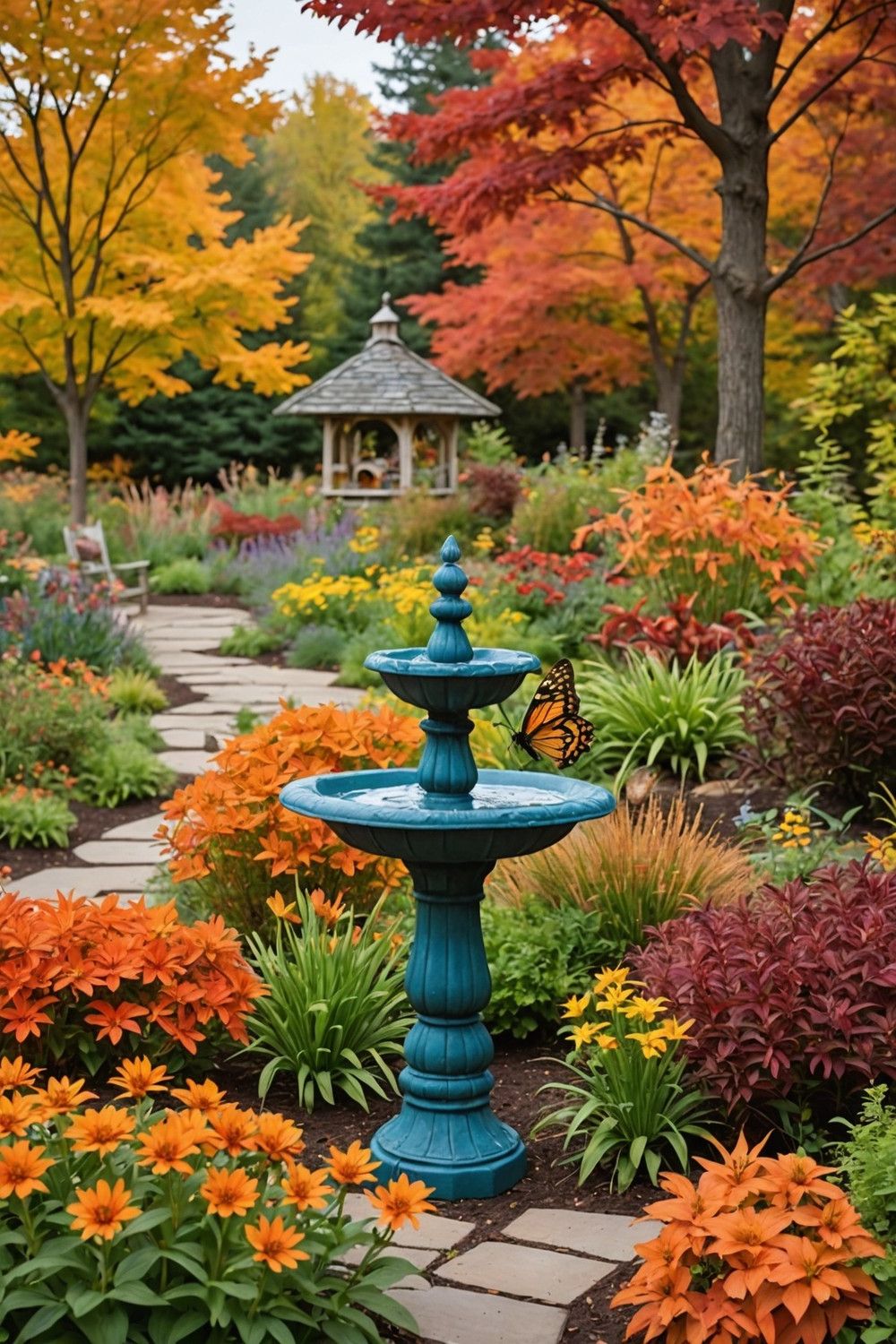
Have you ever thought about turning your garden into a cozy haven for local wildlife? It’s a wonderful way to help out our ecosystem and make your outdoor space even more beautiful.
Just add some native plants that will attract birds, butterflies, and bees – they’ll love it!
Hey there! If you want to bring more wildlife into your yard, why not try adding some birdhouses, water sources, and brush piles?
It’ll definitely help attract all kinds of animals and make your space more inviting for them. Just a little tip to bring some more nature into your life!
Ensuring safe nesting areas and minimizing chemical use can encourage a thriving ecosystem, making your garden a lively and essential refuge for animals all year round.
Growing Vegetables in Raised Beds

Raised beds offer a fantastic way to enhance your fall gardening experience. They provide better drainage and soil quality, which is especially beneficial during the cooler months.
Hey there! Just wanted to let you know that raised beds have warmer soil temperatures, which means you can grow your veggies for a longer period.
This makes it perfect for planting fall crops like kale, broccoli, and carrots that love cooler weather. Happy gardening!
Additionally, working at raised heights reduces strain on your back, making gardening more enjoyable. You can easily control the soil composition, tailoring it specifically for what you plan to grow.
Whether you choose wooden, metal, or stone options, raised beds can also add a stylish touch to your garden layout.
Designing a Fairy Garden
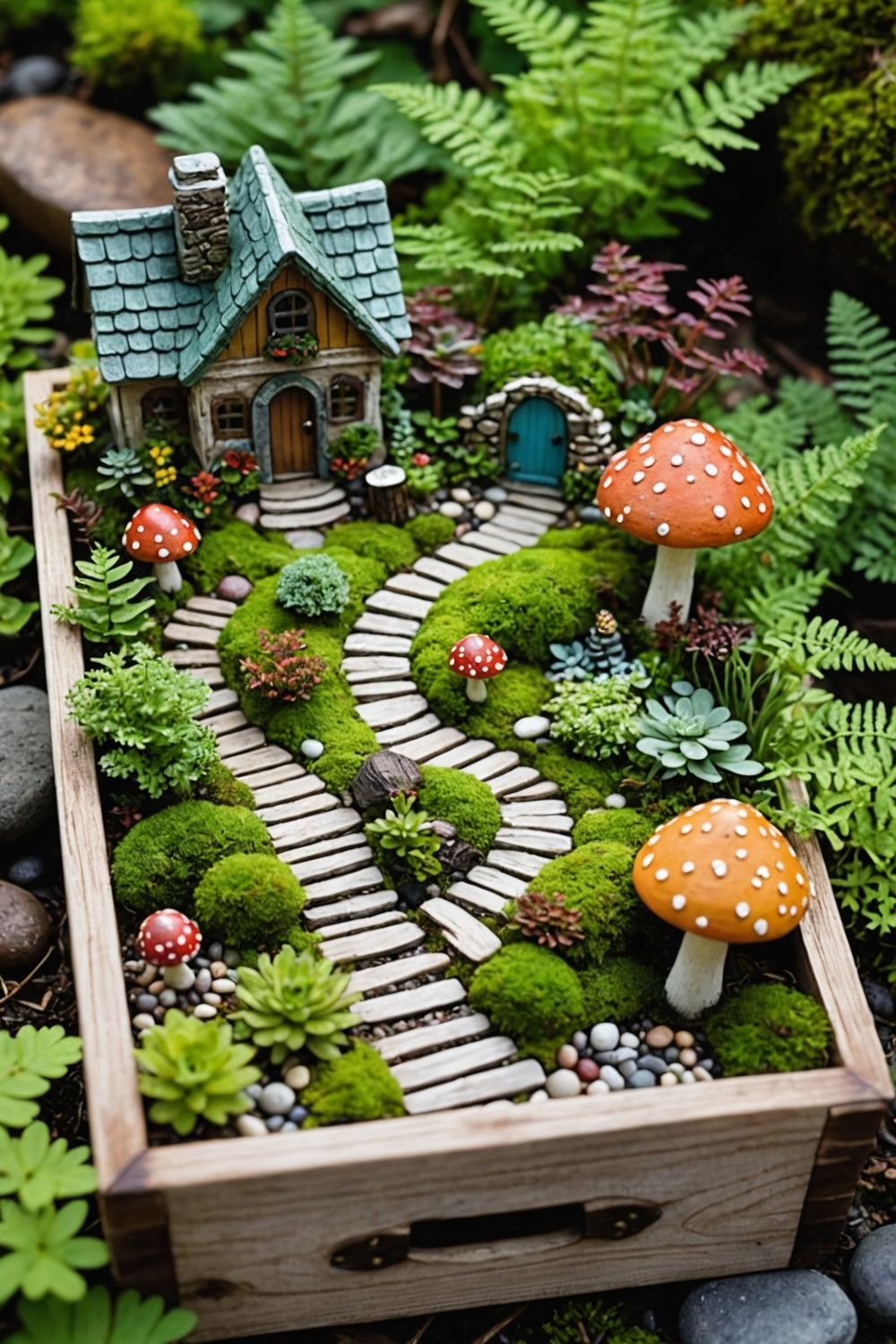
Designing a fairy garden is all about creating a magical, miniature landscape that sparks the imagination.
Start with a charming container like a pot or wooden box, then layer in soil, gravel, and moss to create a natural look.
Choose little plants with varying heights and colors, such as thyme, sedum, or ferns, for a whimsical feel.
Why not add some cute little decorations like tiny houses, fairy figurines, or toadstools to really bring that enchanting vibe to your garden?
Oh, and don’t forget to jazz it up with pathways made of pebbles or colorful stones to help guide any tiny visitors around! It’ll make your garden feel like a magical little paradise!
Did you know that with just a little bit of creativity, you can turn your fairy garden into the perfect place to spark wonder and magic during the fall season?
Decorating with Natural Elements
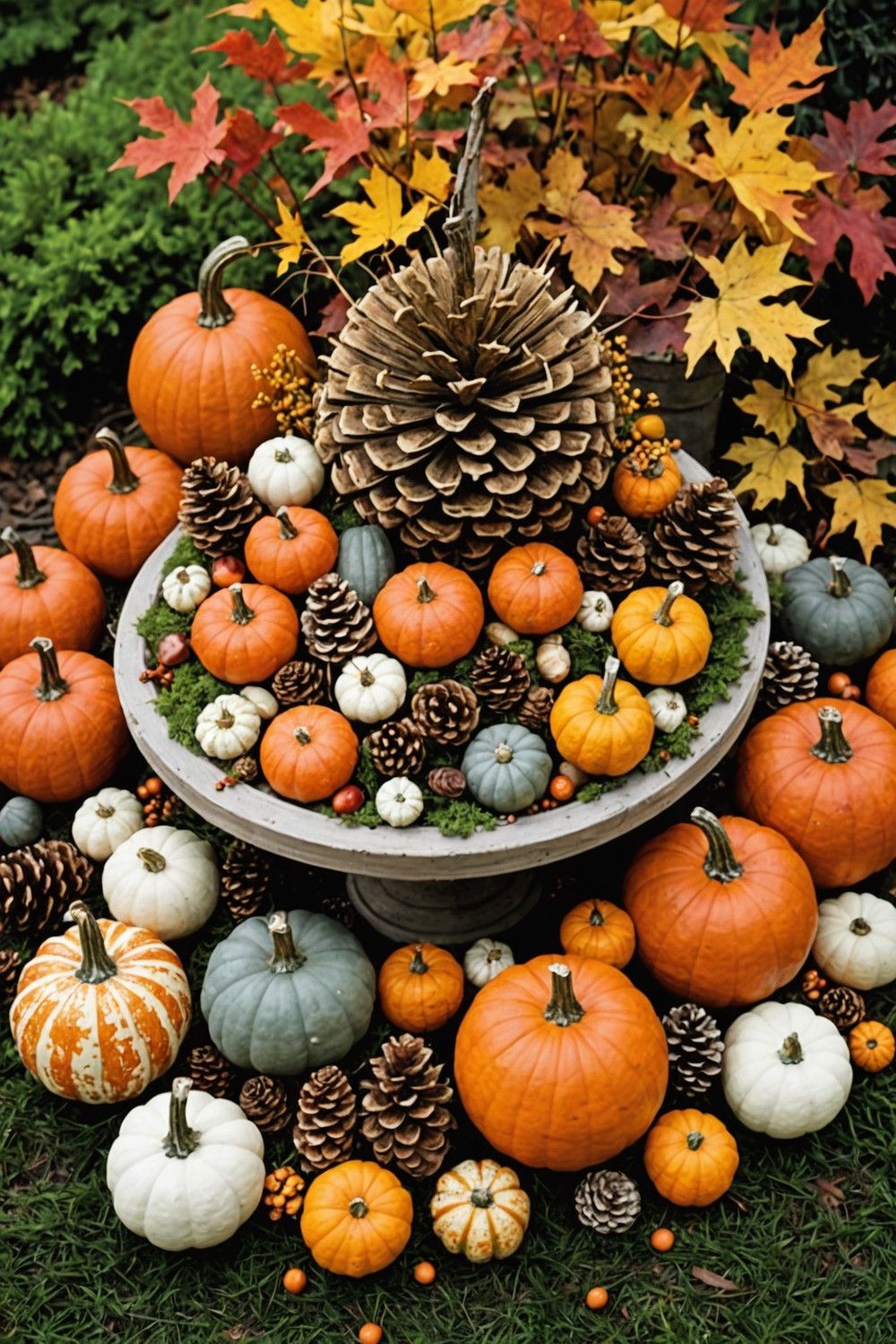
Using natural elements for decor can enhance the cozy, earthy vibe of your fall garden. Incorporate seasonal foliage, such as colorful leaves or branches, to create striking centerpieces.
Why not try sprucing up your home with some cute pumpkins and gourds? They’ll bring a pop of color and go perfectly with the autumn vibes!
Why not try playing around with pinecones, acorns, or stones to add a cozy and natural touch to your space? These little touches can really create a welcoming vibe that captures the essence of fall.
Choosing Perennials for Fall Color
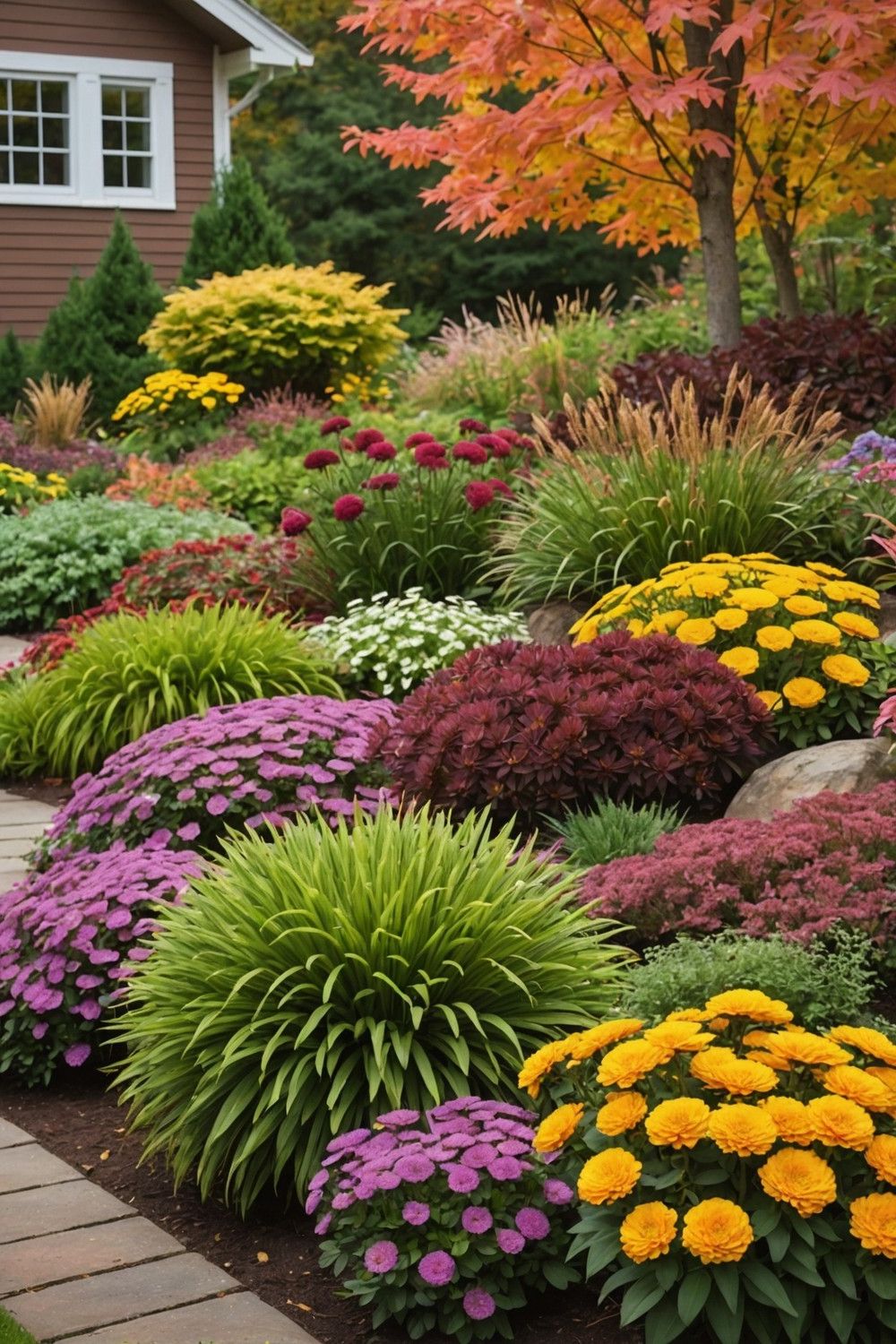
Planting perennials for fall color adds vibrant hues to the garden as the season transitions.
Selecting varieties like asters, sedums, and ornamental grasses can enhance visual interest and provide lasting blooms.
Ensure these plants are suited to your climate and soil type to thrive beautifully into autumn.
Taking care of your plants by removing the dead flowers and giving them enough water can really make a difference in how vibrant and beautiful your garden looks in the fall.
Installing a Trellis or Archway
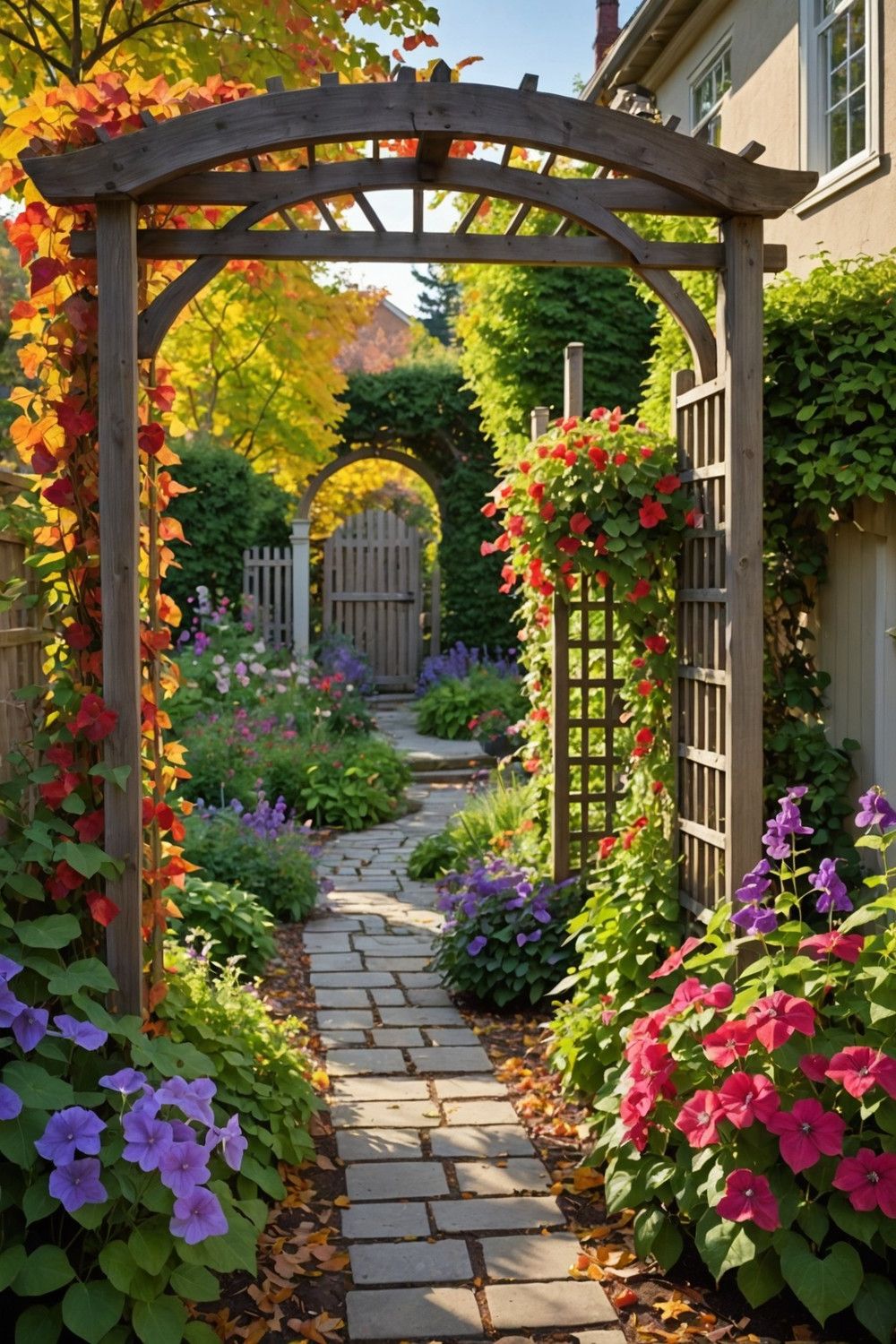
When you add a trellis or archway to your garden, it not only makes it look prettier but also gives your climbing plants a nice place to grow.
Choose a sturdy material, such as wood or metal, and select a location that receives ample sunlight.
As you plant vines like clematis or sweet peas, they will naturally embrace the structure, adding vertical interest and charm.
When you add this feature to your garden, it not only becomes a stunning focal point but also helps create a more spacious and welcoming atmosphere.