Fall is a beautiful time for gardening, offering a chance to showcase vibrant colors and textures before the winter chill sets in. Discover 20 fantastic plants that thrive in this season, from cheerful mums to stunning ornamental cabbages.
Hey, let’s talk about how we can make a really beautiful autumn garden that just makes you feel happy and cozy.
Mums (Chrysanthemum)
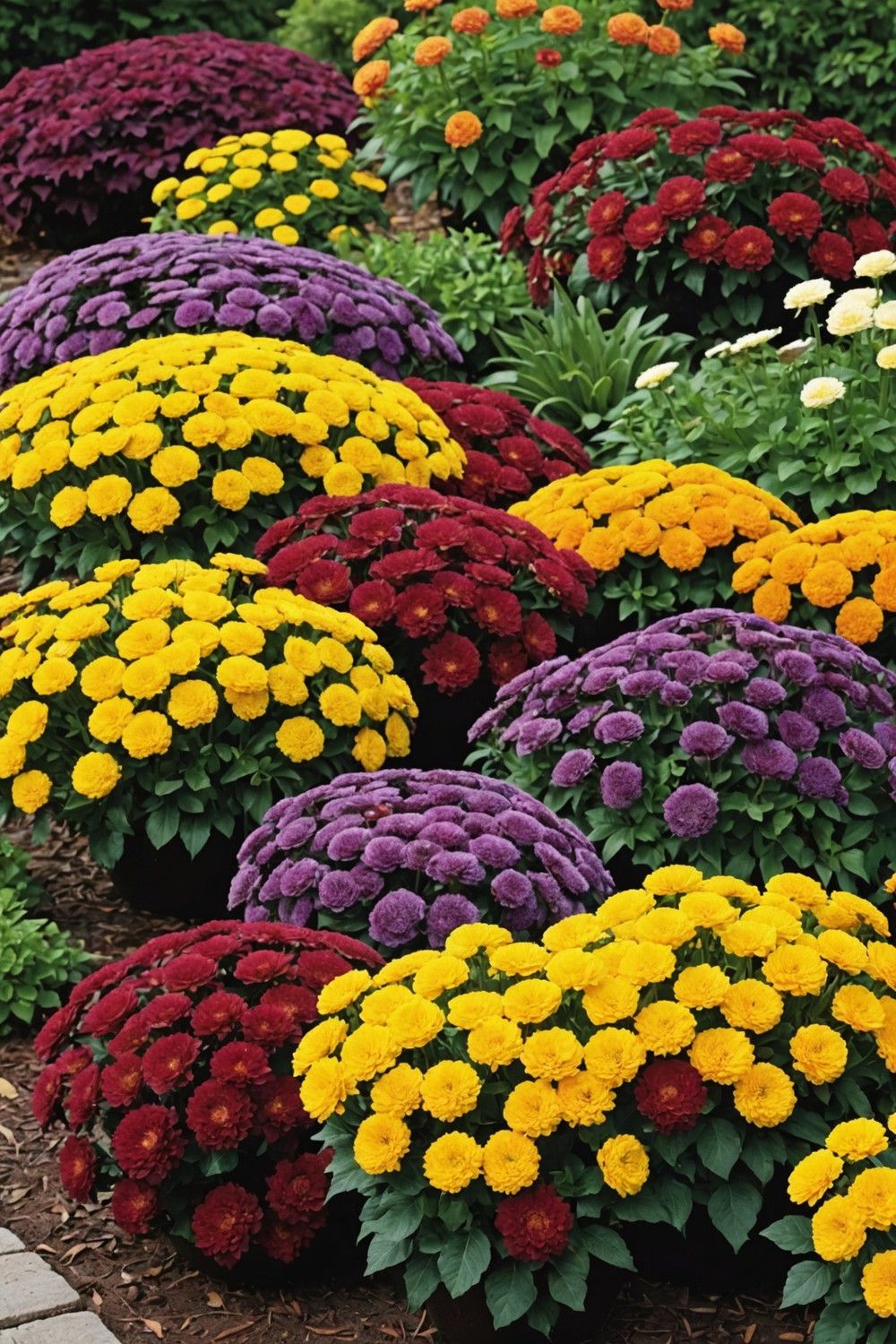
Mums, or chrysanthemums, are vibrant fall garden favorites that add stunning color and texture to landscapes.
You can find these flowers in all sorts of colors, from rich purples to vibrant yellows, and they really start to bloom a lot as summer turns into fall.
Mums thrive in well-drained soil and require ample sunlight to showcase their full beauty.
Regular watering and deadheading can promote longer blooming periods, making them a delightful choice for creating seasonal curb appeal.
Plus, they’re a perennial plant, returning year after year, ensuring ongoing charm in your fall garden.
Pansies
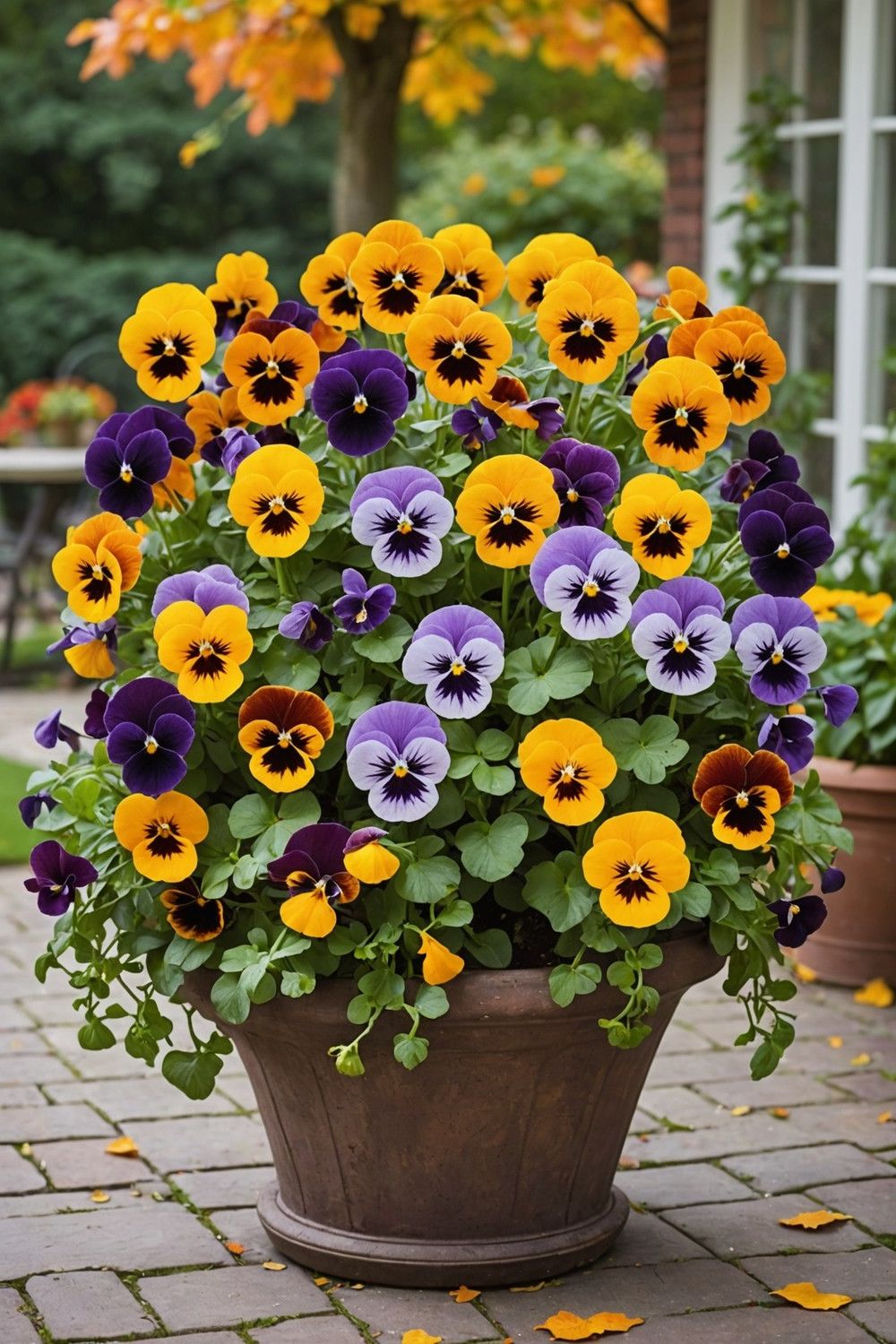
Pansies are vibrant, versatile flowers that thrive in the cooler temperatures of fall.
These flowers have such big, heart-shaped petals and come in so many pretty colors – they really make any garden or outdoor space pop!
These hardy plants are not only beautiful, but they also resist frost, allowing them to last longer into the season.
Did you know that pansies are great for planting in pots and containers? They’re perfect for adding a pop of color to your patio or deck!
When you use them as borders or mix them in with other plants, they really bring out the beauty of your fall garden!
Kale
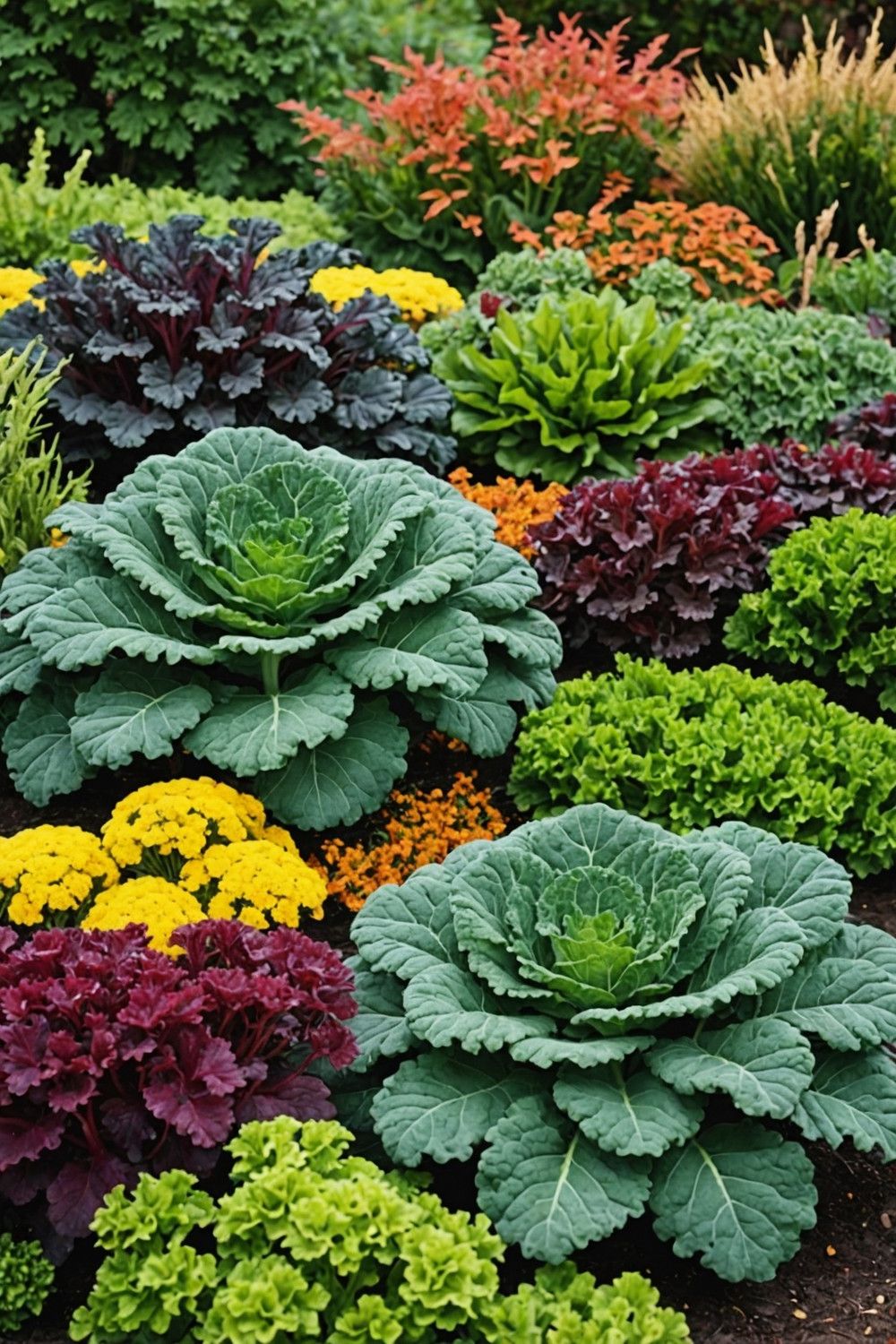
Kale is a powerhouse in the fall garden, thriving in cooler temperatures and even improving in flavor after a frost.
This leafy green is packed with nutrients, making it a fantastic choice for health-conscious gardeners.
And the best part is that it comes in all sorts of styles – curly, flat, and even some fancy designs – so you can really make your garden pop with some cool visuals!
Planting kale can lead to a bountiful harvest, as it’s relatively easy to grow and can last throughout the season, bringing fresh greens to your table.
Ornamental Cabbage
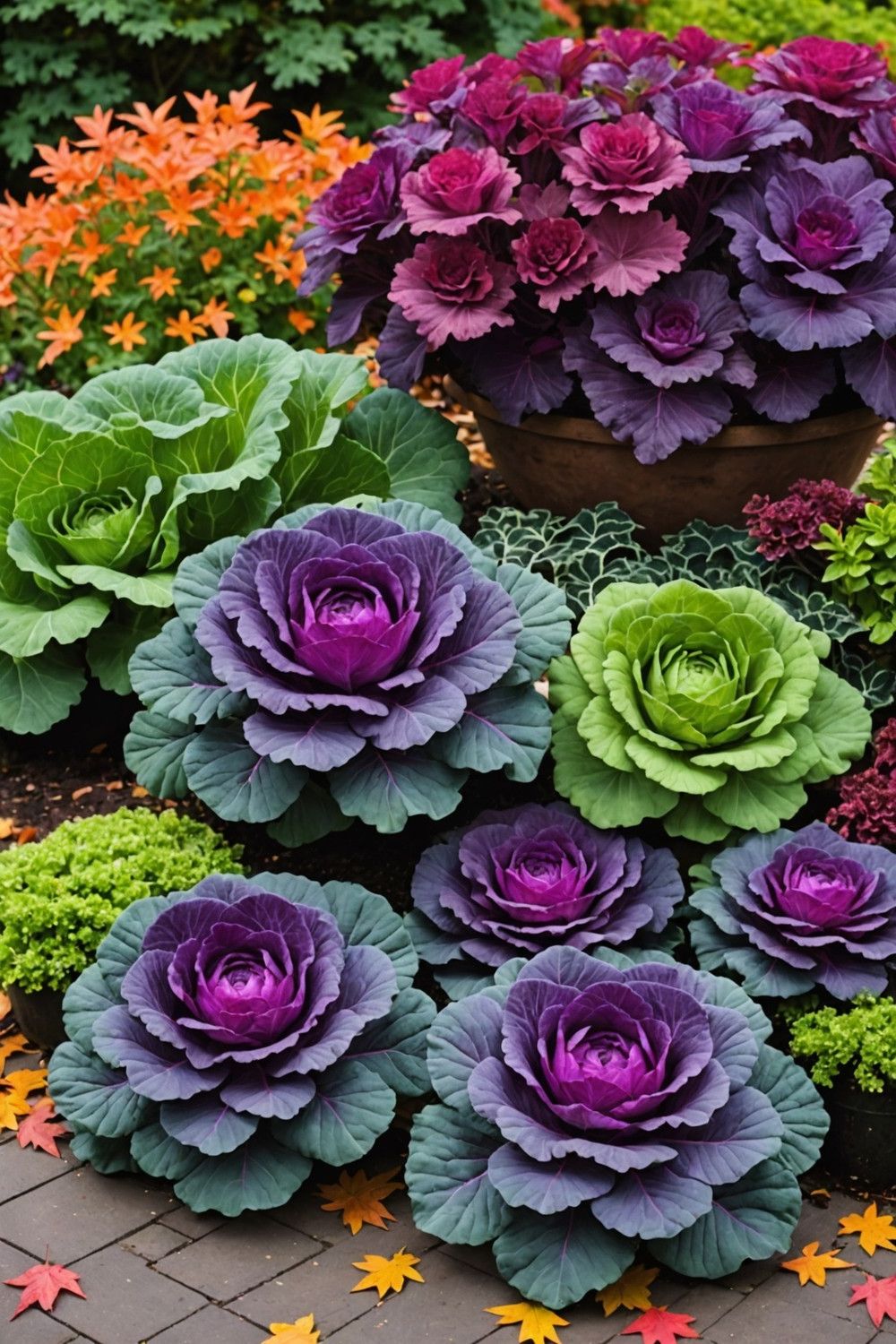
Have you ever considered planting ornamental cabbage in your fall garden? It’s such a great choice with its vibrant and colorful foliage that really stands out.
Unlike traditional cabbage, it is grown primarily for decorative purposes, showcasing vibrant shades of purple, pink, and green.
These tough little plants love the cold weather, which is great news for your fall garden!
You can use them in borders, pots, or mix them in with other plants to add some flair and color.
I love how the different textures and colors of these plants really make a garden design pop with character and charm.
Asters
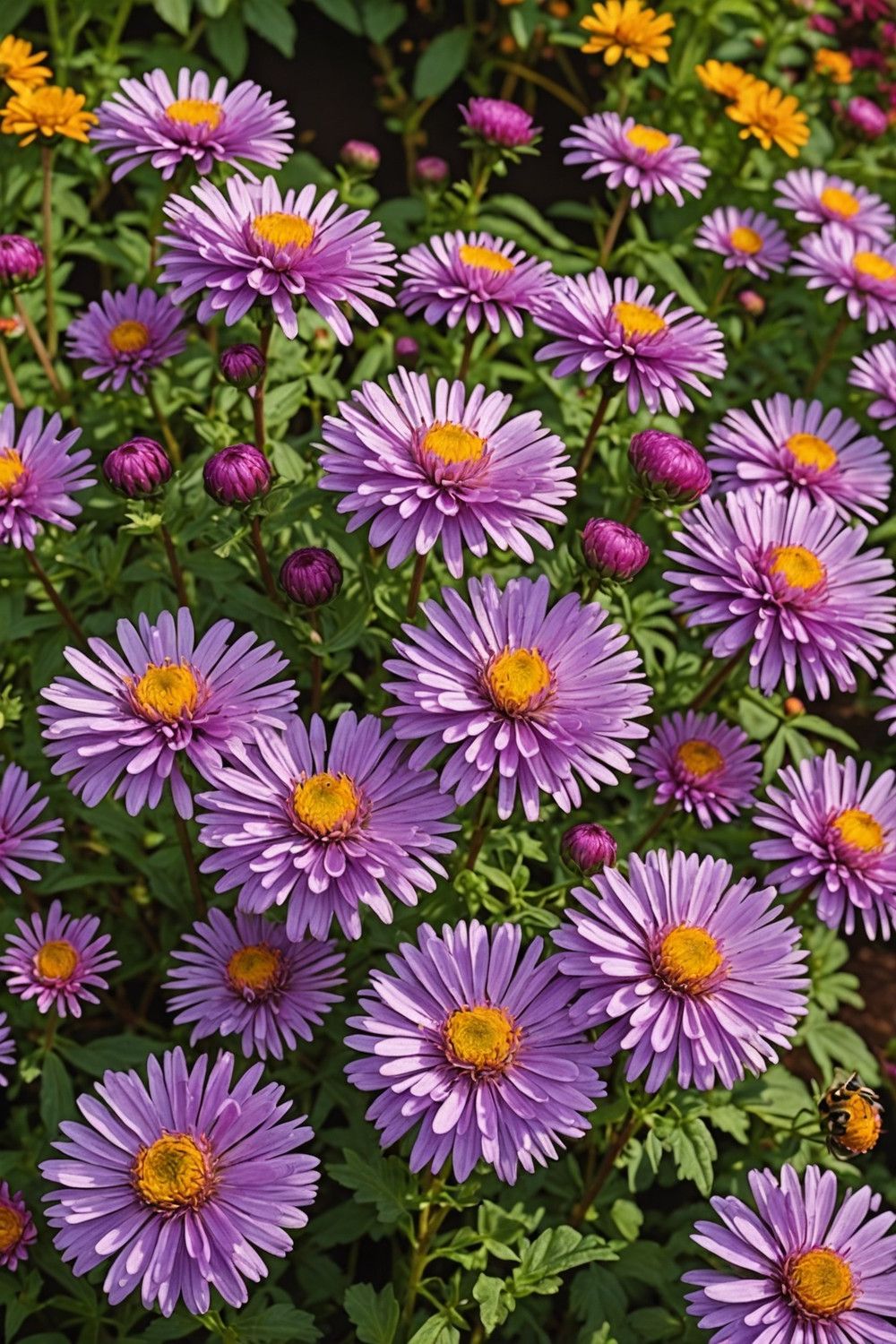
Asters are vibrant perennial flowers that bloom in late summer to fall, adding a burst of color to any garden.
Their daisy-like structure and range of hues, from purples to pinks, make them a favorite among gardeners.
Besides their visual appeal, asters are also attractive to pollinators like bees and butterflies, enhancing biodiversity.
They thrive in well-drained soil and prefer full sun, making them perfect for fall gardens as they are hardy and resilient against cooler temperatures.
Sedum
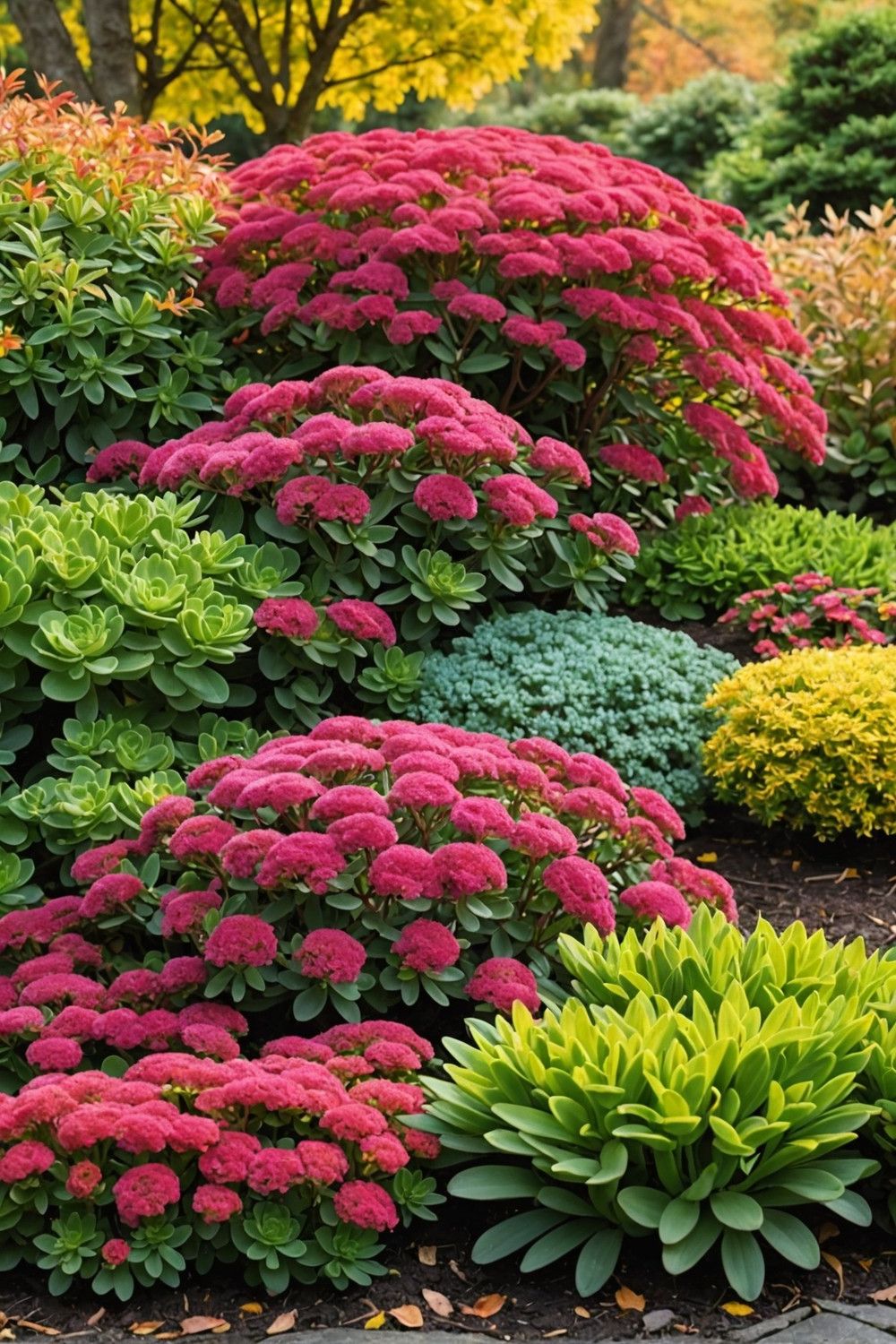
Sedum is a hardy, drought-resistant succulent that thrives in sunny spots, making it a fantastic choice for fall gardens.
With its fleshy leaves and vibrant flowers, sedum adds texture and color even as other plants fade.
Varieties like ‘Autumn Joy’ showcase stunning pink to red blooms that attract pollinators, while their low-maintenance nature ensures they require minimal care.
Sedum blends beautifully with other fall plants, enhancing the seasonal display and providing interest throughout the cooler months.
Marigolds
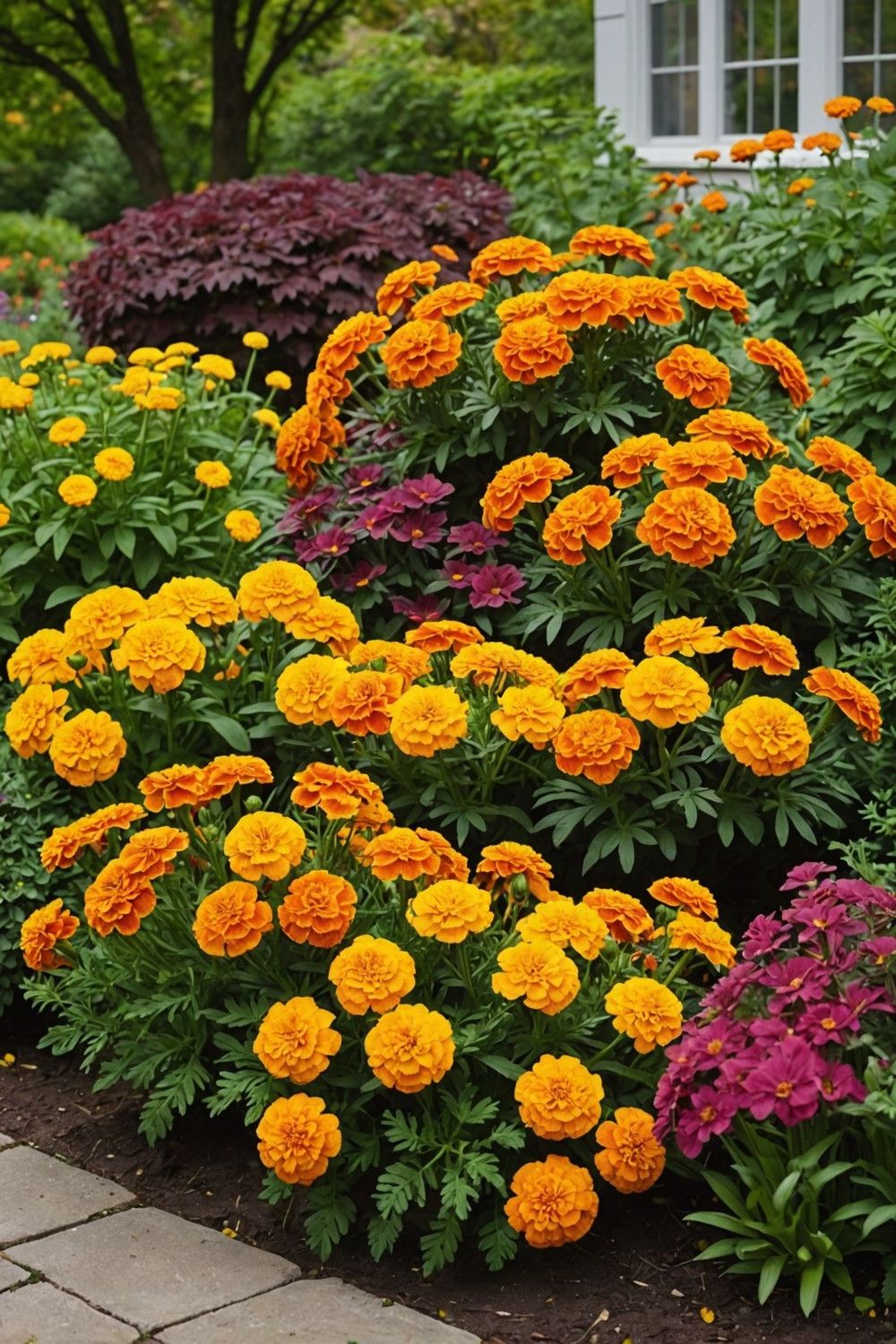
Marigolds are vibrant, low-maintenance flowers that thrive in the fall garden. Their cheerful hues range from deep orange to bright yellow, adding warmth to any landscape.
Known for repelling pests, they serve as a natural insect deterrent, making them beneficial companions for vegetable gardens.
Marigolds prefer full sun and well-drained soil, and their resilience allows them to bloom until the frosts settle in.
They’re an excellent choice for enhancing both beauty and health in a fall garden.
Snapdragons
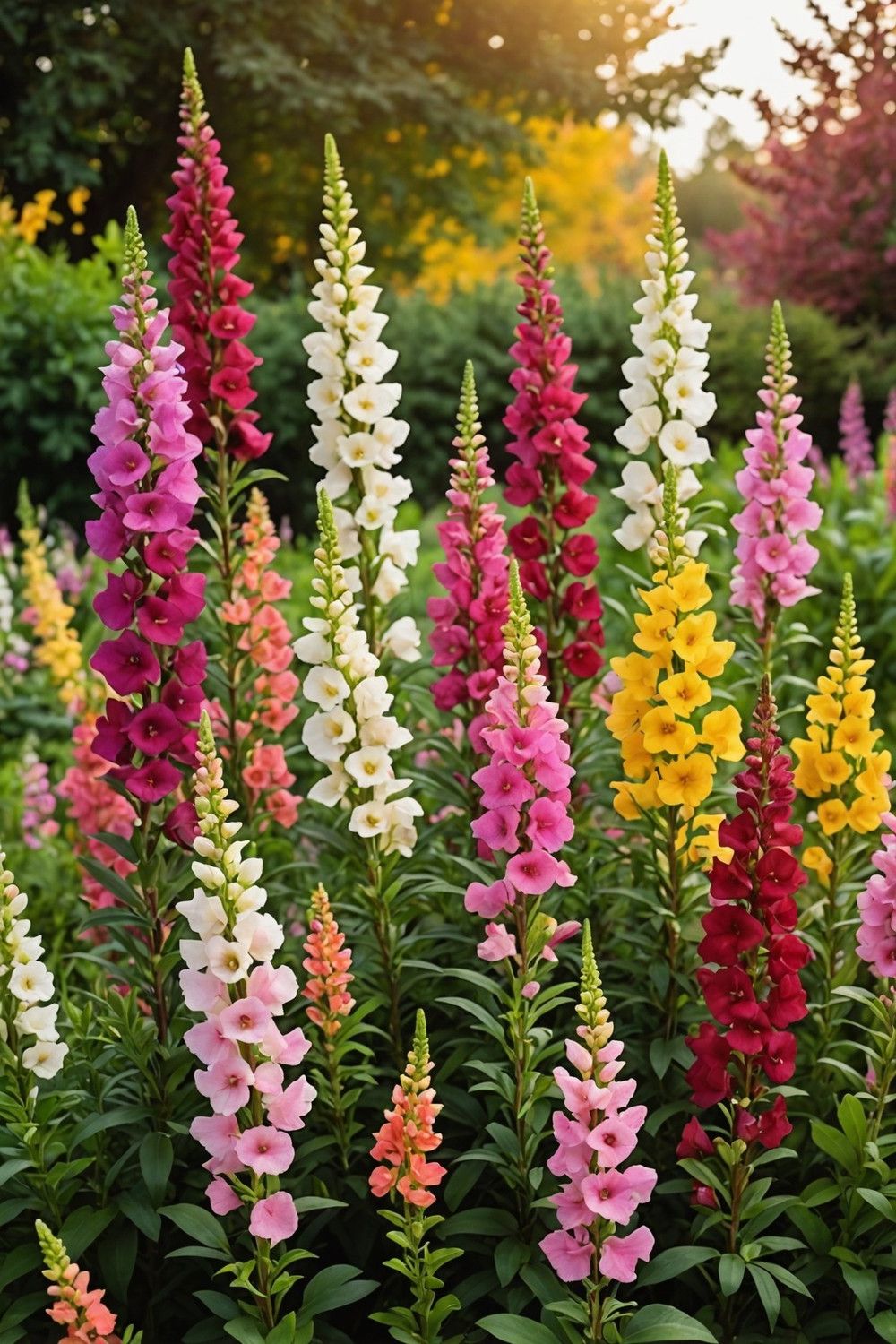
Snapdragons are vibrant, hardy annuals that add a splash of color to any fall garden.
With their unique flower shapes resembling a dragon’s mouth, they come in a variety of colors, including pink, red, yellow, and even white.
These blooms thrive in cooler temperatures, making them ideal for autumn.
Snapdragons are not only super pretty to look at, but they also bring in bees and butterflies, which is really cool.
Plus, they don’t need a lot of attention and can handle some light frost, so they’re perfect for planting in the fall. They’re a great choice all around!
Chrysanthemums
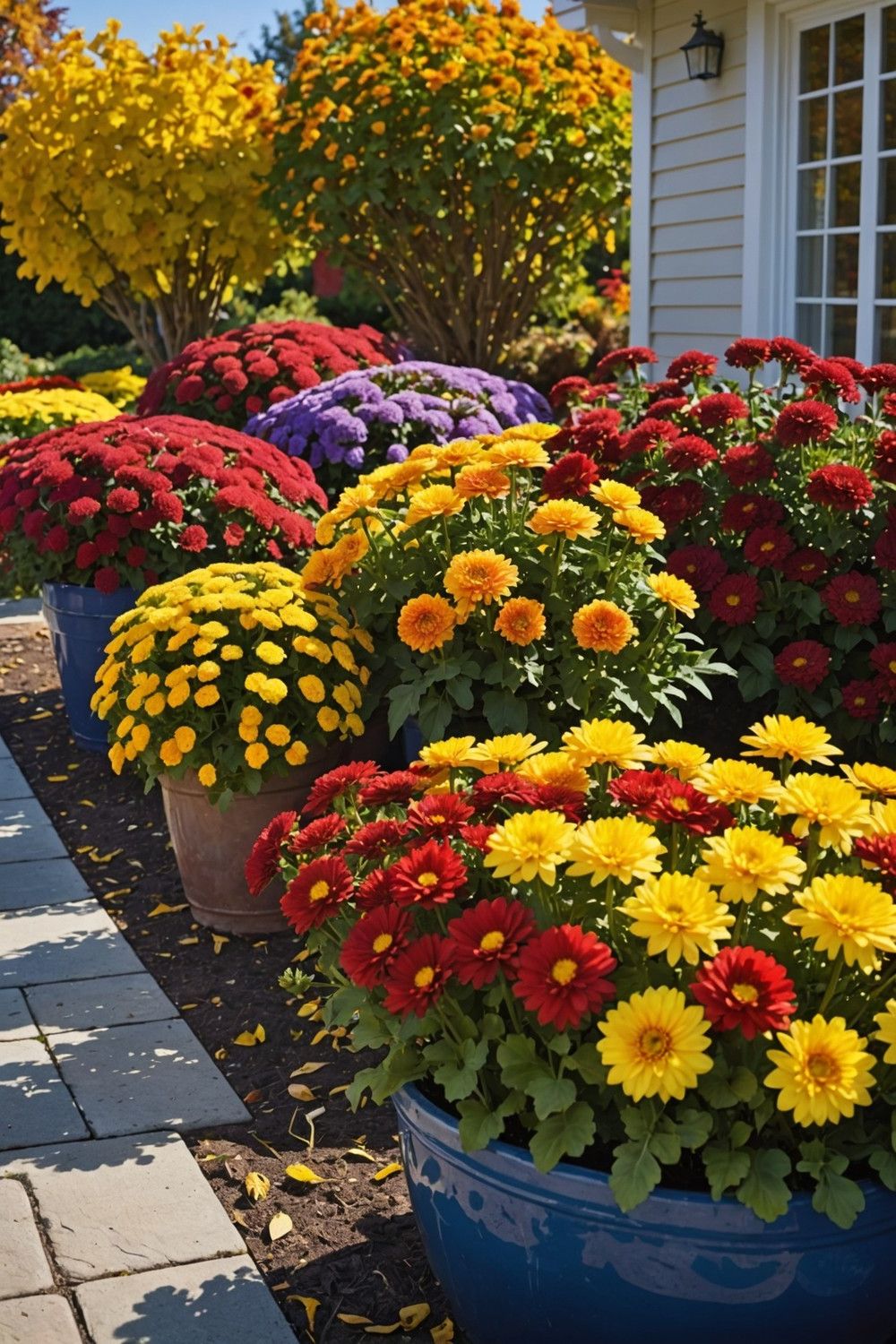
Chrysanthemums, also known as “mums,” are such pretty flowers that bloom in the fall. They really brighten up the garden and give it some life just as the weather starts to cool down.
Have you ever noticed how beautiful flowers can be? They come in so many different colors, like vibrant reds and soft yellows, and they can really add a pop of color to your garden or patio.
It’s amazing how something so simple can make such a big difference in brightening up your outdoor space!
These perennials thrive in well-drained soil and prefer full sun, making them an ideal choice for sunny spots.
Not to mention, these plants are tough cookies! They’re able to handle the ups and downs of fall weather, keeping their beauty intact all the way from late summer to early winter.
Care is simple; occasional deadheading can promote new blooms and prolong their display.
Japanese Maple
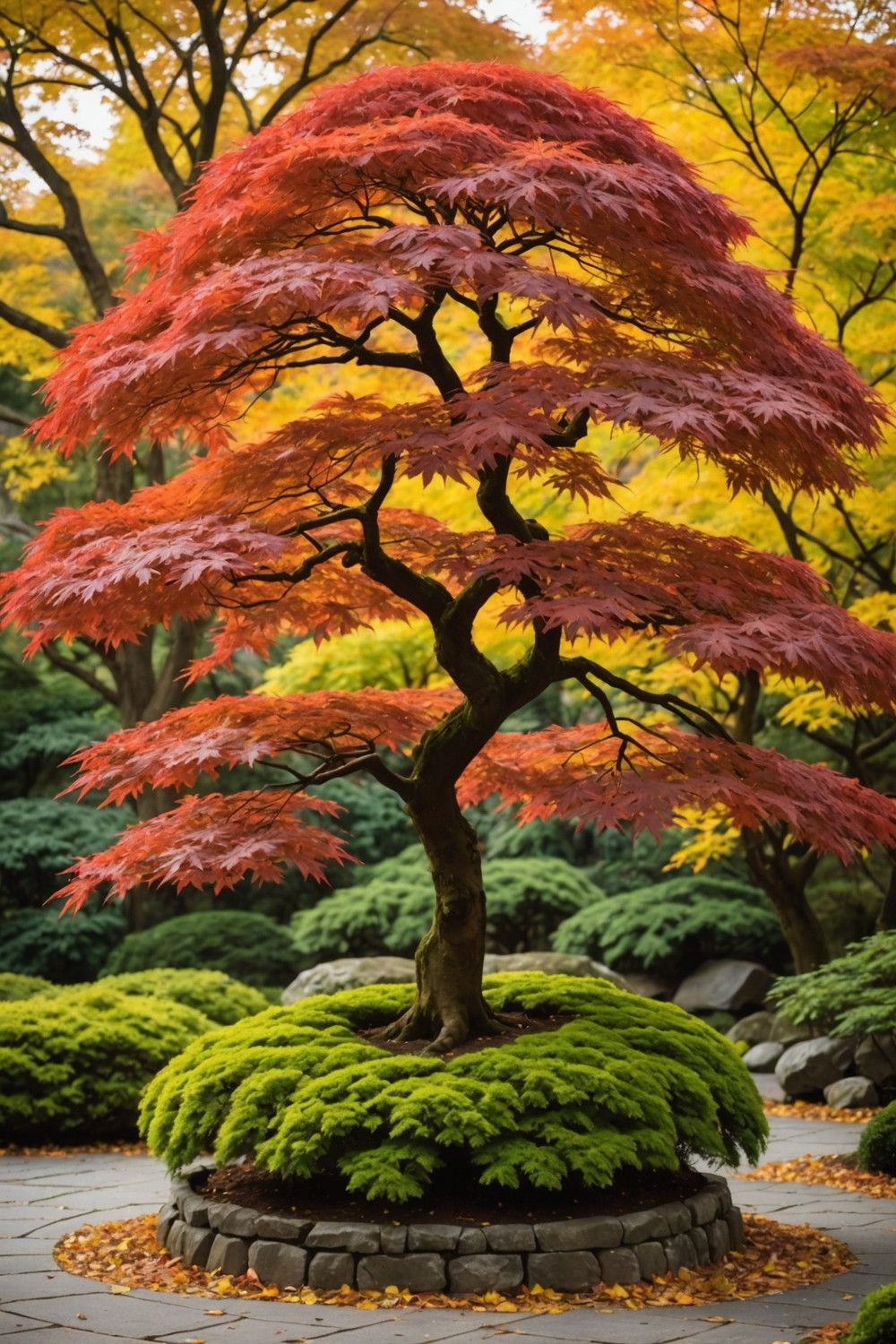
Japanese Maple offers stunning foliage that transforms into vibrant shades of red, orange, and yellow during fall, making it a spectacular addition to any garden.
I love this little tree! It has these beautiful, intricate leaves that add such a nice touch of texture and grace.
Ideal for both small and large spaces, it thrives in partial shade and well-drained soil.
Its graceful shape and colorful display create a stunning focal point, enhancing the beauty of your fall garden landscape.
Autumn Joy Sedum
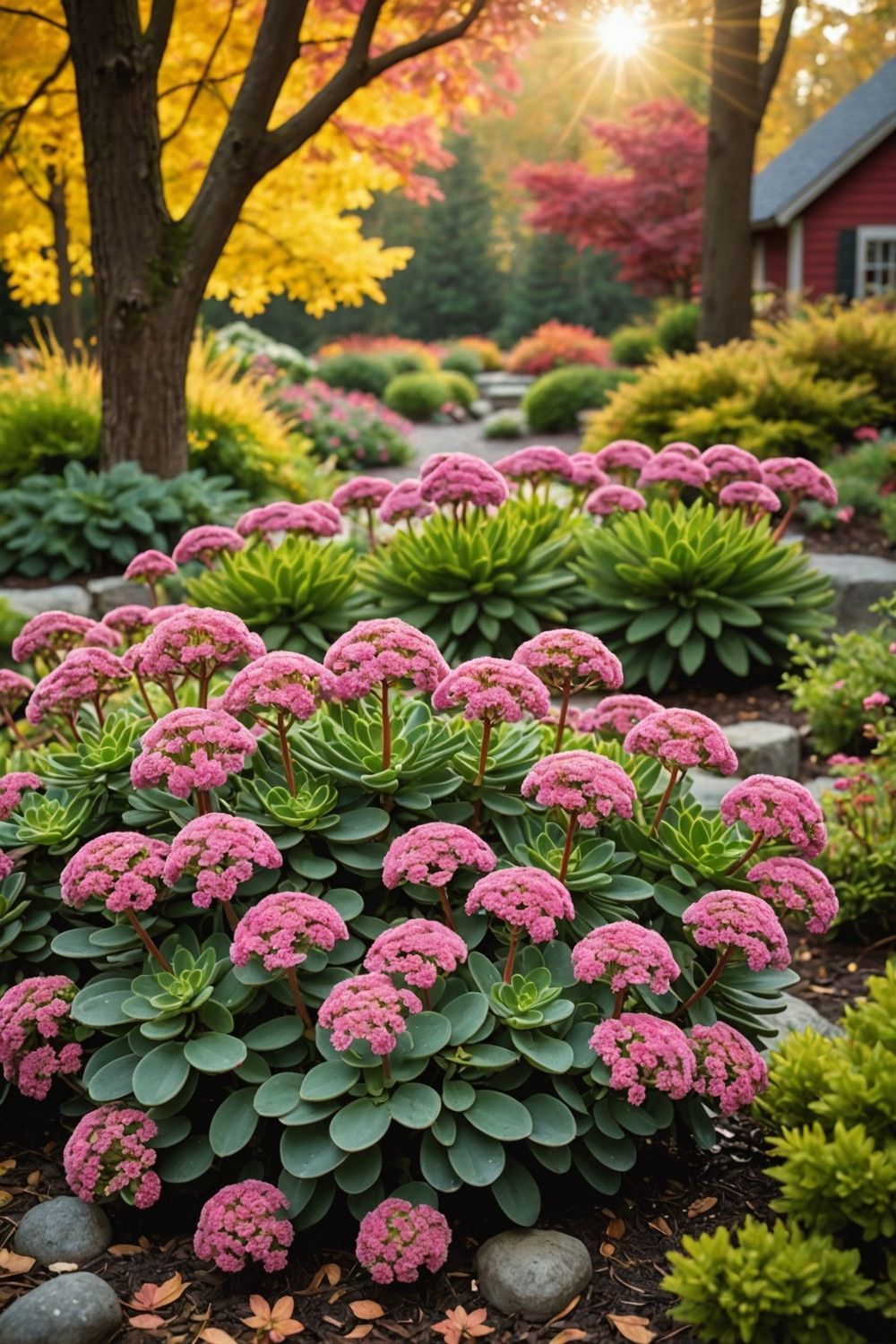
Have you heard of Autumn Joy Sedum? It’s such a beautiful perennial plant that really shines in the autumn garden with its vibrant colors.
This plant is so cool because it has these really thick, juicy leaves and strong stems. And guess what? It even has these big clusters of beautiful rosy-pink flowers that bloom all the way from late summer until autumn. Isn’t that amazing?
Not only does it add a pop of color, but it’s also drought-resistant, making it a low-maintenance choice.
This plant just loves soaking up the sun or finding a cozy spot in the shade, and best of all, it attracts butterflies, making your garden look even more stunning and lively!
Goldenrod
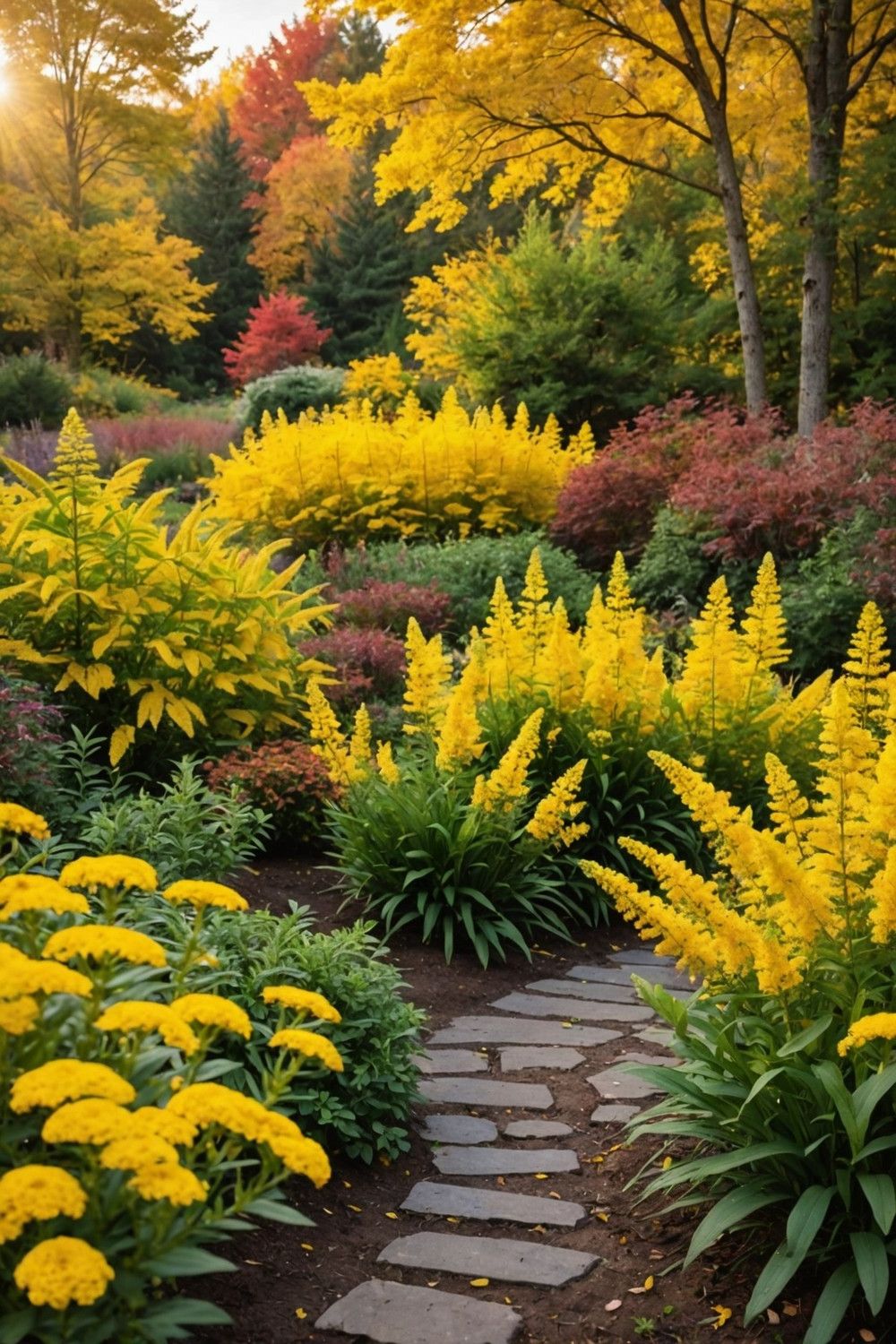
Goldenrod is absolutely gorgeous in the fall! Its beautiful yellow flowers bring so much life to gardens from late summer all the way through fall.
Plus, it’s a hit with bees and butterflies, so it’s like a party for the whole ecosystem!
Goldenrod thrives in full sun and well-drained soil, making it an excellent option for borders or wildflower gardens.
Its hardiness and adaptability ensure it can flourish in various conditions, providing beauty well into autumn.
Hellebores
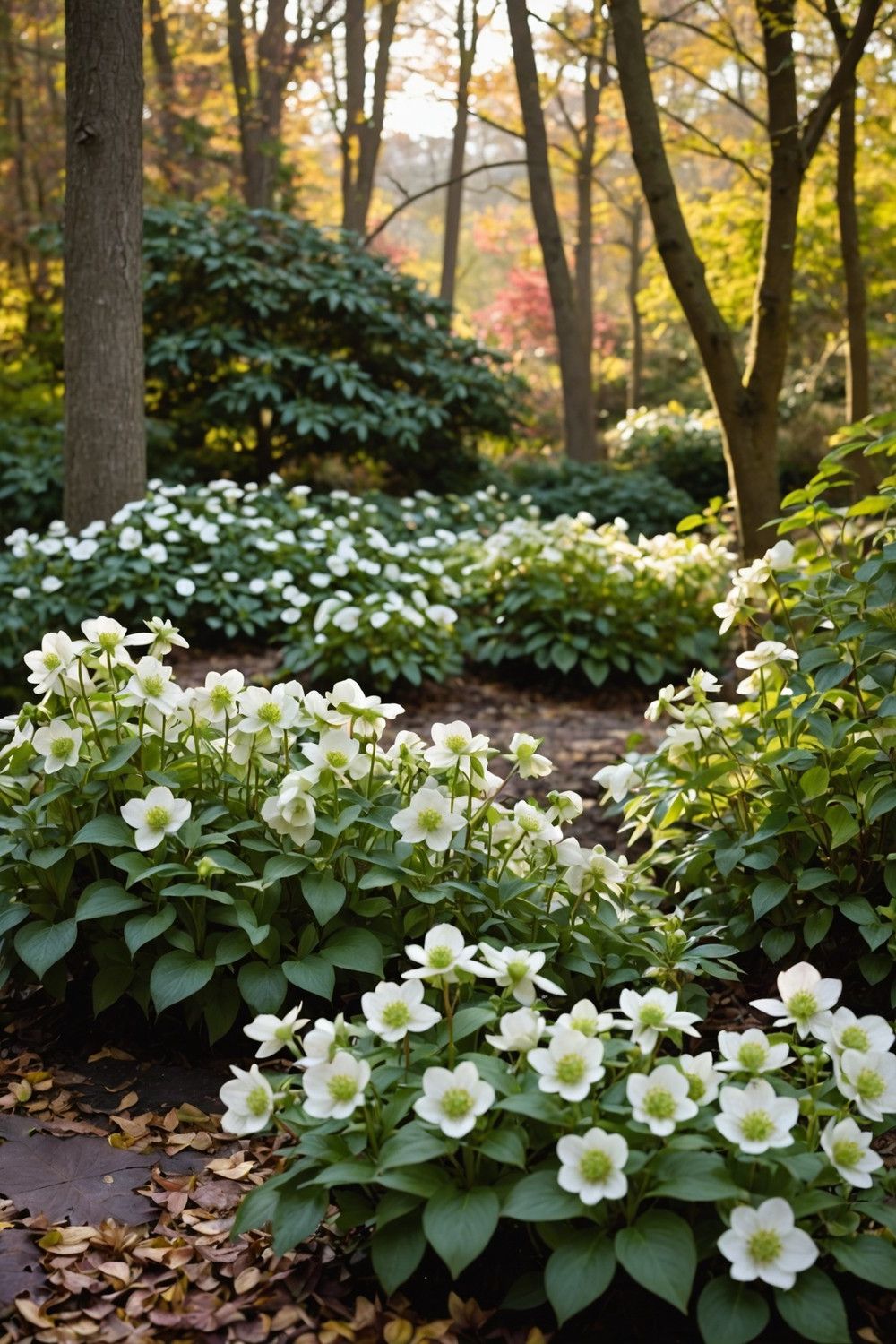
Hellebores are a charming addition to any fall garden. Known for their resilience, these perennial plants bloom in late winter to early spring, often pushing through the snow.
Our flowers come in all sorts of colors – white, pink, purple, and even green! They really bring some life and color to your garden or yard.
You know, these shade-loving plants just love to be in well-drained soil and they really don’t ask for much maintenance.
That’s why gardeners just love them! And get this – hellebores are like superheroes because they’re deer-resistant! Those pesky animals won’t even touch ’em. How cool is that?
Overall, they provide beauty and interest during typically less colorful months in the garden.
Winterberry Holly
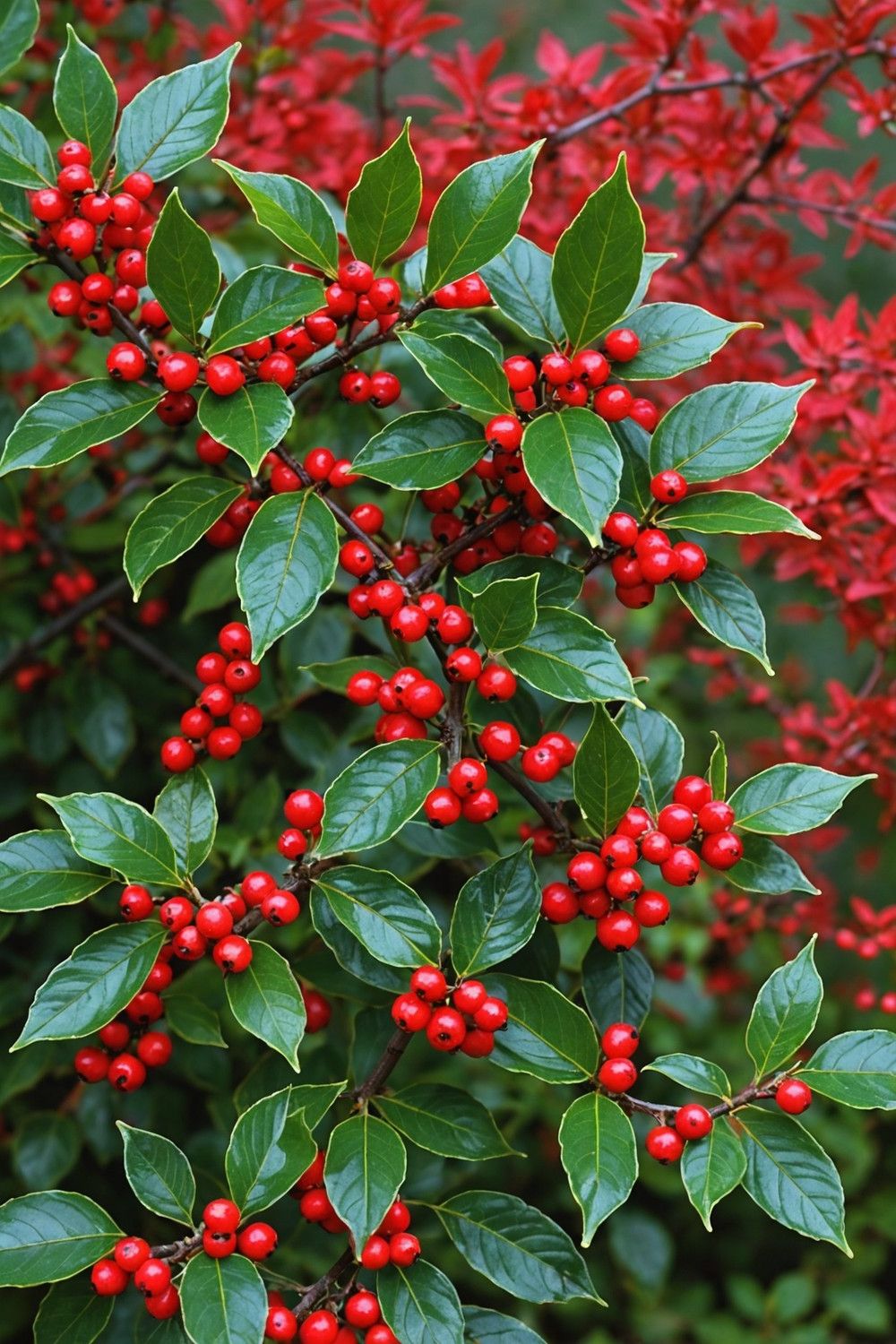
Winterberry Holly is a striking deciduous holly, renowned for its vibrant red berries that persist through the winter, providing essential food for birds.
Unlike many hollies, the female plants produce the colorful fruits, while male plants are necessary for pollination.
This shrub thrives in wet, acidic soils and prefers full sun to partial shade.
Winterberry Holly is a great plant for your fall garden because it’s super low maintenance and looks beautiful all year round.
Plus, the bright colors it adds really make the garden come alive and bring in all sorts of cool wildlife too!
Black-eyed Susans
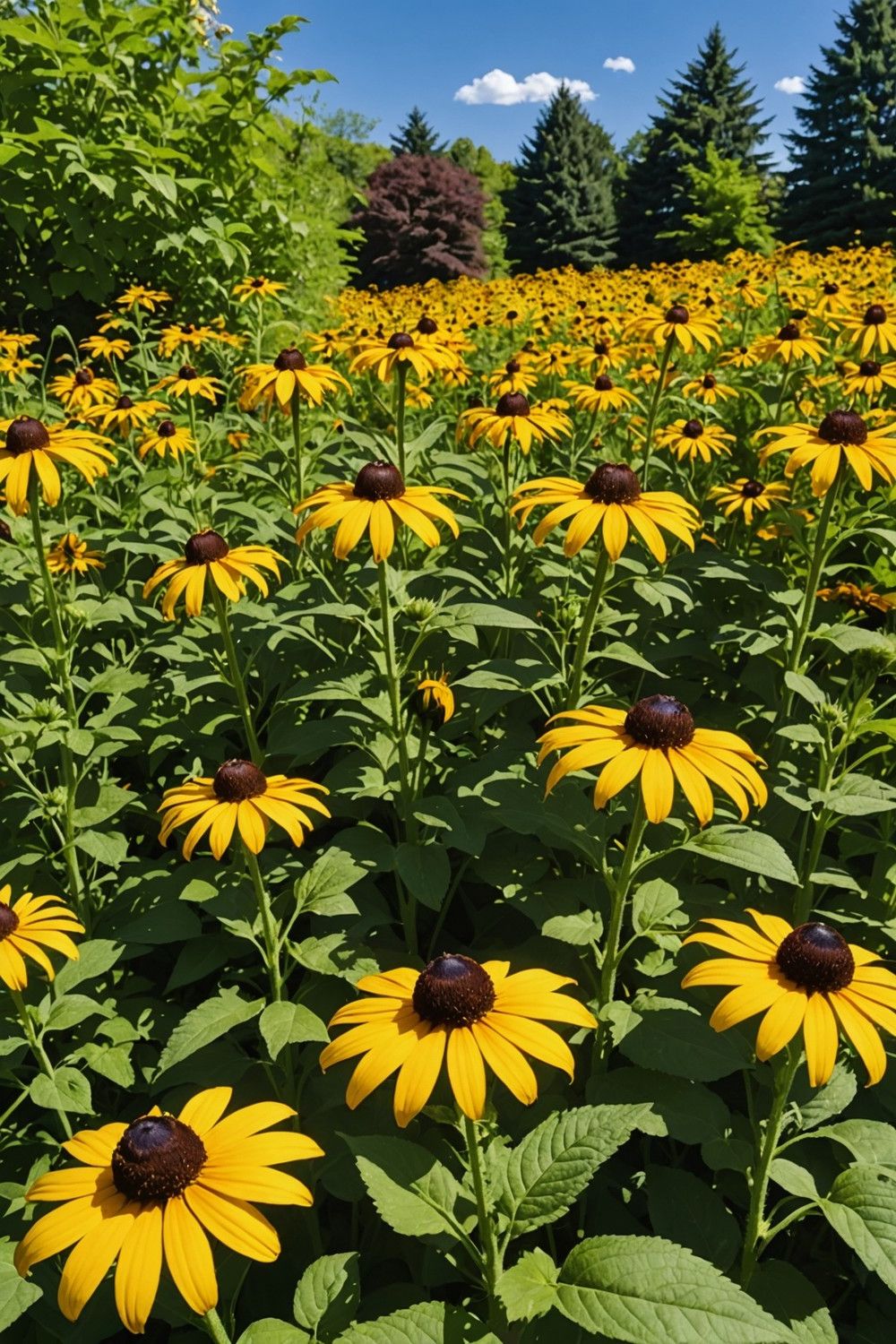
I love having Black-eyed Susans in my garden during the fall – they really brighten things up with their vibrant colors!
Known for their cheerful yellow petals and dark brown centers, these perennials thrive in a variety of conditions, making them easy to grow.
They prefer full sun and well-drained soil, often attracting pollinators like bees and butterflies.
Blooming from late summer into fall, they provide a stunning visual display while requiring minimal maintenance, allowing gardeners to enjoy their beauty throughout the season.
Foxglove
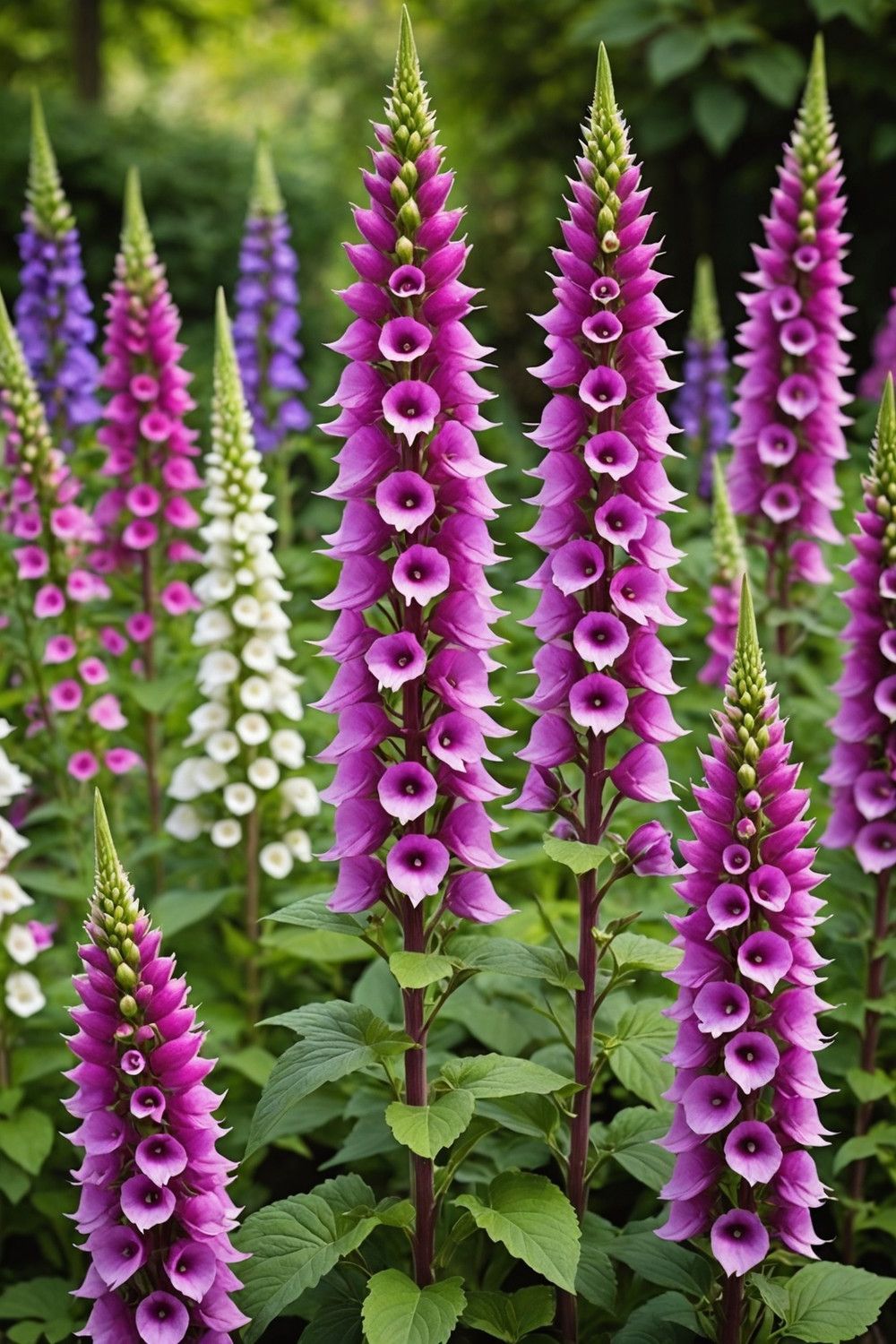
Foxglove is such a beautiful flower to add to your fall garden! It has these tall spikes of tubular flowers that come in shades of purple, pink, and white – so pretty!
This plant loves some shade and well-drained soil, which makes it a great choice for adding a pop of color when other plants are starting to wilt. It’s a biennial, so you can enjoy it for a couple of years in a row. Just a lovely addition to any garden!
Not only does foxglove attract pollinators like bees and hummingbirds, but its foliage also provides lush greenery throughout the season.
Just remember, all parts of the plant are toxic if ingested, so it’s best suited for ornamental purposes in gardens away from pets and children.
Sage
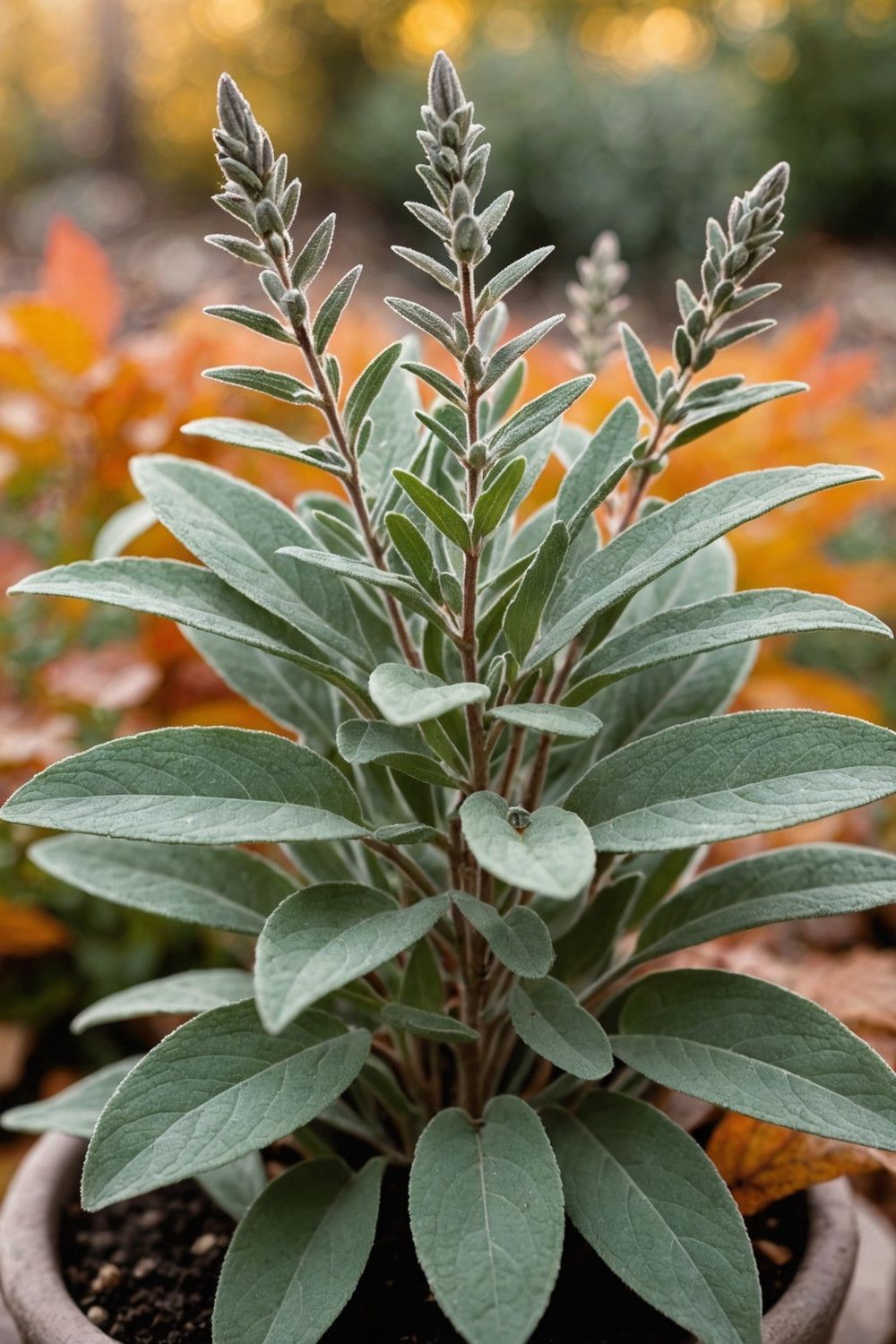
Sage is a versatile herb that thrives in fall gardens. Its aromatic leaves add flavor to a variety of dishes, making it a favorite in culinary uses.
This hardy plant prefers well-drained soil and plenty of sunlight, making it an ideal choice for cooler months.
Sage is not only gorgeous with its pretty gray-green leaves, but it also brings a nice pop to your garden. And the best part is, it’s super easy to take care of – just water it every now and then once it’s settled in.
So whether you’re new to gardening or a seasoned pro, sage is a great choice for your garden.
Thyme
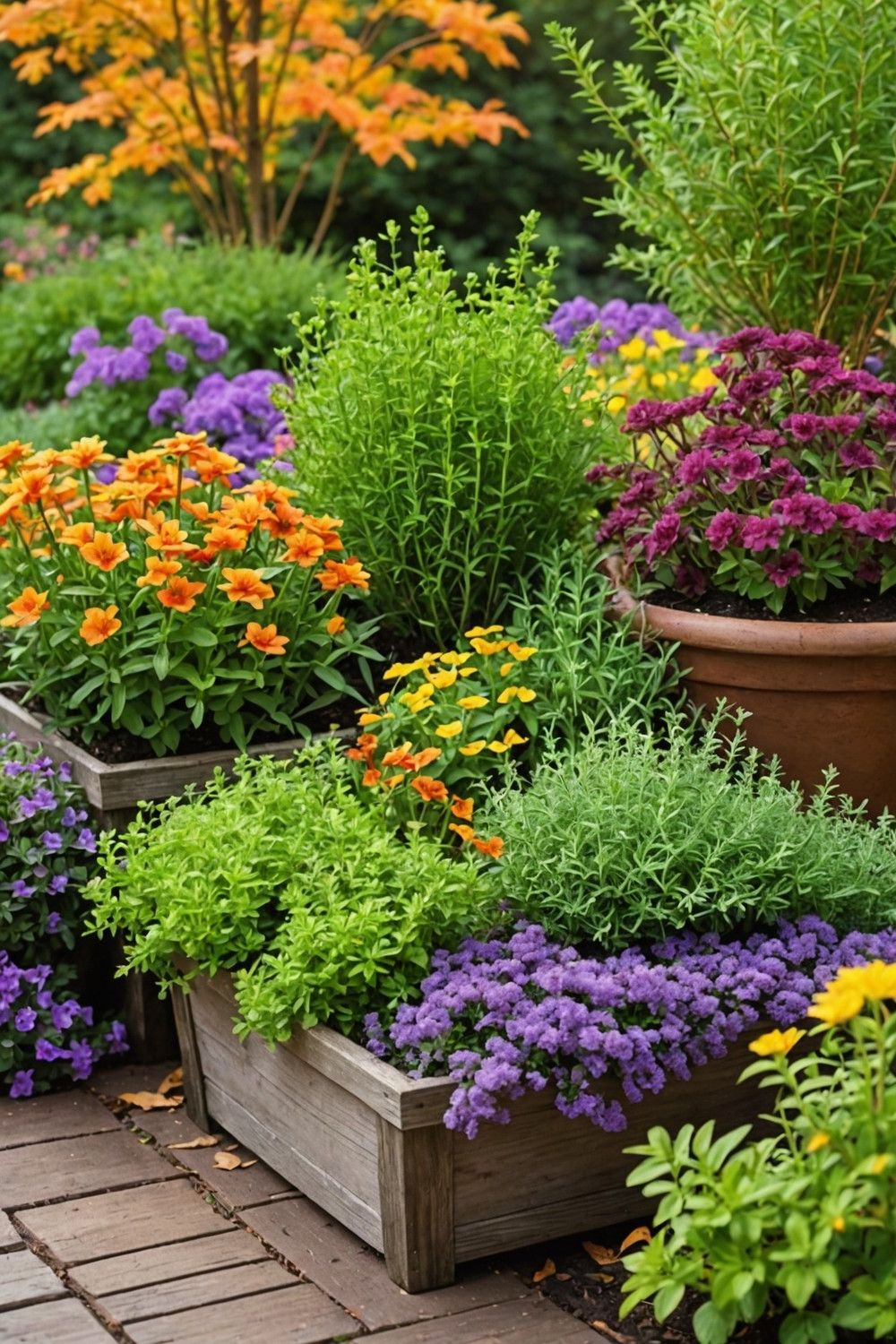
Thyme is a versatile herb perfect for fall gardens. With its strong aroma and flavor, it enhances various dishes, from roasted meats to hearty soups.
This hardy perennial thrives in well-drained soil and sunny spots, making it relatively easy to cultivate.
Thyme also attracts beneficial insects, which can help keep your garden ecosystem balanced. Plus, its resilience allows it to withstand cooler temperatures, ensuring a steady supply of fresh herbs throughout the fall season.
Garlic
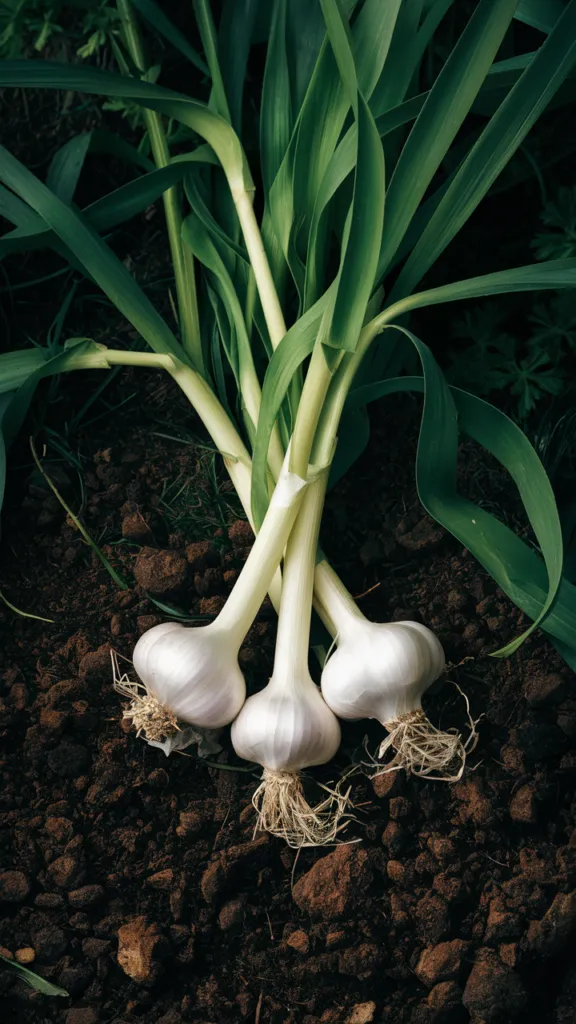
Garlic is a fantastic addition to any fall garden.
Not only does it make your food taste better, but it’s also really simple to grow.
Planting garlic in the fall allows the bulbs to establish roots before winter, leading to a healthier crop in the spring.
This plant loves to be in soil that drains well and it really enjoys soaking up the sunlight.
Regular watering and mulching can help protect the garlic during colder months, ensuring a bountiful harvest when the warm weather returns.
Lettuce
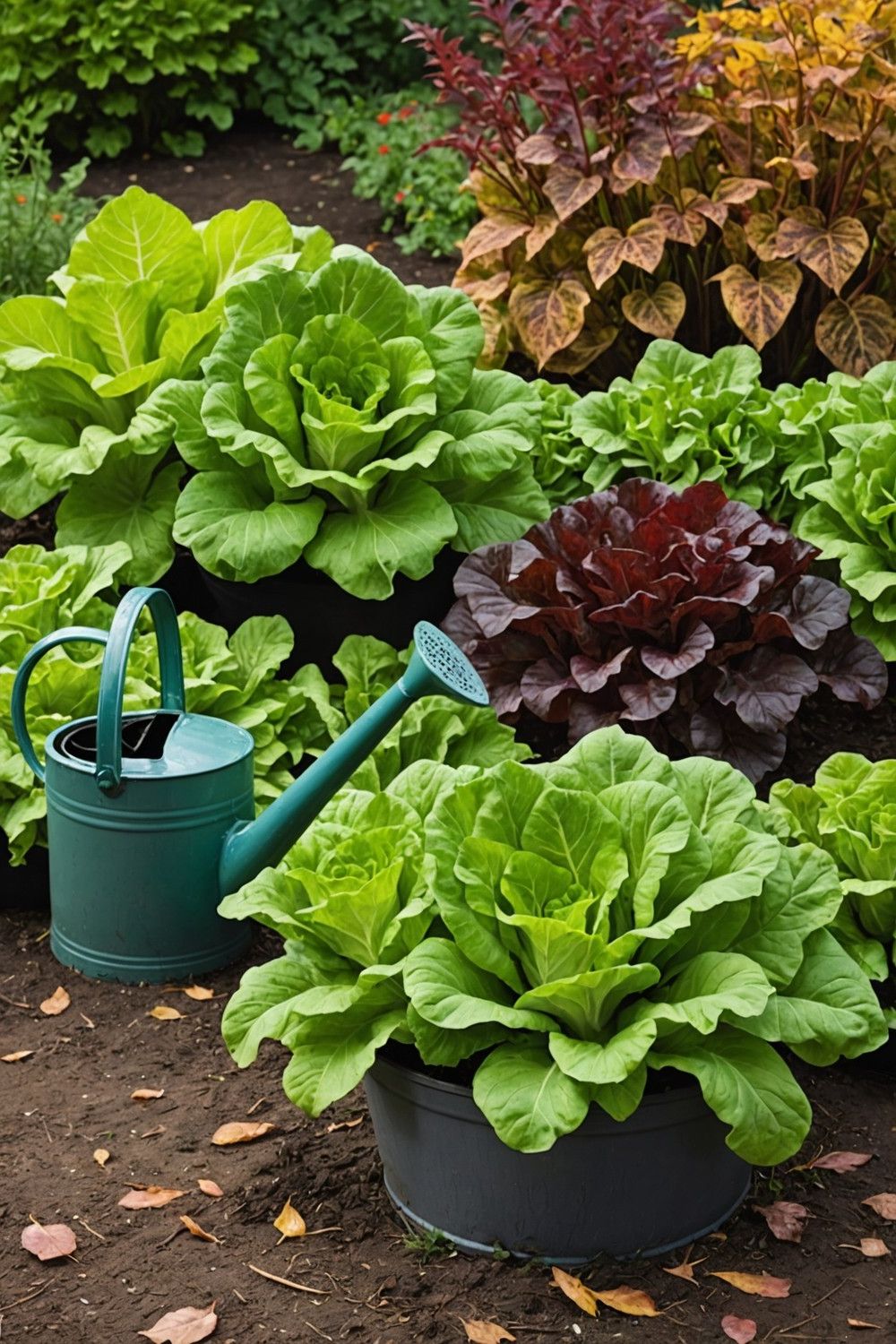
Lettuce is a fantastic choice for fall gardens, thriving in cooler temperatures that enhance its flavor.
This leafy green is not only easy to grow but also a quick crop that can be harvested in about 30 to 60 days.
If you’re looking to spruce up your garden, consider adding some romaine, butterhead, or leaf lettuce varieties! They come in a range of textures and colors that can really liven up your space.
Ensuring consistent moisture and some protection from frost will help you enjoy a bountiful harvest even as the weather turns chilly.