
A garden that stays colorful for months starts with the right mix of perennials. This list of 20 flowering picks covers everything from the delicate spring blooms of bleeding heart to the bold fall color of chrysanthemums, so something is always in bloom somewhere in your beds.
Bleeding Heart Charm
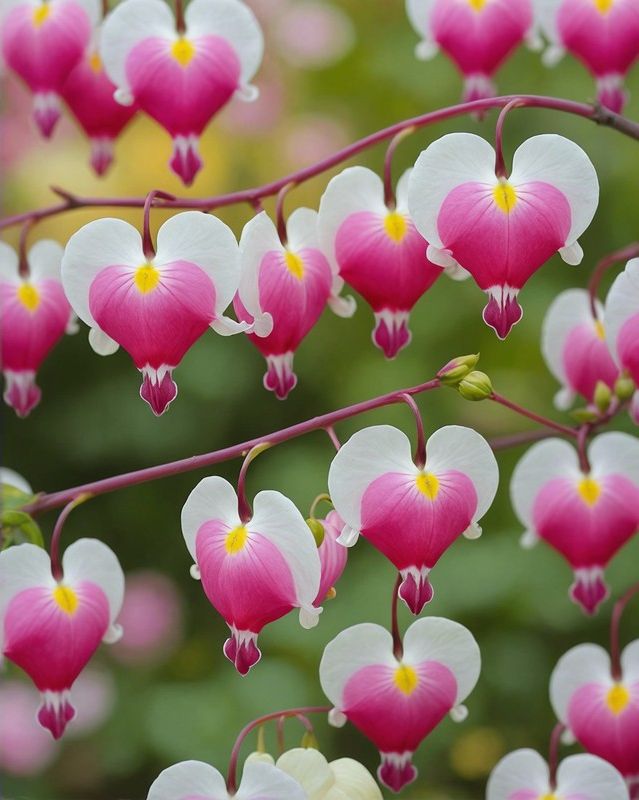
Bleeding Heart brings an unusual, romantic shape to the garden with its heart-shaped blooms in pink, white, or yellow. It’s a great pick for gardeners who want something a little different from typical rounded flowers.
This perennial does best in partial shade with moist, well-drained soil. It works well tucked under trees or along a shaded border where other flowers struggle to grow.
Even after the flowers fade, the foliage on this plant stays green and full, keeping the bed looking finished. That means your garden holds its shape and color long after bloom time ends.
Care requirements stay simple, so both new gardeners and experienced ones can grow it without much fuss. It tolerates a bit of neglect once it’s established in the right spot.
Growing Lungwort in Shade
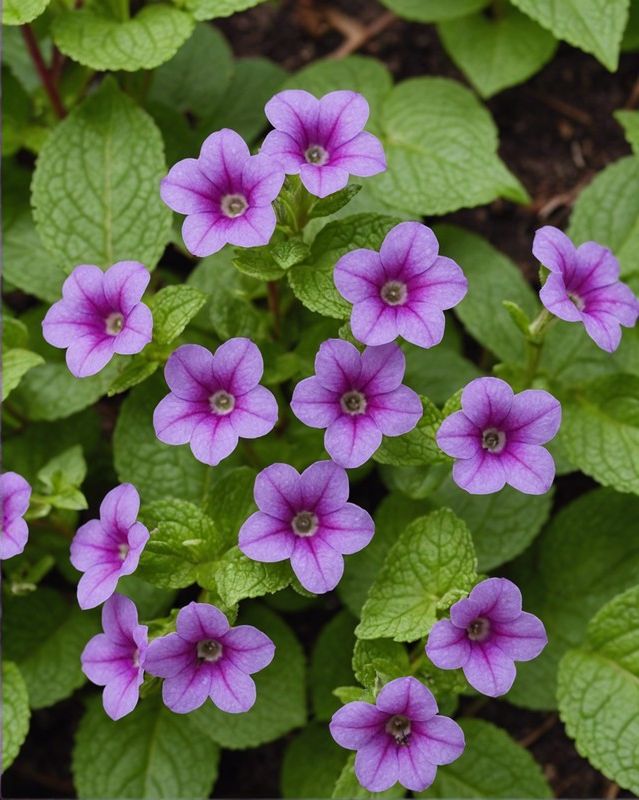
Lungwort spreads as a low-growing groundcover and opens star-shaped flowers in purple, pink, or white in early spring. It requires little upkeep once planted.
Silver spots dot its green leaves, giving the plant visual texture even after the blooms are gone. That makes it a solid choice for filling in dull, shaded corners of a bed.
Moist, well-drained soil and shade suit this perennial best, so it thrives under trees or on the north side of a house where sun is limited.
Deer tend to leave Lungwort alone, which makes it a smart pick for yards near woods or open fields where deer browsing is common.
Daffodils for Spring Color
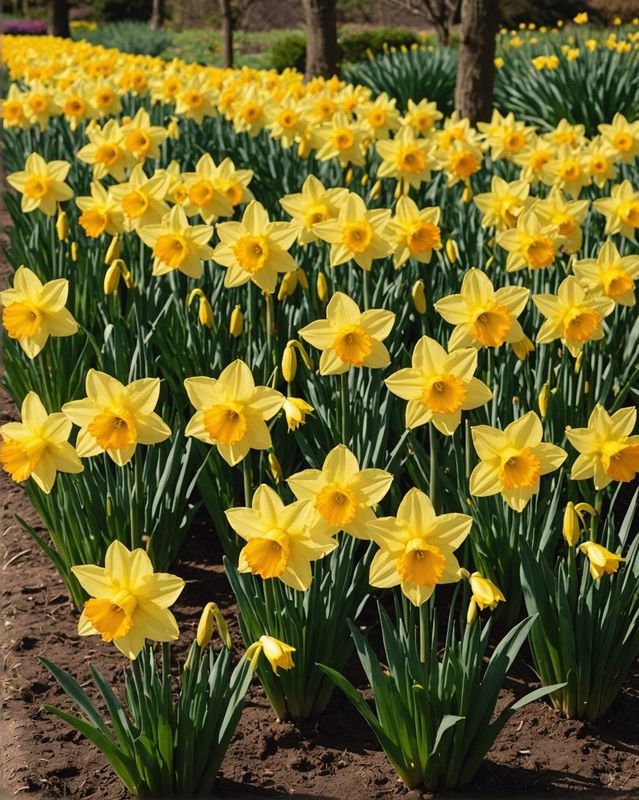
Bright yellow petals and trumpet-shaped centers make daffodils one of the easiest signs that spring has arrived. Plant them once, and they’ll multiply and return on their own for years.
Full sun to partial shade works best for daffodils, paired with soil that drains well so the bulbs don’t rot over winter.
Hyacinths in Bloom
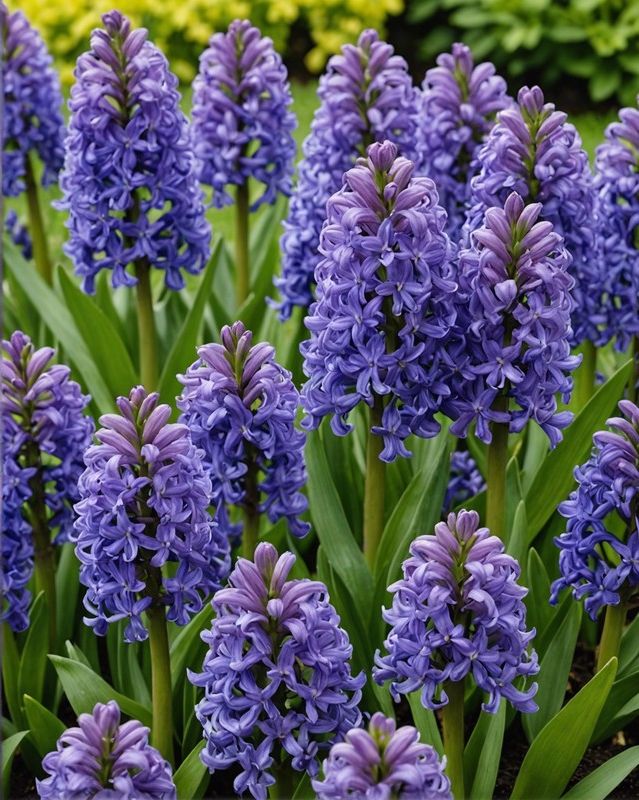
Part of the lily family, hyacinths produce tight clusters of bell-shaped flowers that open in early spring and bring quick color to beds that still look bare from winter.
Grown from bulbs, hyacinths are known for a strong, sweet fragrance that can carry across a whole yard or patio on a calm day.
Beginner gardeners tend to have good luck with hyacinths since they don’t demand much specialized care. Plant them once and they’ll reward you with blooms for several years running.
Full sun to partial shade and soil with good drainage give hyacinths the conditions they need to thrive.
In colder climates, a layer of mulch over the bulbs helps protect them from hard freezes through the winter months.
Daylilies All Summer Long
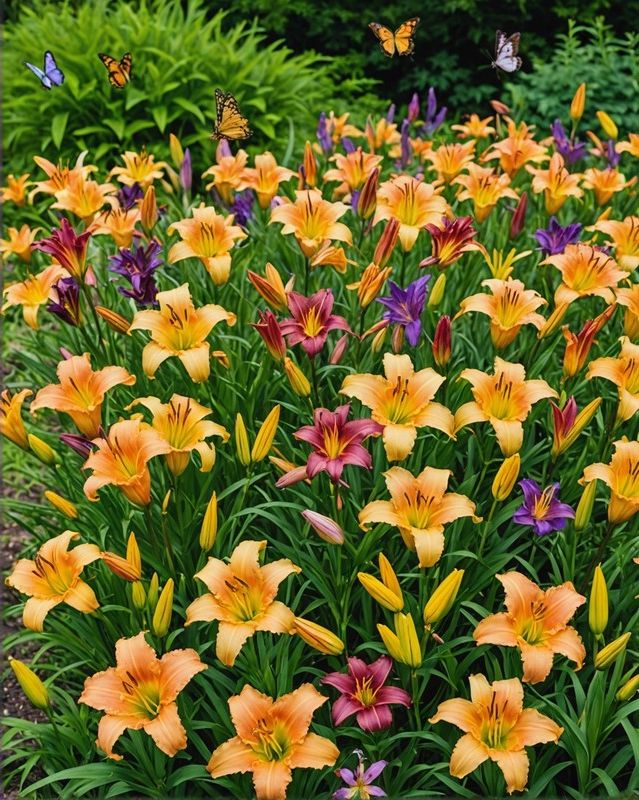
Gardeners often reach for daylilies because they’re low-maintenance and come in shades like yellow, orange, pink, and purple. Their tough, adaptable nature makes them a reliable filler for sunny borders.
Summer is when daylilies really perform, with each plant producing a steady wave of blooms that keeps the color going for weeks.
As a bonus, these flowers draw in butterflies and hummingbirds, adding some movement and life to the garden.
Irises From Spring to Summer
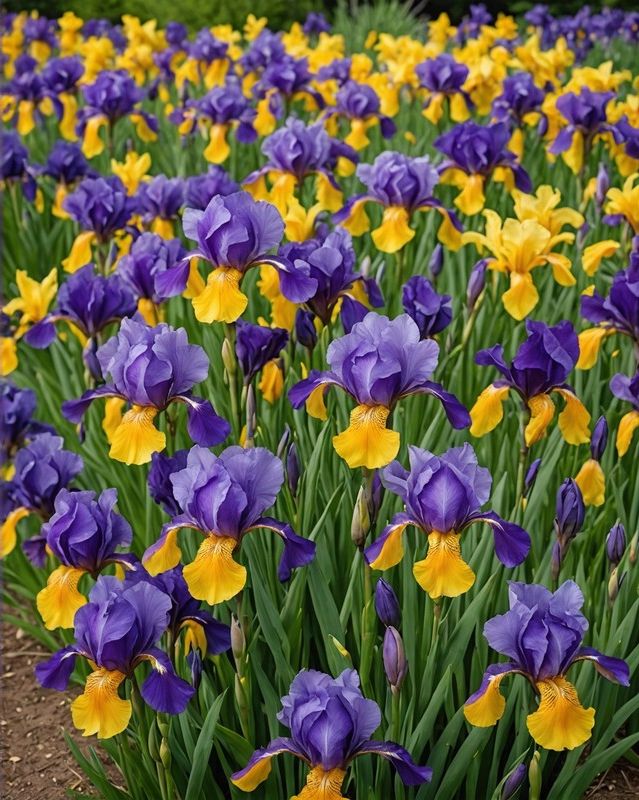
Late spring through early summer is prime bloom time for irises, and the color range is hard to beat, running from soft pastels to deep purples and bold yellows.
Tall, sword-shaped leaves rise up behind the blooms, giving the flowers a striking frame and adding structure to the bed even when nothing is in flower.
Well-drained soil and plenty of sun keep irises happiest, though they’ll still put on a decent show with a bit of afternoon shade, which is part of why they fit so many garden layouts.
Peonies in Late Spring
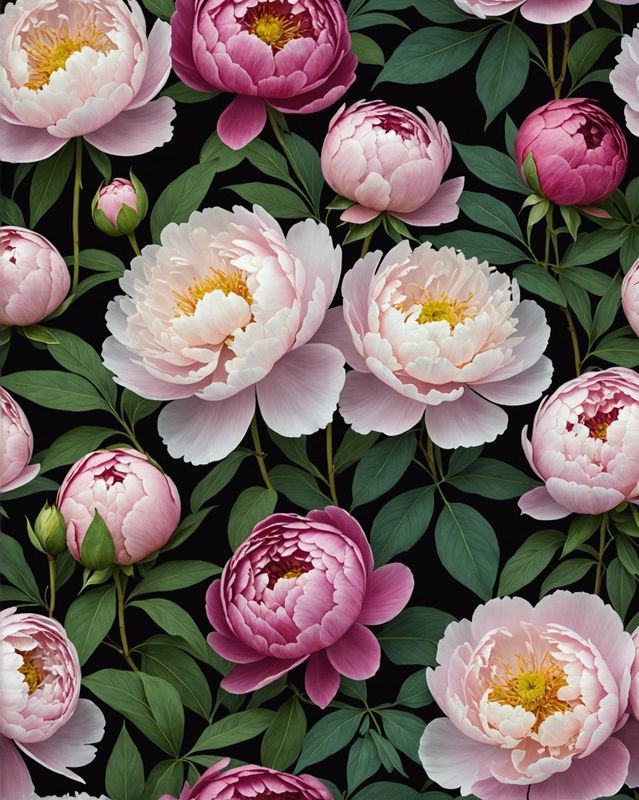
Late spring and early summer bring out the peony’s biggest asset: large, showy blooms available in colors ranging from soft pastels to deep, saturated hues, depending on the variety you choose.
Their fragrant, full flowers are a favorite for cut-flower arrangements as well as garden borders, since a single stem can fill a vase on its own.
For strong yearly blooms, give peonies full sun to partial shade and soil that drains well so the roots don’t sit in standing water.
Roses Through the Seasons
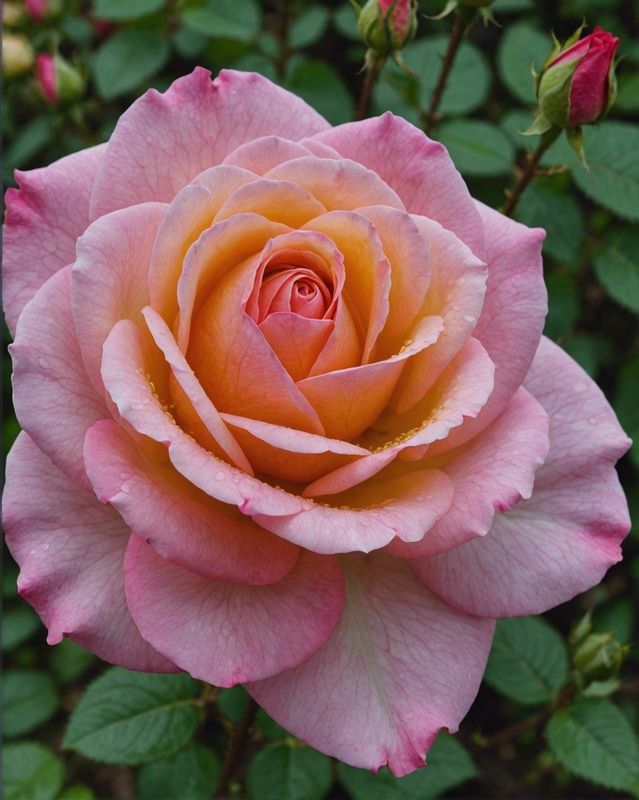
Few perennials match the reputation of roses for fragrance and classic beauty, and they keep gardens interesting from spring right through fall.
Depending on the variety, roses can climb a trellis, ramble along a fence, or grow as a rounded shrub, giving landscapers several ways to use them.
Color options run wide, covering traditional reds and pinks along with striking yellows and purples depending on the cultivar.
Individual rose varieties have distinct personalities of their own, from the intense fragrance of the Damask rose to the layered, ruffled petals found on the Cabbage Rose.
With regular pruning and watering, roses can keep producing blooms for decades, often outlasting the gardener who planted them.
Hostas for Shade Gardens
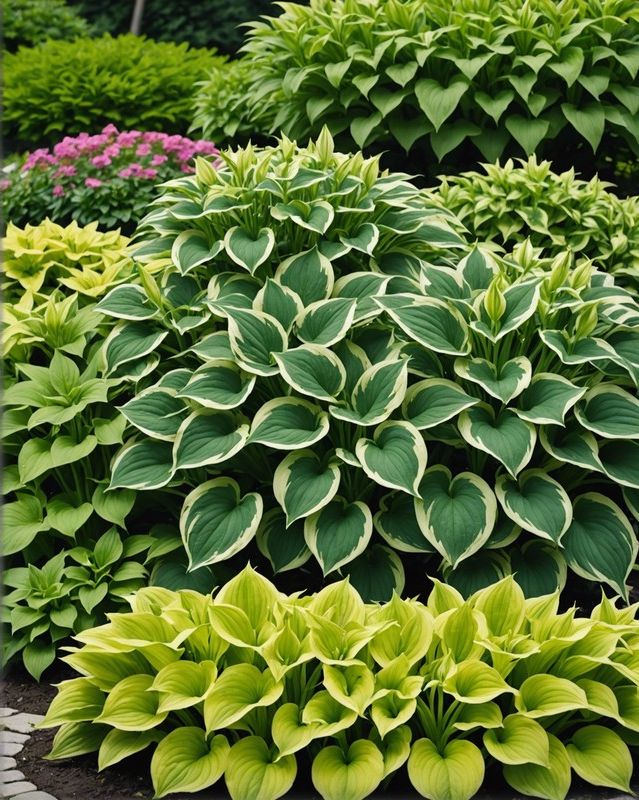
Hostas provide lush foliage that can add a touch of elegance to any garden. These versatile perennials come in a wide range of sizes and colors, from petite varieties ideal for borders to towering specimens that make a statement in shady areas.
Their heart-shaped leaves unfurl in spring, and their bell-shaped flowers bloom from midsummer to early fall.
Hostas are relatively low-maintenance plants that prefer moist, well-drained soil and partial to full shade. With proper care, they will thrive and add beauty to your garden for years to come.
Coneflowers for Pollinators
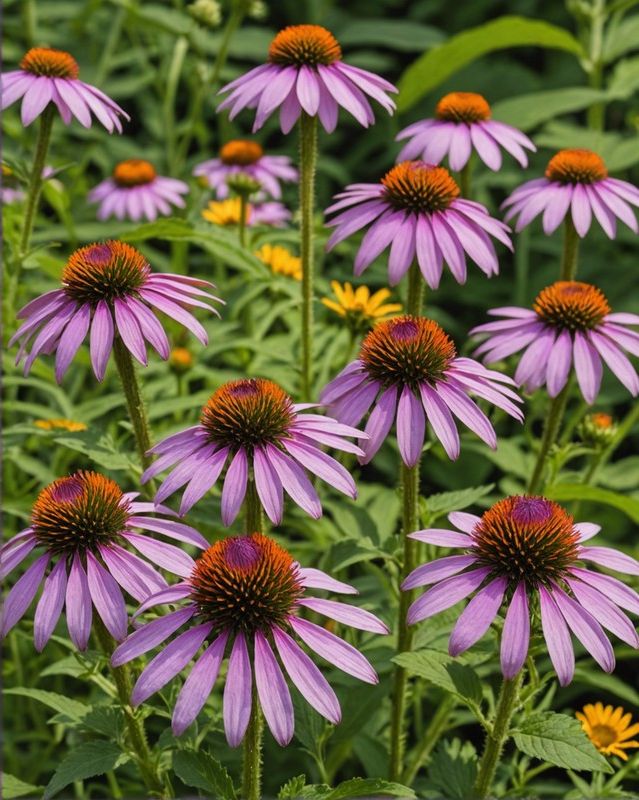
Coneflowers, with their stunning daisy-like blooms, are a popular choice for gardens.
They are known for their drought tolerance and resilience, making them a low-maintenance addition to any landscape.
Their flowers are so cheerful! They come in all kinds of colors, like beautiful purples, bright pinks, and lovely whites.
Coneflowers are awesome for attracting butterflies and other pollinators because they provide a sweet nectar. It’s like they’re throwing a party for all the helpful critters in the neighborhood!
Plant them en masse for a breathtaking display or use them to create attractive borders.
Growing Yarrow in Full Sun
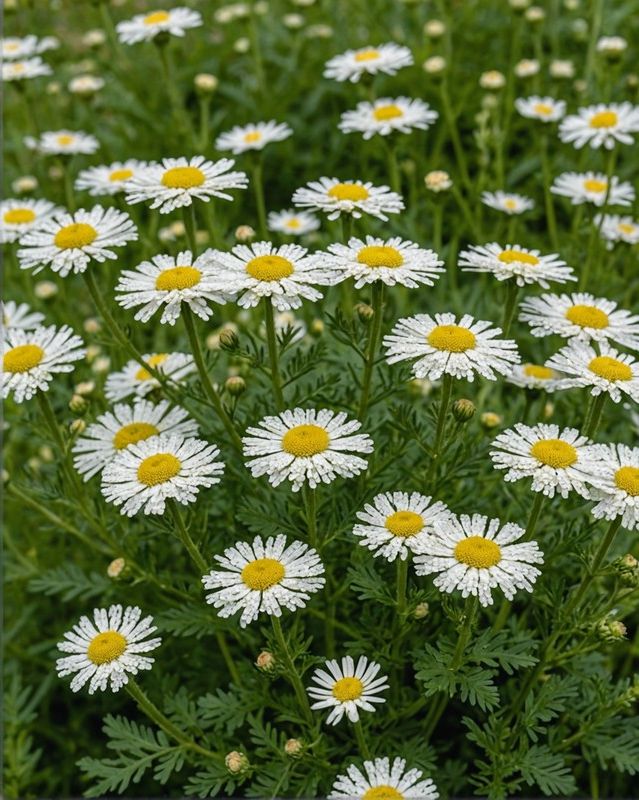
Yarrow is a versatile perennial that blooms profusely from summer to fall.
Its feathery foliage adds texture and interest to gardens, while its clusters of daisy-like flowers attract pollinators.
Did you know that this plant is great for helping wounds heal faster and easing digestion? It’s pretty cool how nature provides us with all these natural remedies!
Yarrow thrives in full sun to partial shade and can tolerate a variety of soil conditions.
With its ease of care and long-lasting blooms, it’s an excellent choice for new and experienced gardeners alike.
Salvia for Long Blooms
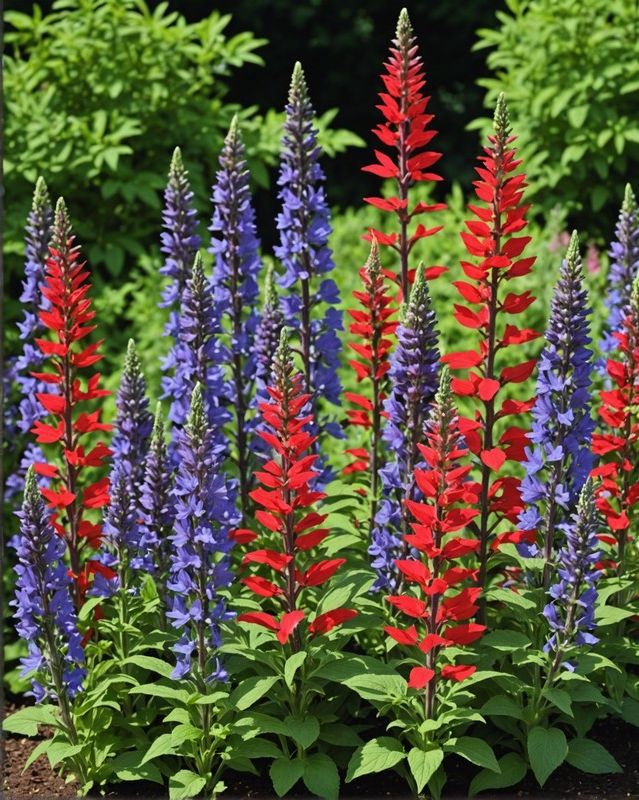
Salvia is such a great plant for your garden! It has beautiful blooms and unique foliage that really stand out. Plus, it blooms from summer all the way through fall so you get to enjoy it for a long time.
And the best part is, they come in all sorts of cool colors like blues, purples, and reds. Just a great addition to any garden!
If you like small plants that are great for pots, or big ones that make a statement in your flower beds, there’s a type of Salvia out there that’ll suit your garden perfectly!
The smell of their leaves is so inviting, and it’s great because it also brings in those helpful pollinators.
Lavender for Fragrance and Color
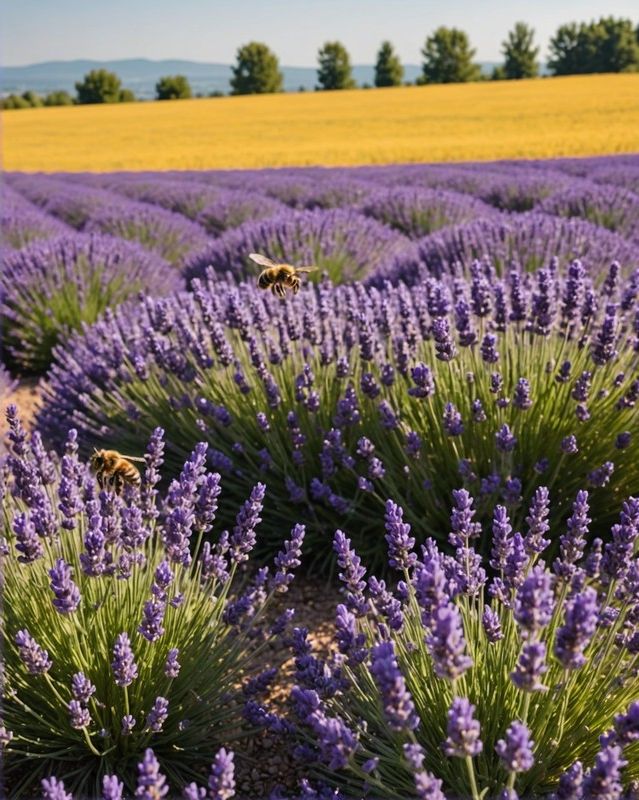
Lavender’s enchanting purple blooms and heady fragrance make it a beloved addition to any garden. This versatile perennial blooms prolifically from mid to late summer, attracting butterflies and adding a touch of serenity to the landscape.
Its drought tolerance and low-maintenance nature make it an excellent choice for beginners and seasoned gardeners alike.
Whether planted in borders, containers, or used for culinary purposes, lavender brings a touch of timeless elegance and charm wherever it’s placed.
Chrysanthemums for Fall Color
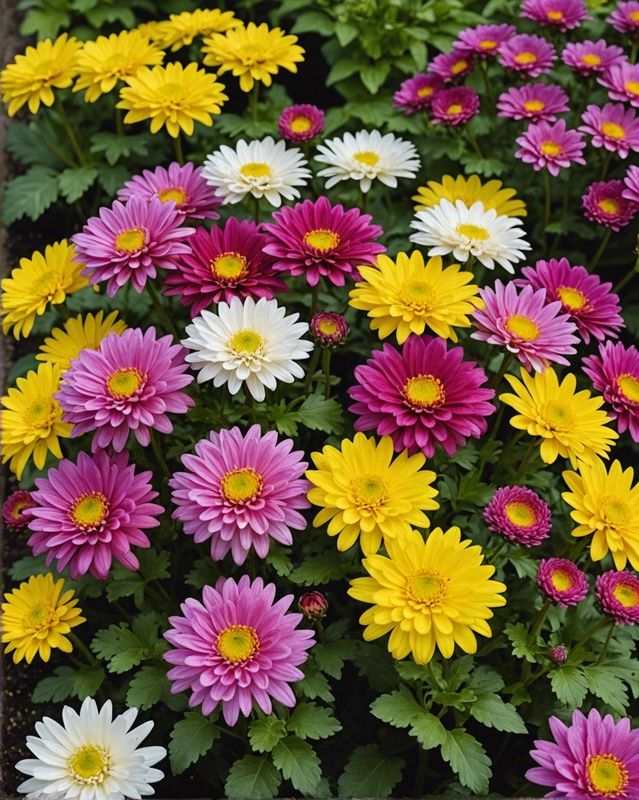
Chrysanthemums, commonly called “mums,” are cheerful, daisy-like flowers hardy to USDA zones 5 to 9. Plant them in early spring to enjoy their vibrant blooms in fall.
These low-maintenance perennials prefer full sun to partial shade and well-drained soil.
If you clip off the old flowers, your plants will keep blooming all the way through fall. Just make sure to take good care of them, and they’ll come back every year to brighten up your garden in the late season!
Asters Blooming in Fall
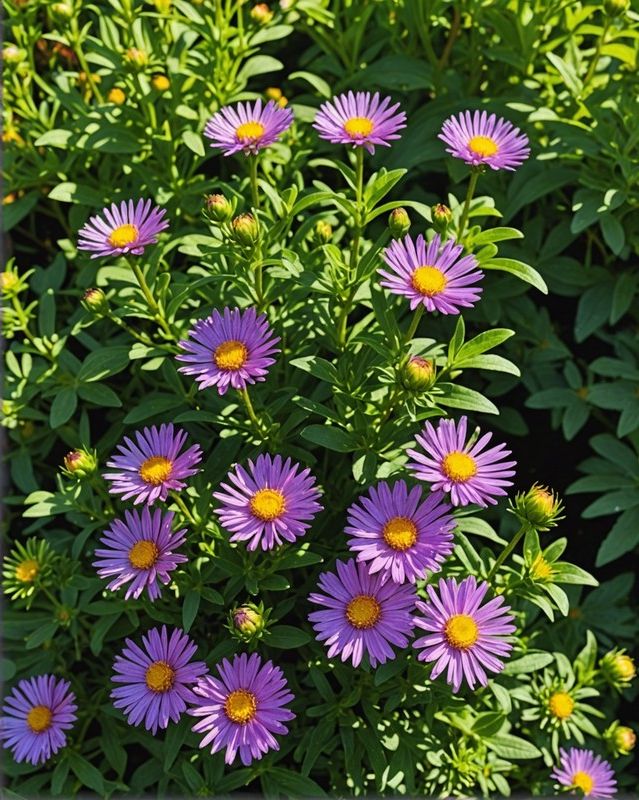
Asters are a staple in many gardens, prized for their ability to provide a kaleidoscope of colors from late summer into fall.
They thrive in full sun to partial shade and well-drained soil, making them easy to accommodate in various garden settings.
Asters attract pollinators, providing food for butterflies and bees.
Their upright habit and showy blooms make them ideal for borders and bouquets, adding a dash of vibrant beauty to your outdoor haven.
Hellebores for Winter Blooms
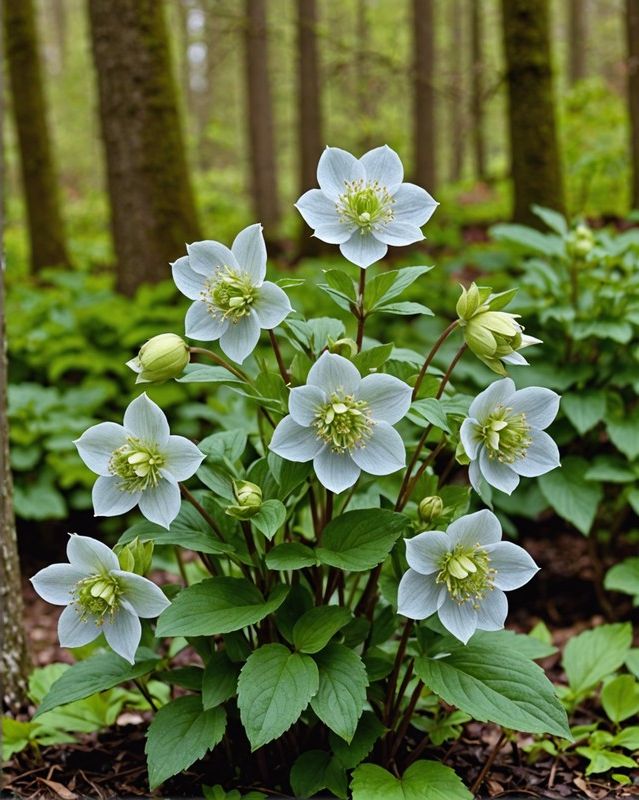
These shade-loving perennials are a welcome sight in early spring, when their nodding blooms add a touch of color to the garden.
Have you heard about hellebores? They’re those lovely plants that are super easy to take care of and they also happen to be deer resistant, so you don’t have to worry about those pesky critters munching on them. How cool is that?
They prefer well-drained soil and partial shade, and they’re tolerant of drought conditions.
With proper care, hellebores can thrive for many years.
Pansies for Cool Seasons
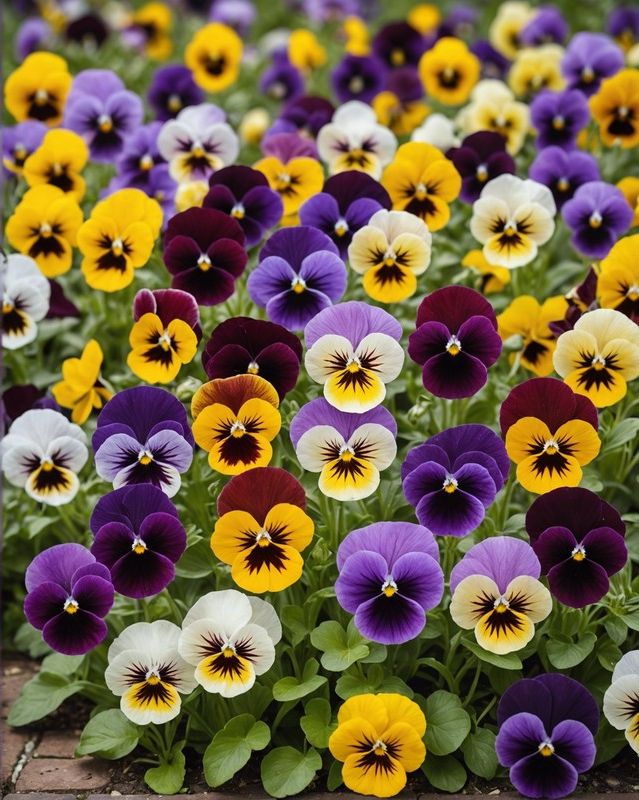
Have you ever considered planting some lovely pansies in your garden this spring? They’re such a classic choice and add such a nice pop of color!
These flowers come in all sorts of beautiful colors and they bloom like crazy from the beginning of spring all the way to the end of fall.
Pansies are easy to grow and can tolerate a variety of soil conditions.
They prefer full sun but can also tolerate partial shade.
Pansies are a great choice for beginner gardeners and make a beautiful addition to any garden.
Viola for Small Spaces
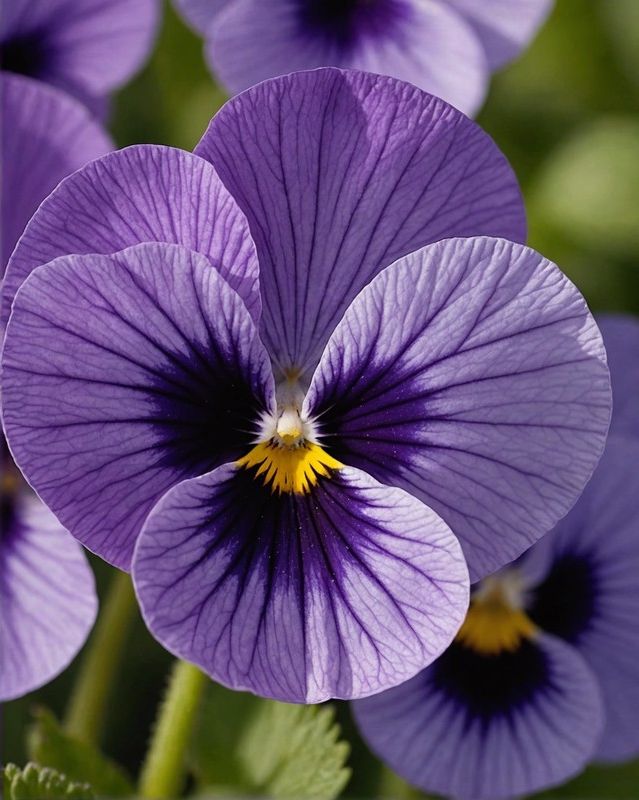
Have you ever seen a viola? They have these pretty heart-shaped petals and come in such cheerful colors. They really bring a touch of joy to any garden, don’t you think?
These popular perennials bloom in the spring, producing a profusion of flowers in shades of blue, purple, pink, and yellow.
You know what’s great about violas? They’re pretty low maintenance! They like hanging out in soil that’s nice and moist, but make sure it can drain well.
Oh, and they’re all about that partial to full shade life. Just give them a little TLC and they’ll be thriving in no time!
Their compact size and carefree nature make them perfect for containers, borders, and woodland gardens where they can brighten up shady spots.
Primroses in Early Spring
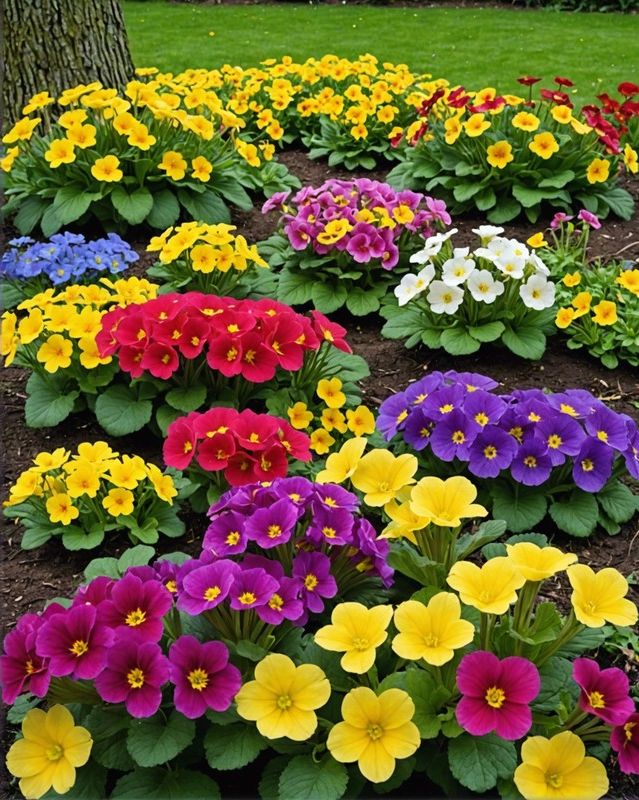
The primroses are here! They’re like little messengers announcing that spring has finally sprung.
Their bright and cheerful blooms are popping up all over gardens and woodlands, adding a splash of color to our surroundings. It’s like they’re saying, “Hey there, winter is over, time to enjoy the sunshine!”
These lovely flowers come in so many different colors and they really brighten up the early-season landscape with a pop of happiness.
Plant primroses in shaded or partially shaded areas for optimal growth and to prolong their vibrant display throughout the season.
Geraniums for Garden Borders
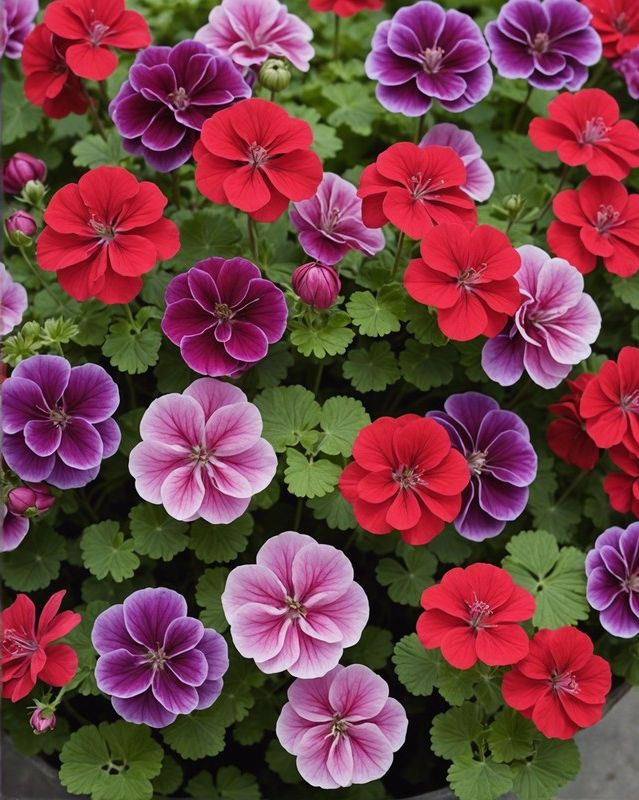
Geraniums are a popular choice for gardeners due to their ease of care and long blooming period.
They come in a wide range of colors and varieties, making them a versatile addition to any garden.
Geraniums prefer well-drained soil and full sun to partial shade.
These plants are really resilient when it comes to dry conditions. They don’t need much water to stay healthy and thriving.
With proper care, geraniums can provide beautiful blooms throughout the summer and fall.