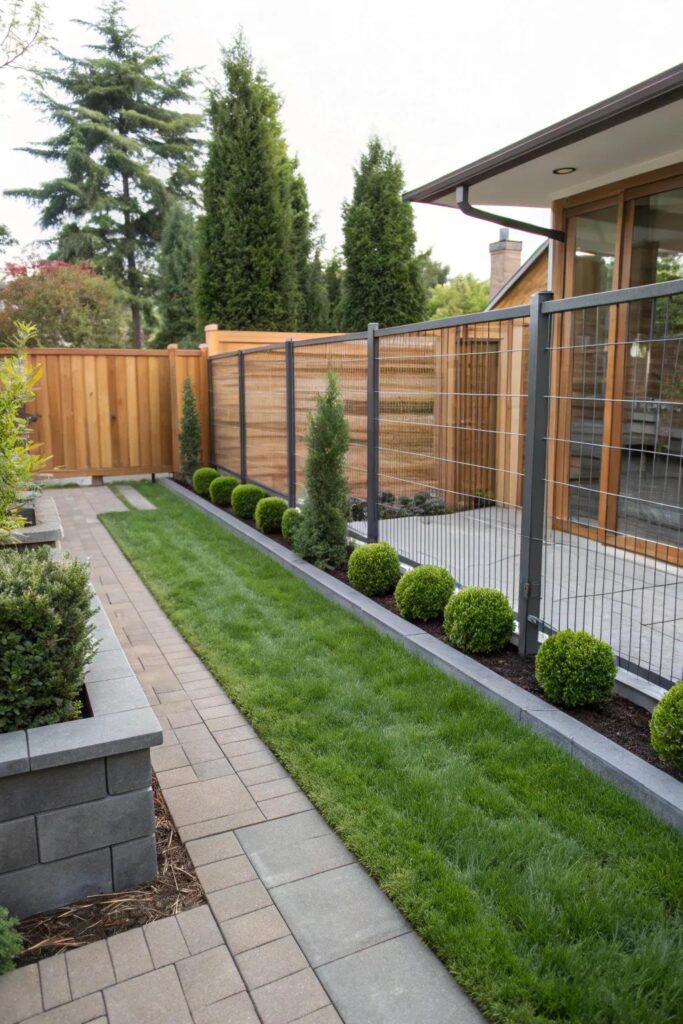
Want to bring a sense of peace to your backyard? These 20 Japanese Zen garden ideas can help you get there. From natural stone pathways to tiny bonsai trees and quiet koi ponds, there are plenty of ways to build a calm space for unwinding and reflecting.
Rustic wooden fences, stone lanterns, and wind chimes all add a strong connection to nature. Together, these features build a quiet, grounded feel throughout the garden.
Natural Stone and Gravel Pathways
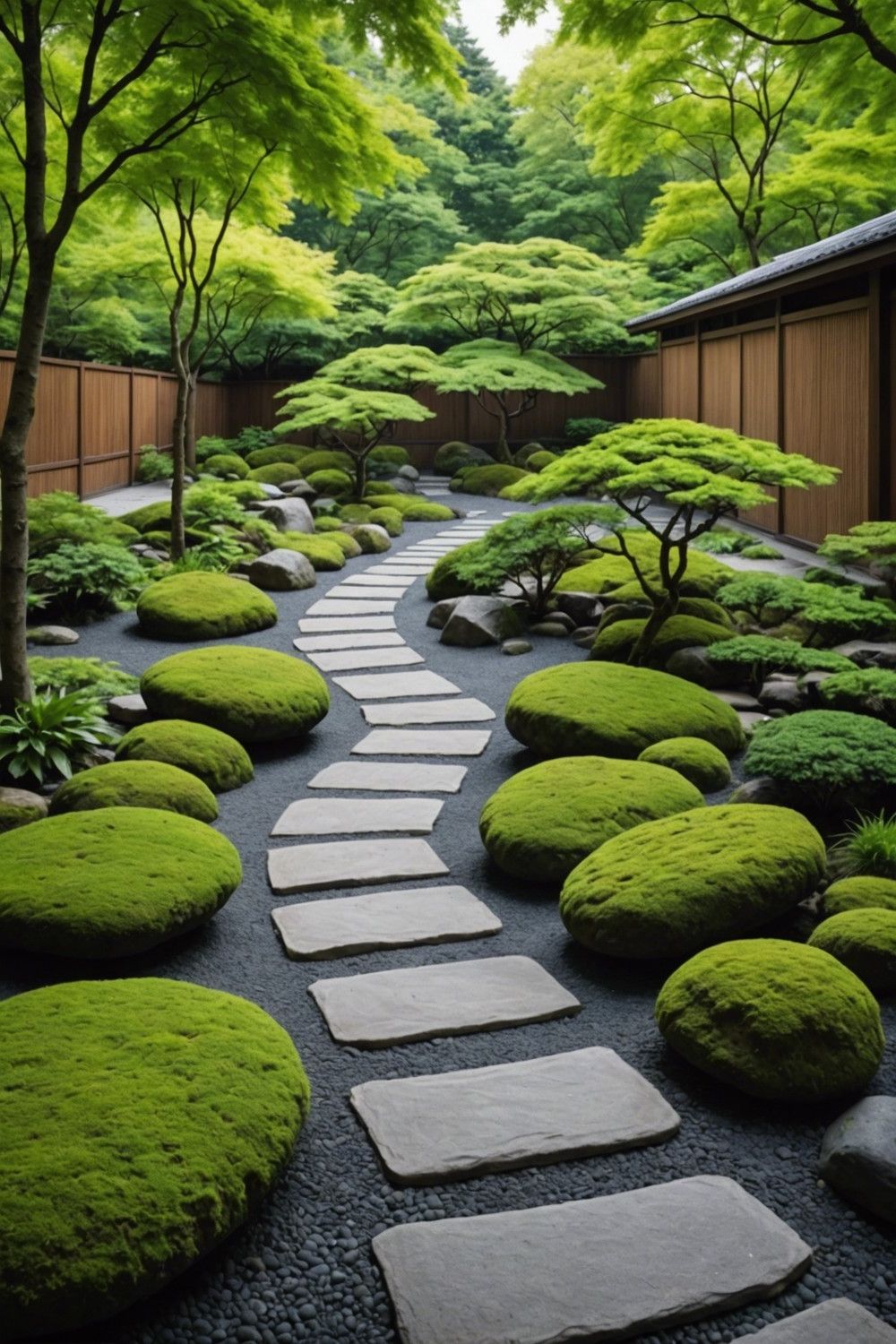
Traditional Japanese gardens often use natural stone and gravel pathways to guide visitors through the space. These materials have been a staple of Zen garden design for centuries.
These pathways bring a quiet, grounded feel to any garden layout. They also require very little upkeep, making it simple to move through your Zen garden without extra work.
The crunch of gravel or the soft texture of stone underfoot has a way of settling the mind. It’s a small sensory detail that makes the whole space feel more restful.
Simple Wooden Bridge over Ponds
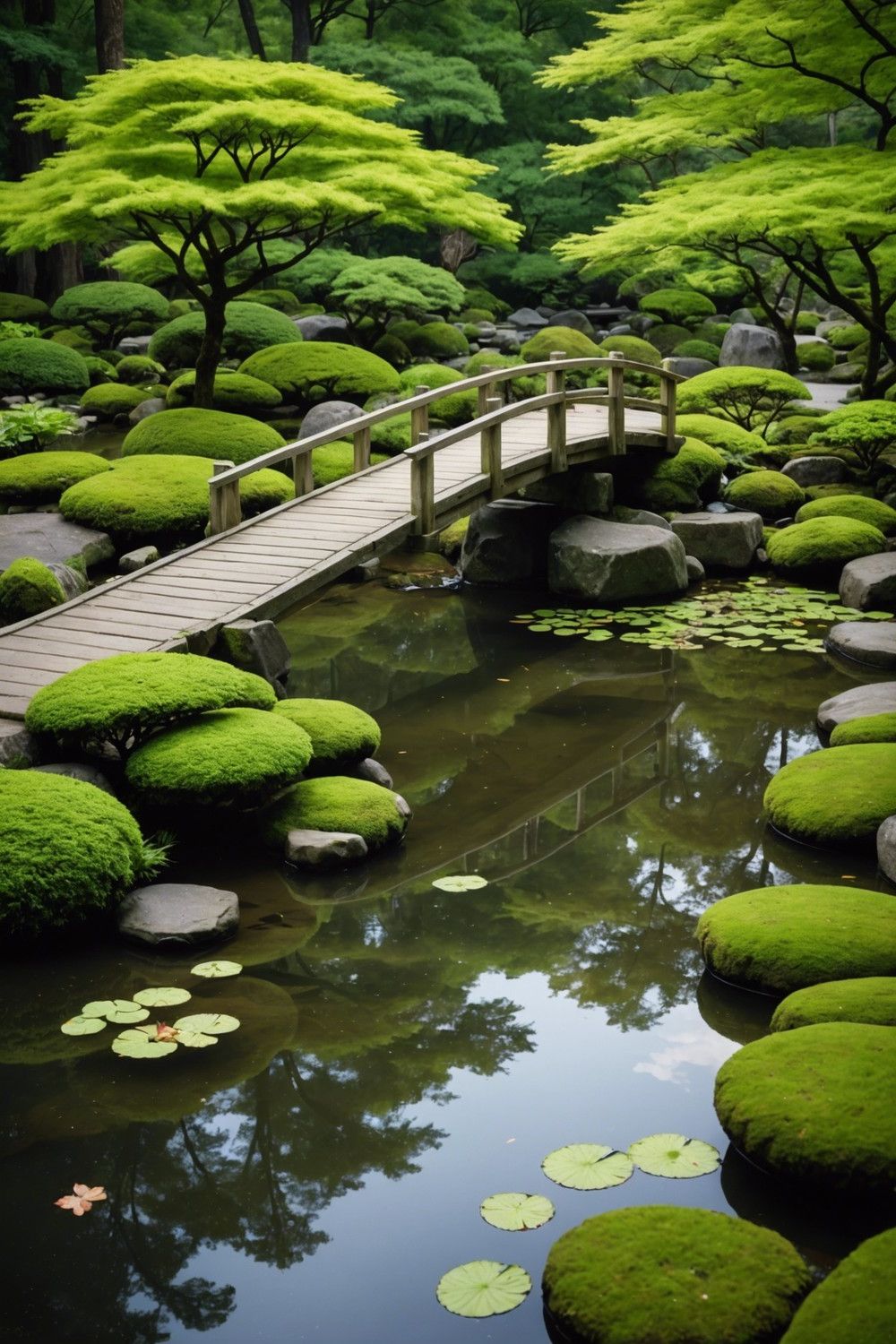
Wooden bridges arching over calm ponds are a classic feature of Japanese garden design. They add a rustic touch and visually connect separate parts of the garden.
Old wooden planks tend to creak softly with each step. That small sound is a natural cue to slow down and notice the surroundings.
Small design details like this often carry the most weight in a peaceful garden.
Crossing the water, you’ll notice gentle ripples and quiet sounds rising from the pond below. That combination sets a calm mood suited for slow walks and quiet thinking.
Miniature Trees and Shrubs for Bonsai Inspiration
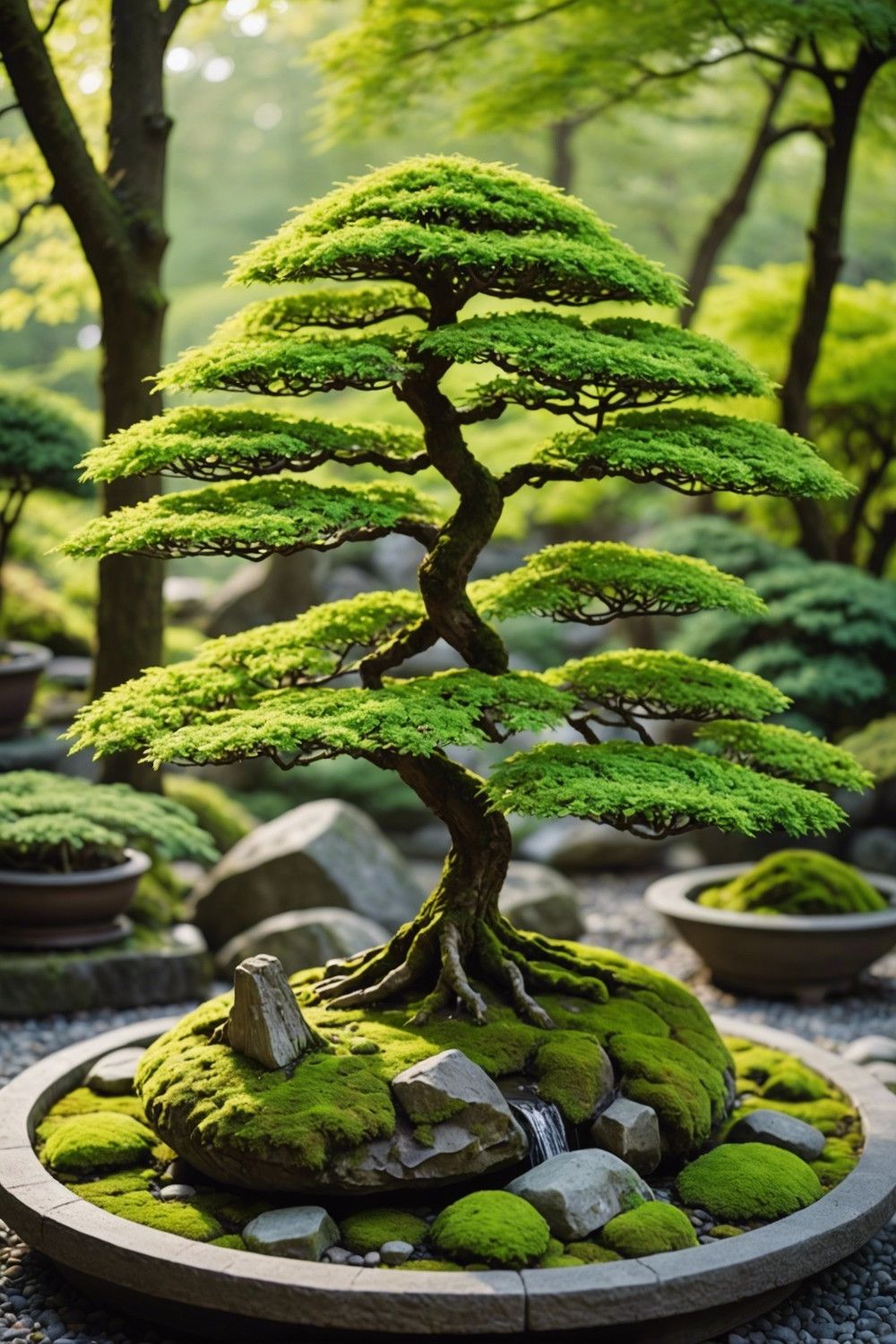
Small trees and shrubs bring a quiet, polished look to a Japanese Zen garden. Their compact size and clean shapes support the simplicity a peaceful garden needs.
Japanese Maple, Chinese Elm, and Satsuki Azalea are solid choices since they stay naturally small and respond well to bonsai shaping techniques.
Planted in clusters or as single focal points, these trees bring balance and structure to the surrounding landscape.
Serene Koi Ponds with Water Features
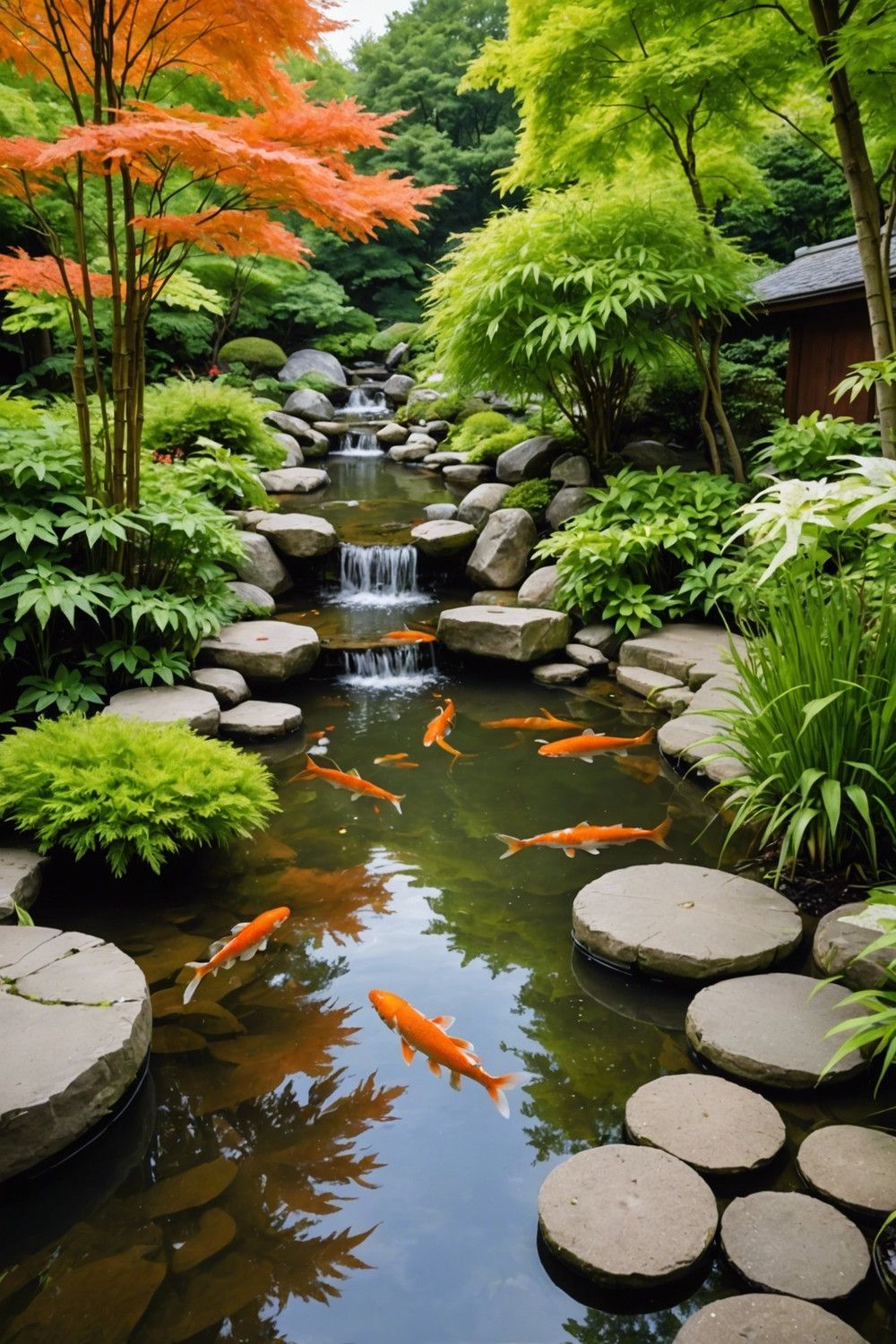
A koi pond paired with a water feature is one of the most recognizable elements of a Japanese Zen garden. It sets a calm tone for the whole space.
Ripples across the surface, birds chirping nearby, and the bright colors of koi fish all combine to build a restful mood.
A small fountain or waterfall adds a steady trickling sound that carries through the garden. That constant, soft noise works well for masking street noise and encouraging quiet reflection.
Rustic Wooden Fences and Gates
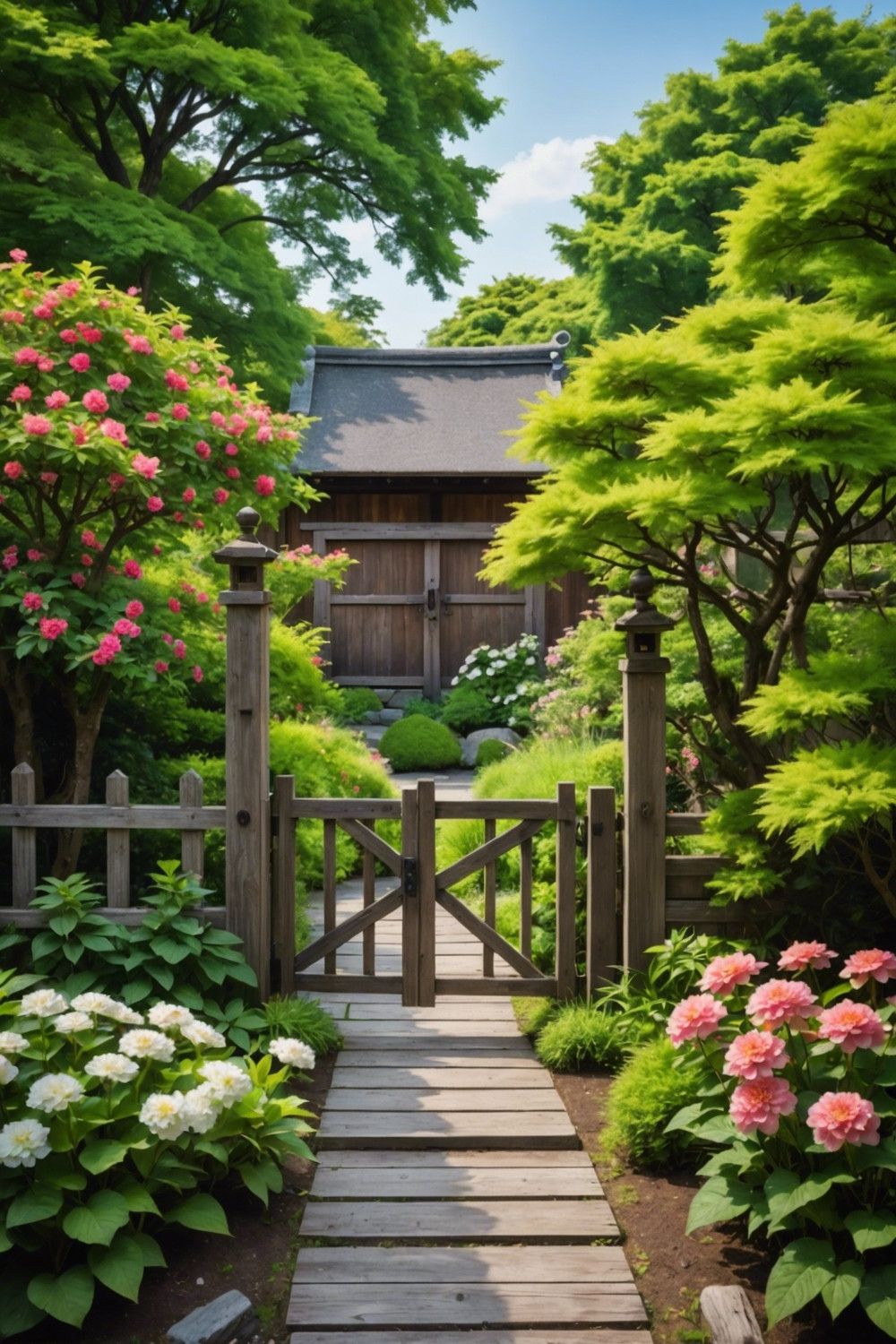
A wooden fence or gate adds natural texture to a Japanese-style garden and helps the whole layout feel cohesive with its surroundings.
Weathered wood tones bring warmth to the space, and the rough grain adds visual depth that smooth materials can’t match.
Several wood types work well for a Zen garden gate or fence, each with its own texture and finish.
Reclaimed wood, cedar, and cypress are three solid options, each bringing its own character and durability to the design.
Lanterns and Lighting for Ambient Glow

Warm, low lighting sets a quiet mood after dark in a Japanese Zen garden. Stone or metal lanterns are a traditional way to add that gentle glow.
Classic stone lanterns work well near pathways, while solar-powered lights offer a more modern, low-maintenance alternative.
Solar lights also cut down on energy use and tend to cost less to run over time.
String lights or fairy lights wrapped around branches give off a soft, scattered glow that works well for evening gatherings.
Raked Gravel Patterns for Meditation
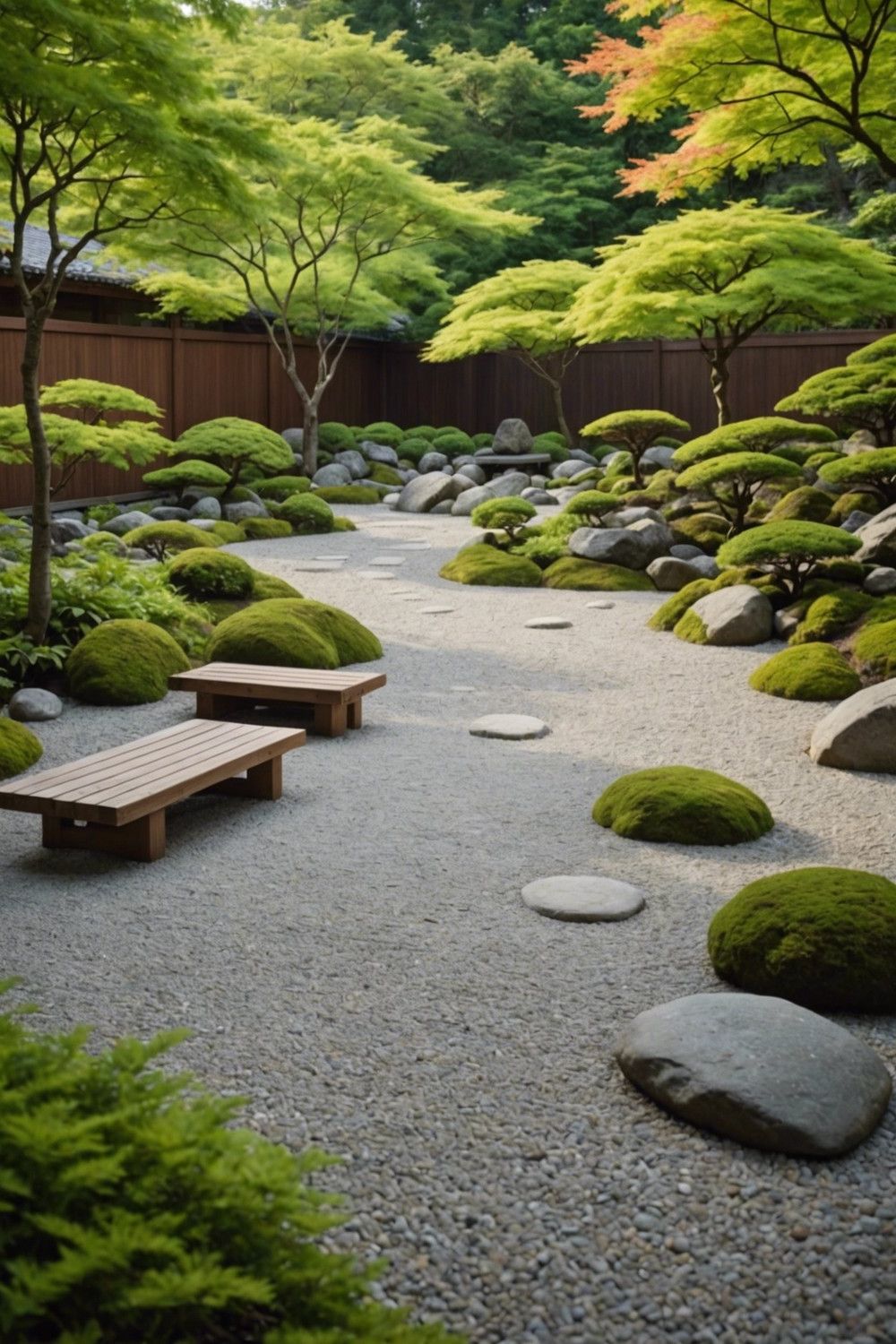
Raked gravel patterns are one of the most recognizable features in Japanese Zen garden design. The repeating lines encourage a slow, focused mindset.
Zen monks originally raked gravel into these patterns as a meditation practice, using the repetitive motion to clear the mind and stay present.
A rake and a bed of fine gravel are all you need to recreate that same practice at home, whether in a small corner or across the whole yard.
Incorporating Natural Elements like Driftwood
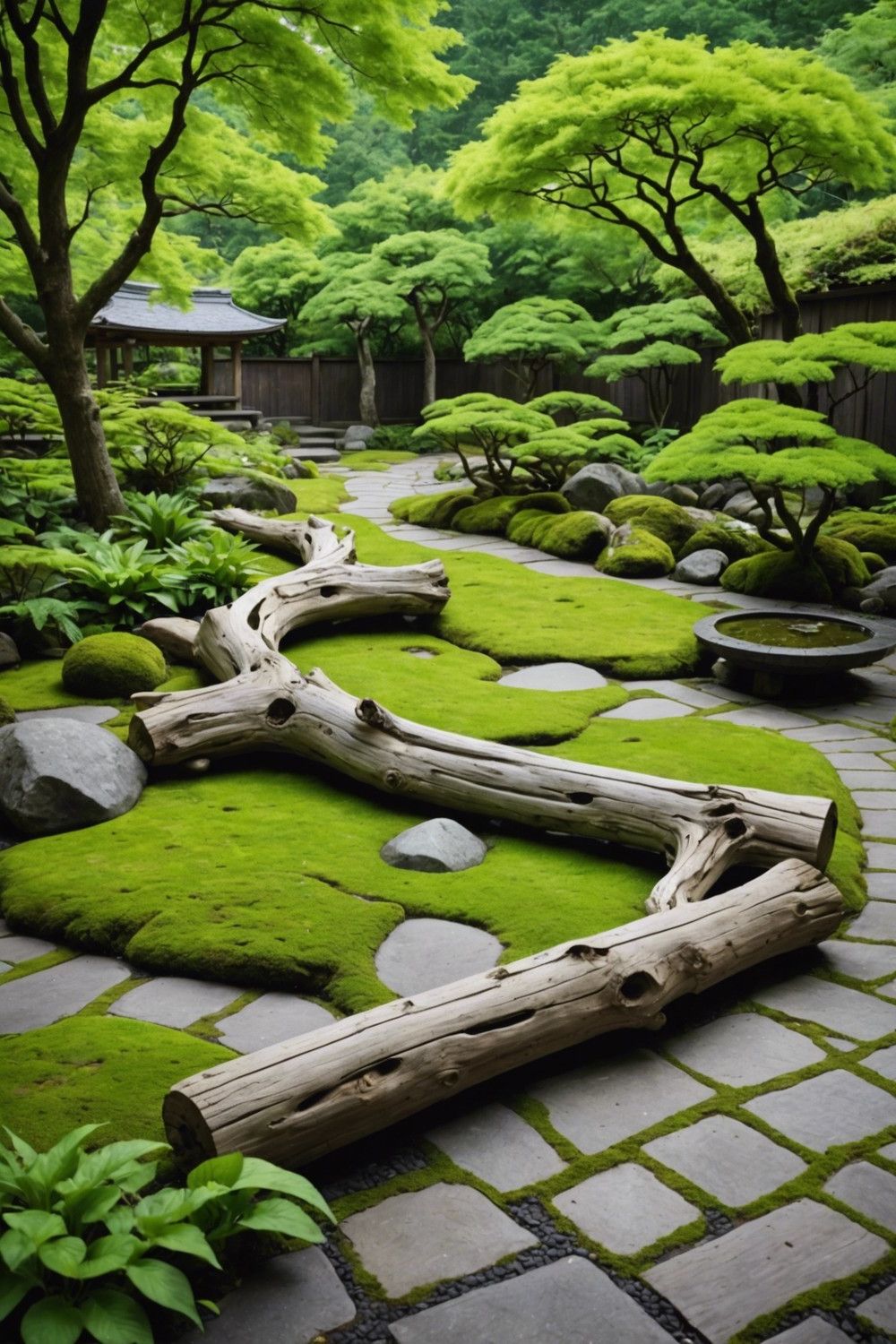
Driftwood brings a raw, weathered texture to a Japanese Zen garden. Its irregular shapes and sun-bleached surface stand out against smoother materials like gravel or stone.
Use a single large piece as a focal point, or work smaller pieces into the layout for a more subtle, natural touch.
Larger driftwood chunks work well scattered through open areas, while smaller pieces can be lined up to form a low border along a path.
Moss and Ferns for Lush Ground Cover
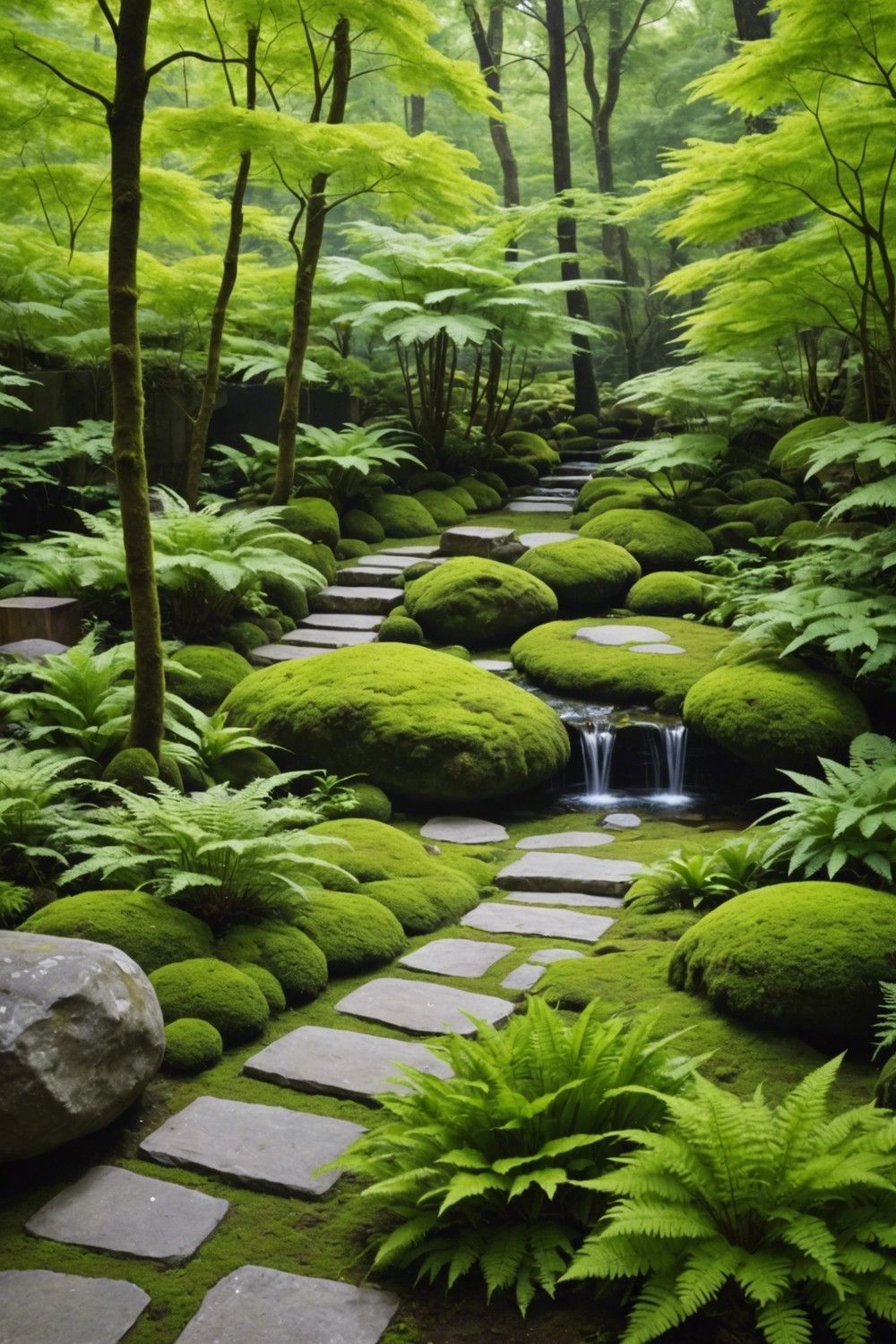
Moss and ferns pair naturally in shaded corners of a Japanese Zen garden, covering bare soil with a soft, deep-green texture. Both thrive in damp, low-light spots, making them ideal under trees or near ponds.
These low-maintenance, shade-loving plants thrive in moist environments, making them perfect for hiding unsightly patches of dirt or mulch.
Plus, they add a soft, serene touch to your outdoor space that’s utterly calming.
With moss, you can create a stunning, velvety carpet of green, while ferns provide a delicate, lacy texture that adds depth and visual interest.
Wind Chimes for Peaceful Sound
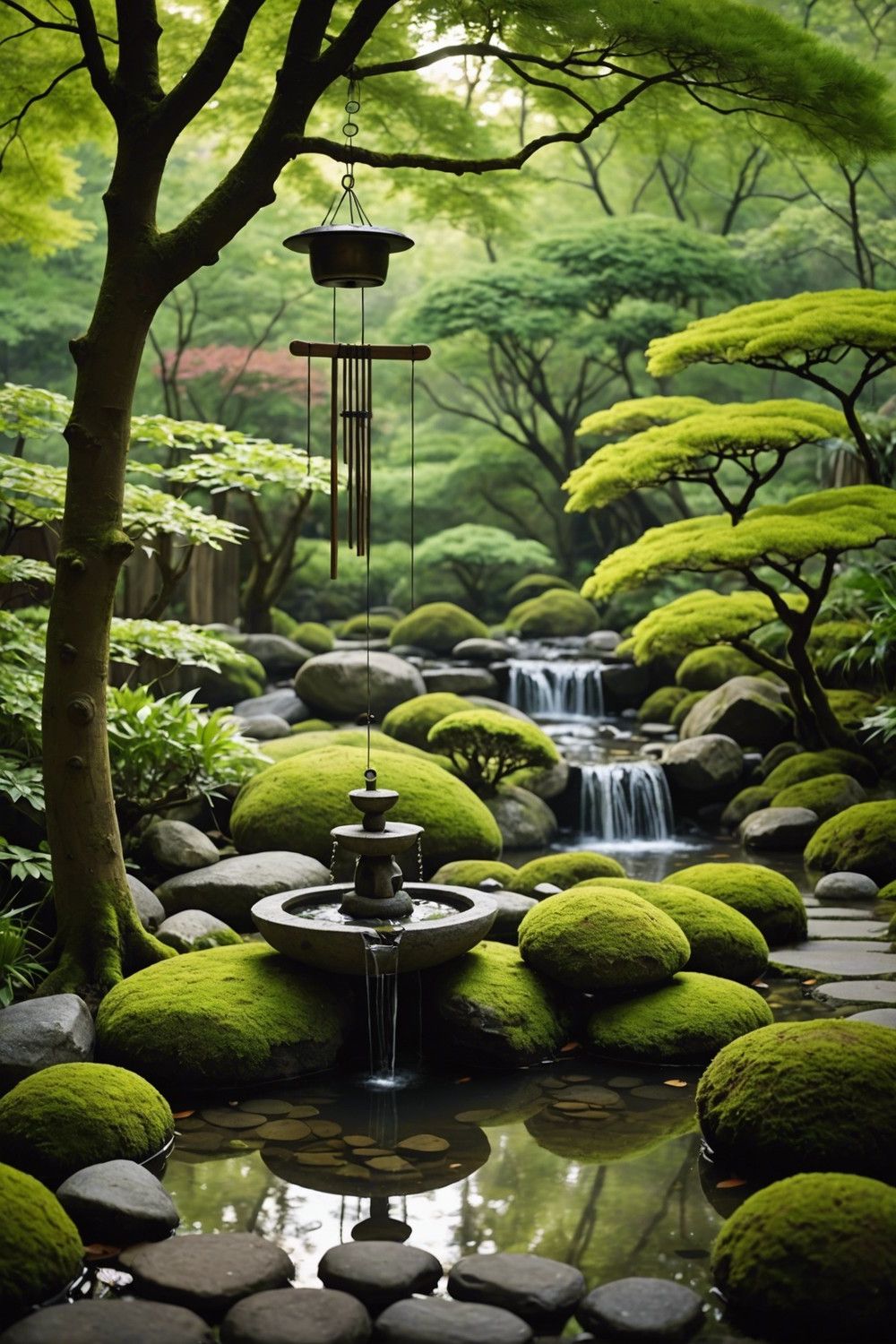
Have you ever thought about adding some wind chimes and soothing soundscapes to your Japanese Zen garden? They can really help create a peaceful and calming atmosphere!
Soft, gentle sounds can calm the mind and transport you to a state of relaxation.
Why not try hanging wind chimes in your garden to make a peaceful sound that can drown out any distractions? It’s a great way to create a tranquil atmosphere!
Sure! If you want to add a little touch of nature to your space, consider including water features like cute fountains or soothing streams.
They can provide a relaxing sound that mimics the outdoors.
Imagine being surrounded by the soothing blend of sounds that will help you relax and unwind, turning your outdoor space into a peaceful oasis.
Stepping Stones and Pebble Beds
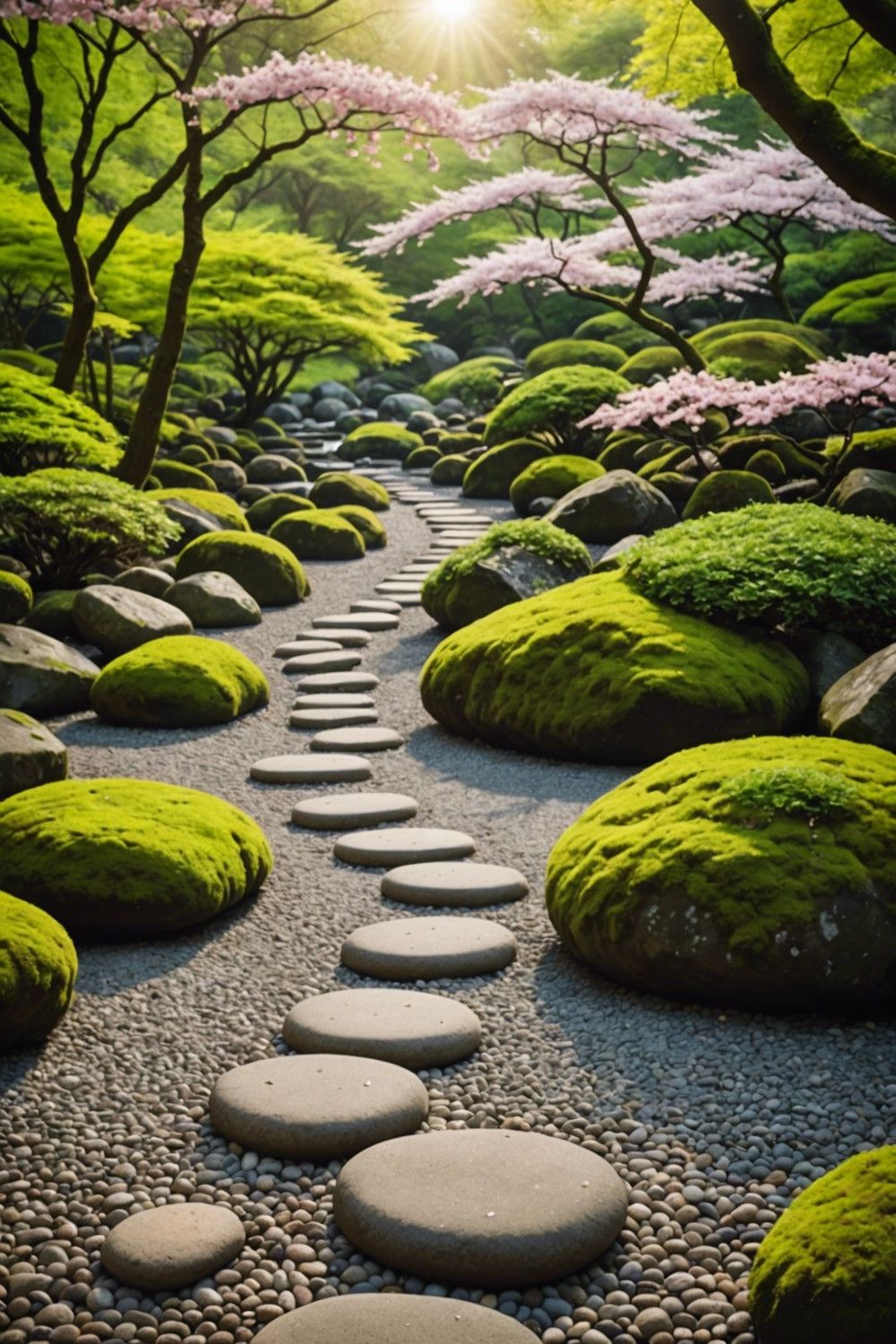
Stepping stones and pebble river beds are a harmonious blend of functionality and aesthetics in a Japanese Zen garden.
These natural elements work together to create a serene atmosphere, guiding visitors through the garden’s serene spaces.
The carefully placed stepping stones encourage mindfulness, inviting you to slow down and appreciate the surroundings, while the soft rustling of pebbles beneath your feet adds a calming sensory experience.
Bamboo Screens for Natural Fencing
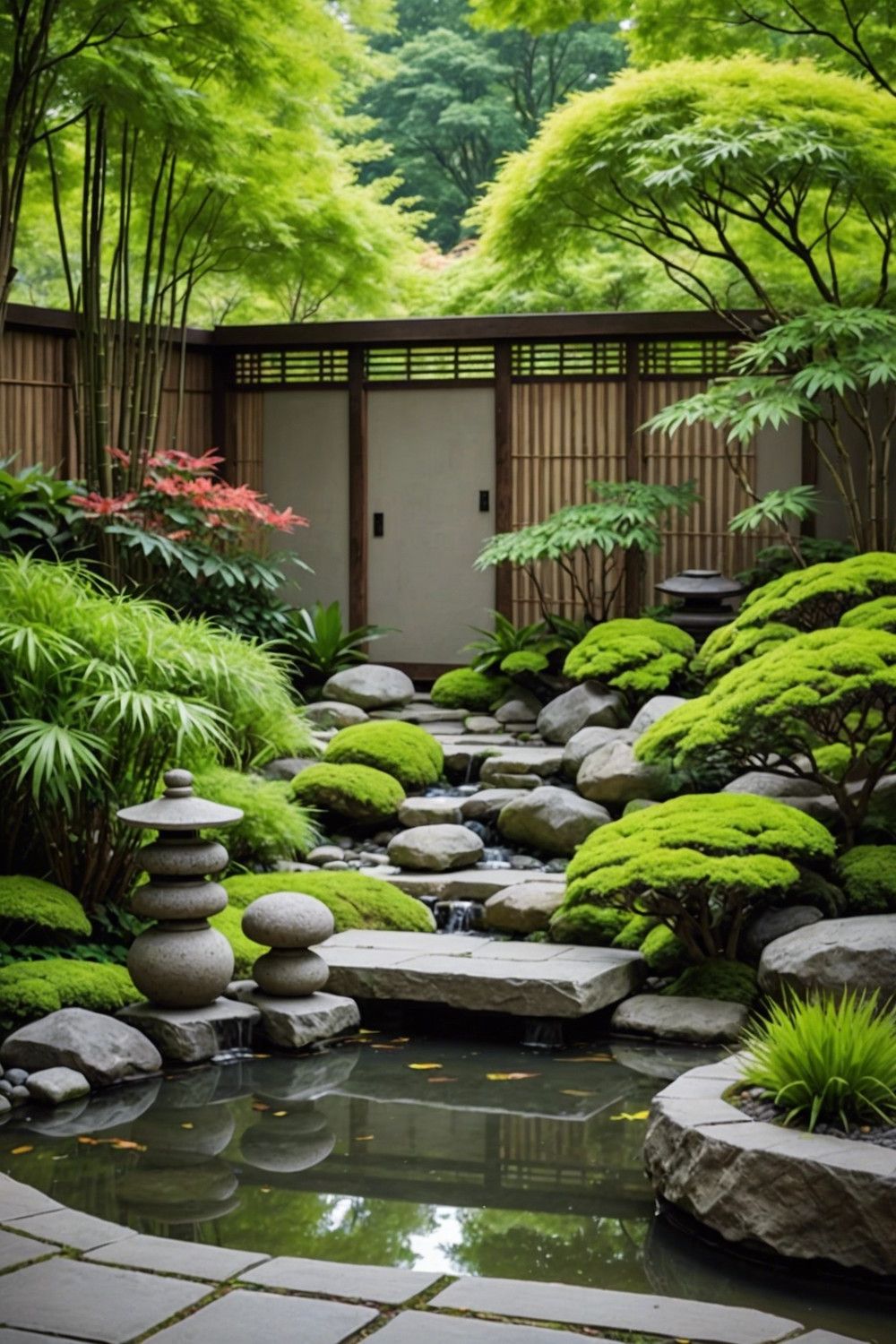
Compact bamboo is an excellent choice for fencing and screening in a Japanese zen garden. It provides a natural, rustic look while maintaining a sense of seclusion and intimacy.
Plus, it’s incredibly durable and can thrive in a variety of conditions.
For a more polished appearance, you can stain or paint the bamboo to match your garden’s aesthetic.
Alternatively, leave it in its natural state to blend seamlessly into the surroundings.
Traditional Ornaments and Decor Accents

Hey there! If you’re looking to bring a sense of calm and peacefulness to your Japanese Zen garden, why not consider adding some Eastern-inspired ornaments and decor?
They can really help create a serene atmosphere that’s perfect for relaxation and meditation.
Have you ever noticed those lanterns hanging from trees or sitting on pedestals? They always have such calming colors and cast a cozy, gentle glow. It’s so beautiful.
Delicately crafted stone or metal sculptures of animals, such as frogs or turtles, bring a sense of tranquility, while intricately designed wind chimes softly whisper in the breeze.
Mini Waterfalls and Flowing Streams
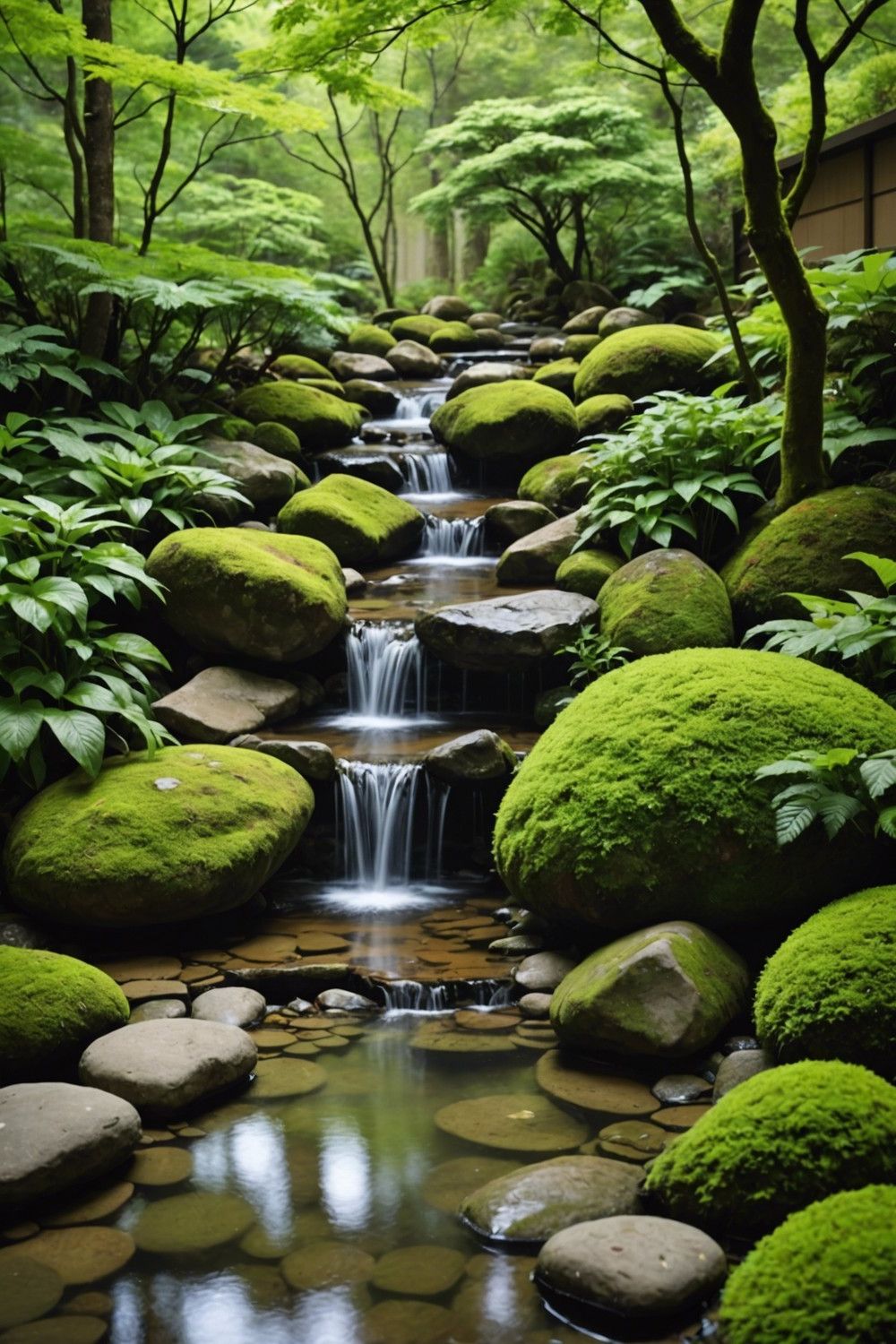
Isn’t it just so peaceful to listen to the gentle flow of water? I love having mini waterfalls and streams in my Japanese Zen garden because they make me feel so calm and relaxed.
It’s like they transport me to a whole tranquil world!
And besides looking beautiful, these water features also add a nice touch of movement to the garden, guiding your gaze as you stroll through.
If you add a little waterfall or a gentle stream, you’ll instantly set the perfect mood for some relaxation and deep thinking.
Tall Trees for Shaded Privacy
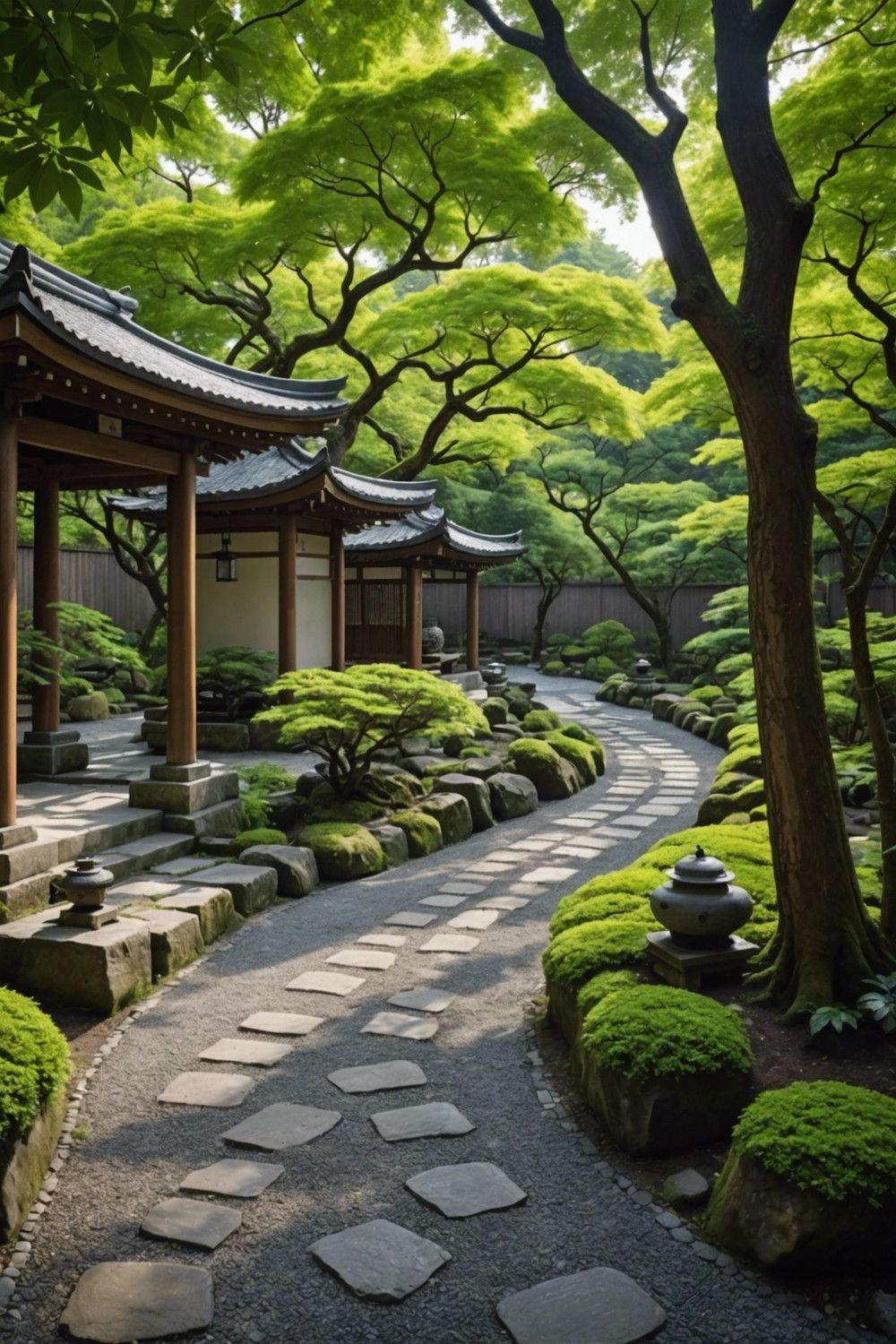
Taller trees provide the ultimate shaded seclusion, creating a tranquil oasis in your Japanese-inspired backyard. They cast a soothing shade, blocking out the harsh sun and outside noise, allowing you to unwind and recharge.
Their towering presence also creates a sense of intimidation, blocking the view from prying eyes and making your outdoor space feel cozy and intimate.
Built-In Seating for Quiet Reflection
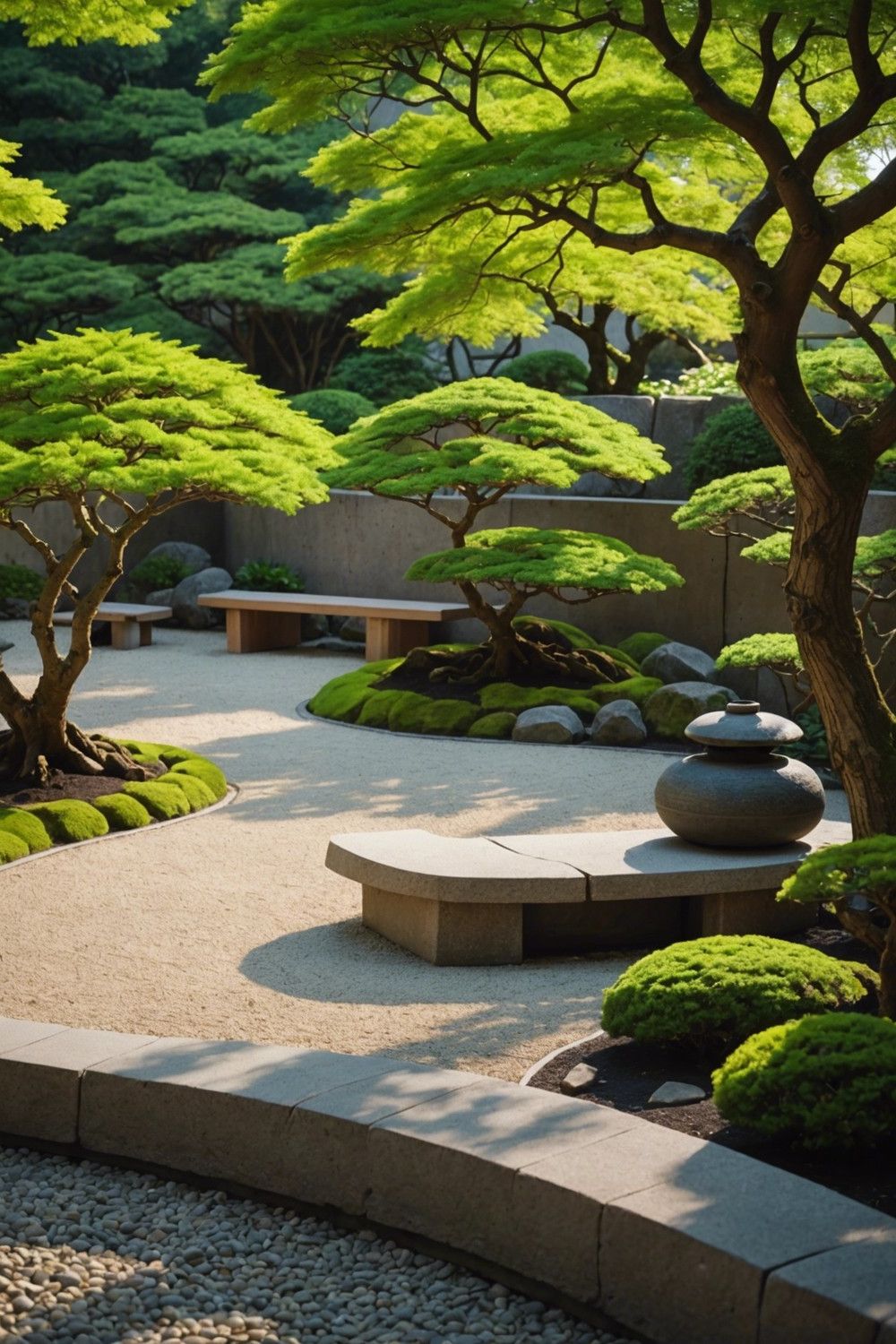
Integrated seating is essential for creating a Japanese Zen garden that fosters meditation and reflection.
Built-in benches, stone or wooden seats, and curved walls invite contemplation and quiet introspection.
These thoughtful design elements encourage visitors to slow down, appreciate nature, and indulge in mindfulness practices.
By incorporating seating areas, your Zen garden becomes a serene oasis, perfect for calming the mind and soothing the soul.
Natural Boulders and Rock Groupings
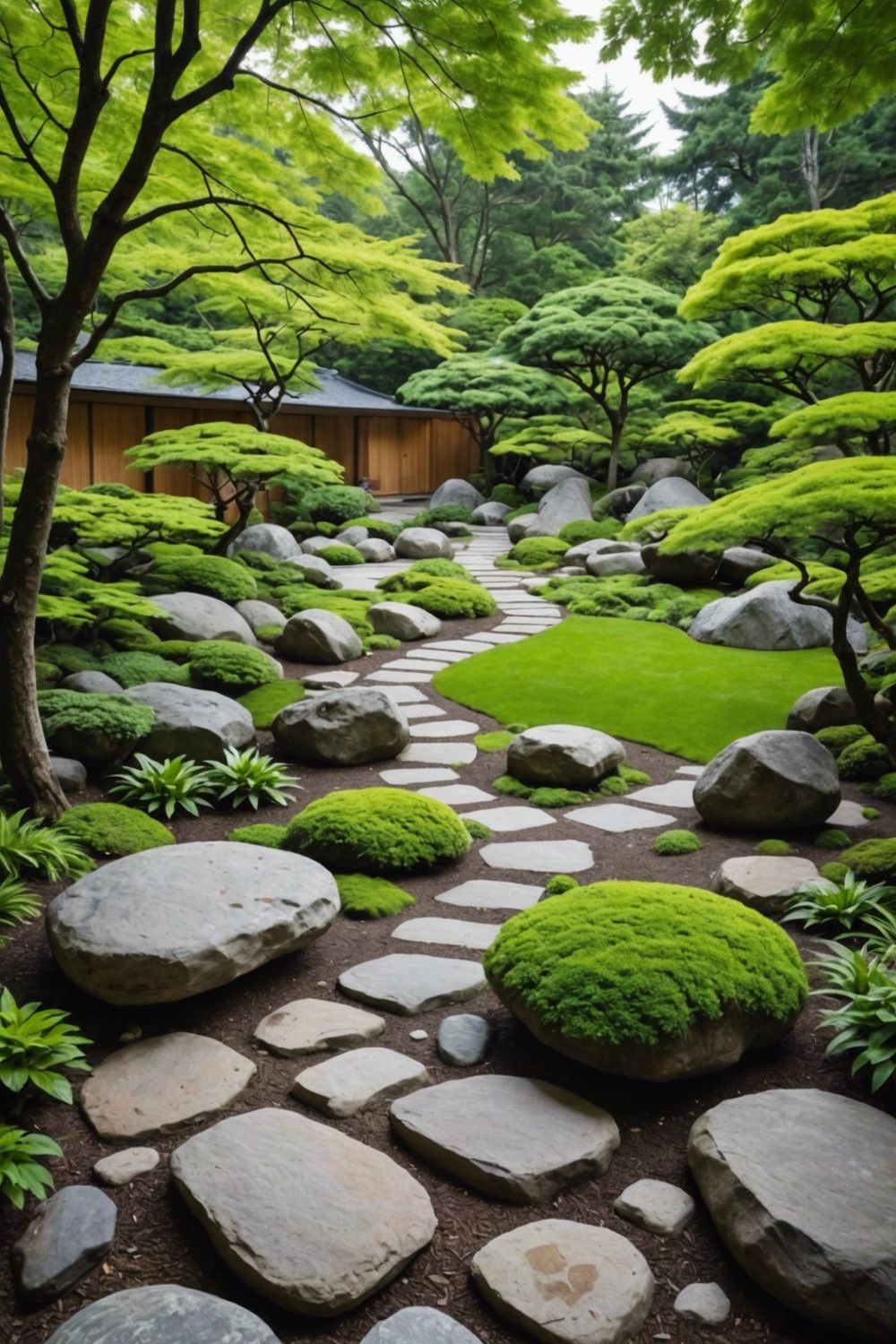
Natural Rock Formations and Boulders bring a sense of serenity and harmony to a Japanese-inspired garden.
These natural wonders add an air of authenticity, creating a visual connection to the outdoors.
Strategically placing large rocks or boulders can create a sense of balance and tranquility, while smaller stones can be used to create meandering pathways or quiet seating areas.
Cherry Blossom and Japanese Maple Trees
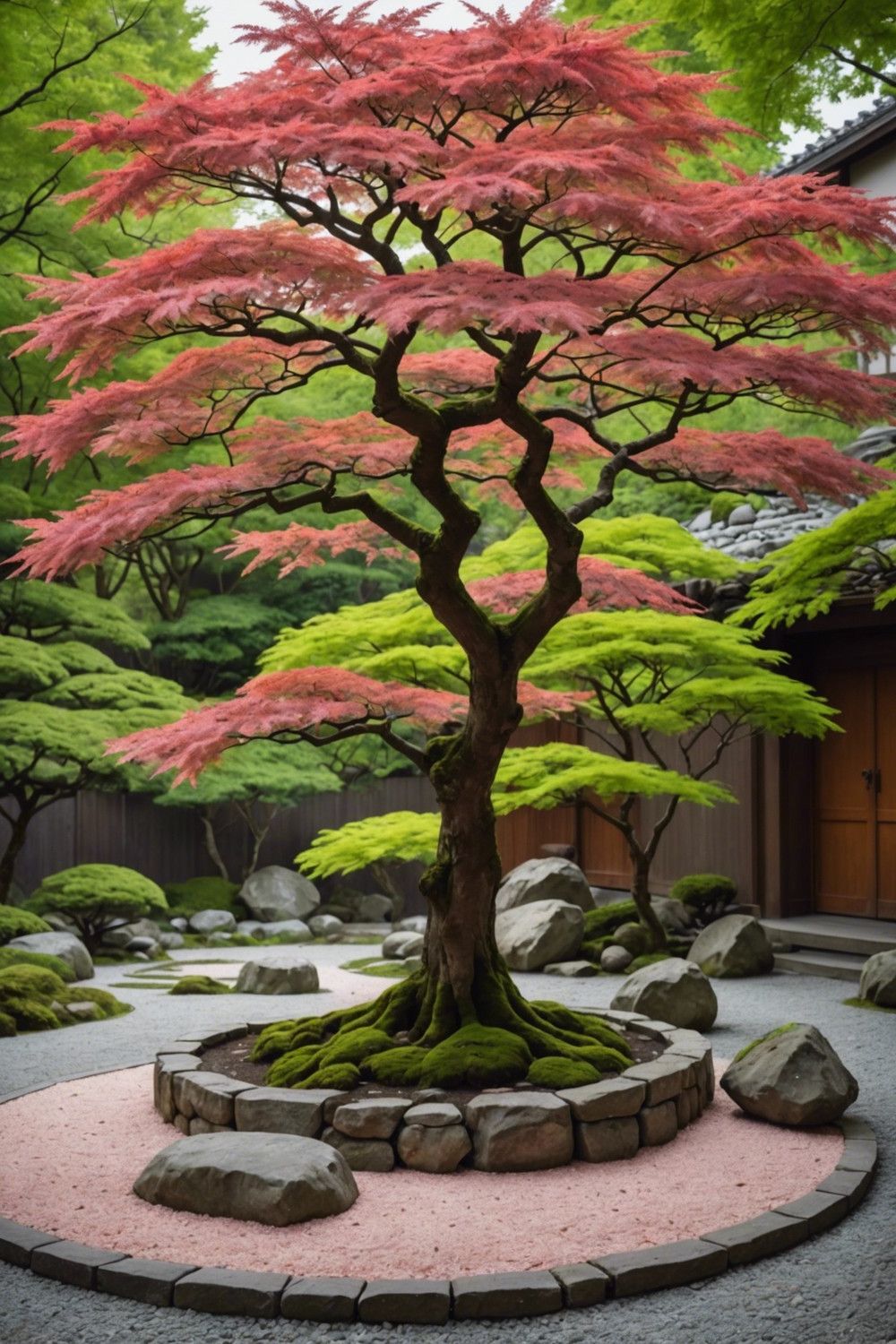
Have you ever considered planting Cherry Blossom or Japanese Maple Trees in your Zen garden? They can really bring a sense of peace and calm to the space.
I just love the delicate, lacey leaves and stunning beauty of these plants.
They always make me feel so peaceful when I’m in my outdoor space. Don’t you think they just bring a sense of calm to the area?
With their vibrant colors and gentle sway, they evoke feelings of tranquility, drawing you into the present moment.
Easy-Care Ground Cover Like Thyme
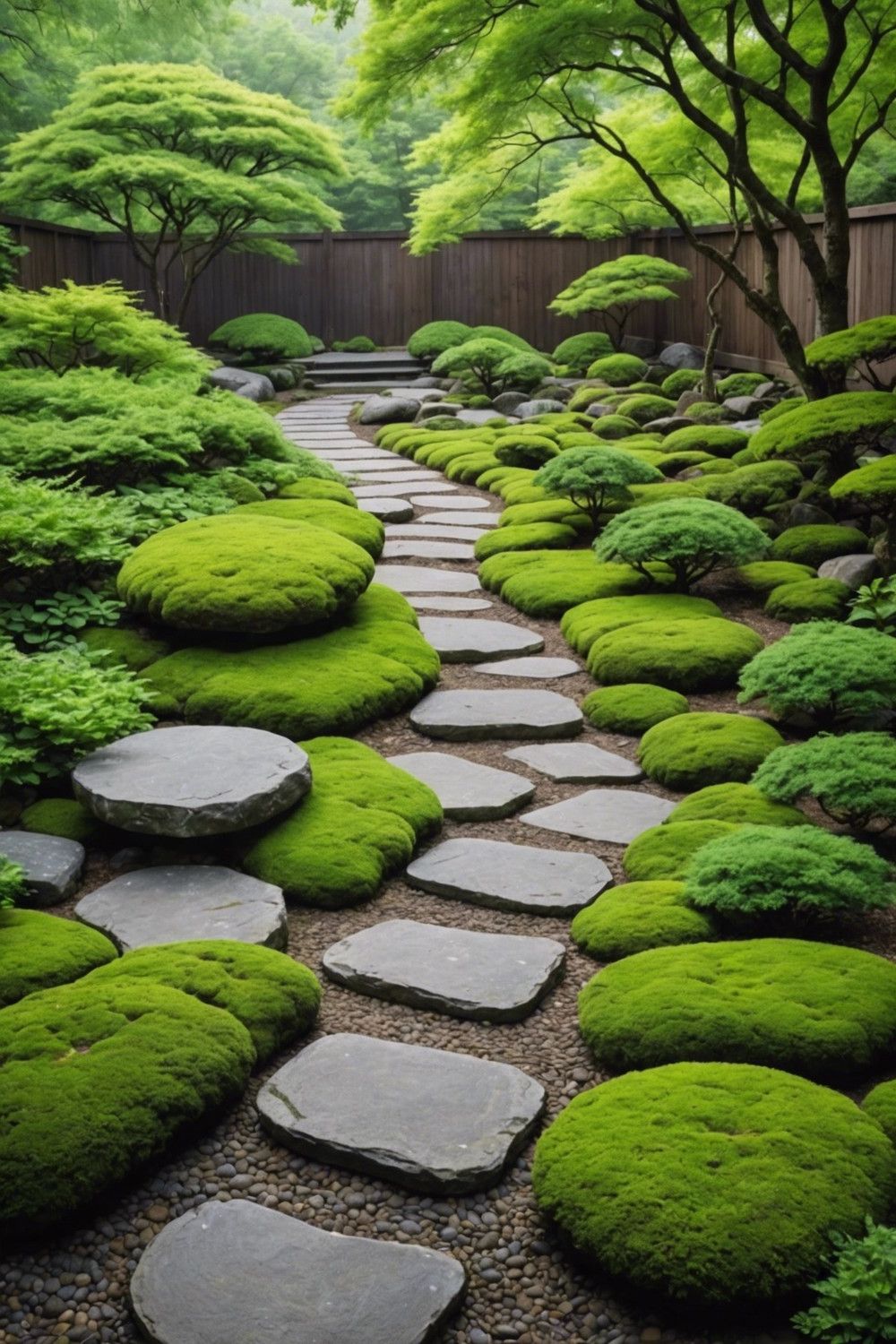
Thyme is a great choice for your Japanese zen garden if you want something easy to take care of.
It smells amazing and can grow well even in not-so-great soil. Plus, you don’t have to water it too much, which is perfect if you don’t get a lot of rain in your area.
Thyme needs occasional pruning to promote new growth, but it’s relatively easy to care for, even for novice gardeners.
Plus, it releases a calming scent when walked upon, creating a serene ambiance in your zen garden.
Built-In Nooks for Peaceful Sitting
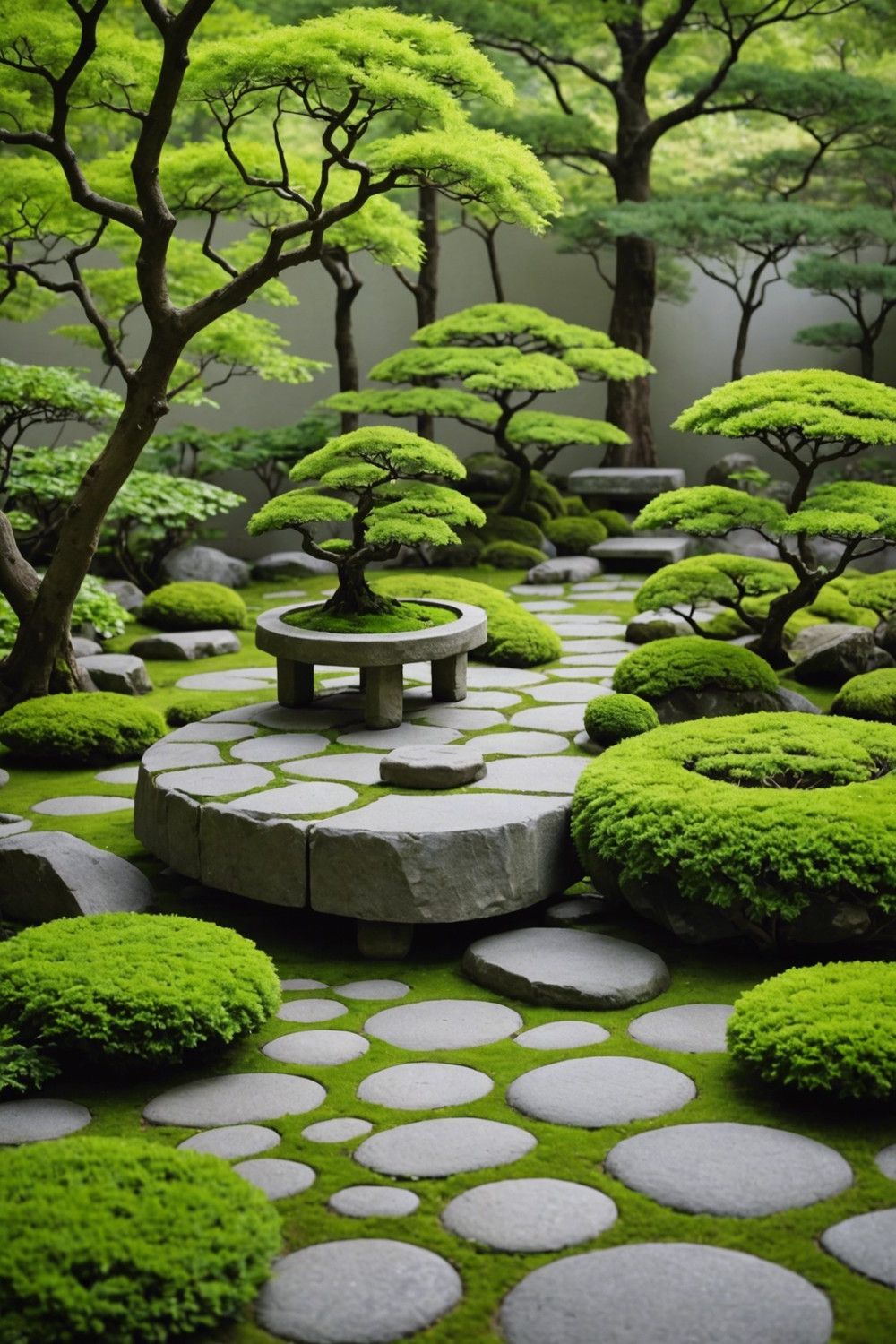
Seating areas for contemplation are an essential feature of a Japanese Zen garden, inviting you to slow down, breathe deeply, and connect with nature.
Built-in benches, stone seats, or wooden platforms blending seamlessly into the garden’s design create an atmosphere of serenity.
As you take a seat, you’ll notice how the beautiful surroundings really help you to be present and in touch with your thoughts and feelings. It’s all about forming a stronger bond with yourself and the world around you.