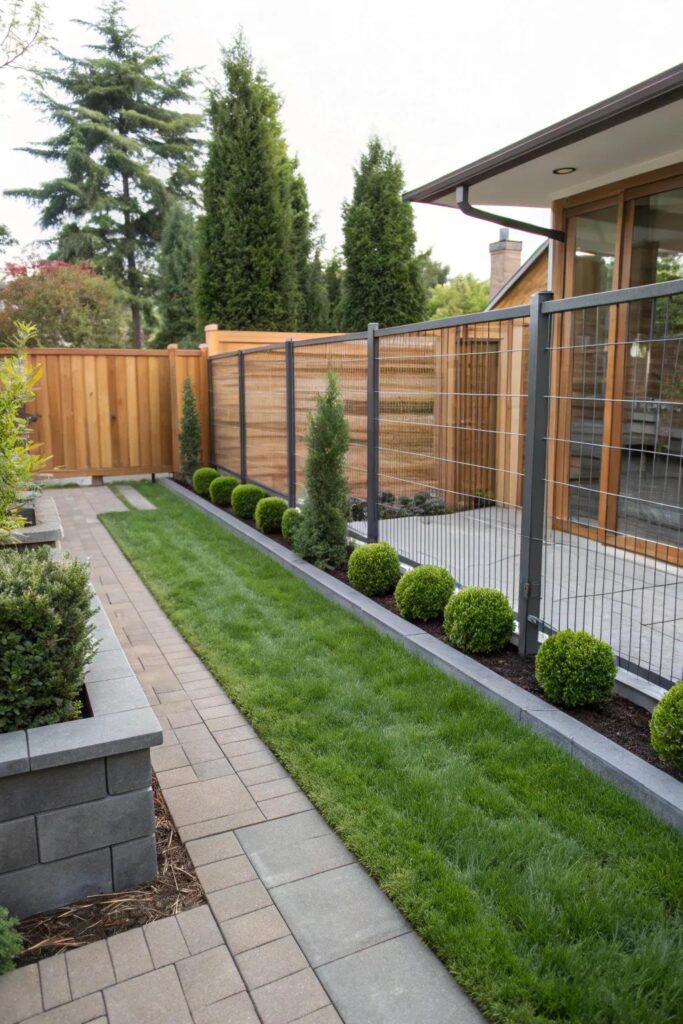

Lemongrass can do far more than season a curry – it can shape the whole feel of your patio. Picture cascading blades spilling from tiered planters, fragrant hedges lining a fence, or neat topiaries standing near a seating area. Here are 20 ideas to work this citrusy plant into your outdoor setup.
Lemongrass brings scent, texture, and function to a patio all at once. The ideas below show different ways to combine it with other plants and features so you get the most out of its aroma and its looks.
Tiered Planters With Trailing Lemongrass
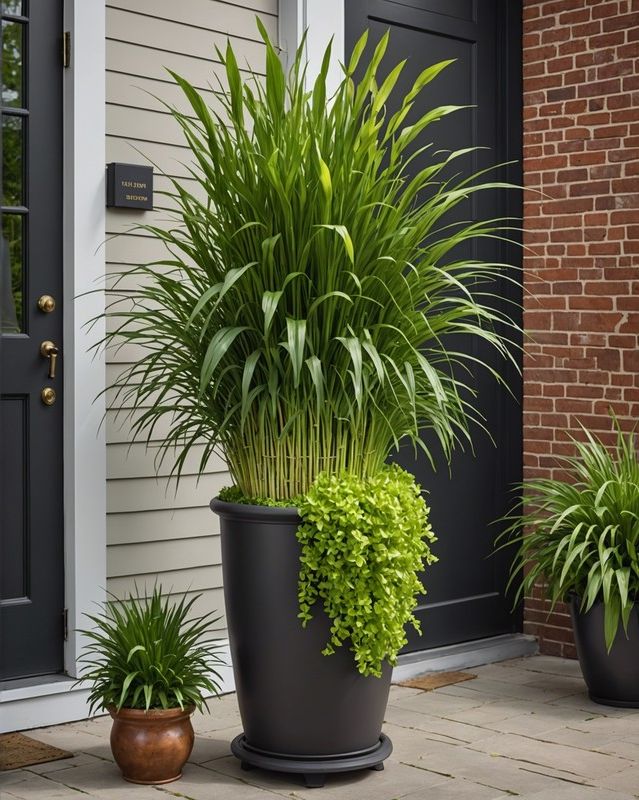
A tiered planter turns lemongrass into a living waterfall of green. Stack two or three levels so the plant has room to spread as it matures.
Each blade grows long and slender, and as the clump fills out, the outer leaves bend and spill over the planter’s edges. This softens the hard lines of a tiered structure and adds movement to the display.
Tiered designs also work in the plant’s favor because every level catches sunlight instead of being shaded by the tier above it. Lemongrass needs several hours of direct sun a day to grow thick and stay fragrant, so this setup helps it thrive.
Ways to Style Lemongrass Hanging Baskets

Hanging baskets add height and layers to a patio that ground-level pots can’t match on their own.
Add lemongrass to the mix and the basket does double duty – it looks lush and it releases a citrus scent every time the leaves catch a breeze.
Combine it with trailing plants such as vinca, ivy, or lobelia so the basket has cascading color around the lemongrass’s upright blades.
Hanging baskets dry out faster than in-ground beds, so check the soil daily in summer heat and water whenever the top inch feels dry. Consistent watering keeps the lemongrass upright and the trailing plants full for months.
Building a Vertical Herb Garden With Lemongrass
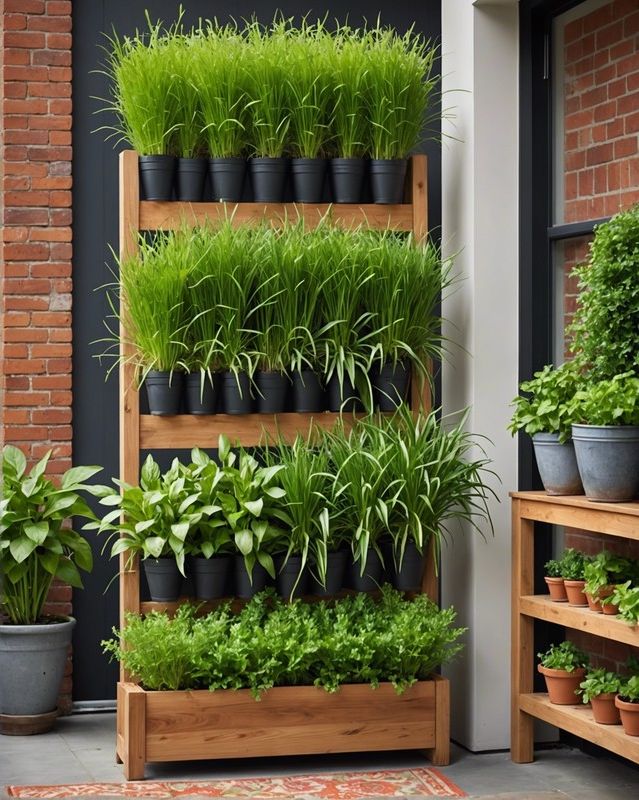
A vertical garden makes efficient use of a small patio while turning a plain wall into an herb display. Anchor the design with lemongrass at the bottom row, where its tall blades give the structure a strong visual base.
Fill the upper rows with basil, thyme, and rosemary so the colors and scents build as you move up the wall.
Beyond the visual appeal, this setup keeps fresh herbs within arm’s reach for cooking. Snip a few lemongrass stalks or a handful of basil right before you cook and skip a trip to the store.
Give the garden regular water and occasional trimming, and it will keep producing new growth along with a steady citrus-herb scent across the patio.
Growing a Lemongrass Hedge or Screen
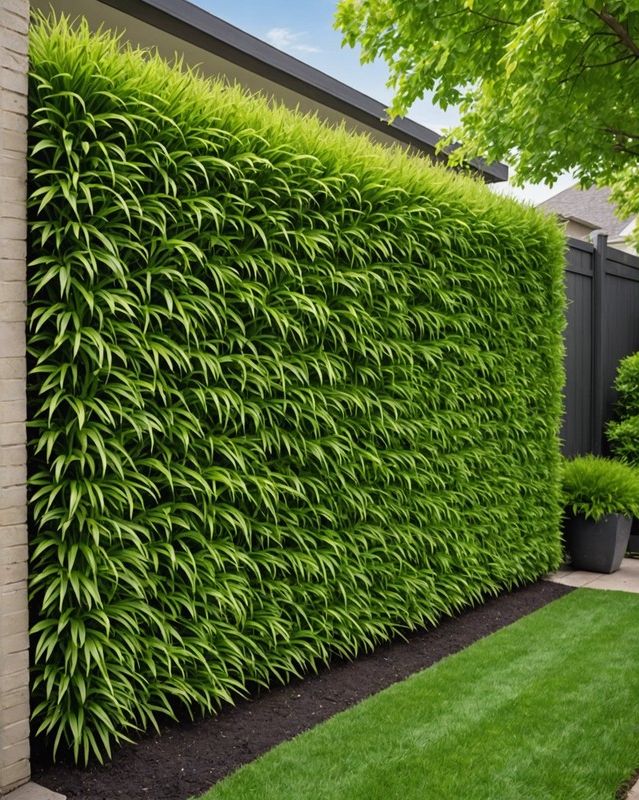
A lemongrass hedge does more than fill space along a patio edge – it gives you a living screen that smells good too.
Its strong citrus oil is a natural mosquito deterrent, so a hedge of it near a seating area can cut down on bug bites while adding solid greenery.
You can grow it in large containers along a patio’s edge or straight in the ground, which makes it workable whether your outdoor space is a small balcony or a full backyard.
For a hedge, line up the plants in a single row, spacing each one about 12 inches from the next.
Trim the clumps as they grow to keep the hedge at the height and shape you want.
If you want a screen instead, stagger the plants in a zigzag pattern, leaving roughly 2 feet between them.
The zigzag spacing thickens the barrier, blocking sightlines from neighbors while keeping mosquitoes at a distance.
Shaping a Lemongrass Topiary

A lemongrass topiary makes an eye-catching, fragrant focal point for a patio corner or entry table.
Its long blades can be trained into a rounded ball, a tall column, or a twisting spiral, depending on the look you’re going for.
Beyond the shape, the plant releases a citrus scent whenever the leaves are brushed or trimmed, so it doubles as a natural air freshener near a doorway or patio chair.
Use stakes or wire to guide the stems into your chosen shape, and snip off any leaves that stray outside the form as the plant fills in.
Growing Lemongrass in Raised Beds or Containers
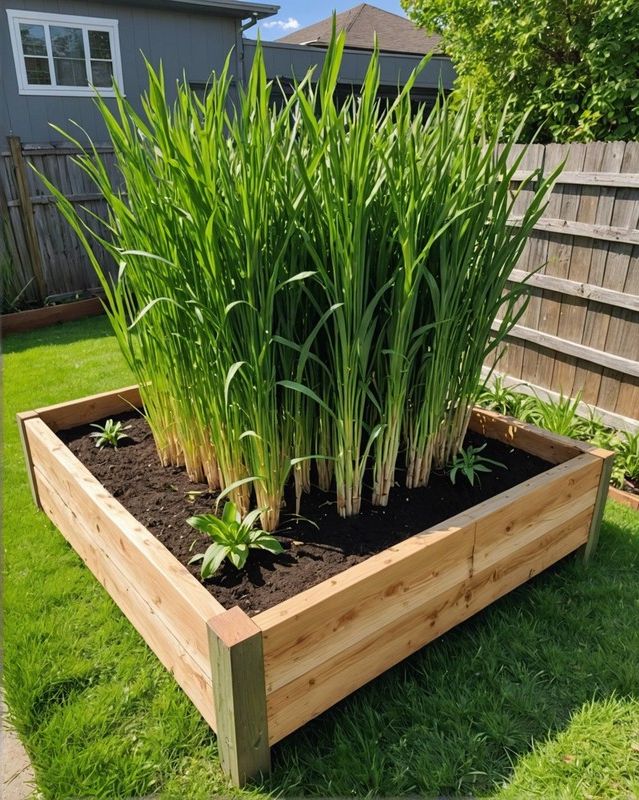
If you’re growing lemongrass in a container, pick a pot with several drainage holes – standing water around the roots leads to rot fast.
A raised bed solves this differently: the soil drains well on its own, and you can build the bed to whatever size fits your patio layout.
Whichever option you choose, place the lemongrass where it gets at least six hours of direct sun each day. That amount of light is what drives strong growth and a good harvest of stalks.
Planting Lemongrass in a Window Box
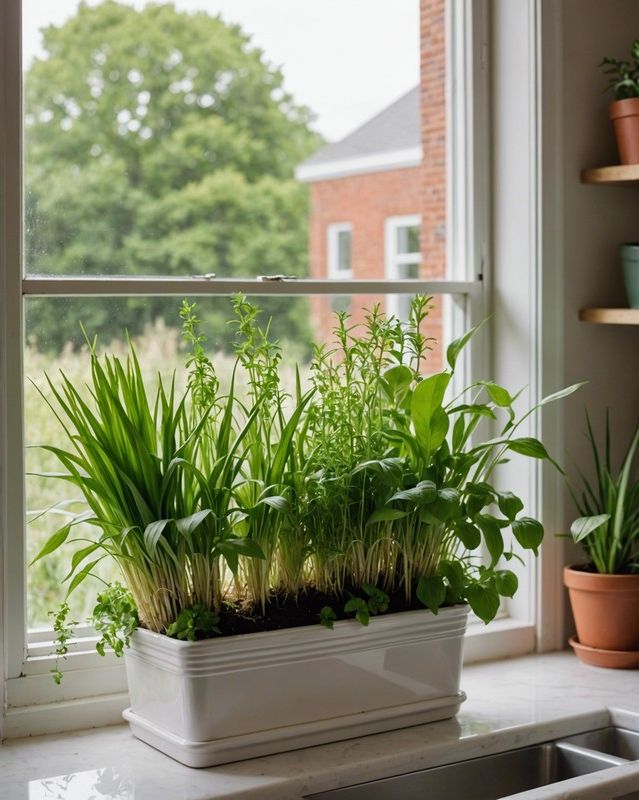
A window box lets you grow lemongrass right outside the kitchen, alongside other herbs you reach for while cooking.
Beyond the visual interest of the tall blades against a windowsill, the box releases a citrus scent that drifts in whenever the window is open.
Mint, basil, and thyme all pair well with it in the same box, and each one adds its own flavor to dishes you’re already cooking that day.
Pairing Lemongrass and Flowers in a Pot
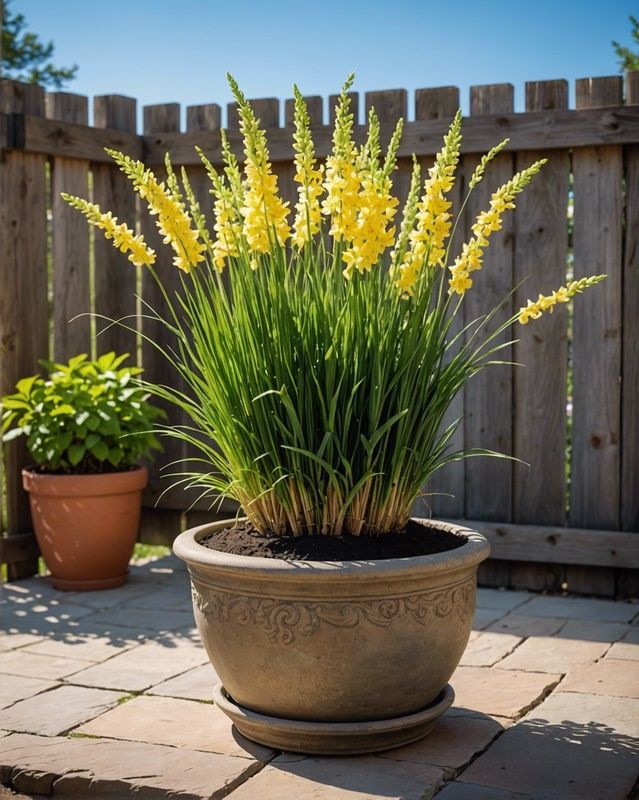
Patio pots are the perfect way to add a touch of greenery and fragrance to your outdoor space. Lemongrass is a beautiful and easy-to-grow plant that can be used to create a variety of different looks.
When paired with flowers, lemongrass creates a stunning and fragrant display.
One popular way to use lemongrass in a patio pot is to create a vertical garden. This is a great way to save space and add height to your patio.
Hey there! If you’re looking to spruce up your outdoor space, you can totally plant some lemongrass in a nice tall pot or planter.
Once that’s all settled, you can add some pretty trailing flowers around the base for a lovely touch. How cool is that?
If you’re looking for some nice flowers that trail down in your garden, you can’t go wrong with petunias, nasturtiums, or verbena. And hey, another cool idea is to add lemongrass to your patio pot and mix it in with other plants for a beautiful container garden. Sounds pretty neat, right?
This is a fantastic way to mix things up and add some excitement to your patio!
You can plant lemongrass with other herbs, such as basil, oregano, and thyme. You can also add flowers, such as marigolds, zinnias, and geraniums.
Combining Lemongrass and Succulents in a Planter
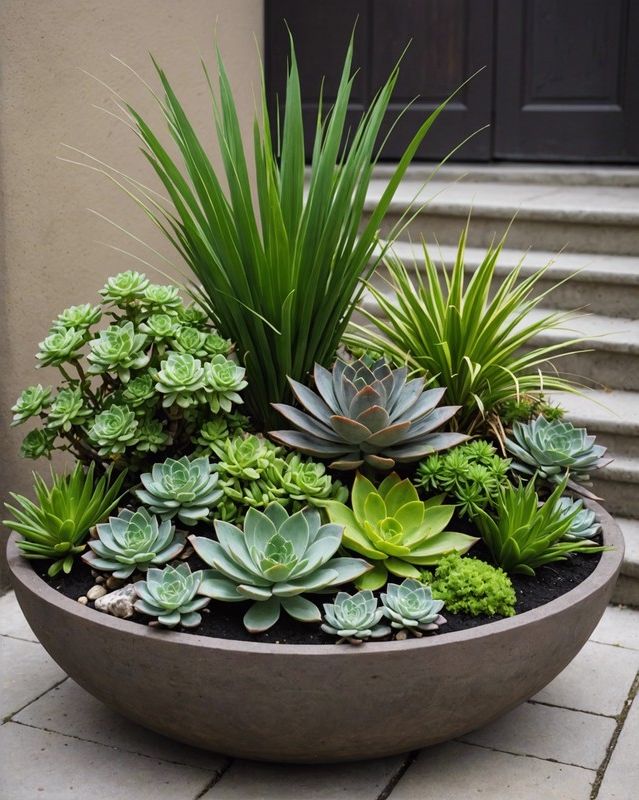
Let’s create a stunning visual display by mixing the bright green of lemongrass with the natural tones of succulents in a chic planter. Sounds like a beautiful combination, right?
Lemongrass, with its graceful blades, adds a touch of elegance, while succulents, with their diverse shapes and textures, introduce charm and interest.
This harmonious pairing not only adds aesthetic appeal to your patio but also provides a fragrant ambiance thanks to the citrusy aroma of lemongrass.
Growing Lemongrass and Vegetables in a Raised Bed
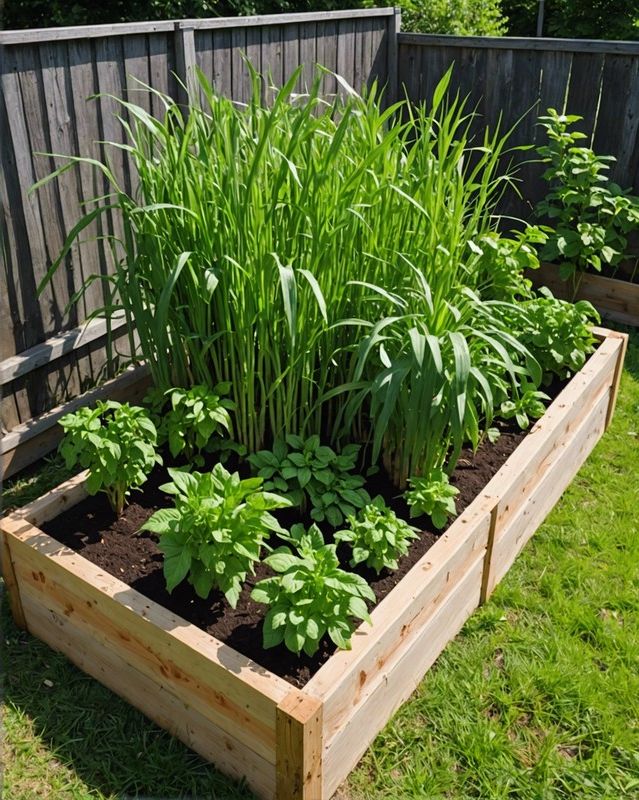
When you’re planting lemongrass and veggies in a raised bed, don’t forget about companion planting!
If you’re growing lemongrass, it would be awesome to plant it next to some tomatoes, peppers, cucumbers, or eggplant. They make great pals and will thrive together!
These plants will love having some lemongrass around to keep pesky bugs away!
Oh, and don’t forget, lemongrass can also work wonders for the soil by improving its quality and helping with drainage!
Did you know that lemongrass can be a bit of a wild one? To keep it from taking over your yard, it’s a good idea to plant it in a pot or raised bed. That way, you can enjoy its benefits without it getting out of control.
Planting Lemongrass Near Fruit Trees in Containers
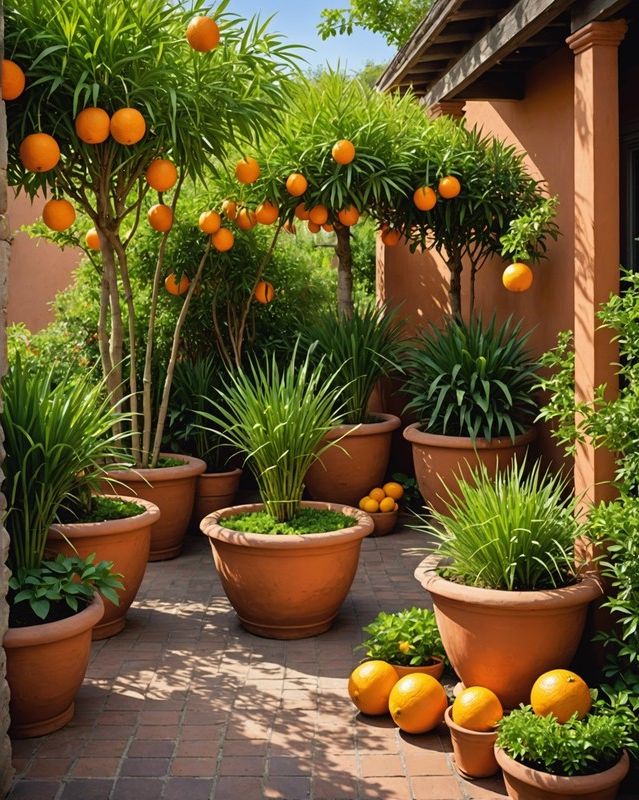
Want a refreshing touch of lemongrass and the delectable taste of fruit trees on your patio?
Consider growing them in containers.
Lemongrass is amazing with its fragrant leaves, and fruit trees like cute little citrus trees or sweet berries absolutely love to grow in big plant pots filled with soil that drains well.
How about finding a nice, sunny spot for them where they can soak up at least six hours of sunlight every day?
Water regularly, especially during hot, dry weather.
Fertilize lightly every few weeks during the growing season.
With proper care, your container-grown lemongrass and fruit trees will provide you with flavorful ingredients for years to come.
Mixing Lemongrass and Shrubs in a Patio Garden
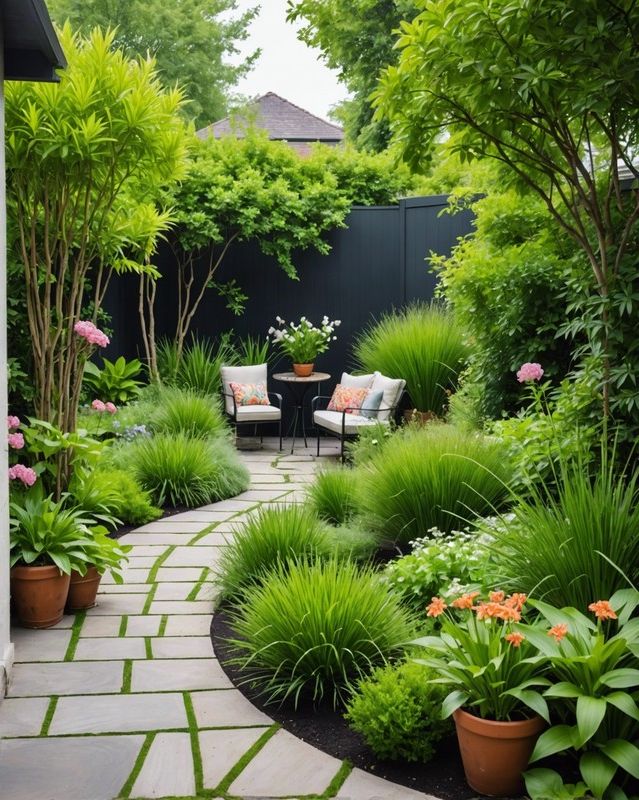
If you plant some lemongrass and shrubs in your patio garden, it will feel like your own little green paradise.
Lemongrass adds a touch of culinary delight, filling the air with a subtle citrus aroma.
I love how those long, elegant leaves bring a graceful touch of height to the garden.
Pair it with flowering shrubs like lavender or rosemary for a burst of color and fragrance.
These bushes not only give you some privacy on your patio but also help bring in some beautiful pollinators like bees and butterflies. It’s like having your own little buzzing oasis right outside your door!
Their compact nature makes them ideal for smaller spaces, creating a welcoming and aromatic ambiance.
Placing Lemongrass Near a Water Feature
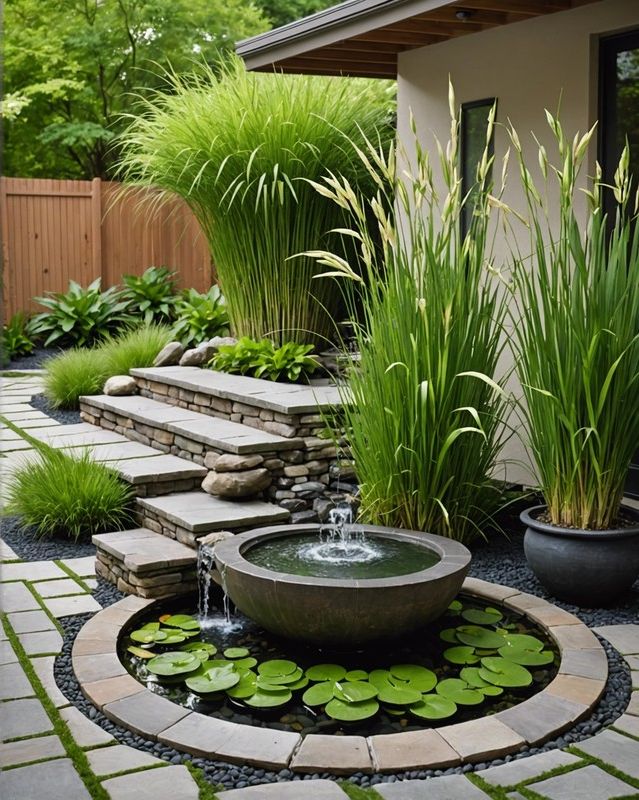
Picture this – a beautiful oasis right on your patio, thanks to the calming combination of lemongrass and a water feature.
The tall, slender leaves of lemongrass dance in the breeze, filling the air with a refreshing citrus scent. It’s like having your own little piece of paradise right outside your door!
Isn’t the sound of the trickling water from the fountain just so relaxing? It’s like a calming background melody.
Whether you’re enjoying a cup of tea or simply relaxing in the sun, this combination will help you create a tranquil oasis in your outdoor space.
Lighting Ideas for a Lemongrass Patio
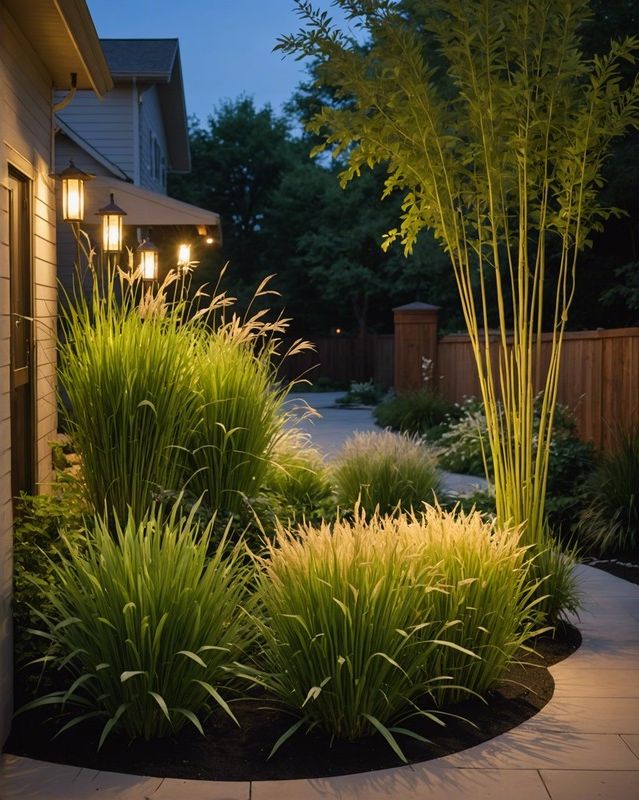
Lemongrass adds a touch of subtle fragrance to your patio while deterring mosquitoes and other pests. Plant it in containers or in the ground, spaced about 12 inches apart.
Its tall, slender stalks and narrow leaves create a lovely focal point, especially when illuminated by outdoor lighting.
Use spotlights to accentuate the stalks, or install low-voltage path lights along the edges of the planting area to create a soft glow.
Pairing Lemongrass With Wind Chimes
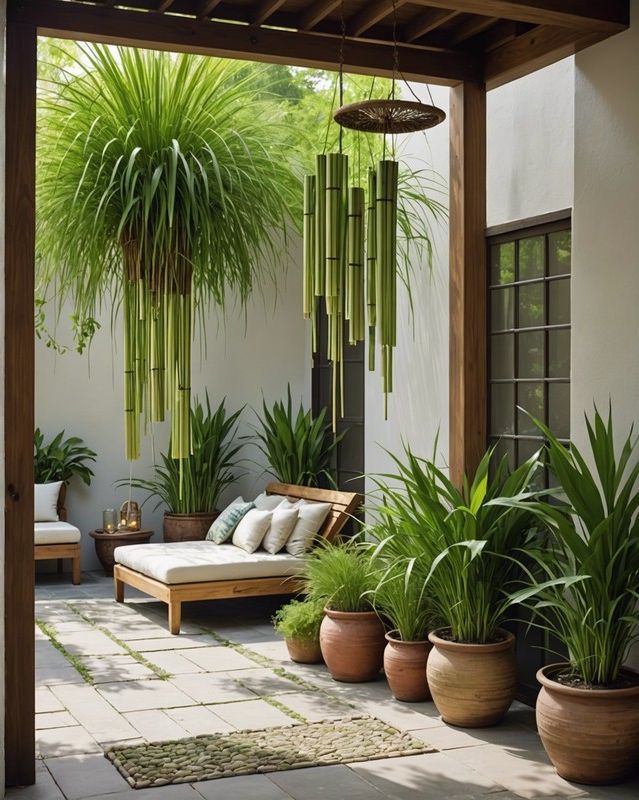
Citronella, a potent mosquito repellent, is produced by lemongrass.
If you have mosquitoes in your area, place a few lemongrass plants around your patio to keep them away.
Lemongrass is easy to grow and doesn’t require a lot of attention.
This plant is so pretty with its long, skinny leaves and delicate little flowers. Don’t you just love it?
If you want to make your patio feel extra peaceful and charming, you might want to think about hanging some wind chimes close to your lemongrass plants. It can really add a lovely touch to the atmosphere!
When you hear the soft chimes, it’s like a signal that it’s time to relax. And with the lovely scent of lemongrass wafting through the air along with the chimes, those pesky mosquitoes won’t stand a chance!
Setting Lemongrass Beside a Fountain
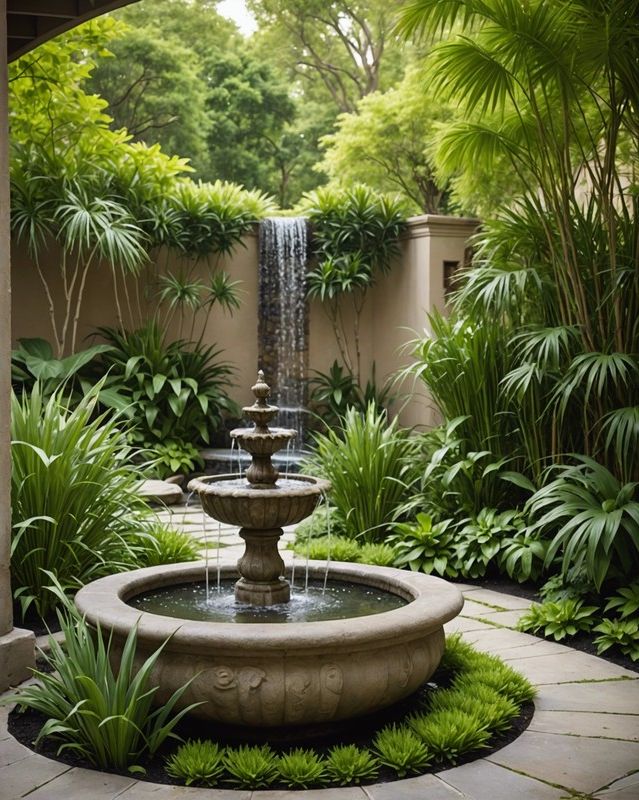
Incorporate fountains with your lemongrass plants to create a tranquil and fragrant oasis on your patio. The soothing sounds of flowing water complement the refreshing aroma of lemongrass, creating a relaxing ambiance.
The fountain’s mist also helps maintain the plant’s humidity, promoting healthy growth.
Plus, the water feature adds a touch of elegance and visual interest to your outdoor space, transforming it into an inviting sanctuary.
Combining Lemongrass and Bird Feeders
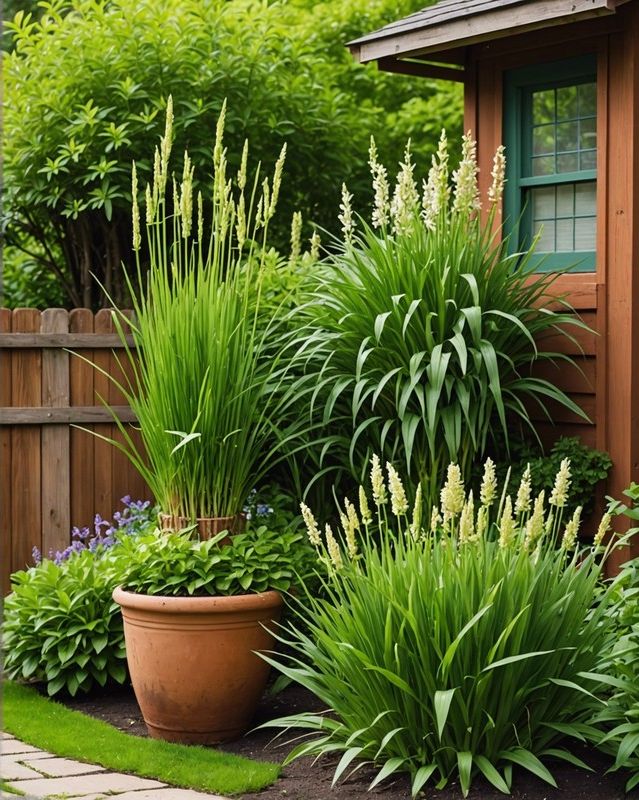
Have you ever thought about adding lemongrass to your backyard bird feeder setup? It’s a great plant for the patio and can really help out our feathered friends.
The tall, fragrant stalks not only act as a natural windbreak, but they also offer a safe hiding spot from any predators lurking around. It’s like a cozy little retreat for the birds in your yard!
Lemongrass is known to repel mosquitoes and other flying insects, making it an excellent choice for keeping your bird feeders free of unwanted guests.
Consider planting lemongrass in a container near your bird feeders. This will allow you to move the plant around as needed to provide optimal protection for your feathered friends.
Using Lemongrass Alongside Garden Sculpture
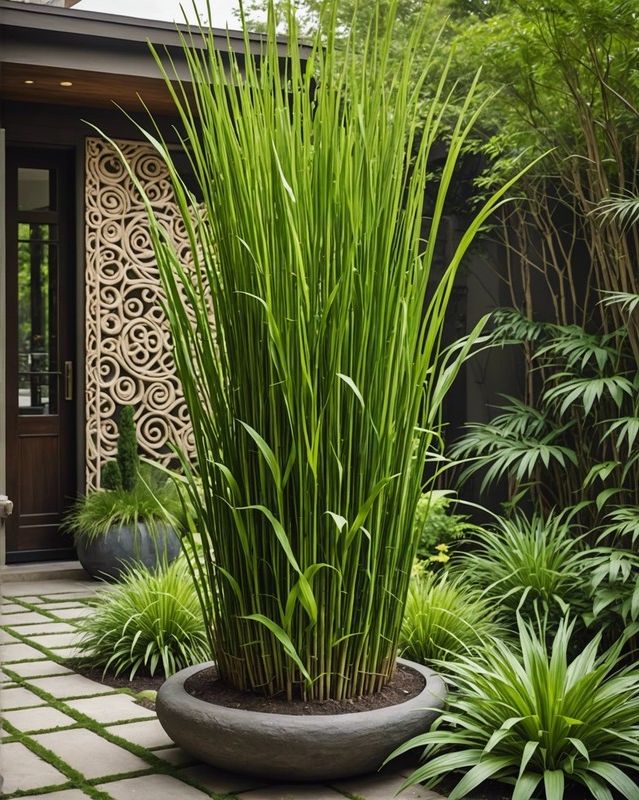
Lemon Grass can be a fascinating medium to add whimsical flair to your patio.
Its tall stalks and vibrant green hue make it an eye-catching element in any outdoor space.
Have you ever thought about turning these stalks into cool sculptures? They could be great as eye-catching pieces or even as something fun to talk about with your friends.
Arrange them in abstract shapes, weave them into intricate patterns, or create life-like figures to bring a touch of whimsy to your patio.
Let your creative juices flow and try using Lemon Grass to turn your outdoor area into a beautiful masterpiece!
Lining Stepping Stones With Lemongrass
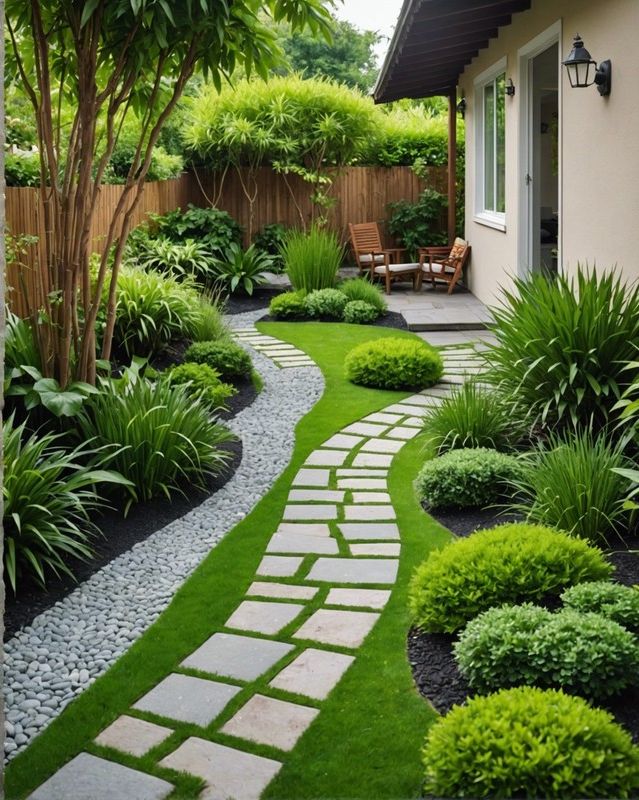
Create a serene path through your patio with stepping stones and lemongrass.
Plant lemongrass around the stones, spacing them evenly.
As the lemongrass grows, its tall stalks and lush green leaves will create a natural border, guiding you along the path.
The lemongrass will also release a refreshing citrusy scent, adding a touch of aromatic ambiance to your outdoor space.
Arranging Lemongrass Around Outdoor Furniture
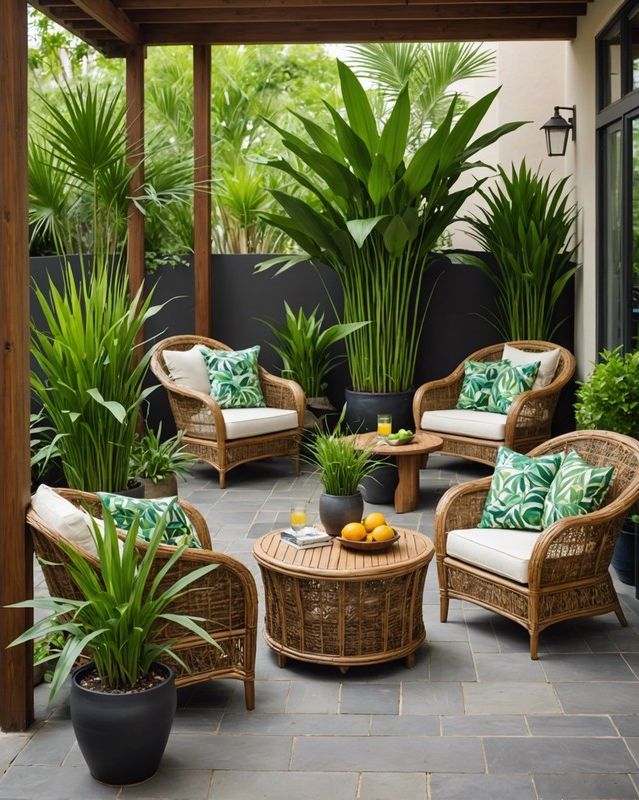
If you’re looking to bring some nature and a bit of freshness to your outdoor furniture, lemme tell ya, lemmegrass is just the thing you need!
Its long, slender leaves create a lush, tropical atmosphere, while its refreshing citrus scent can help to ward off insects.
You can plant lemongrass in containers or directly in the ground.
If you decide to plant it in pots, make sure to use some good quality soil that drains well and don’t forget to water it often.
Lemongrass prefers full sun but can also tolerate partial shade.