
Epsom salt is a simple mineral compound that can give plant growth and overall health a real boost.
Some garden favorites actually respond in a big way to a small sprinkle of Epsom salt.
Curious which plants actually benefit from Epsom salt? Roses, tomatoes, houseplants, herbs, and more all make the cut. Here are the top 10, along with how this mineral supports their growth and overall development.
Roses
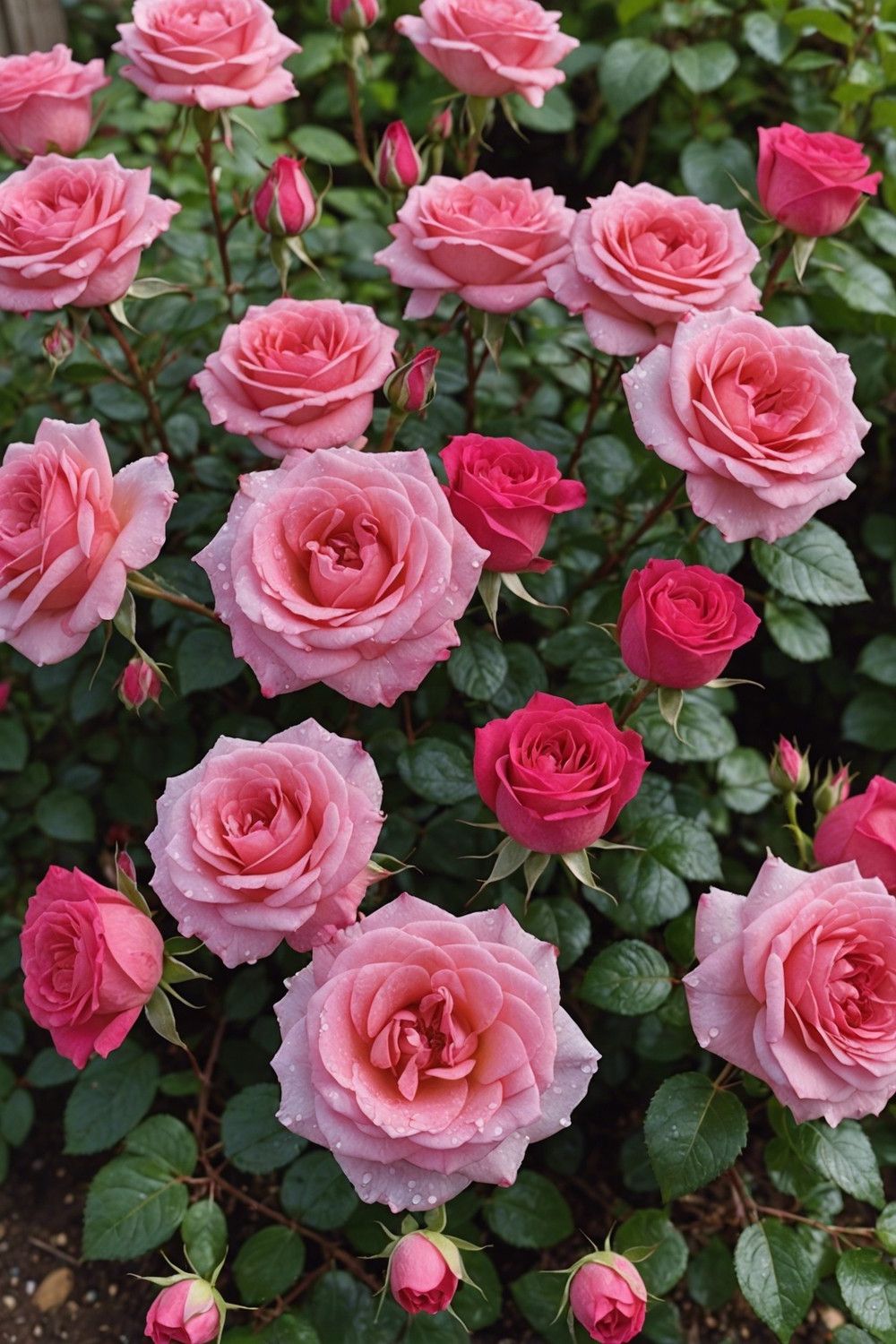
Few garden flowers respond to Epsom salt quite like roses do.
Magnesium is the key mineral here, and it strengthens cell walls inside the plant so roots can pull in more nutrients and grow stronger.
Stronger roots mean rose bushes push out more blooms, and those flowers tend to open bigger and hold richer color.
Once you start feeding roses Epsom salt, the changes show up fast: deeper fragrance, bolder petal color, and noticeably more flowers per bush. Many gardeners apply it in spring as new growth begins, then again after the first bloom cycle.
Tomatoes
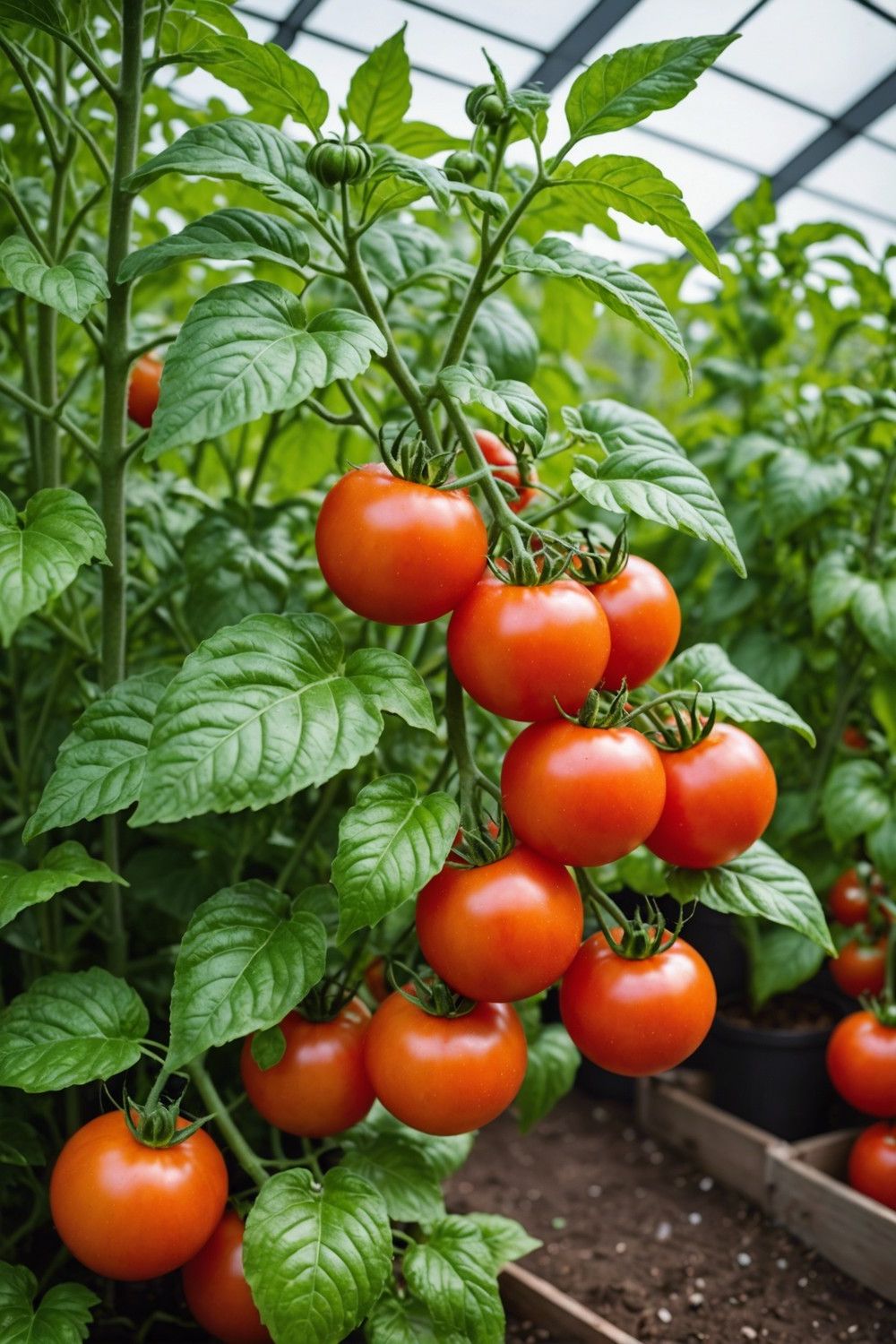
Few vegetable garden staples benefit from Epsom salt as much as tomatoes.
As the plants develop, they pull magnesium and sulfur from the soil to build flavorful fruit and stay healthy along the way.
That steady mineral supply works like a natural nutrient boost right from the soil.
Adding Epsom salt to the soil supplies magnesium and sulfur that tomato plants need to size up their fruit, resist blossom-end rot, and stand up better against common diseases.
Think of it as a low-cost nutrient boost for your vegetable patch.
Peppers
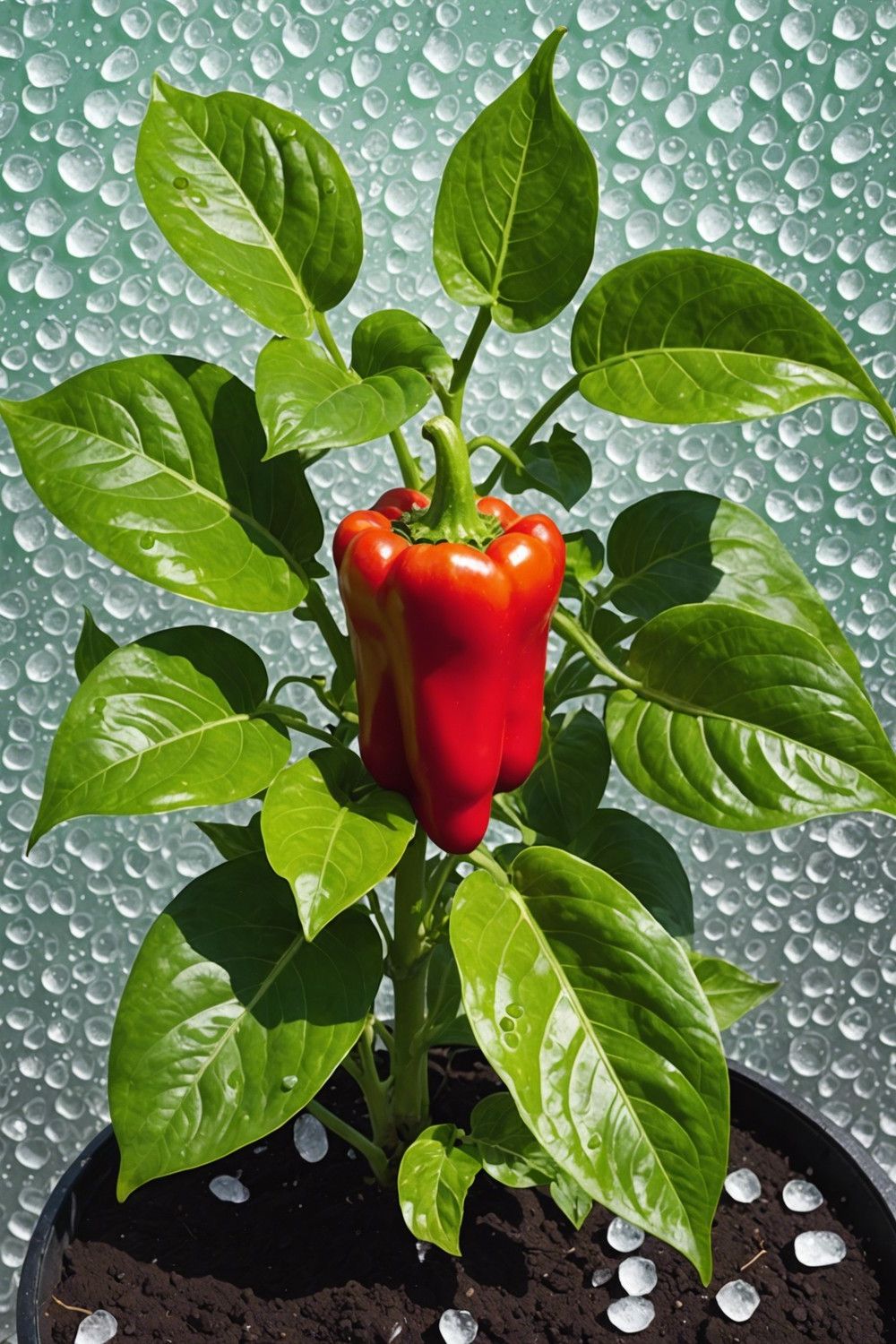
Sweet bell peppers and fiery hot varieties alike respond strongly to a dose of Epsom salt.
The magnesium and sulfur in this mineral blend fuel fruit and flower production, giving pepper plants exactly what they need during their growing season.
Peppers need a steady, consistent supply of these two nutrients throughout the growing season to deliver a heavy harvest.
Epsom salt supports better seed germination, pushes along overall plant growth, and sharpens the flavor and color of the finished peppers.
Cucumbers
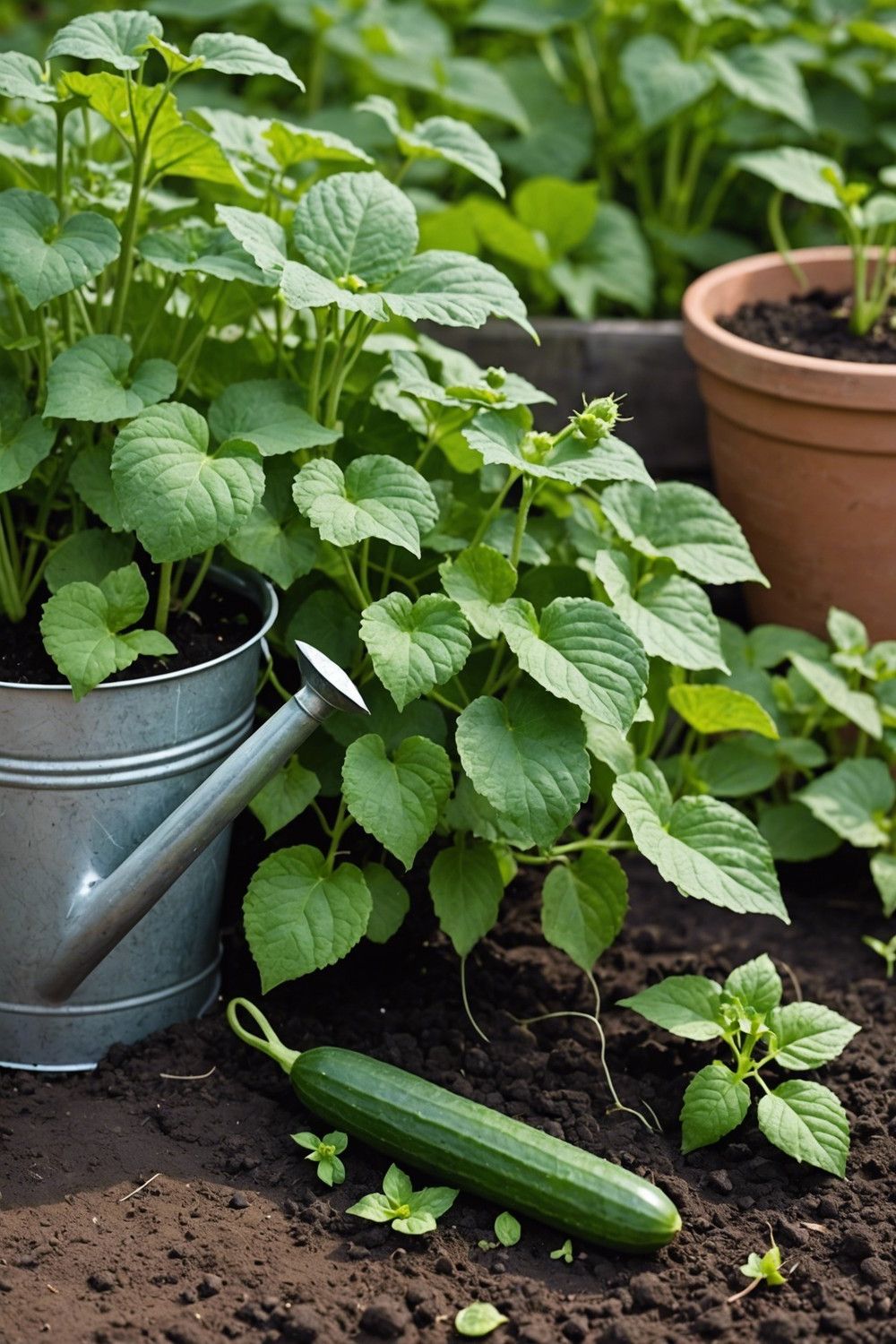
Cucumber vines lean heavily on the magnesium and sulfur in Epsom salt, and both nutrients support better overall health and higher yields.
Regular applications leave cucumber plants sturdier, more productive, and noticeably better-tasting by harvest time.
Mix a tablespoon of Epsom salt into the soil at planting time, then repeat the treatment once a month through the growing season for the best results.
Squash
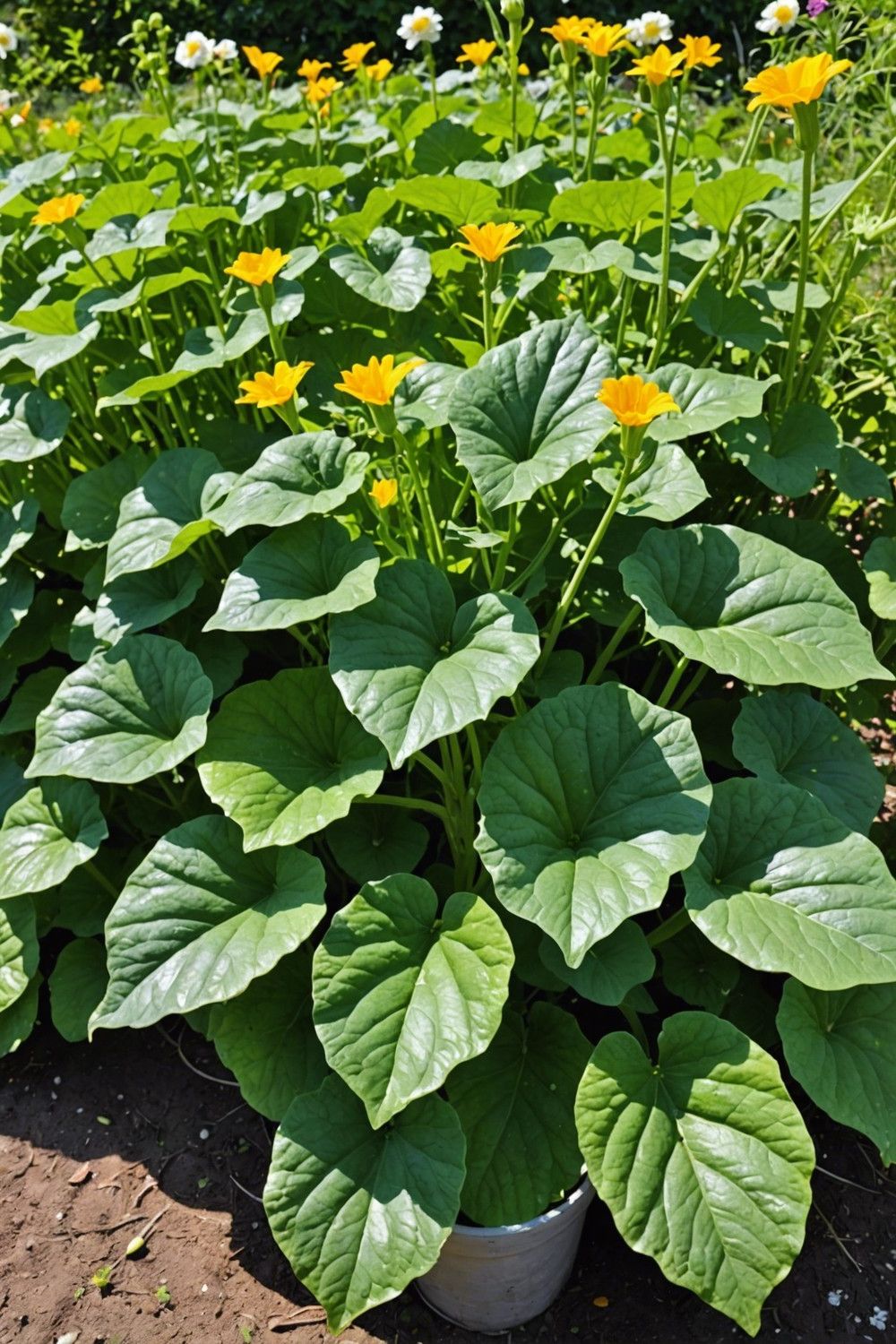
Summer squash plants take to Epsom salt like it’s their favorite seasonal snack.
This mineral-rich salt supplies magnesium and sulfur, two nutrients that drive stronger overall plant growth.
A light sprinkle around the base of squash plants helps roots pull in more nutrients and grow deeper, which leads to healthier leaves and a bigger fruit yield.
Carrots
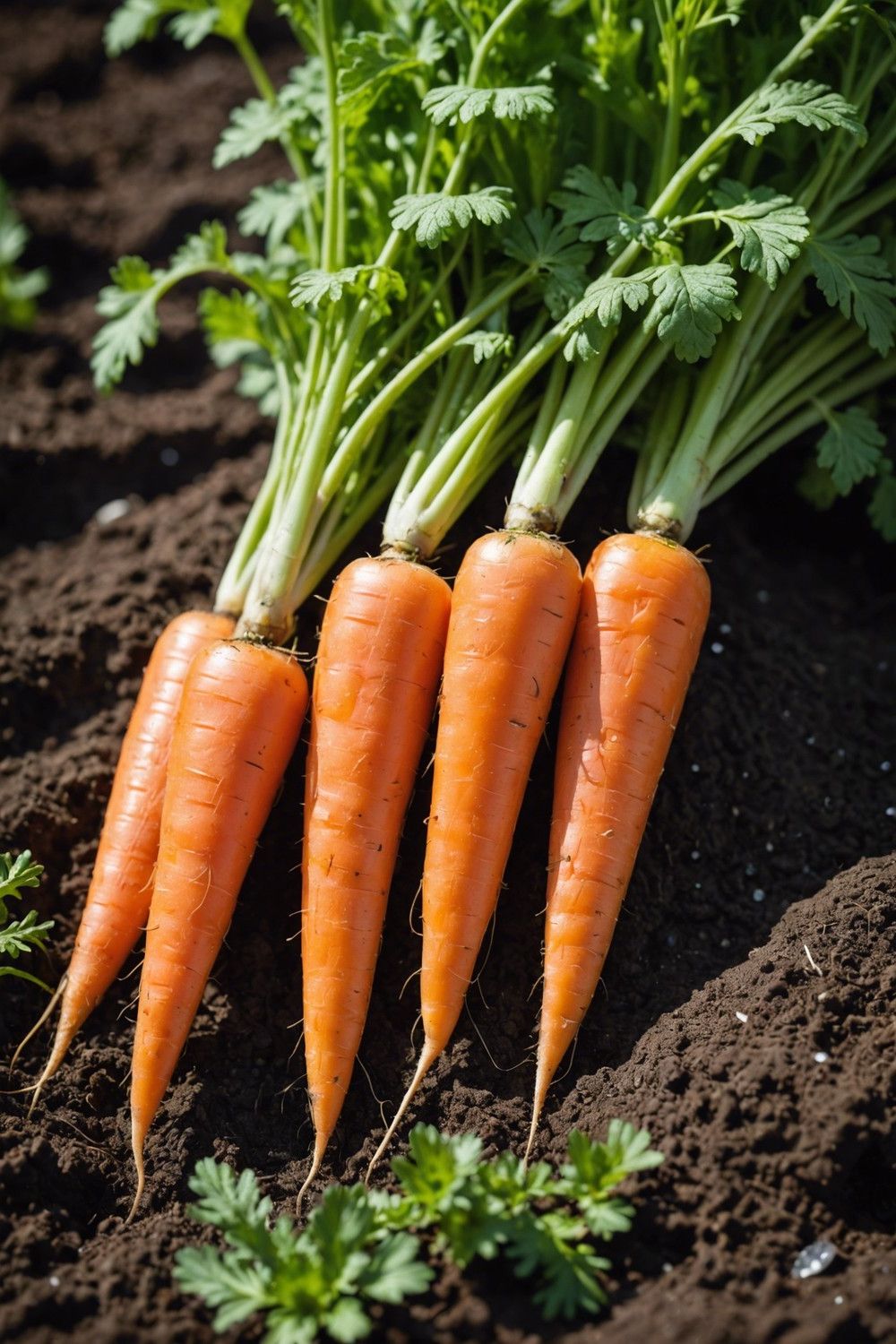
Root vegetables like carrots see major benefits from regular Epsom salt applications.
Magnesium works the soil loose and boosts nutrient absorption, which translates into stronger, healthier root development below the surface.
The payoff is a carrot harvest that’s both sturdier and noticeably sweeter.
Sulfur, also present in Epsom salt, helps carrots build the enzymes they need for protection and steady growth.
Radishes
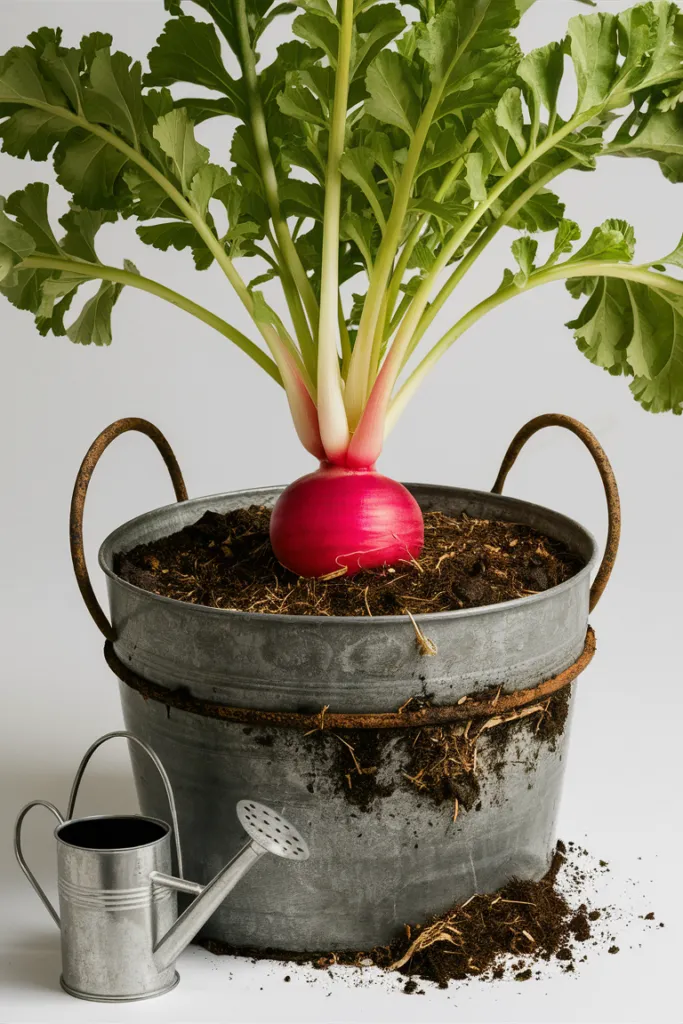
Magnesium deficiency hits radishes hard, showing up as stunted growth, yellowing leaves, and weak root formation.
Because Epsom salt is loaded with magnesium, it corrects these deficiencies and supports healthy roots, sturdier stems, and a bolder, more peppery flavor.
Radishes treated with Epsom salt grow faster, size up bigger, and bring more flavor to salads and quick garden snacks alike.
Houseplants Like Peace Lilies and Spider Plants
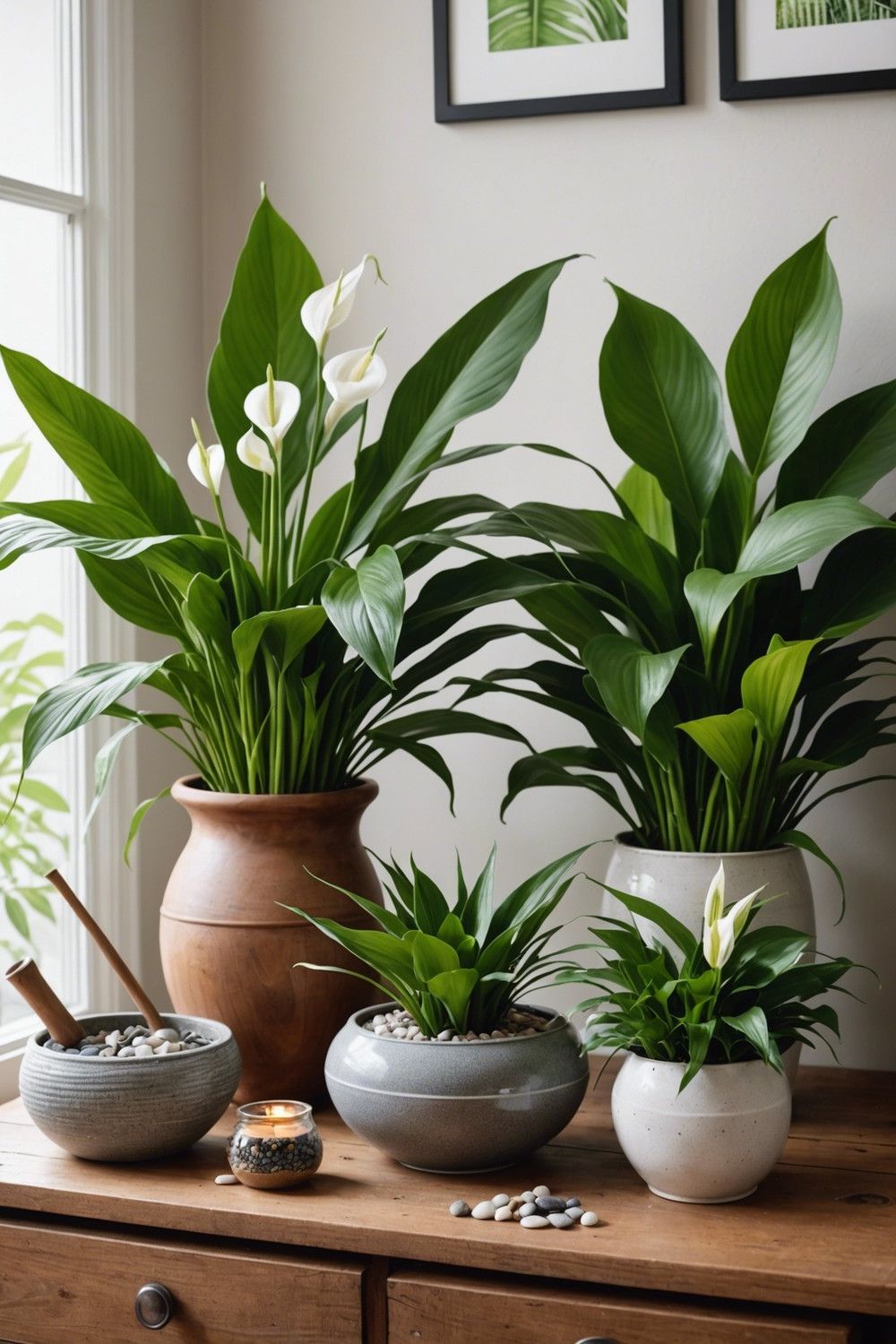
Peace lilies and spider plants both respond well to an occasional dose of Epsom salt, staying lush and thriving indoors with minimal extra care.
These plants are notorious for absorbing harmful toxins and pollutants from the air, and Epsom salt helps to replenish their magnesium and sulfur levels.
If you start adding some Epsom salt to your plant watering routine, you’ll see them grow like crazy! Their leaves will be lusher, and they’ll bloom like never before. It’s like giving them a little extra boost of vitamins. Give it a try and see the difference!
In fact, Peace Lilies are known to bloom more frequently when Epsom salt is present, and Spider Plants will produce more offsets and variegated leaves.
Basil
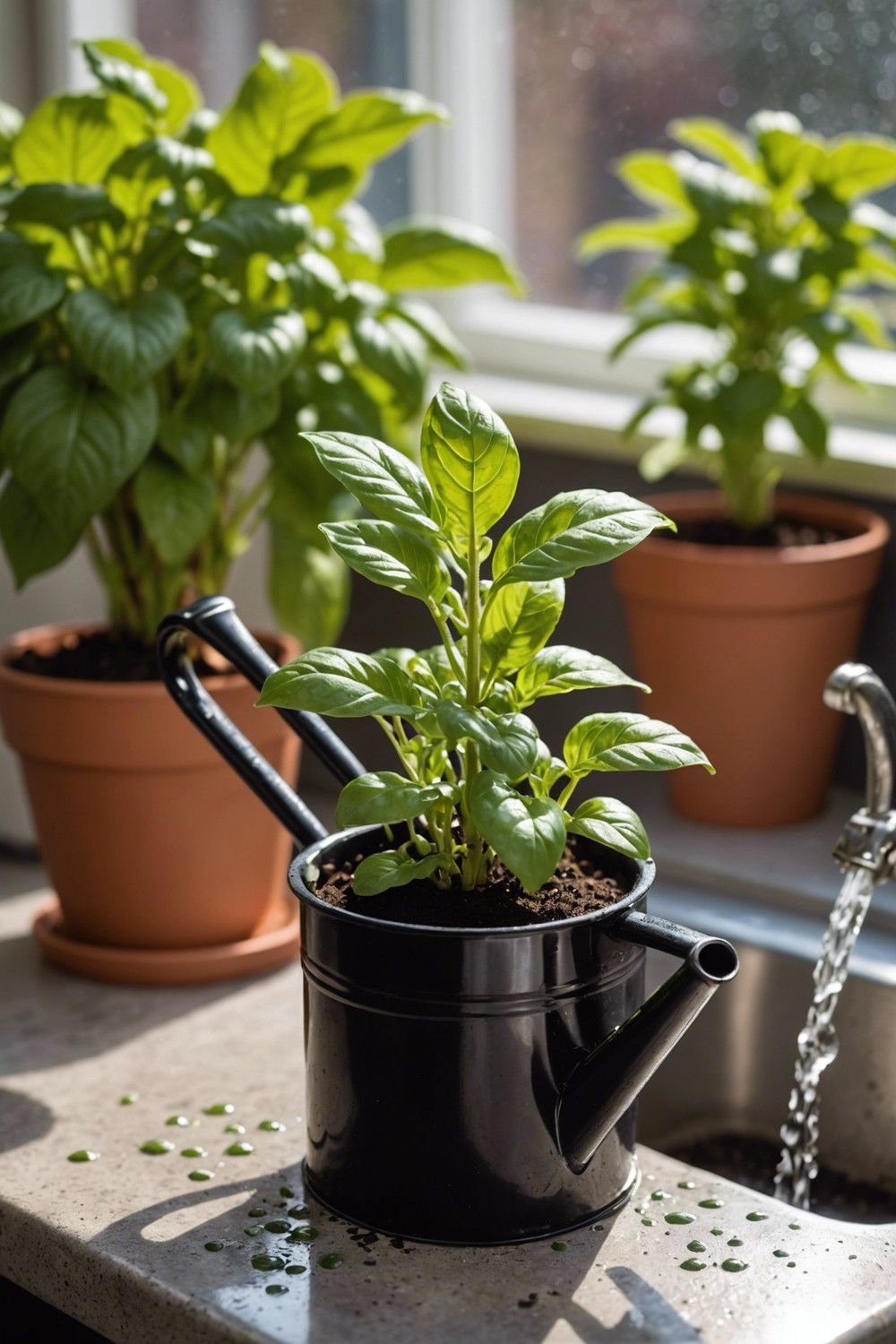
Basil is super popular in cooking, especially in Italian and Thai recipes. People just love adding it to their dishes for that extra burst of flavor!
This fragrant herb loves Epsom salt and will thrive when it’s added to the soil.
Did you know that Epsom salt is like a secret ingredient for helping basil plants thrive? It’s packed with magnesium, which is great for making them grow big and healthy.
Plus, it can even give their leaves a boost in flavor. So, go ahead and sprinkle some Epsom salt around your basil plants and watch them flourish!
With Epsom salt, basil plants will have better water uptake, reducing the risk of disease and pests.
Geraniums
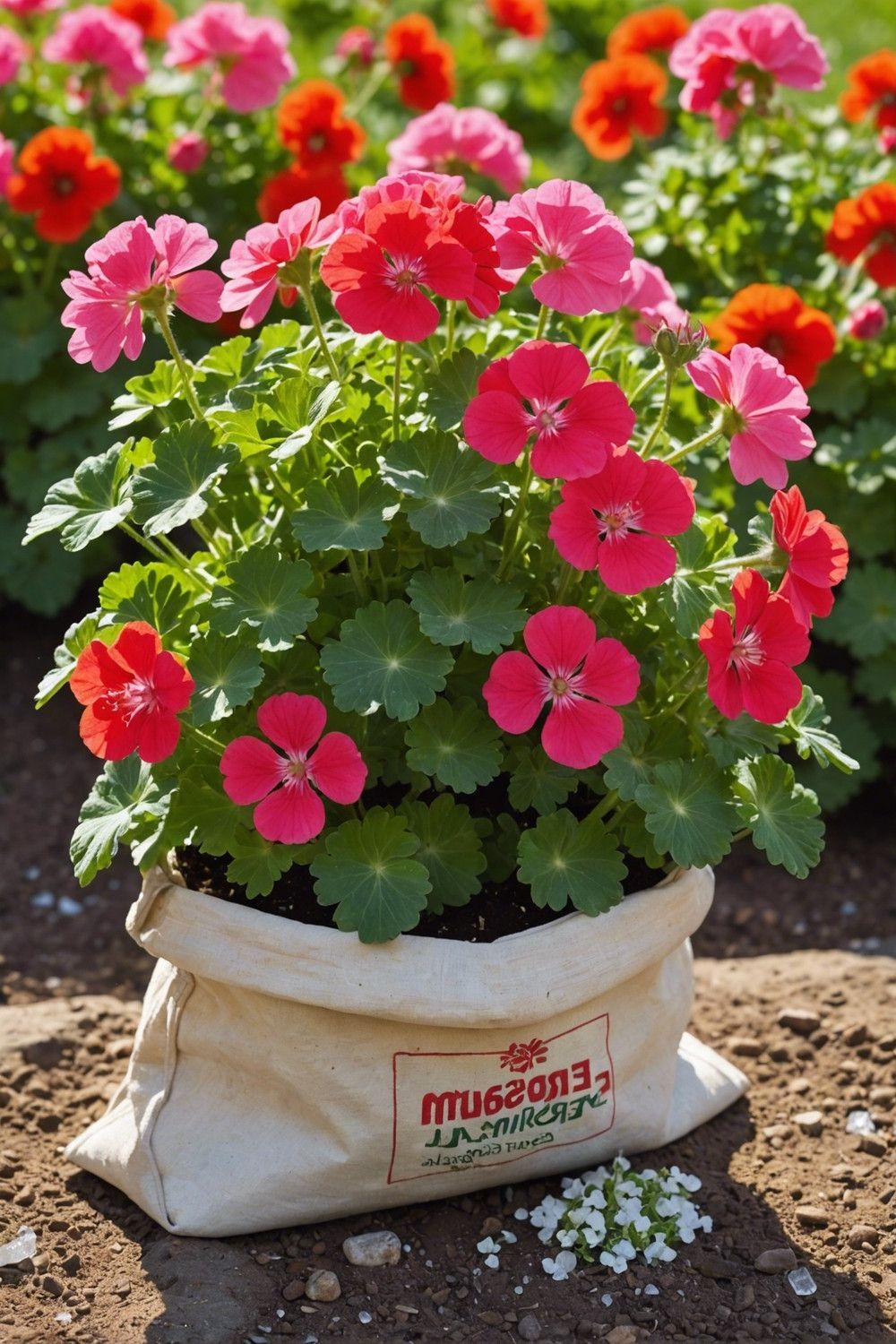
Geraniums thrive in well-draining soil with a slightly acidic pH, making Epsom salt an ideal additive to their soil.
This beautiful plant just can’t get enough of that magnesium boost from Epsom salt! It really helps them produce the most gorgeous flowers and keeps them free from any nasty blossom-end rot.
By incorporating Epsom salt into their care routine, geranium enthusiasts can expect an increase in vibrant blooms and a decrease in common problems like yellowing leaves.