Hey there, fellow gardener! I’ve spent years working with raised beds, and I’ve watched plenty of beginners stumble into the same traps. Some build their beds way too tall, others skip prepping the soil, and both mistakes cost them a good harvest. Let’s walk through 15 common raised bed gardening mistakes so you can sidestep them in your own backyard.
Stick with me here, and by the end you’ll know exactly what to avoid so your raised beds produce a strong, healthy harvest all season long.
1. Building Raised Beds Too Tall
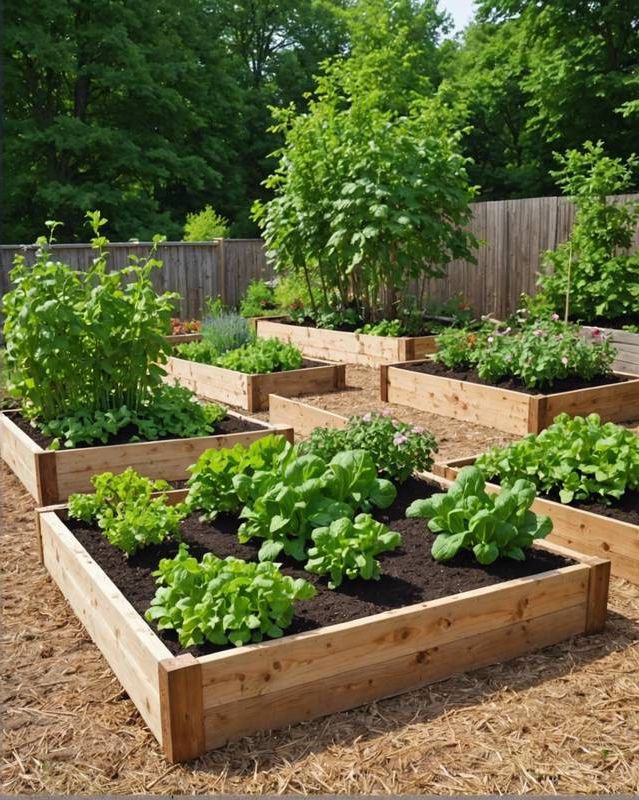
A raised bed built too high creates several problems for your garden right from the start.
Roots struggle to reach water and nutrients deep in an overly tall bed, and that struggle shows up as stunted growth and thin yields.
Tall beds also tend to wobble, particularly on windy days, and that instability can shift soil around and damage the plants inside. It’s a detail beginners rarely think about until it happens.
Reaching in to weed or harvest becomes awkward once a bed climbs too high for comfortable access.
Stick to a height between 12 and 18 inches. That range keeps roots close to nutrients and lets you tend the bed without straining your back.
2. Skipping Raised Bed Soil Amendments
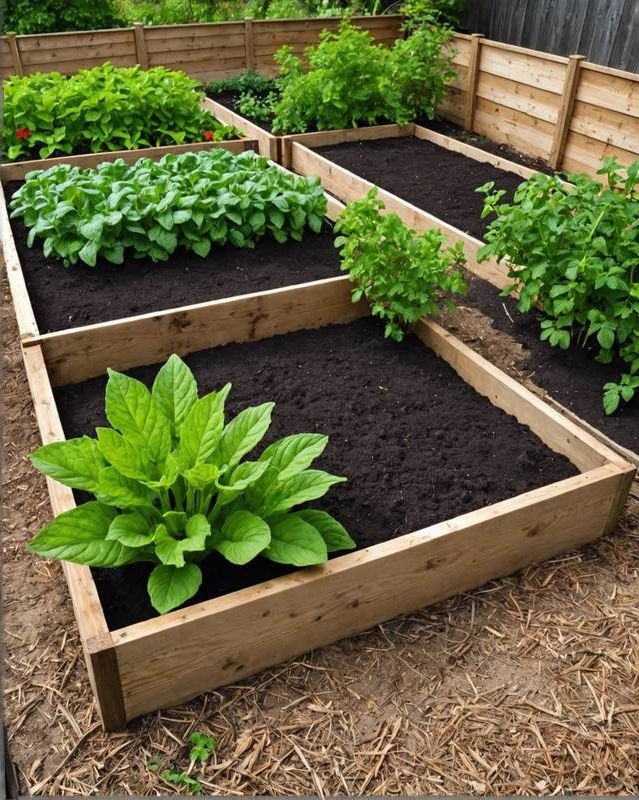
Good soil amendment sets the foundation for strong plant growth in any raised bed.
Beginners often skip this step, and the result is usually slow growth and disappointing yields by midsummer.
Mix compost or aged manure into the soil before planting. Both add nutrients and improve drainage, which lets roots breathe and spread more easily.
Compacted, nutrient-poor soil makes it hard for roots to establish, and weak roots struggle to pull in the water and minerals plants need.
Left unaddressed, this problem builds over a season, and you’ll notice fewer vegetables coming out of the bed by harvest time.
Take the time to amend your soil before the first seed goes in. That single step shapes how well your entire garden performs.
3. Overwatering Your Plants

Giving plants too much water ranks among the most common beginner errors, and almost everyone does it at some point.
A raised bed should stay evenly moist, not soggy. Excess water drowns roots, blocks healthy growth, and leaves plants more open to disease.
Water on a steady schedule, and ease up during cooler stretches when plants use less moisture.
Check the soil an inch or two below the surface if you’re not sure whether it’s time to water again.
Dry soil at that depth means it’s time to give the bed a drink.
4. Skipping Proper Drainage
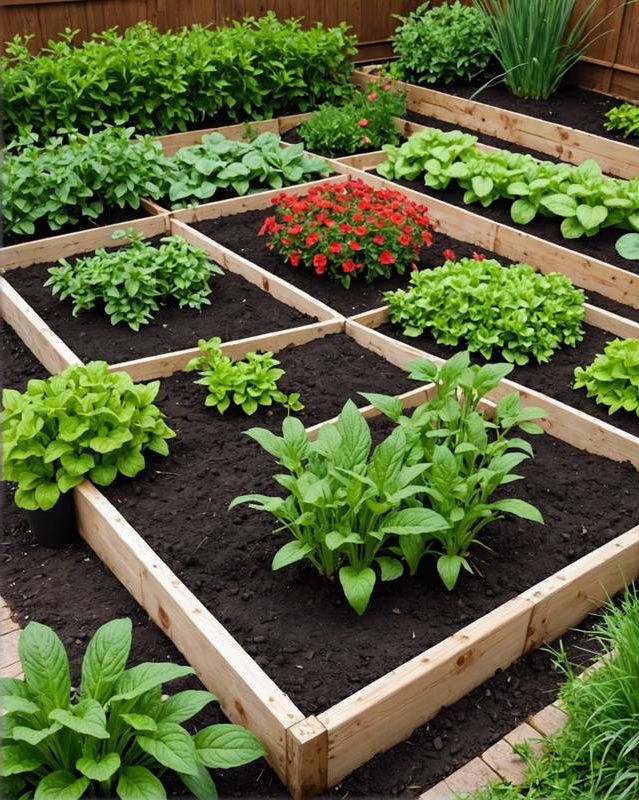
Without drainage holes, a raised bed traps water, and that trapped moisture leads to root rot and other plant diseases. Waterlogged soil starves roots of the oxygen they need.
Wilting leaves, yellow foliage, and slow growth often point to a drainage problem before anything else.
Drill or cut holes in the base of the bed, and set it on ground with a slight slope so excess water can run off freely.
5. Spacing Plants Too Closely

Packing plants tightly is a common beginner habit, and it forces them to compete for sunlight, water, and nutrients.
That competition shows up as stunted growth, smaller harvests, and plants more prone to pests and disease.
Follow the recommended spacing for each vegetable or flower, and thin out seedlings once they sprout to give the strongest ones room to grow.
Proper spacing keeps air moving through the bed and gives every plant a fair shot at full size, which boosts your total yield.
6. Getting Fertilizer Wrong
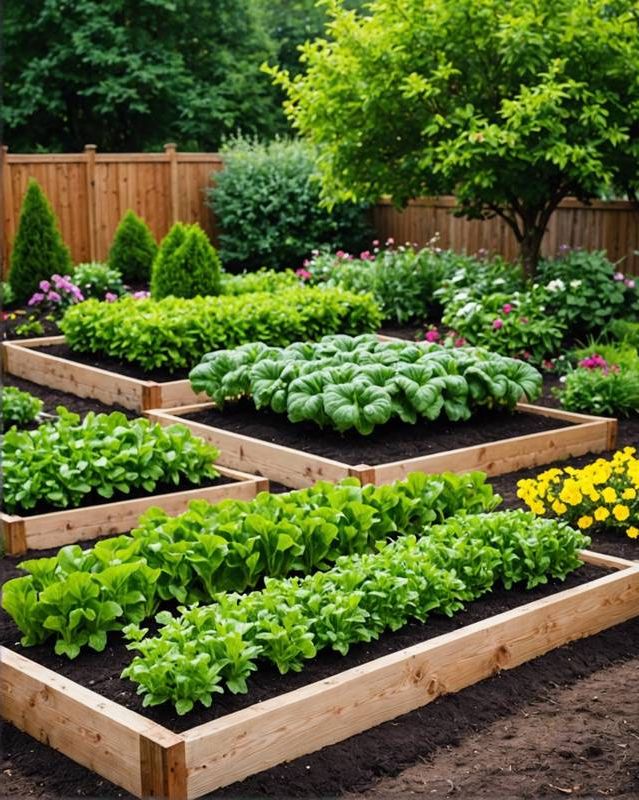
Too much fertilizer causes nutrient burn, weak growth, and sometimes kills plants outright, even though feeding them seems like the responsible thing to do.
Start with a light dose if you’re uncertain, then adjust upward gradually based on how the plants respond.
Match the fertilizer to what you’re growing, and watch the nitrogen level closely. Too much nitrogen produces leggy, weak plants with few flowers or fruits.
7. Leaving Plants Unprotected From Pests

Pests can wreck a raised bed fast, chewing through leaves, spreading disease, and undoing weeks of careful tending.
Skip pest protection and you’re likely looking at a thin, disappointing harvest by season’s end.
There are a number of things you can do to protect your raised bed plants from pests. Using row covers is a great way to keep insects away from your plants.
You can also use companion planting to deter pests.
Certain plants, such as marigolds and nasturtiums, can help to repel pests. Additionally, you should regularly inspect your plants for pests and remove any that you find.
8. Forgetting to Rotate Crops

Crop rotation is an essential gardening practice that helps maintain soil health, prevent disease, and maximize yields.
Hey there! Just a friendly heads up – if you stick to planting the same crops in the same spot without mixing it up, you might run into issues like sucking the nutrients out of the soil, getting hit with more diseases, and even drawing in more pests. Just thought you should know!
For instance, if you plant tomatoes in the same bed year after year, the soil can become depleted of nitrogen and potassium, making the plants more susceptible to diseases like blight and blossom end rot.
Oh, and another thing to watch out for are those pesky pests that love munching on tomatoes, like hornworms and aphids. If you keep planting tomatoes in the same spot over and over again, these little guys can really start to multiply in the soil. Just something to keep in mind!
By rotating crops, you distribute these issues over different parts of the garden, reducing their impact on any one bed.
9. Skipping Mulch in Your Beds
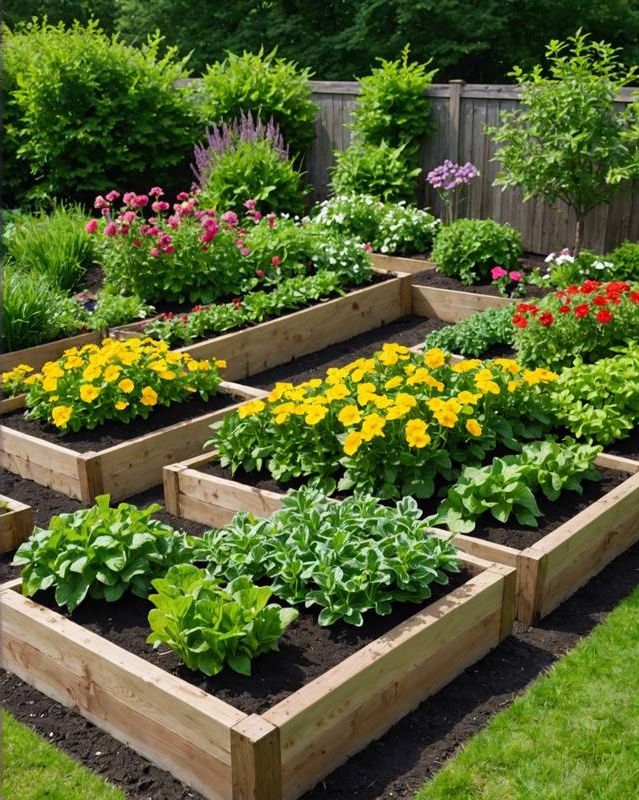
Mistake #11: Not Mulching Mulching provides a multitude of benefits for your raised bed, including moisture retention, weed suppression, temperature regulation, and improved soil health.
By skipping mulching, you lose out on these advantages and risk compromising the growth and overall well-being of your plants.
10. Starting With Unhealthy Plants

One thing we see a lot with newbies is they end up choosing plants that aren’t in the best shape. It’s totally normal, we’ve all been there! Just make sure to keep an eye out for those healthy, robust plants next time.
When you start with weak or diseased plants, you’re setting yourself up for failure.
Diseased plants are more susceptible to pests and diseases, and they will not produce as much food.
If you do end up with unhealthy plants, it’s best to remove them from your garden as soon as possible.
This will really help stop any sickness from spreading to your other plants.
11. Skipping the Hardening-Off Step
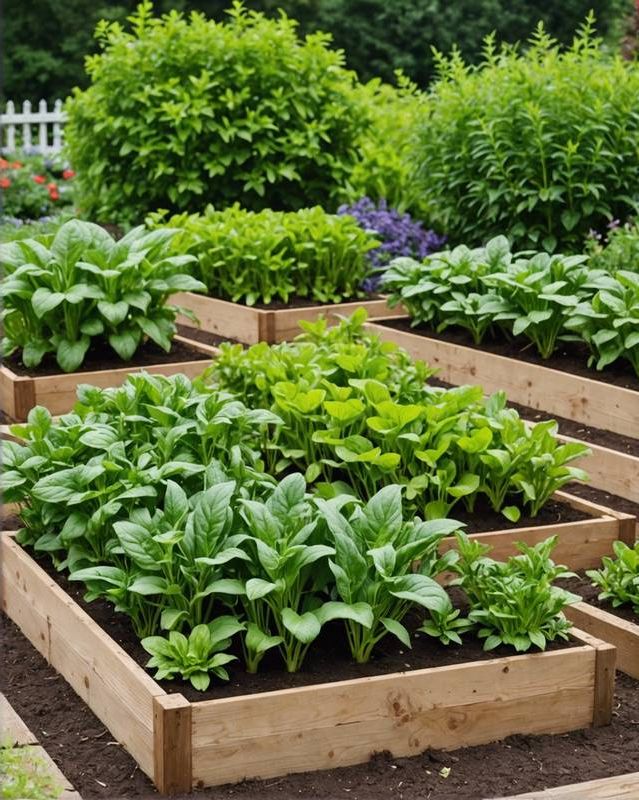
Hardening off plants is a crucial step before transplanting them outdoors. By gradually exposing them to outdoor conditions, you help them adapt to the real world and reduce transplant shock.
Skipping this process can lead to wilting, yellowing, and even death.
So, take your time and give your plants the love they need to thrive in their new home.
12. Ignoring Local Weather Conditions

Weather is a key factor in gardening success. Not paying attention to weather conditions can lead to a number of problems, including: Overwatering or underwatering plants Plants being damaged by wind or hail Plants being scorched by the sun Plants being killed by frost It is important to be aware of the weather conditions in your area and to adjust your watering and care accordingly.
For example, if you know that a storm is coming, you should water your plants deeply so that they have enough water to last through the storm.
You should also protect your plants from wind and hail by covering them with a tarp or moving them to a sheltered area.
13. Failing to Plan Your Garden
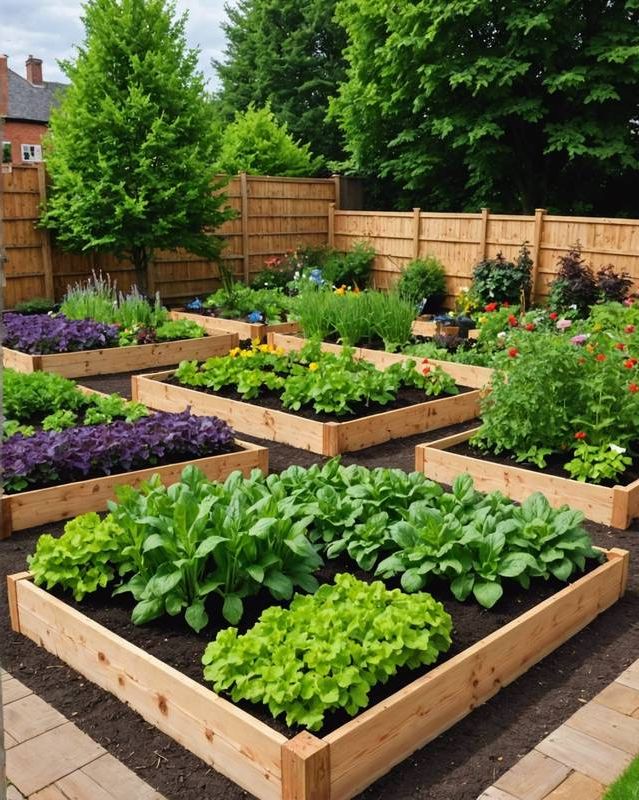
Lack of planning can derail your raised bed gardening adventure. Without a clear plan, you may end up with haphazard bed placement, inadequate soil preparation, or a chaotic mix of plants that compete for resources.
Take the time to plan the location, size, and orientation of your beds.
Think about how much sunlight your plants like and try to keep them together in the same spot. Oh, and don’t forget to really get that soil ready by mixing in some compost or manure to give them the best chance at growing well.
A well-planned raised bed will set the stage for a thriving and productive garden.
14. Letting Setbacks Discourage You

It can be easy to become discouraged if your vegetables aren’t growing as you hoped. Don’t give up! Gardening is a learning process.
Take some time to troubleshoot the problem.
Determine if your plants are getting enough sunlight, water, and nutrients. Make sure the soil is well-drained.
Once you’ve identified the issue, you can take steps to correct it and get your plants back on track.
15. Forgetting to Enjoy the Process
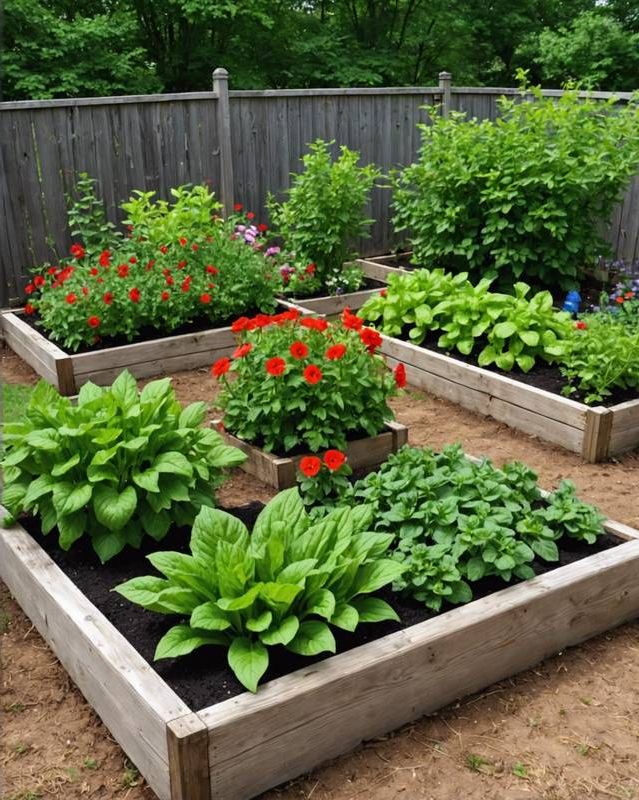
If you’re finding raised bed gardening more like a chore than a joy, it’s time to rethink your approach.
Gardening should be an enjoyable hobby, not a source of stress.
Consider if you’re biting off more than you can chew.
Start with a smaller garden size to reduce workload and make it more manageable.
It’s also crucial to choose plants that thrive in your climate and soil conditions.
By doing this, you’ll have less work to do in the garden and you can enjoy it without any stress.