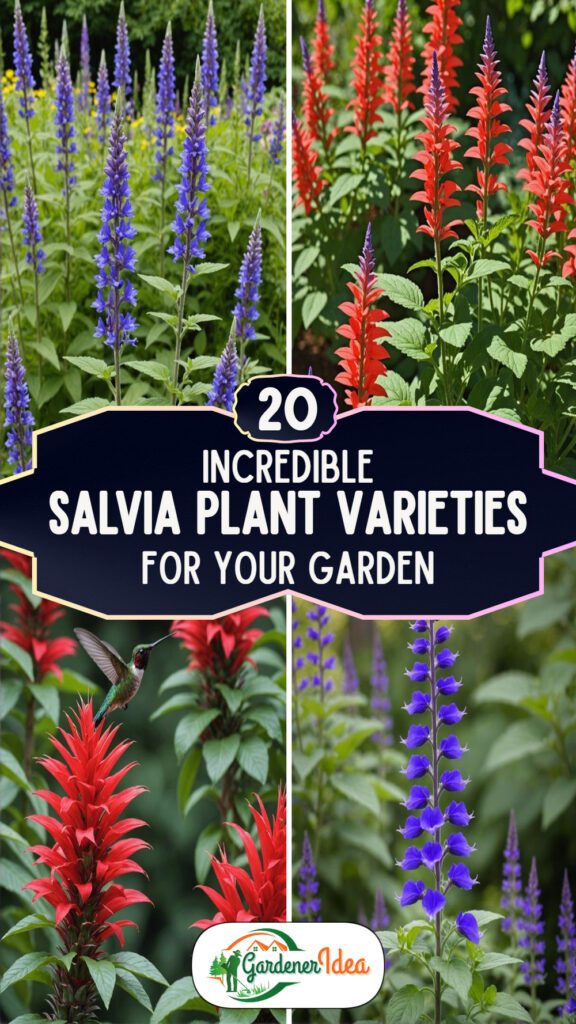
Gardening has been my hobby for years, and Salvia plants are the ones that really won me over. This genus includes 20 remarkable varieties, each with its own shape, color, and character. Somewhere among them, you’ll find one that fits your garden perfectly.
This diverse plant family ranges from Common Sage, prized in the kitchen, to Autumn Sage, known for its bold color. Together they bring a wide range of scents, textures, and shades that can change the feel of any outdoor space.
Salvia officinalis Common Sage Basics
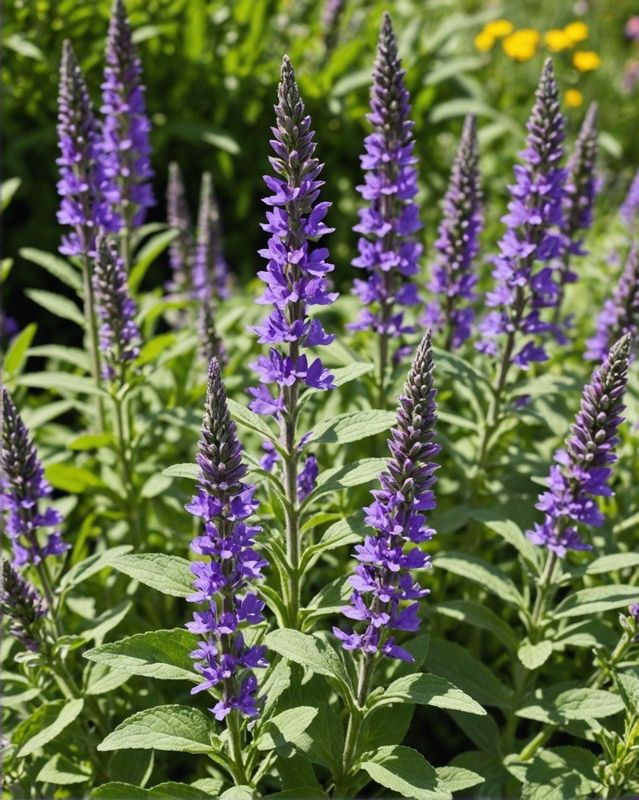
Common sage, known botanically as Salvia officinalis, earns its spot in the garden for more than just cooking. This herb pulls double duty, flavoring dishes while also offering a handful of medicinal uses gardeners have relied on for generations.
Crushed leaves release a strong, savory scent that works well in roasted meats and stuffing. The small purple flowers draw bees and other pollinators, turning a single sage plant into a mini habitat right in your yard.
People have turned to this herb for hundreds of years as a home remedy for sore throats, upset stomachs, and everyday stress. Its long history in folk medicine is part of why it remains a garden staple.
This herb earns its versatile reputation honestly. Beyond seasoning your cooking, it carries a mild calming quality that some gardeners use to wind down before bed.
Add in its long list of health benefits, and it’s easy to see why so many gardeners keep a patch growing near the kitchen door.
Salvia elegans Pineapple Sage Guide
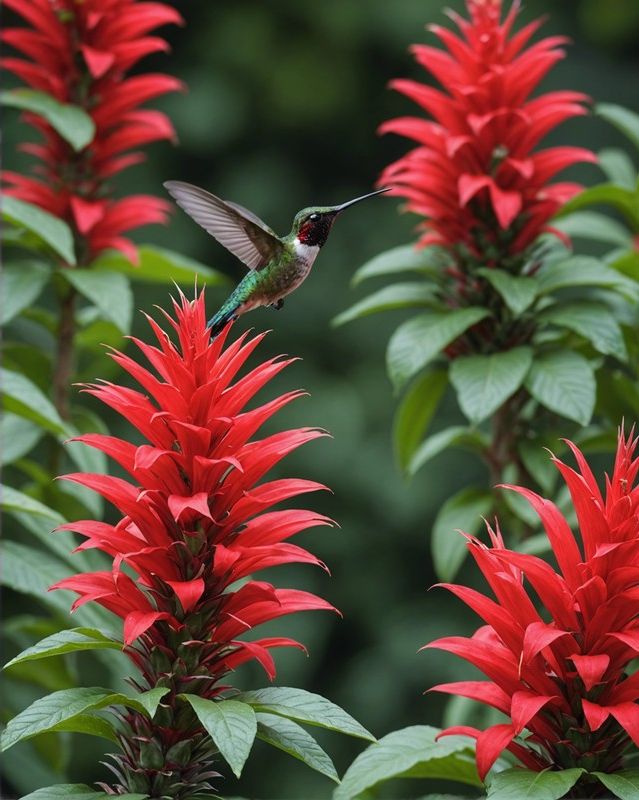
Salvia elegans, better known as Pineapple Sage, brings a tropical note to garden beds with its fragrant, textured leaves.
Brush against the foliage and you’ll catch a sweet, fruity scent close to fresh pineapple, a trait that makes this herb stand out from other sages.
By summer, bright scarlet flowers appear along its stems, drawing in hummingbirds and butterflies looking for nectar.
This herb grows without much fuss as long as it gets well-drained soil and full sun for most of the day.
Given the right spot, it can climb to 3-4 feet tall while staying easy to care for season after season.
Cooks use the leaves fresh or dried in teas, salads, and desserts, where they lend a distinct pineapple-like flavor you won’t get from common sage.
The flowers are edible too, and a few scattered over a fruit salad or mixed into a cold summer drink add color along with that same fruity taste.
Salvia microphylla Miniature Sage Overview
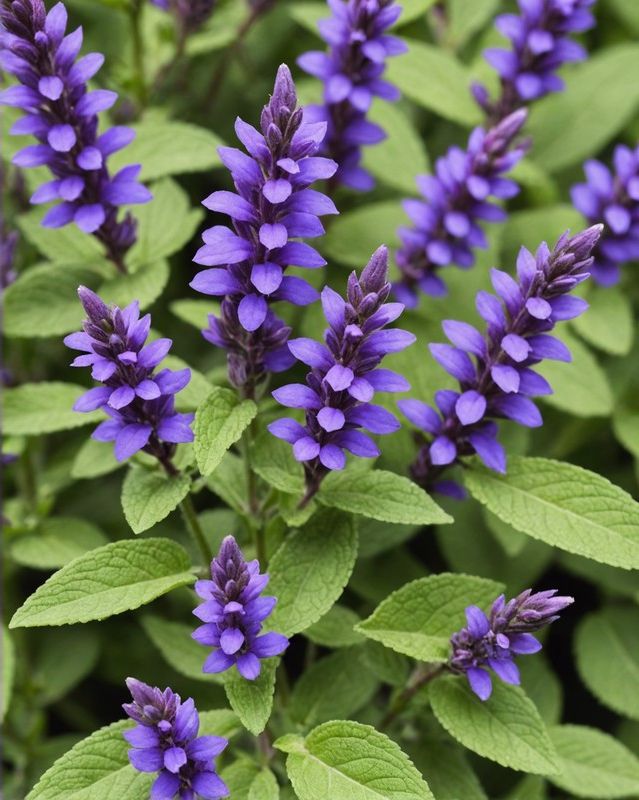
Salvia microphylla goes by the common name Miniature Sage, and it’s a compact evergreen shrub native to Mexico.
The name undersells it a bit, since a single plant can spread two to three feet across when it gets a spot with sun or light shade.
Grayish-green leaves and small purple flowers appear each spring on this easy-care plant, which asks for little beyond decent drainage.
Gardeners use it as groundcover, tuck it into rock gardens, or line garden beds with it as a border, making it one of the more adaptable sages on this list.
Salvia greggii Autumn Sage Highlights
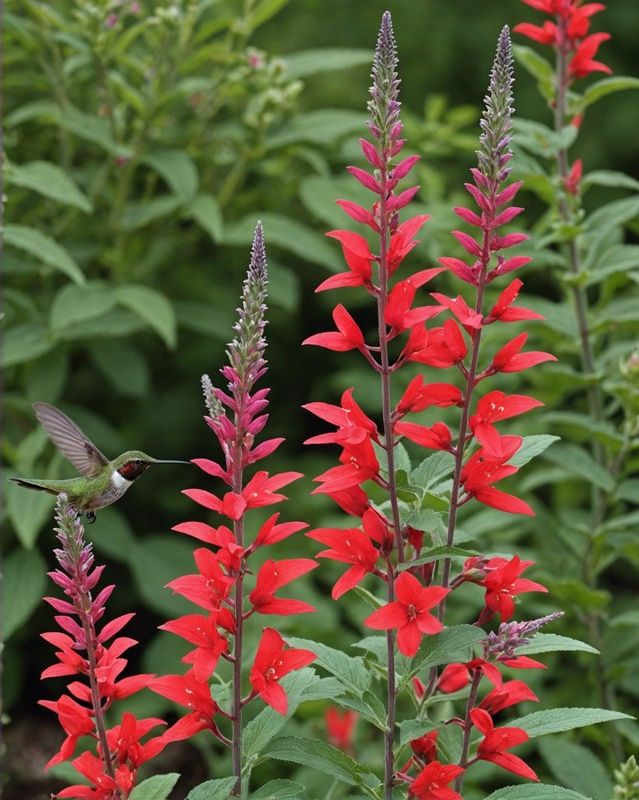
Gardeners looking for strong color often turn to Autumn Sage, or Salvia greggii, a Mexico native that grows 2-3 feet tall in full sun and well-drained soil.
Its aromatic leaves come textured and colored in green, gray, or silver tones, giving the plant visual interest even before it flowers.
Scarlet-red blooms take center stage in late summer, pulling in hummingbirds and butterflies from across the yard.
Once established, this drought-tolerant shrub needs little upkeep while bringing a distinctly Southwestern look to garden borders and beds.
Salvia splendens Scarlet Sage Facts
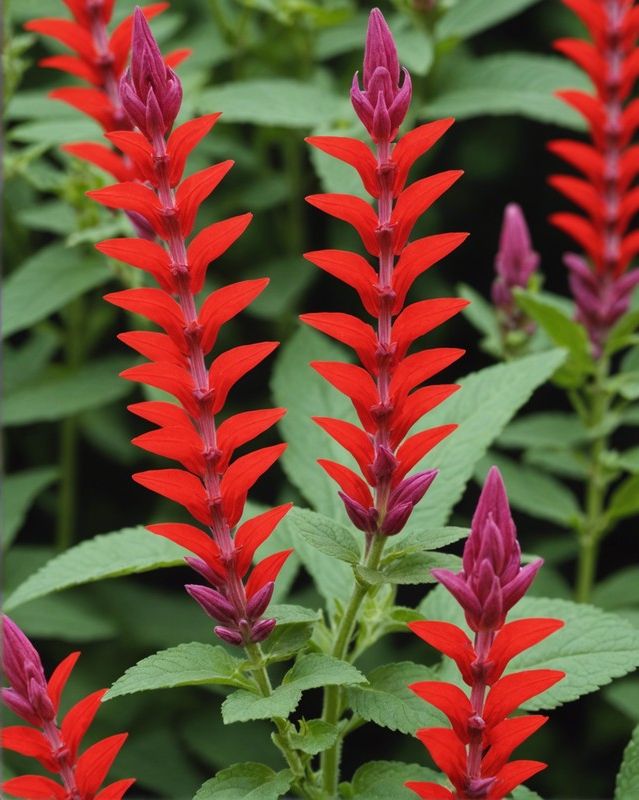
Salvia splendens, commonly called Scarlet Sage, is an annual known for its bold, trumpet-shaped flower spikes.
Its velvety blooms range from red and pink to white and purple, and the color draws hummingbirds along with other garden pollinators.
Give this plant full sun to partial shade and soil that drains well, and it will settle in without much trouble.
It stays fairly low-maintenance through the growing season, which makes it a solid pick whether you’re new to gardening or have years of experience.
Flowers keep coming through summer and into fall, filling borders, containers, and cutting gardens with steady color.
For gardeners chasing more wildlife visits or just a stronger pop of color in the yard, Scarlet Sage delivers on both counts.
Salvia coccinea Blood Sage Profile
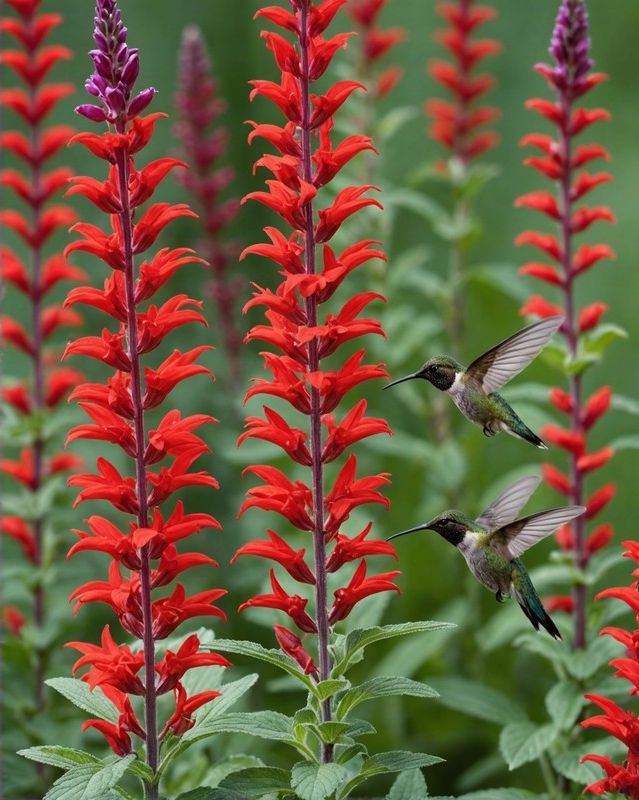
Blood Sage, known botanically as Salvia coccinea, produces scarlet-red flowers shaped like a hummingbird’s beak, a detail that makes it easy to spot in a mixed bed.
Native to Mexico and Central America, this herbaceous perennial does best in warm, humid conditions similar to its home range.
Blood Sage is not only a visual stunner but also attracts a variety of pollinators, including hummingbirds, bees, and butterflies.
Its blooming period extends from early summer to frost, providing continuous color and food sources throughout the growing season.
When this plant grows to around 2-3 feet tall, it kind of looks like a little bush that stands up straight. It’s a fun addition to any garden, whether you stick it in a border, a pot, or a cute little cottage garden.
Salvia leucantha Mexican Bush Sage Tips
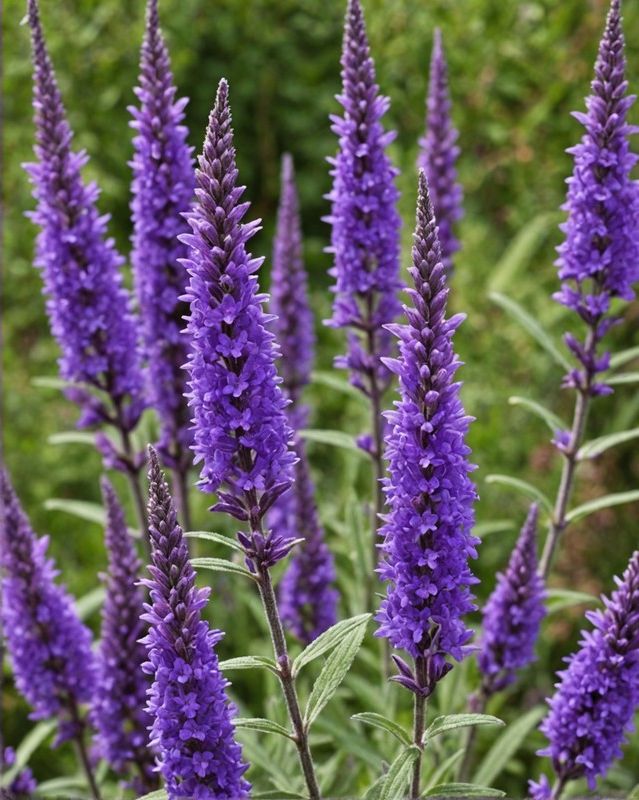
Mexican Bush Sage, or Salvia leucantha, is a stunning addition to any garden with its velvety, purple flower spikes that bloom late summer to fall.
This drought-tolerant plant thrives in full sun to partial shade and prefers well-drained soil.
Its aromatic foliage and flowers attract hummingbirds, butterflies, and other pollinators, making it a valuable plant for wildlife gardens.
Have you ever seen Mexican Bush Sage? It grows to about 2-4 feet tall and blooms like crazy, making it a real showstopper in any garden. It’s such a beautiful plant!
Salvia guaranitica Anise-Scented Sage Notes
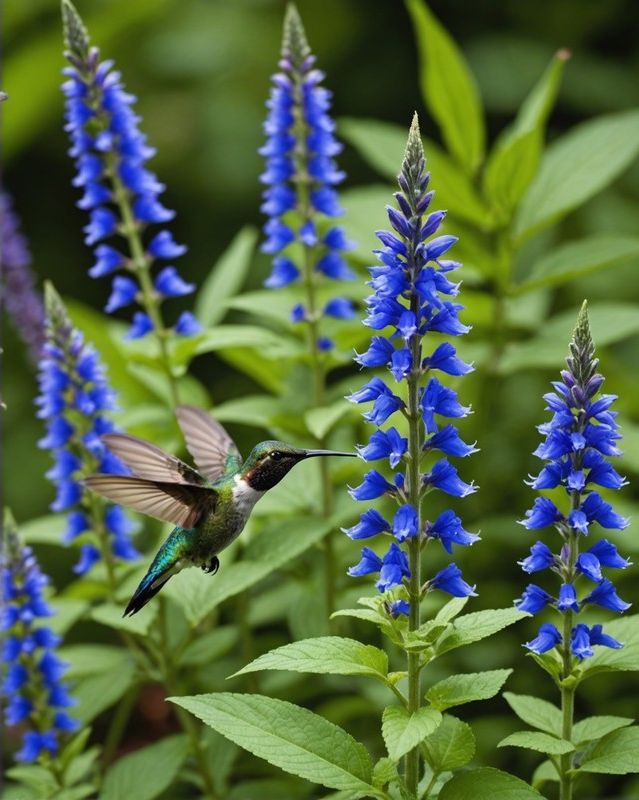
This beautiful sage plant is like a magnet for hummingbirds! They just can’t resist its vibrant blue flowers that bloom from summer all the way through fall.
And when you crush the leaves, oh boy, you’re in for a treat – they give off a lovely anise scent that adds a wonderful fragrance to your garden.
Anise-scented sage grows up to 3 feet tall and prefers full sun to partial shade.
It’s a hardy plant that can tolerate a variety of soil conditions, making it an easy addition to any garden.
Salvia dorisiana Doris Sage Details
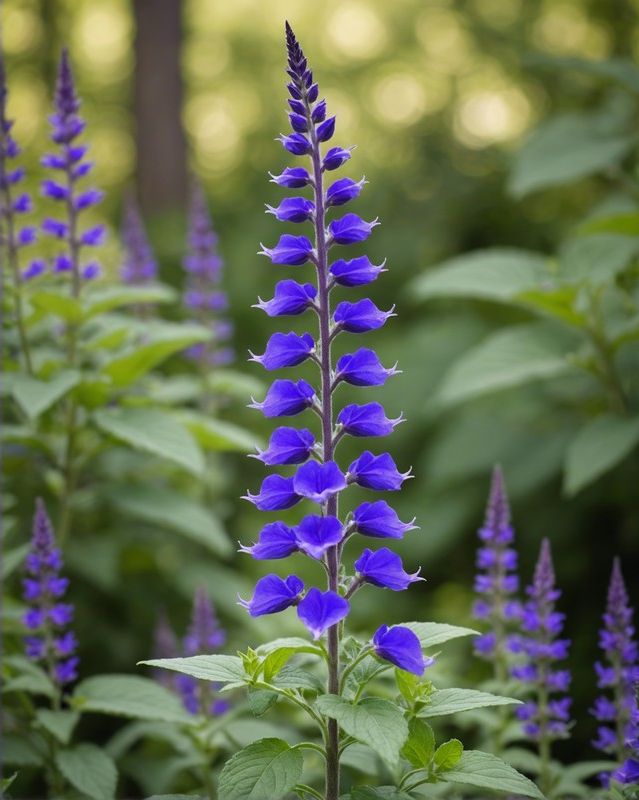
Doris’ Sage, a striking evergreen perennial, boasts an upright habit with silver-green leaves. Its eye-catching foliage makes it a fantastic addition to borders, containers, and gravel gardens.
Come summer, Doris’ Sage produces vivid violet-blue flower spikes that rise above the foliage, attracting pollinators to your outdoor space.
Did you know that this plant is originally from Mexico? It’s a tough little guy that likes soil that can drain well and thrives in areas with lots of sunshine or a bit of shade.
Salvia nemorosa Woodland Sage Essentials
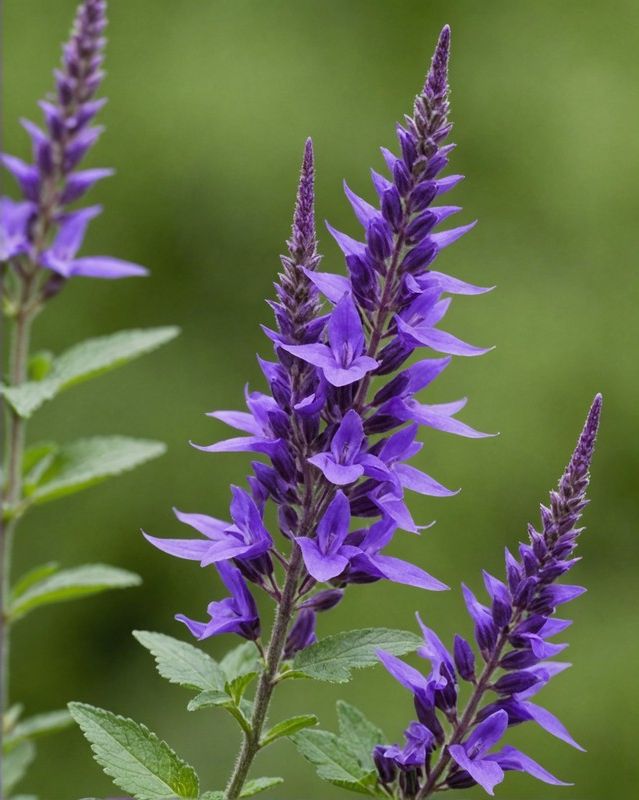
Woodland Sage, also known as Salvia nemorosa, is a beautiful and easy-to-grow perennial that brings a touch of elegance to any garden.
Have you seen those beautiful spikes of purple flowers that pop up in late spring and early summer? They attract all kinds of pollinators and really liven up your landscape with a burst of vibrant color.
This little plant is great because it grows nice and bushy and does well in both full sun and some shade.
Woodland Sage is awesome for planting in containers or mixed borders!
Its adaptability and beauty truly make it a perfect addition to any garden. It’s just so versatile and charming!
Salvia pratensis Meadow Sage Basics
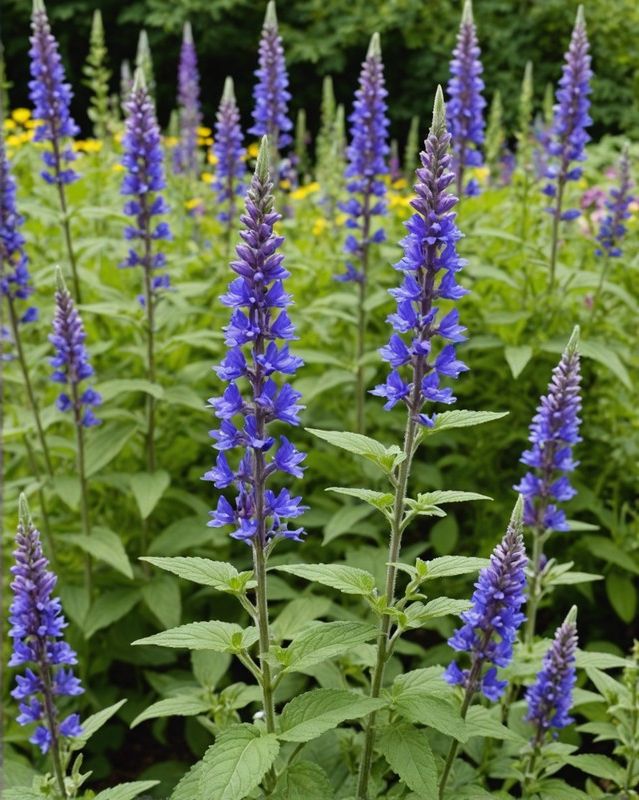
Have you seen those beautiful spires of blue-purple flowers on Meadow Sage, also known as Salvia pratensis? They add such a lovely touch of elegance to any garden, don’t you think?
This plant is a tough one, good for zones 3-8. It likes soil that drains well and does best in full sun or partial shade.
This beautiful plant can grow up to 2 feet tall and is in full bloom from midsummer to early fall. It’s a favorite among bees and butterflies, who love to visit for a tasty treat.
Its fragrant foliage can also be used for teas or dried for potpourris.
Salvia confertifolia Bush Clumping Sage Guide
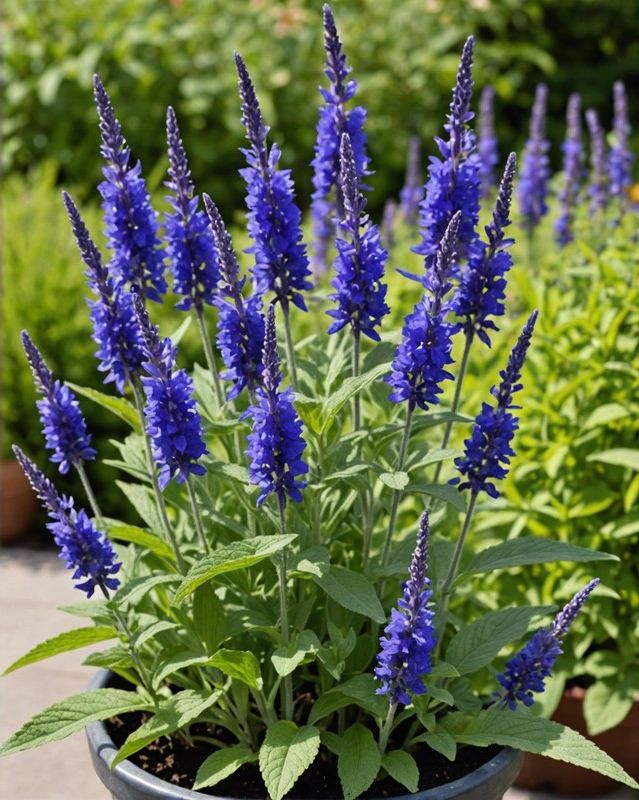
Salvia confertifolia, also known as Bush Clumping Sage, is a compact and tidy member of the Salvia family.
Its dense, low-growing form creates an attractive groundcover that can spread up to 2 feet wide.
Wow, this sage plant has such pretty gray-green leaves with a nice crinkly texture!
In the summer, Salvia confertifolia produces spikes of deep blue flowers that are a magnet for pollinators.
This drought-tolerant plant is easy to grow and can thrive in full sun or partial shade.
Its compact size and tidy habit make it an excellent choice for containers or small gardens.
Salvia jamensis James Sage Overview
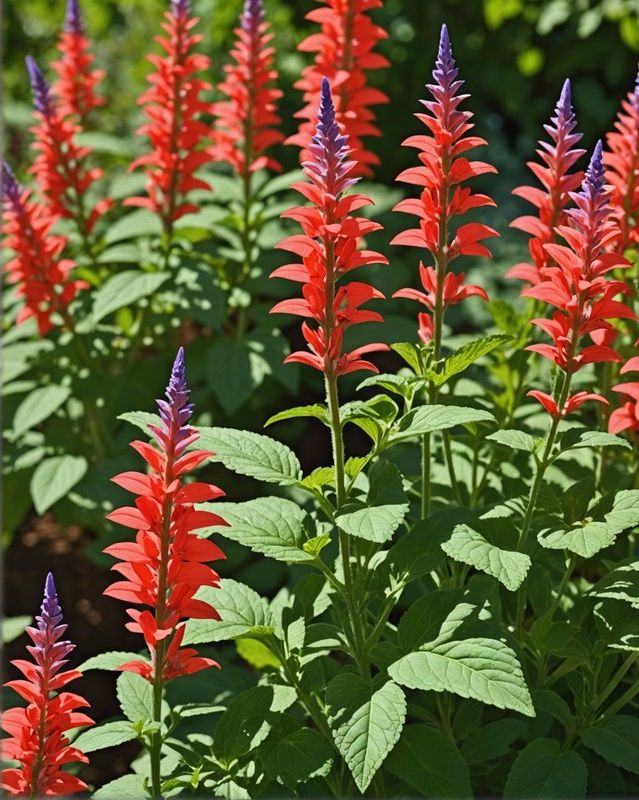
James’ Sage, a native of Mexico, is a vibrant and captivating addition to any garden.
Its showy, coral-colored flowers bloom profusely in late spring to early summer, creating a stunning display that attracts pollinators.
The heart-shaped leaves offer a lush backdrop for the eye-catching blooms, adding to its ornamental appeal.
Meet James’ Sage! It can grow up to 2 feet tall and loves hanging out in well-drained soil where it can soak up plenty of sunshine. It also doesn’t mind a little bit of shade now and then.
This plant is great for gardens that don’t need a lot of water because it can handle drought really well.
Salvia reptans Creeping Sage Facts
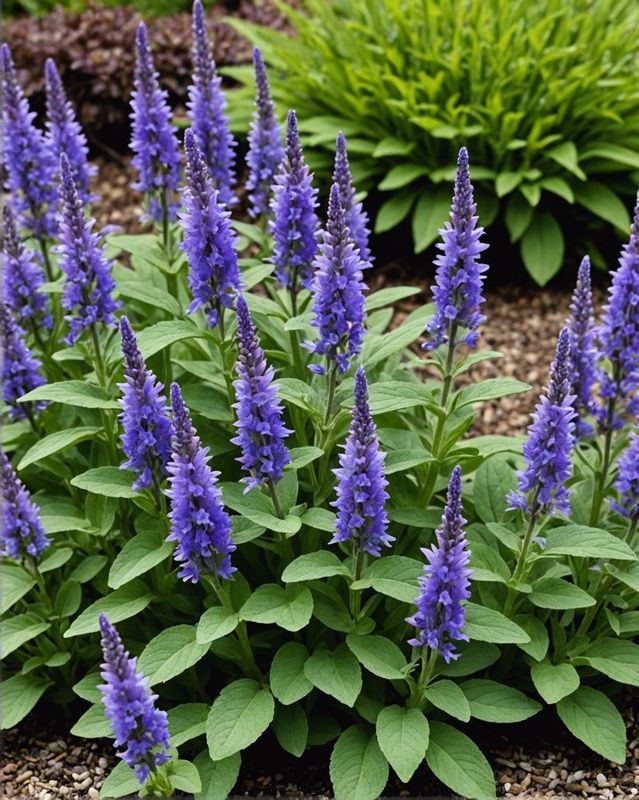
Have you heard of Creeping Sage? It’s also known as Salvia reptans, and it’s great for adding some color and texture to your garden.
This low-growing groundcover has beautiful green leaves and trailing stems that form a dense mat.
Plus, it blooms with pretty lavender-blue flowers from midsummer to early fall. Perfect for brightening up your outdoor space!
As a hardy perennial, it’s easy to care for and will quickly spread to fill in empty spaces.
Creeping Sage thrives in full sun to partial shade and well-drained soil, making it a versatile choice for a variety of garden settings.
Salvia verticillata Whorled Sage Highlights
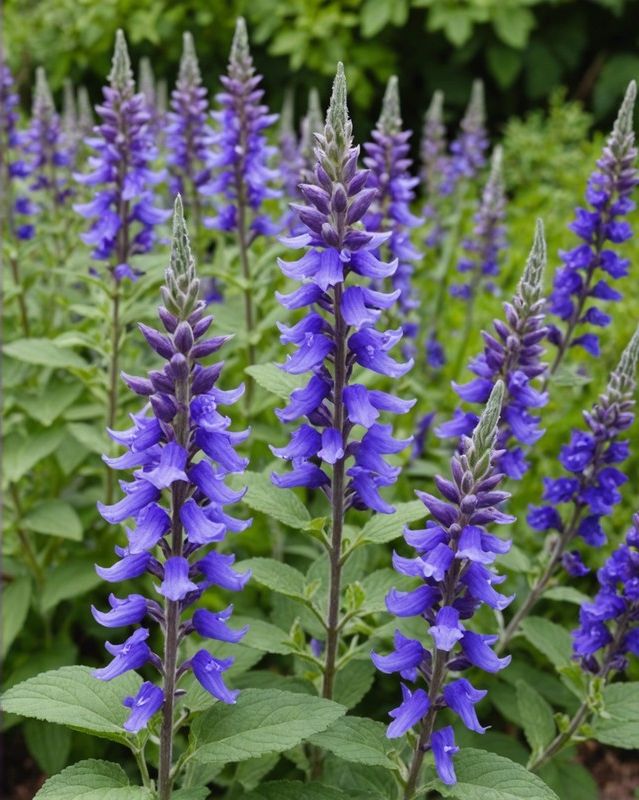
This perennial beauty boasts clusters of violet-blue blooms from summer to fall. Reaching heights of up to 2 feet, it’s a perfect complement to cottage gardens or as a border along pathways.
Salvia verticillata thrives in full sun to partial shade and tolerates hot, humid summers and drought-like conditions.
I love how this plant has these cool spiraling leaves and flowers that really stand out in any garden. It’s so unique and adds a special touch to the whole vibe.
Salvia uliginosa Bog Sage Profile
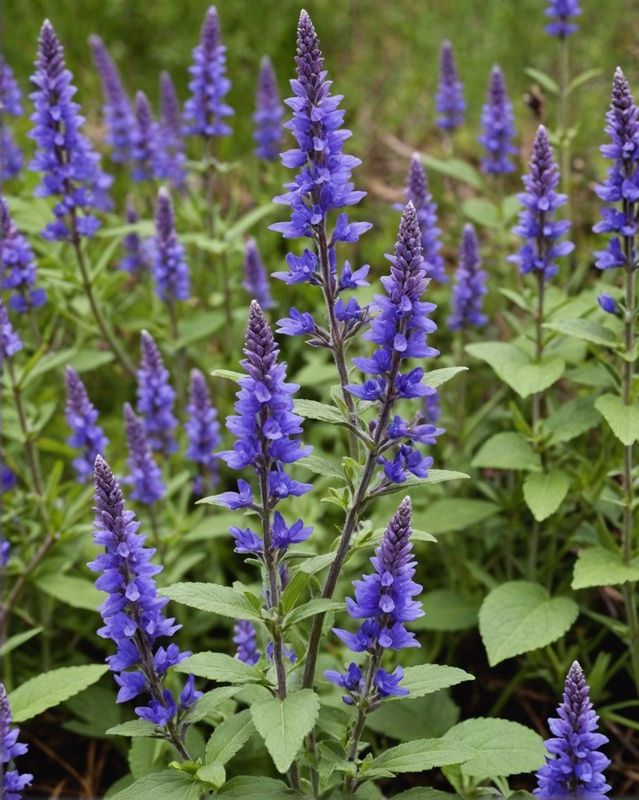
If you’re looking for a unique addition to your garden, consider the Salvia uliginosa, also known as Bog Sage.
This beautiful and easy-to-grow plant prefers moist soils, making it perfect for boggy areas or near water features.
Its stunning blue-purple flowers bloom from summer to fall, attracting pollinators and adding a touch of color to your landscape.
Bog Sage is a great choice for attracting wildlife and adding visual interest to your garden.
Salvia sclarea Clary Sage Notes
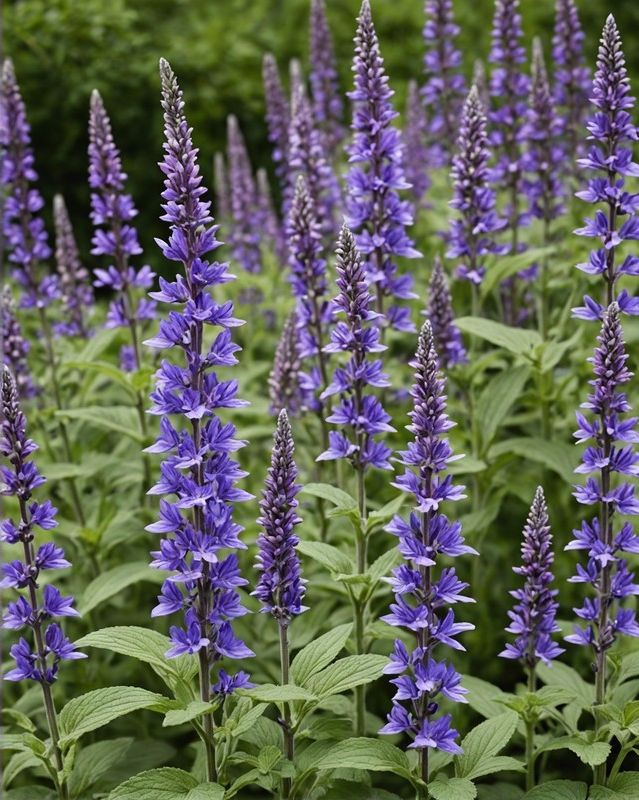
Have you ever come across Clary Sage in a garden? It’s quite the sight! With its captivating musky scent and unique foliage, this plant really stands out.
The leaves are so soft and come in different shades of green, gray, and white, making it a real showstopper in any garden.
Reaching heights of up to four feet, Clary Sage boasts a long flowering season, gracing gardens with its vibrant blue or purple blooms from midsummer to early fall.
The flowers on these stems are so pretty and arranged in a way that draws in all sorts of pollinators, bringing a lot of life and energy into your outdoor area.
Salvia hispanica Chia Sage Details
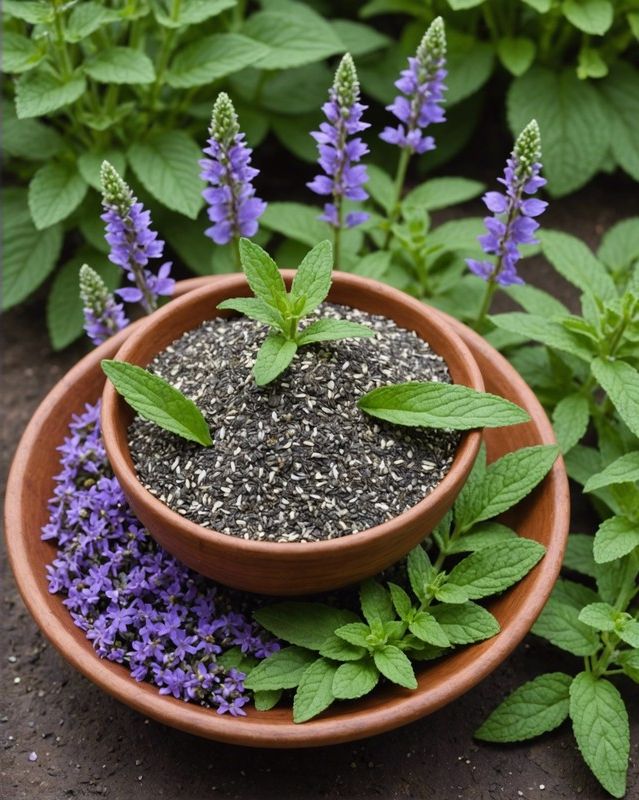
Have you ever tried Chia Sage? It’s not just a superfood, it’s also a delicious culinary treat!
People love using its edible seeds in all sorts of dishes because they’re packed with fiber, omega-3 fatty acids, and antioxidants. It’s no wonder this ingredient has become so popular!
Sprinkle chia seeds on oatmeal, yogurt, or smoothies for a nutritional boost.
Chia seed gel, formed when the seeds are soaked in water, can be used as a thickener in sauces, baking recipes, or even as an egg substitute in vegan preparations.
Grow this plant in your garden for a healthy and delicious addition to your diet.
Salvia apiana White Sage Essentials
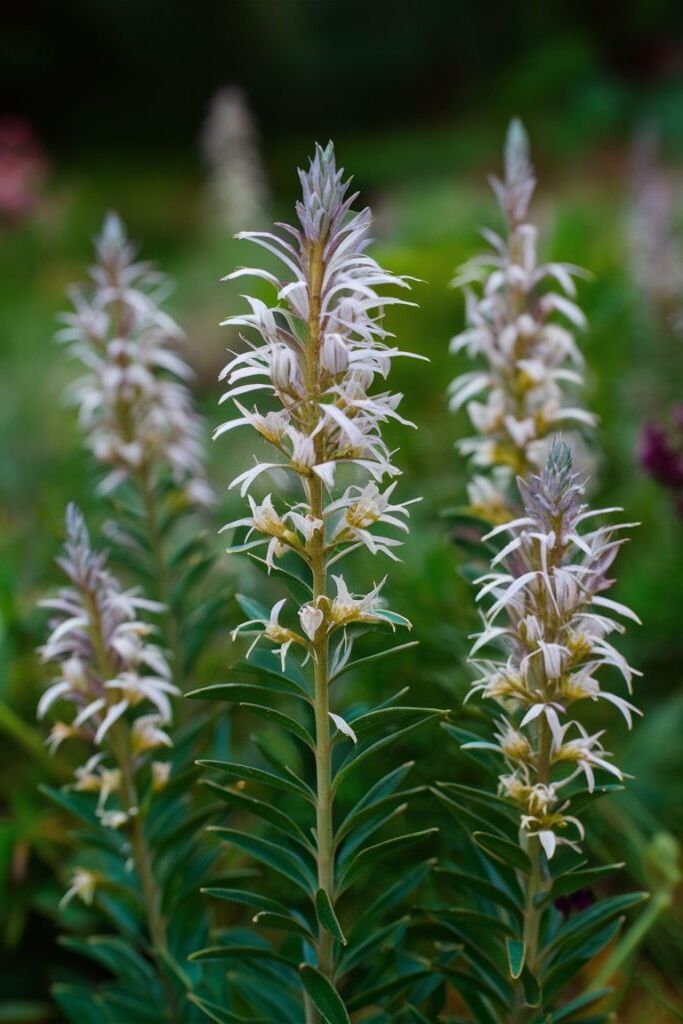
White Sage, or Salvia apiana, is a perennial shrub native to Western North America.
Known for its tall, stately stems and grayish-green leaves, White Sage has been prized for centuries by Native American tribes for its spiritual significance and medicinal properties.
The leaves and flowers give off a strong, beautiful scent that people often use in smudging ceremonies and incense. It’s really nice to have around for creating a calming atmosphere.
In gardens, White Sage is a low-maintenance plant that prefers well-drained soil and full sun to partial shade.
This plant is great for dry climates and gardens with native plants because it can handle drought really well. It’s a perfect choice for xeriscapes and will fit right in with other local plants.
Salvia divinorum Diviner’s Sage Guide
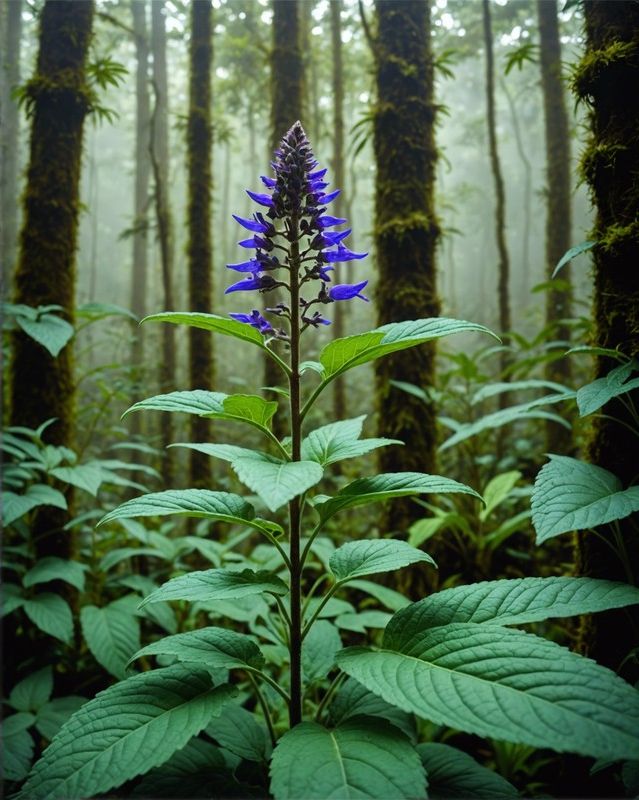
The renowned Salvia divinorum, often referred to as Diviner’s Sage, holds a revered position in the realm of Salvia.
Did you know that this amazing sage comes from the cloud forests of Mexico? It’s pretty fascinating – the Mazatec shamans have been using it for ages to help with spiritual growth and healing.
Did you know that the reason it makes you feel so weird is because of this cool thing called salvinorin A? It’s a super unique compound that can make you see some crazy stuff and really make you think deep about things.
While its cultivation can be challenging, Salvia divinorum’s profound effects on the mind and spirit have continued to captivate the imagination of seekers and researchers alike.