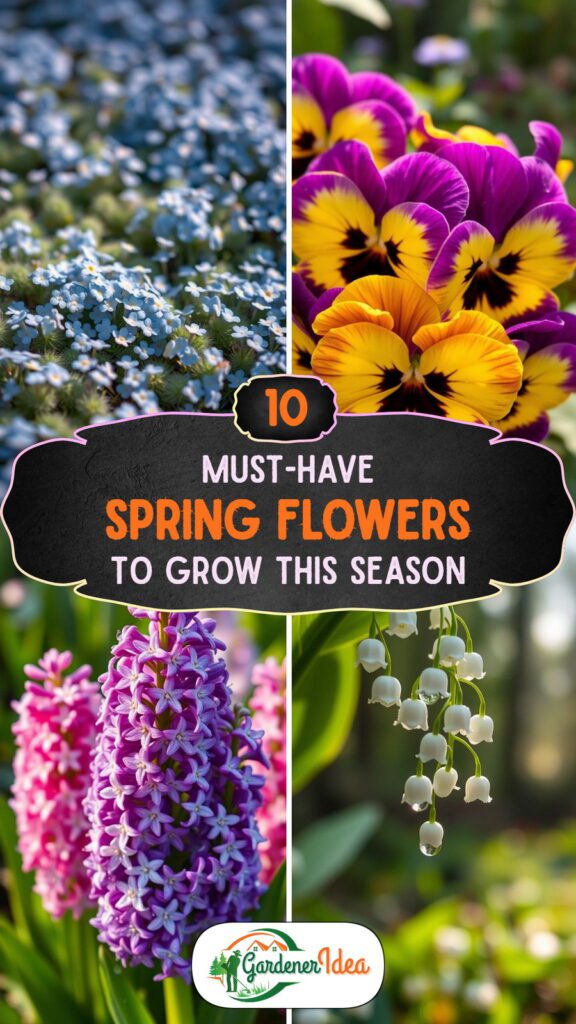
Picture your yard bursting with color while every other lawn on the block still looks like winter leftovers. Plant these 10 spring flowers now, and your outdoor space will be putting on a show well before the neighbors wake up their gardens.
New to gardening or you’ve been at it for years, this list breaks down exactly which flowers to get in the ground for a spring display people will notice and ask about.
1 Tulips: The Classic Spring Beauty

Tulips are the flower most people picture when they think of spring. Their color range runs from fire-engine red to nearly black purple, and there’s a shade for almost any garden style.
Plant the bulbs once, and you’ll get returning blooms for several years without redoing the work.
For a garden that really stops people in their tracks, cluster tulip bulbs in groups of 7 to 12 instead of spacing them out singly.
Color pairing makes a big difference too. Pink next to white, or orange against purple, gives the bed a bold, layered look.
Here’s a fun detail: cut tulips don’t stop growing right away. They can stretch another inch or so even sitting in a vase.
Fall is planting season for tulip bulbs, and you’ll want them roughly 6 inches deep. A handy trick is tossing crushed eggshells into the hole before covering it.
The eggshells work double duty, feeding the soil calcium while making the spot less appealing to squirrels looking to dig.
That small bit of fall prep pays off big when the blooms push through right on schedule in spring.
2 Daffodils: Cheerful Yellow Harbingers of Spring
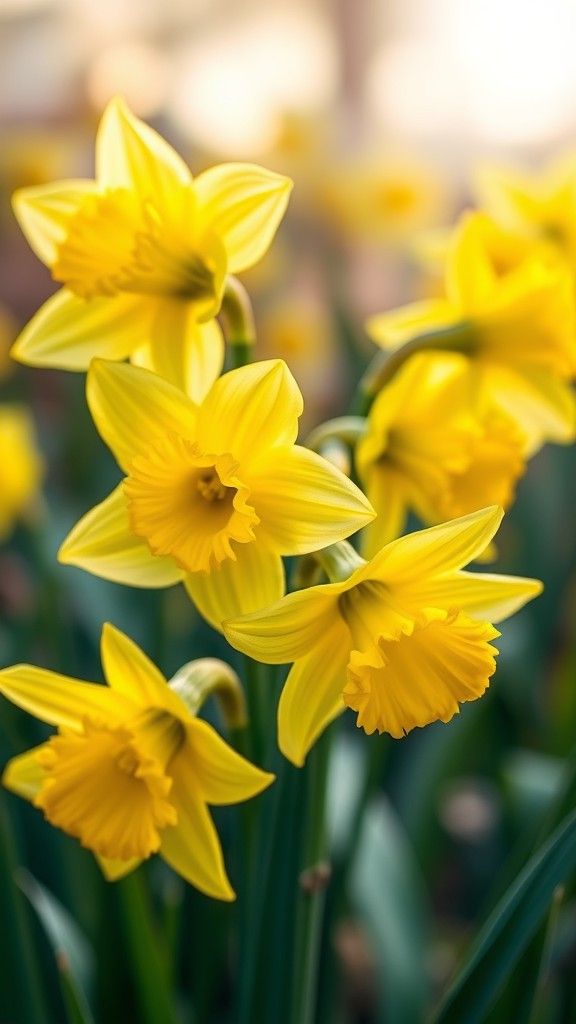
Daffodils are usually the first real proof that spring has arrived, often opening while winter is still hanging around. Their bright yellow blooms show up early and give the garden an instant lift.
These bulbs grow almost anywhere with little fuss, and deer leave them alone since the plant is toxic to animals that try to eat it.
A favorite spot for daffodils is along a walkway or grouped under trees. Set the bulbs about 6 inches deep in fall soil, and they’ll come back on their own next spring.
For a fuller look, group at least 7 bulbs together in one spot. Over a few seasons they naturally multiply into wide patches of yellow.
You can also bring the season indoors: snip a few stems while the buds are still closed and set them in a vase, where they’ll open up over the next several days.
3 Hyacinths: Fragrant Clusters of Color
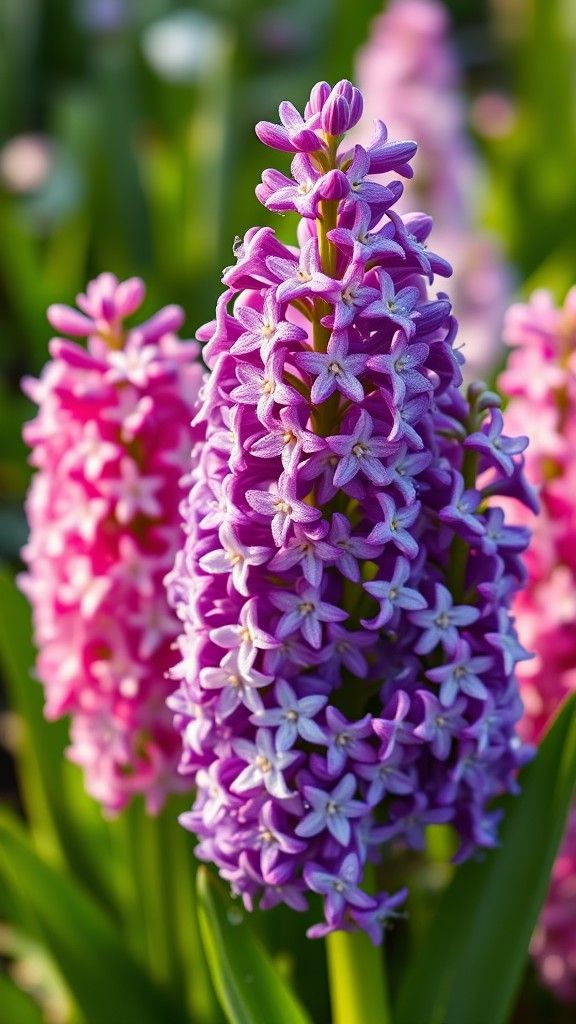
For a garden that smells as good as it looks, hyacinths deliver. The blooms grow in tight clusters that look like small grape bunches, in shades of deep purple, soft pink, and white.
A single hyacinth stem carries enough scent to perfume an entire garden bed on its own.
Hyacinths grow well in containers or straight in garden soil. Group 5 to 7 bulbs together for the fullest visual and fragrance effect.
Get the bulbs in the ground in fall, about 4 inches deep, for blooms by early spring. Centuries ago in Holland, hyacinth bulbs were prized enough to trade for the price of a house.
For a reliable, strong-scented variety, the ‘Blue Jacket’ hyacinth is worth seeking out. It rarely disappoints.
One caution: hyacinth bulbs can irritate skin, so gloves are worth wearing while planting them.
Line a walkway with them or set pots under a window, and the scent will carry every time you pass by.
4 Pansies: Hardy Early-Season Bloomers
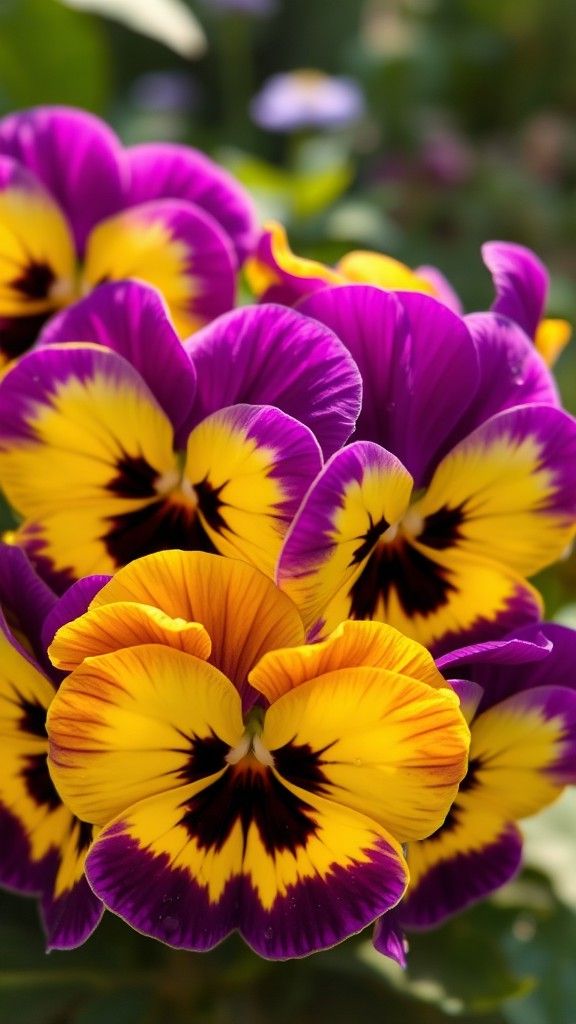
For quick color before anything else is blooming, pansies deliver fast. Their small, face-patterned blooms shrug off chilly nights and keep flowering through a light frost.
You can get pansies into the ground as soon as the soil is workable in early spring. They actually do best between 45 and 65°F and bloom longer in cool weather than in heat.
Containers near an entryway are a great use for them, mixing purples, yellows, and oranges for an eye-catching arrangement right at the door.
Well-drained soil and morning sun keep pansies healthiest. Snipping off spent blooms every so often, known as deadheading, keeps new flowers coming.
With regular deadheading, pansies will keep blooming for weeks, filling the gap before other spring flowers start to open.
5 Crocus: First Flowers of the Season
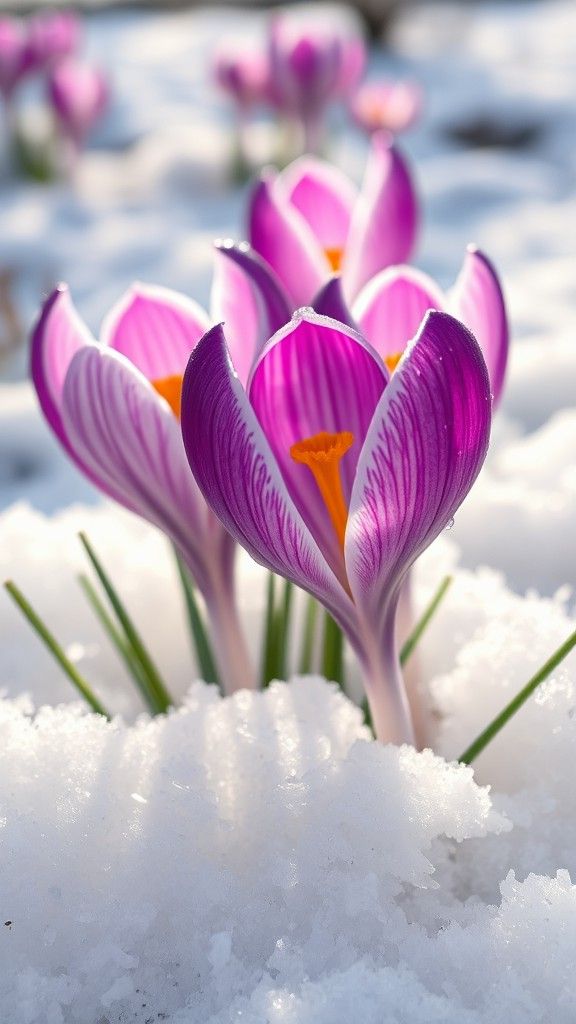
Purple, yellow, and white crocus blooms pushing up through the last patches of snow are one of the earliest spring signals in any garden, sometimes appearing as early as February.
Plant crocus corms (the technical term for their bulbs) in fall, setting them about 4 inches deep in well-drained soil.
Skip the neat rows here. Scatter the corms across the lawn and plant them where they land for a look that mimics how crocus grows in the wild.
You’ll be amazed when those pretty flowers start popping up through the grass before it even starts growing, creating a magical spring meadow right in your own yard. Cool, right?
Fun fact: Crocus flowers are smart – they close up at night and on cloudy days to protect their pollen, then open again when the sun comes out! For the best show, plant them in groups of 10-15 bulbs. They’ll multiply over the years, giving you more blooms each spring.
6 Iris: Elegant Spring Performers
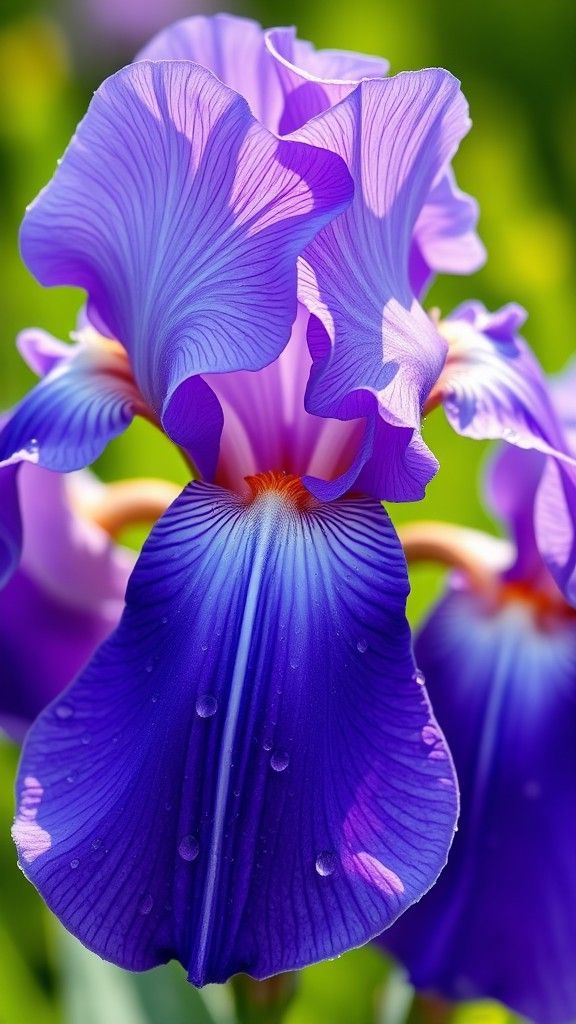
Have you ever seen a flower that looks like it’s all dressed up in a fancy ball gown? That’s exactly what iris flowers bring to your spring garden – pure elegance!
Their petals are like ruffles swaying in the wind, making them truly show-stopping. And the best part? They come in so many colors, from deep purple to bright yellow. It’s like a fashion show in your backyard!
You can plant iris bulbs in fall for a gorgeous spring display, and here’s a cool trick: plant them in groups of three or five for the most eye-catching effect.
Most iris varieties only need about 4-6 hours of sun to thrive, making them perfect for partly shaded spots in your garden. Did you know that some iris varieties actually smell like grape candy?
For the best results, plant your iris bulbs just 4 inches deep and make sure the soil drains well. These hardy flowers will come back year after year, multiplying on their own to give you even more beautiful blooms each spring.
7 Lily of the Valley: Delicate Bell-Shaped Blooms
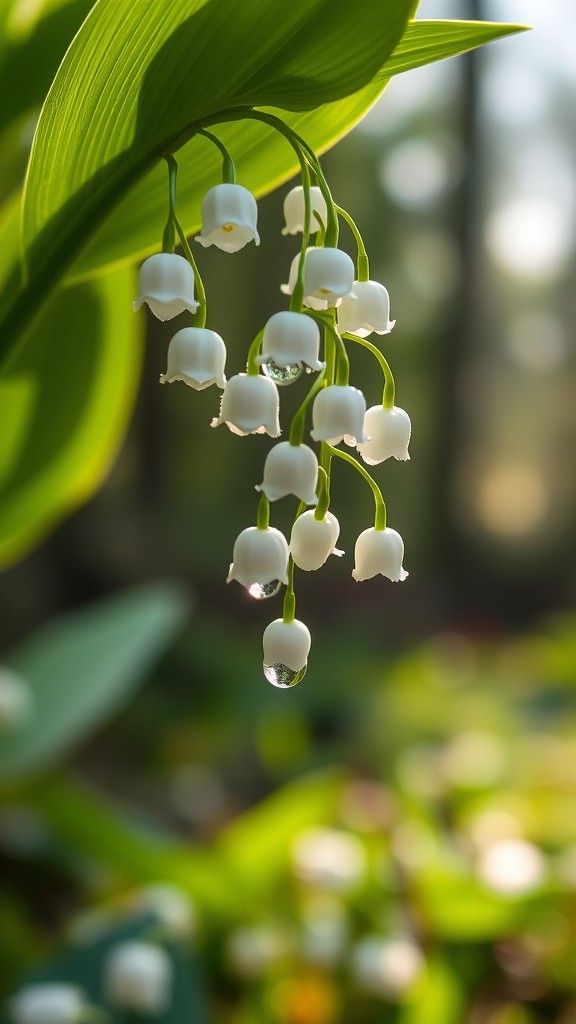
Have you seen these adorable little flowers that look like tiny white bells hanging from green stems? Lily of the Valley is just so lovely, especially when it blankets shady areas with its sweet-smelling blooms.
It’s like a magical carpet that brings life to spots where other flowers might not do so well.
Hey there! If you plant these tough-as-nails perennials in the early spring, you’ll be treated to a wonderful vanilla-like scent every May. I like to plant them close to garden benches or along pathways so I can savor their lovely fragrance. Did you know that Princess Kate had these delicate flowers in her royal wedding bouquet? Such a fun fact!
Here’s a helpful tip for your Lily of the Valley plants: When you plant them, try adding some rich compost to give them a little extra boost.
They really thrive in moist soil that drains well, and over time they’ll naturally spread out. They’re great for filling in those shady spots under trees or along walls that face north. Hope this helps your garden flourish!
8 Ranunculus: Rose-Like Blooms in Bold Colors

Want gorgeous flowers that look like tiny roses but cost way less? Ranunculus might be your new garden favorite!
These stunning blooms come in every color from bright coral to deep burgundy, and each flower has dozens of delicate, paper-thin petals.
You can plant these beauties in early spring, and they’ll reward you with 6-8 weeks of non-stop flowers. Here’s a cool fact: a single ranunculus plant can produce up to 40 blooms! I love planting them in groups of 10-15 bulbs for the biggest impact.
For the best results, plant your ranunculus bulbs (actually called “corms”) about 2 inches deep in well-draining soil.
They’re perfect for both garden beds and containers, and they make amazing cut flowers that can last up to 10 days in a vase. Just remember to give them plenty of sun and water regularly!
9 Forget-Me-Nots: Charming Blue Ground Cover
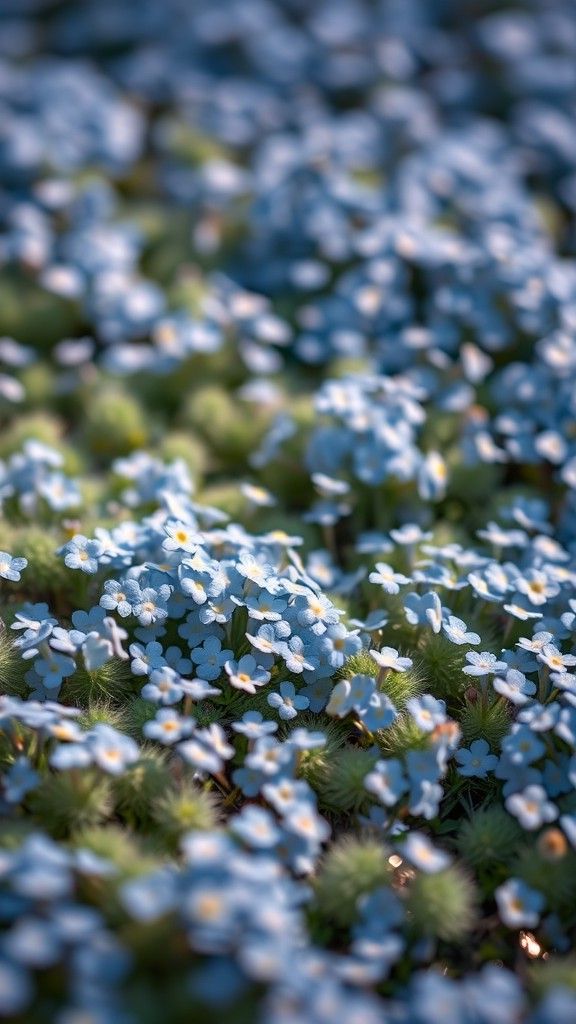
These sweet little blue flowers are like tiny stars scattered across your garden! Forget-me-nots are super easy to grow and will spread naturally, creating a beautiful carpet of sky-blue blooms that last for weeks in spring.
I love how they pop up between other plants and add charm to any shady spot.
You can start forget-me-nots from seed right in your garden – just sprinkle them where you want them to grow and keep the soil moist. They’re perfect companions for spring bulbs like tulips and daffodils, growing around their feet to hide fading foliage.
Here’s a fun fact: these flowers got their name from a medieval German legend about a knight who fell into a river while picking them for his lady!
For the best results, plant them in partial shade and give them regular water. They’ll thank you by coming back year after year, spreading their cheerful blooms throughout your garden. Just remember to leave some flowers to go to seed if you want them to return next spring.
10 Bleeding Hearts: Unique Heart-Shaped Blooms

Are you searching for a flower that is just as romantic as it is beautiful?
Look no further than Bleeding Hearts! These stunning blooms have delicate pink or white hearts that hang gracefully from the stems, giving off major Valentine’s Day vibes.
These charming flowers will add a magical touch to your spring garden, especially in those shady spots where other plants struggle. I love planting them near garden benches or pathways where you can get up close to admire their unique shape.
Here’s a fun fact: each tiny heart “breaks” open when it’s fully bloomed, revealing inner petals that look like tiny drops!
Hey there! If you want to add some beauty to your garden, try planting these lovely flowers in early spring. Make sure to give them some nice, nutrient-rich soil that drains well.
These plants don’t need a lot of fuss and will come back every year, gradually spreading to form a charming heart-shaped patch.
Just remember to keep the soil moist, but don’t overdo it – give them just the right amount of love and care without drowning them in water. Happy gardening!