
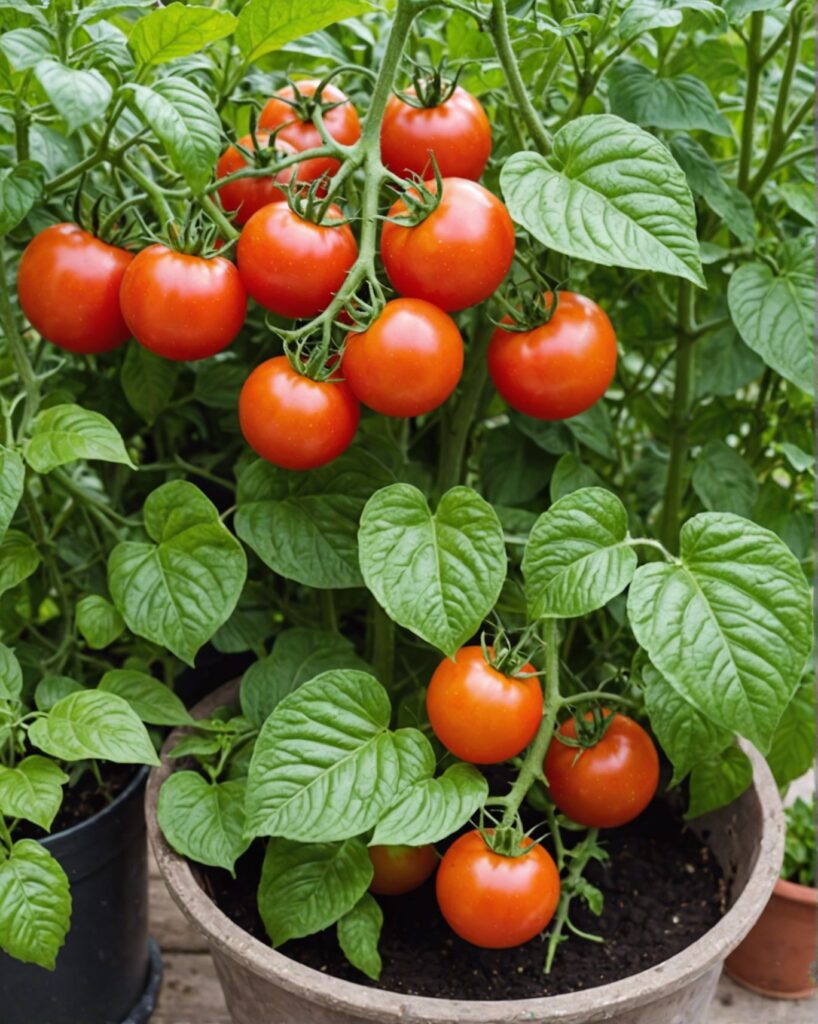
Healthy tomato plants depend on getting the right amount of water at the right time. Too much or too little can leave you with stunted vines, disease problems, or a plant that dies before it fruits.
This guide breaks down tomato watering basics: how much to give them, how often to do it, and the best time of day to water.
Read on so your plants stay healthy and reward you with a strong tomato harvest.
How to Spot Underwatered Tomato Plants
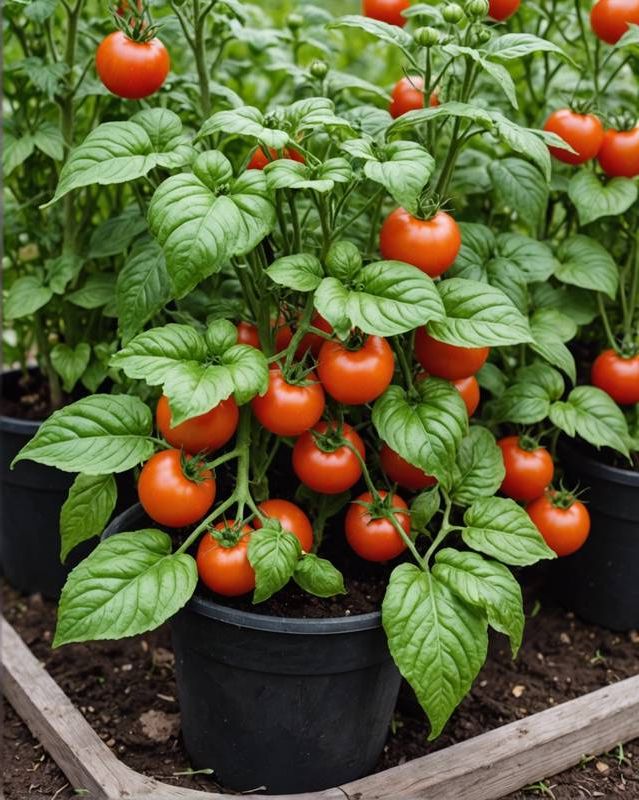
Wilted leaves are the first clue that a tomato plant needs water, and this usually shows up most during the hottest hours of the afternoon.
The leaves can also start turning yellow or brown at the edges when moisture runs low.
Check the soil around the base of the plant regularly to catch dryness early.
Dry soil an inch or two below the surface is a clear signal that the plant needs a drink.
A tomato plant that goes without enough water for too long will often show stunted growth, so extra watering can help it recover and keep growing well.
Leaves may grow smaller than usual, and the whole plant can end up more compact than a well-watered one.
Water stress can also cause tomato plants to drop their blossoms before fruit ever forms.
Lost blossoms mean fewer tomatoes by harvest time.
When underwatering gets severe, tomato leaves may curl inward as a defense against moisture loss.
A plant showing curled leaves needs water right away to bounce back.
How to Spot Overwatered Tomato Plants

Too much water causes its own set of problems for tomato plants, and there are a few warning signs to watch for.
Yellow leaves are often a sign of overwatering rather than a lack of nutrients. Waterlogged soil pushes out oxygen that roots need, and that oxygen shortage turns leaves yellow.
Oddly enough, overwatered tomato plants can wilt too, since soggy roots struggle to pull in nutrients properly.
Blossom-end rot shows up as a dark, sunken patch on the bottom of the fruit. It comes from a calcium shortage, and overwatering is a common trigger since it disrupts how roots take up calcium.
Fruit cracking is another overwatering symptom, caused by tomatoes swelling faster than their skins can stretch.
What Affects How Often Tomatoes Need Water
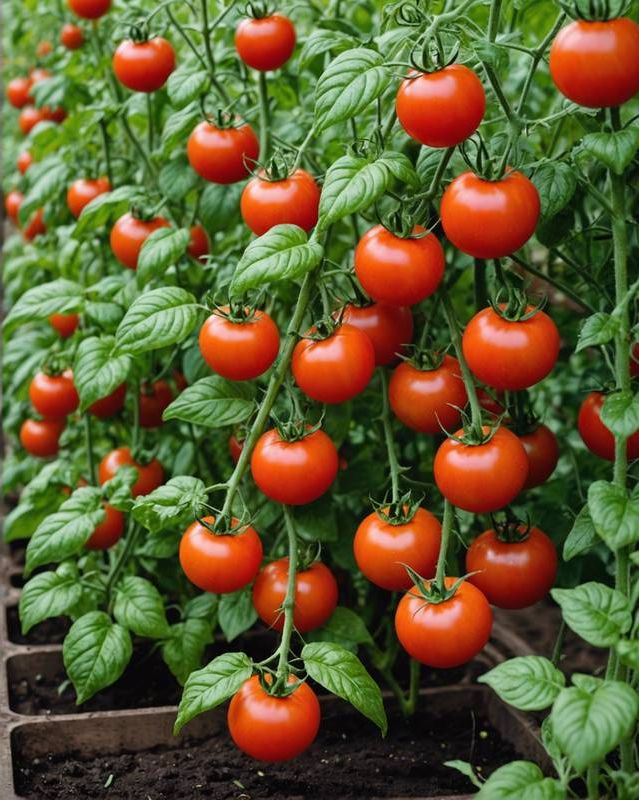
Soil type is one of the biggest factors in setting a watering routine for tomato plants.
Sandy soil drains fast and dries out quickly, so plants growing in it usually need water more often than those in clay soil, which holds moisture longer. Check the soil texture regularly and adjust your schedule as needed.
Weather plays a big role too. Hot, sunny stretches pull moisture from the soil fast, while cool, cloudy days mean plants can go longer between waterings.
Plant age matters as well. Young tomato seedlings have shallow, developing roots, so they can’t pull in water as efficiently and need more frequent attention.
Mature plants develop deeper root systems, which lets them handle longer stretches between waterings.
Keep an eye out for wilting or drooping stems, since both point to a plant that’s ready for water. Watching soil type, weather, and plant age together helps you build a schedule that keeps tomato plants productive.
How Much Water Tomato Plants Really Need
Tomato plants need a steady water supply to grow strong stems and healthy fruit, much like any living thing needs hydration. The exact amount shifts based on plant size, current weather, and the soil the plant is growing in, so there’s no single fixed number that works everywhere.
As a rule of thumb, tomato plants do well with about 1 to 2 inches of water each week.
During hot, sunny stretches, tomato plants can need water more frequently to keep the soil evenly moist. Still, go easy on the hose, because soaked soil can lead to root rot.
A simple way to test moisture is pushing a finger into the soil up to the first knuckle.
Dry soil at that depth means it’s time to water. Just don’t overcompensate, since soil that stays waterlogged blocks roots from getting the oxygen they need to function.
How Often to Water Tomato Plants
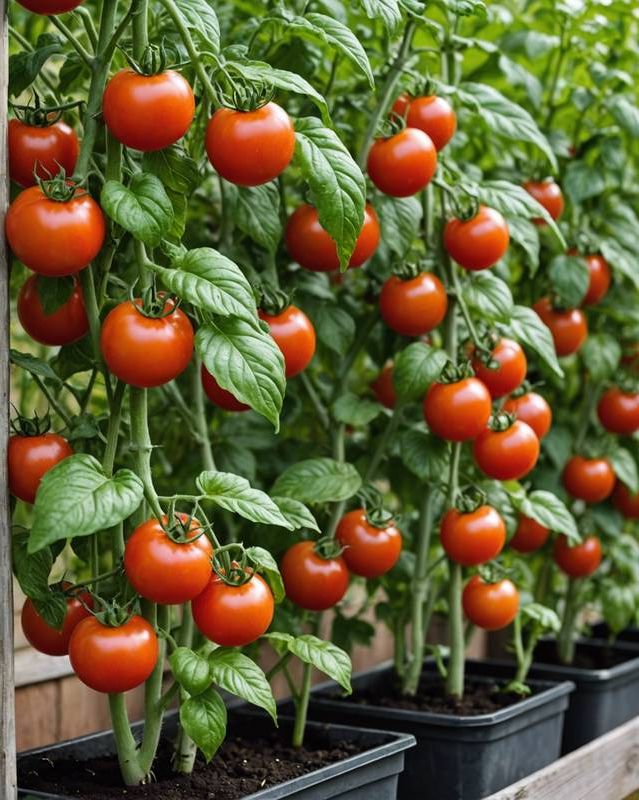
The right watering frequency depends on your soil type, local weather patterns, and how your particular plants are developing.
Generally, established tomato plants need about 1-2 inches of water per week, but adjust based on these factors:
- Soil Type: Sandy soil drains quickly, so water more frequently. Clay soil retains moisture, so water less often.
- Climate: Hot, dry climates require more frequent watering. Cooler, rainy climates may need less.
- Plant Stage: Seedlings require more frequent watering, while mature plants can tolerate longer periods between watering.
Best Time of Day to Water Tomatoes
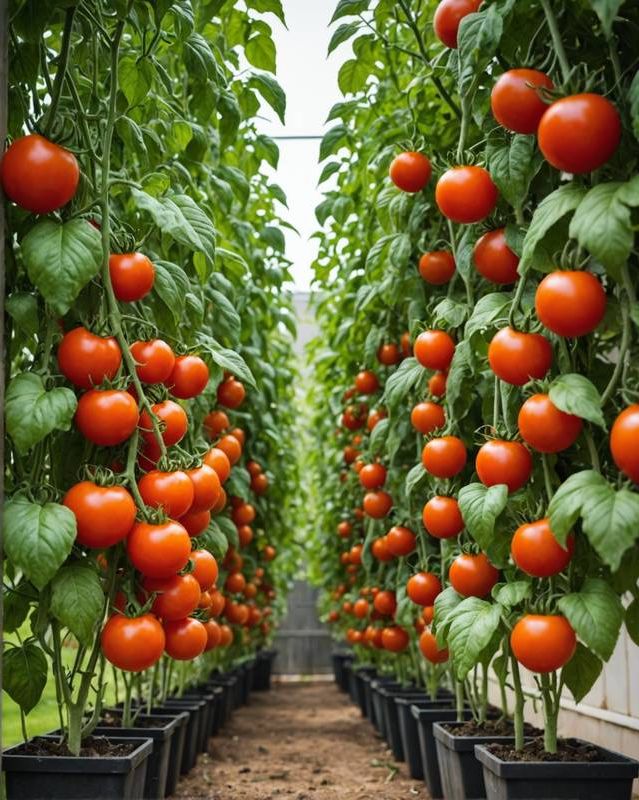
When is the best time to water tomato plants? The ideal time to water tomato plants is in the morning.
This setup helps the leaves dry out during the day, which is important because it helps prevent diseases from forming.
Avoid watering at night, as this can lead to waterlogged soil and increased susceptibility to fungal issues.
Hand Watering vs. Automated Systems for Tomatoes
Manual watering allows for tailored attention to individual plants, considering their size, sunlight exposure, and soil conditions. This flexibility enables adjustments for specific needs and ensures optimal moisture levels.
On the flip side, automated systems take care of watering regularly so you don’t have to constantly keep an eye on it.
They can be programmed to consider factors like weather conditions and plant growth stages. Both methods have advantages, depending on the scale and preferences of the gardener.
Smart Tips for Watering Tomatoes Efficiently
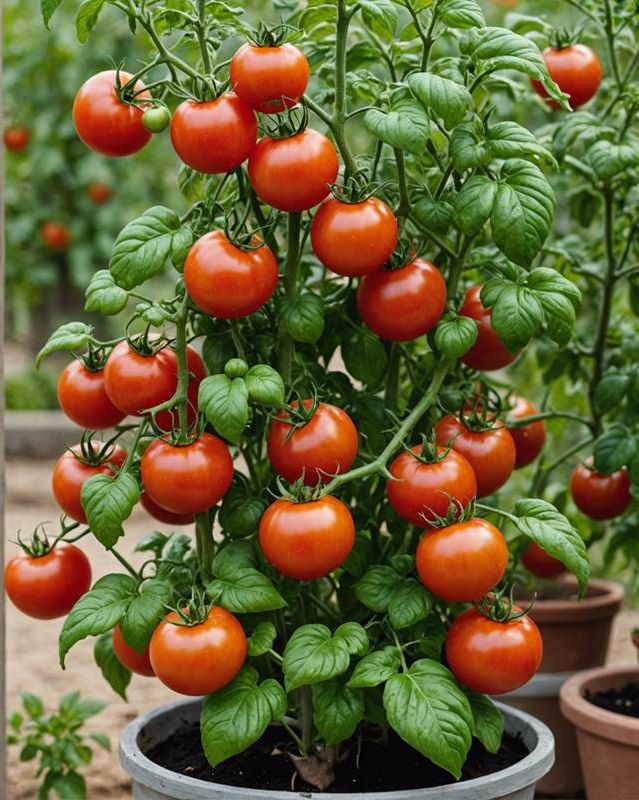
If you want your tomatoes to thrive, it’s important to know how much water they need. To make sure they’re getting just the right amount and avoid any water problems, here are some tips: Start by checking the soil moisture – stick your finger about 2-3 inches into the dirt before watering.
Water only if the soil feels dry to the touch.
Water deeply: When you do water, thoroughly soak the soil to a depth of 6-8 inches, so the roots can absorb sufficient moisture. Frequency: In warm, dry weather, water every 3-4 days.
Reduce frequency in cooler, wetter periods.
Time of day: Water in the morning or evening when evaporation is lower. Avoid overhead watering: Wet foliage can invite disease.
Water directly at the base of the plant, using a soaker hose or drip irrigation.
Mulch around plants: A layer of mulch helps retain soil moisture and reduce evaporation.





Glad I found this on google .