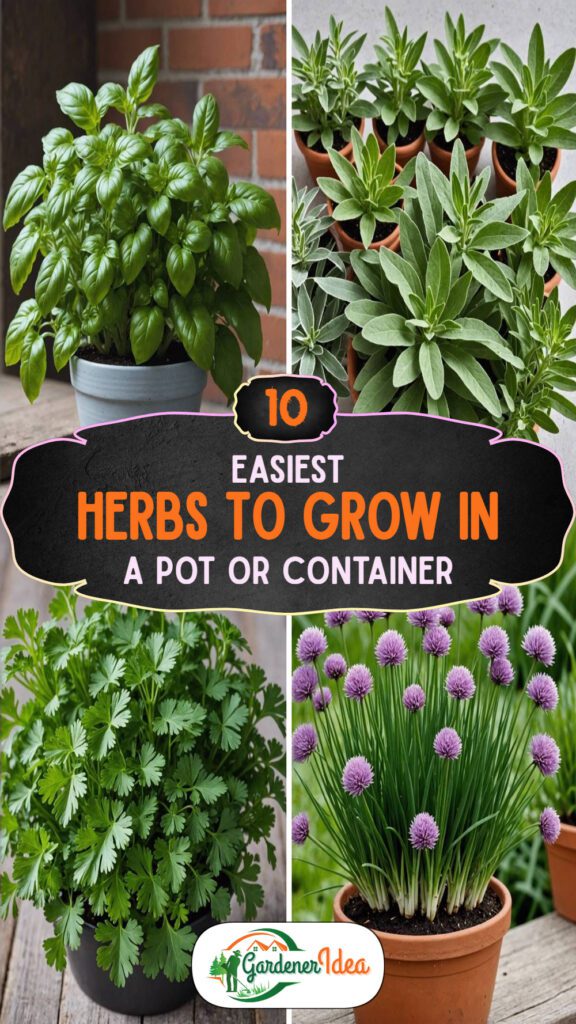
Hey there, fellow plant lovers! Growing herbs in pots has turned into one of my favorite hobbies lately. New to gardening or already have a green thumb, either way, these 10 easiest herbs to grow in containers are worth your time. Let’s get into the list.
From basil to mint, container herb gardening opens up a world of bright aromas and bold flavors. Grab a few pots and some soil, and let’s look at what grows best close to home.
Growing Basil in Containers
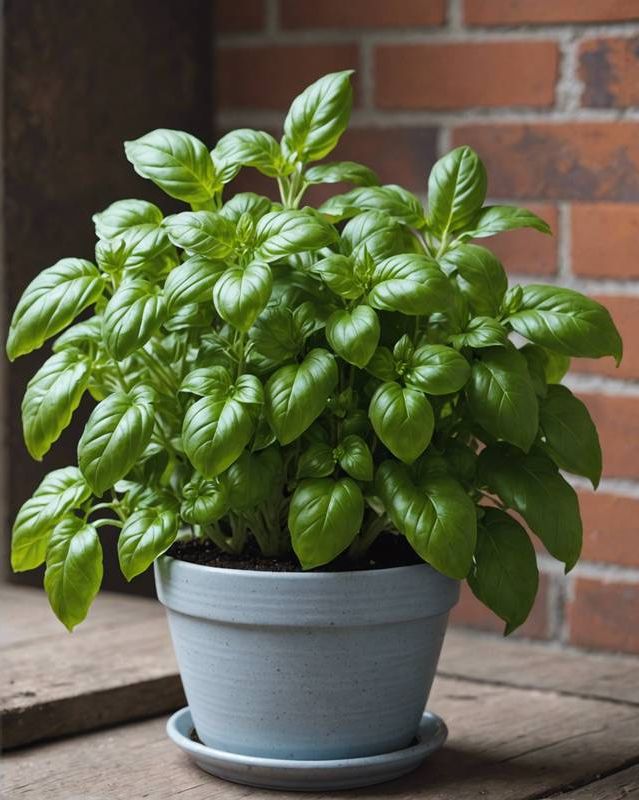
Basil ranks as one of the simplest herbs for a small pot, which makes it a great starting point for beginner gardeners. Give it well-draining soil and a sunny spot, though it will still do fine with a little afternoon shade.
Water your basil deeply and often, especially during hot summer stretches when the soil dries out fast.
You can use basil fresh or dried across countless recipes, and it delivers a solid dose of vitamins A and C. Genovese basil, Thai basil, and lemon basil are among the most popular varieties, and pairing basil with tomatoes is a classic combination in Italian cooking.
Growing Chives Indoors and Out
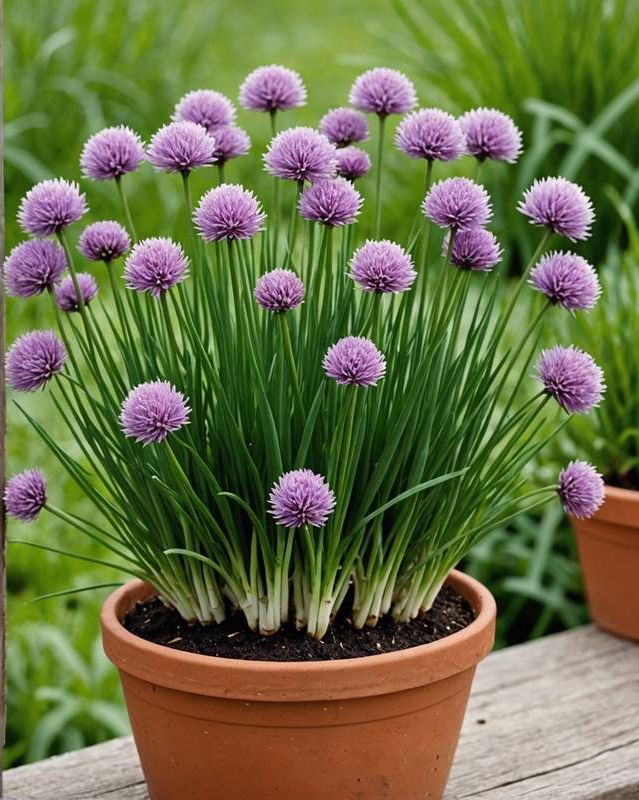
Chives bring a mild, savory onion flavor to your cooking and rank among the simplest herbs for beginners to grow. You can raise them indoors on a windowsill or outdoors in a garden bed with equal success.
A pot or container suits chives well, and the plant asks for very little upkeep once it gets going.
You can start chives from seed or from bulbs. For seeds, sow them directly into a container filled with soil that drains well.
Keep the soil consistently damp with regular watering, and place the pot somewhere it will get plenty of direct sunlight each day.
For bulbs, space them roughly 2 inches apart before covering with soil. Keep the soil moist and set the container in a sunny location for best results.
Growing Cilantro in Pots
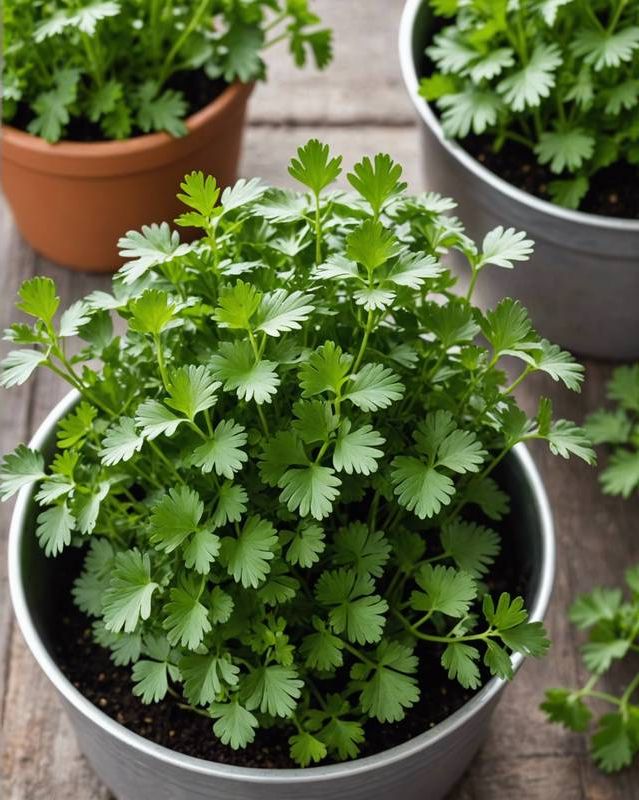
Cilantro brings a bright, citrusy flavor to the kitchen and adapts well to life in a container. Its compact size suits small patios or windowsills, and it’s a fairly low-effort herb to keep alive.
Well-draining soil, consistent watering, and generous sunlight are what this plant needs most.
One quick tip: cilantro tends to bolt once temperatures climb, so shifting the pot to partial shade during the hottest part of the day can slow that down. Harvest the leaves regularly, since frequent picking keeps new growth coming and gives you a steady supply for salsas, tacos, and other dishes.
Growing Dill in a Container
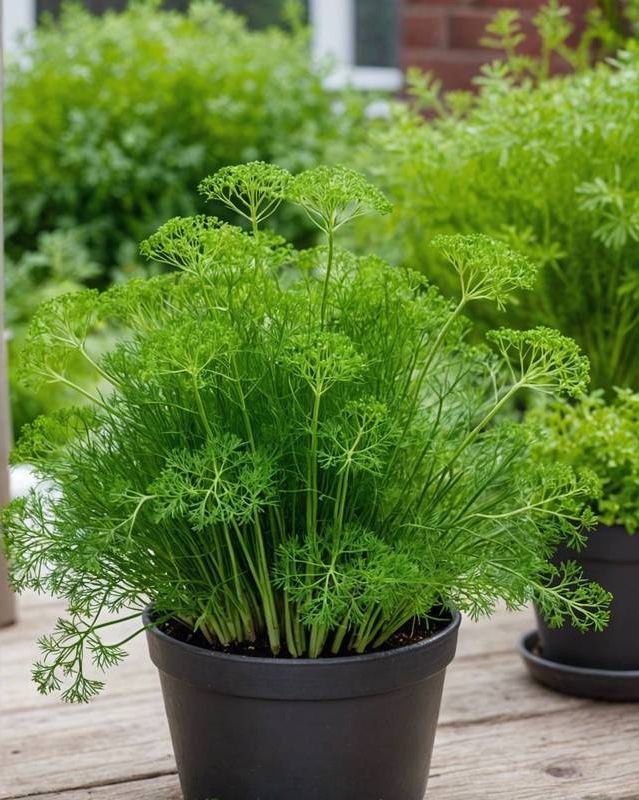
Every cook’s herb garden benefits from a patch of dill.
Its feathery fronds bring a light, anise-like note to salads, dressings, and marinades.
Dill offers more than flavor. It’s known for aiding digestion and promoting relaxation, which is part of why it shows up in herbal tea blends. Keep that in mind the next time you’re brewing a cup.
Grow it in a container with well-drained soil and a spot that gets plenty of sun, and dill will take care of the rest.
A bit of routine care rewards you with fresh dill all season.
Growing Mint Without the Mess
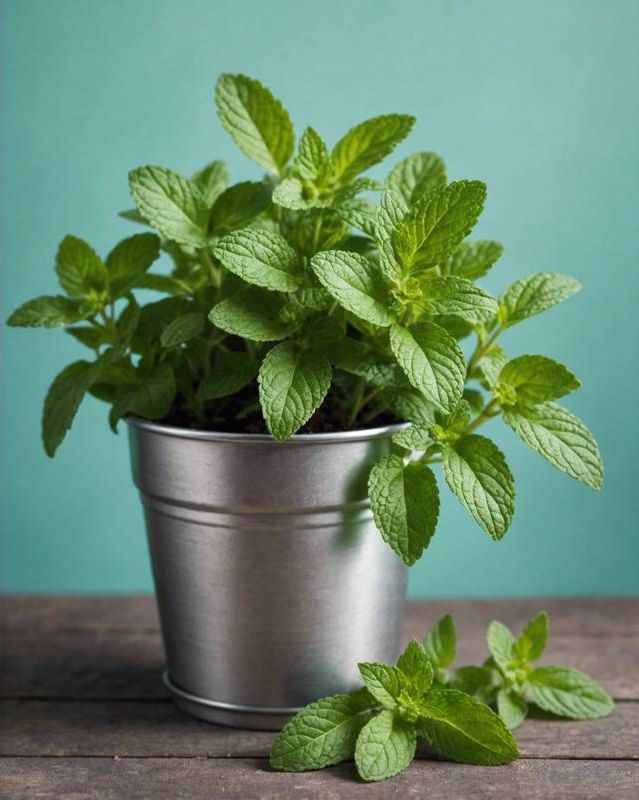
Few herbs are as forgiving to grow as mint.
You can start a new plant just by snipping a sprig, stripping the lower leaves, and setting the stem into moist soil.
Mint does best in shaded, consistently damp spots, and it spreads aggressively if you let it grow unchecked outside a container.
Pinch back the stems on a regular basis to keep the plant bushy and stop it from flowering too soon.
Growing Oregano in Pots
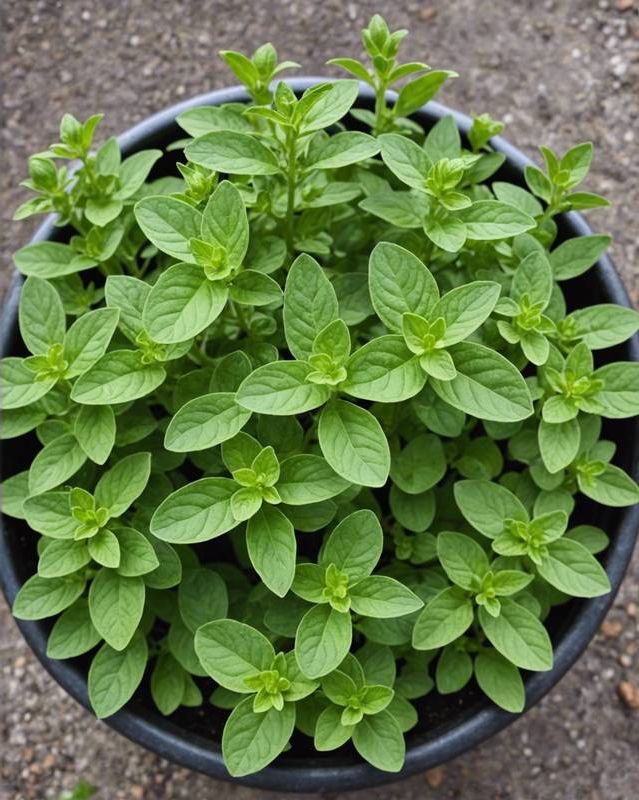
Oregano grows easily in pots and containers, and it needs very little fuss once planted in moist, well-drained soil.
This herb tolerates a range of light conditions. Full sun keeps it happiest, but it also handles partial shade without complaint.
A mature oregano plant can handle dry spells and needs only occasional watering. Feed it lightly with fertilizer once a month during its active growing season.
Harvest oregano all summer by cutting the stems close to the base of the plant. Fresh-cut oregano works well straight away in sauces, roasted vegetables, and other favorite dishes.
Growing Parsley in a Pot

Parsley is one of the more forgiving herbs to grow, doing just fine in a container or pot with minimal fuss. It’s a versatile ingredient in the kitchen and is valued for its health benefits as much as its flavor.
Its bright green, feathery leaves carry a fresh, peppery bite that lifts soups, salads, and marinades.
Beyond its taste, parsley is rich in antioxidants and vitamins, making it a nutritious addition to everyday meals.
With regular watering and occasional fertilizing, a parsley plant can keep producing fresh leaves throughout the year.
Growing Rosemary in Containers
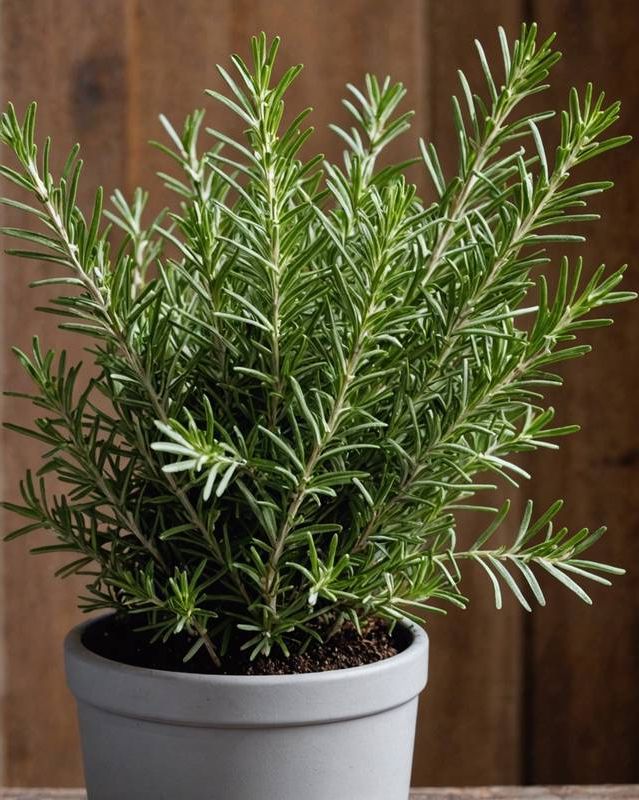
Rosemary is a classic herb that’s easy to grow and incredibly versatile. Its fragrant leaves add a savory note to countless dishes, and it can also be used for medicinal purposes.
Rosemary really loves soil that drains well and a nice amount of sunlight.
It’s drought-tolerant, making it a low-maintenance herb that’s perfect for beginners.
Growing Sage in a Pot

Sage is an herb commonly used in cooking and medicine.
It’s an easy herb to grow in a pot or container, making it a great choice for those with limited space.
Sage prefers full sun to partial shade and well-drained soil.
It requires regular watering, but be careful not to overwater.
Sage is such a tough little herb! It can handle all sorts of different temperatures and conditions, so it’s perfect for newbies trying their hand at gardening.
Growing Thyme in Containers

If you’re looking for a flavorful and aromatic herb to add to your home garden, thyme is an excellent choice.
This herb is super easy to grow in pots, so it’s perfect for folks with limited space or who want to have some greenery inside their home.
Just ensure it receives plenty of sunlight and well-drained soil.
Thyme is known for its culinary uses, adding a distinct and savory flavor to dishes.
Its leaves can be used fresh or dried, releasing a delightful fragrance and earthy notes.
Thyme is a great addition to soups, stews, marinades, and roasted vegetables.