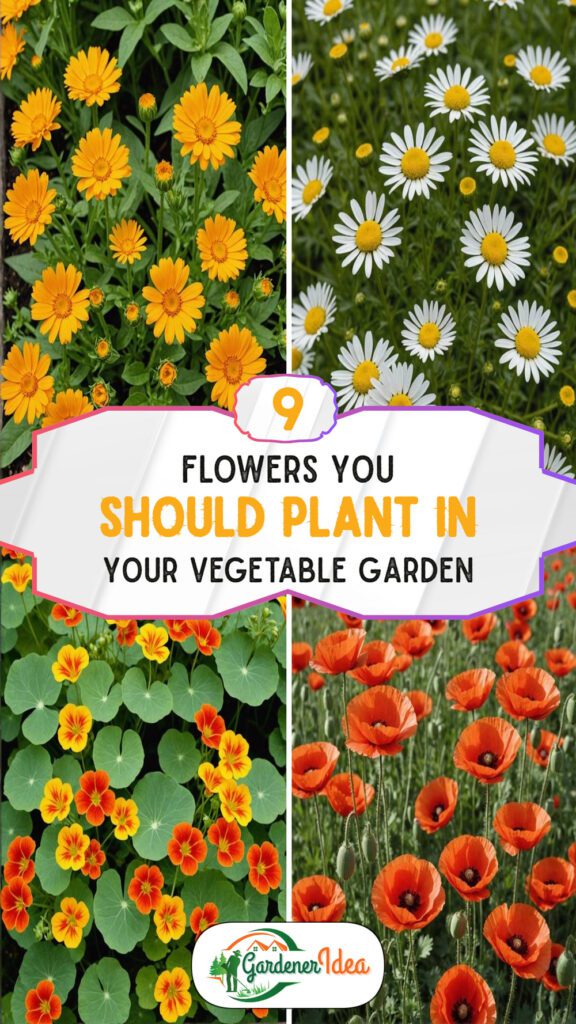
I’ve spent years digging in the dirt, and one trick keeps paying off: tucking flowers among the vegetable rows. Below are nine standout flowers that add color, draw in pollinators, keep pests away, and help your crops produce more.
Add a few of these to your beds and watch a plain vegetable patch turn into a busy, productive little ecosystem.
Marigolds for Pest Control

Marigolds bring bright orange, yellow, and red blooms to a vegetable garden while pulling in bees and other pollinators that help fruits and veggies set fruit. It’s a simple pairing that pays off in both looks and yield.
Their scent does double duty as a natural pest deterrent, keeping many insects away from nearby crops. That means fewer chewed leaves on your tomatoes, peppers, and beans.
Shorter marigold varieties fit neatly into gaps between taller crops like corn or staked tomatoes. You get color and pest protection without losing growing space.
Calendula for Companion Planting
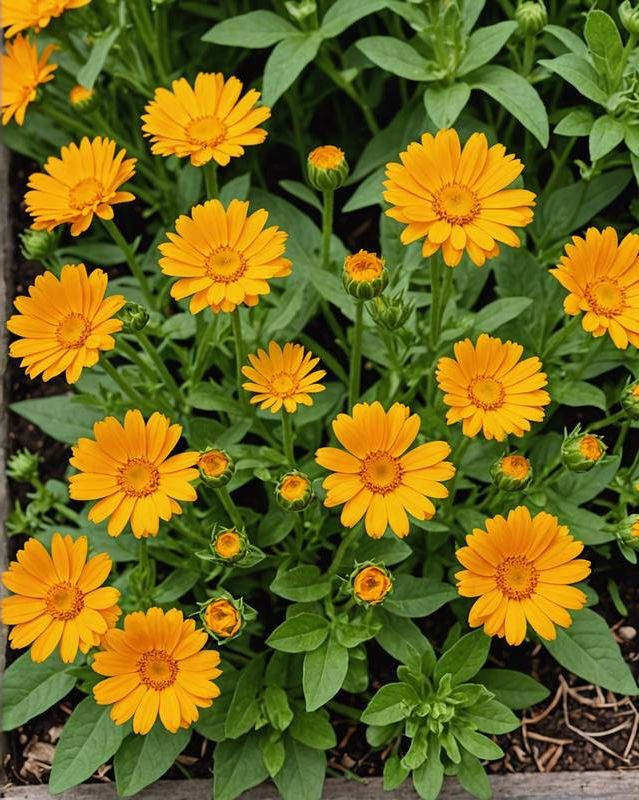
Calendula, often called pot marigold, produces cheerful petals in shades of yellow and orange. It typically blooms from late spring through fall, giving color for most of the growing season.
Bees and butterflies flock to this low-maintenance flower, which is exactly why gardeners plant it alongside vegetables as a companion crop.
Beyond looks, calendula helps keep certain pests at bay and can improve soil condition over time.
Here’s a bonus: calendula petals are edible. Toss them into a salad or steep them in tea for a mild flavor and a shot of color.
Borage for Bees and Butterflies

Borage grows star-shaped blue flowers that bees and butterflies can’t resist. Both the blossoms and the leaves are edible, which makes this plant as useful as it is pretty.
Young borage leaves carry a mild cucumber taste, so try chopping them into a salad or using them as a fresh garnish on a summer dish.
This plant asks for very little: well-drained soil and a sunny spot, though it tolerates partial shade just fine. It won’t take over your garden, but check on it occasionally to keep it in bounds.
Between the edible leaves, the pollinator traffic, and the low upkeep, borage earns its space in a vegetable bed several times over.
Yarrow for Beneficial Insects

Yarrow pulls beneficial insects into the garden, which helps with both pollination and natural pest control. Its feathery, fern-like foliage and clusters of small yellow flowers add texture and color to the rows around it.
Give yarrow full sun to partial shade and soil that drains well, and it will settle in without complaint.
It tolerates dry spells and rarely needs fussing over, which makes it one of the easiest flowers on this list to keep alive.
Dill for Attracting Pollinators

Dill has a light, anise-like flavor that works well in salads, dressings, and cooked dishes. It’s one of the easier herbs to fold into everyday cooking once you have a few sprigs on hand.
Grow it near tomatoes and cabbage, where it helps keep certain pests off both crops.
It also draws beneficial insects that pollinate other plants scattered throughout your garden.
Dill grows well in full sun or partial shade and doesn’t demand much from the gardener.
Give it regular water, and within weeks you’ll be snipping its feathery, fragrant leaves for the kitchen.
Poppies for Color and Yield

Poppies are simple to grow and bring a bold splash of color to a vegetable bed. Fewer gardeners realize the petals are edible too, and they make a striking garnish or salad topper.
Bees and other pollinators are drawn to poppy blooms, and more pollinator visits generally means better vegetable yields nearby.
Chamomile for Easy Growing

Chamomile takes up little room, needs almost no upkeep, and still manages to draw beneficial insects into a vegetable garden.
Its small, daisy-like flowers carry a light, sweet fragrance that many gardeners find calming just to walk past.
Dried chamomile flowers make a soothing tea known for its calming effect, and fresh blooms work well as a garnish or salad accent.
Nasturtiums for Natural Pest Control

Nasturtium leaves carry a peppery bite that livens up a salad, while the bright red, orange, and yellow flowers pull in pollinators from across the garden.
These plants need little care and keep blooming heavily right through the summer months.
They’re especially good at warding off pests, which is why gardeners plant them next to tomatoes, cucumbers, and other vegetables prone to insect damage.
Sunflowers for Garden Height
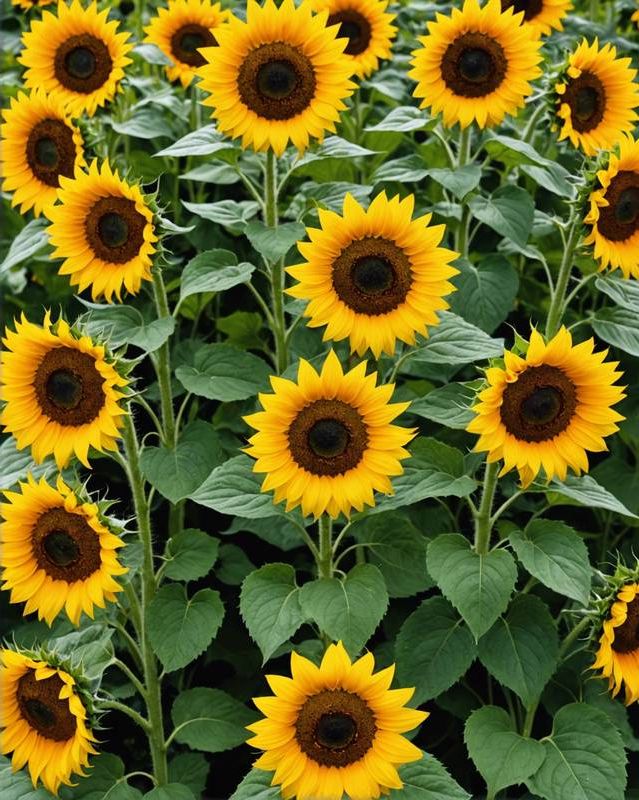
Sunflowers stand out with their thick, towering stalks and wide yellow blooms, easily among the most recognizable flowers grown anywhere. Their height also makes them a natural, sturdy trellis for climbing vegetables like pole beans.
These flowers are a great addition to your veggie garden! They don’t just look pretty, they also bring loads of benefits.
Sunflowers are known to attract pollinators, which are essential for the health of your other plants.
These little guys are great for our soil – they add nutrients and help to loosen up the dirt so plants can thrive!
And you know what else? Their seeds are actually so yummy and good for you, they make the perfect snack!