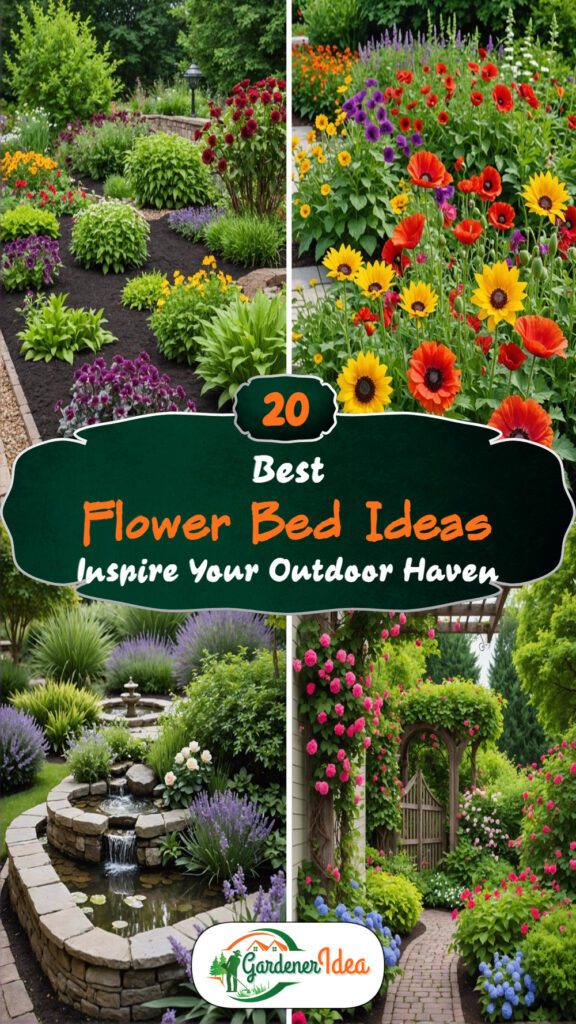
I’ve spent years digging in the dirt, and I’ve pulled together 20 flower bed ideas worth trying in your own yard. From crisp geometric layouts to a riot of colorful annuals, these designs show different ways to build a garden that feels both beautiful and calm.
Below, I’ll walk you through each design so you can pick the ones that fit your yard best.
1) Flower Beds With Defined Shapes and Lines
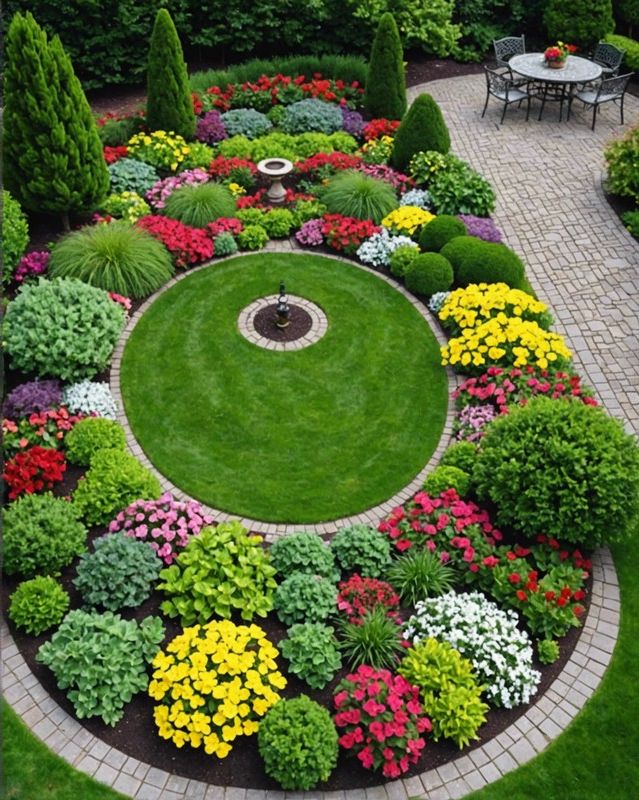
A flower bed built around clear patterns and straight lines tends to look polished rather than chaotic.
Geometric shapes such as circles, squares, and triangles give a garden bed a clean, modern feel that’s easy to plan around.
Low edging or short border plants work well for tracing these shapes, keeping the layout crisp and easy to maintain.
Straight lines of pavers or flowers add a formal structure and draw the eye toward a specific spot, almost like a visual path through the bed.
A flower bed with clean shapes and defined lines reads as more polished and holds visual interest even without a lot of color.
2) Vibrant and Lush Annual Flower Beds
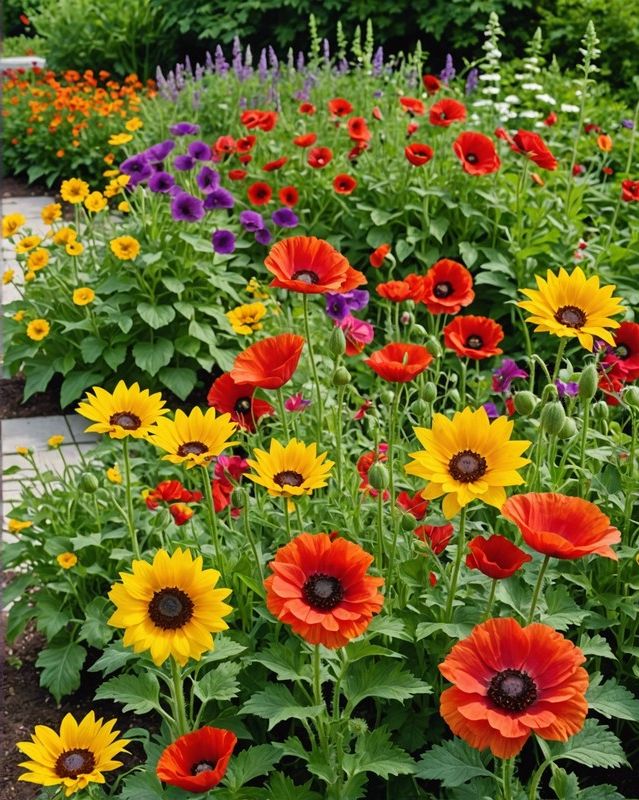
Annual flowers bring quick color and texture to a flower bed, often blooming within weeks of planting.
Because annuals only last a single growing season, you can swap them out and try new combinations year after year instead of committing to one look.
With so many colors, shapes, and sizes available, it’s easy to find annual varieties that match your garden’s existing style.
Options range from delicate poppies to bold sunflowers, so there’s an annual flower suited to nearly any garden theme, sunny or shaded.
3) Cottage-Style Flower Bed Charm
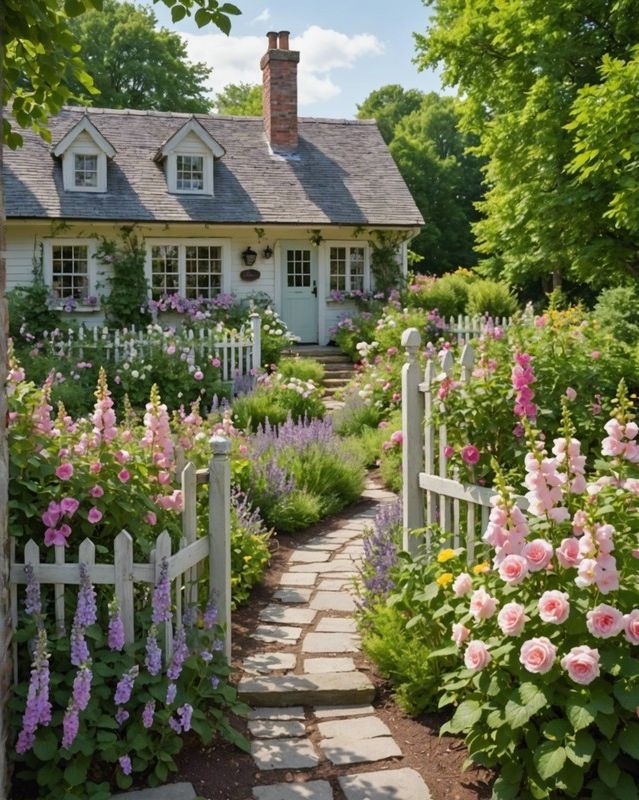
A cottage-style flower bed gives a yard that relaxed, storybook cottage garden feel with minimal formal structure.
Layer antique roses, lavender, and foxgloves together for a mix of heights and old-fashioned texture.
Stick to soft pinks, whites, and yellows to keep the palette gentle and cohesive.
Picket fencing or a lattice trellis along the edges gives climbing plants like clematis or sweet peas something to grow on.
This look works especially well in yards with a rustic or farmhouse-style house nearby.
4) Vertical Greenery With Garden Trellises
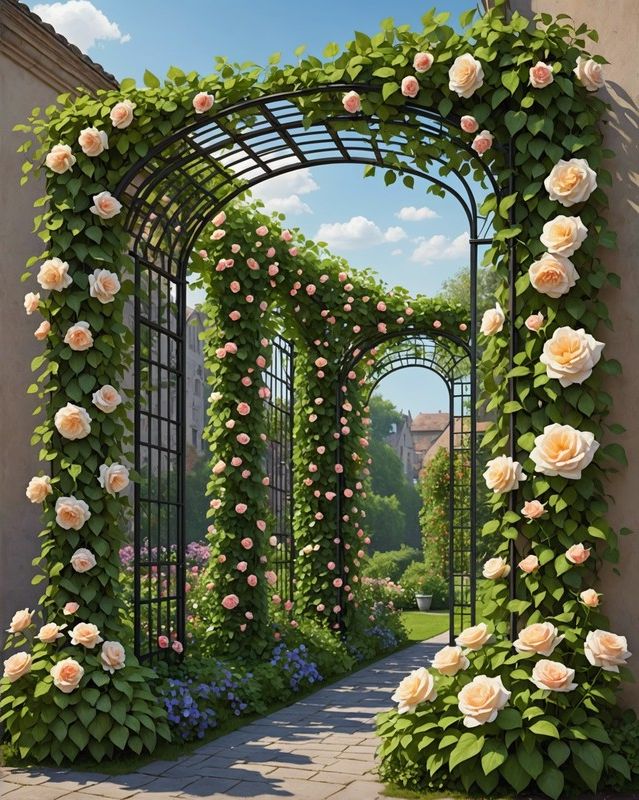
A trellis adds height to a flower bed and gives climbing plants a frame to grow on, creating a cascading wall of foliage over time.
Trellis styles include arched, diamond, and square designs, each suited to a different garden layout.
Match the trellis size to the plant’s growth habit, pairing tall or sprawling types like clematis, morning glories, or climbing roses with sturdier structures.
5) Rock Garden Oasis Design
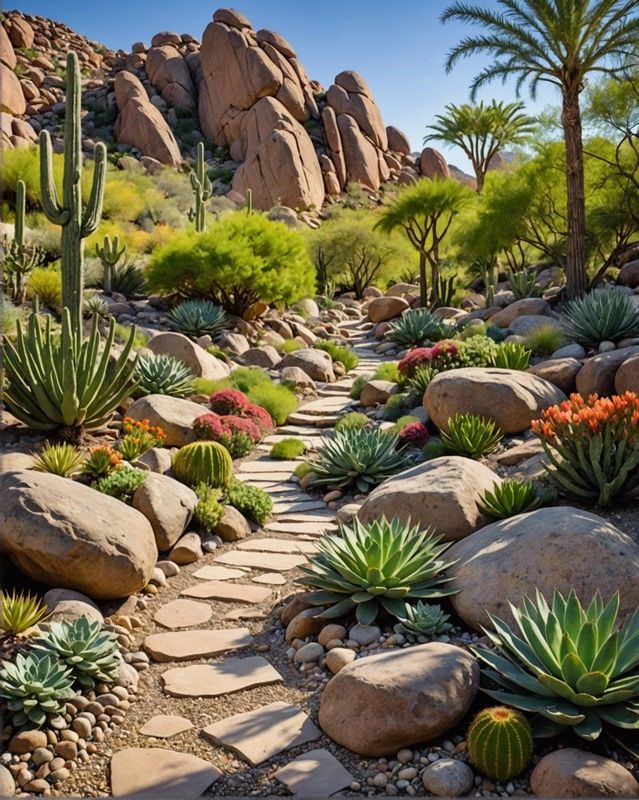
A rock garden built around boulders and low greenery makes a low-maintenance flower bed that needs little watering once established.
Choosing plants native to rocky, well-drained areas is the easiest way to keep this kind of garden thriving with little upkeep.
Succulents, cacti, and creeping groundcovers add contrast in texture and color between the stones.
A winding stone path through the layout gives visitors a reason to slow down and take in the different plant groupings.
6) Water Features and Flower Blooms
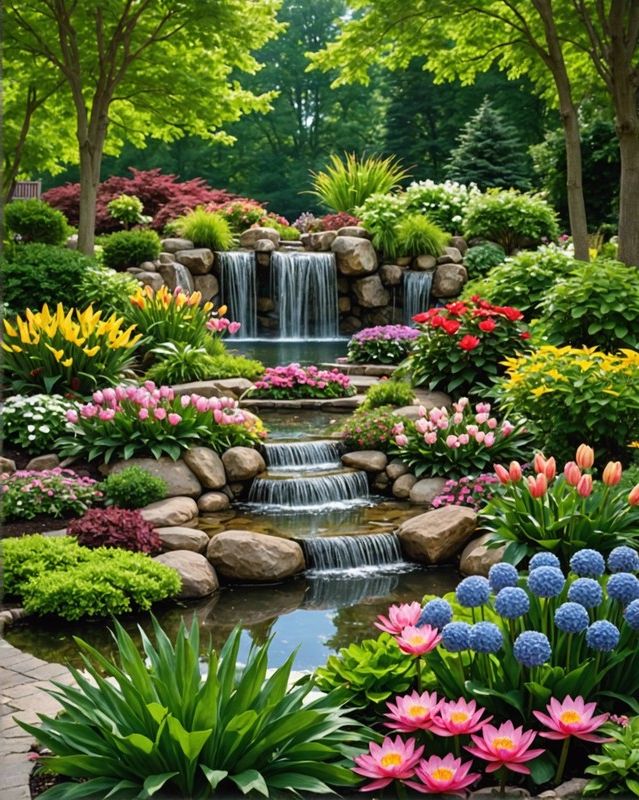
Pairing a small water feature with blooming flowers around a garden bed adds movement and sound to an otherwise still space.
Running water draws birds and butterflies into the garden and adds a steady, calming background sound.
Water lilies or lotus flowers in a small pond or fountain add color at the surface, and the moving water helps keep mosquito populations down.
A small cascading waterfall or tiered fountain adds both a visual centerpiece and a constant trickle of sound to the bed.
7) Edible and Fragrant Herb Garden
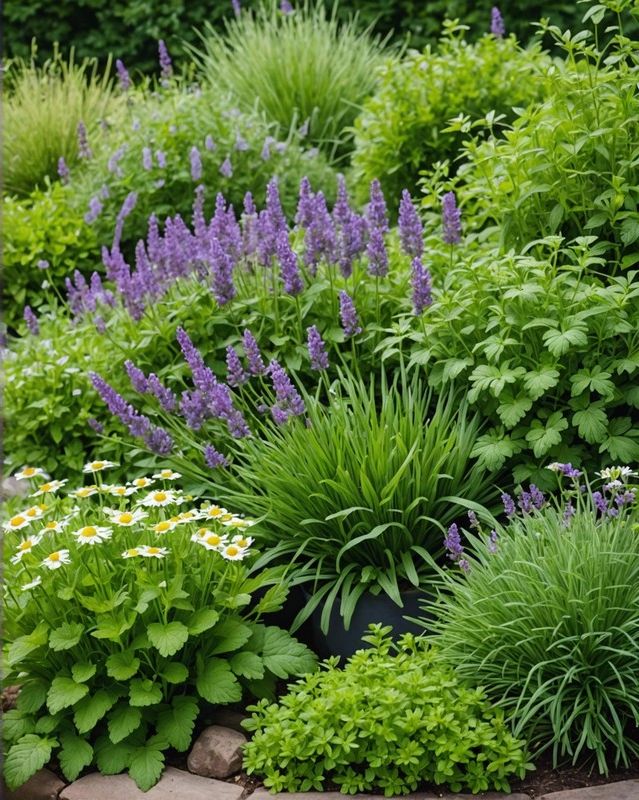
An herb garden built into a flower bed doubles as a kitchen resource, with each plant adding its own scent to the mix.
Basil brings a fresh, sweet smell while thyme offers something earthier, and both are easy to harvest straight from the bed for cooking.
Plant rosemary next to lavender so the silvery rosemary foliage contrasts against the purple lavender blooms, and the two together give off a calming, herbal scent.
Mint and lemon balm love hanging out in the shady spots, blending their fresh scents to give you a nice little boost. And don’t forget the chamomile for a touch of sweetness – those pretty flowers are like a magnet for butterflies and bees!
A sprinkling of parsley, cilantro, and chives not only provides a burst of flavor to your dishes but also enhances the garden’s appeal.
8) Butterflies and Hummingbirds Flower Bed
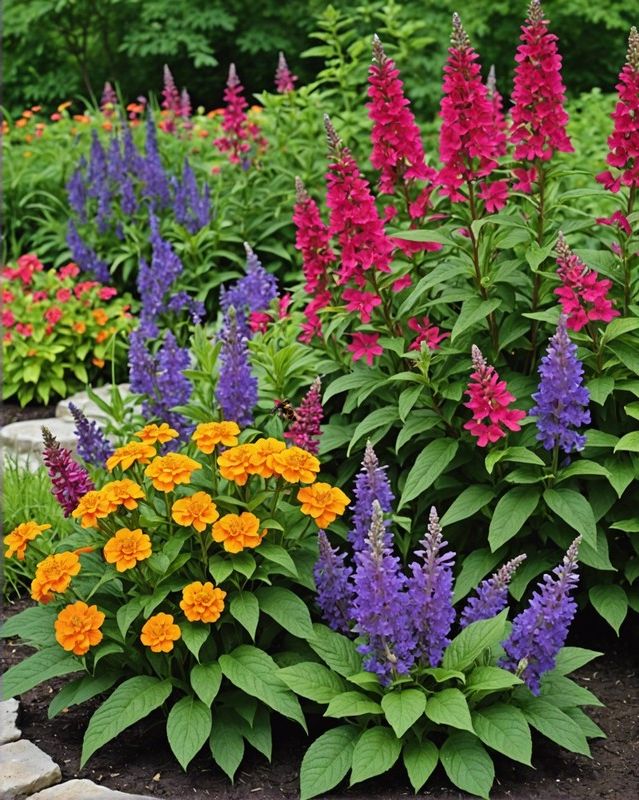
Create a vibrant oasis in your garden that attracts these delightful creatures. Choose blooms rich in nectar, such as butterfly bush, lantana, and salvia.
For hummingbirds, opt for flowers like bee balm, fuchsia, and trumpet creeper.
Plant in clusters to create a continuous source of food, and consider incorporating water features to provide hydration.
9) Native Plant Sanctuary Beds
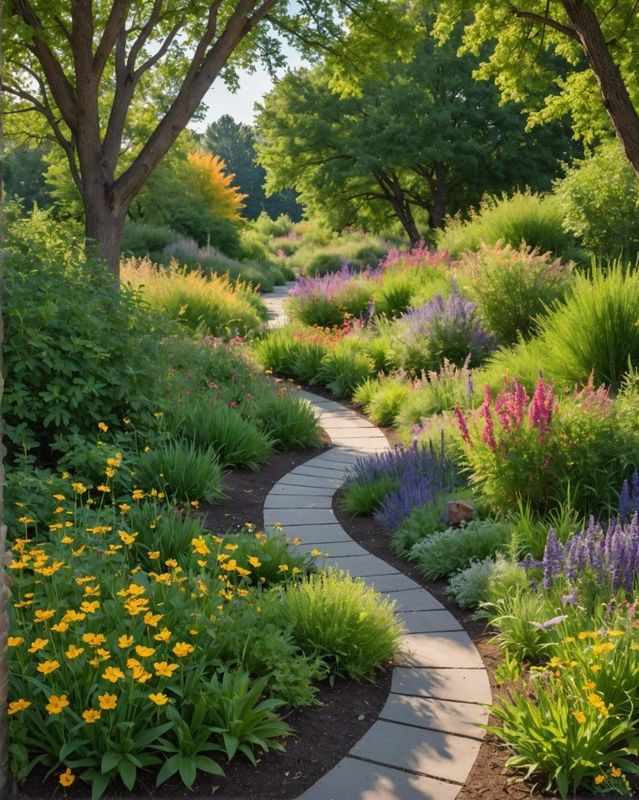
Nestled amidst thriving urban landscapes, native plant sanctuaries offer a serene escape for both humans and wildlife.
These oases showcase the beauty and ecological value of local flora, providing vital habitat for native pollinators, birds, and other creatures.
By incorporating native species into our gardens, we not only enhance the aesthetic appeal of our surroundings but also play a crucial role in preserving our fragile ecosystems.
These sanctuaries serve as reminders of the intricate connections between nature and our own well-being, inviting us to connect with the natural world and appreciate the beauty of our native landscapes.
10) Year-Round Color With Flowering Bulbs
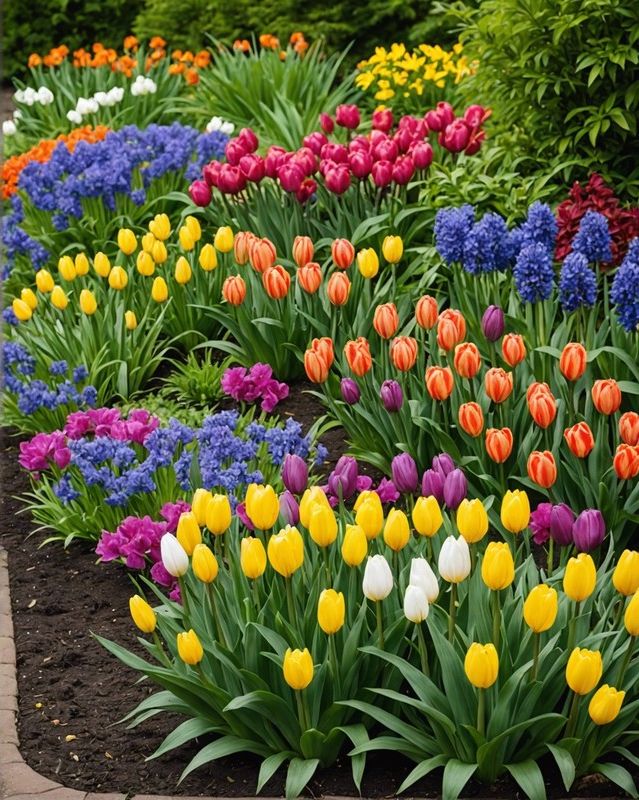
Bulbs add color and interest to your flower beds year-round.
Plant a variety of bulbs that bloom at different times to ensure a continuous display of flowers.
Hey there! So, during the springtime, you can expect to see some beautiful flowers starting to bloom. Things like tulips, daffodils, hyacinths, and crocuses are all part of that spring-blooming bulb family. They bring so much color and joy to our gardens, don’t they?
Did you know that lilies, dahlias, and gladiolus are some of the bulbs that bloom in the summer? They are so beautiful and vibrant!
Did you know there are some pretty flowers that bloom in the fall? Chrysanthemums, asters, and colchicums are some examples! Have you seen any of these blooming in your garden lately?
By planting bulbs that bloom at different times, you can create a flower bed that is always in bloom.
11) Low-Maintenance Groundcover Beds
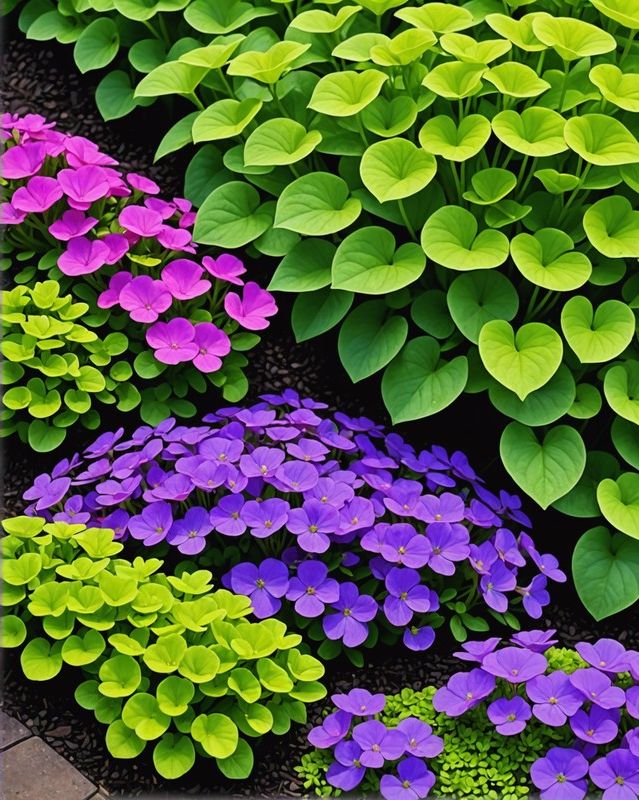
Hey there! When you’re putting together flower beds, think about using low-maintenance groundcover plants to keep the maintenance to a minimum.
These plants are really amazing – they can spread super fast, filling in any empty spots and keeping those pesky weeds at bay.
Some popular options include creeping Jenny, which adds a lush, emerald-green carpet, and vinca minor, known for its vibrant purple blooms.
For sunnier spots, try sedum, a drought-tolerant groundcover with showy pink or yellow flowers.
By incorporating low-maintenance groundcovers, you can enjoy a stunning flower bed without spending hours on maintenance.
12) Modern and Minimalist Flower Bed Designs
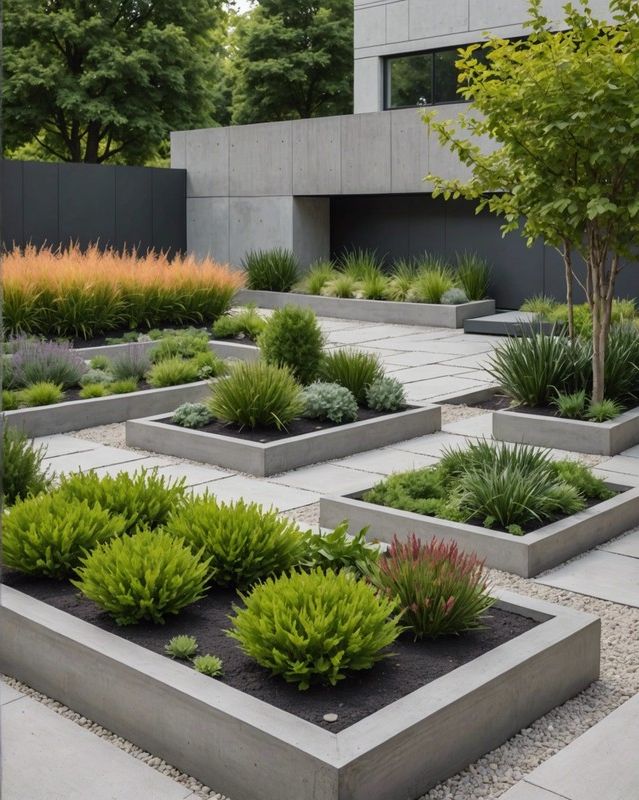
Modern and minimalist flower bed designs prioritize clean lines, geometric shapes, and a limited color palette. They often feature large-scale planters or raised beds made of concrete, metal, or wood.
You know what’s really cool? Using succulents, ornamental grasses, and other easy-to-care-for plants to make your space look super stylish and chic. It’s such a simple yet elegant touch, don’t you think?
I think having plants with just one color or some that have different colors can make things look really cool without being too much. It’s all about creating a nice balance in the design.
13) Why Raised Flower Beds Work Well
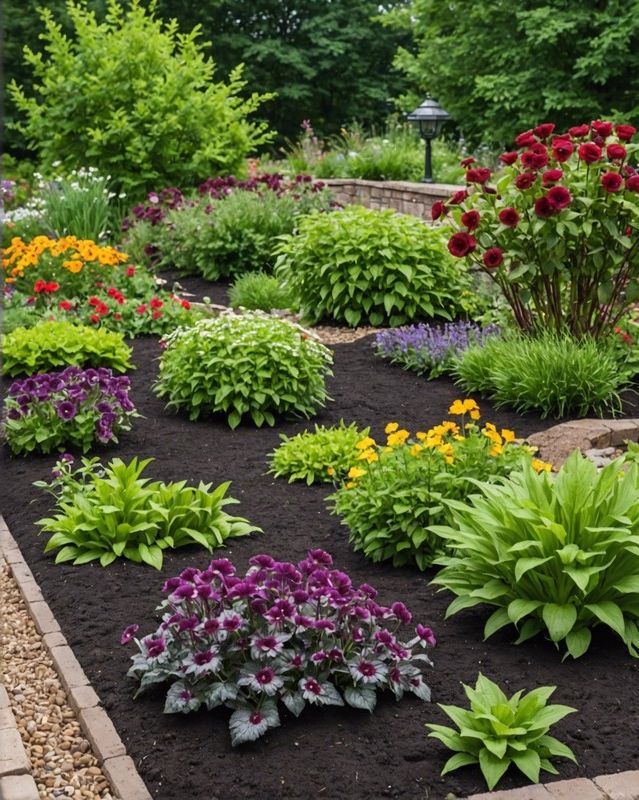
Raised beds offer a multitude of benefits that make them an excellent choice for gardeners. Firstly, they provide superior drainage, preventing waterlogging and root rot.
This is especially crucial for plants that require well-drained soil, such as roses and herbs.
Raised beds are great because they help keep the soil nice and warm, which means you can start planting earlier and keep growing veggies for longer.
Plus, they’re super easy to get to, so even if you have trouble getting around, you can still enjoy gardening without any hassle.
Additionally, they can serve as attractive design elements, adding height and visual interest to your garden space.
14) Creative Container Garden Arrangements
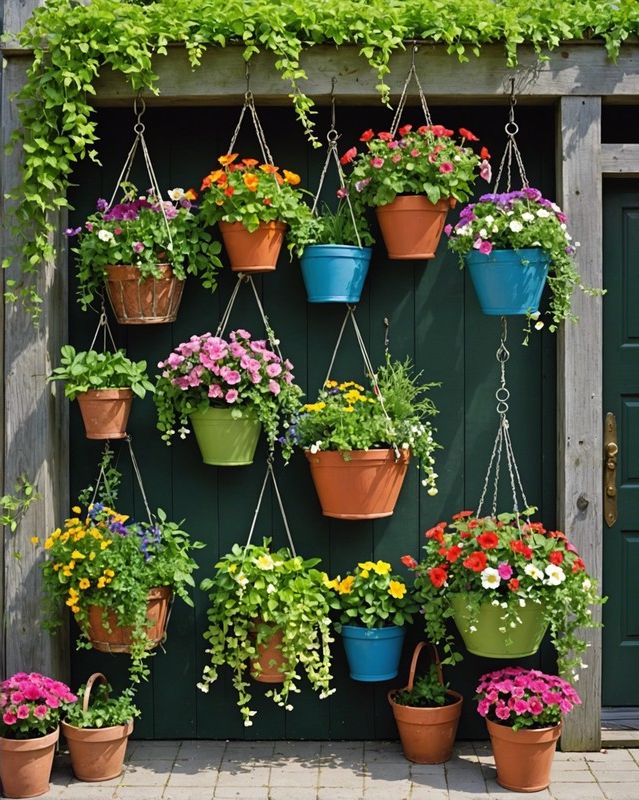
Experiment with imaginative container arrangements to add a touch of creativity to your outdoor spaces. Suspend trailing plants in hanging baskets for a cascading effect.
How about trying out something cool and unique by putting together vertical gardens on trellises or walls? You can mix and match flowers with some savory herbs or veggies for a fun and lively touch!
Use mismatched pots and containers in various sizes and shapes for an eclectic and charming display. Consider repurposing everyday objects like old watering cans, wheelbarrows, or even teacups as unique planters.
There are so many possibilities out there, so don’t be afraid to let your creativity shine! Go ahead and embrace it!
15) Artistic Focal Points for Flower Beds
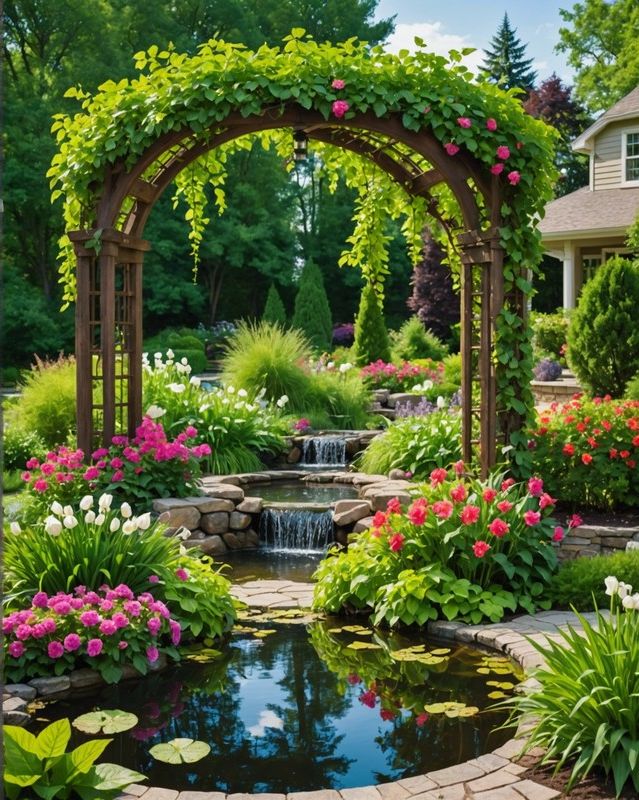
Artistic focal points elevate your flower bed from a simple planting to a captivating work of art.
Why not make a beautiful centerpiece by using a gorgeous sculpture, a tall obelisk covered in climbing vines, or a dramatic trellis filled with cascading blooms? It’s an easy way to add some wow factor to your space!
Wow, these elements really catch your eye and give your garden that special touch of elegance and mystery.
Consider incorporating water features, such as a bubbling fountain or tranquil pond, to enhance the ambiance and provide a soothing focal point for relaxation and contemplation.
16) Adding a Focal Point With Garden Structures
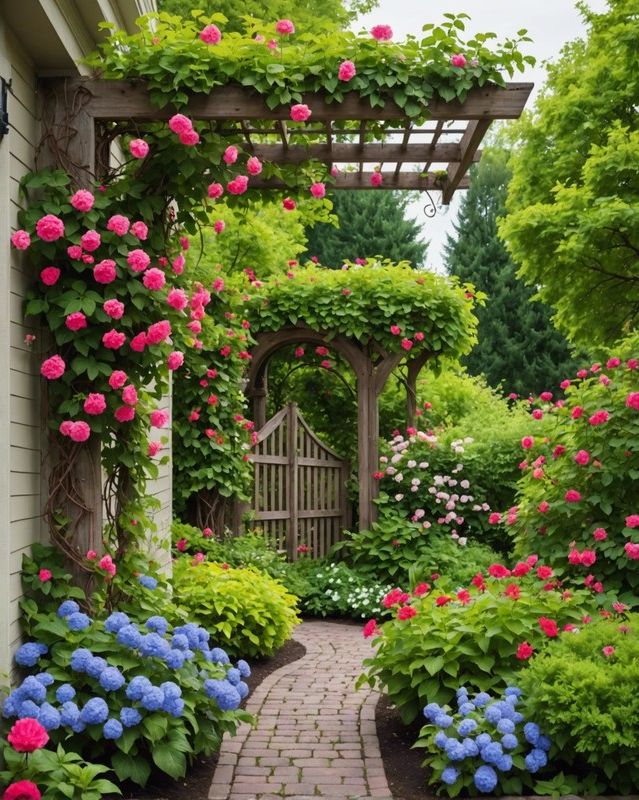
Incorporating structures into your flower bed can create a stunning focal point.
Consider adding a trellis or arbor covered in climbing vines, or a water feature such as a bubbling fountain or tranquil pond.
These structures add height and depth to the landscape, drawing the eye and enhancing the beauty of the flowers.
17) Sensory Gardens Built for Relaxation
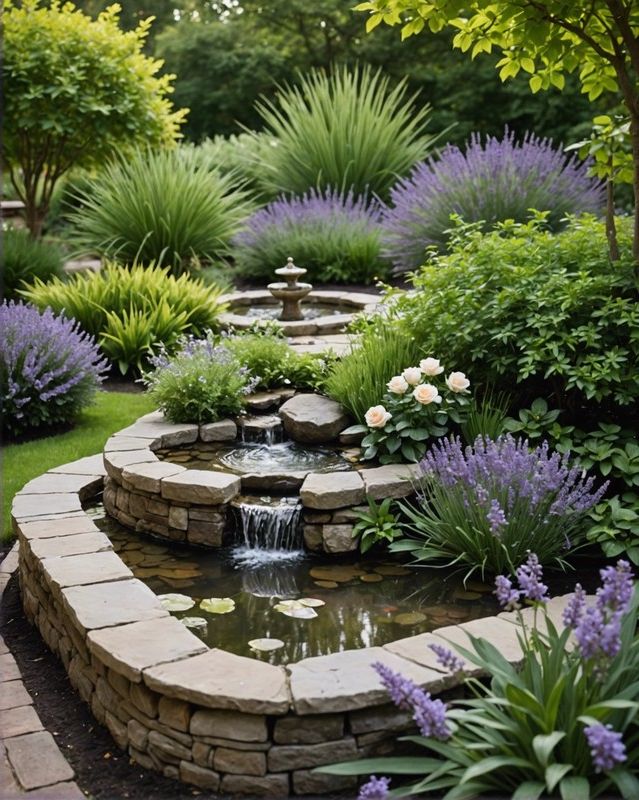
How about transforming a peaceful corner of your garden into a special spot just for relaxation? Fill it with lovely scents from flowers like lavender and jasmine that can help calm your mind and lift your spirits.
Incorporate soft textures like velvety rose petals and feathery lamb’s ear, providing tactile stimulation.
Gentle sounds from a water feature or rustling leaves enhance relaxation, immersing you in a tranquil haven that rejuvenates both body and soul.
18) Fragrant Flowers for Evening Blooms
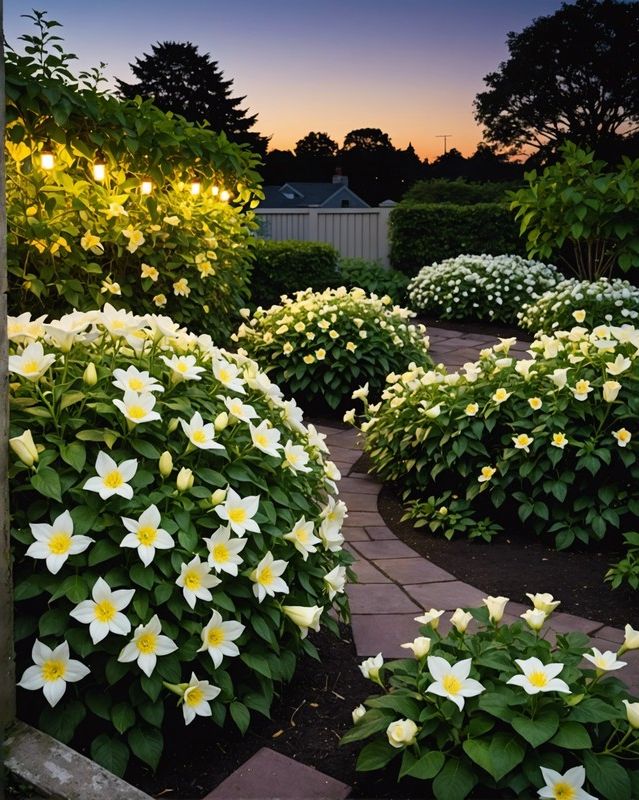
Transform your garden into a magical oasis of scents with beautiful evening blooms. By planting night-blooming jasmine, you’ll create a lovely atmosphere with its sweet and intoxicating fragrance as you relax in your backyard at sunset.
Let the moonflowers bloom and show off their beautiful white petals, attracting those secretive night pollinators with their delightful scent.
Have you ever considered evening primroses for your garden? They have these lovely yellow blooms that smell just like honey and can make you feel like you’re in a fairy tale land.
19) Xeriscaping Ideas for Water Conservation
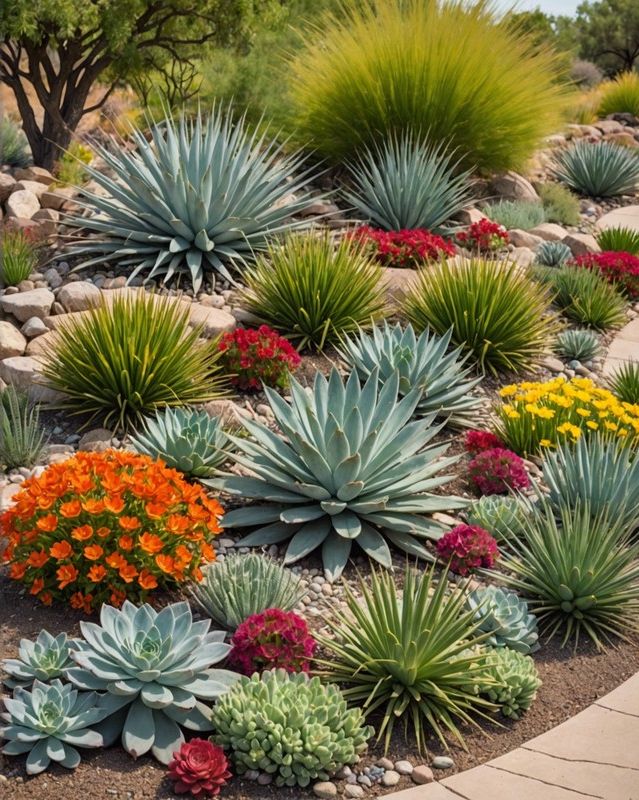
Have you heard of xeriscaping? It’s a really cool way to make your garden look amazing while saving water. Basically, you can create a beautiful flower bed without using too much water. How awesome is that?
Xeriscaping incorporates drought-tolerant plants, such as succulents and ornamental grasses, which require less watering than traditional flowers.
When you pick plants that are native to your area or that are well-suited to the climate, you can help save water. It’s a great way to make your garden more eco-friendly and easy to care for.
And hey, don’t forget to throw down some organic mulch around your plants! It’ll keep the soil nice and moist and make life a lot harder for those pesky weeds. Plus, you won’t have to water as much!