Here are 14 standout perennials picked for gardeners who want more color and texture underfoot. Each one works as ground cover while adding its own shape and personality to a bed or border.
From deep burgundy foliage to bright spring blooms, these plants bring a range of colors, textures, and shapes to any yard. They fill in bare patches while giving your landscape a layered, finished look.
Some gardeners want a dense green carpet, others want color that changes with the seasons. Either way, this list points you toward ground covers suited to your space and climate.
Coral Bells for Colorful Ground Cover
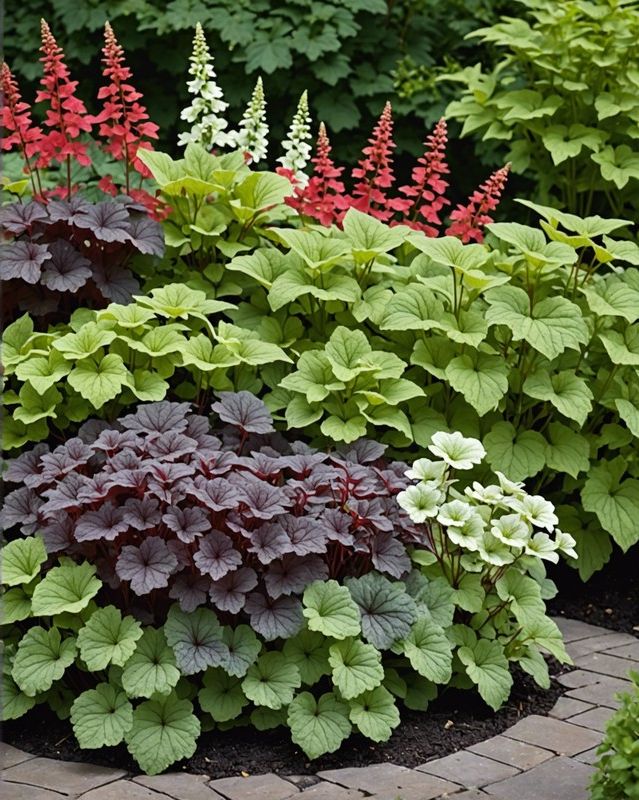
Heuchera, better known as coral bells, brings serious color to the garden floor. Its leaves range from fiery reds and oranges to soft greens and deep purples, depending on the variety.
This perennial does best in shady spots and adjusts well to different soil types, so it fits into nearly any garden layout. Gardeners often pair it with hostas or ferns for a layered shade garden.
Come summer, coral bells send up slender stalks of small flowers. The blooms aren’t flashy, but they give the plant an extra layer of texture beyond its colorful leaves.
Ajuga for Shady Garden Coverage
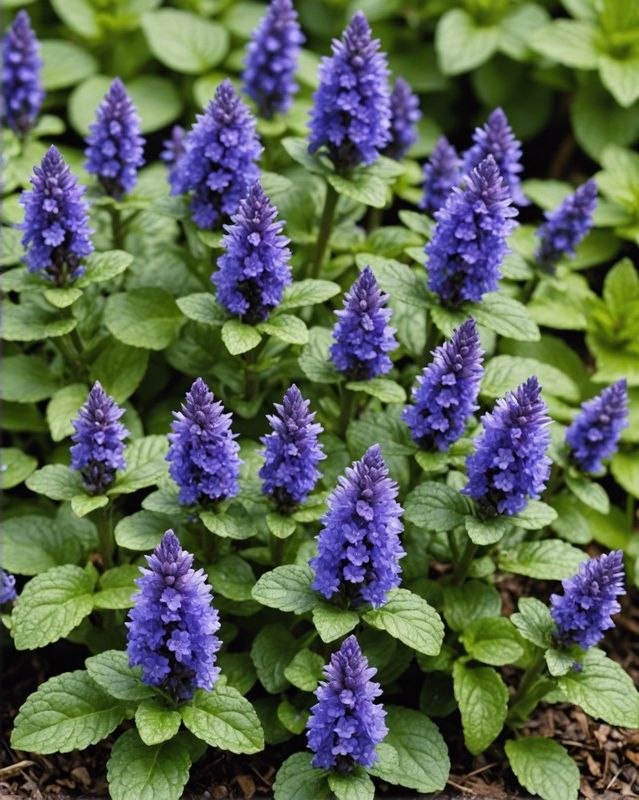
Ajuga, or bugleweed, stays low and spreads into a thick mat of foliage that’s great for filling gaps in a shady bed. It thrives in moist soil and shows off best where sunlight is limited.
Leaves range from solid green to variegated patterns, and in spring, spikes of purple or blue flowers rise above the foliage. The bloom show is short but vivid.
Little upkeep is needed once it’s established, since Ajuga spreads on its own to form a solid, colorful mat within a season or two.
Creeping Jenny for Golden Color
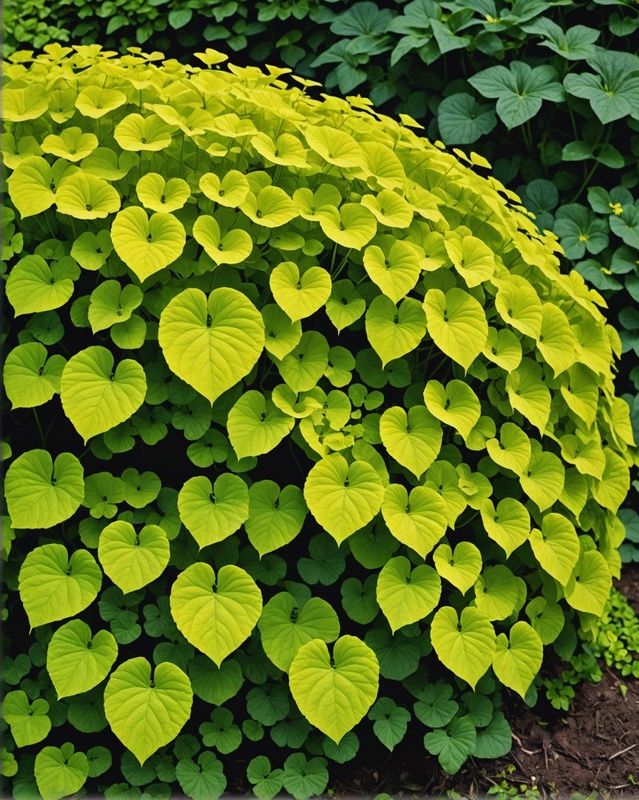
Creeping Jenny stands out for its bright golden-yellow leaves, a shade rare among ground covers. A patch of it against darker greenery reads almost like sunlight caught in the garden.
Its trailing stems drape naturally over slopes, rock walls, and container edges. Beyond looks, the dense growth chokes out weeds and helps hold soil in place on inclines.
This perennial tops out between 6 and 12 inches tall and grows best in moist, well-drained soil. It handles partial shade or full sun, which makes it a flexible pick for borders, slopes, or containers.
When autumn arrives, the foliage deepens into a richer gold, keeping the plant interesting long after summer blooms have faded elsewhere.
Lamium for Shade and Color
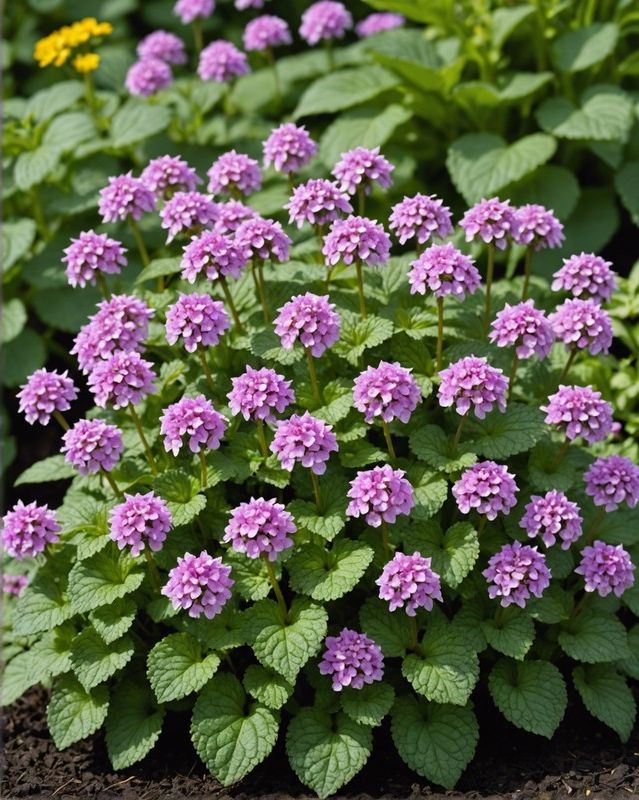
Lamium, also called deadnettle, works as a fast-spreading ground cover with plenty of visual punch.
Its heart-shaped leaves pair with clusters of small hooded flowers in pink, purple, or white, giving the plant a layered, cottage-garden feel.
It adapts to a range of soil types and needs little upkeep once established, making it a solid pick whether you’re new to gardening or have years of experience.
Sedum for Low-Maintenance Cover
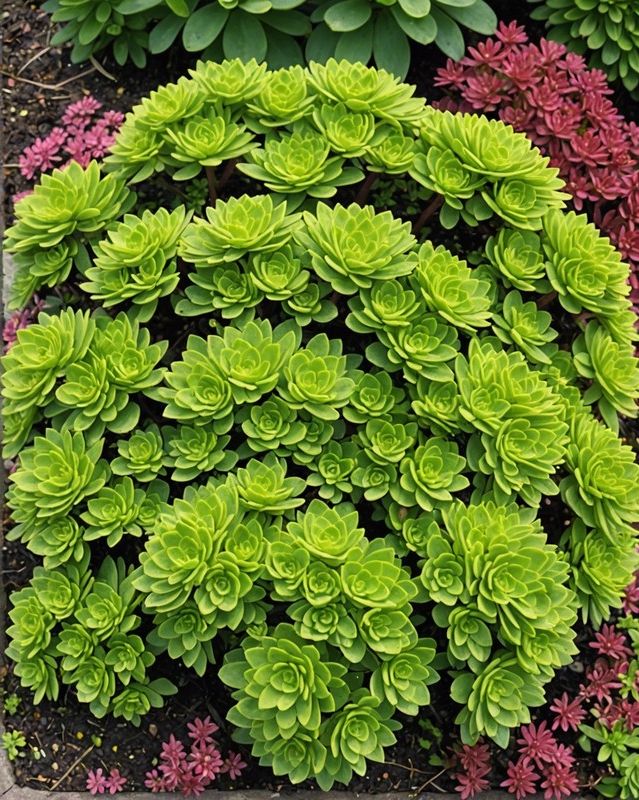
Sedum, also called stonecrop, covers a whole genus of plants that double as reliable ground cover.
With dozens of varieties available, Sedum offers a mix of colors and leaf textures that can suit almost any garden style.
Sedum’s biggest selling point is toughness. It shrugs off neglect and still holds its shape and color through dry spells.
That resilience makes it a smart pick for anyone short on time, since it needs little watering or feeding to keep going strong.
It also tolerates drought and poor, rocky soil, so it works in spots where other perennials might struggle.
Some Sedum varieties hug the ground in a low mat, while others grow upright with clustered blooms, so there’s a form to match nearly any garden layout.
Carpet Bugleweed for Dense Coverage
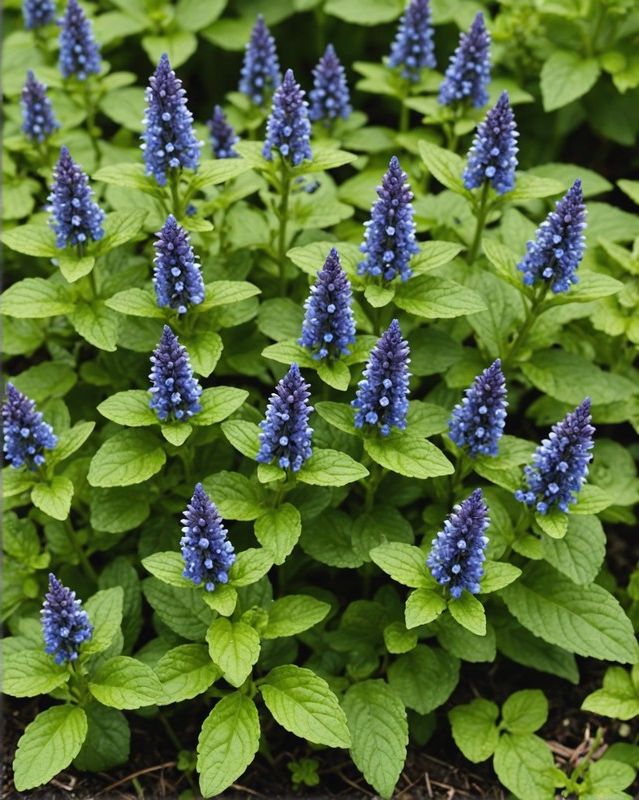
Carpet bugleweed hugs the ground tightly, forming a dense mat of deep green leaves with slightly serrated edges.
Small blue flowers appear in clusters each spring, adding a pop of color against the dark foliage.
This perennial handles shady spots well and doubles as a border plant along walkways or beds. It needs very little care once it takes hold.
Its drought tolerance means it can go without frequent watering, even during dry summer stretches.
Snow-in-Summer for a Silvery Look
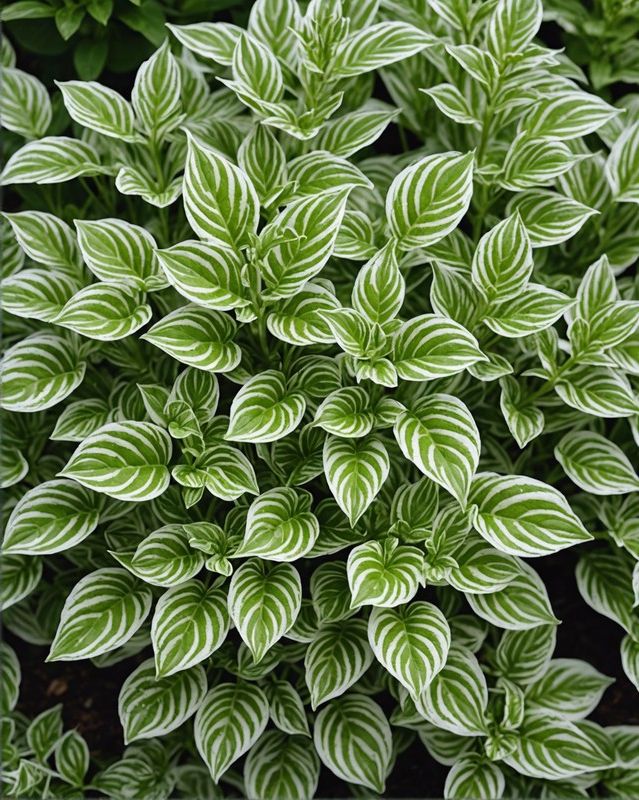
Snow-in-summer gets its name from rounded leaves in a soft blend of white and green that spread low across the ground. It handles both sun and partial shade without losing its shape.
The dense growth habit gives beds a soft, carpet-like texture that pairs well with brighter flowering perennials nearby.
This plant also resists common diseases and holds up through dry weather, so it needs little attention once it’s established.
Creeping Phlox for Spring Color
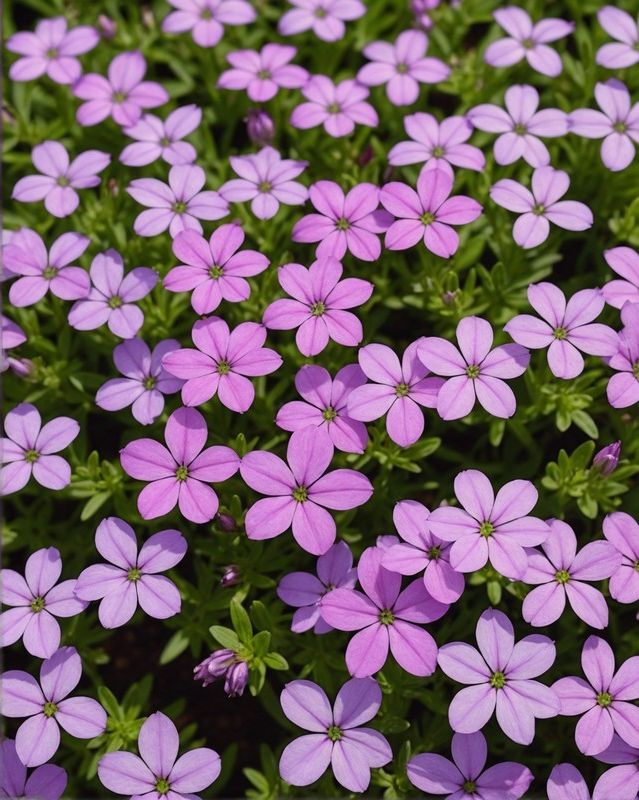
Creeping phlox spreads into dense mats covered with star-shaped flowers in pink, purple, white, or blue. The blooms arrive in spring and cover the plant so thickly that the foliage nearly disappears underneath.
Creeping phlox is a versatile groundcover that thrives in full sun to partial shade, making it ideal for a variety of landscapes.
Wild Ginger for Shade Gardens
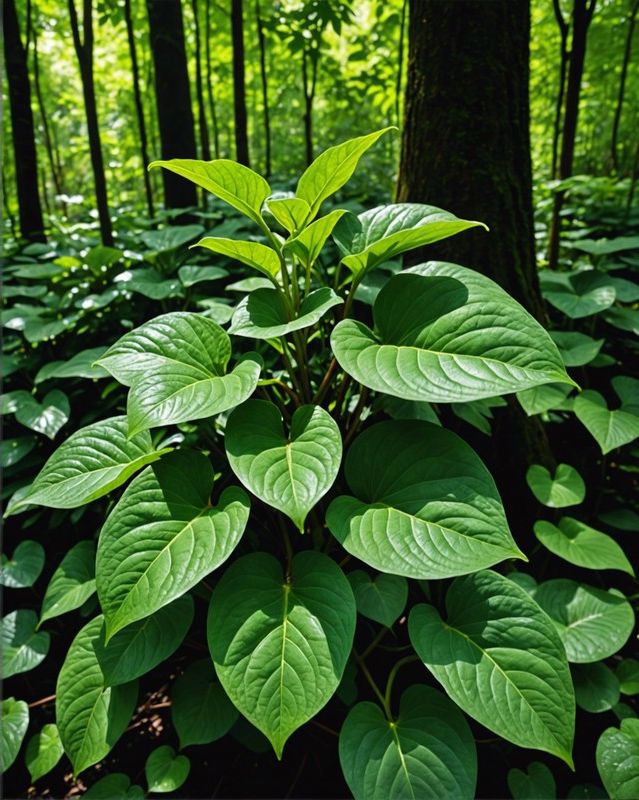
Wild ginger is an ideal ground cover for shady areas, reaching a height of just 6 inches with a spread of 12 to 18 inches.
Its attractive, heart-shaped leaves are a vibrant green in the spring and summer, transforming into a stunning shade of yellow in the fall.
This plant is great because it spreads gradually, so you won’t have to worry about it taking over. It loves to grow in soil that is moist and well-drained, which makes it happy and healthy.
Its versatility extends to various uses, including edging, woodland gardens, and even containers.
Creeping Thyme for Fragrant Cover
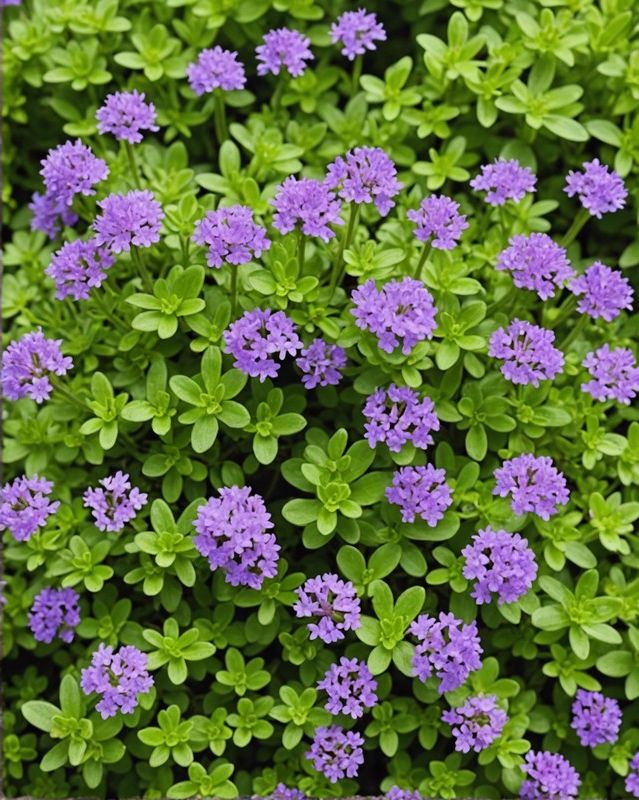
Creeping thyme is an evergreen perennial that forms a dense mat of aromatic foliage. It is a versatile groundcover that can be planted in full sun or partial shade.
Creeping thyme produces clusters of tiny purple flowers in the summer.
This plant is super tough and can totally handle a little neglect – perfect for those of us who always forget to water or don’t have a lot of time to spend in the garden.
Vinca for Fast-Spreading Cover
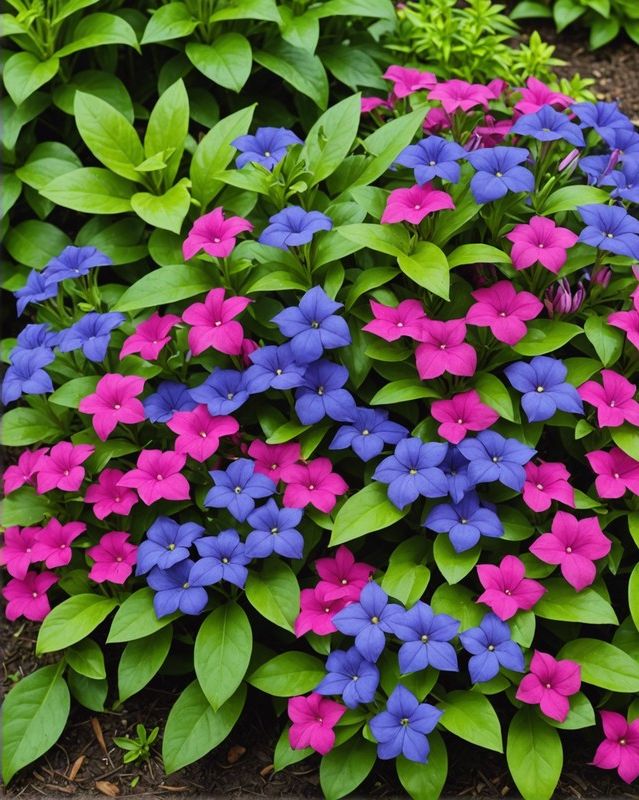
With its glossy leaves and vibrant flowers, Vinca is a ground cover that adds beauty and vitality to any garden. This low-maintenance perennial thrives in both sun and shade, making it a versatile choice for a variety of landscapes.
Its trailing stems spread quickly, creating a lush carpet that helps suppress weeds and retain moisture in the soil.
Vinca blooms profusely throughout the spring and summer months, producing an abundance of small, star-shaped flowers in shades of blue, lavender, pink, or white.
Dianthus for Fragrant Blooms
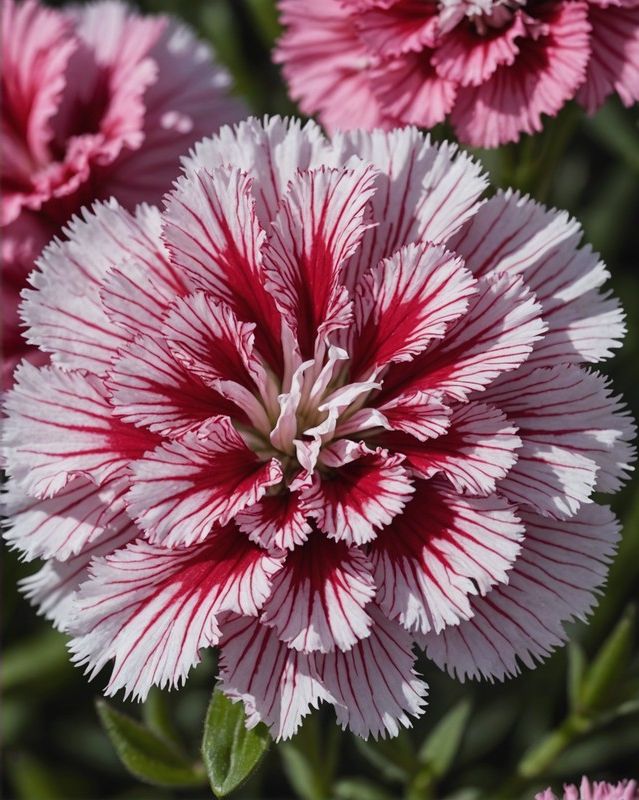
Dianthus, commonly known as pinks or carnations, are striking perennials that form dense, compact mounds of foliage.
They produce a profusion of frilly, fragrant flowers in shades of pink, red, white, and purple.
Dianthus blooms prolifically throughout the summer, adding a vibrant touch to borders, rock gardens, and containers.
These plants are pretty tough! They can handle USDA zones 3-9 and they love soil that drains well. They enjoy soaking up the sun, but they’re also cool with a bit of shade here and there. Plus, they’re low-maintenance, so they won’t need too much attention from you.
Their compact habit and drought tolerance make them ideal for beginners and experienced gardeners alike.
Geranium for Season-Long Color
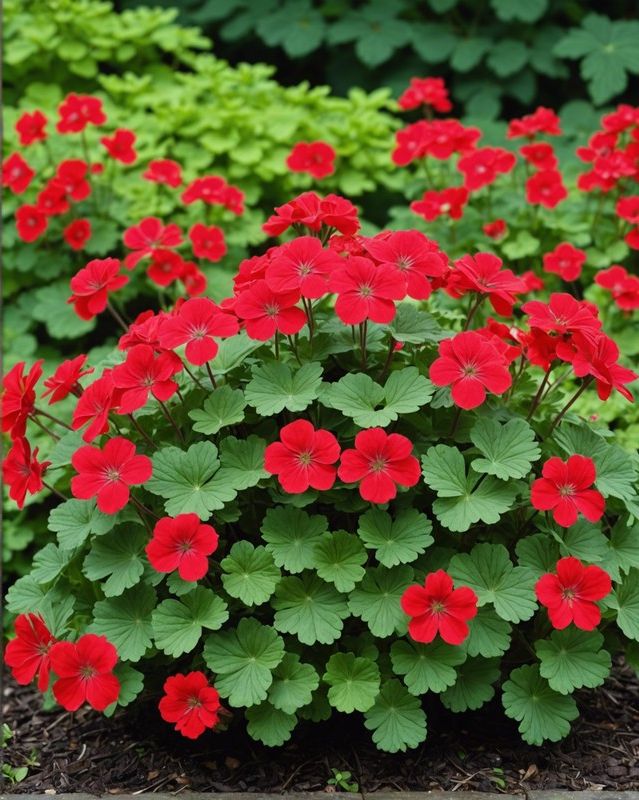
Geraniums, also known as cranesbill, are a versatile group of plants that make excellent ground cover. They are hardy and easy to grow, and they come in a wide range of colors and sizes.
Geraniums prefer well-drained soil and full sun to partial shade.
They are also drought-tolerant, making them a low-maintenance option. With their showy blooms and attractive foliage, geraniums add beauty and interest to any garden.
They can be used to create a lush carpet of color, or they can be planted as accents around other plants.
Geraniums are also a great choice for containers and hanging baskets.
Veronica for Spiked Blooms
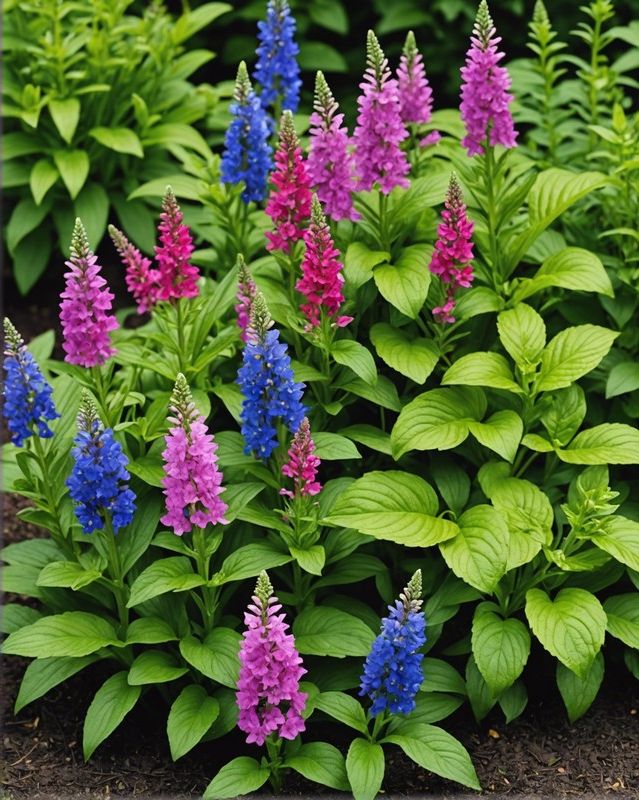
Veronica is like a beautiful rainbow in your garden, with its rich blues and vibrant pinks. It’s perfect for covering the ground with its lush, low-growing leaves.
Plus, it’s so versatile – it can handle both full sun and partial shade, so you can plant it anywhere in your garden and watch it thrive.
Its adaptability to different soil types, including well-drained and moist conditions, further enhances its practicality.
During the summer and fall seasons, Veronica flowers bloom beautifully and attract pollinators, bringing a little touch of magic from nature to your garden.