
Sprucing up your front yard can boost your home’s resale value by around 10 percent. That’s a solid return for a weekend project. This article covers 21 simple ideas to give the front of your house real curb appeal.
We’ll cover everything from vibrant flower beds to container gardening, plus plenty of practical tips along the way. By the end, you’ll have a list of doable projects to make your yard stand out on the block.
Add Colorful Flower Beds for Curb Appeal
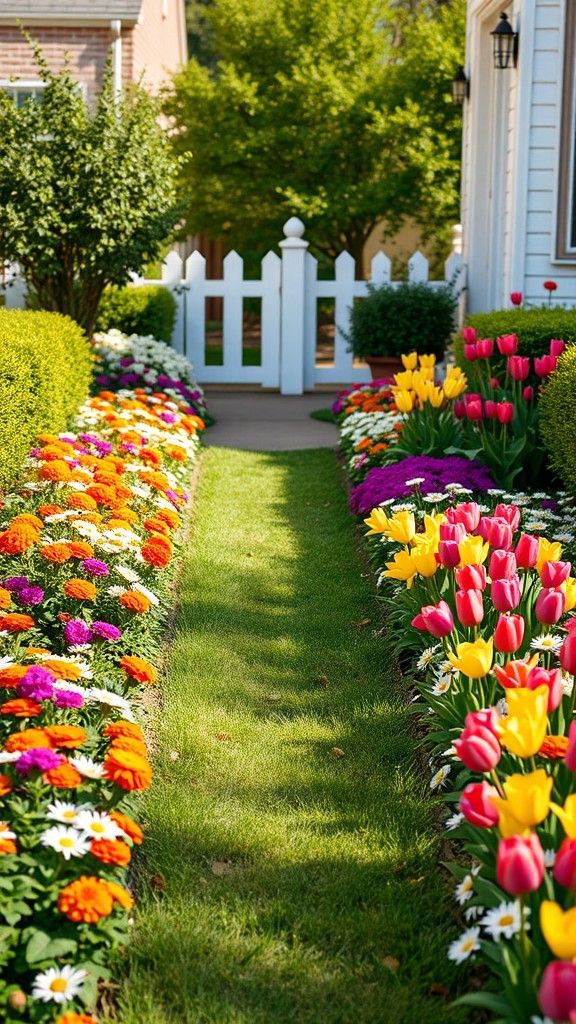
A front yard full of flower beds can turn a plain lawn into a colorful focal point. Choose flowers that bloom at different times of the year so there’s always something in bloom, from early spring through late fall.
Perennials such as lavender and daylilies return year after year, while annuals like marigolds and petunias add a fast burst of color each season. Mixing both types keeps your beds interesting and gives you blooms that last for months.
Raised beds are worth considering too. They keep your garden looking neat and organized, improve soil drainage, and put your plants at a more comfortable height for weeding and watering.
For a more polished look, plant flowers in clusters of three or five instead of single rows. Add greenery like ferns or hostas nearby for contrast against the brighter blooms.
The right combination of colors, textures, and bloom times gives your home a stronger first impression from the street. Even a small bed near the entryway can change how the whole yard reads.
Build a Low-Maintenance Rock Garden
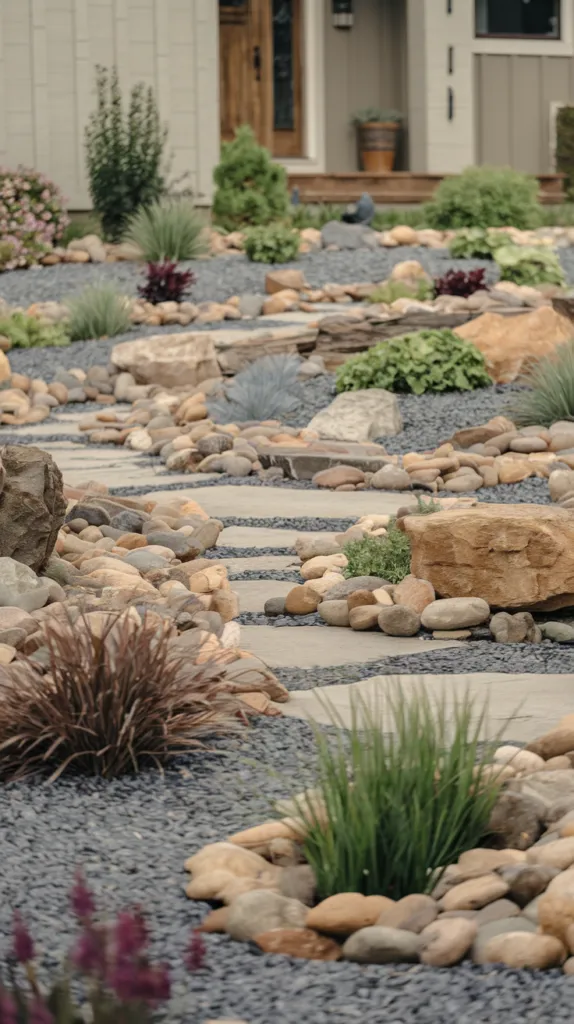
A rock garden gives your front landscape a distinct look without demanding much upkeep. It’s a smart option if you want texture and structure without regular watering or mowing.
Choose a sunny spot with soil that drains well, since standing water can rot the roots of rock garden plants. Gather rocks of different sizes, shapes, and colors, then layer them to build depth and visual interest.
Stick with drought-tolerant plants for a rocky bed, since they handle heat and dry spells better than most flowering annuals. Sedum, thyme, and lavender are all solid choices that need little watering once established.
Surround the plants with gravel or mulch. This layer locks in soil moisture, blocks weeds from taking hold, and gives the whole bed a finished, tidy edge.
Finish the design with a few decorative stones or boulders that match your home’s exterior color and material. This ties the rock garden into the rest of your landscaping instead of leaving it looking separate.
Install a Stepping Stone Pathway
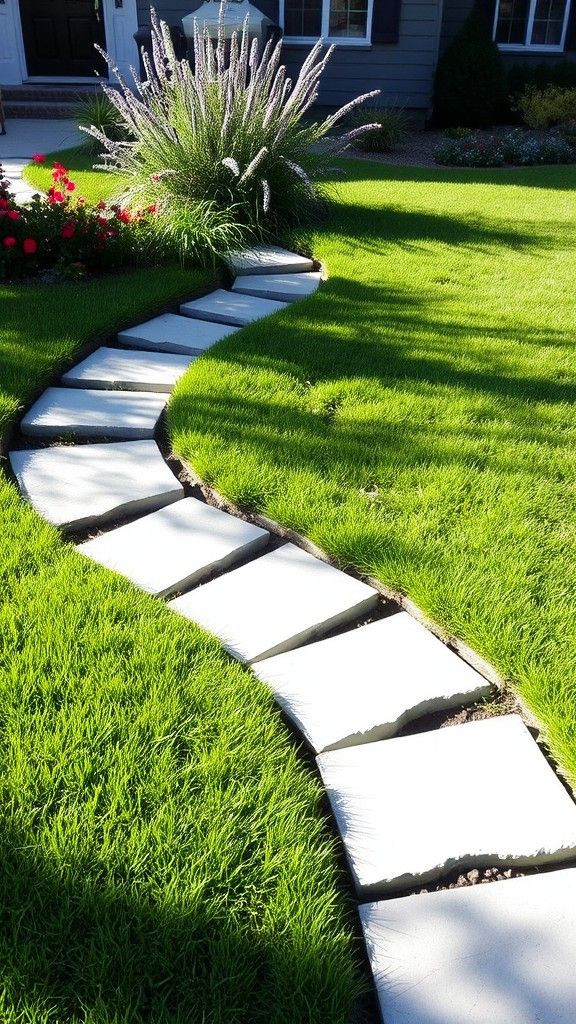
A stepping stone pathway is an easy way to guide visitors toward your front door with style. Flagstone, concrete pavers, and reclaimed wood are all common material choices, so pick one that matches your home’s exterior.
Combine stones of varying sizes and shapes instead of using identical pieces. This irregular pattern reads as more natural and less like a store-bought kit.
Before you place a single stone, sketch out the route you want the path to take across your yard.
A slight curve makes the path more visually interesting than a straight line, and spacing stones 2 to 3 feet apart matches a natural walking stride. Once you’ve planned the layout, dig shallow holes so each stone sits level with the surrounding ground.
Fill the gaps between stones with moss, gravel, or low-growing flowers so the path blends into the landscape instead of looking pasted on top of it. This also gives foot traffic a stable surface without damaging nearby plants.
Try Container Gardening Near the Entrance
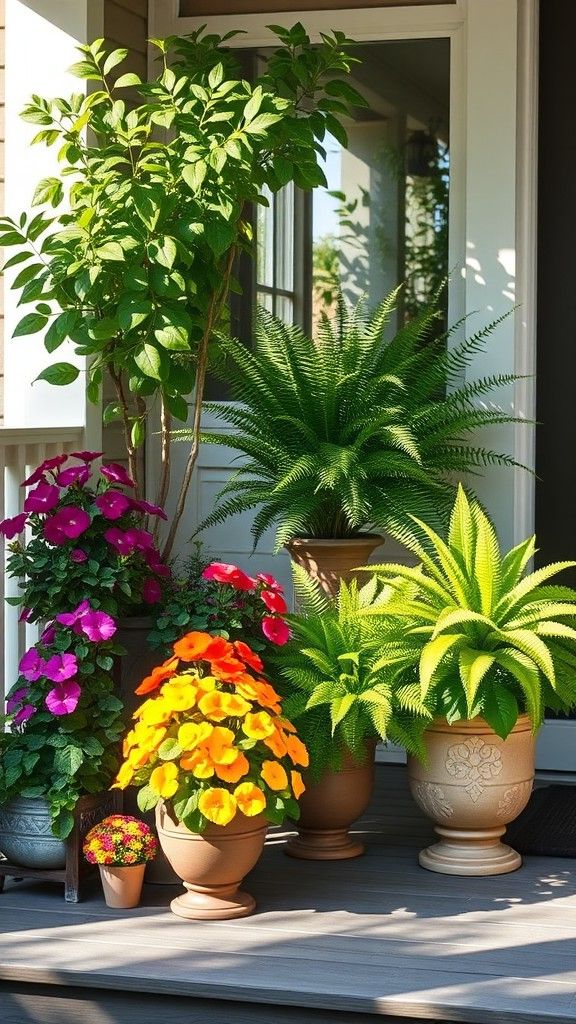
Container gardening is one of the fastest ways to update a front yard, especially if space is tight. Pots can go on steps, porches, or along a walkway, giving you flexibility that in-ground beds don’t offer.
Choose pots in colors or materials that complement your house’s siding or trim. Terra cotta, glazed ceramic, and painted metal all work well depending on your home’s style.
Mix plant types within your containers rather than sticking to one category. Combining flowers, herbs, and small shrubs in the same grouping gives each pot more visual variety.
Petunias and marigolds bring quick color, while basil and rosemary double as kitchen herbs you can actually use. Pairing a flowering plant with an edible one is a common combination for front-entry containers.
Place taller plants, like dwarf holly, toward the back of larger pots and shorter ones up front. This layered arrangement, sometimes called thriller-filler-spiller, gives each container more depth.
Every pot needs drainage holes to keep roots from sitting in water and rotting. Water consistently and add fertilizer during the growing season, typically spring through summer, to keep plants filling out.
Add Evergreen Shrubs for Year-Round Color
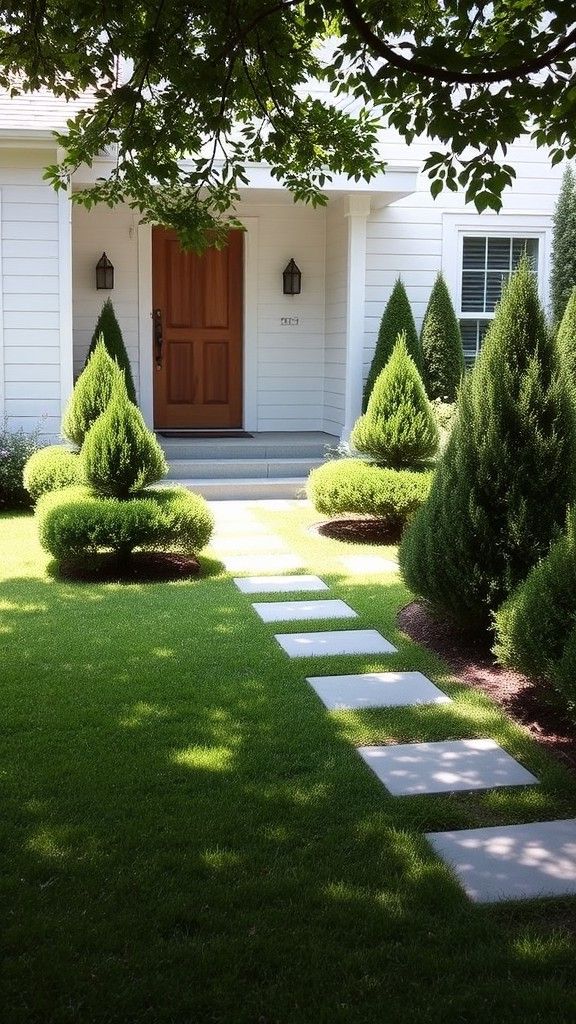
Evergreen shrubs keep your front yard looking full even in winter, when most flowers have died back. Boxwood and holly are two low-maintenance varieties that hold up in a range of climates and need only occasional pruning.
Planting shrubs in clusters or lining them along a walkway creates clear structure and boundaries. Mixing shrub heights adds depth, and pairing them with seasonal perennials keeps the bed changing throughout the year instead of looking static.
Add a Retaining Wall for Structure
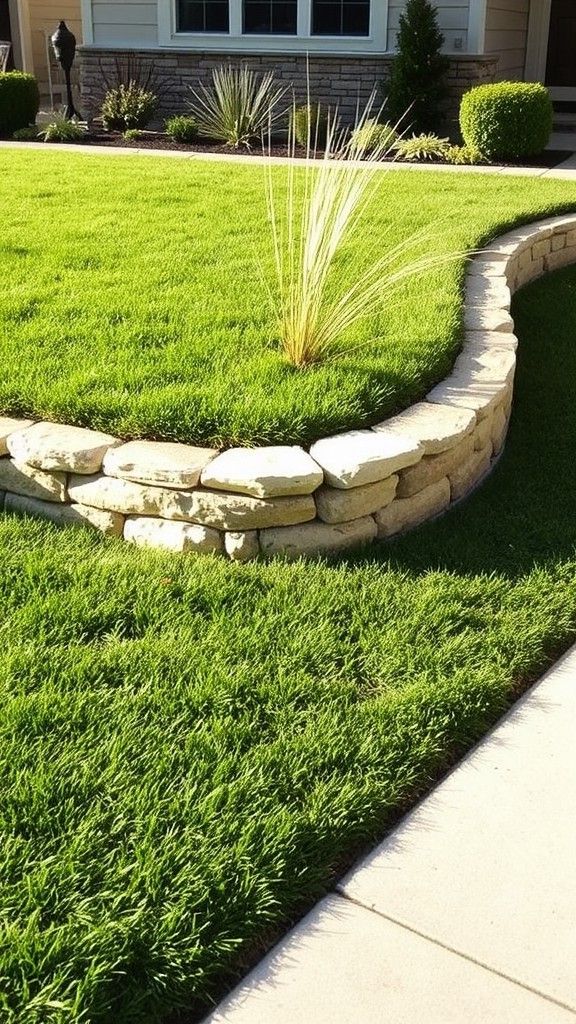
A retaining wall does more than reshape your front yard’s appearance.
It also holds soil in place on sloped ground, which can prevent erosion during heavy rain.
Natural stone, brick, and concrete block are the three most common materials, and each one can be matched to your home’s existing exterior finish.
Pick colors and textures that echo other hardscaping in the yard, like a walkway or porch steps, so the wall looks planned rather than added on later.
Map out where the wall needs to go before digging, paying attention to how water drains across the slope. Dig the trench below the frost line for your region so the wall stays stable through freeze-thaw cycles.
As you lay each row, use a level to maintain evenness and backfill behind the wall with gravel for drainage. Adding plants or flowers at the top will soften the look and provide additional beauty to your landscape.
Add Decorative Edging Along Beds
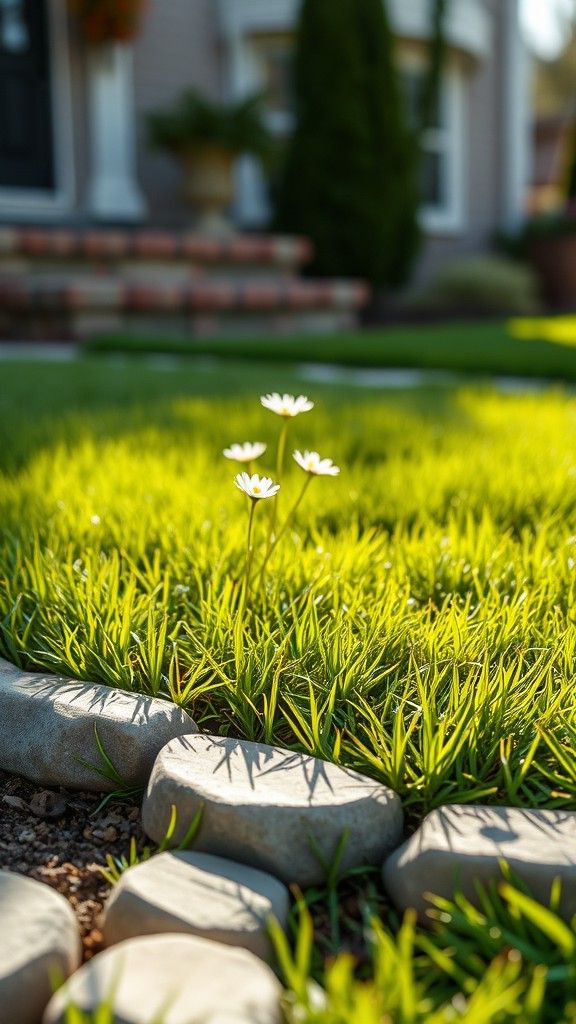
You can dramatically enhance your landscape by adding decorative edging to your garden beds and pathways.
This not only keeps your plants contained but also adds visual interest. Consider materials like stone, brick, or even metal for a chic look that reflects your home’s style.
If you’re into doing things yourself, you can use different sizes of natural stones to give your space a cozy, rustic vibe.
Or, if you prefer something easier, you can go for ready-made plastic or wooden borders that are simple to put in place and keep up with.
Just make sure to pick an edging that goes well with the rest of your outdoor décor for a nice, put-together look!
Use Mulch to Cover Bare Ground
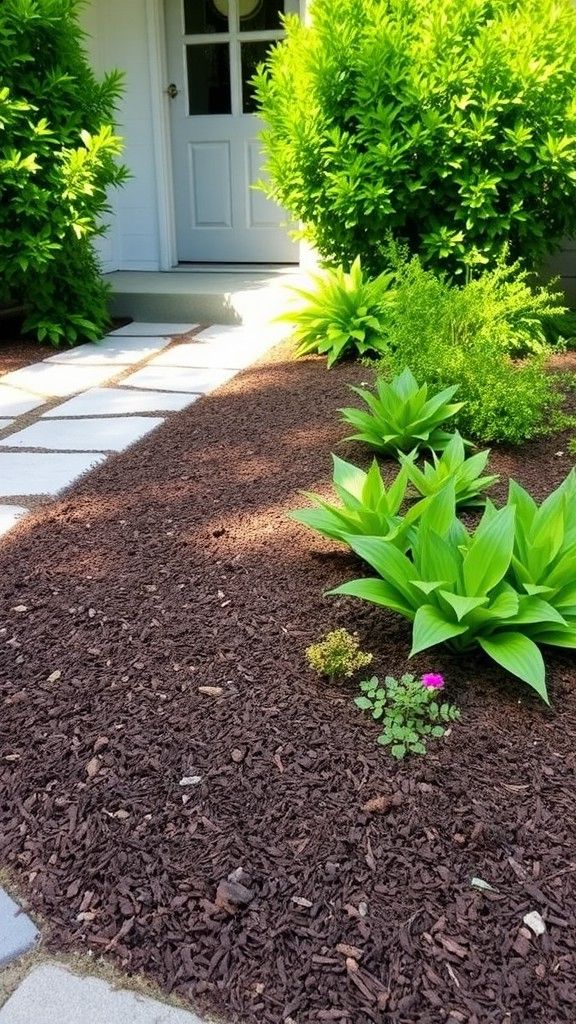
Using mulch as ground cover is an effective way to enhance your landscape while promoting plant health.
Not only does it provide a clean and polished look, but it also helps retain moisture in the soil, reducing the need for frequent watering.
Opt for organic mulch like wood chips, bark nuggets, or straw for added benefits. These materials decompose over time, enriching the soil with nutrients.
Spread a 2-4 inch layer around trees, shrubs, and flower beds to suppress weeds and protect roots from extreme temperatures. Regularly refreshing the mulch will keep your landscape looking tidy and vibrant.
Plant Shade Trees Near the Entrance
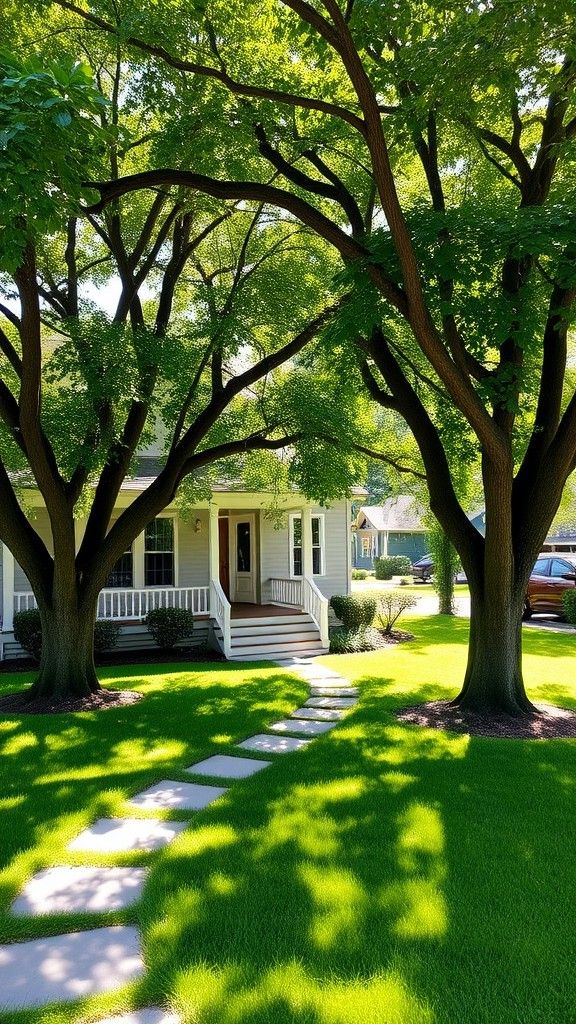
If you’re looking to spruce up your front yard, consider planting some shade trees! Not only will they make your place look nicer, but they also bring lots of cool perks.
Just make sure to pick trees that thrive in your area, like maples, oaks, or pretty flowering dogwoods.
When those trees start giving you shade in the summer, you’ll notice your house stays cooler and your energy bills go down. Win-win!
When you’re thinking about planting trees, try to choose spots that will give the most shade to your house or your favorite outdoor spots.
Make sure to plant them far enough away from buildings so they have room to grow. Taking care of them with watering and trimming will keep them healthy and make your yard look nice and cozy with a leafy canopy.
Style a Front Porch with Potted Plants
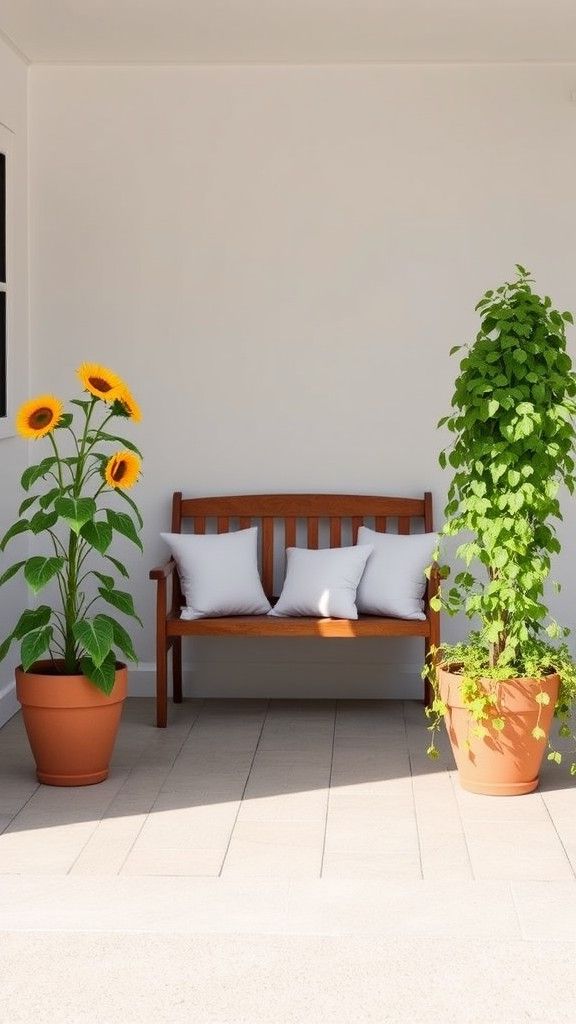
If you want to spruce up your front porch, adding some potted plants is a great idea! Try mixing different sizes and shapes to make it look more interesting.
You can go for some colorful flowers like petunias or geraniums to add a nice pop of color, and throw in some evergreens for a timeless touch. This simple trick can really make a difference in your porch’s overall look!
Place taller pots at the back and shorter ones in front to create layers. Consider using hanging planters if space is limited. Grouping your plants together can also provide a vibrant, lush look.
Don’t forget to select pots that complement your home’s exterior—try terra cotta for a rustic touch or ceramic for something more elegant.
Design a Garden That Attracts Butterflies
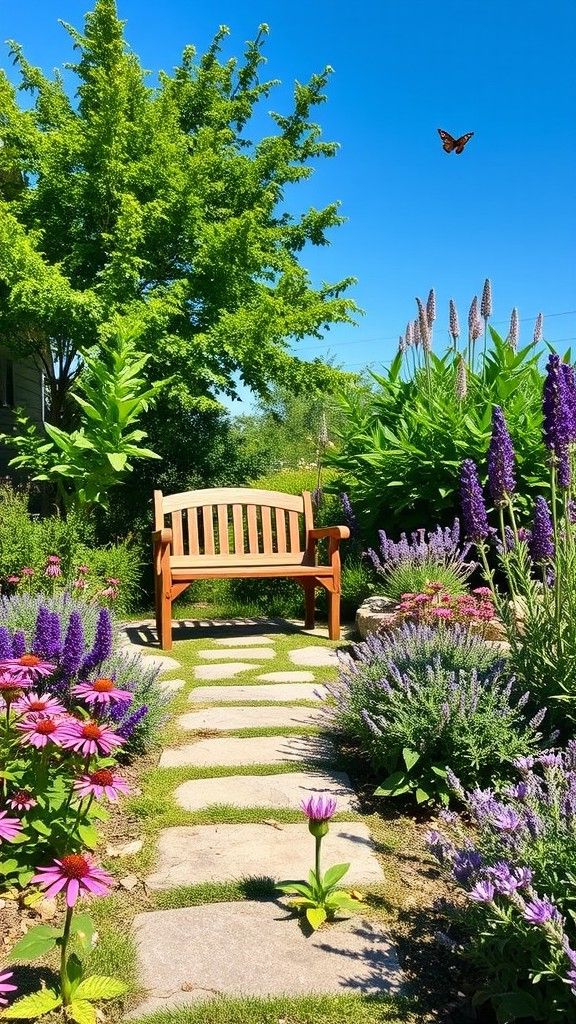
You can transform your front yard into a vibrant butterfly garden by selecting the right plants.
Start by choosing native flowers like milkweed, coneflowers, and black-eyed Susans that provide nectar for butterflies. Their bright colors attract not only butterflies but also other pollinators like bees.
Include host plants where butterflies can lay their eggs. For instance, parsley and dill are favorites for swallowtail butterflies.
Arrange these plants in clusters to create a stunning visual effect and to help butterflies find food easily. Don’t forget to add a shallow water source for butterflies to drink and a few rocks or logs for resting spots.
Install a Front Yard Water Feature
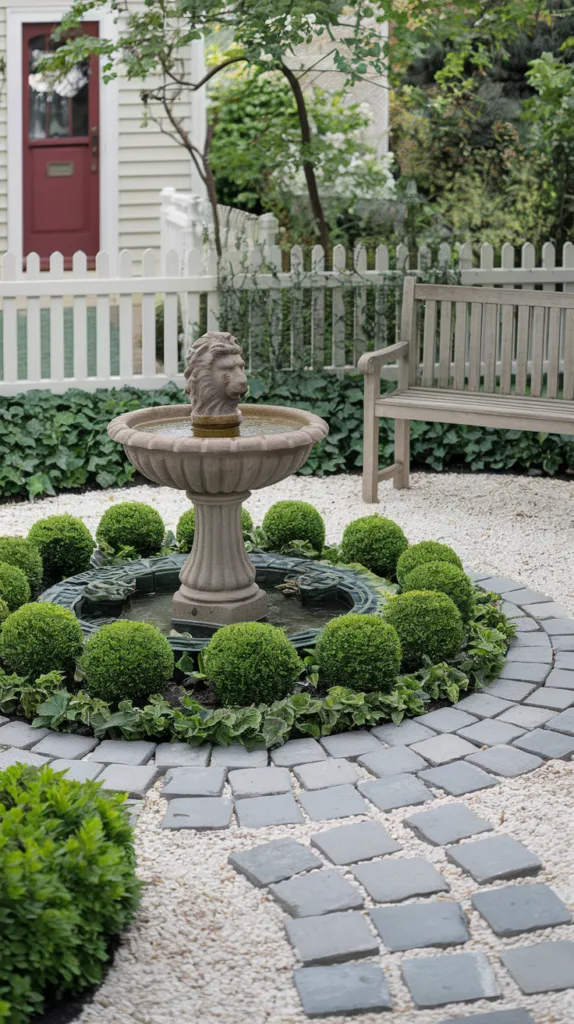
Want to create a peaceful retreat in your front yard? Just add a water feature! Whether you choose a cute birdbath or go all out with a beautiful pond, the sound of running water can really set a relaxing vibe.
Plus, you’ll get to enjoy watching birds and butterflies hanging out in your garden.
Consider a small fountain for a soothing sound that masks neighborhood noise. Choose a design that complements your home’s style—modern, rustic, or classic.
If you have space, a koi pond can be a stunning focal point, complete with water lilies and decorative stones.
For a low-maintenance option, think about a self-contained water feature. They are easy to install and require little upkeep, making them perfect for busy homeowners.
Whichever option you choose, remember to include surrounding plants to enhance the effect and integrate your water feature into your landscape.
Choose Perennials for Easy Upkeep
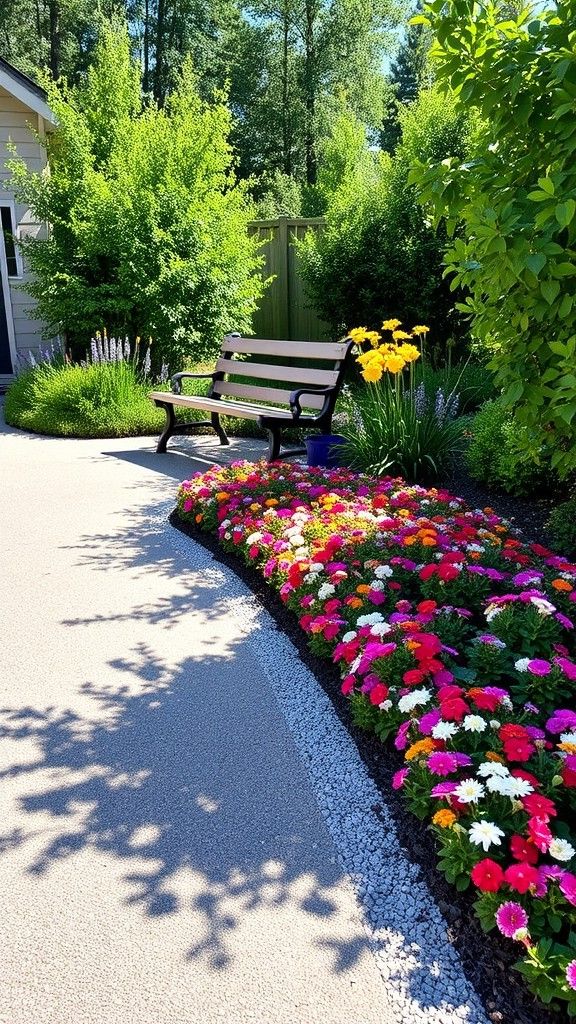
You can significantly reduce landscape maintenance by using perennials in your front yard. These plants return year after year, eliminating the need for constant replanting.
Choose native varieties like echinacea (coneflower), black-eyed Susan, or daylilies; they thrive with little care and attract pollinators.
When you’re planning your layout, try mixing up the heights and colors of your plants to keep things interesting without too much fuss. It’s also a good idea to group plants together that have similar needs for sunlight and water.
This way, you can save time on watering and weeding, and enjoy a gorgeous yard that’s low-maintenance.
Add Outdoor Lighting Along Walkways
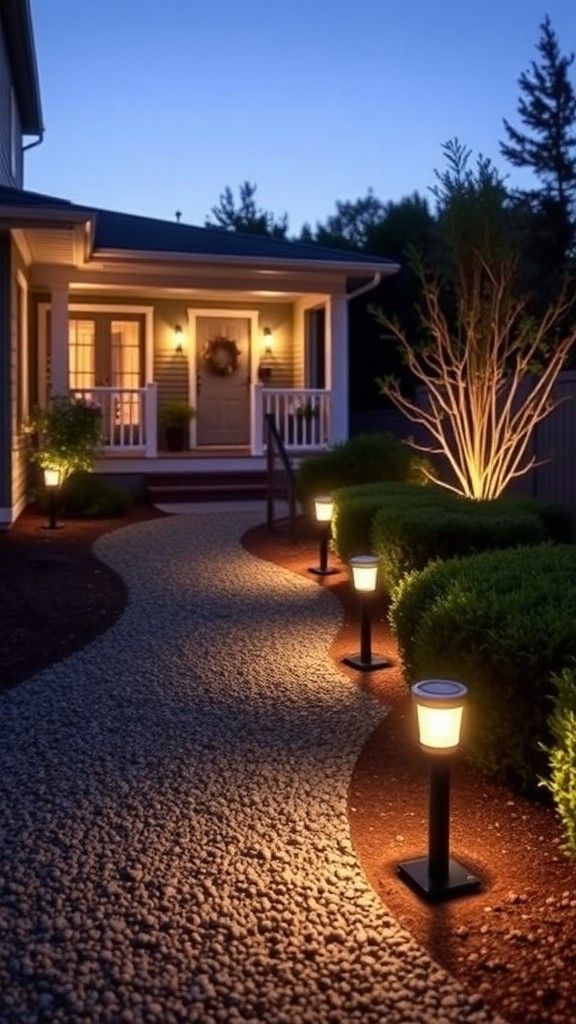
You can transform your outdoor space by installing landscape lighting that enhances both beauty and safety. Consider using solar-powered lights along pathways, which are energy-efficient and easy to install.
Look for designs that complement your home’s style, such as fixtures with warm tones that create a welcoming atmosphere.
Try adding wall sconces or spotlights to highlight architectural features or striking plants. This not only draws attention to your landscaping but also creates an inviting vibe.
For a dramatic effect, consider string lights or LED strips around decks or patios, making those areas perfect for evening gatherings.
Build a Raised Bed for Easy Planting
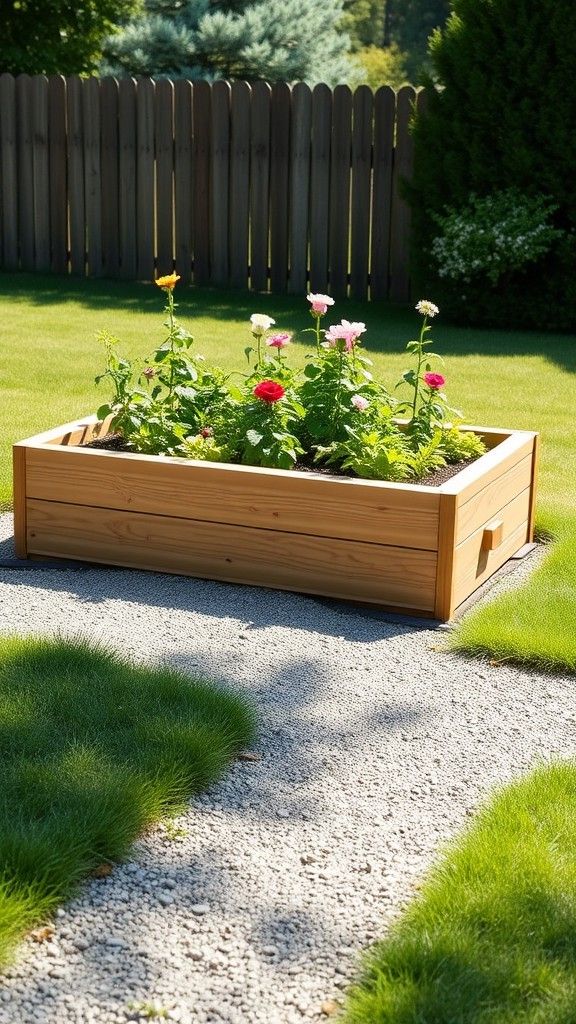
Have you ever thought about creating a raised garden bed for your front yard? It’s a great way to add some charm to your landscape and have a spot to grow your favorite flowers or veggies.
Just find a sunny spot in your yard where your plants can get at least six hours of sunlight each day, and you’re all set to get started!
Choose materials such as cedar, redwood, or concrete blocks for durability. Aim for a bed height of 12 to 24 inches to make it convenient for watering and weeding. Fill it with a mix of good quality soil and compost to promote healthy plant growth.
Consider plants that complement your home’s exterior. For example, herbs like basil or rosemary look great and are handy for cooking.
Incorporate perennial flowers like lavender or coneflowers for a colorful display throughout the seasons.
Add a Gravel Driveway for Texture
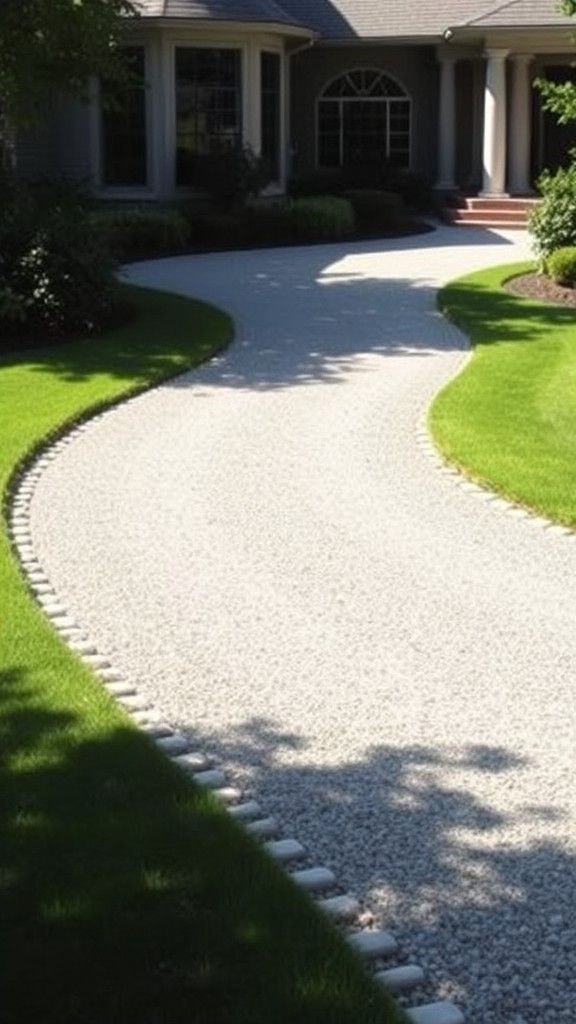
You can design a gravel driveway that not only enhances your curb appeal but is also a practical option for your home.
Start by choosing the right size gravel; 3/4 inch stones are ideal for a stable surface. Make sure to create a proper base by excavating the area and laying landscape fabric to prevent weeds.
Hey there! If you’re looking to spruce up your driveway, why not think about adding some timber or stone edges to give it a nice defined shape?
It’s also a good idea to plan for drainage to avoid any erosion or puddles when it rains.
And don’t forget to rake and top up the gravel every now and then to keep it looking good and working well. Just a few little tweaks can make a big difference!
Try Vertical Gardening to Save Space
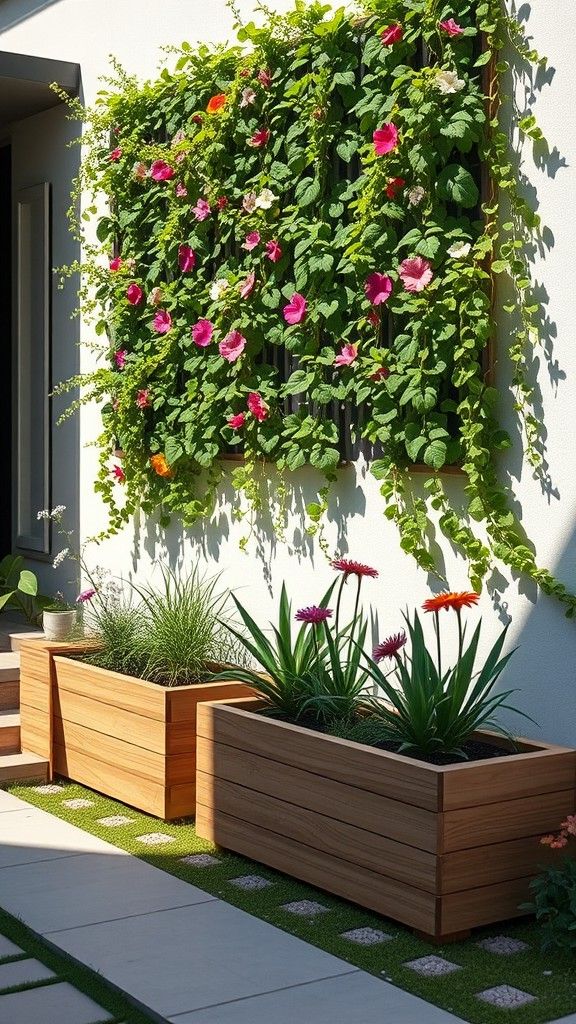
You can maximize your front yard space by utilizing vertical gardening techniques. This approach allows you to grow plants upward, making your landscape stylish and space-efficient.
Consider installing wall planters, trellises, or hanging pots to achieve a lush vertical garden.
Choose a mix of decorative and functional plants. Vining plants like clematis and hops not only add greenery but also create an attractive focal point. Herbs like basil and thyme work well in wall planters, providing both beauty and utility.
Don’t forget to select a sturdy structure that can support your chosen plants as they grow.
Build a Garden Around One Theme
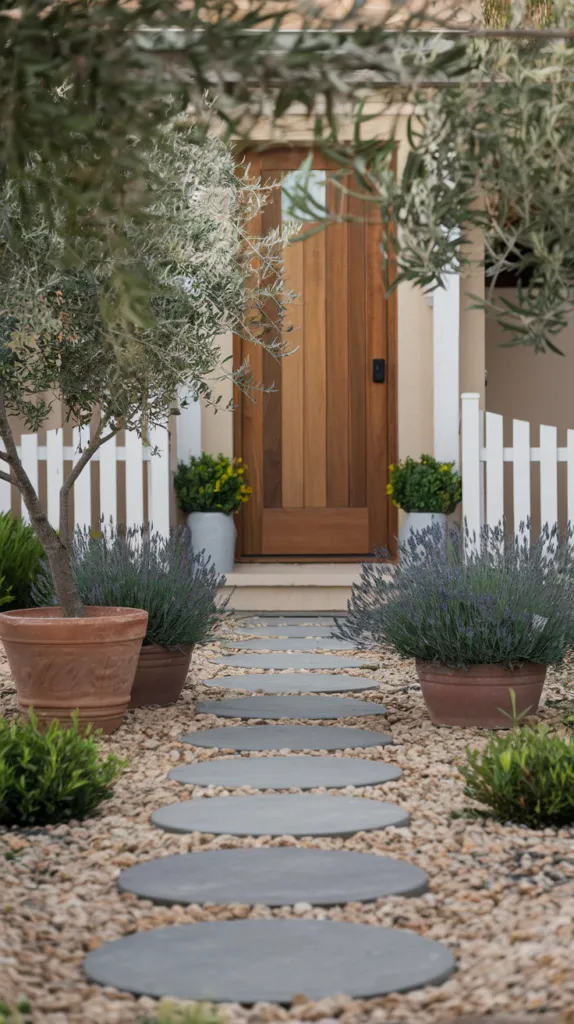
You can easily create a themed garden that reflects your personality and interests.
Start by choosing a theme that resonates with you, such as a Mediterranean paradise or a whimsical fairy garden. Each theme will dictate the type of plants, colors, and decorations you’ll use.
For a Mediterranean theme, consider using plants like lavenders, olive trees, or succulents.
Accent these with terracotta pots and decorative tiles. If a fairy garden is more your style, incorporate miniature furniture, tiny pathways, and vibrant flowers like daisies or bellflowers.
Don’t forget to add small sculptures or fairy figurines to enhance the magical vibe.
Make sure to take good care of your garden and choose plants that will thrive in your specific climate and soil.
By creating and tending to a themed garden, you can enhance the look of your home and create a special little oasis to relax in.
Grow an Herb Garden by the Door
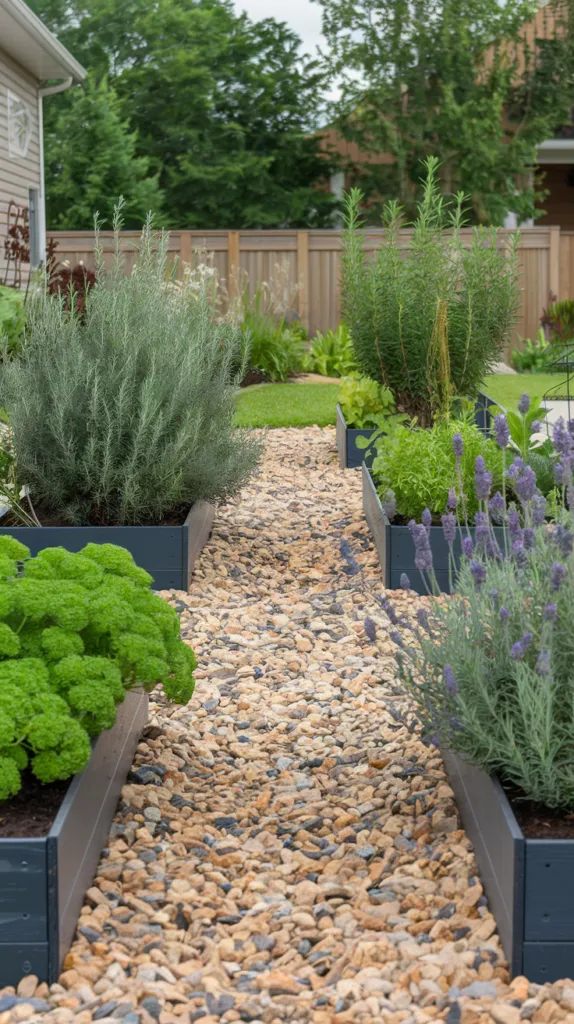
You can easily enhance your front landscape by planting an herb garden! Not only do herbs add a delightful aroma and visual appeal, but they also provide fresh ingredients for your kitchen.
Start with easy-to-grow herbs like basil, parsley, and rosemary. Choose a sunny spot with well-draining soil, and use containers or raised beds for a neat appearance.
Consider intermingling herbs with flowering plants for an attractive color contrast. For instance, pairing lavender with yellow marigolds creates a stunning display.
Make sure to water regularly and protect your herbs from pests by using natural deterrents like neem oil. This way, you’ll have a thriving herb garden that benefits your home and enhances your culinary adventures!
Add Ornamental Grass for Movement
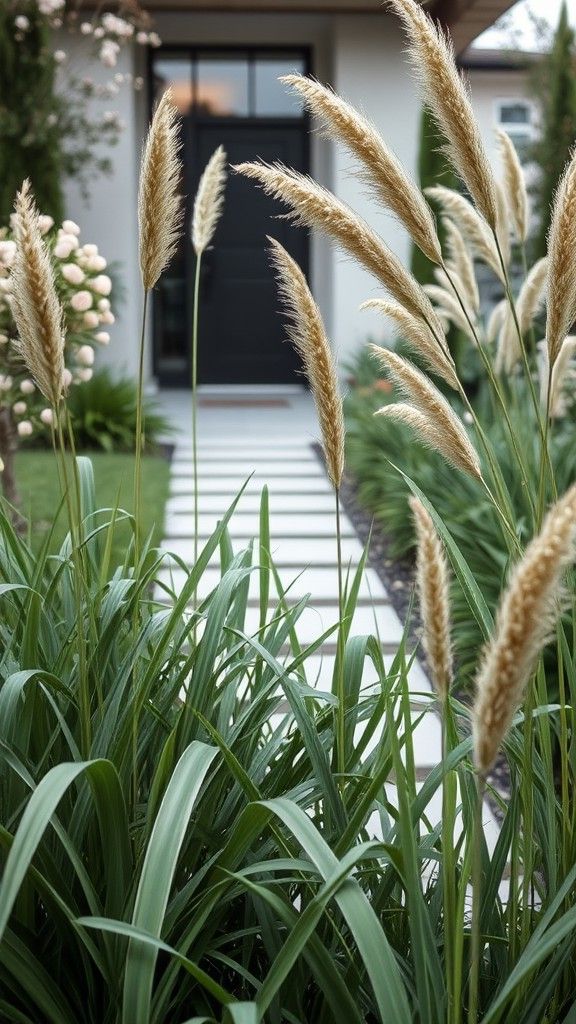
You can transform your front yard by incorporating ornamental grasses.
These resilient plants add texture, movement, and color throughout the seasons. Choose from varieties like Pennisetum (fountain grass) or Miscanthus (maiden grass) for a stunning visual impact.
When it comes to planting, think about grouping them together for a stronger impact, or placing them solo to grab attention.
Give them plenty of room to grow happily, and play around with mixing various heights – taller ones at the rear and shorter ones in the front – for a cool, multi-dimensional style that catches the eye.
Install a Trellis for Climbing Vines
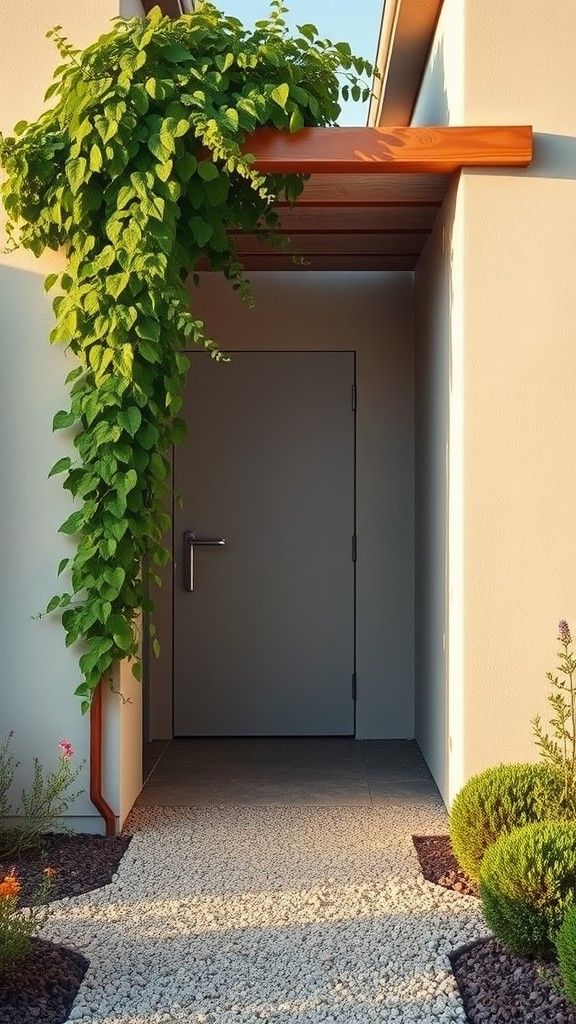
You can instantly elevate your curb appeal by adding a trellis with climbing vines. This simple structure not only brings height and dimension to your landscape but also offers a natural, enchanting aesthetic.
Choose a material that complements your home, such as wood, metal, or vinyl, to enhance its visual appeal.
If you’re into climbing vines, you should check out fast-growing ones like clematis, wisteria, or honeysuckle. They’re super pretty and will give you a nice green background.
Just make sure to give them plenty of sunlight, water, and the right soil. And don’t forget to prune them regularly to keep them healthy and from taking over your space.