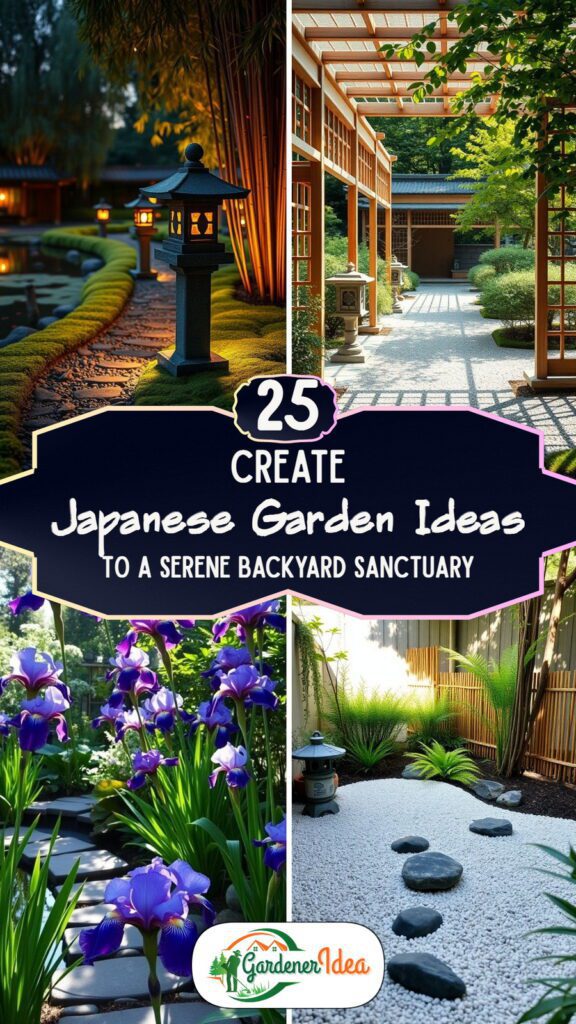
Japanese gardens center on one idea: build a peaceful space that feels connected to nature. This article walks through 25 Japanese garden ideas you can use to turn a plain backyard into a calm retreat.
A koi pond, a gravel rock garden, a stone lantern or two – each element plays a role, and the real magic happens when you combine them. Below, we break down how to layer these features so your outdoor space feels balanced and quiet.
Add a Koi Pond for Calm
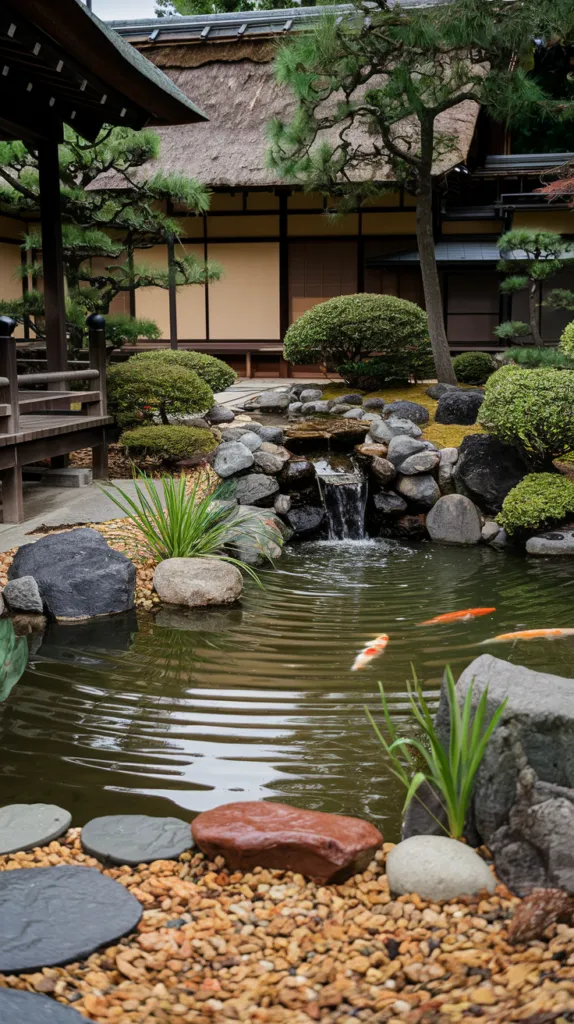
A koi pond adds motion and quiet energy to a garden, and picking the right location matters more than people expect. Place it somewhere you’ll actually see it often, ideally near a patio or seating area where you already spend time outside.
Size matters too: plan for at least 1,000 gallons so your koi have enough room to stay healthy and active. That investment pays off fast once you’re sitting outside watching them glide through the water.
Shape the pond using either a flexible natural liner or a pre-formed shell, depending on how custom you want the outline to be. Add water lilies and lotus plants to give the fish shade and a place to hide from predators.
A small waterfall or fountain does double duty – it looks and sounds calming, and it pumps oxygen into the water so your koi stay healthy. Moving water also helps limit algae buildup, which keeps maintenance easier.
Build a Zen Rock Garden
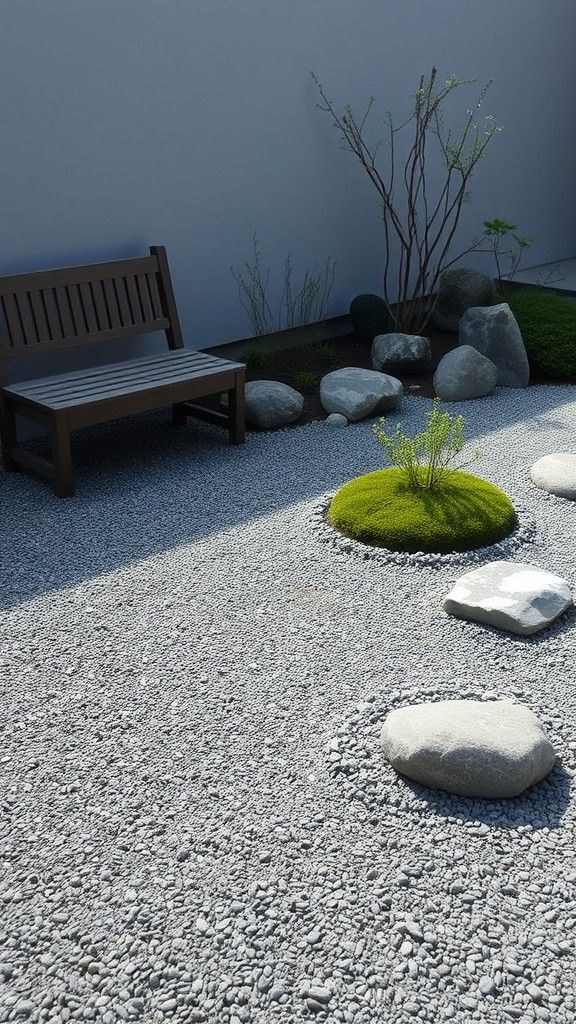
A backyard corner can become a Zen rock garden with very little effort if you keep the design simple. Start with a flat base of sandy soil, since it’s easy to rake and maintain over time.
Arrange medium-sized rocks so they echo natural landscapes, like a cluster of mountains or an island in the sea. Smooth pebbles spread across the ground add a soft texture underfoot and tie the whole layout together.
A miniature wooden bridge or a bamboo fountain can link visually with the rock arrangement and add a quiet focal point. These small additions give the eye somewhere to rest between the larger stones.
Rake the gravel or sand into wave-like patterns – this practice, known as karesansui, is meant to support quiet reflection. Keep the layout sparse rather than crowded, since a Zen garden’s power comes from empty space as much as from the rocks themselves.
Set Up a Traditional Tea House
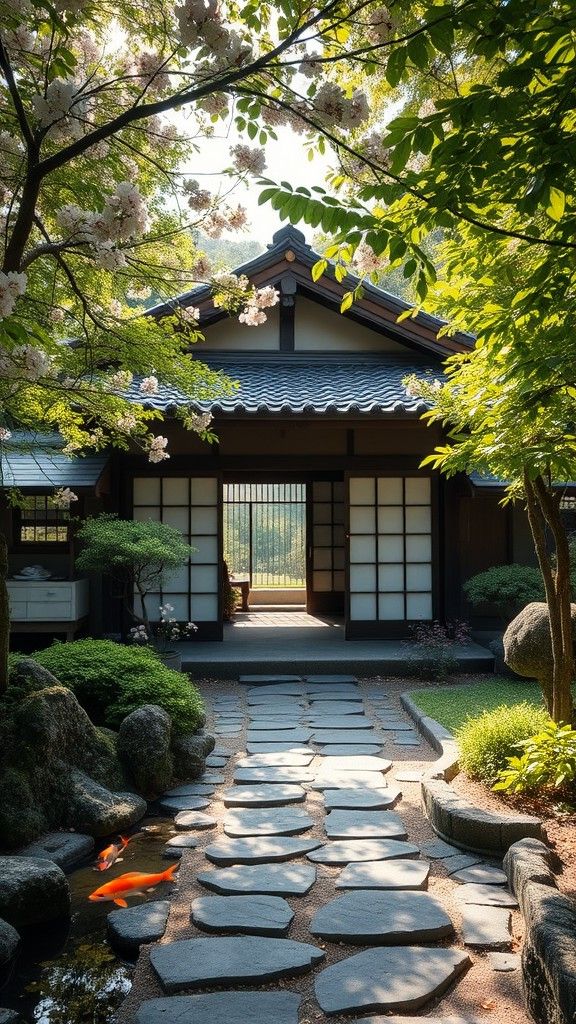
A garden tea house gives you a quiet spot to share tea with family or slow down after a long day. Pick a location tucked into greenery or facing a nice view, since the surroundings matter as much as the structure itself.
Wood and bamboo are the go-to materials here, since both age naturally and blend into a garden setting rather than standing out.
Keep the interior minimal – a low table and floor cushions are usually all you need. That simplicity is part of what makes the space feel restful instead of cluttered.
Shoji screens made of wood and rice paper, or a small tatami mat floor area, can push the design closer to a traditional Japanese look.
Stone lanterns or a nearby koi pond round out the setting and give the tea house a stronger sense of place. Even one or two of these additions can make the structure feel like a real destination in the garden, not just an afterthought.
Light the Way with Japanese Lanterns

Japanese lanterns do two jobs at once: they light up pathways at night and add a sculptural element during the day. In a garden built around calm and balance, that combination of function and form matters.
Stone lanterns carved from granite or sandstone tend to look the most natural, since they weather over time and blend into rock gardens or planting beds.
Line them along a walking path or set them near a pond edge to guide visitors and highlight key features after dark.
LED lanterns built in a traditional shape are worth considering if you want something lower-maintenance.
They cut down on energy use while still keeping the classic silhouette of a stone lantern. Pair them with warm-toned bulbs rather than bright white light, since warm light suits evening gatherings and quiet nights outside far better.
Add Cherry Blossom Trees
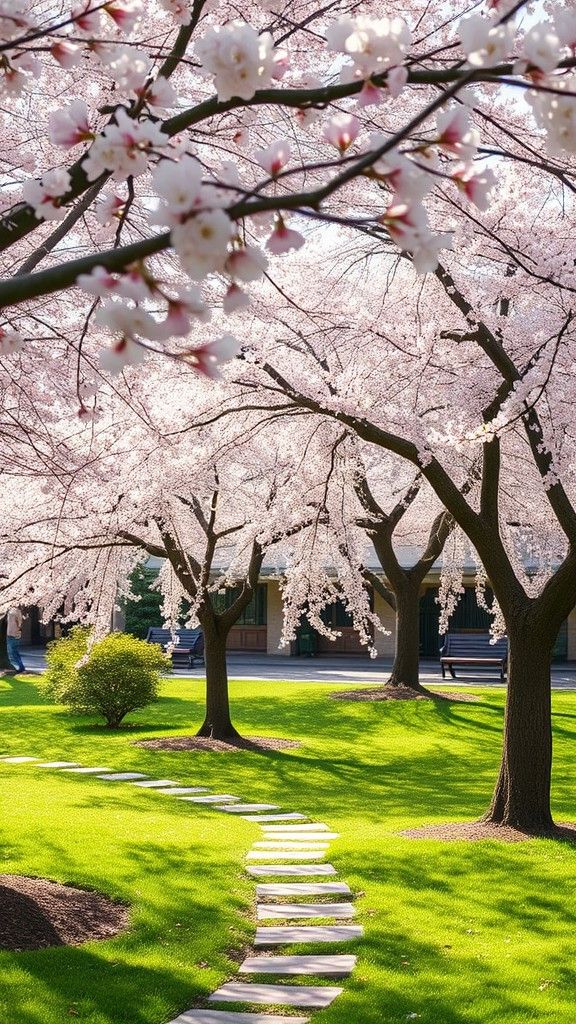
Cherry blossom trees are one of the fastest ways to give a garden a striking seasonal moment.
Come spring, their pink and white blooms turn a plain yard into something that feels almost ceremonial for a few weeks each year.
Sakura and Kwanzan are two popular varieties, both known for dense flower clusters and graceful branch shapes.
Plant them where they’ll get roughly six hours of sunlight daily, and choose a spot with well-draining soil, since cherry blossoms struggle in soil that stays wet.
Underplanting with moss or hostas adds contrast in texture and color once the blossoms fade, keeping the area interesting through the rest of the growing season.
Frame the Yard with a Bamboo Fence
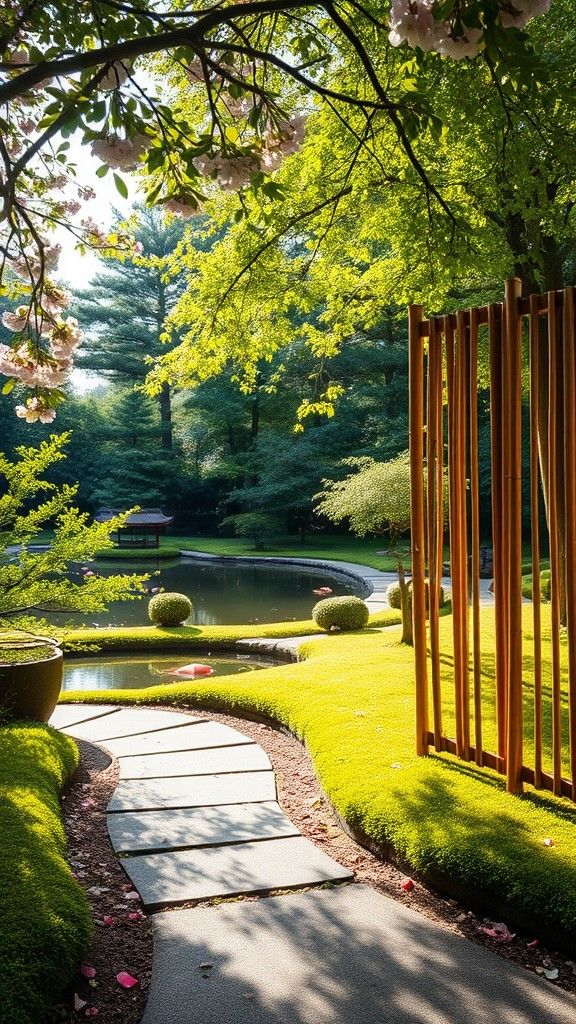
A bamboo fence adds privacy and a natural screen to a Japanese garden, and bamboo poles at least 6 feet tall give the best visual impact.
Mixing pole heights and widths creates a more organic, less uniform look, and setting them close together boosts privacy along the property line.
A post-and-rail layout is a straightforward option: dig evenly spaced holes for the vertical posts, then anchor each one with concrete so the fence stays sturdy.
Treating the bamboo with a wood preservative helps it hold up against rain, sun, and general wear over the years.
Climbing vines or a few hanging lanterns along the fence line add texture and a bit of warmth to an otherwise simple structure.
Lay a Sand and Stone Pathway
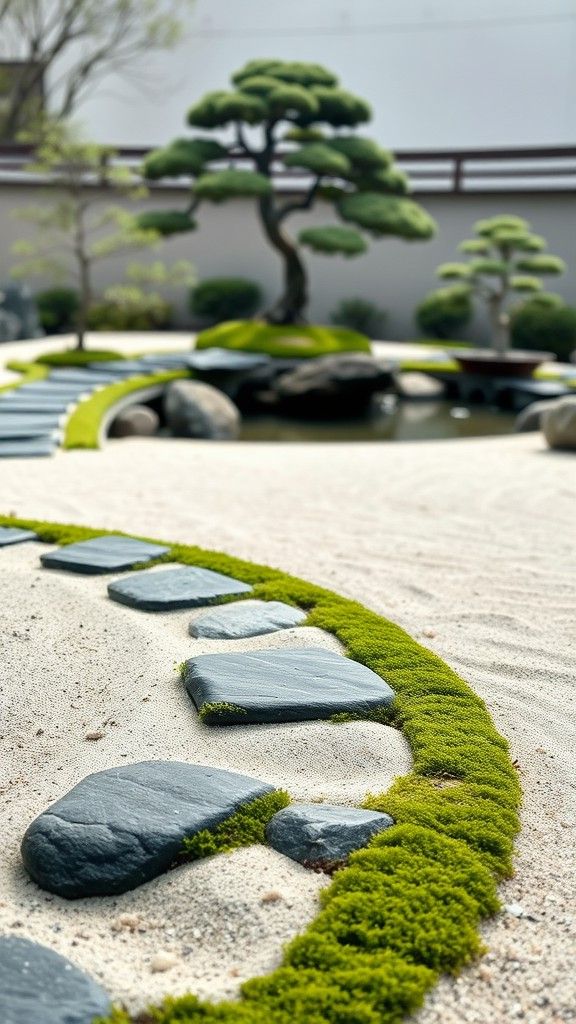
If you want to add some peaceful vibes to your Japanese garden, a sand and stone pathway is a great idea! To get started, think about the shape of the path – go for soft curves instead of boring straight lines.
It’ll give off a more natural feel and help create a nice flow in your garden, leading visitors on a lovely journey through the space.
Choose materials that reflect traditional Japanese aesthetics. Fine white sand evokes simplicity, while irregular stones add texture. Lay down a base layer of sand and arrange the stones thoughtfully, allowing the sand to fill gaps.
Not only does this elevate the design, but maintaining the pathway becomes simple—regular raking of the sand can help preserve its look and serenity.
Add a Small Waterfall Feature
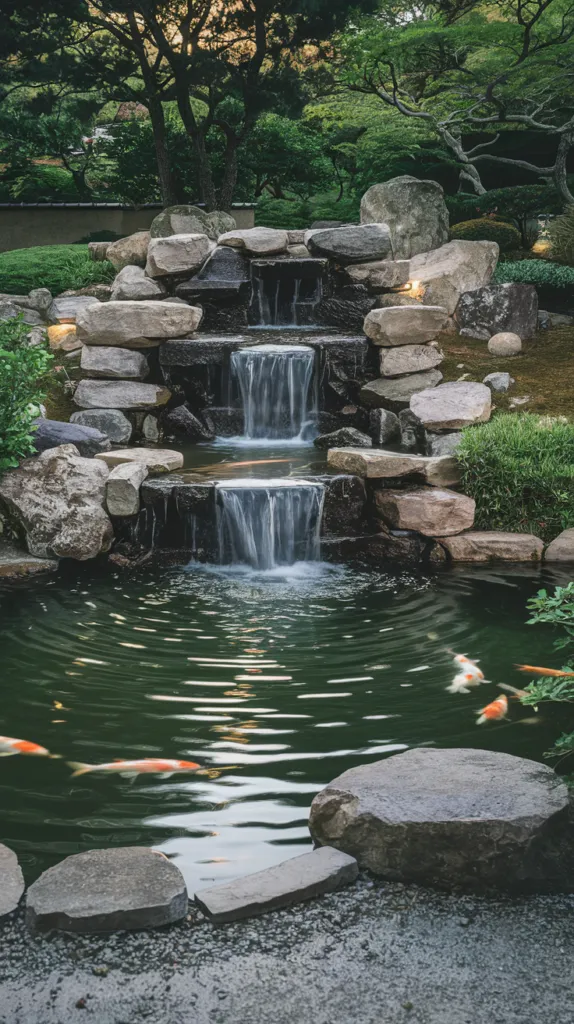
A waterfall feature can transform your Japanese garden into a tranquil oasis. You’ll want to choose a spot where water will flow naturally, creating a soothing sound that drowns out noise from the outside world.
If space allows, consider a multi-level waterfall, where water cascades down rocks into a pond or a stream.
To create your waterfall, use natural stones and boulders to enhance the organic feel. Select a variety of rocks in different sizes, shapes, and colors to add visual interest.
You can also plant ferns or moss around the base to integrate it harmoniously with the surrounding landscape.
Don’t forget to incorporate lighting around your waterfall for a serene nighttime ambiance.
Opt for soft, warm lights that highlight the natural beauty of the water flow and rocks, creating an enchanting atmosphere in your garden.
Build a Mini Zen Garden

Why not try making a little Zen garden in your backyard? Having a tiny area with sand, rocks, and simple plants can really add a peaceful vibe to your outdoor space. It’s a great spot to unwind, meditate, and just relax.
Hey there! So, to get started, grab a shallow tray or wooden box. Fill it up with some nice white sand to give off those pure vibes.
Then, you can grab a rake or even just a stick to make some cool designs in the sand. You can also toss in some smooth stones or pebbles to represent mountains or islands.
And if you want to add a bit of green to the mix, try adding in some succulents or a small bonsai plant to keep things fresh without making it too busy. Just have fun with it and get creative!
Don’t forget to take care of your mini Zen garden by giving it some love every now and then!
Just replace the sand and move around the stones to keep it looking fresh. It’s a great way to unwind and find a little bit of calm in the middle of a hectic day.
Apply Feng Shui Layout Principles
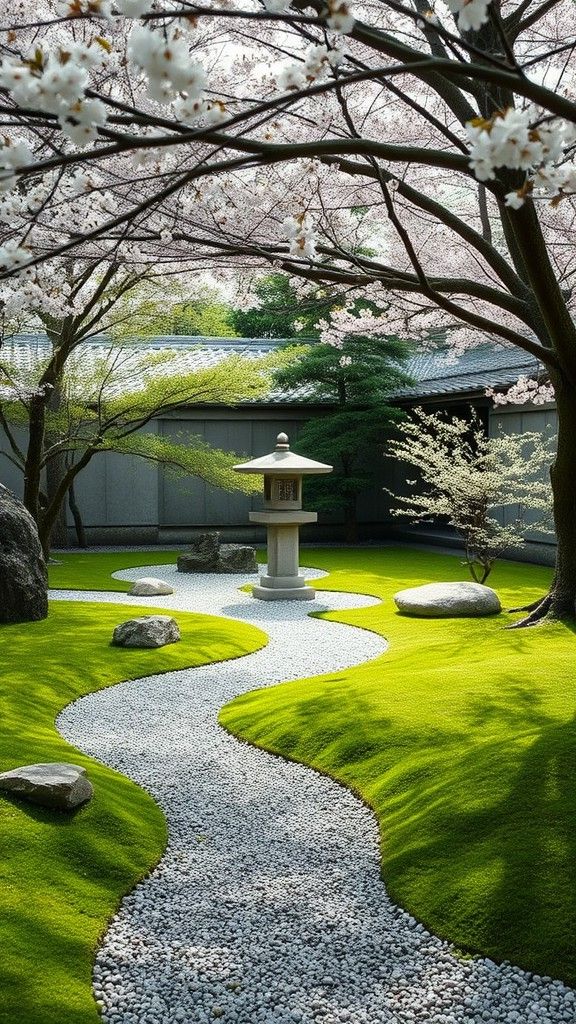
Choose Appropriate Feng Shui Patterns
To create a serene backyard sanctuary, focus on Feng Shui patterns that promote harmony and balance. One popular design is the Bagua map, which identifies how energy flows in different areas of your garden.
Placing decorative features like rocks or plant arrangements according to this map can enhance positive energy.
Consider integrating curved pathways instead of straight lines.
Curved paths encourage gentle movement and allow energy to flow freely. Moreover, arrange plants in groupings that create a sense of unity, as this fosters a calming atmosphere.
Use symbols like water features or stones to represent areas of nourishment and stability, aiding in emotional and physical well-being.
Add Stone Statues and Ornaments
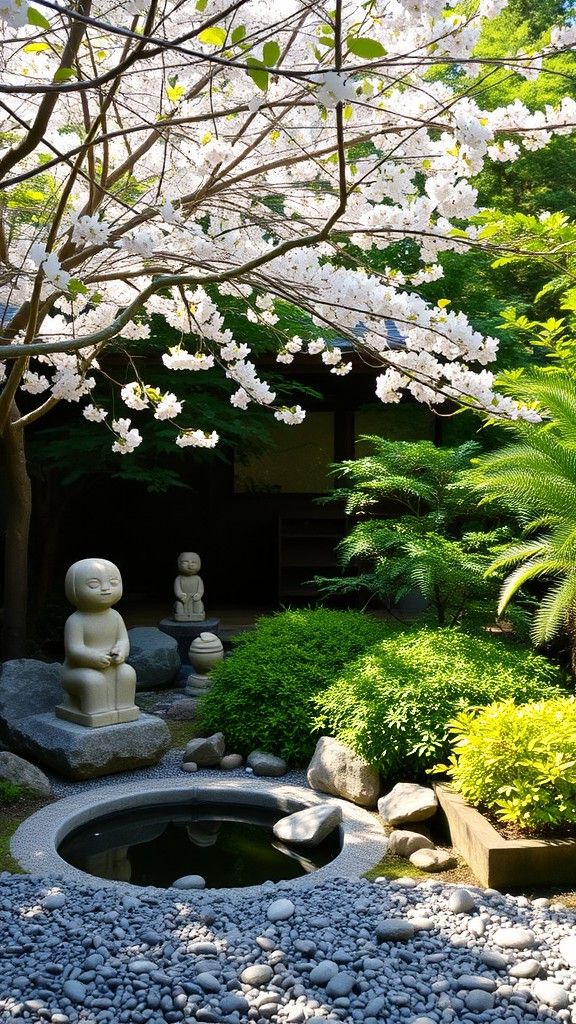
Did you know that adding some stone statues or ornaments to your Japanese garden can really change the whole vibe and make it feel more connected to nature?
You could go for some Kurama stones or maybe some lion-dogs to bring in that sense of protection and good luck.
Plus, each piece has its own unique story that can really add to the overall feel of your garden.
Position them thoughtfully among vegetation. For instance, place a Buddha statue near calming water features to encourage tranquility. Opt for smaller stone lanterns along pathways, guiding the way while adding a gentle glow at night.
These elements create a picturesque landscape while enriching the peaceful atmosphere you seek.
Grow a Lush Moss Garden
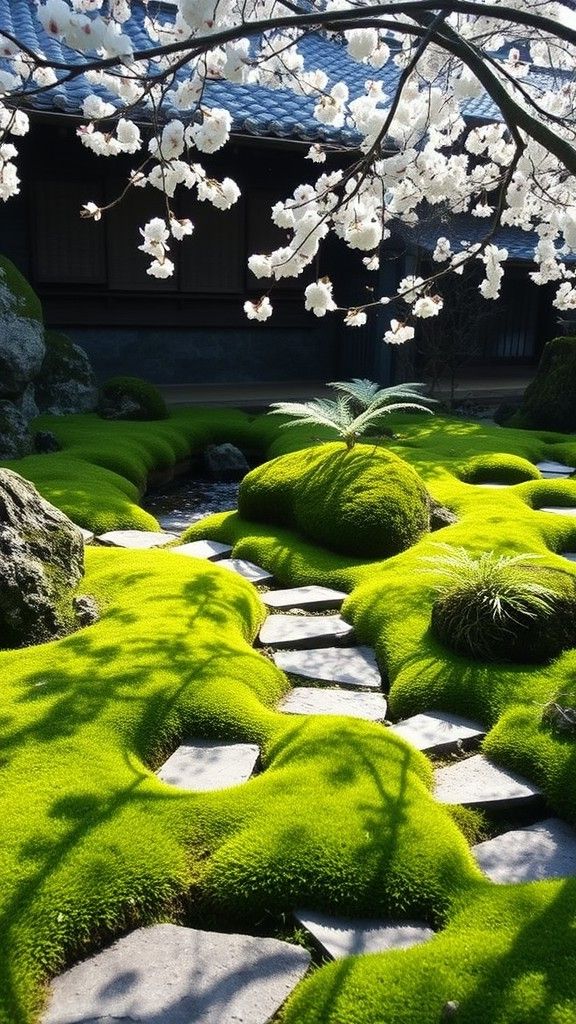
You can create a moss garden to add a tranquil touch to your backyard sanctuary.
Start by selecting a shaded, damp area where moss thrives. Clear the space of debris and weeds, ensuring a clean foundation for your garden.
Choose a variety of moss species, such as Dicranum or Polytrichum, which not only provide depth but also different shades of green. Arrange them in patches, mimicking a natural landscape.
You can enhance the garden’s beauty with elements like smooth stones or small water features to create a serene ambiance.
Remember to keep the area moist, especially during dry spells, to maintain the lush appearance.
Add a Shishi Odoshi Bamboo Fountain
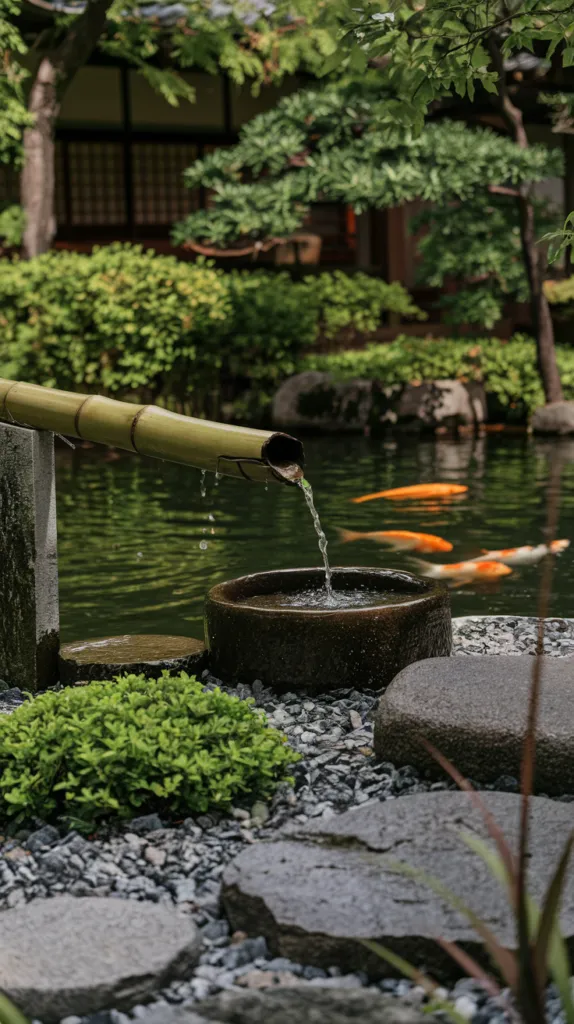
Installing a Shishi Odoshi can add a touch of tranquil charm to your Japanese garden. This traditional bamboo water dispenser not only looks beautiful but also serves a functional purpose by soothing sounds of water, creating a calming atmosphere.
If you wanna make your own bamboo water feature, all you need is a bamboo pole, some water, and a sturdy stone base.
Just lean the bamboo at an angle so the water can flow down from a higher spot and spill into a basin below.
As the bamboo fills up, it’ll start to tip over slowly and create that super soothing tapping sound. So cool, right?
You might want to try adding some pebbles or cute little plants around the Shishi Odoshi to make it look even prettier.
And don’t forget to check on the water regularly to keep your Shishi Odoshi working perfectly and adding that special touch to your garden!
Plant Japanese Maple Trees
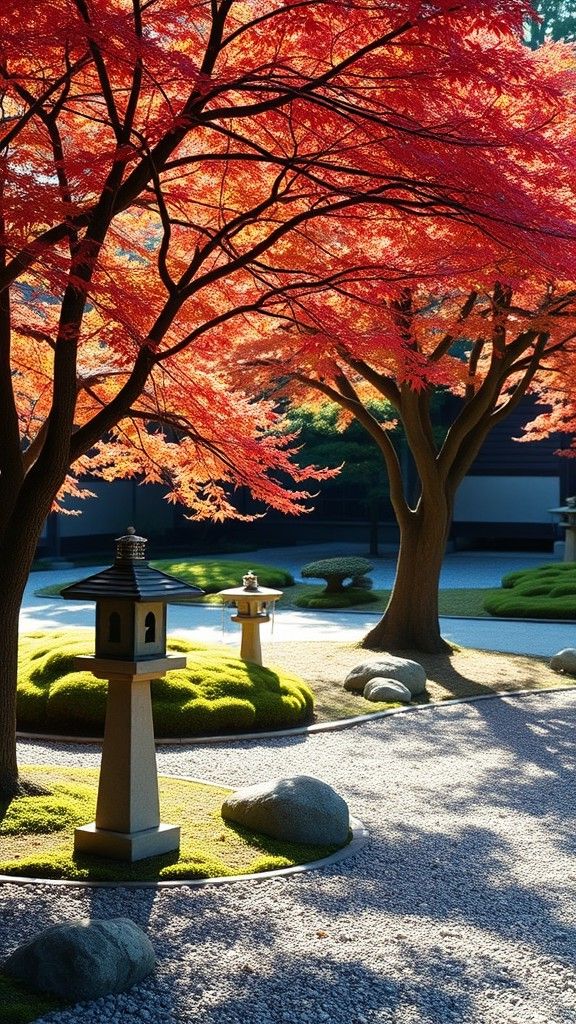
You can create a stunning focal point in your Japanese garden by growing Japanese maples.
These trees are celebrated for their vibrant foliage, which changes throughout the seasons, lending a unique charm to your yard.
Choose a variety like the Acer palmatum ‘Bloodgood’ for deep red leaves or Acer palmatum ‘Sango-kaku’ for its striking golden hues in autumn.
If you’re planting a Japanese maple, make sure to pick a spot with good drainage and some shade.
This will help bring out its beautiful colors and keep it healthy. Keep the area around the base clear of weeds and add some mulch to help keep the soil moist.
Make sure to give it plenty of water, especially when it’s dry out, to help it grow strong and healthy. That way, your maple tree will be happy and thriving in your peaceful backyard oasis.
Add Lattice Panels for Structure
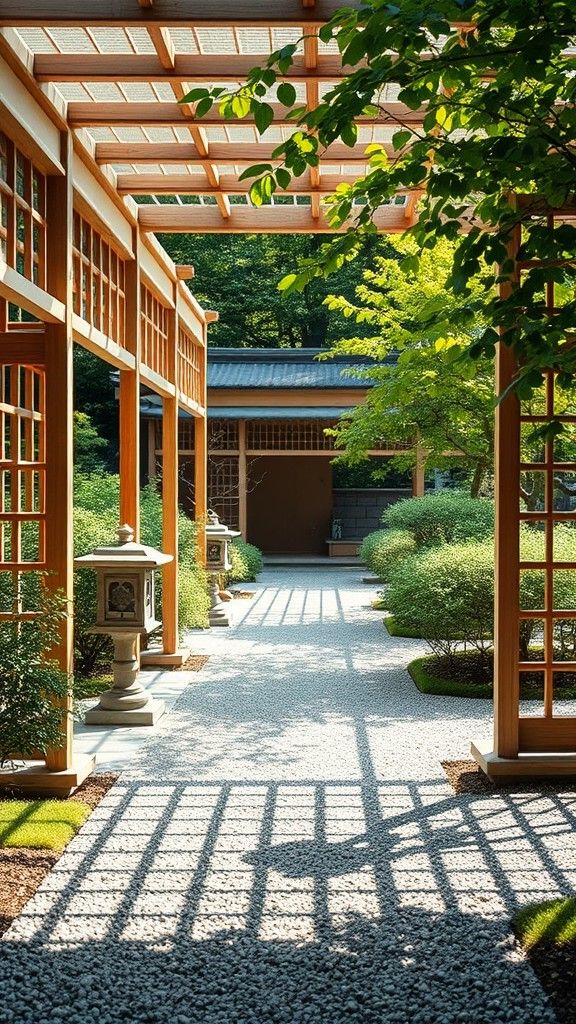
You can enhance the structural beauty of your Japanese garden by utilizing lattice work. This traditional element not only adds aesthetic appeal but also serves practical purposes.
For instance, you can create a lattice trellis to support climbing plants like wisteria or honeysuckle, adding vertical interest and shade.
Consider installing lattice panels as garden screens to define spaces within your garden or to provide privacy. Choose materials like bamboo or wood to maintain an authentic Japanese feel.
Moreover, painting the lattice in earthy tones can help it blend seamlessly with the natural surroundings, enhancing the tranquility of your serene backyard sanctuary.
Design a Peaceful Seating Nook
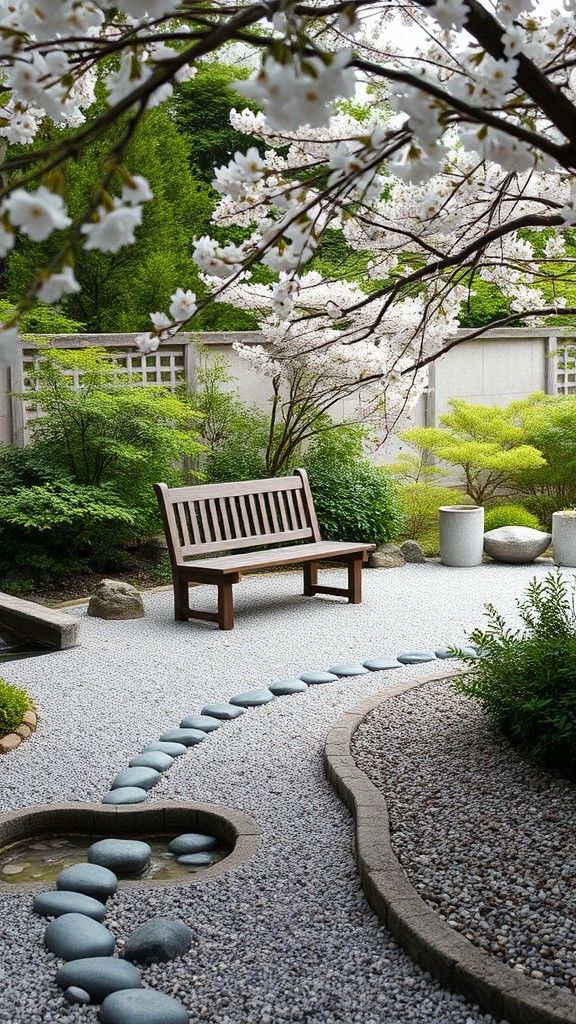
Creating a cozy little nook in your Japanese garden can really make it feel like your own little hideaway. Opt for materials like wood or stone for your seating to keep that natural vibe going strong.
Picture yourself sitting on a simple wooden bench underneath a gorgeous cherry blossom tree, letting your thoughts drift away. Ah, now that’s what I call bliss.
Consider adding a small table to hold tea or snacks, enhancing the experience of relaxation.
Surround your seating with soft plants such as moss or ferns, and incorporate lanterns for gentle lighting. This setting invites you to pause, reflect, and enjoy the tranquil beauty of your garden.
Plant Colorful Japanese Iris Flowers
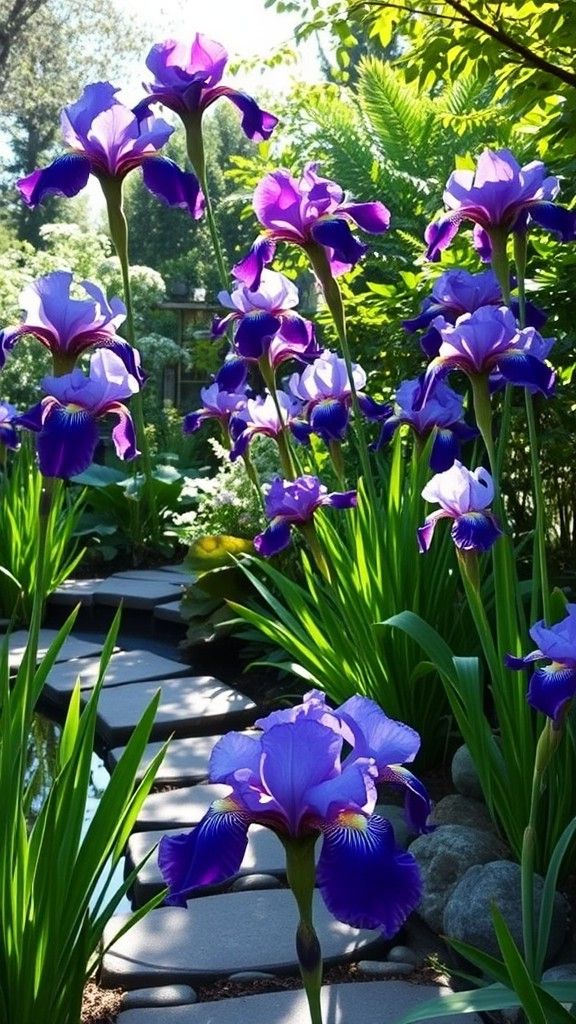
You can elevate the beauty of your Japanese garden by choosing colorful Japanese Iris flowers.
These stunning blooms come in various shades, including blue, purple, white, and yellow, making them perfect for adding vibrant splashes of color to your landscape.
Plant iris in moist, well-drained soil and ensure they receive full sun for optimal growth. Combine different colors to create a striking visual impact.
For example, pairing deep purple irises with bright yellow and crisp white can produce a breathtaking effect that captures the essence of a traditional Japanese garden.
Regularly deadhead your irises to promote further blooming and maintain their aesthetic appeal.
Add a Dry Stream Bed Feature
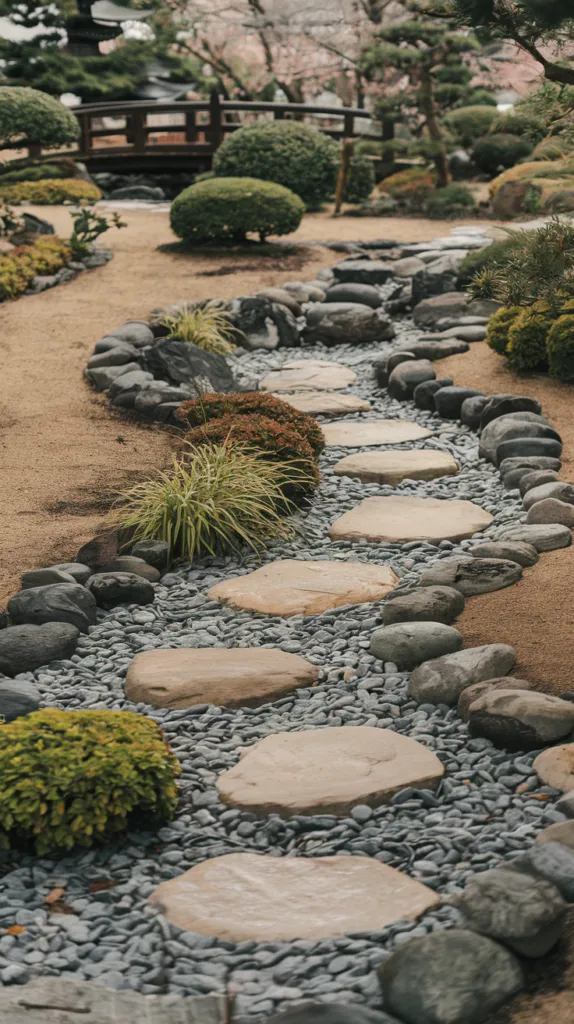
You know what adds a really nice touch to your Japanese garden? A dry stream bed! It looks so elegant, and it’s actually pretty practical too.
Just mix together some gravel, pebbles, and big rocks to create the illusion of water flowing through a real stream.
Not only does it add to the overall look of your garden, but it also comes in handy for drainage and preventing soil erosion. Cool, right?
To create your dry stream bed, outline a gentle, winding path with bamboo stakes or string.
Start with a layer of larger stones at the bottom, gradually layering smaller pebbles on top. For added depth, incorporate river rocks of various sizes.
Surround the stream bed with strategically placed plants such as Japanese ferns or moss for a lush, serene effect.
Use Decorative Stones and Gravel
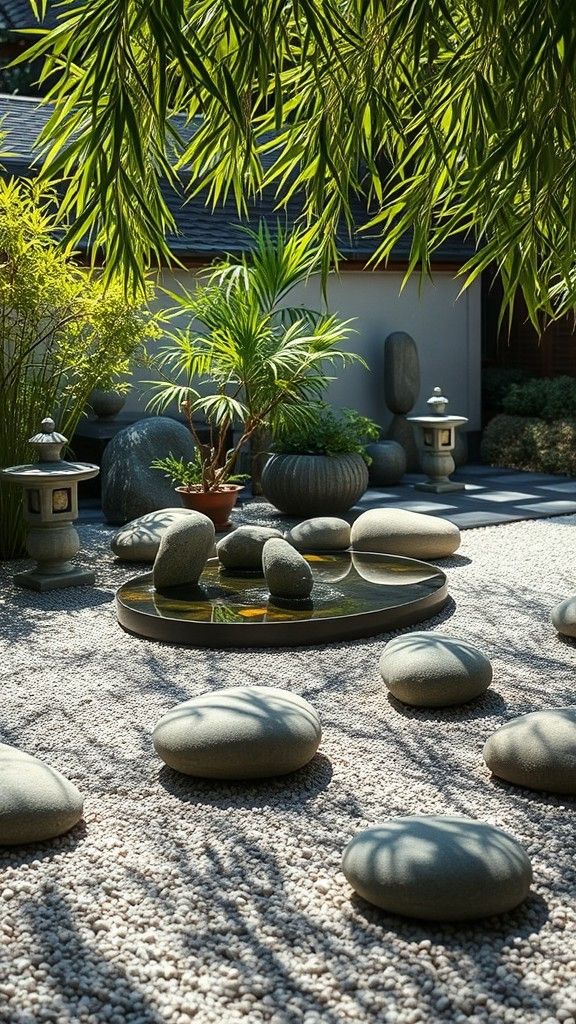
You can instantly elevate your Japanese garden by introducing decorative stones and gravel. These materials not only add texture and color but also promote a sense of tranquility.
Use white gravel for a clean and elegant look, or opt for dark stones to create a striking contrast with plants.
For a more traditional approach, consider using pebbles arranged in patterns, representing flowing water or waves.
Pathways made of flat stones can guide visitors through your garden, making the space feel more intentional and serene.
Aim for a harmonious blend by choosing stones that complement the surrounding flora.
Build a Pergola with Climbing Vines
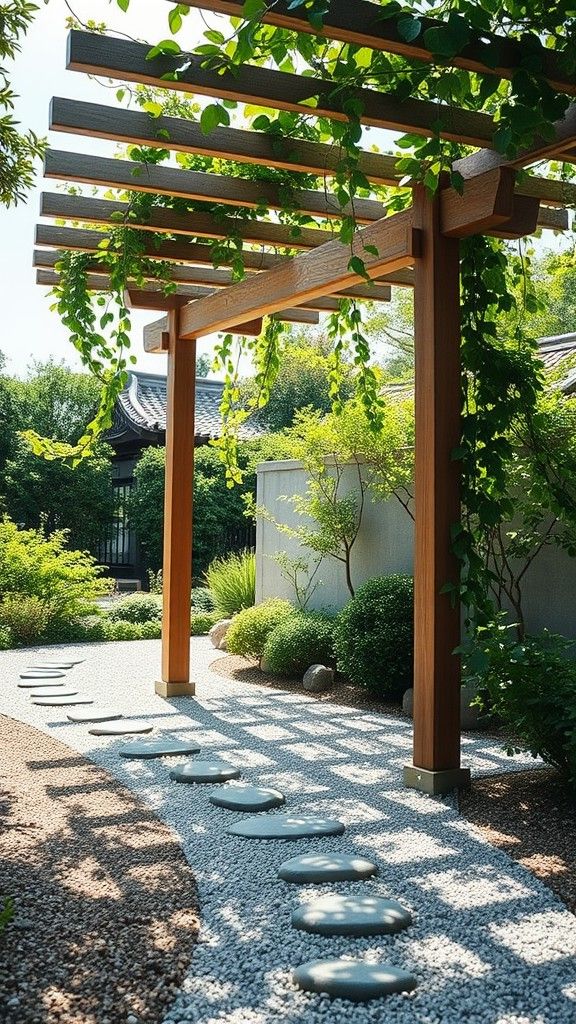
You can transform your garden into a serene escape by featuring a pergola adorned with climbing plants. This not only adds vertical interest but also creates a shaded area perfect for relaxation.
Consider vines such as wisteria, which drape beautifully and fill the air with sweet fragrance, or climbing roses for a burst of color.
If you want to create a beautiful Japanese garden vibe, consider picking out some local climbing plants like Japanese honeysuckle or azalea vines.
They’ll blend in perfectly with the scenery and add a calming, nature-inspired touch. Just make sure to place the pergola in a sunny spot so these plants can thrive and create a lush, green backdrop.
Choose Natural Wood Furniture Pieces
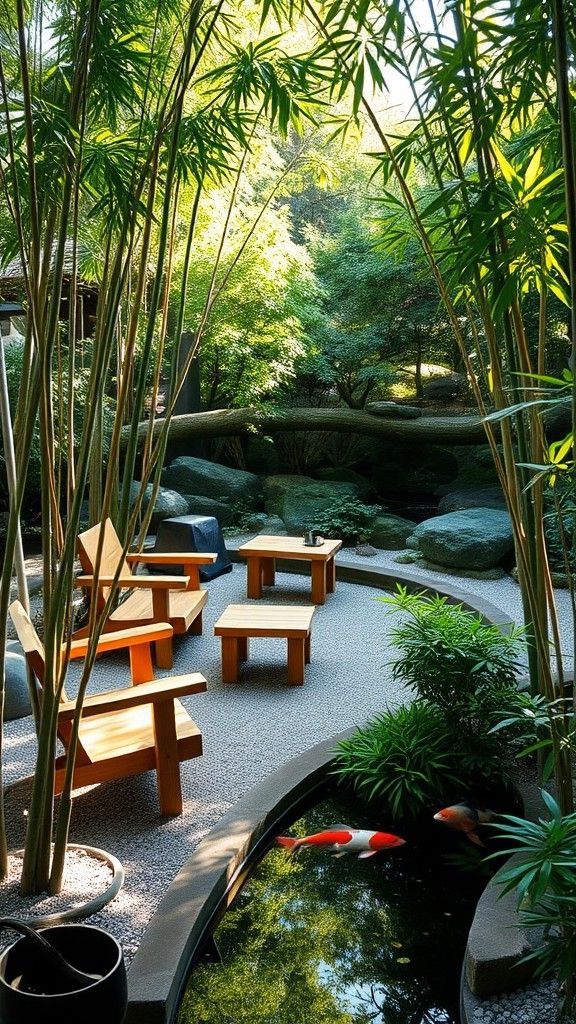
You can create a truly harmonious atmosphere in your Japanese garden by using natural wood furniture. Opt for items like weathered benches, tea tables, or stepping stools made from untreated wood.
This not only blends seamlessly with the surrounding nature but also enhances the garden’s tranquility.
Choose furniture that features simple lines and minimalist designs to maintain the serene aesthetic. For added character, consider incorporating rustic elements like a tree stump seat or a bamboo bench.
These pieces encourage you to sit, reflect, and immerse yourself in the peaceful environment you’ve created.
Design a Strolling Garden Path
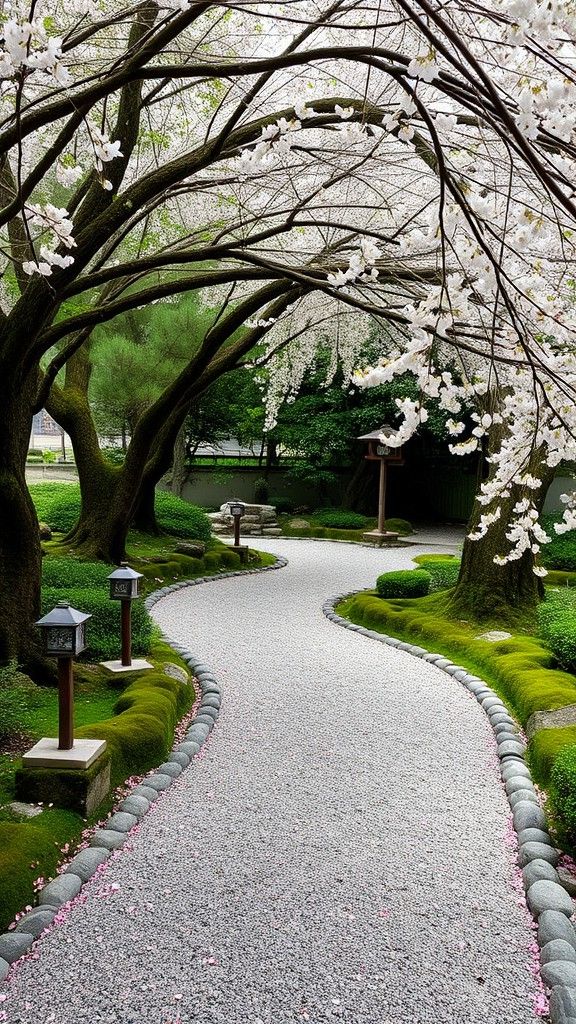
Have you ever thought about turning your backyard into a peaceful retreat with a meandering walking path?
It’s a great way to take some time to slow down, be present, and truly soak in the sights and sounds of nature all around you.
Use materials like gravel, stepping stones, or wooden planks to create the path. Consider weaving the path around rocks, plant beds, and water features.
For instance, a gentle curve leading to a koi pond not only enhances visual interest but also creates a peaceful atmosphere.
Add low-maintenance plants like moss or ground cover along the edges.
This encourages a natural look while keeping maintenance simple.
Incorporating thoughtful features like benches or stone lanterns along the path can provide perfect resting spots, making your garden feel more inviting.
Plant Azaleas for Seasonal Color
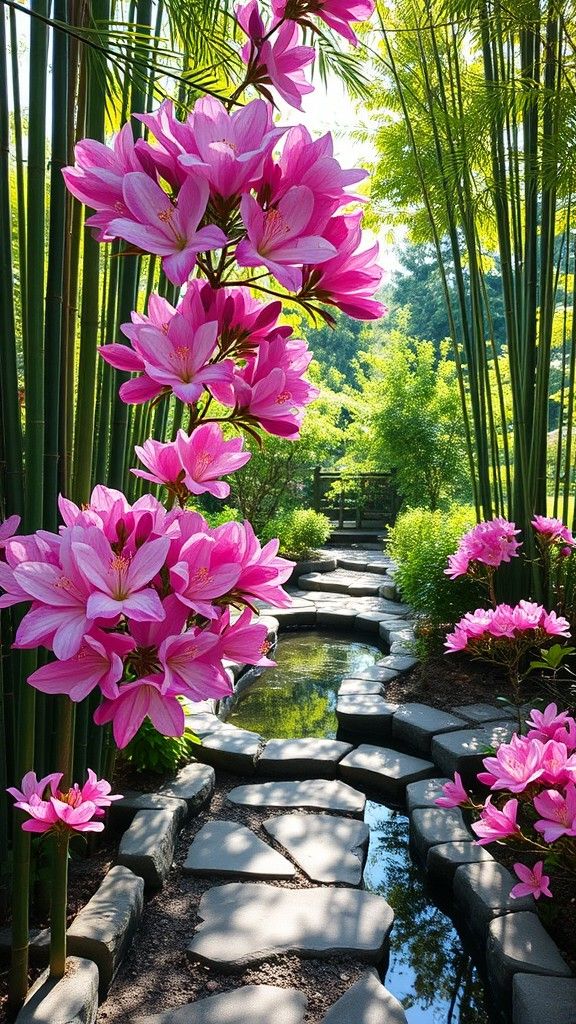
You can easily enhance your Japanese garden’s beauty by planting azaleas.
These vibrant flowering shrubs provide a spectacular burst of color, especially in spring, when they bloom in hues of pink, red, and white.
Choose partial to full shade locations, as azaleas thrive in cooler temperatures. Ensure your soil is well-draining and enriched with organic matter.
Regular watering is essential, but be careful not to oversaturate. Pruning after flowering will help maintain their shape and encourage more blooms.
Consider planting different varieties of azaleas to prolong the blooming season.
For example, Kurume azaleas bloom early, while other varieties like the Indica bloom later in the spring, giving you a longer period of colorful displays in your serene backyard.
Add a Reflective Water Pool
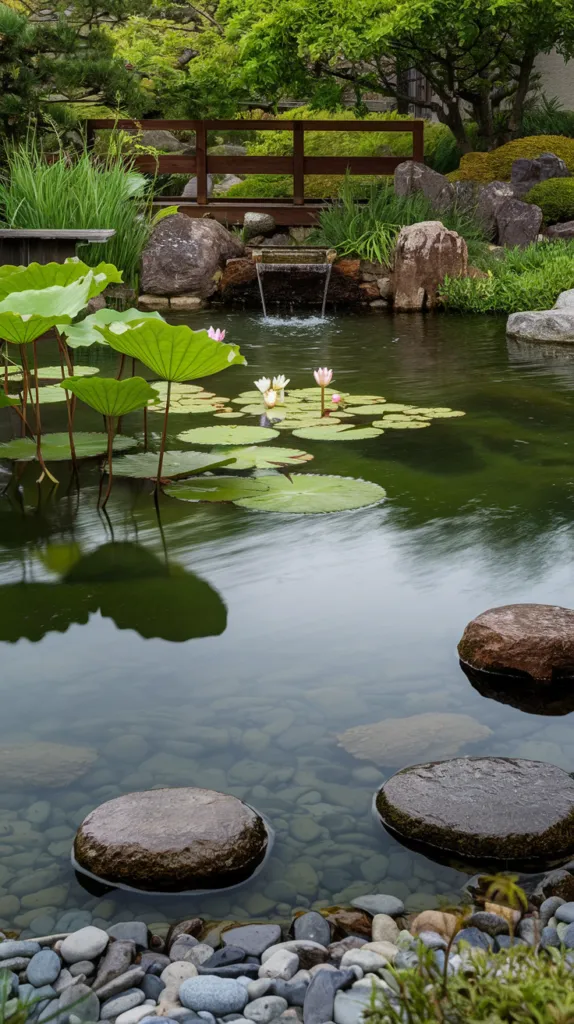
Adding a reflective pool to your backyard can really make it feel like a peaceful getaway! When choosing a size, just think about what would go best with the layout of your garden.
It’s best to go for a pool that’s not too deep so it’s easy to take care of and gives off a beautiful reflection.
If you want to make your pool area even more beautiful, think about adding some natural stones or pebbles around it. Planting water lilies or lotuses can bring in some color and a gentle breeze.
And don’t forget about a little water feature like a fountain for that peaceful sound of flowing water to really enhance the peaceful vibe of your own little oasis.
Add a Traditional Japanese Bridge
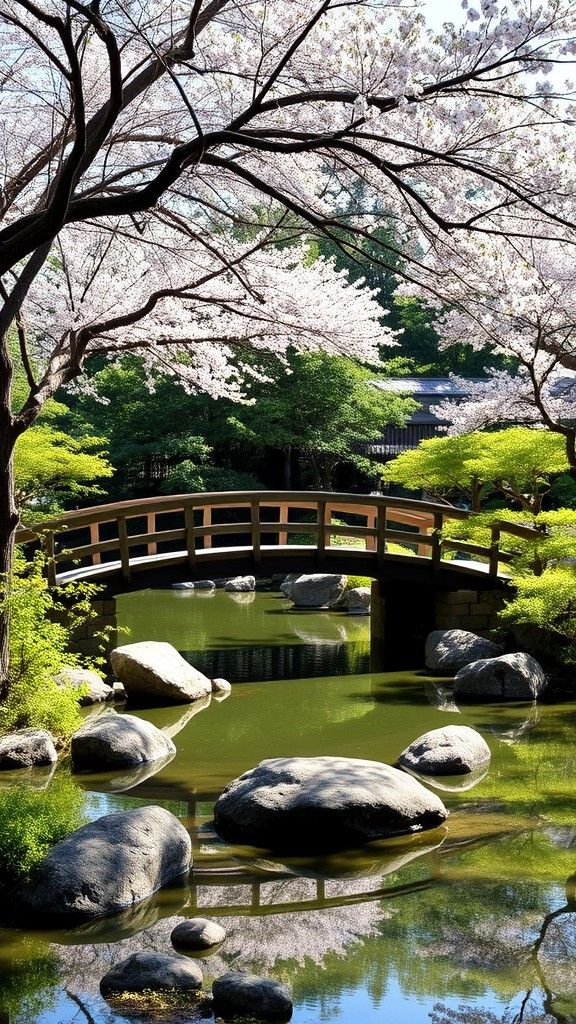
Installing a traditional Japanese bridge can transform your garden into a serene retreat. Look for a arched wooden bridge made of natural materials, as it seamlessly integrates with the landscape.
Choose a size that complements your space; larger gardens can accommodate elongated bridges, while smaller areas benefit from compact designs.
Let’s place the bridge over a stream or pond to make it a lovely focal point in your garden. We can add some azaleas or even a koi pond nearby to enhance the peaceful atmosphere.
And don’t forget to add some soft lighting so you can enjoy the beauty of your Japanese garden even in the evening. It will truly be a magical and enchanting experience for you.