About 35% of households do some form of gardening today. Whether you’ve grown vegetables for years or you’re just picking up a trowel for the first time, a well-planned layout makes the difference between struggling plants and a space that thrives.
This guide walks through 20 garden layout ideas, from raised beds to vertical gardening to herb spirals, so you can find a design that fits your yard and use every square foot wisely.
Raised Bed Garden Basics
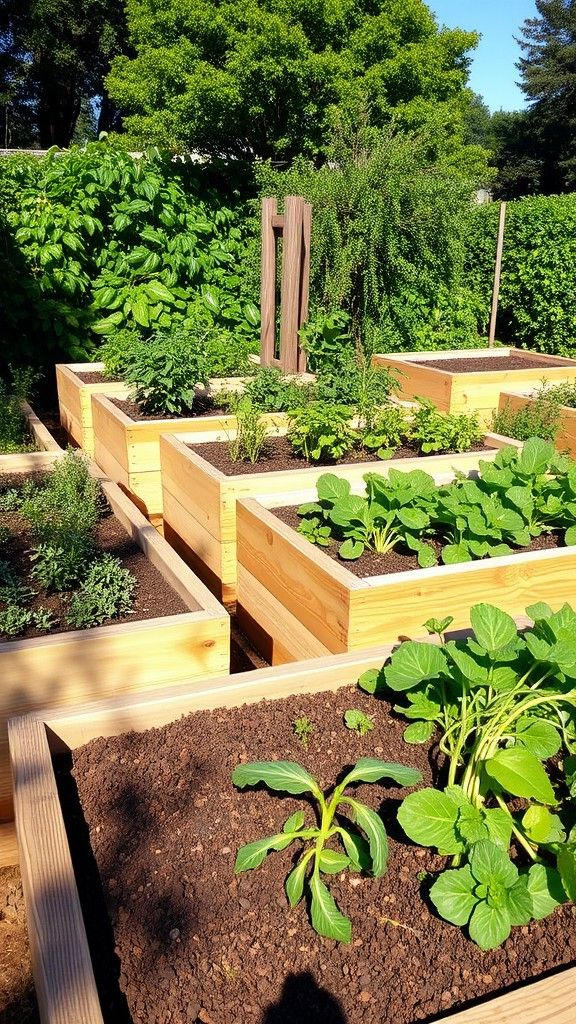
A raised bed garden can change how you grow vegetables, flowers, and herbs by giving your plants a dedicated, controlled space.
Because the soil sits above ground level, water drains faster and you spend less time bent over while watering, weeding, or harvesting.
Sturdy materials like wood, metal, or composite boards hold up best over multiple seasons. For most vegetables, aim for a bed depth between 12 and 24 inches.
Fill the frame with nutrient-rich soil so roots have plenty to draw from. A square or rectangular shape also keeps rows organized and easy to plan.
Pairing compatible plants, such as tomatoes and basil, is a smart way to make the most of limited bed space.
This kind of companion planting boosts crop health and keeps the bed looking full rather than overcrowded, setting you up for a strong harvest.
Vertical Gardening Techniques
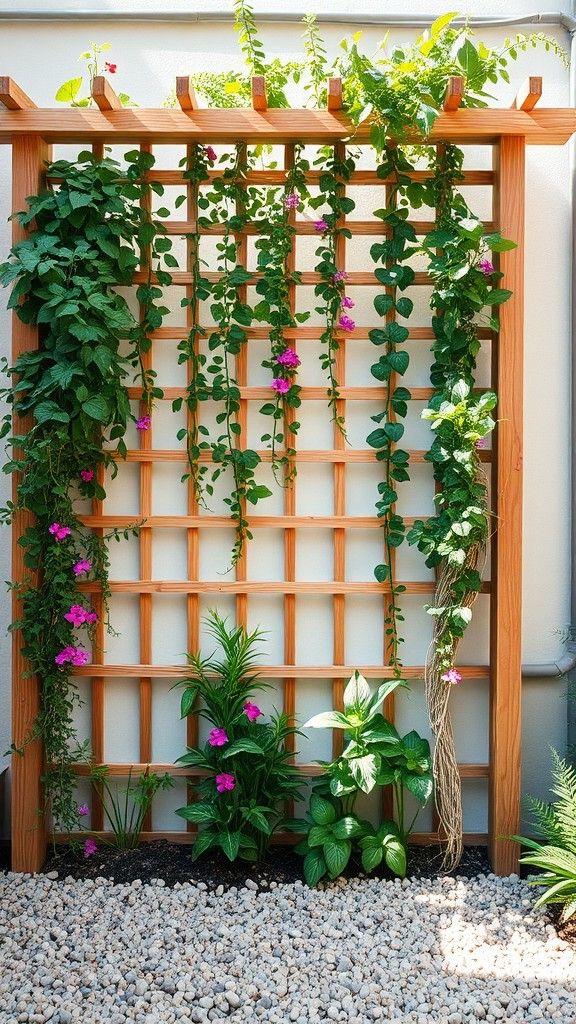
Walls, trellises, and hanging planters turn a tight yard or balcony into a productive growing area by moving plants upward instead of outward.
Climbing vegetables like peas, beans, and cucumbers naturally grow up a support structure, which frees up ground space for other crops.
A sturdy trellis or an upcycled wooden pallet mounted on a wall works well as a starting point. Fill it with favorite herbs or flowering vines for a striking display.
For tighter spots, stacked pots or purpose-built vertical planters offer both function and visual interest, and they’re easy to rearrange as your plants grow.
Building a Keyhole Garden
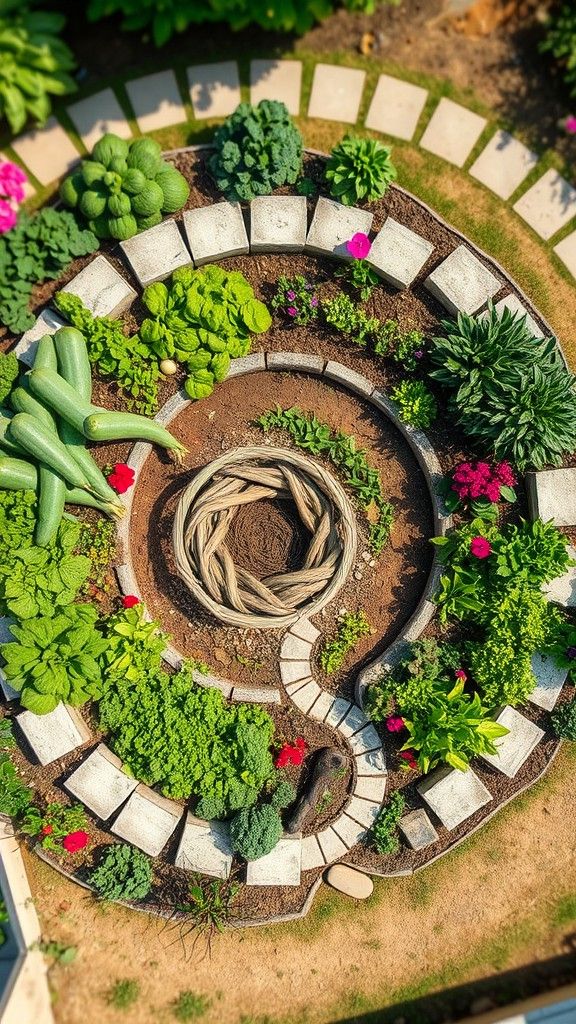
A keyhole garden is a circular raised bed built around a central access point, making it a smart option for small yards that still need efficient growing space.
That center walkway lets you reach every plant in the bed without ever stepping on the soil, which keeps the growing area from getting compacted.
Building one yourself is more straightforward than it looks, and the steps below will get you started.
- Gather materials: Use materials like bricks, stones, or wood to form a circular shape, with a wedge-shaped path leading to the center.
- Prepare the center: Fill the central area with compost, which provides nutrients as it breaks down, and water retention for your plants.
- Choose your plants: Opt for vegetables and herbs that thrive in raised beds, such as tomatoes, peppers, or basil. Plan for companion planting to maximize yield and prevent pests.
The real advantage of a keyhole garden is how much food it produces relative to its footprint, all while keeping maintenance simple and enjoyable.
Container Gardening Tips
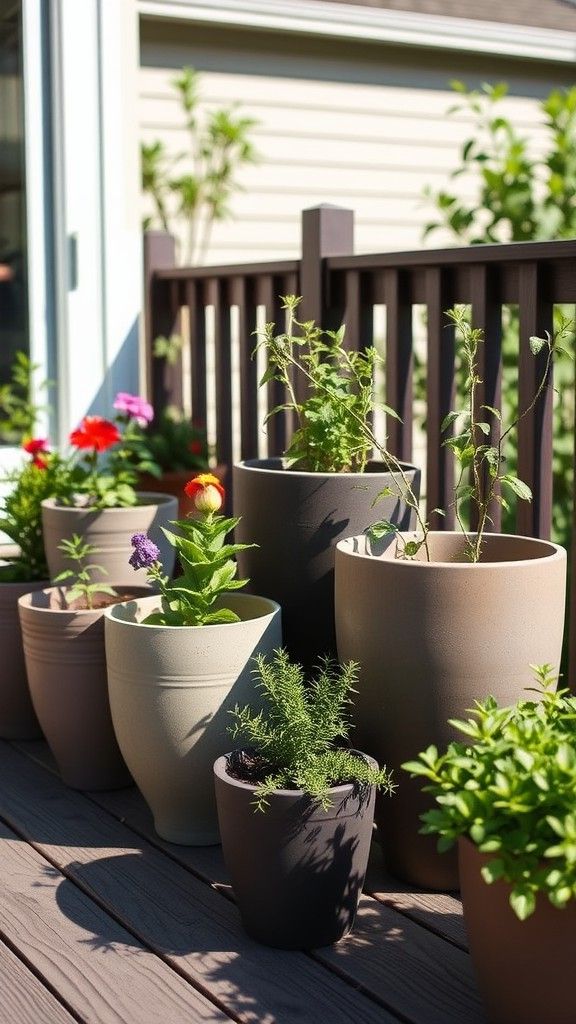
Growing plants in pots and containers is one of the easiest ways to garden on a balcony, patio, or any spot without in-ground soil.
Terracotta, ceramic, and even repurposed materials like buckets or crates all make solid container choices, depending on the look you want.
Soil choice matters more than most people expect. A potting mix formulated with nutrients and good drainage keeps roots healthy.
Every container needs drainage holes at the bottom, or roots can sit in water and rot. Good options for planting include basil and mint, petunias and marigolds for color, or cherry tomatoes and lettuce for a small edible harvest.
Mixing textures, heights, and colors in the same container setup gives your patio or balcony a layered, personal look.
Planning In-Ground Garden Beds
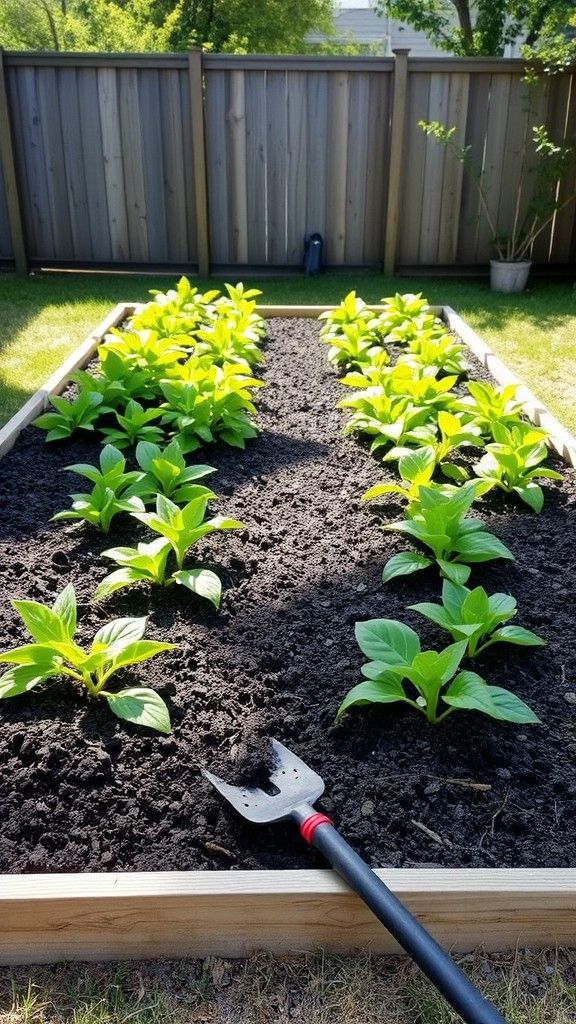
Start by scouting a spot that gets 6 to 8 hours of direct sun daily, since most vegetables and flowering plants depend on that much light to produce well.
Mark out the bed dimensions next. A width of around 4 feet lets you reach the center from either side without stepping on the soil.
Clear the area of weeds, rocks, and debris, then work in compost or well-rotted manure to give the soil a nutrient boost before planting.
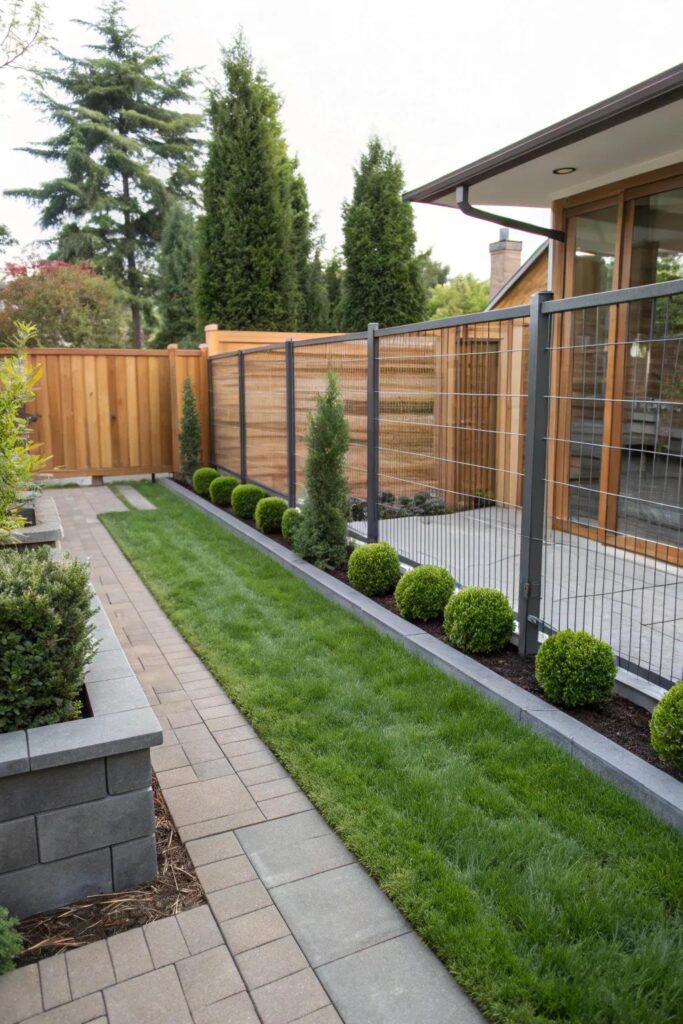
For yards with more than one bed, wood chip or gravel pathways between them keep the whole layout walkable and easier to maintain.
Mixing annuals and perennials keeps something blooming or producing across multiple seasons. Pairing basil with tomatoes, or carrots with onions, supports plant health and naturally discourages common pests.
Consistent watering matters as much as soil prep, so a drip irrigation system or soaker hose is worth setting up for even, efficient hydration across the whole bed.
Hugelkultur Mound Method
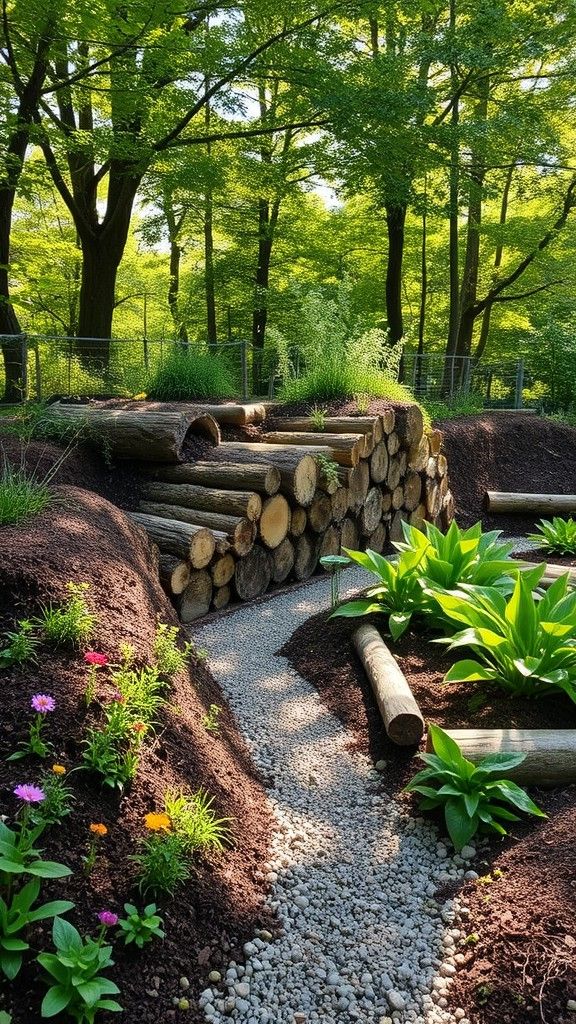
Hugelkultur turns yard waste, decaying logs, branches, leaves, and grass clippings, into a raised, fertile mound instead of sending it to the curb.
As those buried logs and branches break down, they release nutrients slowly over years while the layered structure keeps drainage excellent.
Once the mound is stacked and shaped, top it with a layer of topsoil mixed with compost so plant roots have rich material to establish in right away.
Great picks for a Hugelkultur garden are veggies with deep roots like tomatoes and carrots, as well as perennials that love the moisture held in this method.
Don’t forget to water your garden often until the plants settle in, and enjoy watching your harvest thrive with this eco-friendly approach!
Square Foot Gardening Method
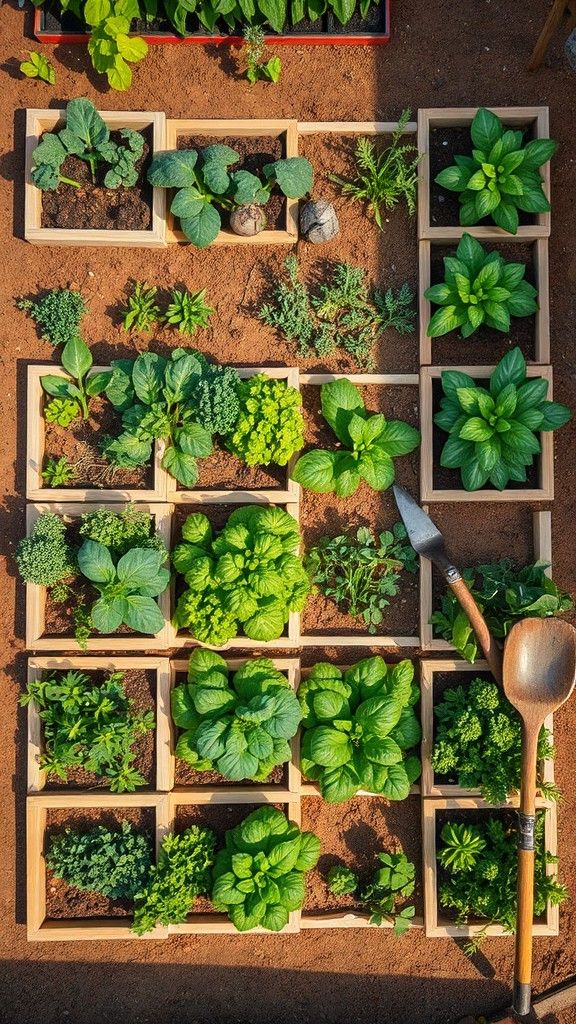
Have you heard about Square Foot Gardening? It’s a great way to make the most out of your garden while keeping those pesky weeds and pests at bay.
Basically, you divide your garden bed into little squares, usually around 1-foot by 1-foot each.
This way, you can grow lots of different plants in a small space, which is super handy for city folk who love to garden. Give it a try!
You can grow different plants in each square, such as herbs, salad greens, or even carrots. For instance, one square could hold 16 radishes, while another accommodates just one large tomato plant.
This method not only optimizes space but also enhances your gardening organization, sparking joy as you see various crops flourishing side by side.
Potager Garden Design Ideas
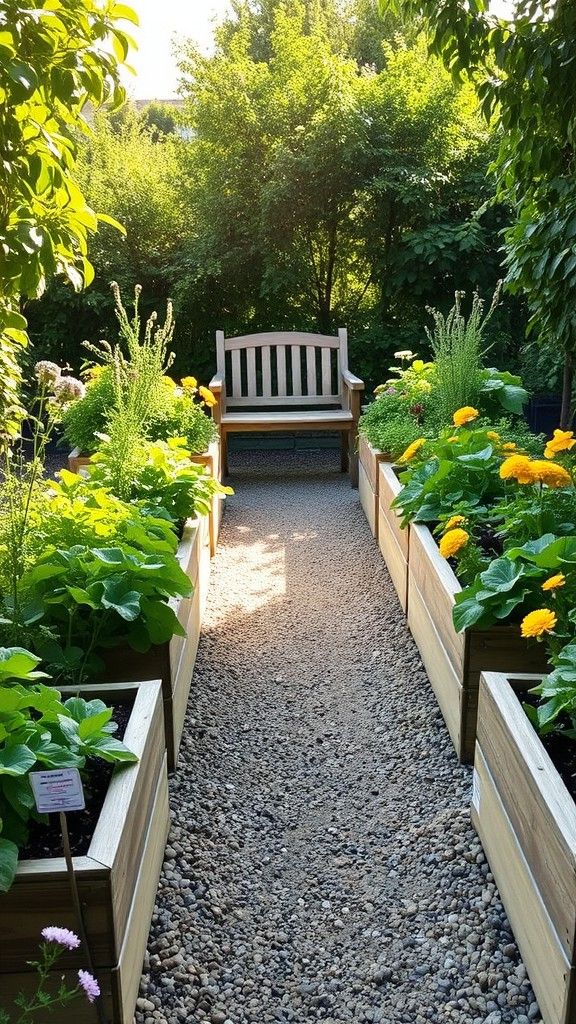
A potager garden combines beauty and function, allowing you to grow vegetables, herbs, and flowers in a cohesive layout.
This type of garden thrives on the idea of intermixing edible plants with ornamental ones, creating a visually appealing space that invites both utility and enjoyment.
To design your potager, consider using raised beds or containers for organized planting. Arrange your crops in geometric patterns, ensuring taller plants don’t shade shorter ones.
Opt for companion planting, such as tomatoes with basil or carrots with onions, which promote growth while helping to deter pests.
Enhancing your potager with paths made of gravel or pavers will provide easy access and add charm to the garden.
Xeriscape Garden for Dry Climates
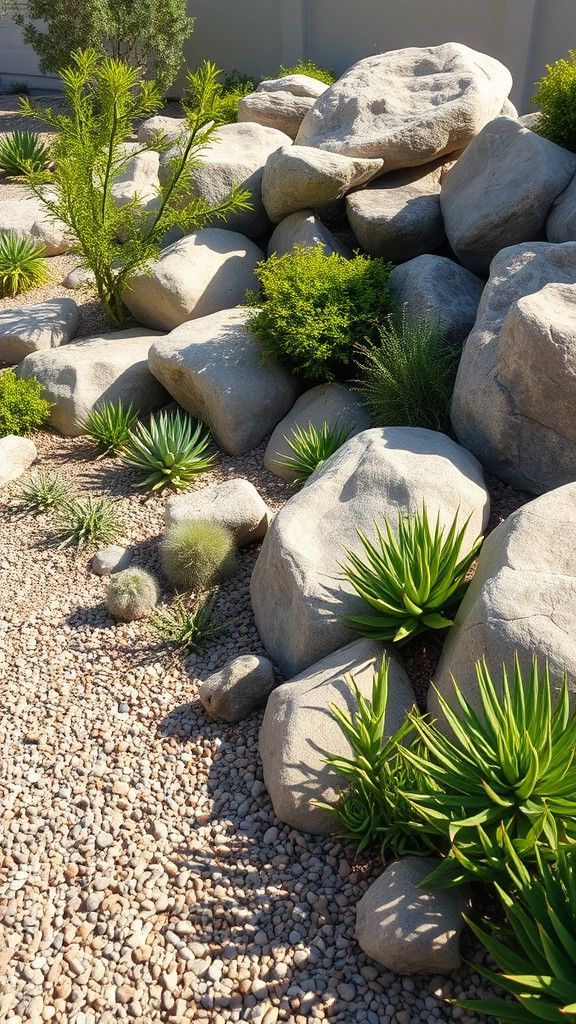
You can create a xeriscape garden to conserve water while still enjoying a beautiful landscape. Focus on using drought-resistant plants that thrive in your climate.
Consider varieties like lavender, agave, or sedum; these not only require less water but also provide stunning visuals.
To maximize efficiency, group plants with similar water needs together.
Use mulch around your plants to retain moisture and suppress weeds. Incorporate drip irrigation systems to water deeper into the soil without wastage.
This garden style is not only eco-friendly but also reduces maintenance time and costs.
Building an Herb Spiral

Have you ever thought about building a herb spiral in your garden? It’s a great way to make the most out of limited space and have easy access to a wide range of herbs.
With a herb spiral, you can grow all kinds of herbs that need different levels of moisture, from dry to moist conditions. It’s a fun and practical way to enhance your garden with fresh herbs!
Start by choosing a sunny spot in your garden, then construct a spiral using stones or bricks.
The outer edges of the spiral can feature herbs like thyme and rosemary that prefer drier soil, while the inner core is perfect for moisture-loving herbs like basil and mint.
This design not only saves space but also creates an eye-catching focal point in your garden.
To maintain your herb spiral, ensure you’re regularly watering the inner plants without over-saturating the outer ones. You can also introduce a drip irrigation system for ease of care.
Enjoy the beauty of a productive herb spiral that enhances both your garden and your meals!
Designing a Wildlife-Friendly Garden
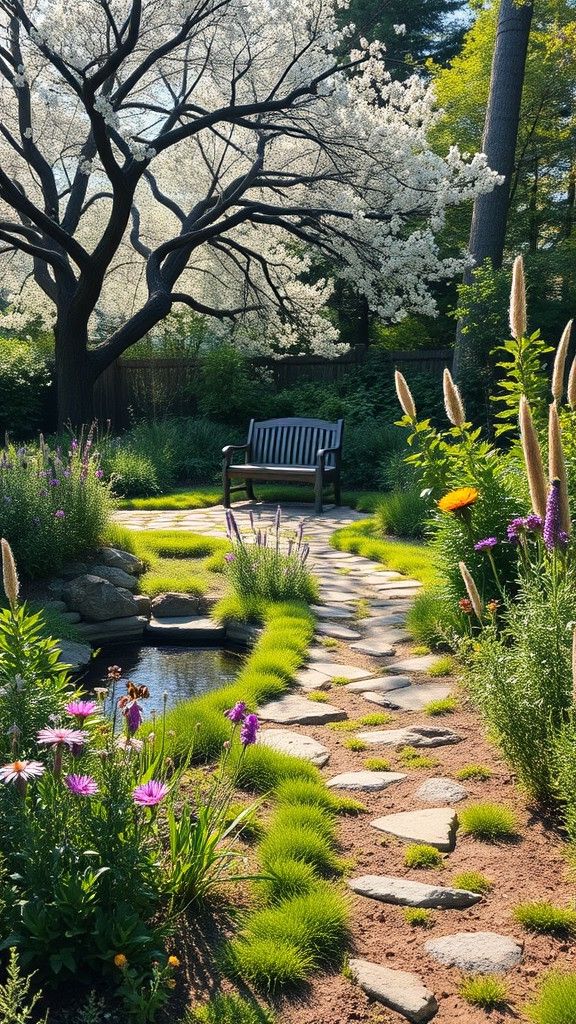
Creating a wildlife garden is a fantastic way to support local ecosystems while enjoying nature’s beauty.
Start by planting a variety of native flowers, shrubs, and trees that provide food and shelter for birds, bees, and butterflies. Sunflowers, lavender, and milkweed are excellent choices.
Next, incorporate different habitats like a small pond, rock piles, or brush heaps.
These areas attract diverse wildlife and enrich your garden’s biodiversity. You can also hang bird feeders or install nest boxes to invite feathered friends.
Remember, maintaining a chemical-free environment is key; opt for natural pest control methods to keep your garden thriving!
Japanese Zen Garden Elements
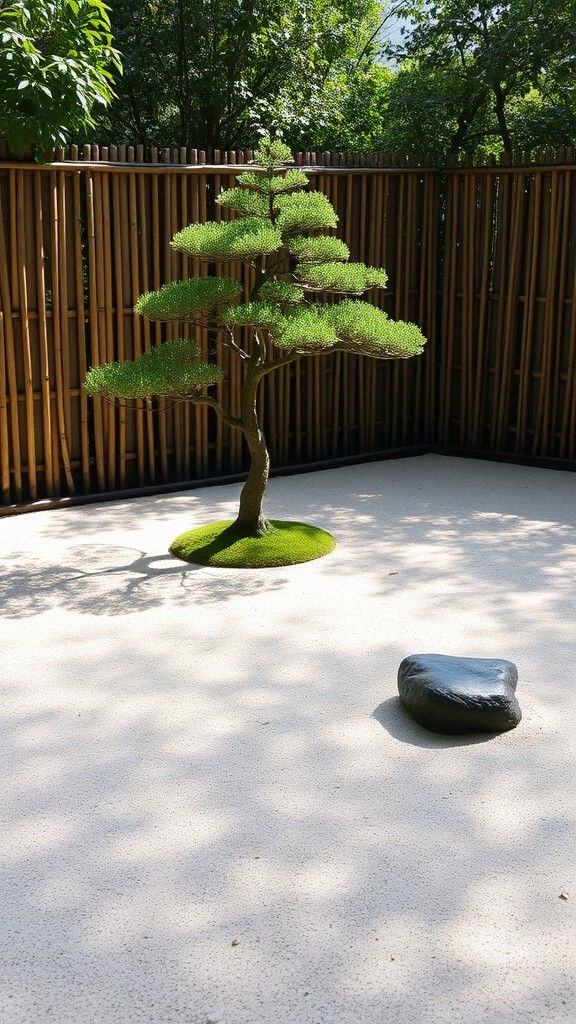
Have you ever thought about creating your own Japanese Zen Garden at home? It’s a great way to bring a sense of peace and mindfulness to your outdoor space.
Just gather some rocks, gravel, sand, and a few plants – nothing too fancy or complicated.
The goal is to create a serene and balanced landscape that helps you relax and find tranquility. Give it a try and see how it transforms your little corner of the world!
So, first things first, lay down some gravel as a base for your little project. Then, grab a rake and start creating some cool patterns to mimic flowing water. Place rocks strategically to stand in for mountains and islands.
And when it comes to picking plants, think about adding some moss, bamboo, or Japanese maples for that touch of greenery. Just remember to keep it simple with the plants to keep that peaceful vibe going strong.
This whole setup isn’t just about looking pretty, it’s also great for unwinding and finding your zen.
Cottage Garden Planting Style
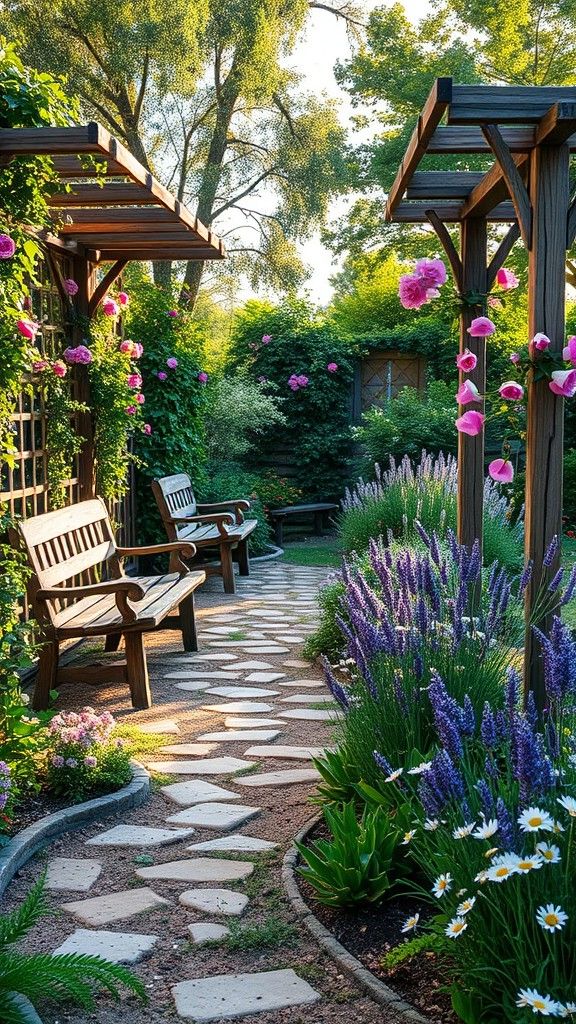
A Cottage Garden radiates charm and a sense of whimsy, making it perfect for those who love vibrant blooms.
To create your own cozy retreat, focus on planting perennials, annuals, and herbs in a seemingly random, yet harmonious arrangement.
Choose flowers like sweet peas, delphiniums, and hollyhocks for height and color variation.
You could bring in some rustic charm by using wooden trellises, arched gates, and gravel paths around your garden.
Try planting some fragrant herbs like thyme and basil in lots of containers – not only will they look pretty, but you can use them for cooking too! A
nd don’t forget to save some room for wildflowers; they’ll attract helpful bugs and bees, making your garden a thriving ecosystem.
Edible Landscape Design
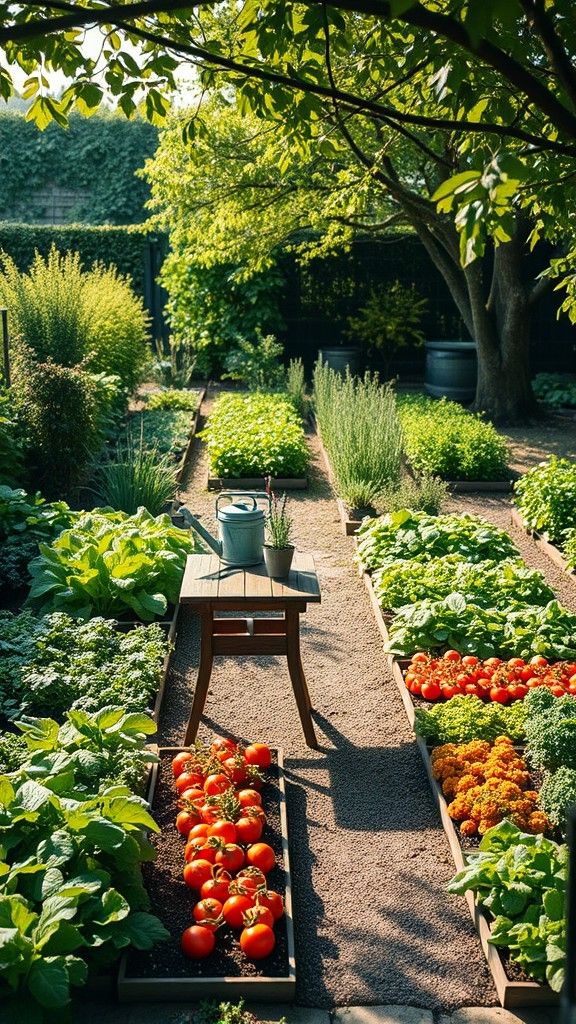
You can transform your garden into an edible landscape by choosing plants that are both beautiful and productive.
Mix ornamental plants with edible varieties to create a visually appealing space that yields delicious rewards. For instance, consider using berry bushes like blueberries or raspberries interspersed with flowering shrubs.
When you’re thinking about what to plant along the borders or as ground cover in your garden, consider using herbs.
They’re not only pretty to look at with their greenery, but they also serve a practical purpose in the kitchen.
Plants like thyme, oregano, and marigolds are great choices because they attract helpful bugs to your garden while also giving a boost of fresh flavors to your meals. It’s a win-win situation!
It’s important to plan ahead when it comes to planting your garden! Try setting up specific areas where you can stack or layer your plants.
For example, you can create a vertical garden by growing climbing plants like peas or cucumbers on a trellis.
Not only does this add a beautiful touch to your garden, but it also helps make the most of your space. By taking this approach, you’ll have a garden that is not only practical but also lovely to look at!
Planning a Full-Sun Garden
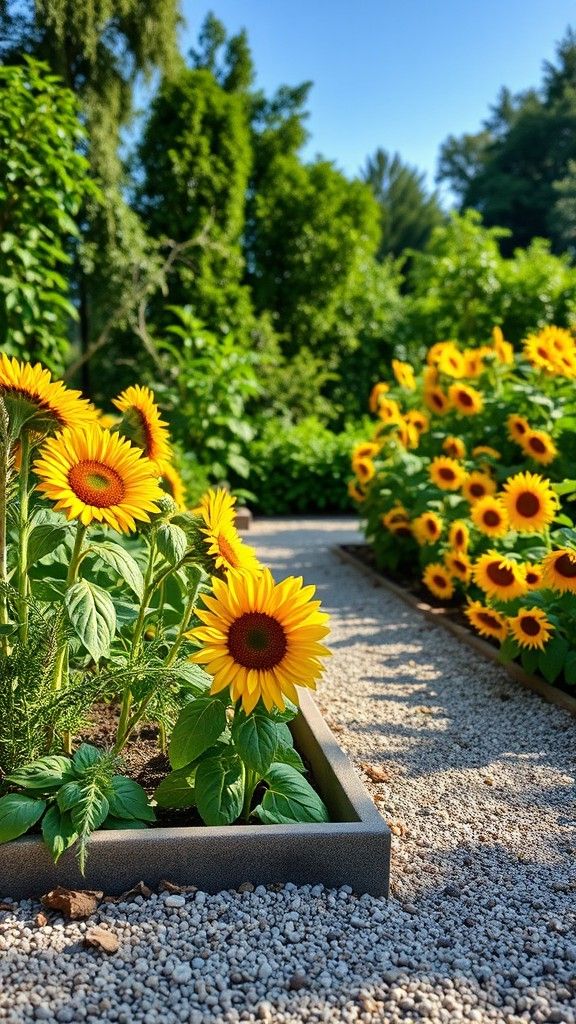
If you’re looking to create a Sun Garden, make sure to pick a sunny spot that gets lots of sunlight! This layout works great for plants like tomatoes, peppers, basil, and sunflowers that love basking in the sun all day.
If you want to make the most of your space, you should think about using raised beds or containers.
They help with drainage and keep the soil quality top-notch. When planting, make sure to put taller plants on the north side so they don’t block the sunlight from shorter ones.
And don’t forget to use mulch to keep the moisture in and stop those pesky weeds from popping up, so your plants that love the sun can thrive!
Growing a Shade Garden
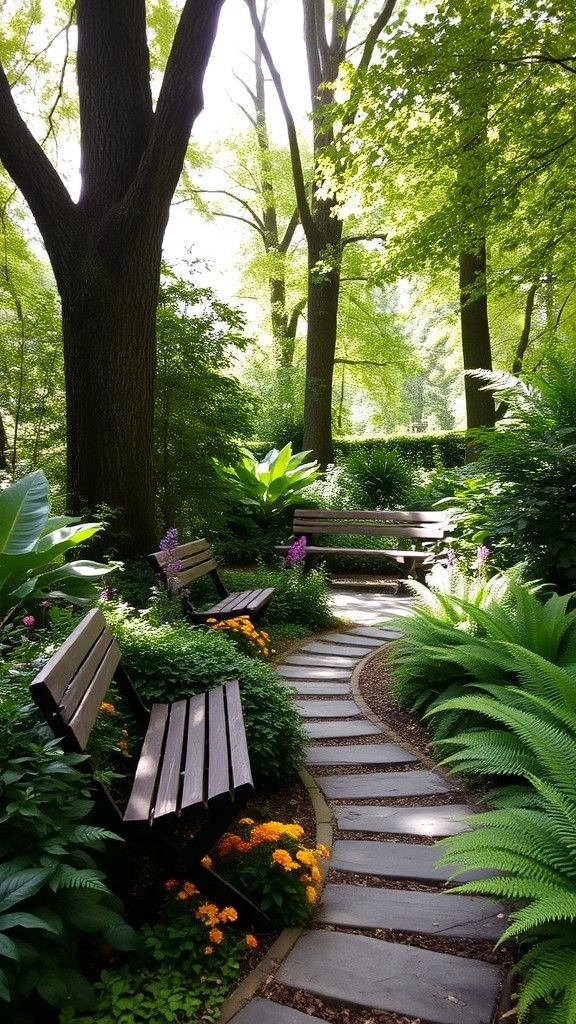
Creating a shade garden can transform underutilized areas into beautiful retreats. Choose plants that thrive in low-light conditions, such as hostas, ferns, and astilbes. These plants not only add texture but also create a lush, vibrant atmosphere.
When you’re setting up your garden, try mixing up different plants to create more dimension. Put the taller ones, like those Japanese maples, towards the back, and the shorter ones in the front.
It’s also a good idea to sprinkle in some decorative rocks or mulch – that way your plants can stay happy by having good drainage and moisture.
And if you want to take it up a notch, adding a little water feature can really bring some calm vibes to your garden. Plus, it’s a great way to bring in some birds and helpful bugs to enjoy your shady spot.
Creating a Pollinator Garden
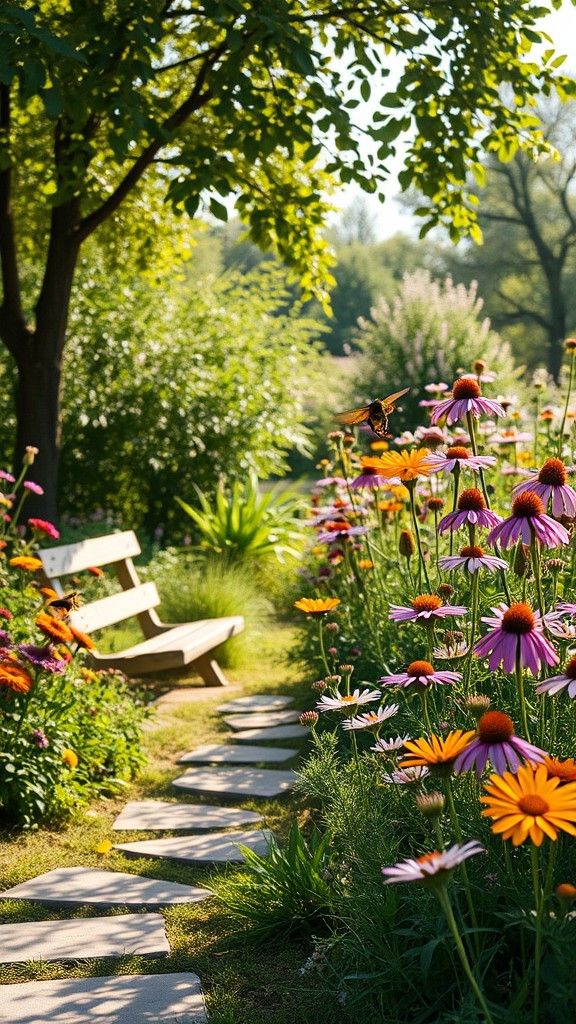
If you’re thinking about sprucing up your backyard, why not consider creating a pollinator garden? It’s a great way to attract bees, butterflies, and hummingbirds while also helping to boost your yard’s biodiversity.
Just pick out a variety of native flowers that bloom at different times of the year to make sure those little guys always have something yummy to eat!
Hey there! When planning your garden, why not think about including some plants like coneflowers, milkweed, and black-eyed Susans? They’re great for attracting pollinators with their different shapes and colors.
Don’t forget to leave some patches of bare soil for those ground-nesting bees and try to avoid using pesticides to keep your garden thriving and happy!
Starting a Community Garden Plot
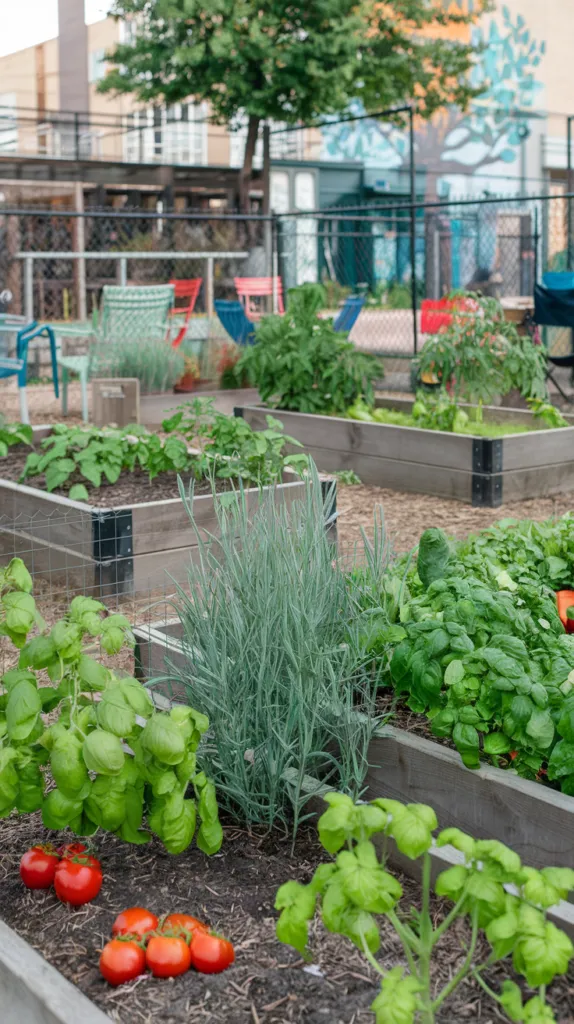
Hey there! So, have you ever thought about starting a community garden in our neighborhood? It’s not only a great way to practice sustainable gardening but also a fantastic way to get to know our neighbors better.
To get things started, we can gather up some folks who are interested and find a good spot that gets plenty of sunlight, has access to water, and has good soil.
We should also think about setting up some raised beds or fences to make sure everyone knows their boundaries and we can manage the space effectively. What do you think? Sound like a fun project?
Plan what to grow together. Opt for easy-to-cultivate plants such as tomatoes, peppers, and herbs like basil. Each member can choose their favorite crops, ensuring a variety and maximizing space.
Don’t forget to establish a schedule for watering and maintenance, allowing everyone to contribute based on their availability.
Setting Up a Greenhouse Garden

Creating a greenhouse garden is an excellent way to extend your growing season and protect delicate plants from harsh weather. A well-organized greenhouse can yield fresh produce year-round.
Consider investing in temperature control systems to maintain optimal growing conditions.
You can maximize space by utilizing vertical gardening techniques. Hang planters or install shelving for smaller pots to save ground space and increase your plant variety.
Opt for a mix of herbs, vegetables, and flowers—such as tomatoes, basil, and marigolds— to create a diverse and productive ecosystem inside your greenhouse.
Applying Permaculture Design Principles
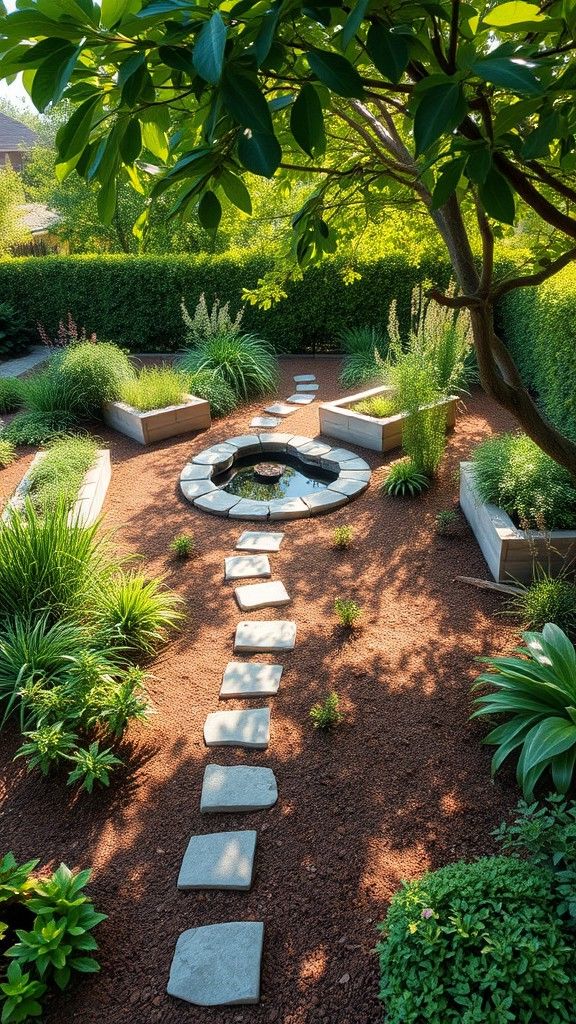
Did you know that you can turn your garden into a real paradise by following some permaculture design principles? It’s all about working in harmony with nature and making your garden sustainable.
Just take a look around and see where plants can really thrive, like in spots with lots of sun or where there’s plenty of water. It’s all about creating a beautiful ecosystem right in your own backyard!
Use zones to plan your garden layout effectively. Place frequent-use plants like herbs and salad greens closer to your home for easy access. Consider creating a guildguild, where plants support each other.
For example, plant nitrogen-fixing legumes near fruit trees to enhance soil quality.
Incorporate pollinator-friendly plants to attract beneficial insects, which help with pollination and pest control. Opt for a variety of perennial crops that require less maintenance over time and create a landscape that’s both productive and beautiful.