Raised garden beds can boost your crop yield by as much as 30% while cutting down on weeds. This article covers 20 creative raised garden bed ideas that make growing simple and add real visual appeal to your yard. From vertical designs to eco-friendly builds, you’ll find fresh ways to plan your next gardening project.
Space-Saving Vertical Garden Beds

Vertical raised garden beds let you stack plants upward instead of spreading them across the ground, which makes them ideal for small yards or a narrow patio. Stacking sections on top of each other means you can grow more in less square footage. Gardeners with limited outdoor space often turn to this style first.
Tiered planters and wall-mounted pots free up floor space and give the garden a striking visual layer. Mixing planter heights also creates natural focal points across a patio or fence line.
Wooden pallets or custom-built shelving work well as the frame for a vertical garden. Fill each section with soil, then plant climbers such as tomatoes and cucumbers, or add trailing flowers that spill over the edges for a layered look.
Raising the planting sections to waist or chest height also cuts down on bending, so watering and harvesting become far less strain on your back.
Space-Smart Corner Garden Beds
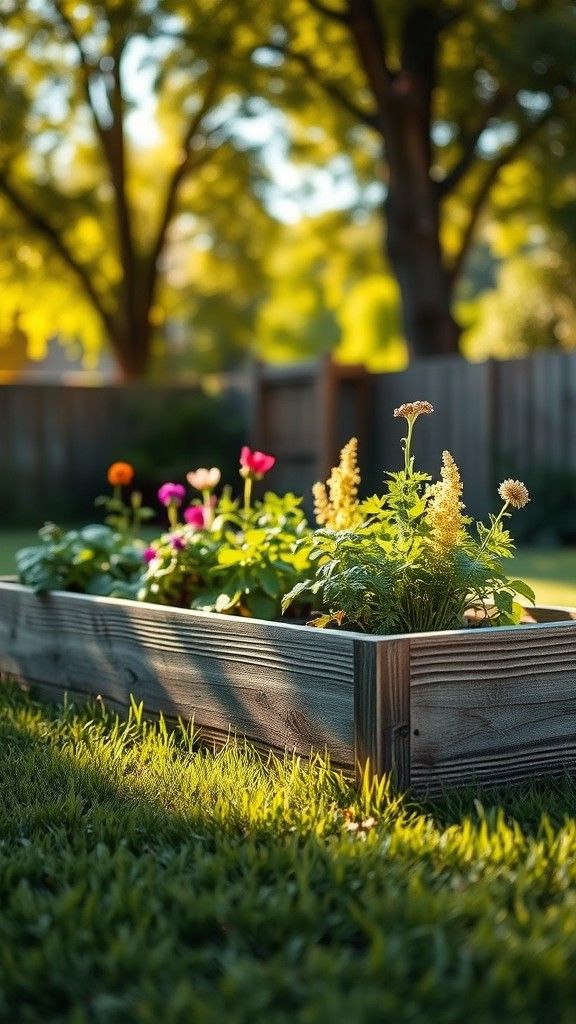
Corner raised garden beds turn an unused patch of yard into productive growing space while adding visual structure to your landscape.
Their angled shape fits neatly into tight corners of a patio or backyard, making use of spots that usually sit empty.
Wood, stone, and metal all work well for corner beds. Build the bed at least 24 inches deep so roots have enough room to spread.
Fill the bed with a blend of soil and compost to support strong plant growth. Herbs and pollinator-friendly flowers do well here, or you can stack the corner into tiers for added height and visual interest.
Layered Tiered Garden Beds

Tiered raised garden beds combine several planting heights in one structure, which creates a striking display and keeps every plant within easy reach.
Wood or concrete blocks both work for building multiple levels. Position the tiers so each one still gets enough direct sunlight through the day.
This layered structure improves drainage and lets you separate plant types by tier: herbs on top, vegetables in the middle, and edible flowers on the lowest level.
Spacing each tier about two feet apart keeps the layout comfortable to work in. That spacing spares your back from extra strain during regular upkeep.
A drip irrigation system running through the tiers cuts down on manual watering considerably. It keeps the soil consistently moist across every level without daily effort on your part.
Budget-Friendly Pallet Garden Beds
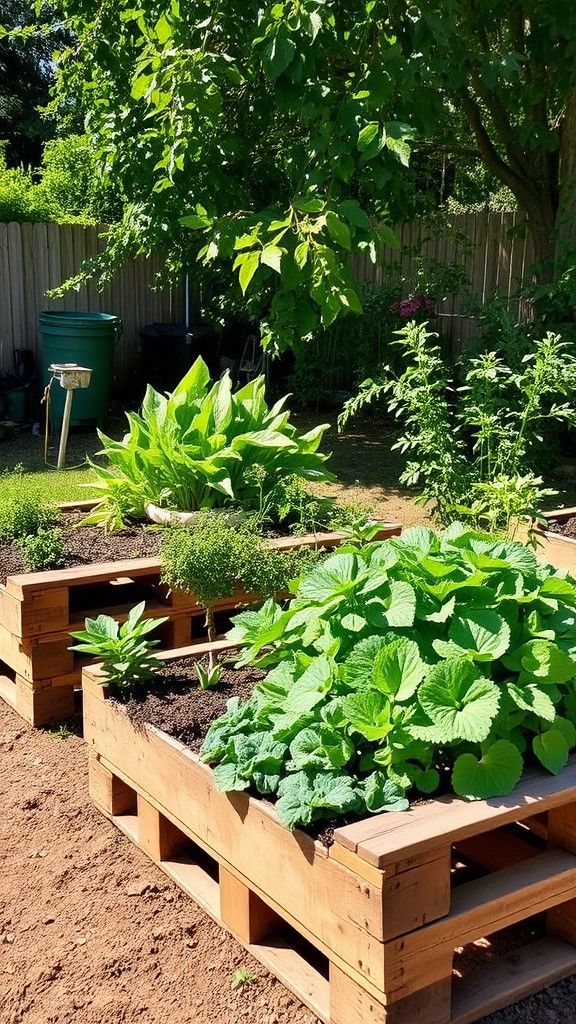
Building raised garden beds from old pallets is a low-cost, eco-friendly project that puts scrap wood to good use.
Stack the pallets, nail them together, and fill the frame with quality soil. It’s a simple way to cut costs and keep wood out of the landfill.
Adding vertical slats to a pallet bed gives climbing plants like beans or tomatoes something to grab onto. Painting or staining the wood afterward helps the bed match the rest of your outdoor decor.
Lining the inside with landscaping fabric holds the soil in place and blocks weeds from pushing through the gaps between boards.
Garden Beds With Built-In Seating
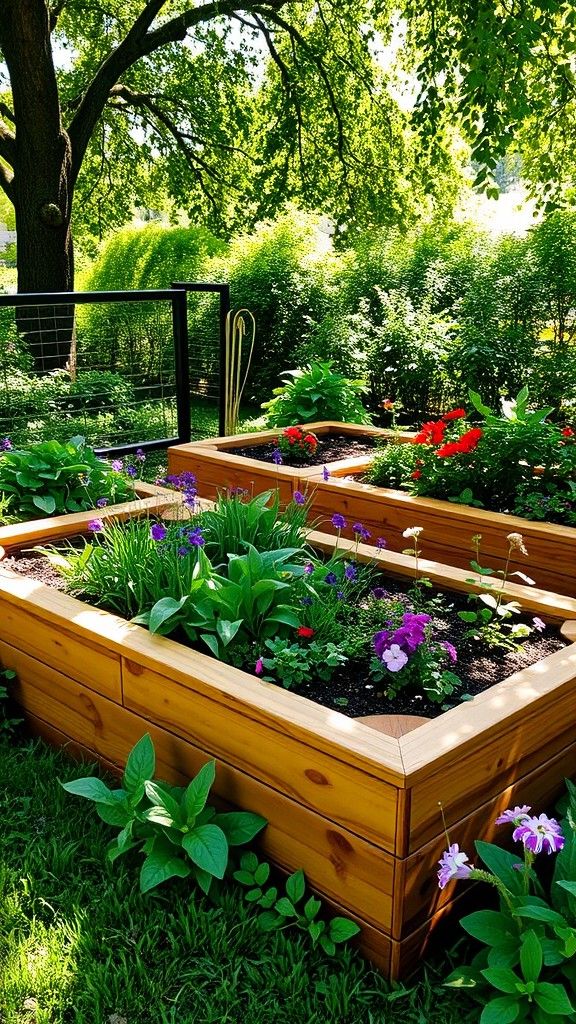
Adding built-in seating to a raised garden bed turns a purely functional structure into a spot where you can actually relax.
The seating doubles as a resting place while you tend your plants, so the bed serves two purposes instead of one.
Cedar and composite lumber both hold up well against weather and make solid choices for this kind of build. Design the bench to wrap around the perimeter of the raised bed for a seamless, built-in feel.
Cushions or weatherproof outdoor pillows add comfort and a pop of color to the seating area.
Building storage into the space underneath the bench gives you a place to stash trowels, gloves, and other tools. Keeping supplies close at hand cuts down on trips back and forth to the shed.
Compact Herb Spiral Garden Beds

An herb spiral raised bed packs a wide variety of herbs into a small footprint, which suits tight gardens and patios well.
The winding shape creates several microclimates in one structure. Basil and other dry-loving herbs do best near the top, while mint and other moisture-lovers thrive near the base.
To build one, gather bricks, wood, or stone and shape them into a spiral roughly 3 feet wide and 4 feet tall.
Fill the finished spiral with a rich mix of soil and compost. Group each herb according to its light and water needs before planting.
Matching herbs to the right spot in the spiral keeps every plant healthy. The structure also doubles as a striking centerpiece for a patio or backyard corner.
Moisture-Retaining Wicking Garden Beds
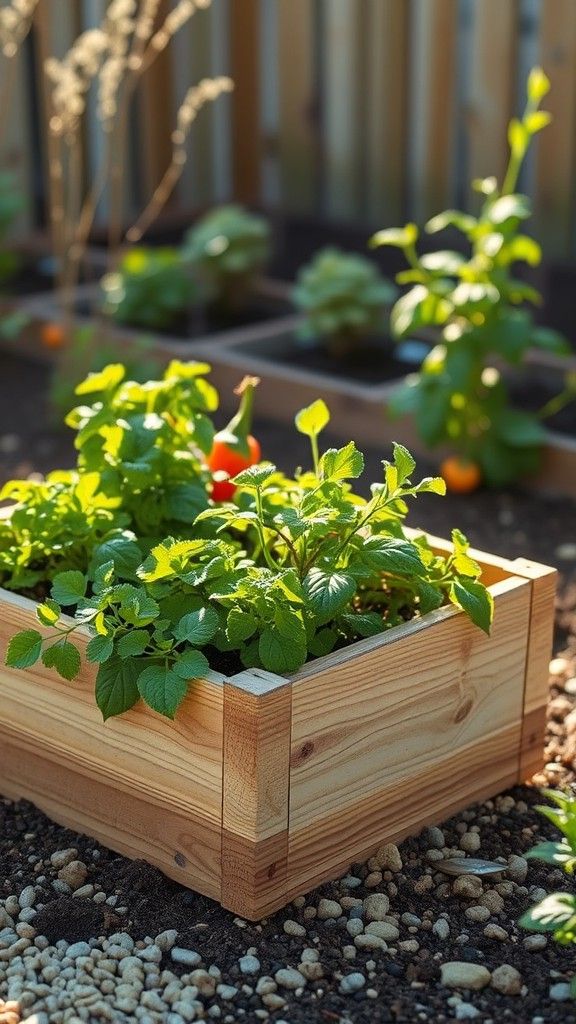
Wicking raised garden beds hold moisture in reserve, which makes them a smart pick for regions with unpredictable rainfall.
A hidden water reservoir sits beneath the soil layer, and plant roots draw up moisture through wicking action as they need it. This design cuts down on how often you need to water by hand.
To create your own, consider these steps:
- Build a wooden or stone frame that is at least 12 inches deep.
- Install a bottom layer of gravel for drainage, followed by a perforated pipe or hose that connects to the water reservoir.
- Fill the bed with a mixture of quality soil and compost, ensuring proper aeration and nutrients for your plants.
This method not only saves water but also reduces the frequency of watering, making gardening more manageable!
Colorful Edible Flower Garden Beds

You can easily transform your raised garden beds into a stunning and functional display by growing edible flowers.
These vibrant blooms not only beautify your space but also enhance your culinary creations. Some popular options include nasturtiums, calendula, and borage.
Plant these flowers around the edges or intersperse them within your vegetable garden. This method provides a reliable source of pollinators while adding interesting flavors and colors to your dishes.
Plus, many edible flowers can be used in salads, desserts, or as garnishes, making your meals more appealing and nutritious.
Classic Wooden Garden Bed Planters
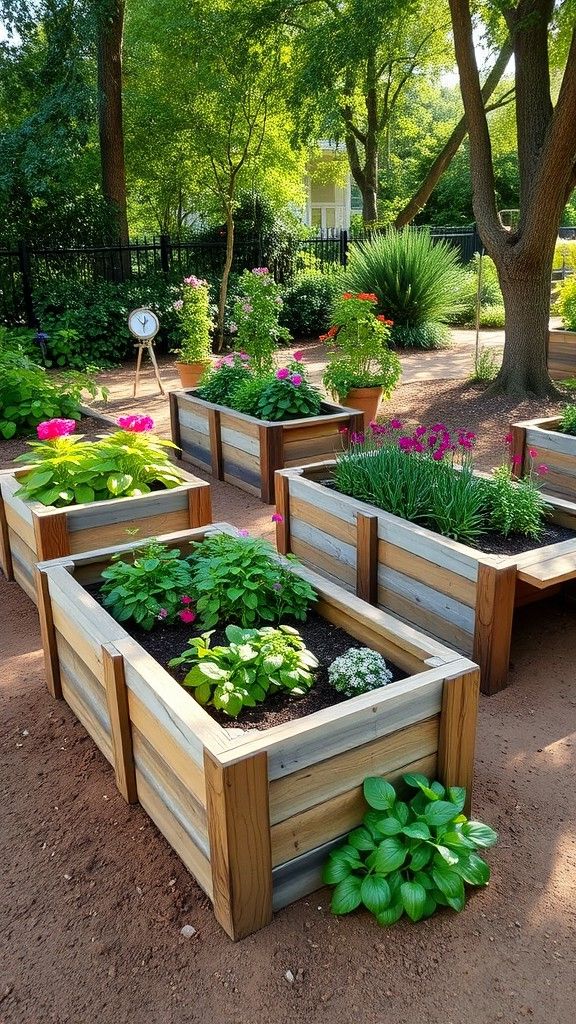
Wooden raised garden bed planters are a stylish and functional choice for any garden. You can easily customize the size and shape to fit your space, whether it’s a small balcony or a sprawling backyard.
If you want your planter to last a long time, go for a sturdy wood like cedar or redwood. To help with drainage, you can throw some gravel at the base before adding your soil.
And hey, why not try adding some trellises or stakes on one side? That way, you can grow climbing plants like peas or beans and really make the most of your garden space!
Durable Metal Raised Garden Beds
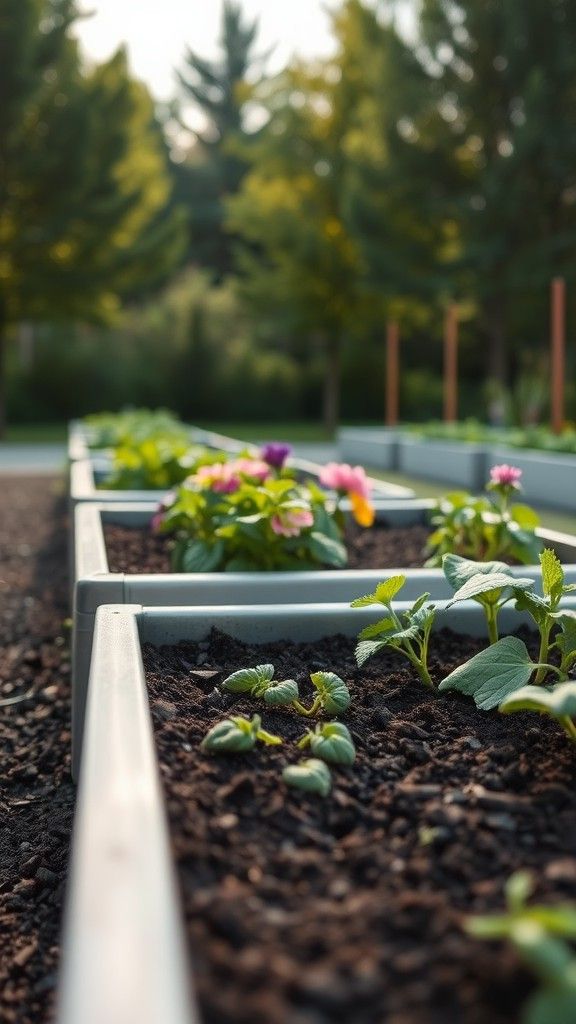
Metal raised garden beds offer a sleek and modern aesthetic that can elevate your garden’s appearance.
Constructed from materials like galvanized steel or corten, they are not only visually appealing but also incredibly durable, lasting for years without succumbing to the elements.
These beds provide ample growing space while allowing for excellent drainage and soil warmth.
You can customize their height for easy access, which makes gardening more enjoyable, especially for those with limited mobility.
Consider lining the interior with landscape fabric to protect the metal from soil toxins and extend the bed’s life.
Sturdy Concrete Block Garden Beds
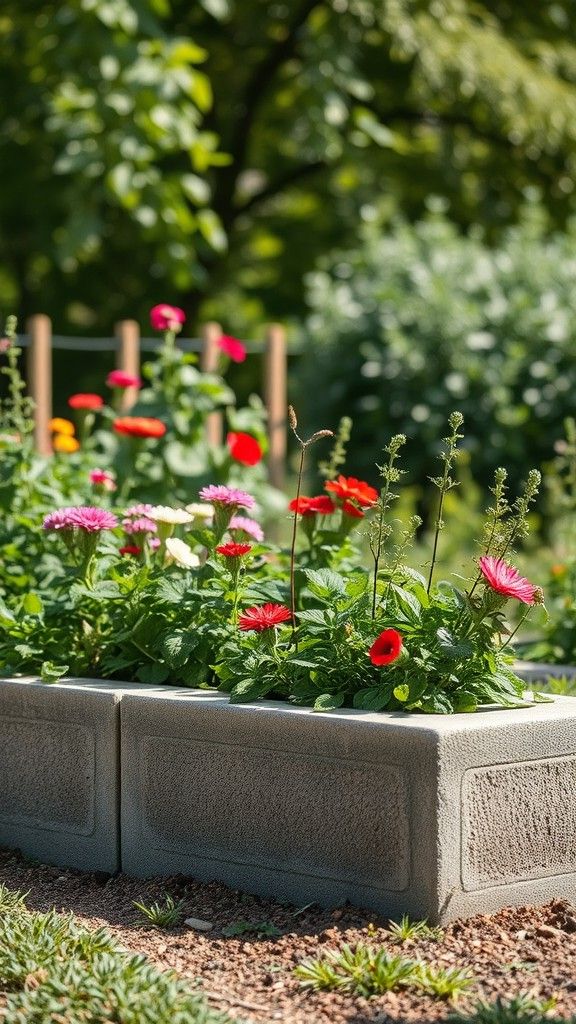
Hey, did you know that you can make really nice raised garden beds using concrete blocks? They’re not only strong and can hold your soil in place, but they also have cool features like insulation and keeping moisture in.
And the best part is, they’re super easy to put together and you can customize them however you like. How awesome is that?
To set up your concrete block raised garden bed, consider the following:
- Choose your location: Ensure it gets ample sunlight and has good drainage.
- Design your layout: You can create shapes like rectangles or squares, depending on your space.
- Build the walls: Simply stack the concrete blocks to your desired height, leaving some openings for drainage.
You can also fill the hollow spaces with flowers or herbs for added beauty and functionality. This unique touch can make your garden visually appealing while maximizing space!
Curved Teardrop-Shaped Garden Beds
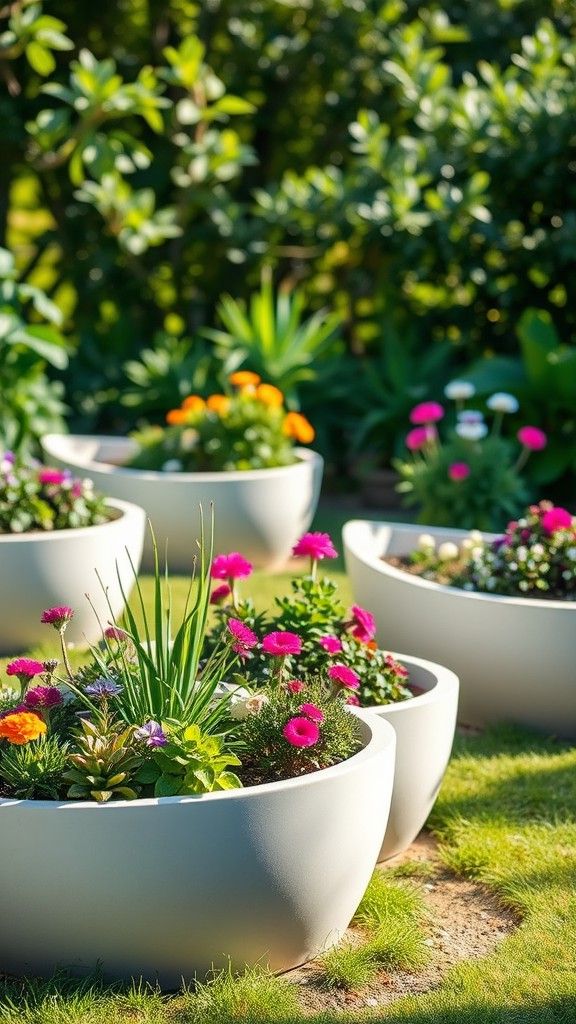
Teardrop-shaped raised garden beds add a unique aesthetic charm to your garden while maximizing growing space.
These beds not only stand out visually but also allow for efficient water drainage and sunlight exposure.
You can create a plan that accommodates various plant heights, from tall sunflowers to low-growing herbs.
Building a raised garden bed can actually be pretty simple! You can use materials like cedar or recycled wood to give it a nice, natural vibe. When thinking about the size, just make sure it’s easy to reach all parts of the bed.
For instance, a teardrop shape could work well, starting at around 4 feet wide and narrowing down to a point. This will create a cool flow in your garden and make it fun to explore.
Garden Beds Paired With Trellises
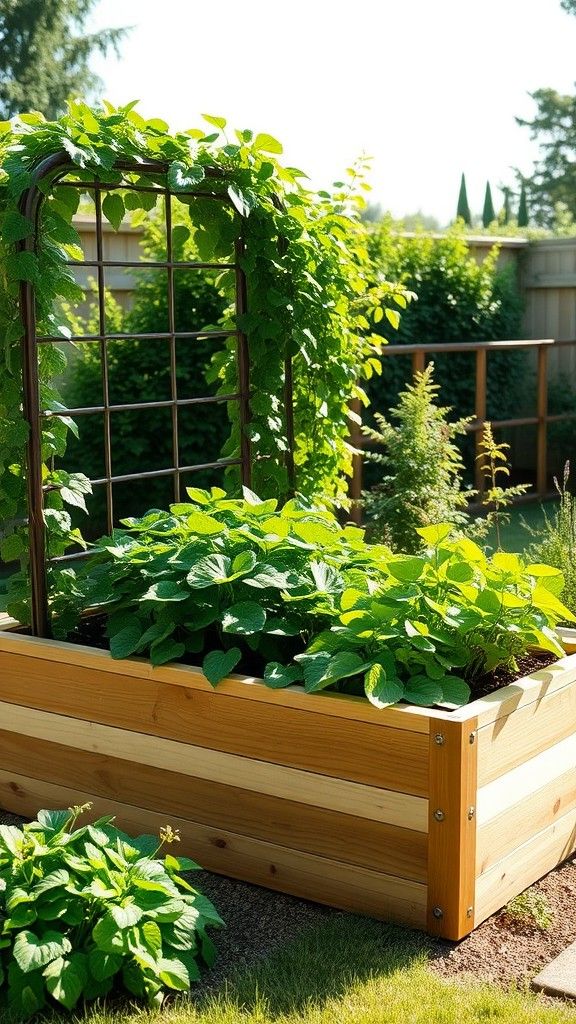
Building raised garden beds with trellises not only maximizes your growing space but also adds vertical beauty to your garden. You can easily create a stunning display while growing a variety of plants.
Consider using wooden or metal trellises that complement your aesthetic while supporting climbing plants like peas, cucumbers, or tomatoes.
If you want to make sure your plants are happy and thriving, think about using materials that won’t rot when building your raised bed.
Make sure it’s deep enough, like around 12 to 18 inches, so your plants’ roots have plenty of space to spread out and grow strong.
And don’t forget to add a trellis on one side so your vines can climb up and reach for the sky! Annual vines like beans or morning glories are great for adding some pops of color to your garden and can also help increase your harvest.
Bold and Colorful Garden Beds

You can transform your garden into a stunning visual treat with colorful raised garden beds. Choose materials like painted wood, vibrant metal, or even reclaimed bricks to create eye-catching designs.
Bright colors not only enhance aesthetics but also set the mood for your gardening space.
Consider mixing and matching colors to establish unique patterns. For instance, use red, yellow, and blue shades for a playful look.
You can even add decorative stones or tiles around the edges for a more creative touch. Don’t shy away from painting the insides of the beds as well to give a cute pop that complements your plants!
Movable Portable Garden Beds

You can easily grow your favorite plants in portable raised garden beds. These versatile beds offer the flexibility to move them around your yard or patio, adapting to sunlight and space requirements.
Look for options made from lightweight materials such as aluminum or plastic to simplify transport.
Ready to get going? Why not try some fun DIY projects like repurposing wooden pallets or snagging a pre-made kit from your local garden center? Just make sure to drill some holes at the bottom for proper drainage.
Fill up your new raised bed with some good quality soil, and pick out some herbs, veggies, or flowers that will really thrive in your unique little garden.
Before you know it, you’ll be enjoying a beautiful garden, no matter how much space you’ve got to work with!
Garden Beds With Built-In Irrigation

You can create raised beds with integrated irrigation systems to simplify gardening while ensuring your plants receive ample water.
This system not only saves you time but also conserves water. Consider using a drip irrigation setup, which delivers water directly to the root zone.
To get started, you’ll want to put in a soaker hose or drip tape in your raised bed before adding soil. Make sure to hook it up to a timer or rain sensor to make watering easier.
This way, your plants will have the best chance to grow strong and you won’t waste any water.
Natural Stone Raised Garden Beds
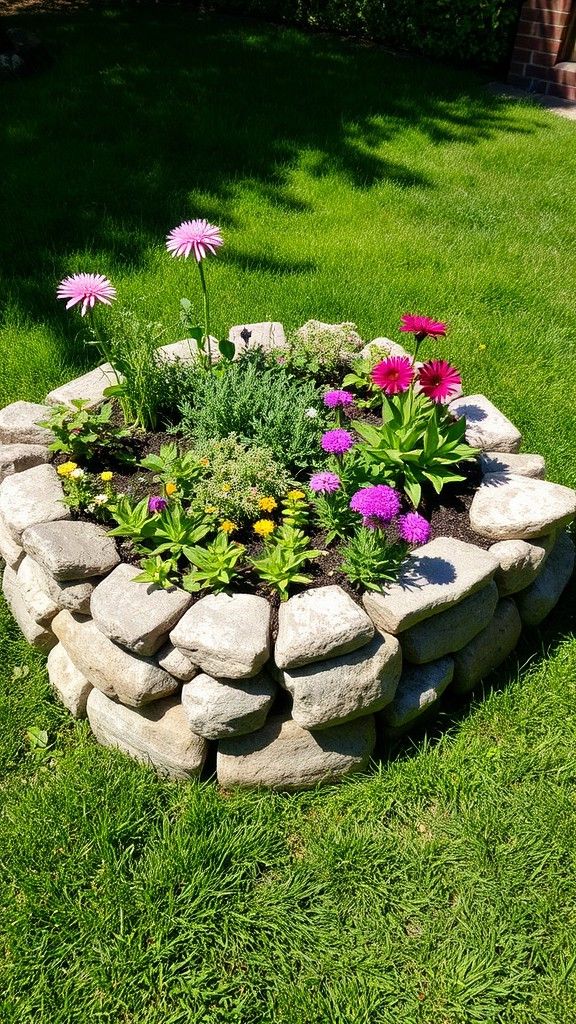
Have you thought about trying out stone raised garden beds for your gardening projects?
They’re not only super durable, but they also add a nice touch to your outdoor space. Plus, using natural stone can really make your garden area look stylish and strong.
You might want to think about using stones from your local area to give your garden a cohesive look that matches your home and landscape. Sounds pretty cool, right?
Building these beds is straightforward. Start by selecting a flat area and outline your desired shape. Stack larger stones at the base for stability, and layer smaller stones on top to create height.
This design not only provides excellent drainage but also creates a sustainable environment for plants. Plus, the natural aesthetic makes your garden a focal point.
Garden Beds With Lattice Screens
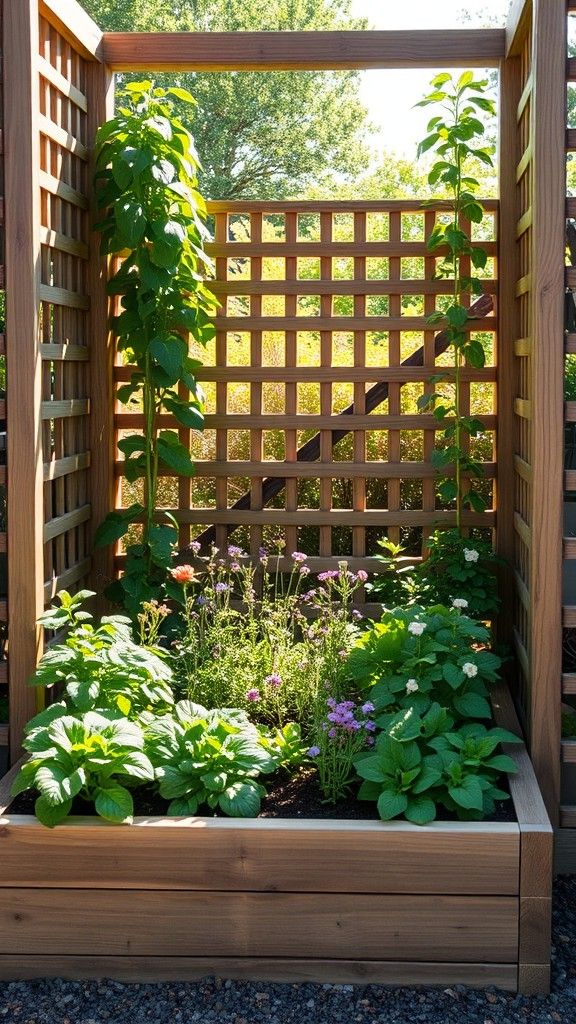
You can elevate your gardening experience with raised garden beds featuring lattice screens. These structures not only provide a beautiful aesthetic but also offer functional benefits.
For example, the lattice can support climbing plants like cucumbers or peas, maximizing your growing space while keeping your plants healthy and organized.
To create a raised bed with a lattice screen, choose sturdy materials such as wood or vinyl for durability. Construct the bed at least 12-18 inches deep and attach the lattice to one or both ends for a seamless look.
By adding a lattice, you improve air circulation and *prevent disease**, ensuring your plants thrive throughout the growing season.
Sustainable Eco-Friendly Garden Beds
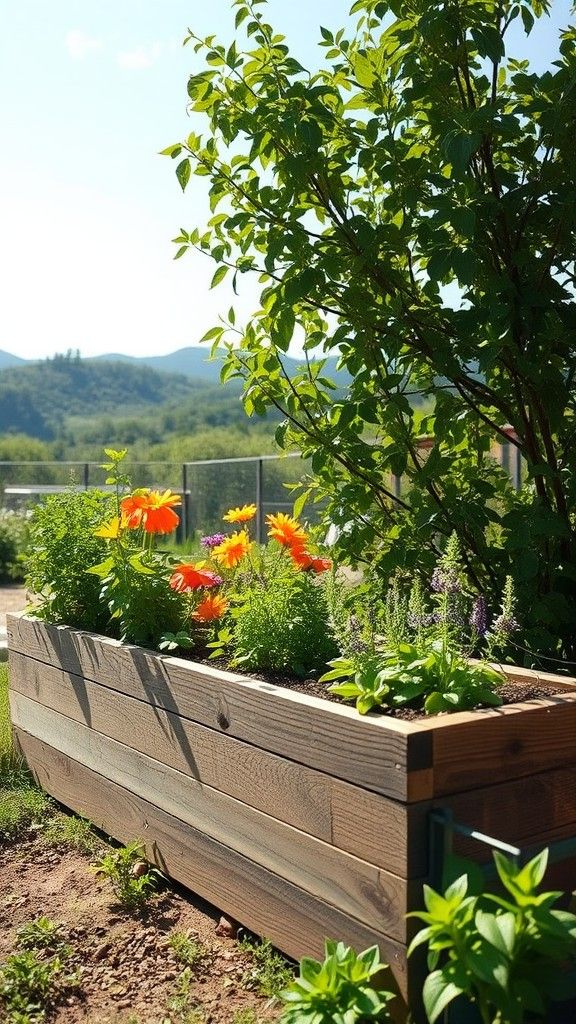
You can create eco-friendly raised garden beds that not only look good but also benefit the environment.
Use recycled materials like old wooden pallets or bricks to build your beds. This reduces waste and gives a rustic charm to your garden.
Consider using composite wood made from recycled plastics and wood fibers. It’s durable and weather-resistant, ensuring a long-lasting and sustainable structure.
Fill your beds with organic soil and compost to promote healthy plant growth while keeping chemical fertilizers at bay. Embrace the green gardening trend!
Multi-Level Layered Garden Beds

Did you know that multi-level raised garden beds are a great way to make the most of your gardening space? Not only do they look cool in your yard, but they also make it easy to grow all sorts of plants at different heights.
This not only makes it easier to reach your plants but also helps them grow better.
Consider using stackable wooden boxes or pre-made modular systems. Position them in a staggered layout to create a tiered effect, which enhances drainage and sunlight exposure.
By planting quick-growing herbs like basil or cilantro on the top level and larger crops like tomatoes or squash on the lower levels, you can optimize your garden’s productivity efficiently.