
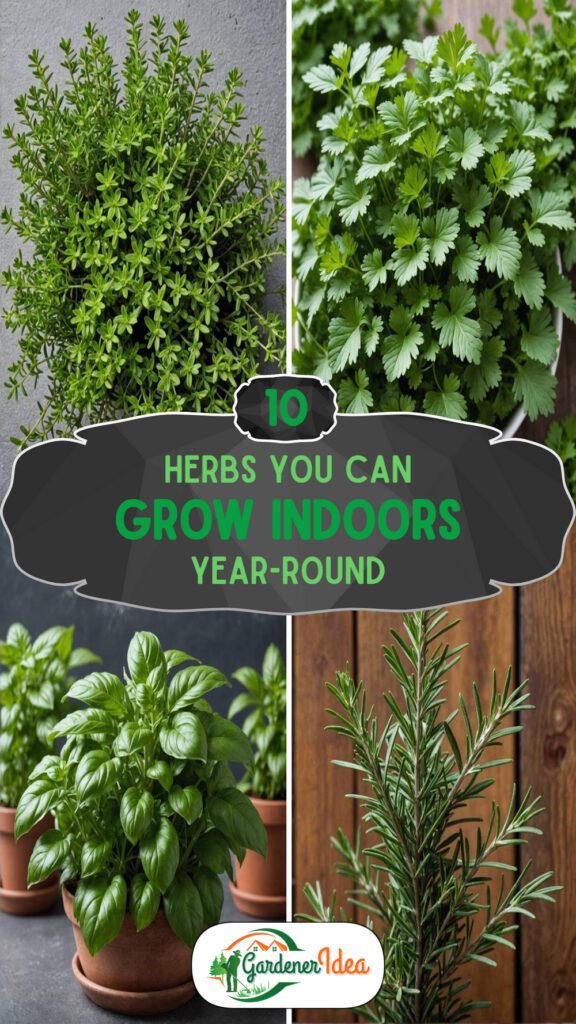
Fresh herbs don’t have to disappear once the growing season ends. Indoor gardening makes it possible to snip basil, mint, and more from your own kitchen counter no matter the month. Here are 10 herbs that handle indoor life well and pack real flavor into your cooking.
An indoor herb garden is easier to start than most people expect, and it pays off fast in the kitchen. Some herbs bring bold flavor, like basil, while others bring a cooling scent, like mint. This guide walks through options so you can match herbs to your space and taste.
Fresh herbs within arm’s reach change how you cook, turning plain dishes into something worth a second helping. The following list breaks down what each plant needs to grow well inside your home.
Basil
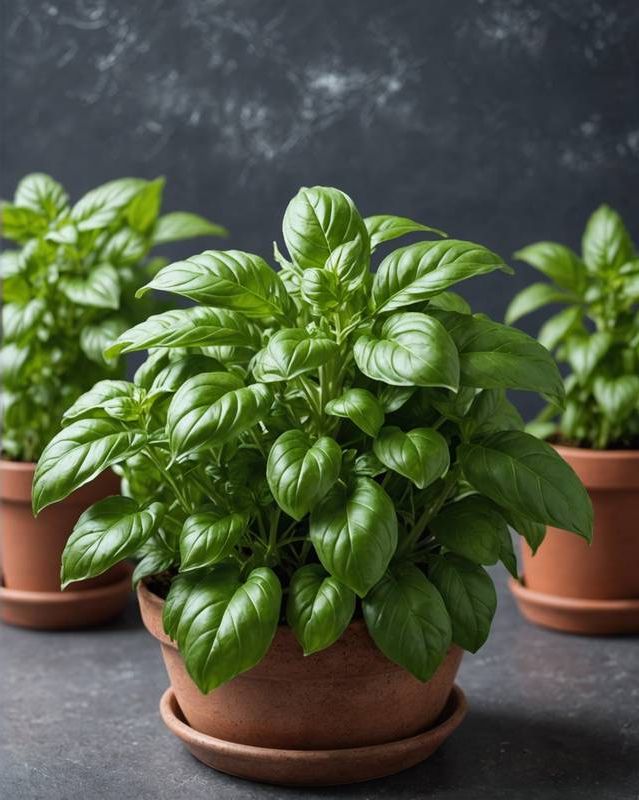
Few herbs reward an indoor grower like basil does. Its glossy leaves carry a bold, slightly peppery flavor, and it keeps producing new growth all year long when kept indoors.
New gardeners and seasoned growers both find basil forgiving to work with. It adapts well to containers, which makes it a solid pick for a first indoor herb.
This herb does best in bright, indirect light paired with soil that drains quickly. Standing water around the roots is one of the fastest ways to lose a basil plant.
Let the top layer of soil dry out a bit before each watering session. Overwatering causes root rot faster than underwatering causes wilting.
Pinching the stem tips forces the plant to branch out instead of growing tall and leggy. Regular pinching, done every couple of weeks, keeps the plant full and productive.
Toss fresh leaves into a salad, blend them into pesto, or dry extra leaves for later use. Either way, basil delivers a burst of freshness that dried store-bought versions rarely match.
Chives
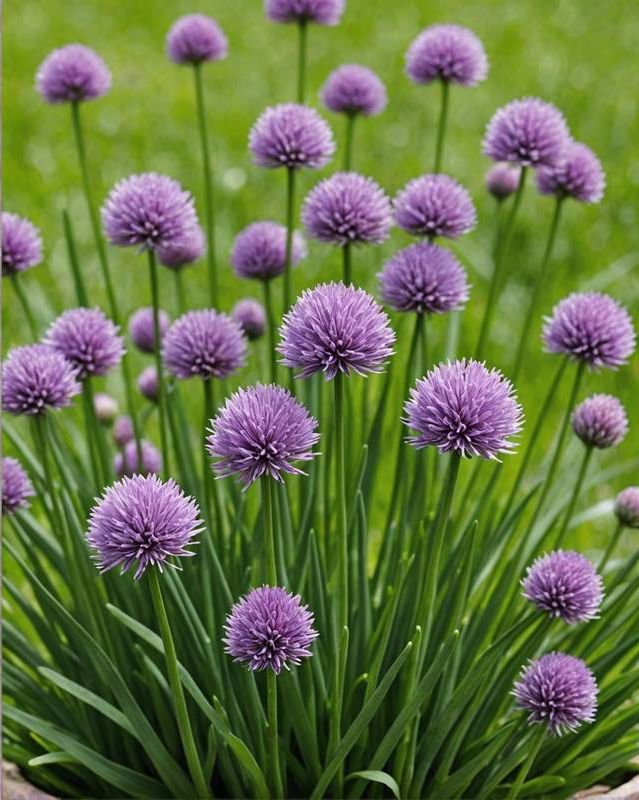
Chives bring a mild onion bite to dishes without overpowering them, and they’re one of the easiest herbs to keep going indoors.
This is a low-maintenance plant that bounces back quickly after each harvest. Growth speed makes chives a good choice for anyone short on patience.
Give chives indirect light and soil that drains well rather than soil that stays soggy.
Keep the soil lightly moist with regular watering, but skip watering if the surface still feels damp.
Harvesting is simple: snip the leaves close to the soil line with a clean pair of scissors. New shoots grow back within days, so the plant keeps producing through multiple cuttings.
Sprinkle chopped chives over soups, mix them into dips, or scatter them across a green salad for a mild oniony kick.
Cilantro
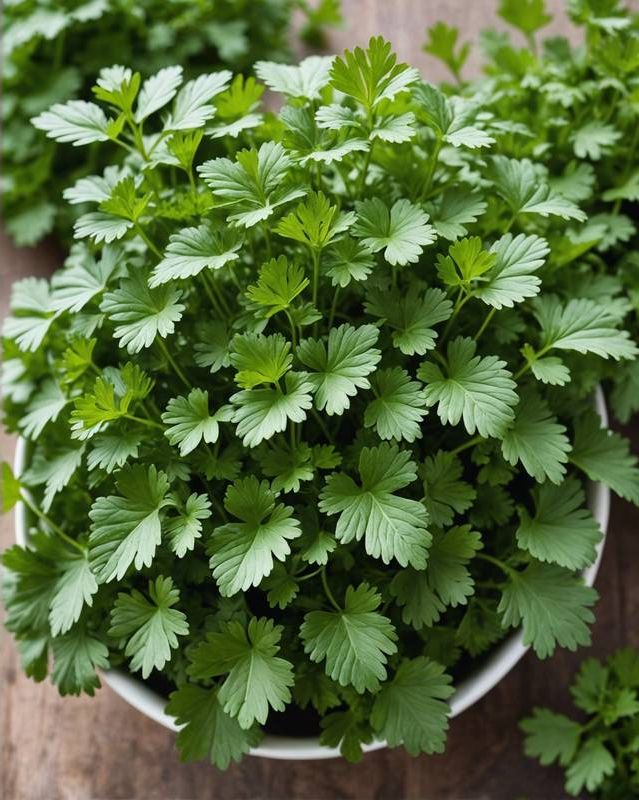
Cilantro brings a bright, citrus-like flavor that shows up constantly in Mexican, Thai, and Vietnamese cooking.
Grown indoors, this herb is simple to maintain and can be harvested throughout the entire year.
Start with a container that has drainage holes, fill it with quality potting soil, and sow cilantro seeds directly into it. The plant wants strong light but tolerates partial shade, and drainage matters more than sunlight when it comes to preventing root problems.
Keep the soil consistently moist without letting it turn soggy or waterlogged.
Around the 60-day mark, cilantro is ready for its first harvest. Cut leaves from the outer stems as you need them, and the plant will keep producing new growth.
Dill
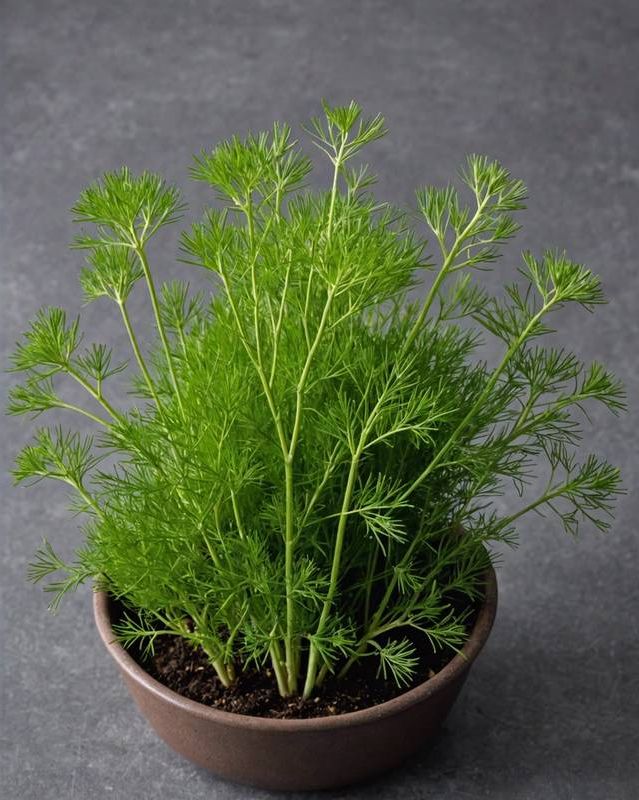
Dill carries a fresh, slightly tangy taste that works well in both cooked dishes and cold preparations.
Growing it indoors takes little effort, which makes it a practical herb to keep near the kitchen.
A sunny windowsill or a grow light works well, paired with soil that drains freely rather than holding water.
Water on a regular schedule, but let the top of the soil dry out somewhat between each watering.
When you need some, just snip the leaves or stems directly from the plant.
Fresh dill works well stirred into dips, sprinkled over soups, or added to a salad dressing for a tangy note. It also pairs classically with salmon and cucumber dishes.
Mint
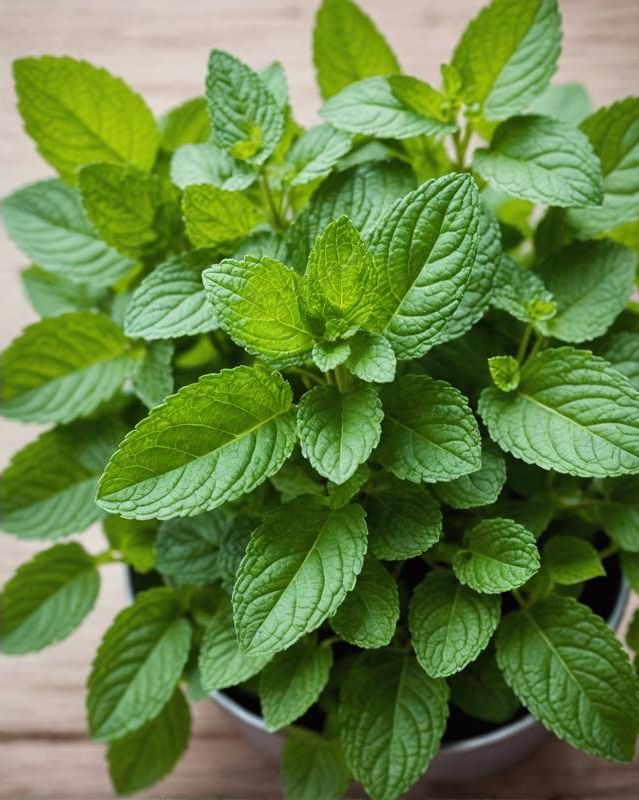
People have grown this herb for thousands of years, and it still asks for very little care indoors. Its cool, slightly sweet flavor works equally well in cooking and in a cup of tea.
Moist soil and indirect sunlight suit mint best, and a simple pot on a windowsill gives it everything it needs.
Limited counter space isn’t a problem since mint also grows well hydroponically. Regular trimming keeps the plant bushy and stops it from flowering too early, which can dull its flavor.
Oregano
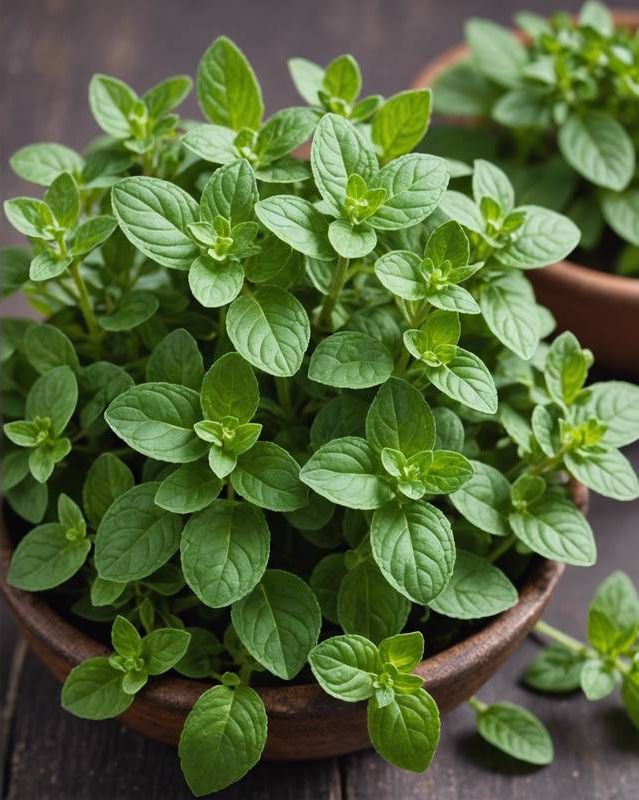
Oregano thrives under strong sun or a grow light, asking for little else to stay healthy indoors. Its leaves carry a strong, savory aroma that works its way into pasta sauces, roasted vegetables, and countless other recipes.
Oregano is relatively easy to grow, requiring well-draining soil and consistent watering.
To encourage bushier growth, pinch back the stems regularly. With proper care, you can enjoy fresh oregano year-round, adding a delicious touch to your home-cooked meals.
Parsley
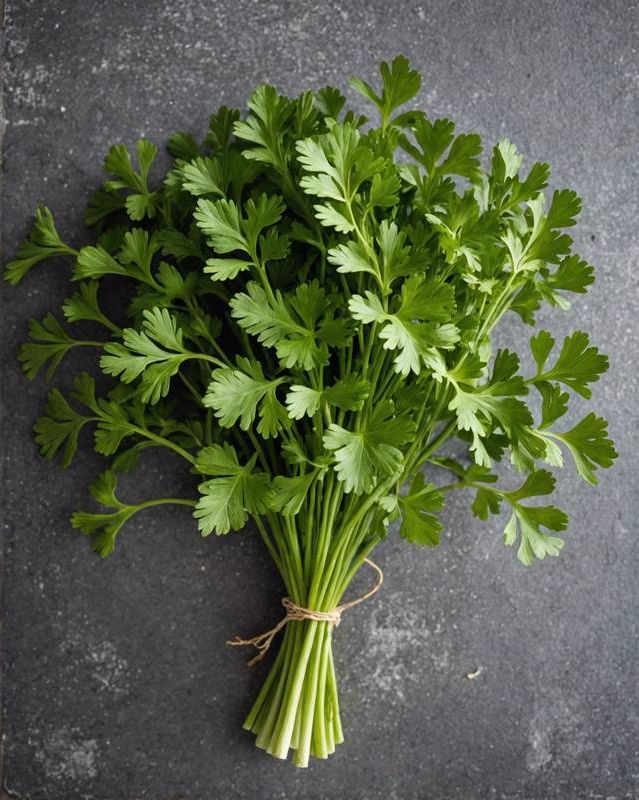
Parsley is a versatile herb that adds a bright, fresh flavor to various dishes. Growing it indoors year-round is effortless, making it a staple for any home gardener.
Parsley prefers well-drained soil, ample sunlight, and regular watering.
To grow parsley indoors, sow seeds in a pot filled with moist, well-draining potting mix. Keep the soil consistently moist, and ensure the pot has drainage holes to prevent waterlogging.
Provide plenty of bright, indirect light by placing the pot near a sunny window.
With proper care, you’ll have a thriving parsley plant that provides you with fresh herbs throughout the year.
Rosemary
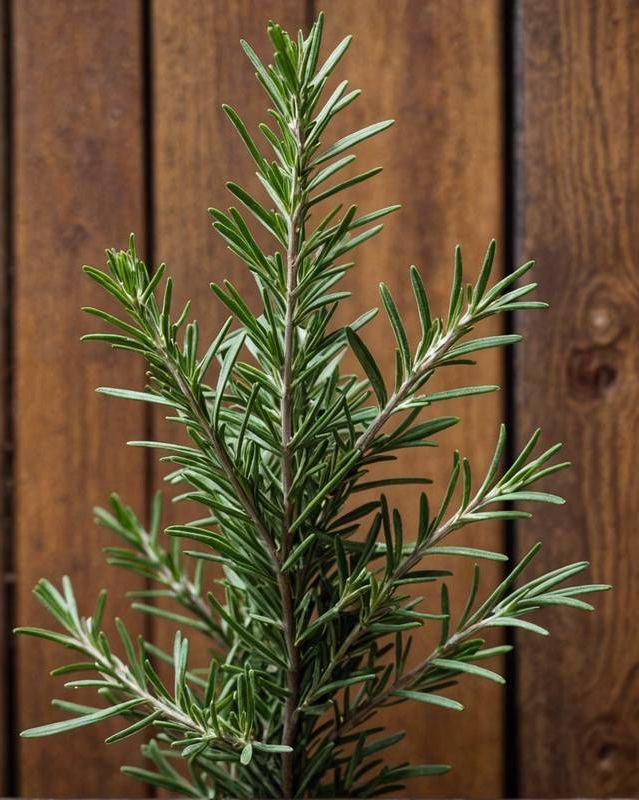
Rosemary is another herb that’s quite easy to grow indoors. It prefers bright, indirect light and well-draining soil.
Make sure to water your plant when the soil feels dry to the touch, and give it some plant food every month while it’s growing.
Rosemary is a versatile herb that can be used in a variety of dishes, from savory to sweet. It’s also a good source of antioxidants and has been shown to have anti-inflammatory properties.
Sage

Have you ever tried sage? It has this amazing, earthy taste with a hint of spice that just adds so much depth to dishes. It’s definitely one of those herbs that you’ll want to keep in your pantry!
Indoor growth is accessible, requiring well-drained soil and ample sunlight.
Enrich the soil with organic compost to boost plant health.
Keep the soil moist but not soggy.
Regular misting provides the necessary humidity.
If you want to grow new plants, you can simply take cuttings and root them in either water or soil. It’s a pretty cool process!
Sage is a great herb to sprinkle into your teas, salads, or marinades for a special twist! It really brings a unique flavor to your dishes.
This herb is so versatile, it’s such a great plant to have in your indoor herb garden!
Thyme

Thyme adds a robust, earthy flavor to a wide range of savory dishes. Growing this herb indoors is easy, as it prefers well-draining soil and plenty of sunlight.
Simply plant thyme seeds in a pot and place them in a sunny spot.
Make sure to water your thyme plant on a regular basis, but don’t overdo it. Let the soil dry out a bit between waterings. With some love and attention, you’ll have a happy and healthy thyme plant that will give you delicious herbs all year round!