Shade doesn’t stop me from gardening. In my own backyard, I’ve found 21 vegetables that grow well in shady spots and low-light corners.
Each of these plants brings its own flavor and color to the table, from the sharp bite of arugula to the deep sweetness of beets. That variety keeps my garden interesting all season long.
Here’s a rundown of the vegetables that reward gardeners with less sunlight to work with.
Growing Arugula in Shade
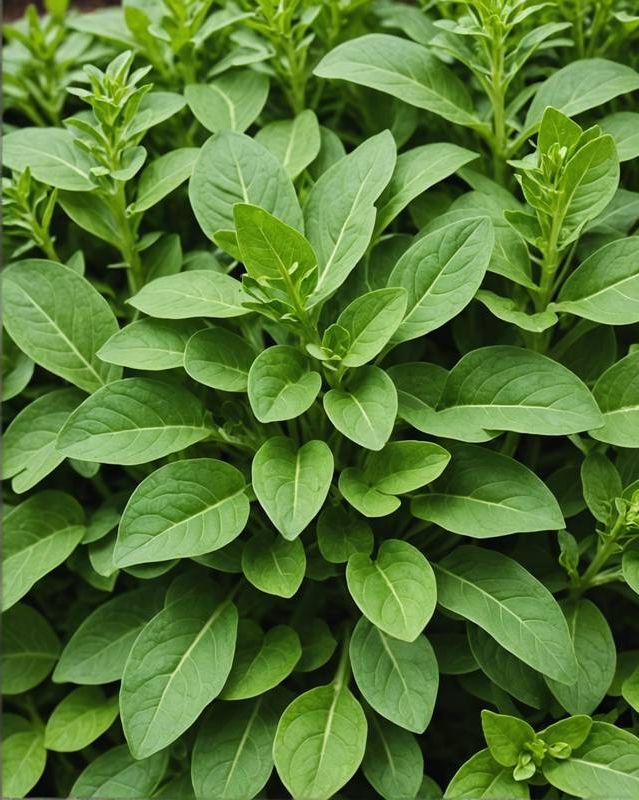
Arugula is a leafy green with a peppery bite that works well in salads, sandwiches, and wraps. It’s one of the few greens that actually does better with some shade protecting it from harsh sun.
Planting in early spring or fall gives arugula the cool temperatures it prefers. It grows quickly and doesn’t demand much attention once established.
Rich, well-drained soil with plenty of organic matter helps arugula thrive. Space each plant about 6 inches apart to give the roots room to spread.
Hot weather calls for more frequent watering. Check the soil often during summer stretches so the leaves don’t turn bitter.
This leafy green delivers vitamins A, C, and K along with calcium, iron, and potassium. A handful tossed into your salad adds real nutritional value, not just flavor.
Growing Asparagus in Shade

Asparagus belongs on any list of shade-tolerant crops, and it rewards patient gardeners with a nutritious harvest year after year.
Tender spears push through the soil in spring, ready for early salads and stir-fries before most other vegetables are ready to pick.
This crop favors soil that drains well and holds plenty of organic material. Poor drainage can rot the crowns before they get established.
Space the crowns 12 inches apart so the ferny foliage has room to spread out once it matures.
Keep the soil consistently moist, but don’t let it become soggy. Overwatering causes more problems for asparagus than underwatering does.
Asparagus beds can produce for a decade or more once the plants settle in, making the early setup work pay off for years.
Growing Beets in Shade

Shady garden beds don’t have to skip beets entirely.
Partial shade still lets beets produce sweet, earthy roots, even if the harvest runs a bit smaller than in full sun.
Beginning gardeners often start with beets because the plant forgives minor mistakes and still produces a reliable crop.
Pick a planting spot that gets at least 4 to 6 hours of sunlight daily, even in a mostly shaded yard.
Till the soil to a depth of 12 to 18 inches and mix in compost or other organic matter before planting.
Plant the seeds about half an inch deep, spacing them 2 to 3 inches apart so each root has room to size up properly.
Soak the soil right after planting and keep it damp until the seeds sprout.
Thin the seedlings to 4 to 6 inches apart once they emerge, giving the strongest plants space to develop.
Hot, dry stretches call for extra watering, since beets need consistent moisture to size up their roots properly.
A balanced fertilizer applied every few weeks keeps the plants fed through the growing season.
Harvest time arrives once the roots reach about 1 to 2 inches across.
Growing Broccoli in Partial Shade
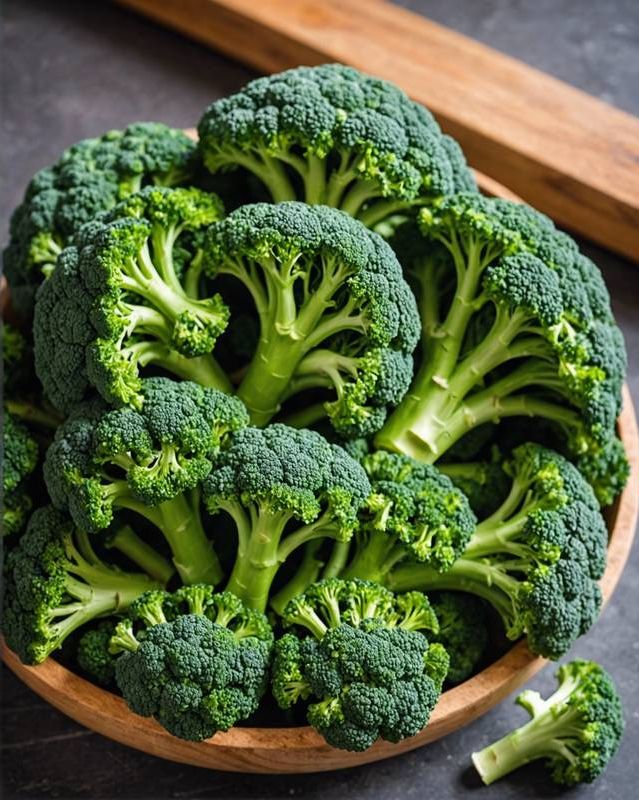
Broccoli, part of the cruciferous vegetable family alongside cabbage and kale, holds up surprisingly well in partial shade.
Cool weather brings out the best in this crop, which forms dark green florets and needs soil that drains freely. Regular watering and consistent fertilizing keep the plant productive through the season.
Beyond its nutrient content, broccoli brings a slightly bitter edge to salads, stir-fries, and pasta dishes, earning it a spot in almost any shaded vegetable patch.
Growing Brussels Sprouts in Shade

Cooler temperatures suit Brussels sprouts well, and this cool-season crop handles partial shade without much trouble.
These small cabbage-like buds pack vitamins A, C, and K, plus a solid dose of dietary fiber.
Did you know you can actually grow Brussels sprouts in pots or in your garden? They’re not too high maintenance either, so you don’t have to worry too much about them!
They should be watered regularly, and they should be fertilized every few weeks.
Brussels sprouts are ready to harvest when the sprouts are about 1-2 inches in diameter.
Growing Cabbage in Shade
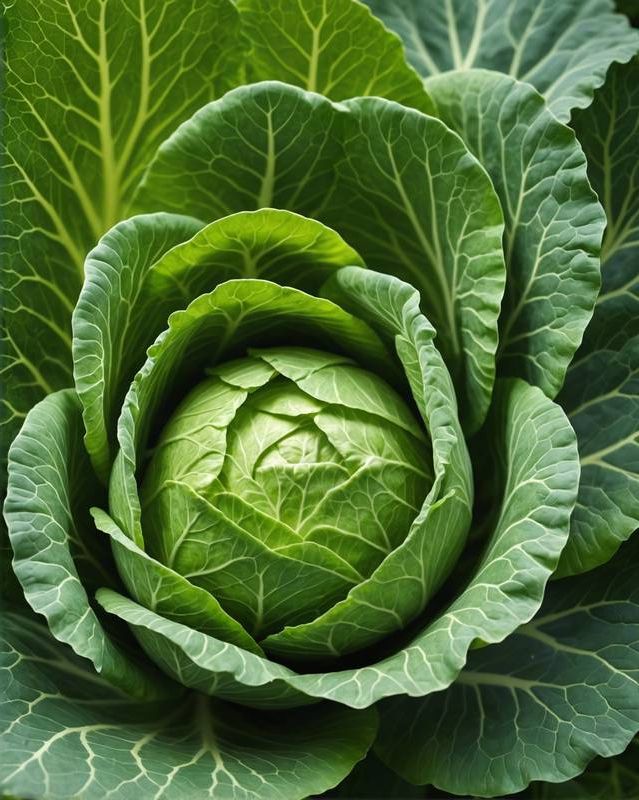
Did you know that cabbage actually enjoys cooler temperatures and can handle a bit of shade?
It is a good source of vitamins and minerals, and it can be eaten raw, cooked, or fermented.
To grow cabbage in the shade, choose a spot that gets at least six hours of sunlight per day.
The soil should be well-drained and fertile.
Cabbage plants should be spaced 12-18 inches apart.
Water cabbage plants regularly, especially during hot weather.
Make sure to give your plants some fertilizer every few weeks to keep them healthy and thriving. Choose a balanced fertilizer to give them the nutrients they need to grow strong.
Cabbage heads will be ready to harvest in 60-80 days.
Best Carrots for Shady Gardens
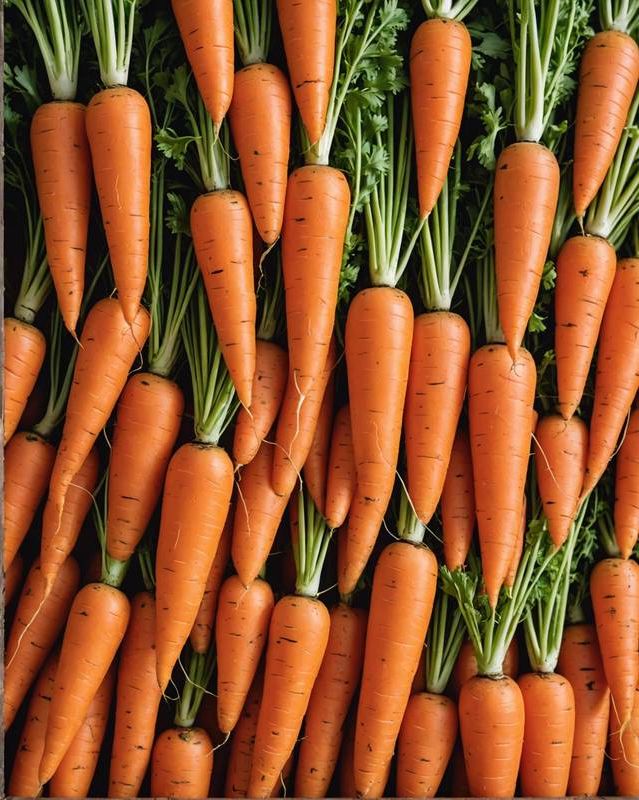
Carrots are awesome to grow in the shade because they’re root veggies and they’re pretty chill about not getting a ton of sunlight.
Carrots are also a good source of vitamin A, which is important for vision.
Carrots are great for keeping you full and happy because they’re packed with fiber. And hey, if you’re thinking about growing some in the shade, just make sure to plant them in some good, well-drained soil!
You should also water them regularly, especially during hot weather.
Did you know that with a little bit of love and attention, you can actually grow a ton of delicious carrots even in the shade? It’s pretty cool, right?
Growing Cauliflower in Partial Shade

Cauliflower is a versatile vegetable that can handle some shade, but it prefers full sun.
If you’re thinking of planting cauliflower in a shady area, just make sure to pick a type that can handle less sunlight. You want your veggies to be happy and healthy, even in the shade!
Did you know that cauliflower loves to eat a lot? Make sure to give it some food regularly by fertilizing it!
It also needs consistent moisture, so water it deeply and regularly, especially during hot weather.
Hey there! Did you know that you can actually grow some tasty cauliflower even in a shadier spot in your garden? Just give it some extra TLC and you’ll be enjoying homegrown goodness in no time!
Celery for Shaded Garden Beds
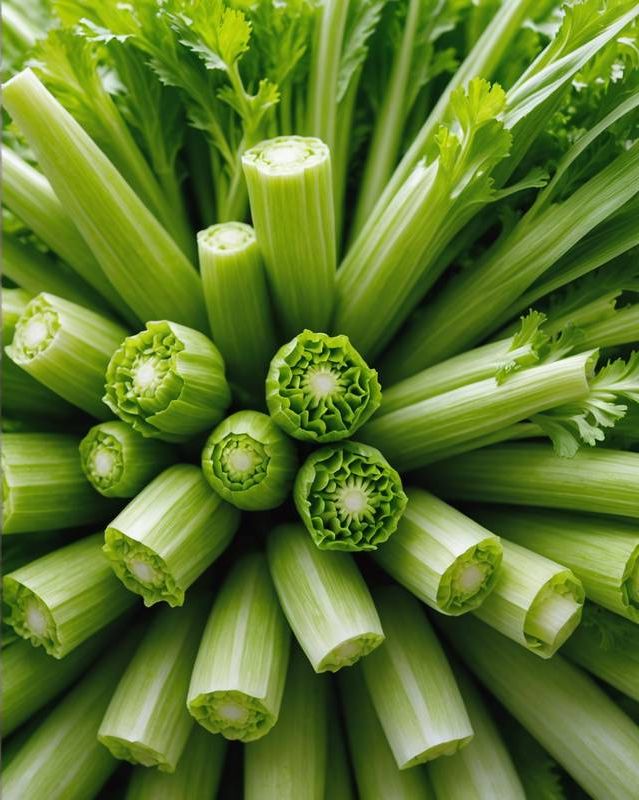
Celery, a member of the carrot family, thrives in shady areas.
Have you ever tried celery? It’s so fresh and delicious! You can enjoy its crunchy stalks in a salad or use them to add flavor to soups and stews. So versatile and tasty!
Celery is a good source of vitamins A, C, and K, as well as potassium and fiber.
To grow celery in the shade, choose a location with well-drained soil that receives at least four hours of sunlight per day.
Plant celery seeds or seedlings in the spring, spacing them about 6 inches apart.
Water celery plants regularly and fertilize them every few weeks with a balanced fertilizer.
Collard Greens in Low Light
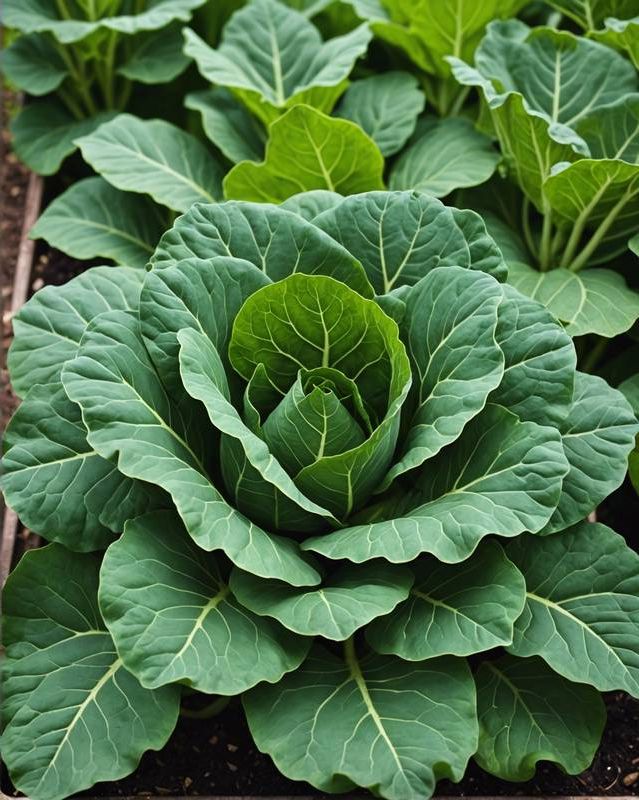
Collard greens are perfect for gardens that don’t get a ton of sun.
They’re a leafy green vegetable that’s packed with nutrients, and they’re relatively easy to grow.
Collard greens prefer well-drained soil that’s rich in organic matter, and they need to be watered regularly.
You can pick them in the spring or fall and enjoy them fresh, cooked, or frozen.
Growing Cress in Shade
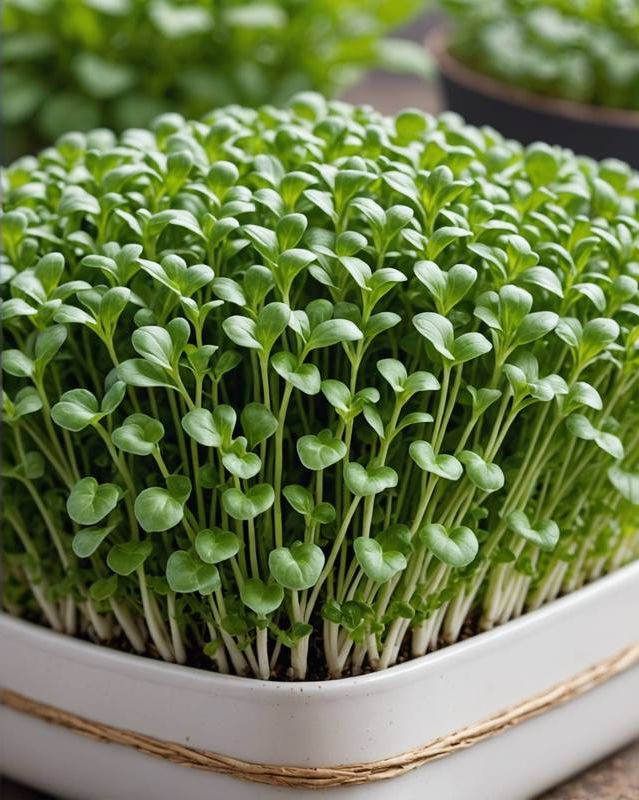
Do you know about cress? It’s a spicy leafy green that loves to grow in shady spots.
It’s a fast-growing plant that can be ready to harvest in just a few weeks.
Cress is a good source of vitamins A and C, and it’s also a good source of iron.
Cress is easy to grow from seed.
If you can remember to give it some water and keep it out of direct sunlight, it should thrive and be happy!
Cress can be grown in containers or in the ground.
This is a fantastic option for people just starting out with gardening or for anyone looking to incorporate more fresh greens into their meals.
Garlic for Shady Garden Spots
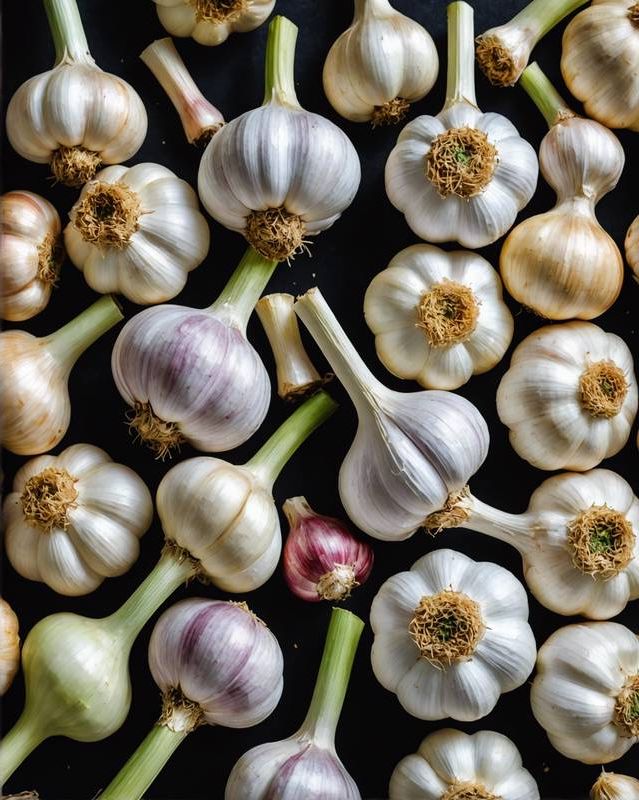
Garlic is a popular bulbous vegetable belonging to the onion family. It’s known for its pungent and aromatic flavor.
While it generally prefers full sun, garlic can also tolerate partial shade, making it a great option for those with limited sunny areas.
Plant garlic cloves in well-drained soil in the fall or early spring. Keep the soil moist but not soggy.
Garlic is actually pretty easy to take care of – just give it a drink when the soil is dry and toss in some fertilizer every now and then.
Hey there! When the leaves of your garlic plants start to turn yellow and the bulbs feel nice and plump, that’s when you know it’s time to harvest them.
Kale for Shaded Vegetable Beds

Kale is a leafy green vegetable that thrives in the shade. It’s a great source of vitamins, minerals, and antioxidants.
Kale is also a versatile vegetable that can be eaten raw, cooked, or juiced.
If you’re looking to grow kale in your garden, it’s important to choose a variety that is well-suited for shade. Some good options include: Dwarf Blue Curled Kale Redbor Kale Winterbor Kale Kale is a relatively easy vegetable to grow.
It likes soil that drains well and has lots of good stuff for it to soak up.
Don’t forget to give your kale some water regularly, especially when it’s super hot and dry outside!
Growing Lettuce in Shade

Lettuce is another vegetable that tolerates shade fairly well.
It does best in moist, well-drained soil and needs to be watered regularly.
Lettuce is a cool-weather crop, so it should be planted in the spring or fall.
Loose leaf lettuce will require around 6 hours of sunlight, while head lettuce needs around 4 hours of sunlight.
Mushrooms for Low-Light Gardens

Mushrooms are a surprisingly easy vegetable to grow in the shade.
They prefer moist, well-drained soil and can be grown in containers or directly in the ground.
Mushrooms are a good source of protein and fiber, and they can be used in a variety of dishes.
In humid environments, they can be grown indoors in containers or on logs.
Mustard Greens in Shady Beds

Have you ever tried mustard greens? They’re these leafy greens packed with all kinds of nutrients and they actually do really well in shady areas, which is perfect for city gardens that don’t get a lot of sunlight.
Plus, they have this great peppery flavor that can spice up your salads, soups, and stir-fries. It’s like adding a little zing to your dishes!
Their rich green leaves are packed with essential vitamins, including vitamin K, which supports bone health and blood clotting.
Growing Peas in Partial Shade

Did you know that peas are such an awesome plant to grow in your garden? They actually thrive in cooler weather and can be grown in shadier spots, making them a perfect choice for those of us who don’t get a ton of sunlight in our yards.
They are a relatively easy vegetable to grow and can be planted in the spring or fall.
Did you know that peas are actually a really great source of vitamins and minerals? Plus, they’re super versatile – you can enjoy them fresh, cooked, or even frozen!
Potatoes for Shaded Garden Plots
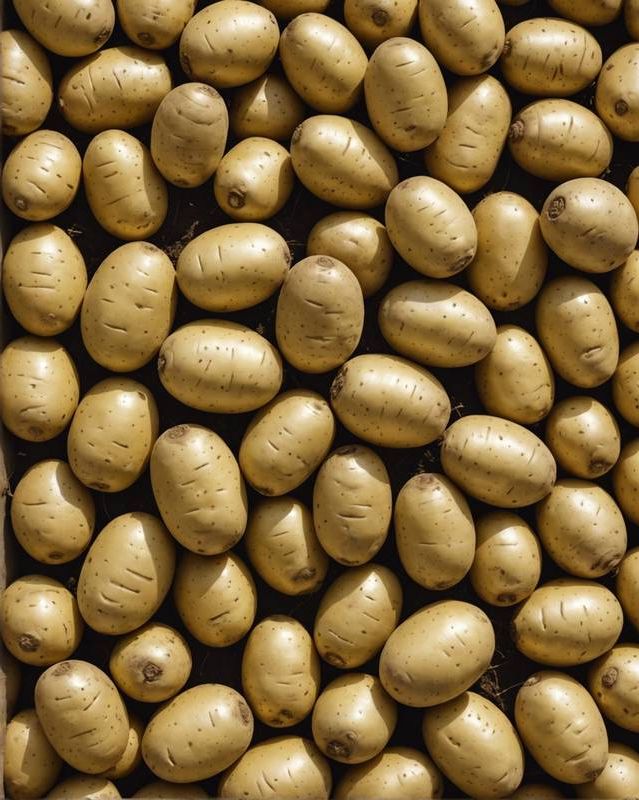
Potatoes require minimal sunlight to thrive and produce a plentiful harvest. They prefer loose soil that allows for easy root growth, making them ideal for shaded areas.
Planting potatoes in a raised bed or container is recommended to ensure proper drainage.
When you’re planting potatoes, make sure to choose seed potatoes that are healthy without any sprouts or spots. Dig trenches about 6 inches deep and give your potatoes some room to grow by spacing them about a foot apart.
Water the plants regularly, especially during dry spells, and fertilize them with organic compost or a balanced fertilizer.
Radishes for Shady Gardens

Radishes are a quick-growing vegetable that can be ready to harvest in just a few weeks. They are a good source of vitamins A and C, and they have a peppery flavor that can add a nice kick to salads and other dishes.
Radishes can be grown in full sun or partial shade, and they prefer well-drained soil.
They are a good choice for beginner gardeners, as they are easy to grow and produce a quick harvest.
Spinach for Shaded Vegetable Beds

Spinach is a versatile leafy green that thrives in the shade. Its dark green leaves are packed with vitamins, minerals, and antioxidants, making it a nutritional powerhouse.
In the garden, spinach is easy to grow and can be planted in early spring or fall.
When growing spinach in the shade, ensure the soil is moist and well-drained. Water regularly, especially during hot, dry weather.
Did you know that with just a little bit of love and attention, you can have delicious, vitamin-packed spinach ready to enjoy for months on end? It’s so rewarding to keep this green goodness in your kitchen!
Swiss Chard in Low Light
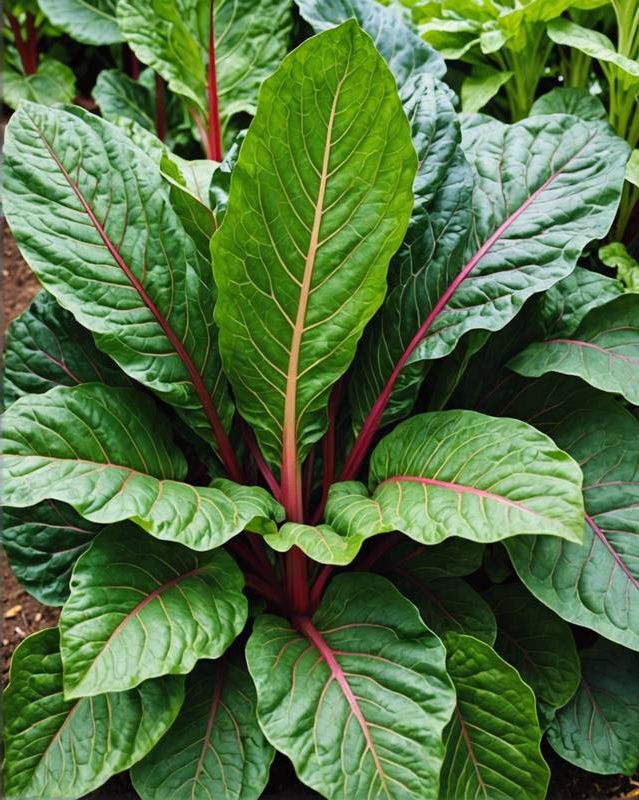
Swiss chard is such a great leafy green – it can actually do well in not-so-bright spots too!
It is packed with vitamins and minerals, making it a nutritious addition to any diet.
Oh man, those big, wrinkly leaves are so versatile! You can totally cook them up in different ways, like sautéing them, steaming them, or throwing them into a salad. What’s your favorite way to enjoy them?
Swiss chard is also a good source of antioxidants, which can help protect against cell damage.