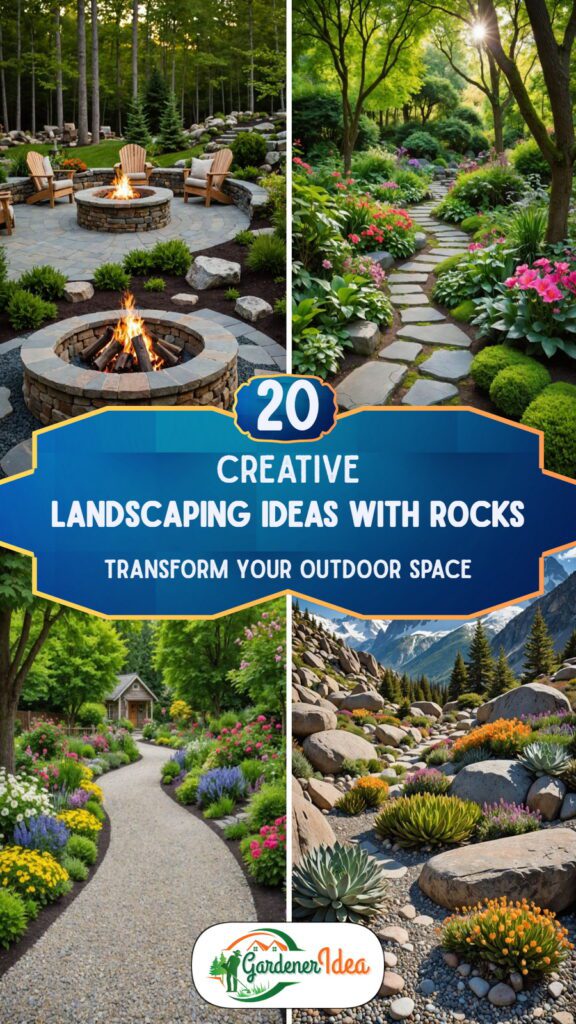
Rocks can turn a plain yard into a striking outdoor space with the right design choices.
Stone pathways, zen gardens, and other rock features bring texture and natural beauty to any yard.
Retaining walls, decorative borders, and rock waterfalls are just a few options that add lasting appeal while keeping upkeep low.
Building a Rock Garden
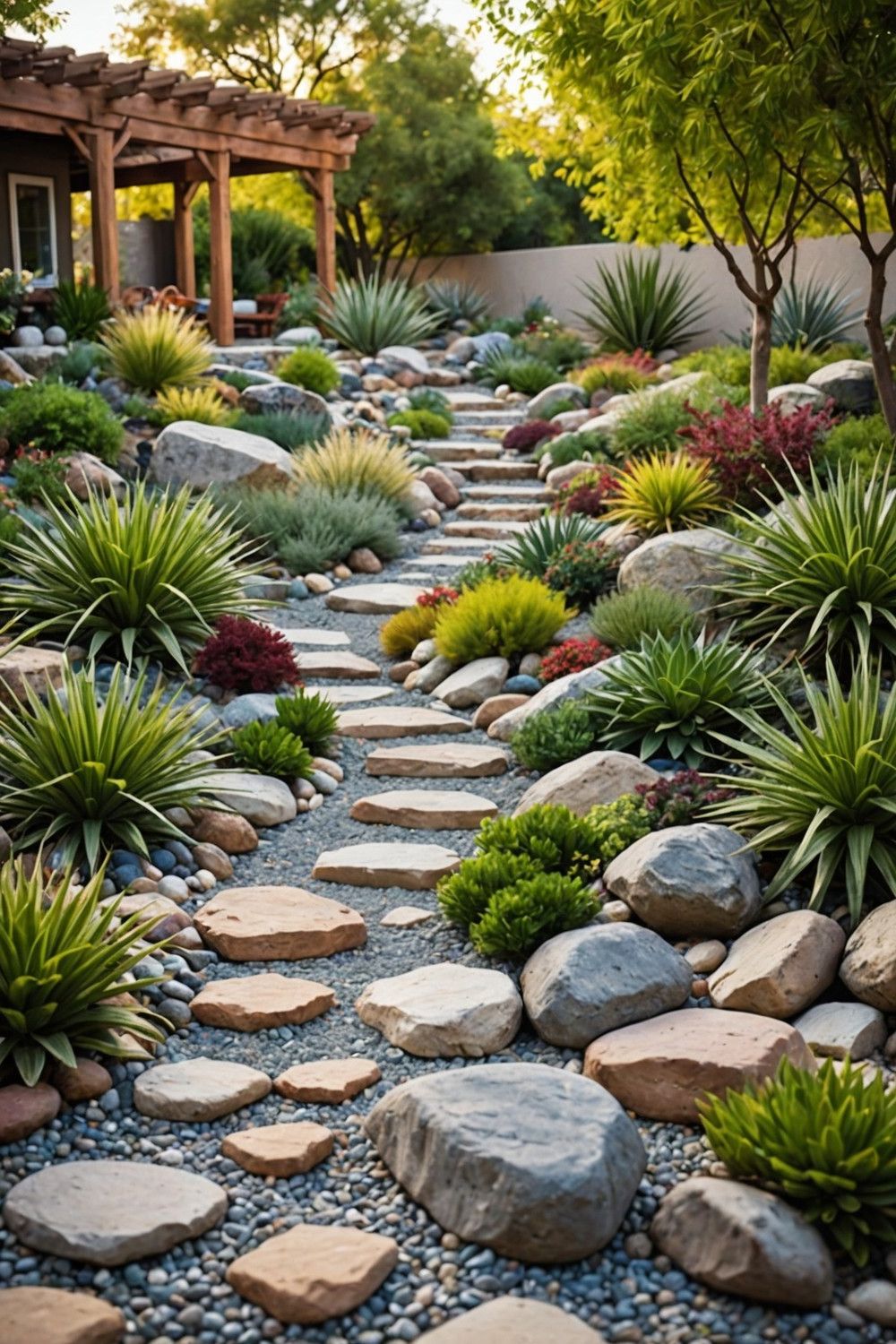
A rock garden brings a natural, laid-back feel to any outdoor area. If you haven’t considered one for your yard yet, now’s a good time to start.
Mixing rocks, stones, and gravel with drought-tolerant plants can turn a plain patch of dirt into a striking focal point. Succulents and ornamental grasses are common choices because they thrive with little water.
Small yards and sprawling properties alike can make room for a rock garden, since the design scales up or down easily.
Mixing rock sizes and colors lets you build texture that shifts with the seasons, from frosty winter tones to greener spring backdrops. It’s a hands-on way to experiment with layout and visual contrast.
Water drains fast through a rock garden, which makes it a smart pick for dry climates or areas with water restrictions. Upkeep stays minimal since there’s less lawn to mow or water.
Laying a Stone Pathway
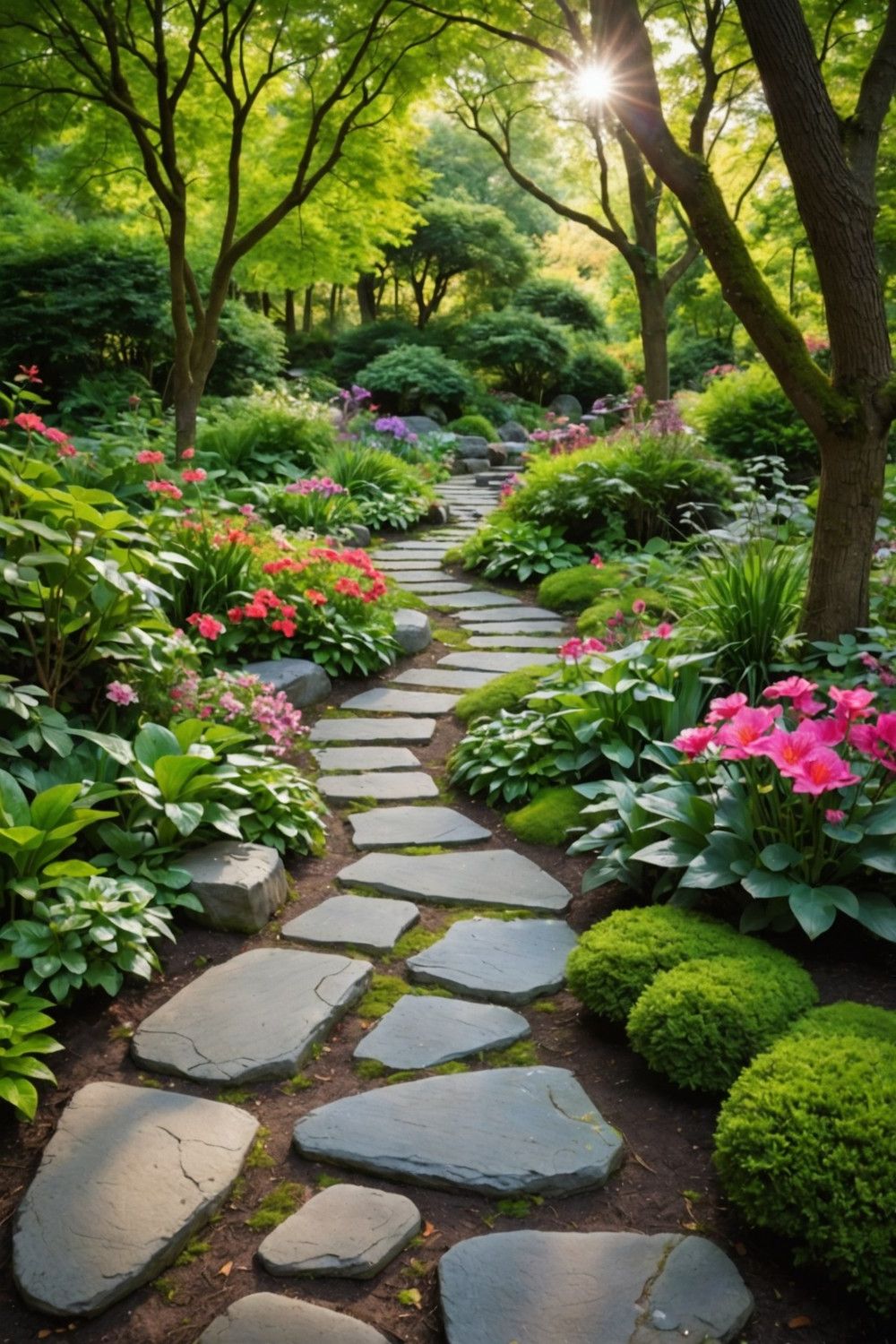
A stone pathway brings a rustic, timeworn charm to any yard or garden bed.
Beyond good looks, these paths guide foot traffic through your yard and tie the whole landscape together.
Mixing stone sizes and shapes along the route gives the path a one-of-a-kind look instead of a uniform, store-bought feel.
Moss or low-growing groundcover tucked between the stones softens the edges and helps rainwater soak into the soil instead of pooling.
Stone holds up well against foot traffic and weather, so a well-laid path needs little upkeep for years.
Building a Retaining Wall

A retaining wall holds back soil on sloped ground and helps level out uneven sections of a yard.
Builders typically use stone, concrete block, or timber, with each material offering different strength and cost tradeoffs.
Beyond controlling erosion, a well-built wall adds structure and shape to the overall look of a property.
Tucking decorative stones or trailing plants along the top or base turns a functional wall into a landscape centerpiece, pairing practicality with visual design.
Framing Beds With Rock Borders
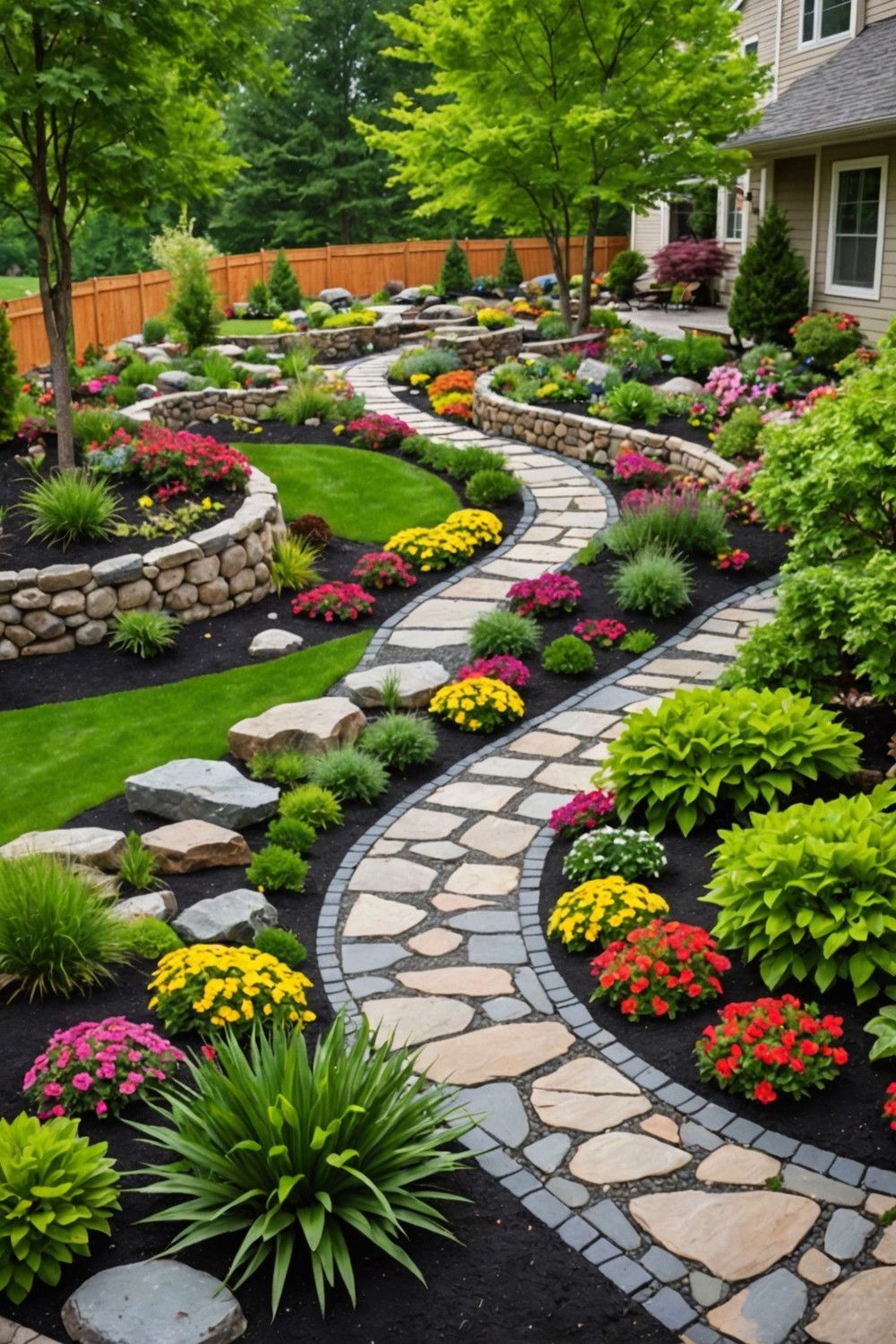
A rock border frames garden beds, walkways, and driveway edges, giving the landscape a defined shape and added texture.
Small pebbles suit a delicate look, while larger stones create a bolder edge, so the size you choose should match your yard’s overall style.
Combining different colors and stone sizes along a border draws attention to the plants and lawn behind it, creating contrast that makes greenery stand out more.
A rock border also keeps mulch and soil contained and blocks weeds from creeping into garden beds, cutting down on regular maintenance.
It’s a simple addition, but one that pulls together the finished look of a larger landscaping project.
Arranging Boulders in the Yard
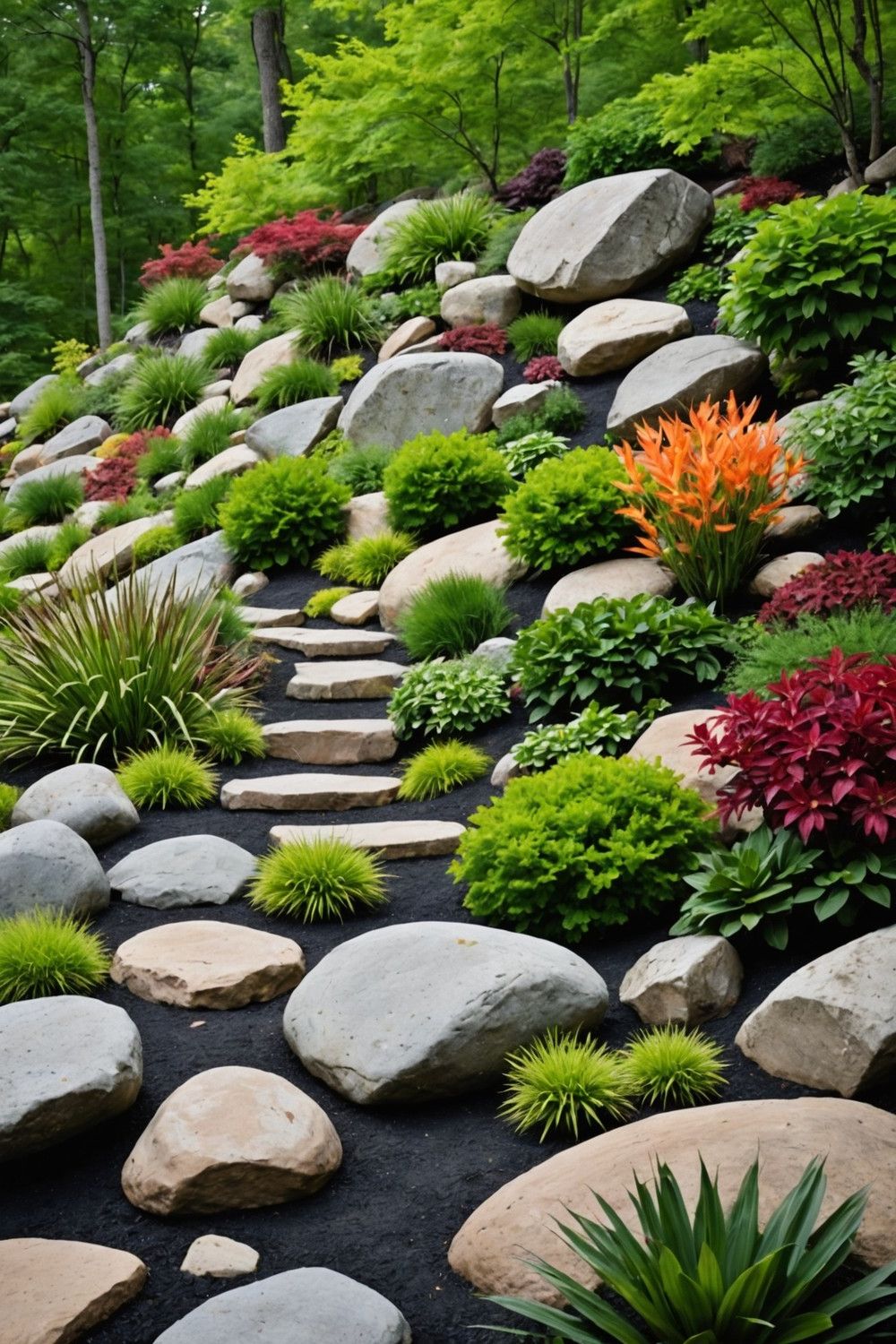
Placed with intention, boulders can turn an ordinary yard into a landscape with real depth and character.
Positioning them strategically creates natural focal points, marks off different zones, and adds layers of height across the garden.
Size and shape matter here, since a boulder that’s too large or oddly angled can clash with the plants and features around it.
Mixing rough and smooth textures, along with a range of stone colors, helps lead the eye across the space naturally.
Arranging boulders in groups of three or five, rather than even numbers, tends to look more natural and less staged.
Installing a Rock Waterfall
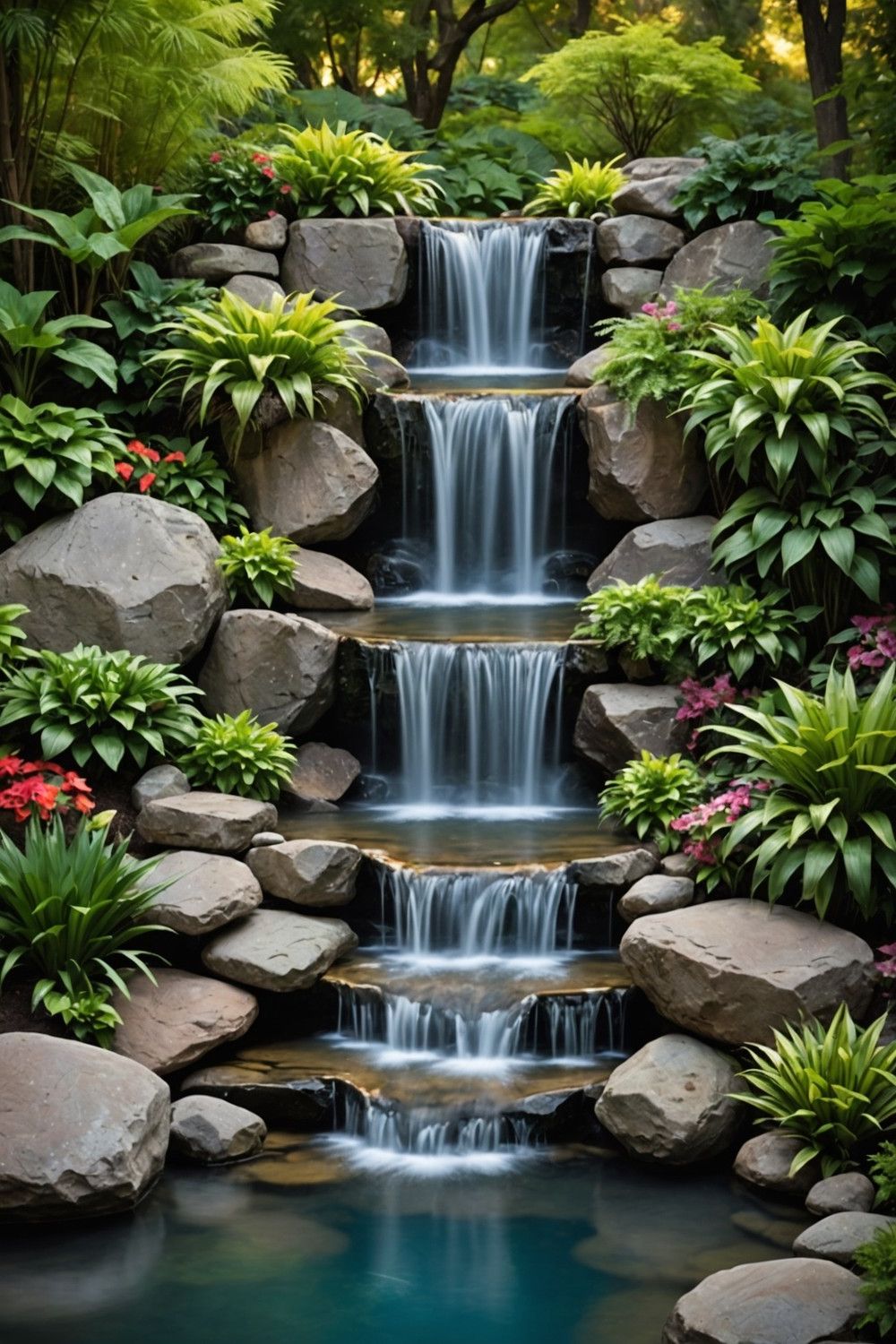
A rock waterfall adds a calming element to a backyard, with flowing water creating both sound and motion that most other features can’t match.
Layering natural stones of different sizes builds a cascade that blends into the surrounding landscape instead of looking artificial.
Plants placed around the base soften the edges of the feature, and outdoor lighting can make the moving water stand out after dark.
Maintenance is generally low, making it a practical choice for those looking to elevate their gardens or yards.
Choosing a Gravel Driveway
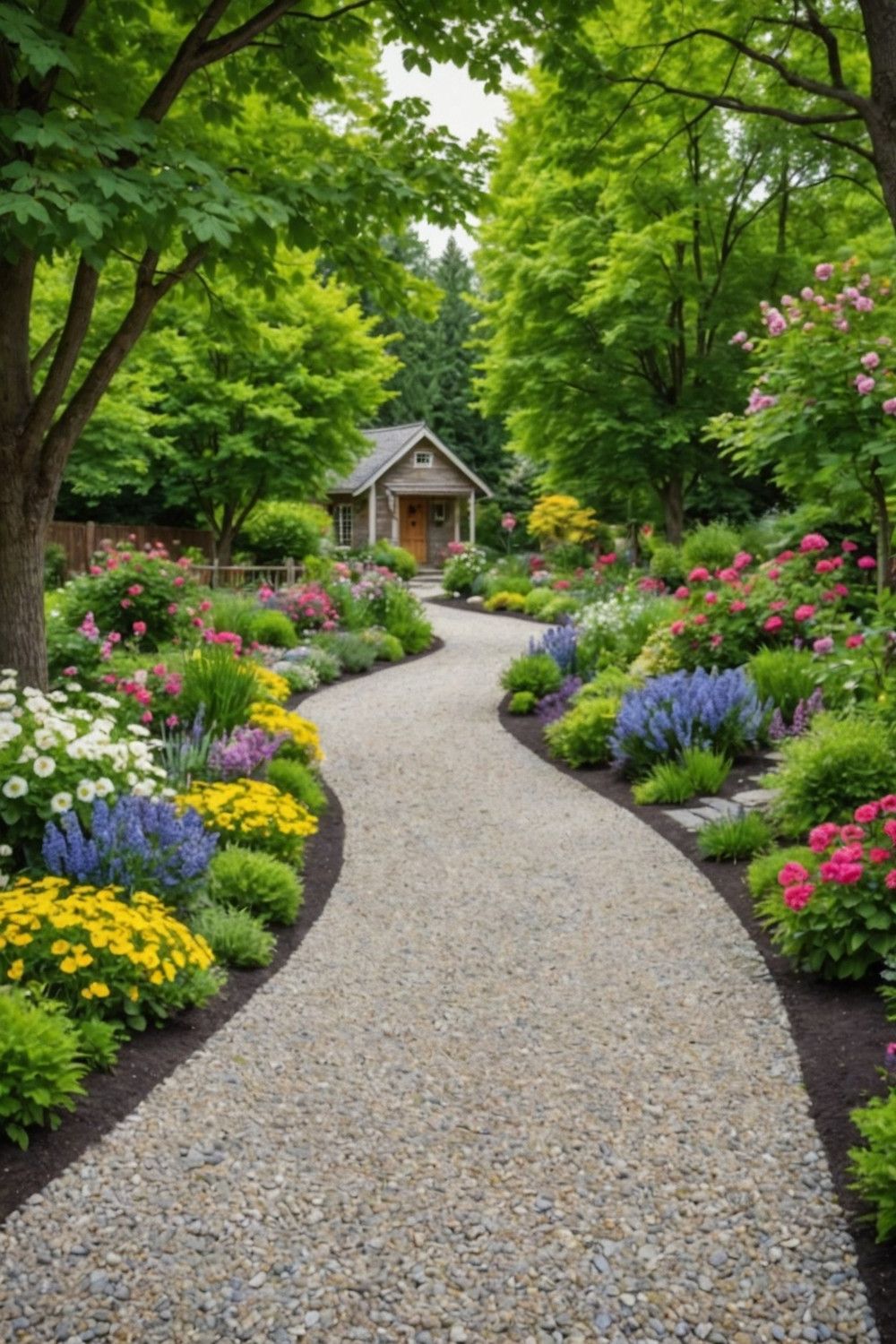
Gravel driveways offer a rustic charm while being functional and cost-effective. They allow for excellent drainage, reducing the risk of puddles after a rain.
With various colors and sizes available, gravel can complement any landscaping style.
Keeping up with a gravel driveway is pretty easy – just give it a quick rake every now and then to keep it level, and add more gravel when it starts to look worn.
The best part is that gravel driveways are eco-friendly, using natural materials that fit right in with the great outdoors.
Designing a Fire Pit Surround
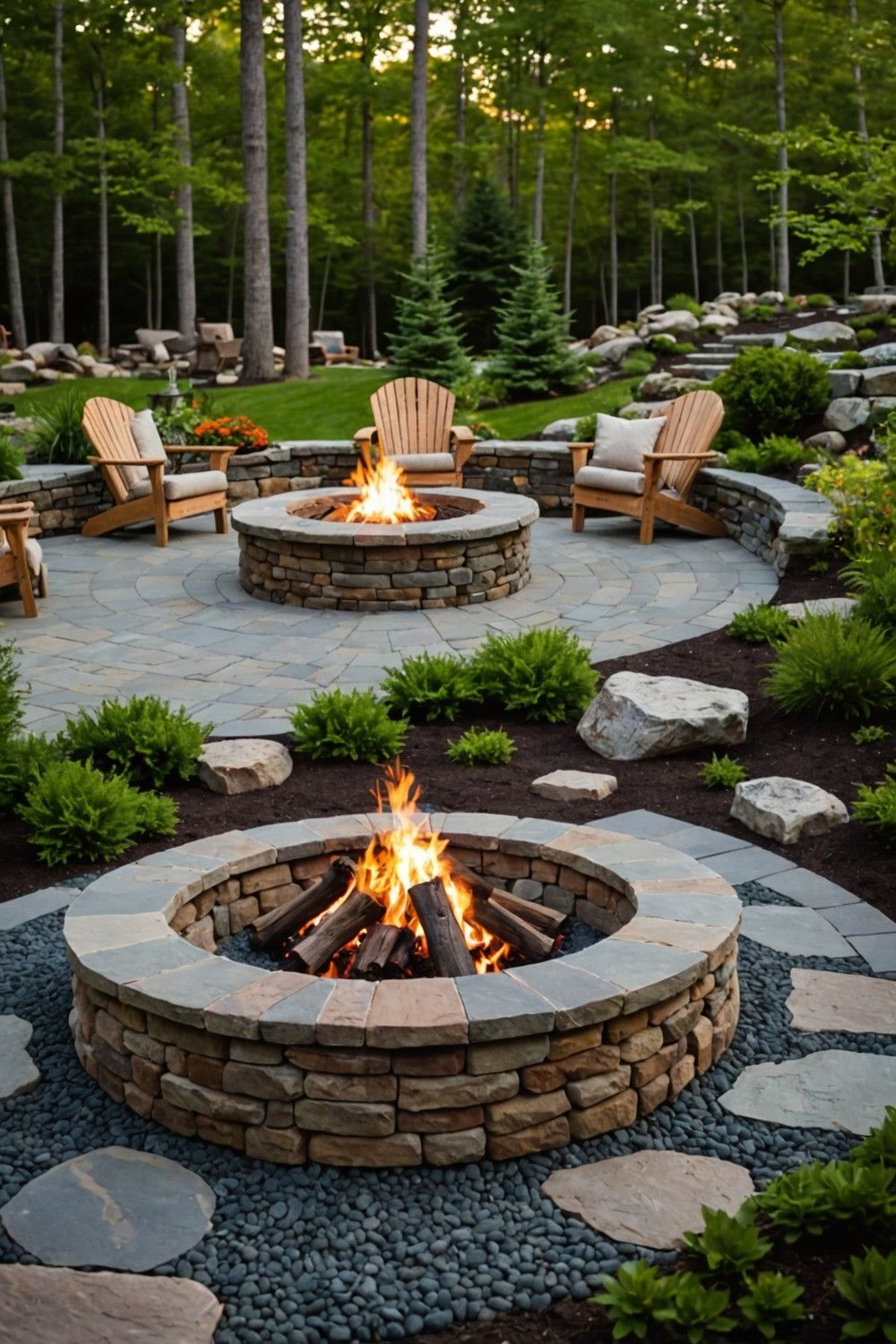
Fire pit surrounds enhance both the safety and aesthetic of outdoor spaces.
Using rocks in the design can create a natural and rustic feel, allowing the fire pit to blend seamlessly into the landscape.
There are lots of different kinds of stones you can use for the surround, like granite, sandstone, or river rocks. They all have their own special textures and colors to choose from.
Incorporating seating within the stone layout adds comfort and encourages gatherings.
When you have a well-designed fire pit surround, it’s not just about practicality – it also becomes a beautiful centerpiece for those cozy outdoor nights.
Adding Rock Sculptures to Your Yard
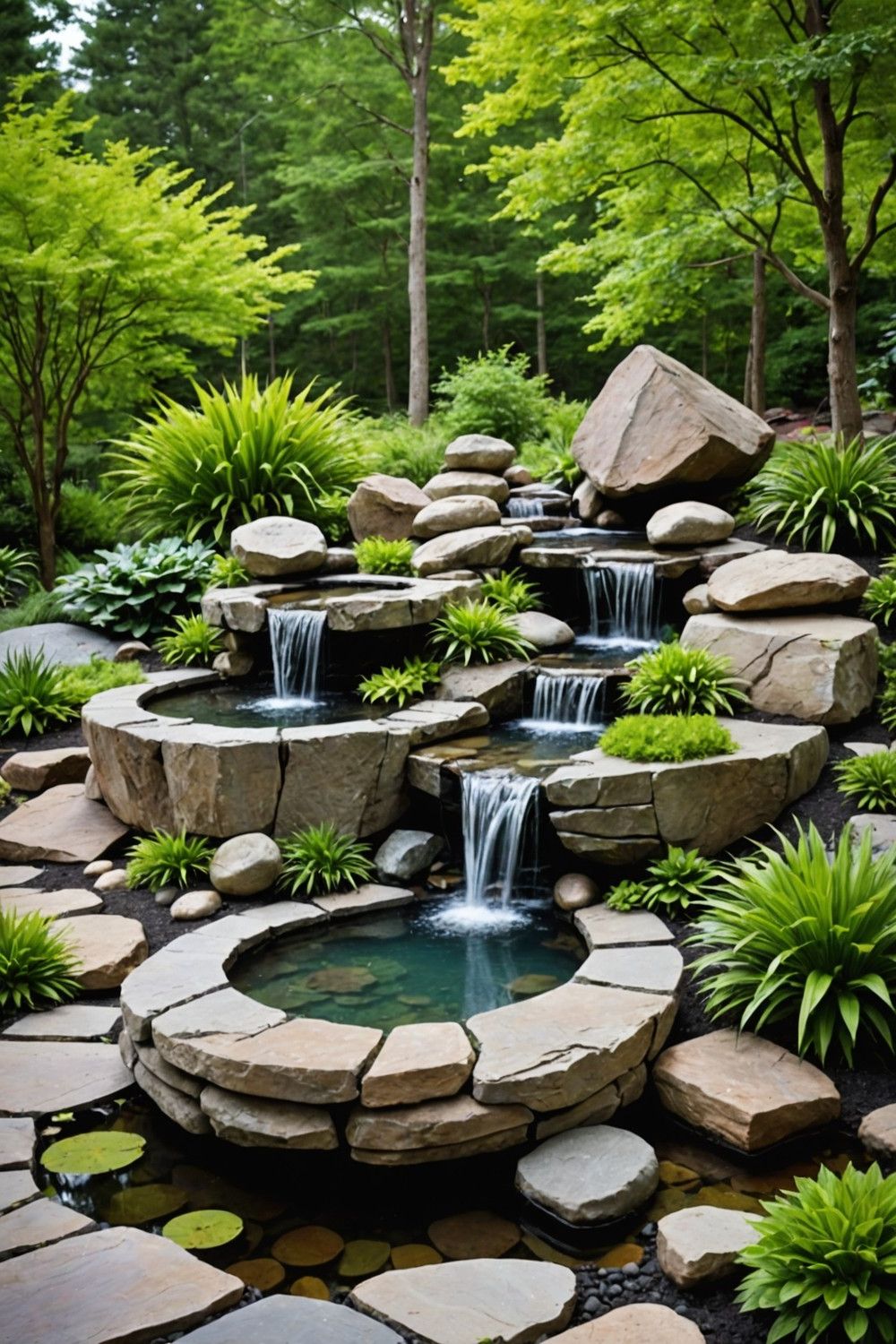
Rock sculptures are so cool! They add a special artistic touch to your yard, making it look beautiful and interesting. They really make the outdoor space stand out in a cool way.
These sculptures are made from different types of stone and come in a variety of designs, from basic shapes to more detailed ones. They really stand out and can easily catch your eye!
They can be strategically placed in gardens, along pathways, or near water features to enhance the overall aesthetics.
Also, I think rock sculptures are a great way to show off your personal style. You can go for a natural, rustic vibe or get creative with a modern, abstract design. It’s all about expressing yourself!
When you bring in art pieces to your landscaping, it really boosts the space and makes it more welcoming and unforgettable, you know?
Creating a Zen Rock Garden
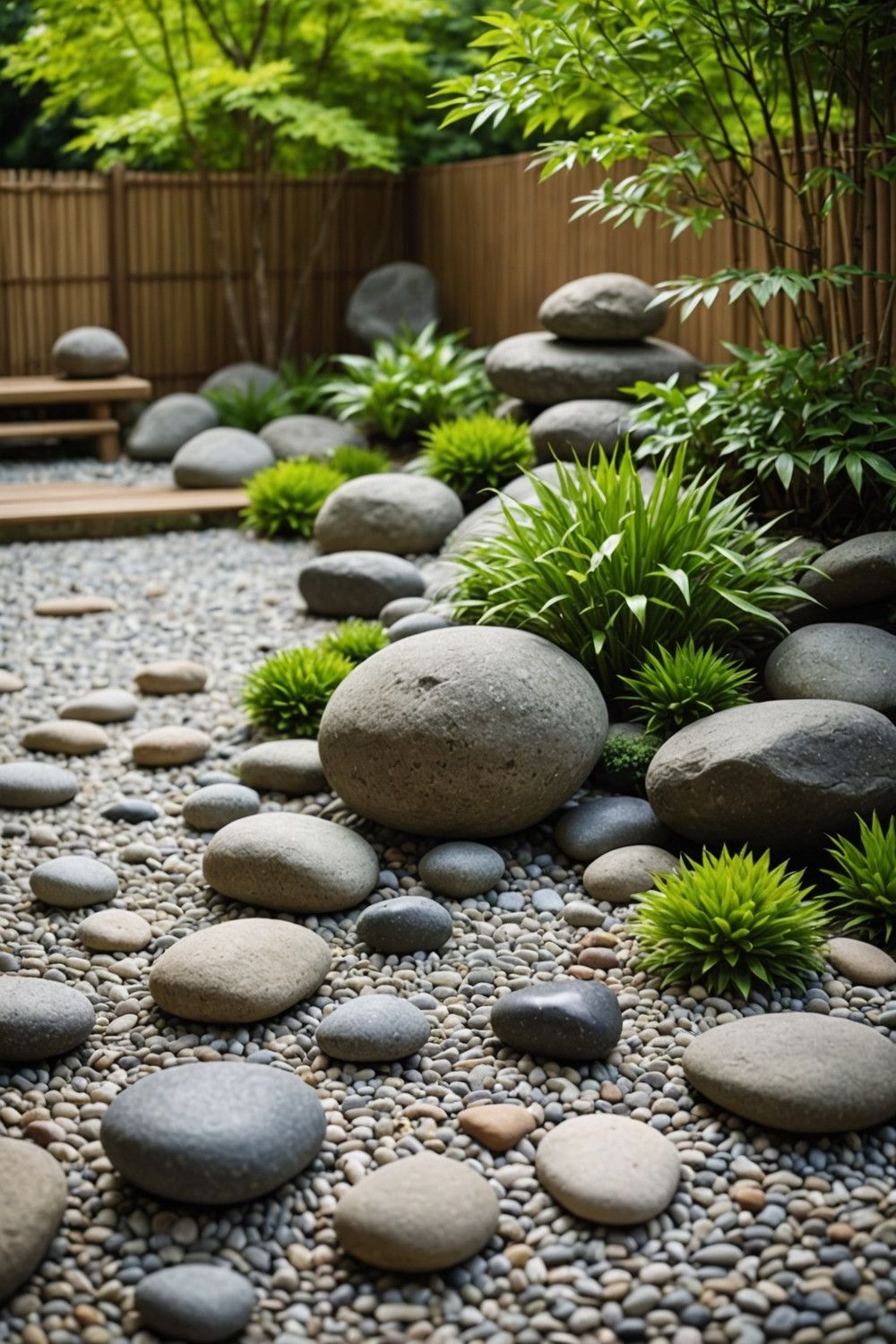
Zen rock gardens, or karesansui, are serene landscapes that prioritize simplicity and tranquility.
Typically composed of gravel or sand, these gardens use carefully placed rocks and meticulously controlled raked patterns to evoke the essence of nature.
The design encourages mindfulness and meditation, making it ideal for relaxation.
By utilizing natural elements, Zen rock gardens foster a peaceful atmosphere, promoting reflection and harmony within any outdoor space. Adopting this style can enhance your landscape by providing a calming focal point.
Building a Vertical Rock Garden

Vertical rock gardens are an innovative way to add texture and dimension to your landscaping.
By stacking rocks or using specialized planters, you can create a stunning display that showcases vibrant plants at various heights.
These gardens are great for smaller spaces because they let you use vertical surfaces and create a stunning visual effect at the same time.
These plants don’t just look pretty in your yard, they also help with drainage and air circulation for your other plants. It’s like getting a two-for-one deal!
Incorporating local stone types can further harmonize your garden with the surrounding landscape.
Edging Flower Beds With Rocks

Rock edging for flower beds creates a natural barrier that enhances the garden’s aesthetic while keeping soil and mulch in place.
One great thing about using flower beds is that they not only add some charm to your garden but they can also help keep those pesky weeds at bay and stop soil erosion too.
Using different sizes and types of rocks allows for creative designs, ranging from polished stones to rugged river rocks.
Isn’t it great how versatile these plants are? They really help tie everything together and can even enhance the beauty of the garden around them. It’s amazing how they can become the main attraction in your flower beds!
Designing a Dry Creek Bed
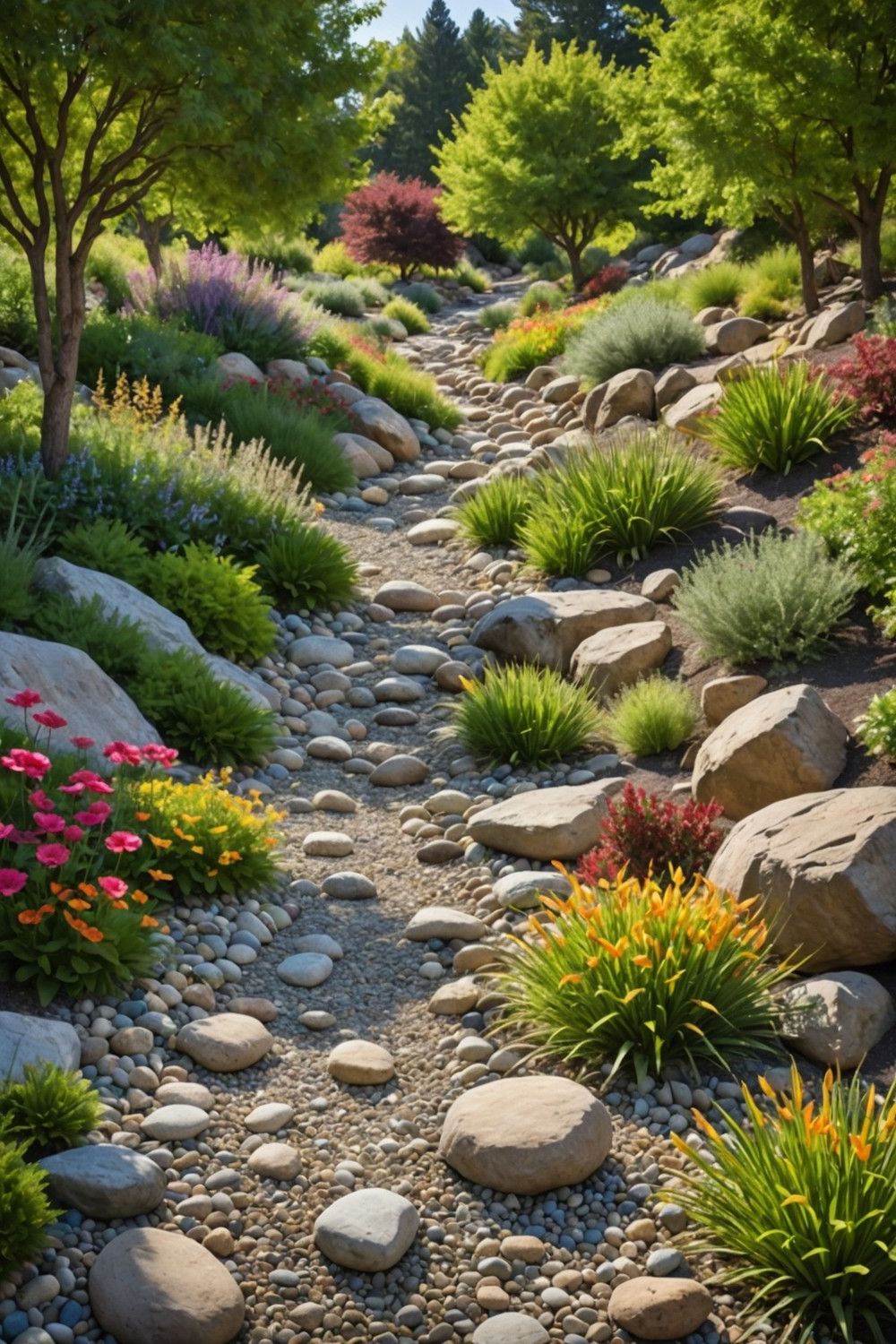
Dry creek beds are an excellent landscaping feature that adds texture and visual interest to your outdoor space. These naturally-inspired designs mimic riverbeds by using stones and gravel to create an appealing watercourse look.
Ideal for regions with low rainfall, dry creek beds help manage drainage and prevent soil erosion, all while requiring minimal maintenance.
Mixing different sizes and shapes of rocks enhances the natural feel, making your garden an attractive focal point. They also provide a perfect backdrop for native plants, which thrive in such environments.
Building a Gravel or Rock Patio

Gravel or rock patios offer a charming and low-maintenance solution for outdoor spaces.
They provide excellent drainage, preventing puddles and mud, while creating a natural look that blends seamlessly with the environment.
The great thing about this design is that you can get really creative with it! You can play around with different shapes like geometric patterns or just go with a free-flowing, more organic look. There are so many possibilities to explore!
Choose from a variety of gravel sizes and types of rocks to enhance your outdoor space.
You can easily change their shape or add more as your landscaping evolves, making them a versatile option for sprucing up your yard.
Creating Rock Mosaic Patterns
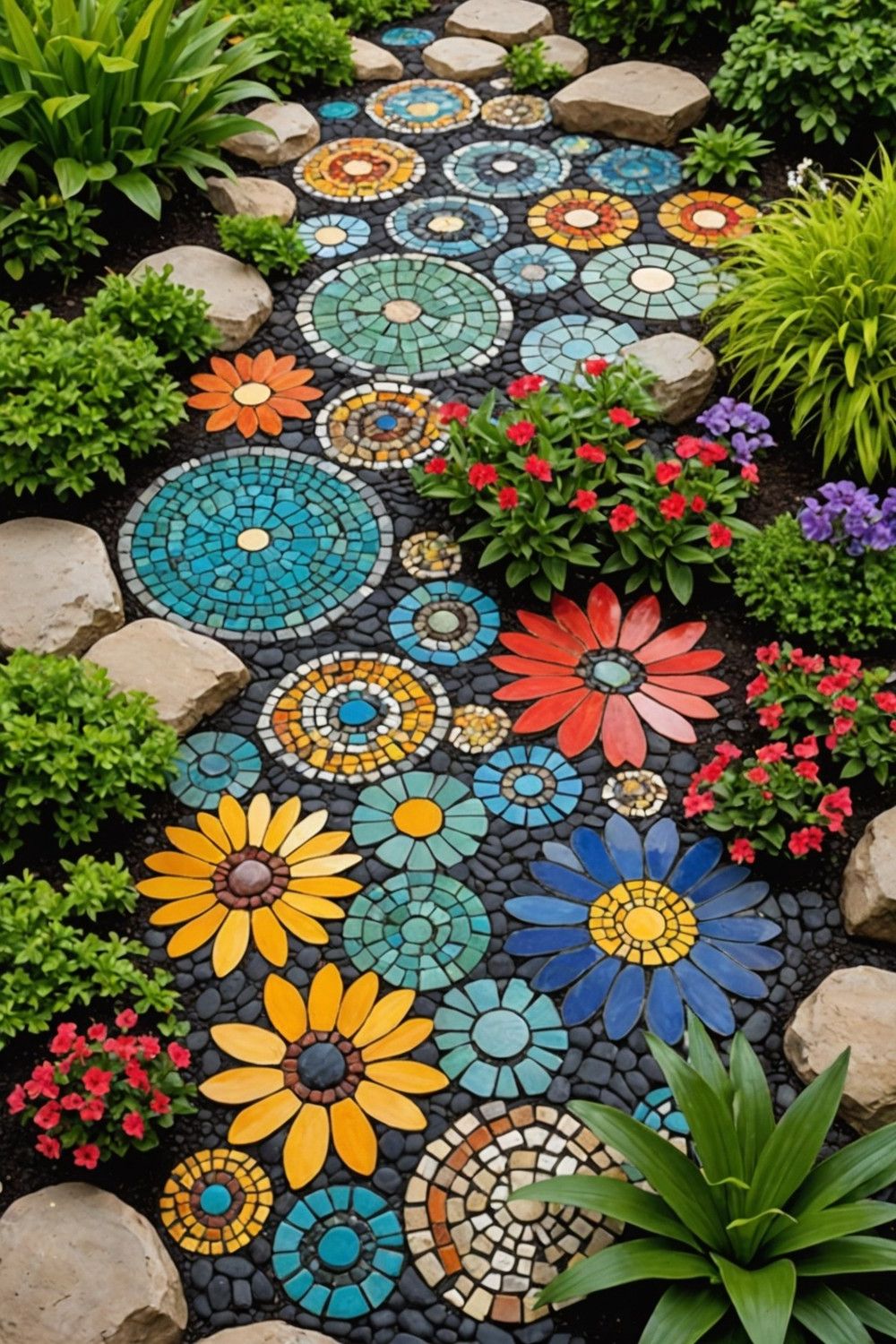
Have you ever considered adding a rock mosaic design to your landscaping project? It can really give it a unique and artistic touch that will make your outdoor space stand out!
These patterns can transform a dull outdoor space into a vibrant area filled with color and creativity.
By using various sizes and types of stones, you can create intricate patterns or simple yet elegant arrangements.
Incorporating rock mosaics not only enhances visual interest but also promotes functionality.
They can serve as pathways, borders for flower beds, or even decorative features in gardens.
There are so many cool ways to design rock mosaics, allowing you to really show off your own unique style while still keeping that natural look in your outdoor space.
Using Stone Planters Outdoors
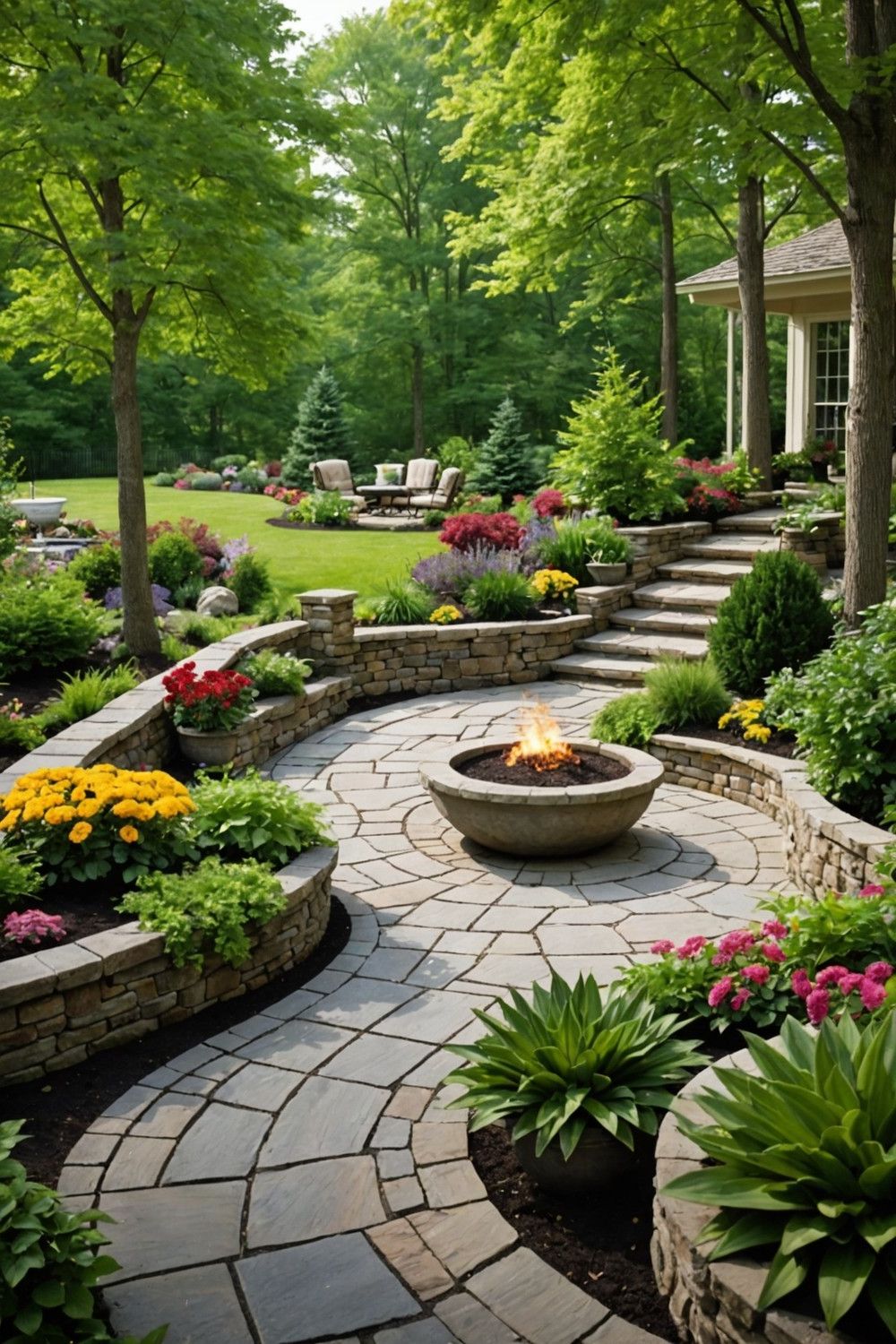
Stone planters are a beautiful and durable option for landscaping, adding a natural touch to any outdoor space.
They come in various shapes and sizes, allowing for versatile arrangements in gardens, patios, or walkways.
These planters aren’t just for show – they’re great for keeping plants upright and looking good. Plus, they help keep the soil moist and add a nice touch to your decor!
Incorporating different types of stone can create unique designs that blend seamlessly with the surrounding environment, making stone planters a popular choice for both functional and decorative purposes.
Adding Natural Rock Seating

Natural rock seating blends seamlessly with outdoor landscapes, providing both functionality and aesthetic appeal.
Large, flat stones can be arranged in groups or clusters, creating inviting spots for relaxation.
Shapes and sizes can vary, which gives you a lot of freedom to get creative with where you place them. You can tuck them in between plants or set them up to get the best views possible.
This seating option often requires minimal maintenance, while also promoting a rugged, organic feel that complements the natural surroundings.
This encourages you to connect with nature and makes outdoor get-togethers even better.
Using Rock as Garden Mulch
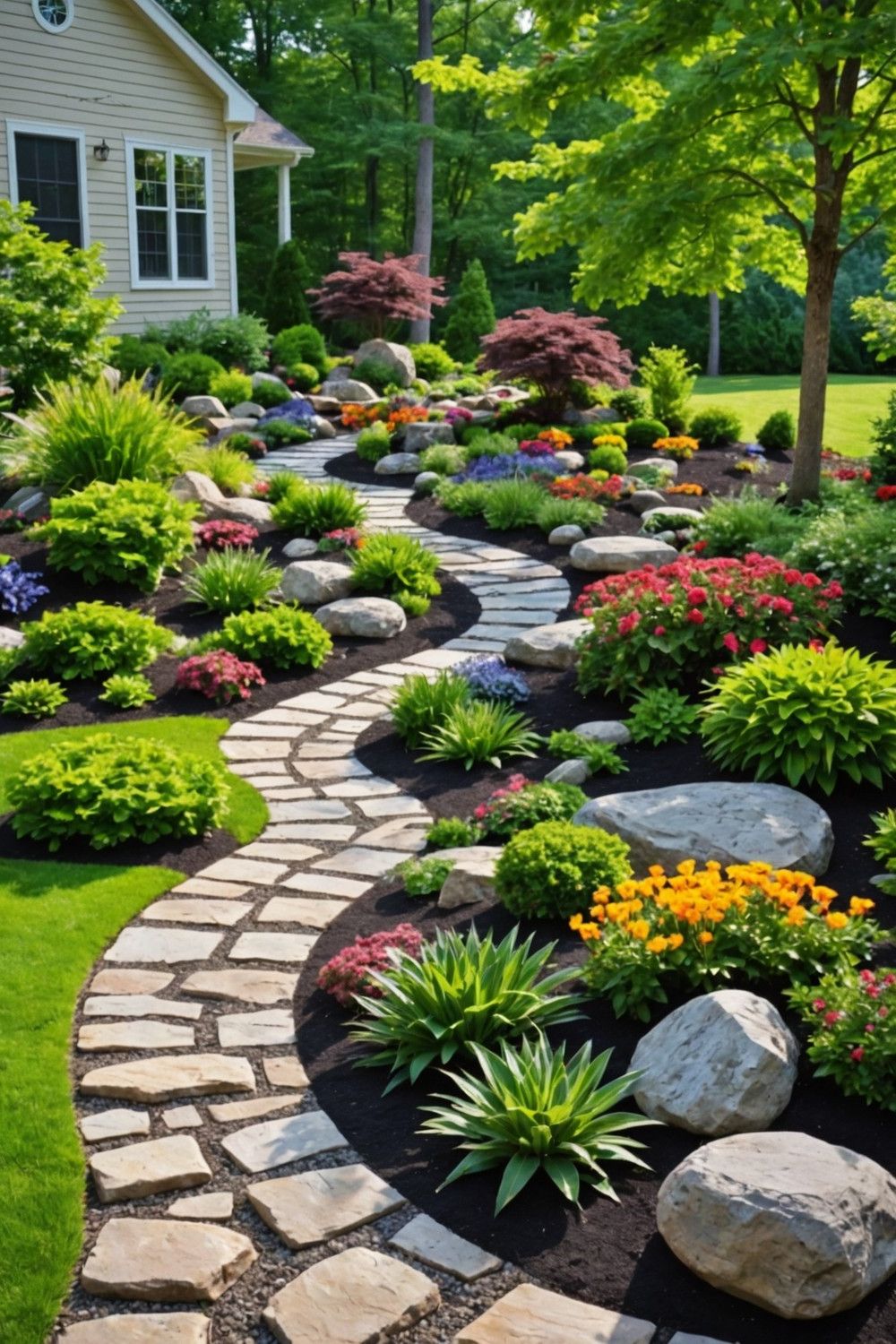
Rock mulch is a great option if you’re looking for something easy to maintain in your garden.
It keeps those pesky weeds at bay, helps the soil hold onto moisture, and even keeps the temperature just right for your plants. Plus, it adds a cool look to your landscaping!
Available in various sizes and colors, rock mulch can enhance the visual appeal of flower beds, pathways, and decorative areas.
Additionally, it doesn’t decompose like organic materials, ensuring that your landscaping looks fresh and vibrant for years to come.
Installing a Rock Fountain

Rock fountains add a soothing touch to any garden or landscape with their natural charm and the tranquil sound of flowing water.
They can vary in size and design, from small tabletop features to majestic waterfall installations.
Incorporating a rock fountain can enhance the visual appeal of your outdoor space while creating a calming atmosphere.
When you’re picking out stones and figuring out where to place the fountain, it’s important to really think about how they’ll fit in with the rest of your landscaping. Make sure everything works together seamlessly to create a beautiful overall look.
Whether using natural boulders or sculpted rocks, a rock fountain becomes a stunning focal point that attracts both wildlife and the admiration of your guests.
Designing an Alpine Garden
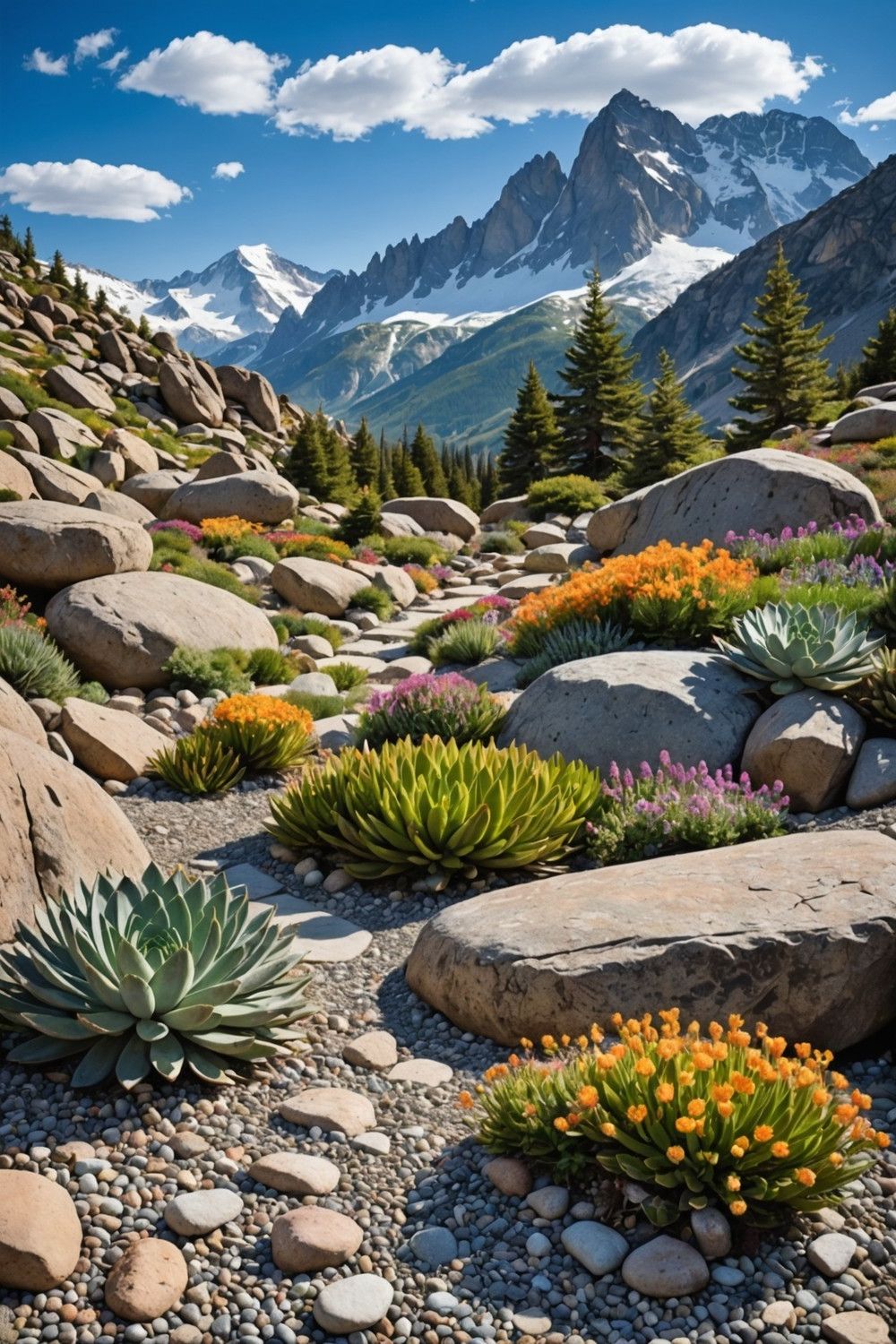
Alpine gardens feature unique, rugged beauty by emulating the conditions found in high-altitude environments.
These gardens often include a variety of small, hardy plants, such as alpine flowers, succulents, and rockeries that thrive in well-drained soil and cooler temperatures.
Using rocks in your garden not only looks great, but it also helps with drainage and gives your plants some extra support. It’s a win-win!
Incorporating elements like boulders, gravel, and ornamental stones can create a stunning landscape that mimics natural alpine settings while supporting biodiversity.