
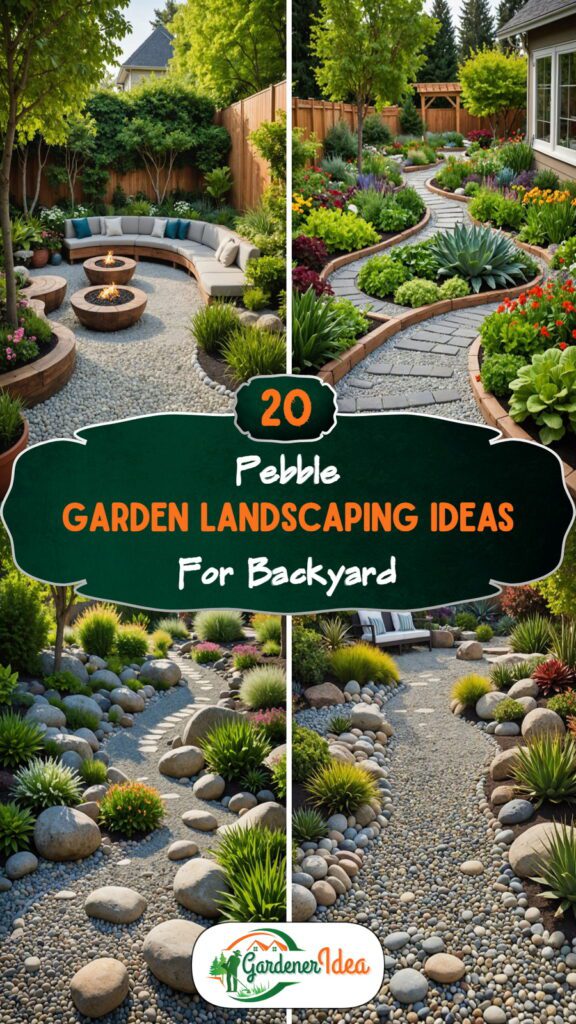
Turn your backyard into a peaceful oasis with these 20 awesome pebble garden ideas!
There are so many different designs to choose from – whether you prefer a cozy pebble pathway or a peaceful Zen garden, or even a colorful mosaic! Something for everyone’s tastes and preferences.
Let’s explore how you can elevate your outdoor space with the beauty and versatility of pebbles.
Create a Pebble Pathway
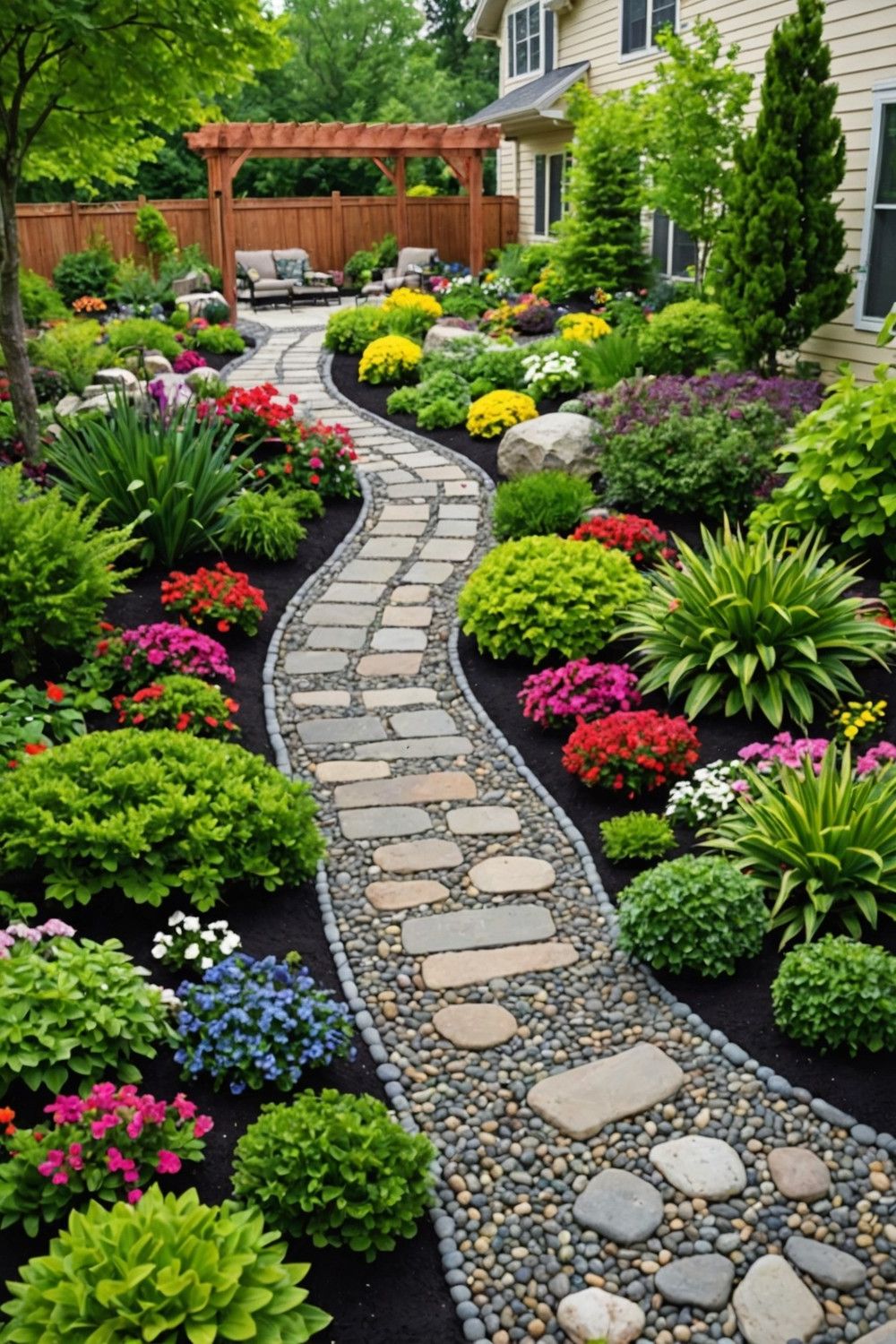
Creating a pebble pathway adds charm and functionality to your garden.
Start by selecting a clear path that connects key areas, like your patio or garden beds.
Level the ground and outline your pathway with stakes and string for guidance.
Lay down landscaping fabric to prevent weeds, then fill the pathway with your chosen pebbles, ensuring an even distribution.
This project not only enhances your garden’s aesthetic but also offers a stable surface for walking.
Design a Pebble Zen Garden
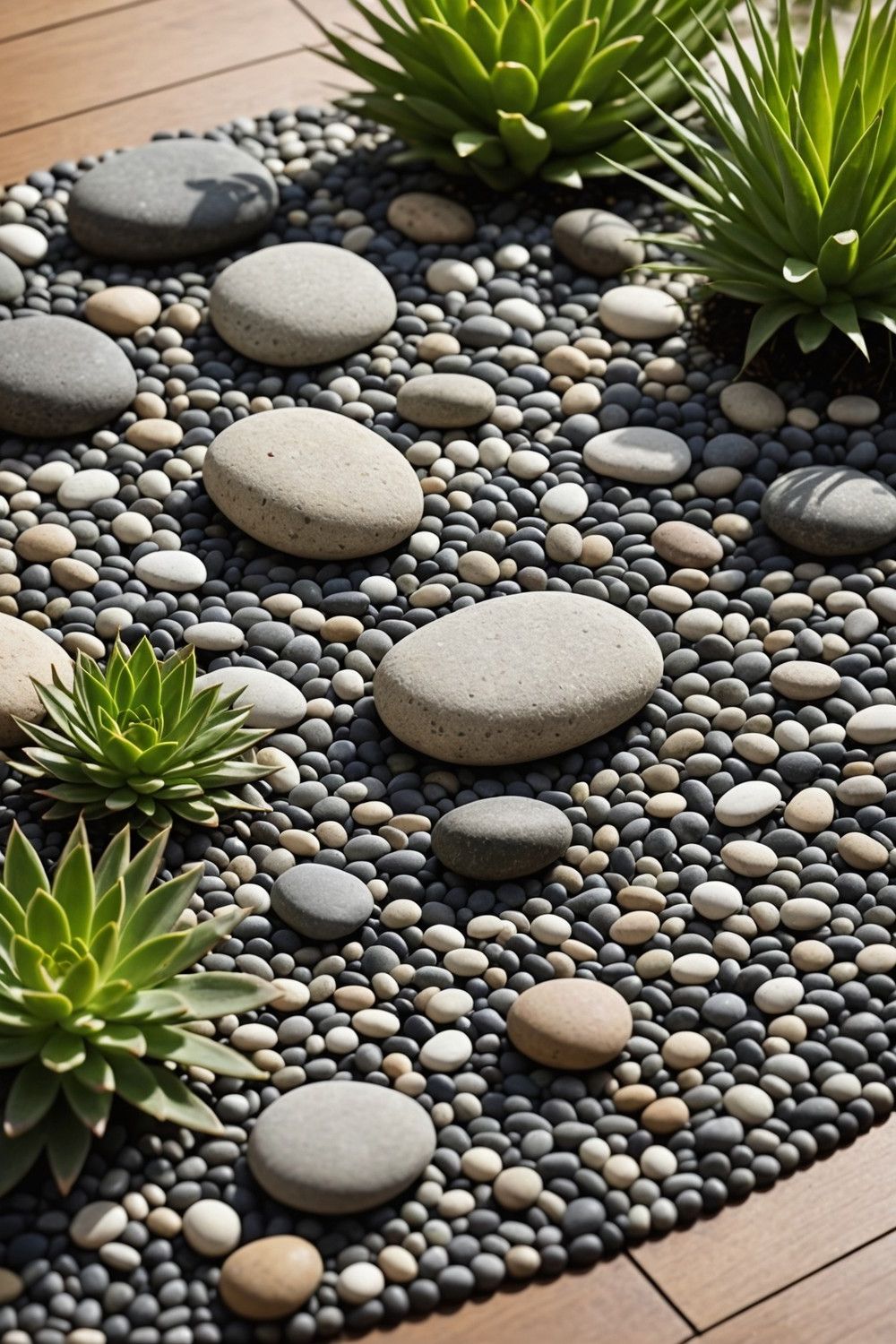
So, have you ever heard of a Pebble Zen Garden? It’s basically a place where you can just relax and find some peace and quiet. It’s all about keeping things simple and calm.
Let’s find a nice flat spot with plenty of sunlight to lay out your pebbles.
Choose your pebbles—smooth, round ones create a soothing effect, while varied colors add visual interest.
Arrange larger stones or boulders thoughtfully for balance, and consider incorporating small plants or succulents for a touch of greenery.
When you rake patterns into the pebbles, it can really help create a calming atmosphere in the space. It’s like a little invitation to just sit back, relax, and ponder about things.
Use Pebbles for Ground Cover

Have you ever thought about using pebbles to cover the ground in your garden? It not only looks great but also has some practical advantages.
They offer excellent drainage, preventing water from pooling and helping to keep your plants healthy.
Oh, and another great thing about pebbles is that they help keep those pesky weeds at bay, so you won’t have to spend as much time on maintenance.
Available in various sizes and colors, they can be arranged creatively to add texture and visual interest to your garden design.
Pairing pebbles with pathways or flower beds can create a harmonious indoor-outdoor flow, inviting exploration.
Construct a Pebble Fire Pit Area

I love the idea of creating a pebble fire pit area in the backyard! It’s such a great way to make gatherings feel extra cozy and enhance the outdoor vibe.
Just find a nice flat, dry spot that’s a good distance away from anything flammable to get started.
Dig out the designated area, then lay a fire pit base made of gravel or sand for stability.
Surround the pit with larger pebbles for an attractive outline and add smaller pebbles inside for cleanup ease. Incorporate comfortable seating and maybe some lighting to complete your inviting oasis.
Incorporate Pebbles in Raised Garden Beds
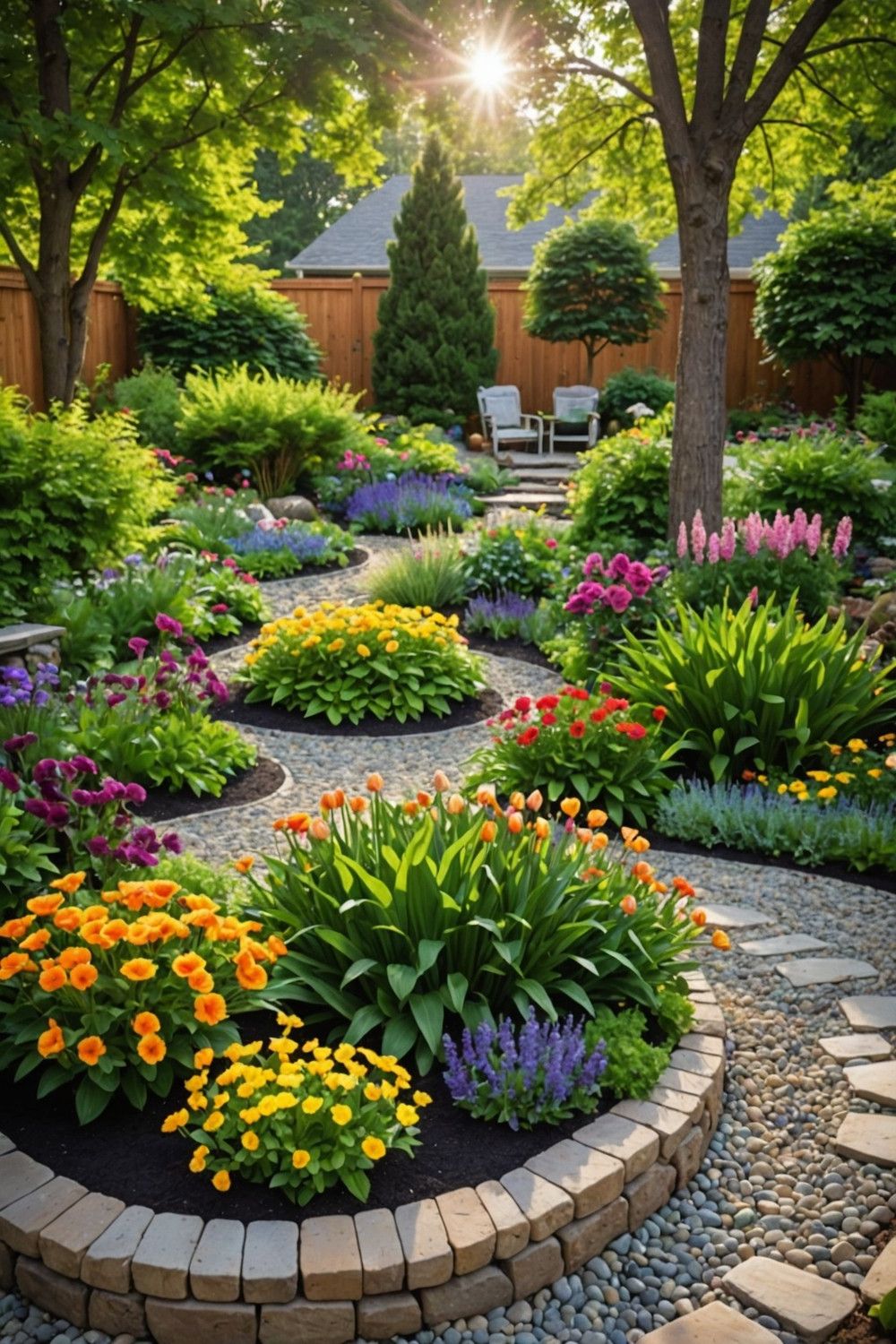
Adding pebbles to raised garden beds not only makes them look nice but also helps with practical stuff like drainage and keeping things tidy.
Pebbles can serve as a natural mulch, helping to retain soil moisture while suppressing weeds.
They also enhance drainage, preventing waterlogging of roots.
Consider mixing pebbles with soil or placing them along the edges of the garden bed for a polished look.
This combination not only looks great but also supports healthy plant growth, creating a vibrant garden space.
Design a Pebble Water Feature
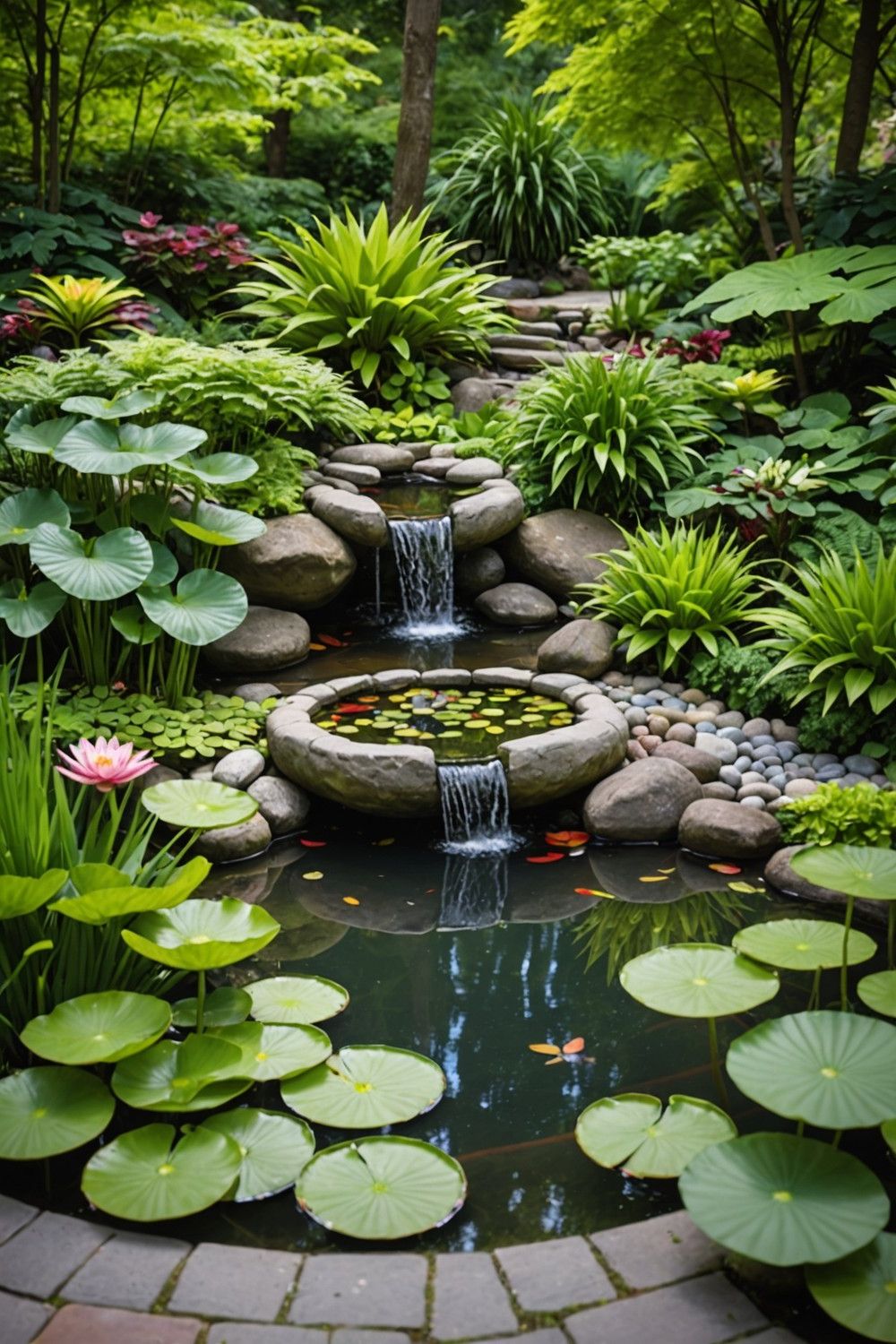
When you’re planning a pebble water feature for your garden, think about creating a peaceful little retreat that adds to the overall vibe.
Look for a good spot that gets some shade, so you don’t end up with a ton of algae creeping in.
When picking out a fountain or pond, think about what would go best with the style of your garden. Maybe a cute little pond surrounded by pebbles or a bubbling fountain would look nice!
You can mix and match different sizes of pebbles in your garden to create some cool textures and give it a little visual pop.
Place them around your water feature to make it stand out. And don’t forget to throw in some water lilies or ferns for a touch of green and that fresh, nature vibe.
Make sure you also have good filtration and circulation for your water feature to keep the water clear and create a nice, relaxing vibe.
Create a Mosaic Pebble Patio
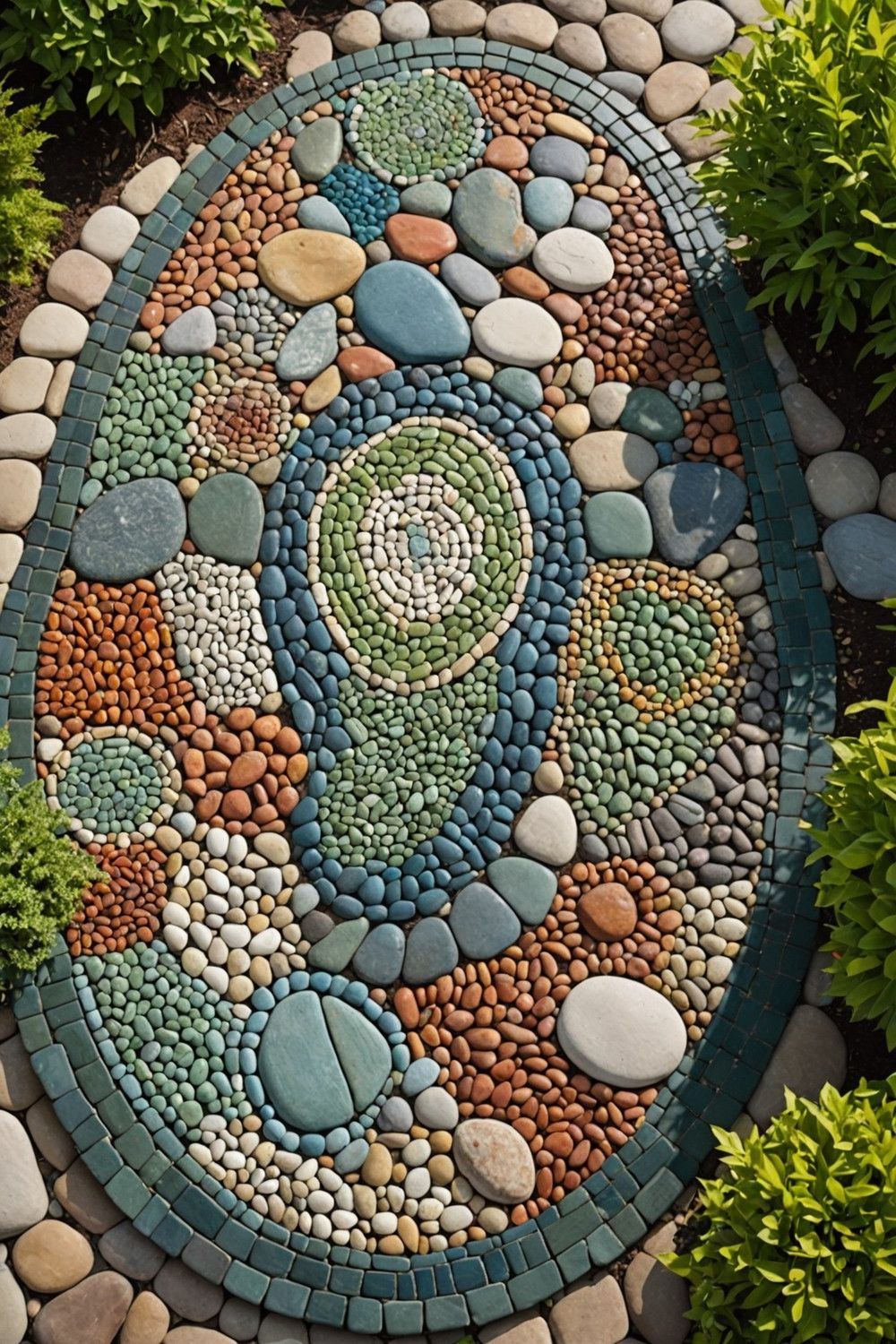
So, you want to create a cool mosaic pebble patio, huh?
Well, first things first, you gotta pick out a whole bunch of different pebbles in all sorts of colors and shapes to make it pop and catch the eye.
Lay out your chosen design on the ground, ensuring the pebbles fit together snugly.
Once you’re satisfied with the layout, secure them using a suitable adhesive or mortar. Allow it to dry thoroughly, creating a beautiful, durable outdoor space that’s perfect for gatherings or relaxation.
Use Colored Pebbles for a Unique Border
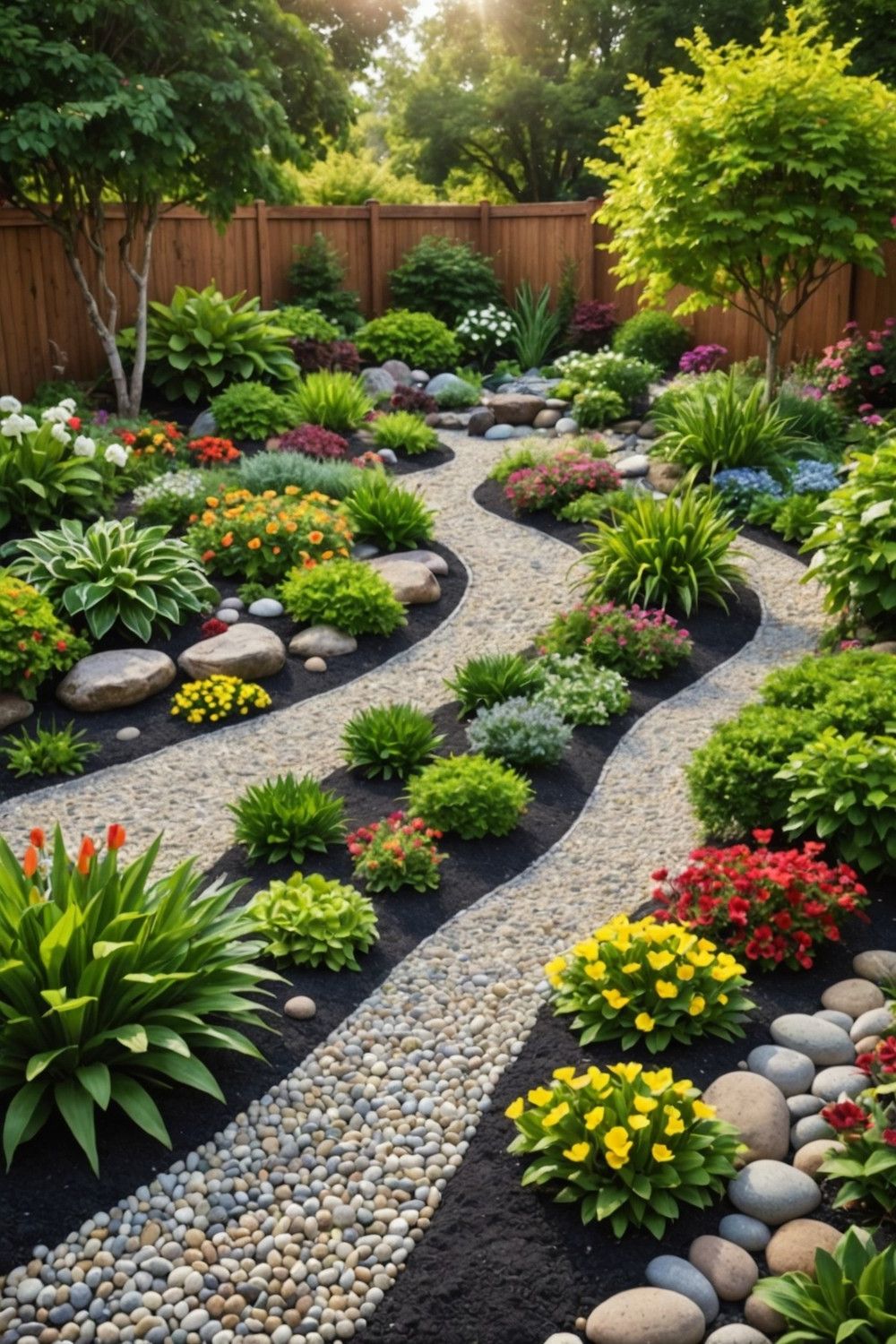
Colored pebbles can create a stunning and unique border for your garden. By choosing a variety of colors and sizes, you can establish clear boundaries for different sections of your landscape.
These pebbles not only serve a practical purpose but also add visual interest, enhancing the overall aesthetic of your garden.
You can play around with different arrangements and colors to make your outdoor space feel cozy and welcoming.
Mix and match the planters to match your plants and pathways, and you’ll create a cheerful atmosphere.
Form a Pebble Rock Wall
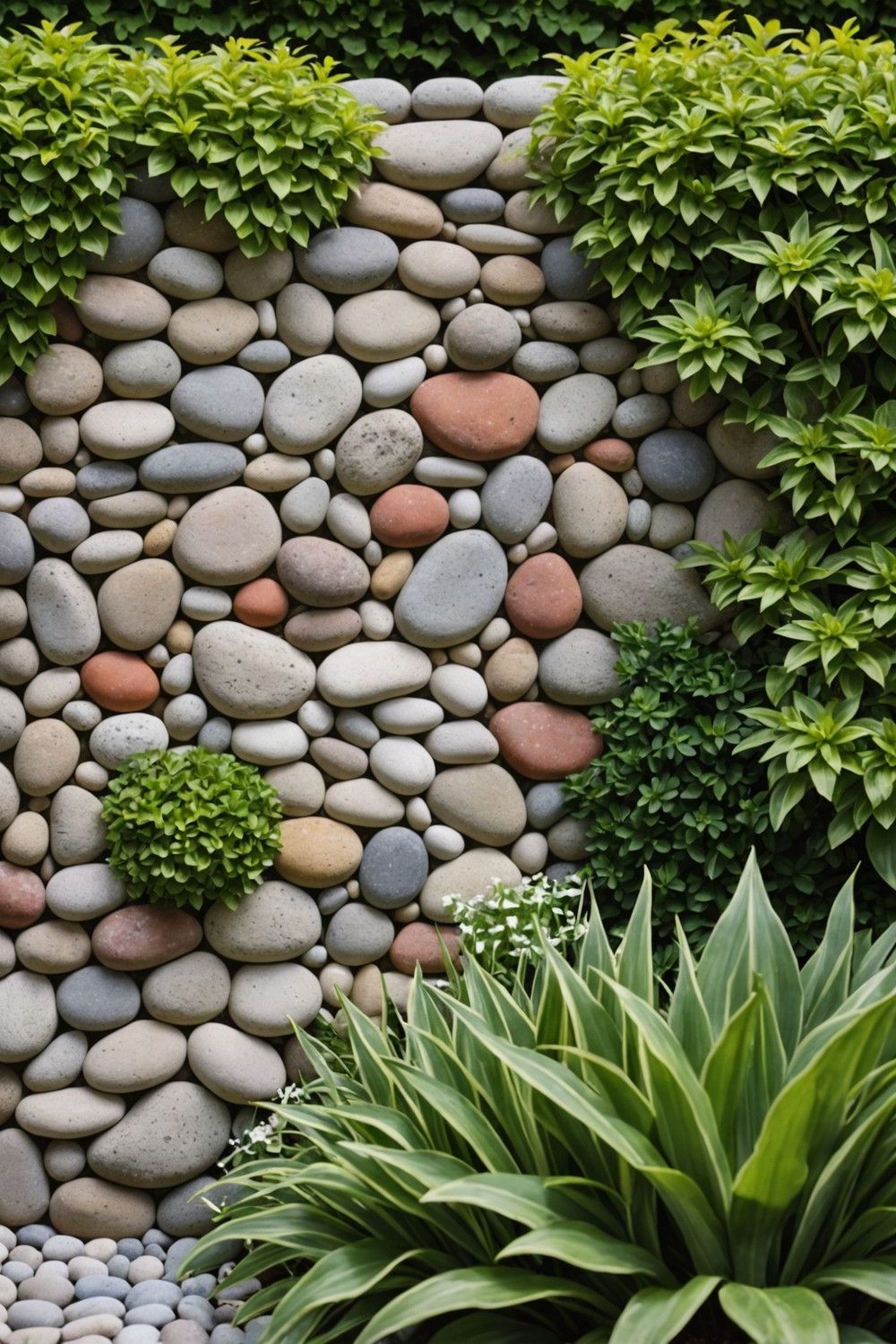
Forming a pebble rock wall adds texture and visual interest to your garden. Start by selecting smooth pebbles in various sizes for a natural look.
Dig a trench for the foundation, ensuring it’s level and stable.
Layer smaller stones at the base and gradually place larger stones above, securing them with mortar or soil between layers.
This structure can act as a border, a raised bed, or simply an attractive feature in your landscape, blending seamlessly with the surrounding environment.
Create a Pebble Seating Area
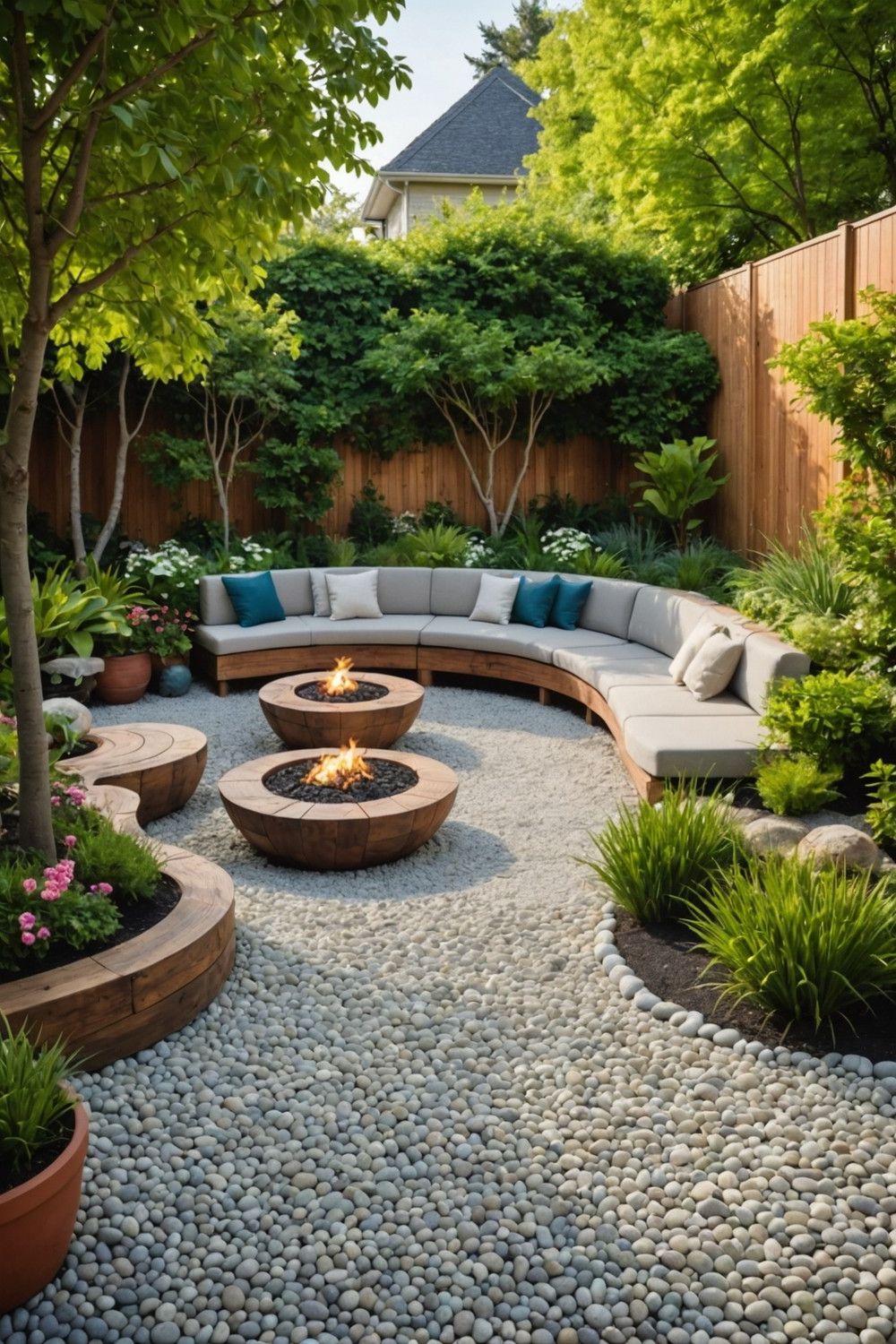
A pebble seating area brings a unique touch to your outdoor space.
Start by selecting a flat, even surface for the seating arrangement, ensuring it’s comfortable and safe.
You can try using bigger, nice and smooth pebbles for the edges so it looks more like a natural border. And then just fill in any spaces with smaller pebbles.
Consider adding patio or garden furniture such as benches or cushions that blend seamlessly with the pebble theme.
Incorporating surrounding plants can enhance the area, providing a peaceful retreat for relaxation or social gatherings.
Integrate Pebbles into a Rock Garden
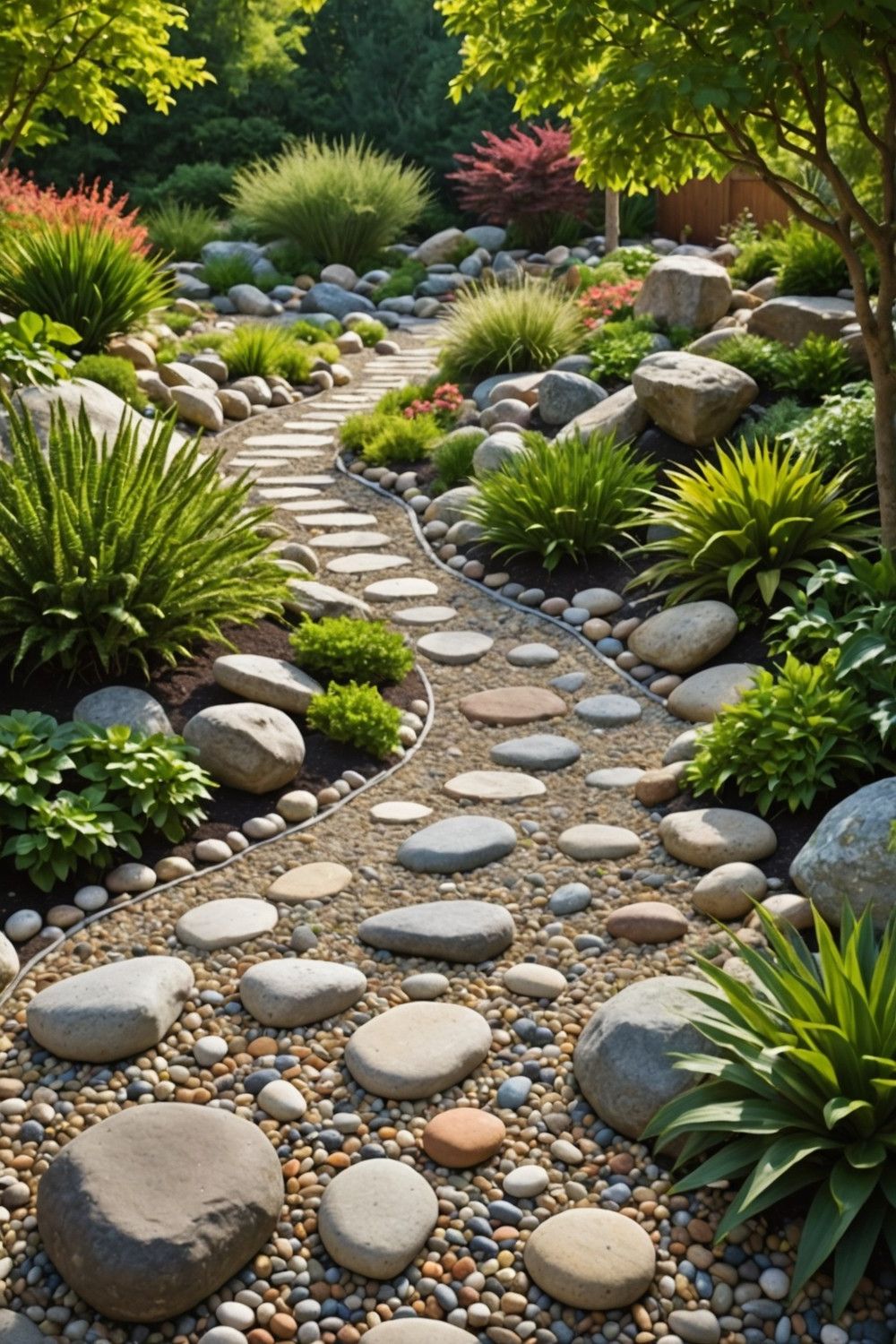
Integrating pebbles into a rock garden adds texture and contrast, enhancing its visual appeal. Start by choosing a variety of pebble sizes and colors that complement the existing rocks and plants.
Spread the pebbles in defined areas, such as pathways or between larger stones, to create a natural look.
These pebbles are super handy for draining excess water and keeping pesky weeds at bay. Plus, when you mix them with gravel or sand, it really adds a nice touch to your garden’s overall look.
It’s all about finding that perfect balance of elements for a beautiful garden!
Use Pebbles to Define Flower Beds
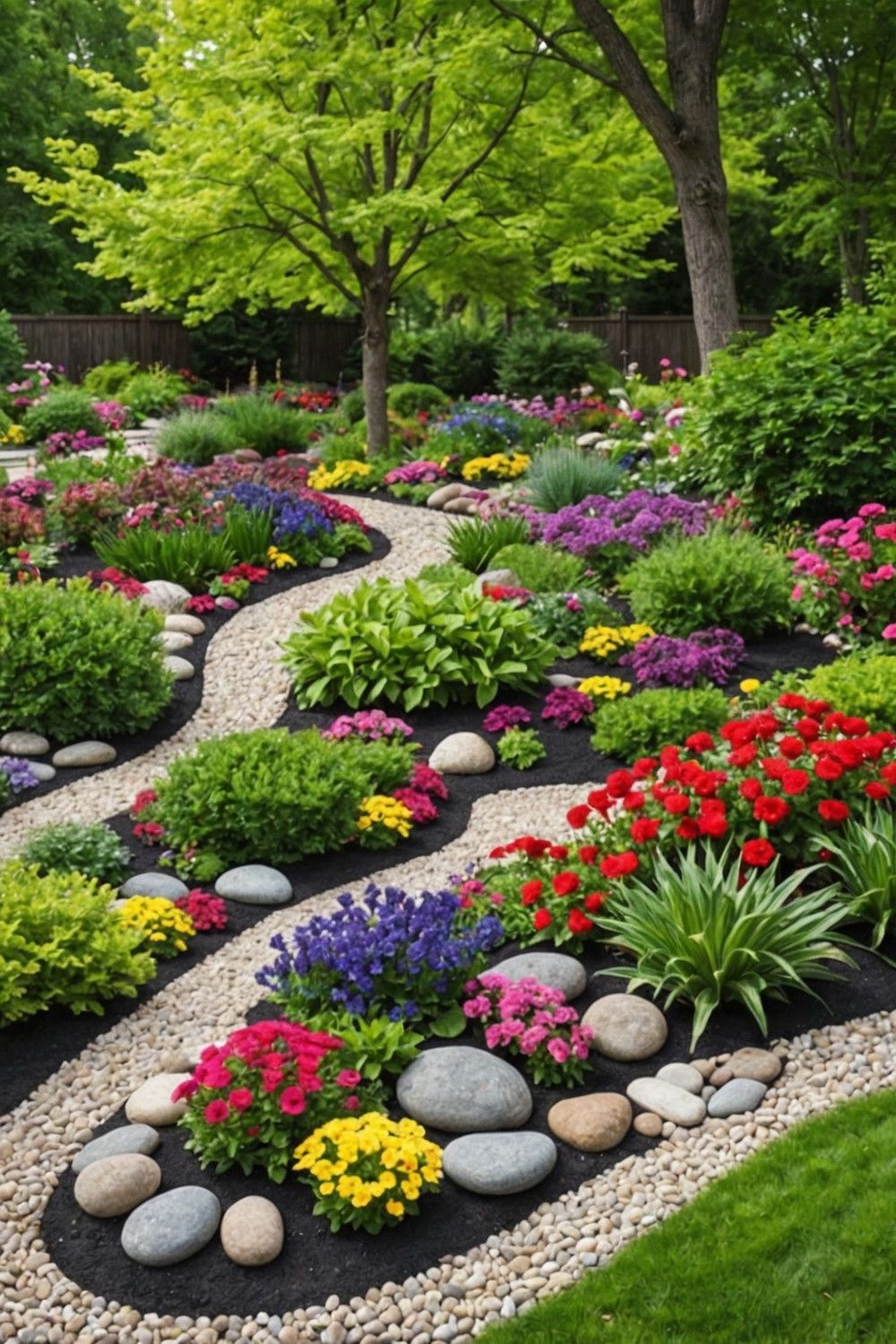
Using pebbles to define flower beds adds texture and visual interest to your garden. They create a natural border that not only highlights your plants but also helps with weed control and soil moisture retention.
Choose pebbles that complement your flowers while staying within the color palette of your garden.
Have you ever thought about arranging pebbles in a certain way to make your garden look even more beautiful? It can really draw your eye and help create a clear separation between your flower beds and the rest of your lawn or pathways.
Construct a Pebble Beach Area

Creating a pebble beach area adds a unique touch to your backyard, resembling a serene coastal environment.
Start by selecting a flat area with good drainage.
Hey there! Don’t forget to lay down some landscape fabric to stop those pesky weeds from popping up in your garden. It’ll save you a lot of headache later on!
Fill the designated space with a mix of pebbles in different sizes and colors for a natural appearance.
Introduce larger stones or boulders as accents to add depth.
You could totally create a beachy vibe by adding some cool plants that love sandy soil, like succulents or ornamental grasses! It’ll give off those chill beach vibes without having to do a ton of upkeep on your yard.
Create a Pebble Mosaic Art Feature
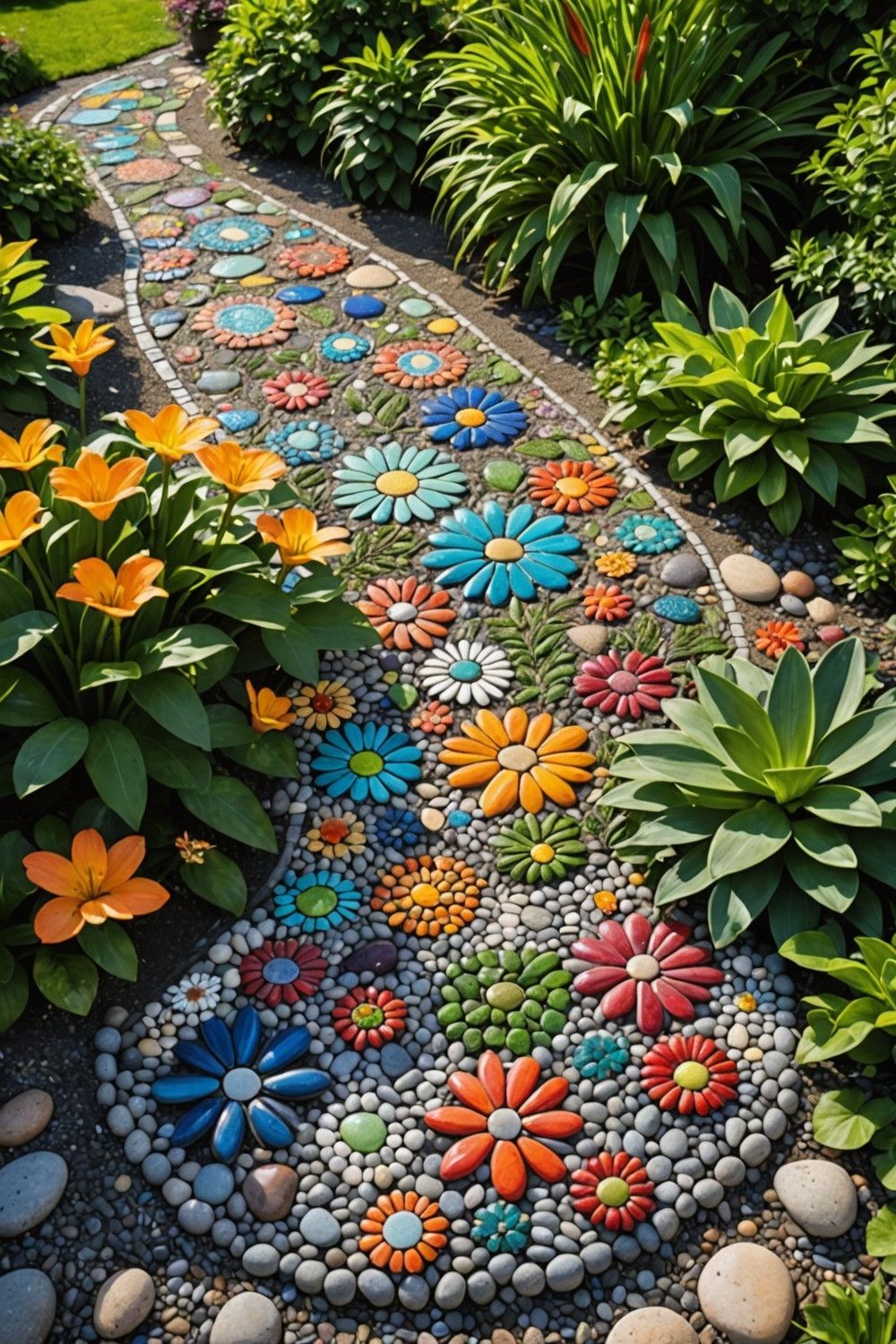
A pebble mosaic art feature adds a unique artistic touch to your garden. Start by designing a pattern or image you want to create.
Gather different colors and sizes of pebbles to bring your vision to life.
Prepare a base, like a piece of plywood or a concrete slab, and use adhesive to secure the pebbles in place. Once set, fill in any gaps with grout for a polished finish.
This art piece can serve as a stunning focal point, enhancing the beauty of your outdoor space.
Use Pebbles in a Woodland Garden
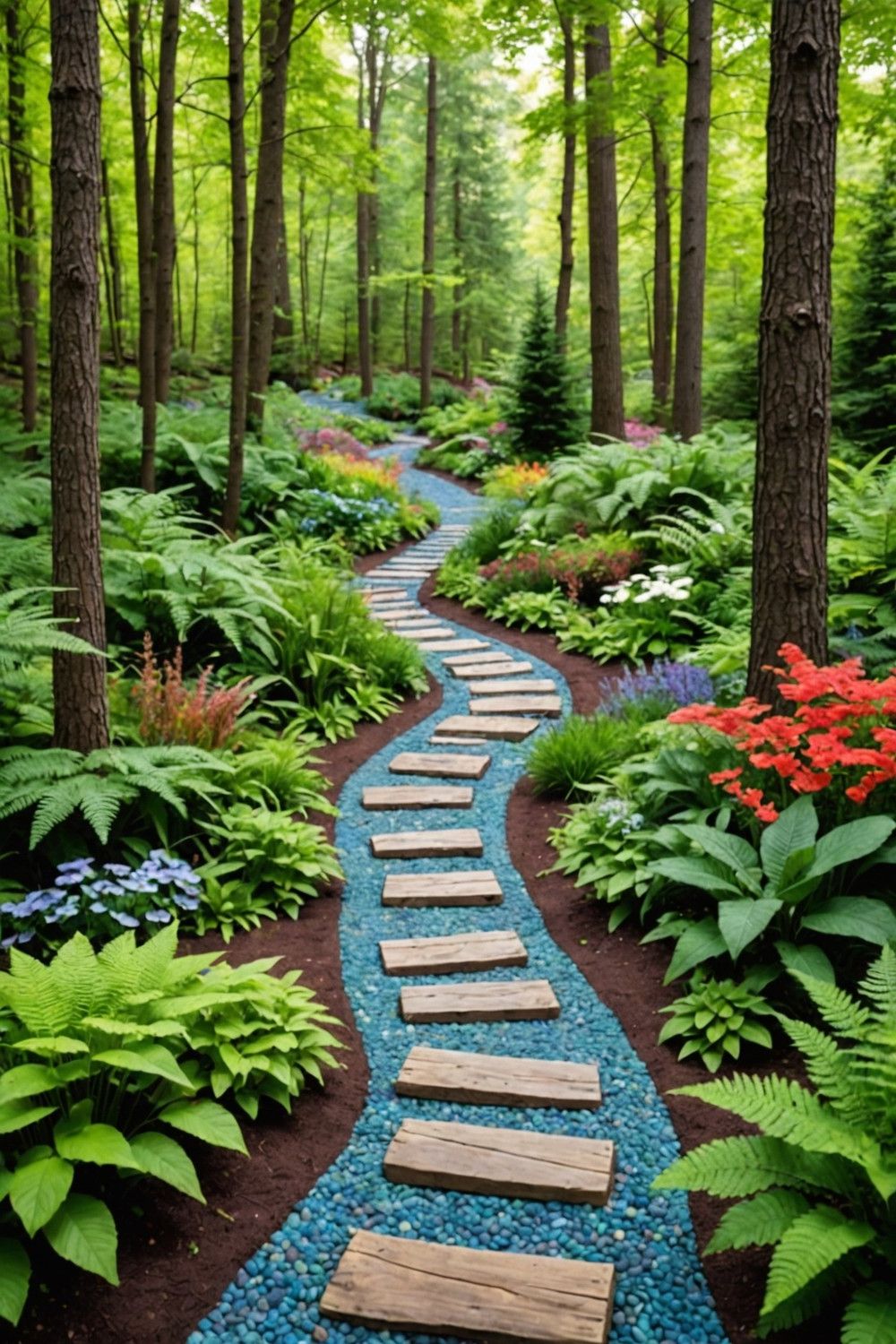
Using pebbles in a woodland garden adds texture and contrast, enhancing the natural beauty of the landscape. They can create enchanting pathways that guide visitors through the greenery, mimicking the look of a forest floor.
Pebbles also act as ground cover, helping to suppress weeds while retaining moisture in the soil.
Mixing various colors and sizes of pebbles can complement the plants and features in your garden, providing a rustic charm that blends seamlessly with the serene woodland environment.
Design a Pebble Vegetable Garden
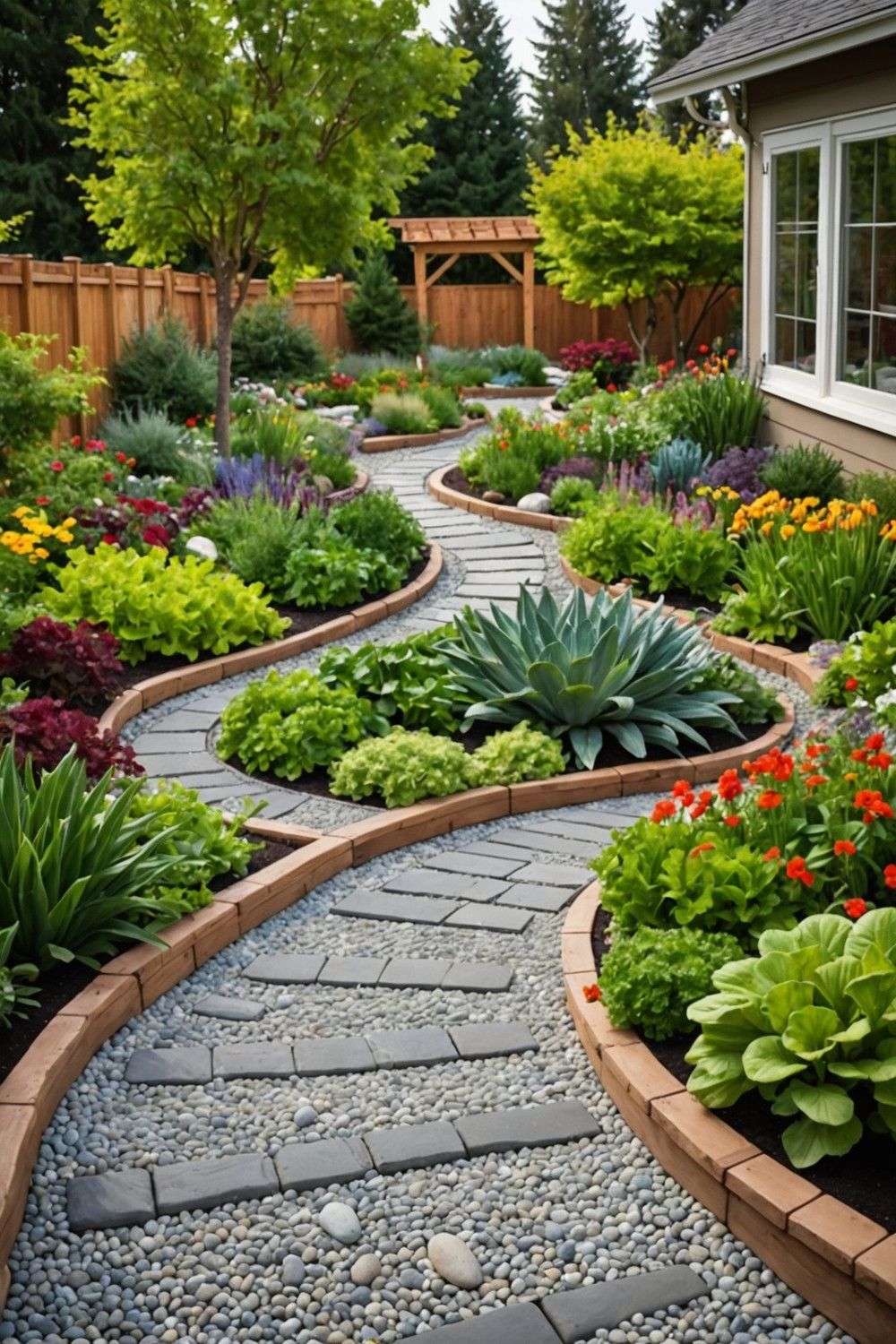
Designing a pebble vegetable garden combines functionality with aesthetic appeal. Start by selecting a sunny spot, ensuring plants receive at least six hours of sunlight daily.
How about adding some raised beds with nice, smooth pebbles around them? It’ll help separate the area and make sure the plants are well-drained.
A gravel or pebble pathway between the beds can facilitate easy access for maintenance. Incorporate drought-resistant plants alongside your vegetables to enhance visual interest and create a natural ecosystem.
Try adding some colorful pebbles to certain spots in your garden to really make it pop! It’ll not only look great but also keep things interesting to look at.
Create a Pebble and Sand Area
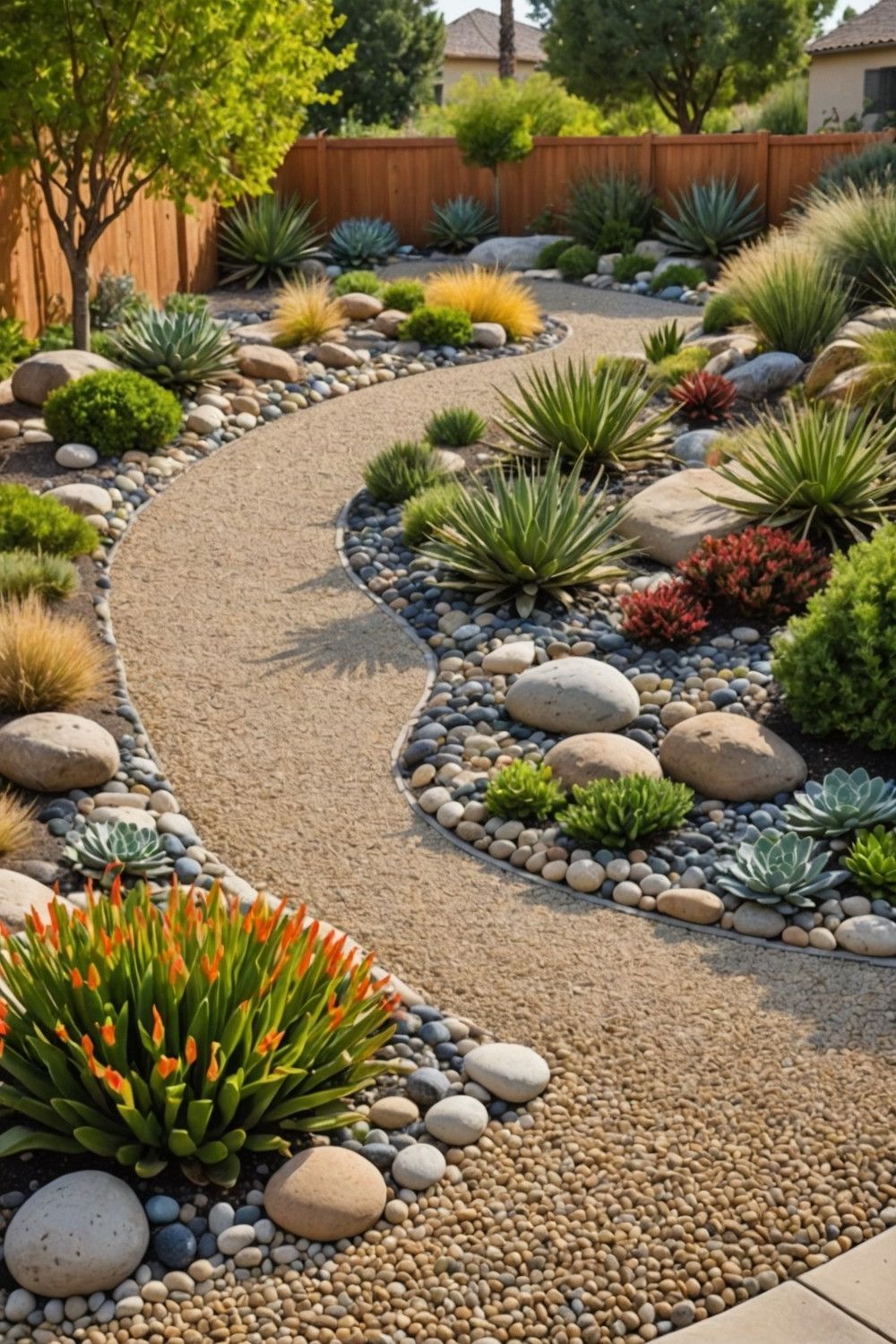
Hey there! Adding a pebble and sand area to your garden can really give it a cool, unique vibe. What do you think about trying it out?
Begin by selecting a suitable space that allows for easy drainage and complements your overall landscape.
Start with a base layer of sand, which offers a cozy feel underfoot and helps with water absorption.
Lay down an even layer of pebbles on top to add contrast and visual interest.
You can incorporate larger stones to define borders or paths, enhancing the area’s functionality.
If you want to spruce up your outdoor space, think about adding some drought-resistant plants to break up all that concrete, and make your yard low-maintenance and stylish at the same time!
Incorporate Large Boulders with Pebbles
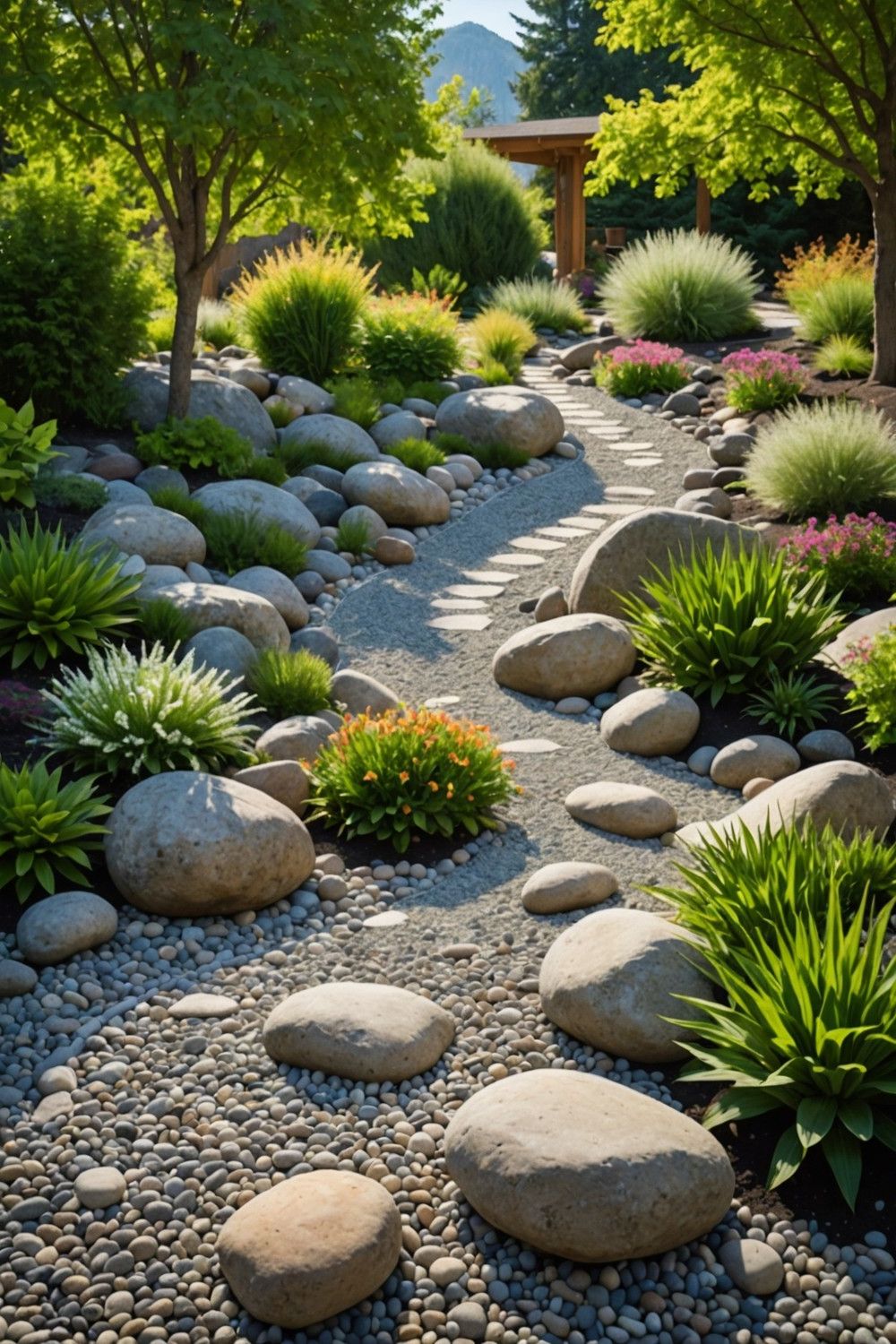
Incorporating large boulders with pebbles creates a visually striking contrast that enhances the natural beauty of your garden.
By strategically placing boulders among the pebbles, you can create focal points that draw the eye and add depth to your landscape.
When you mix these together, it not only gives a nice texture but also does a great job of holding the soil in place and preventing erosion around those more sensitive plants.
Hey, have you thought about mixing up the sizes of the pebbles to go with the boulders? It could make your outdoor space look more interesting and welcoming. Just a little tip!
Use Pebbles in Ornamental Planters
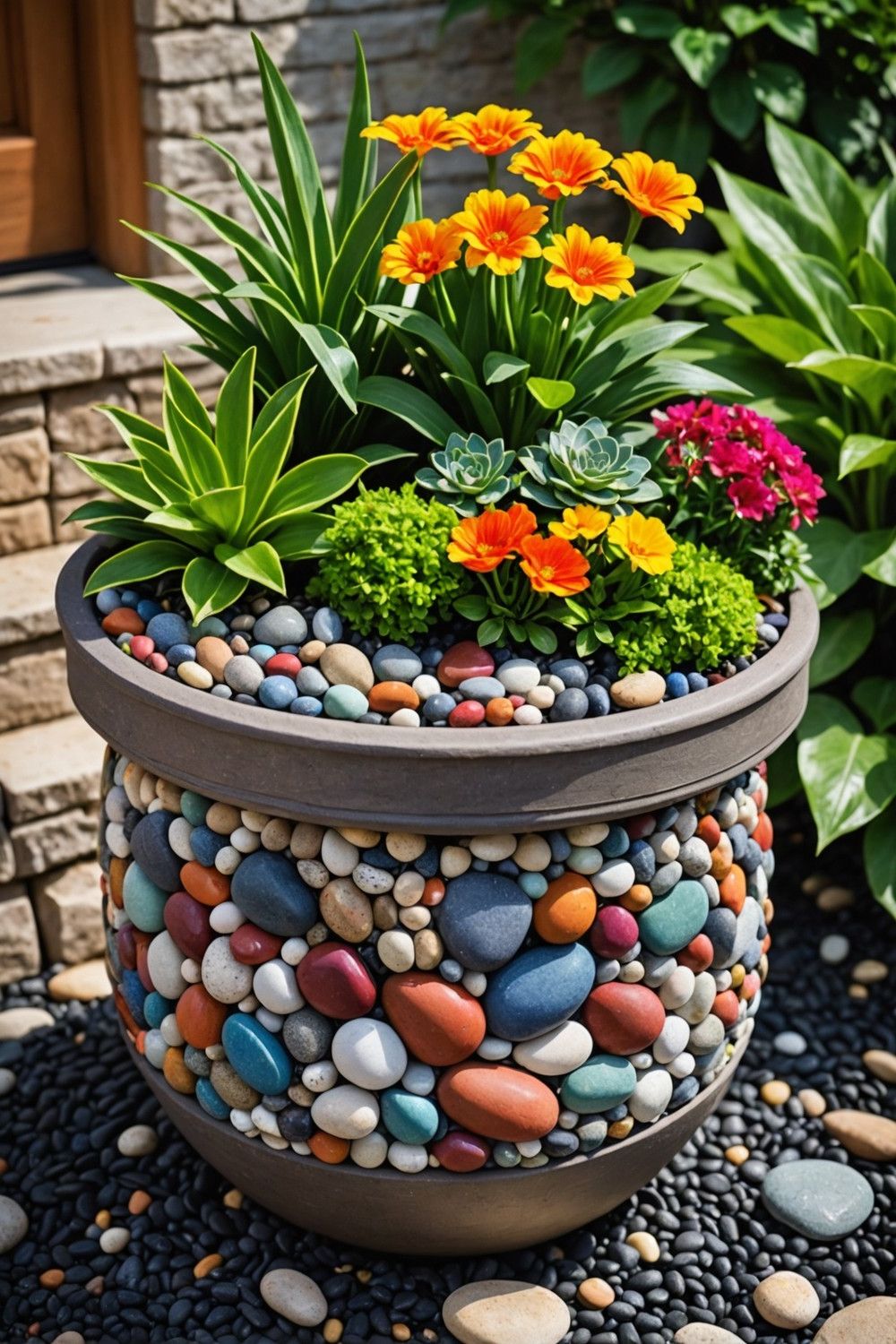
Using pebbles in ornamental planters adds texture and visual interest to your plants.
These little guys can really do a lot for you! They’ll help with drainage, keep your soil in place, and just make everything look so much prettier.
When you put some pebbles at the bottom of your planter, it helps the plant by letting any extra water flow away from the roots so they can grow nice and strong.
Also, don’t you just love how the different colors and sizes of pebbles can perfectly enhance the beauty of the plants and flowers? It’s like having a gorgeous centerpiece that really brings the whole space together.
Experiment with different combinations to find the perfect match for your style!
Construct a Pebble Pavilion Base
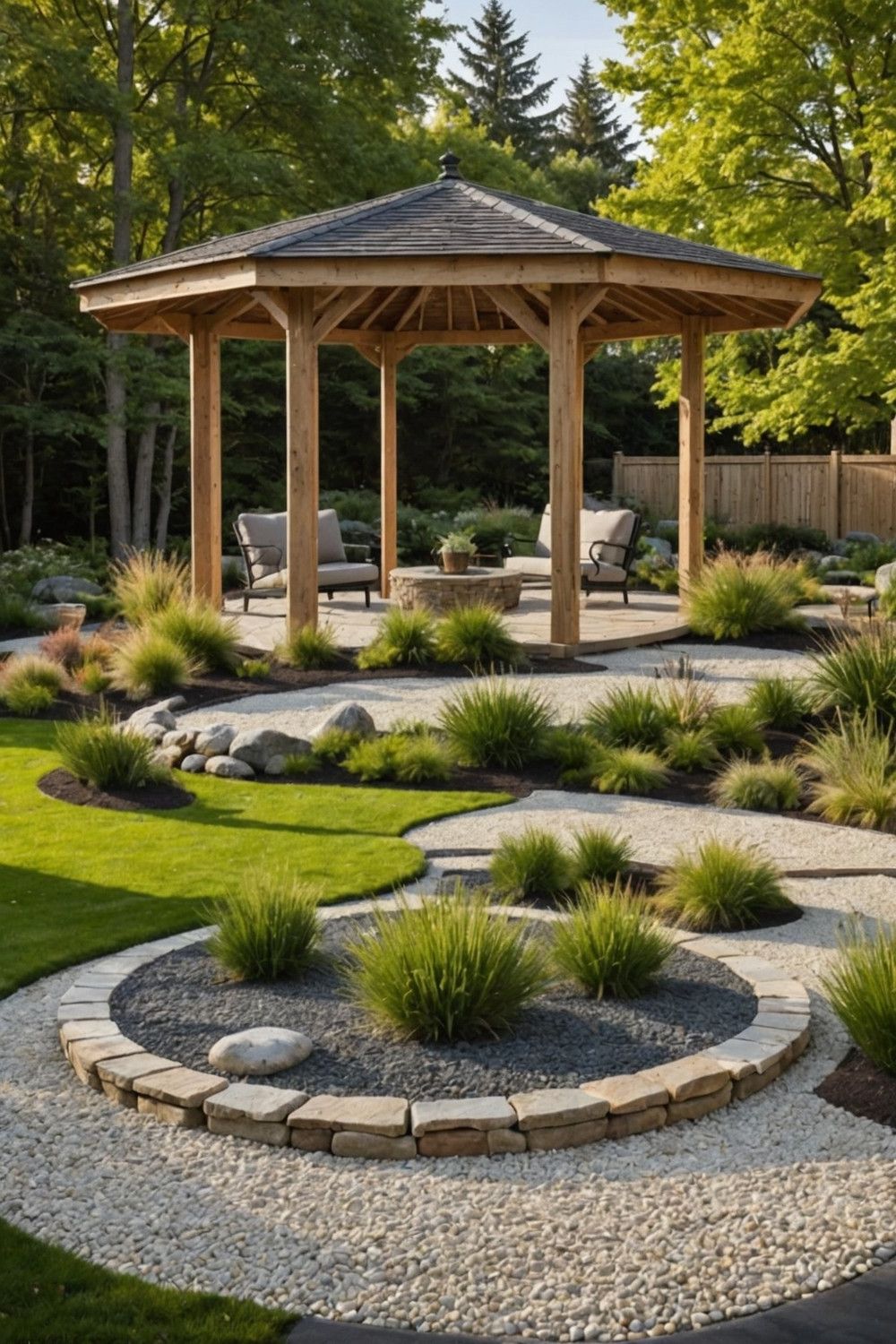
Constructing a pebble pavilion base starts with selecting a flat, well-drained area in your backyard.
Clear the space of any vegetation and debris, then lay down landscaping fabric to prevent weeds.
Next, frame the pavilion’s shape with pressure-treated wood to create a sturdy outline.
Fill the interior with a mixture of pebbles, ensuring a consistent layer that’s compacted for stability. Finish by leveling the surface and adding larger stones around the edges for a clean, defined look.
This base really makes the pavilion look so good, and it’s also a great spot for hanging out outdoors with friends and family.
Create a Pebble Labyrinth
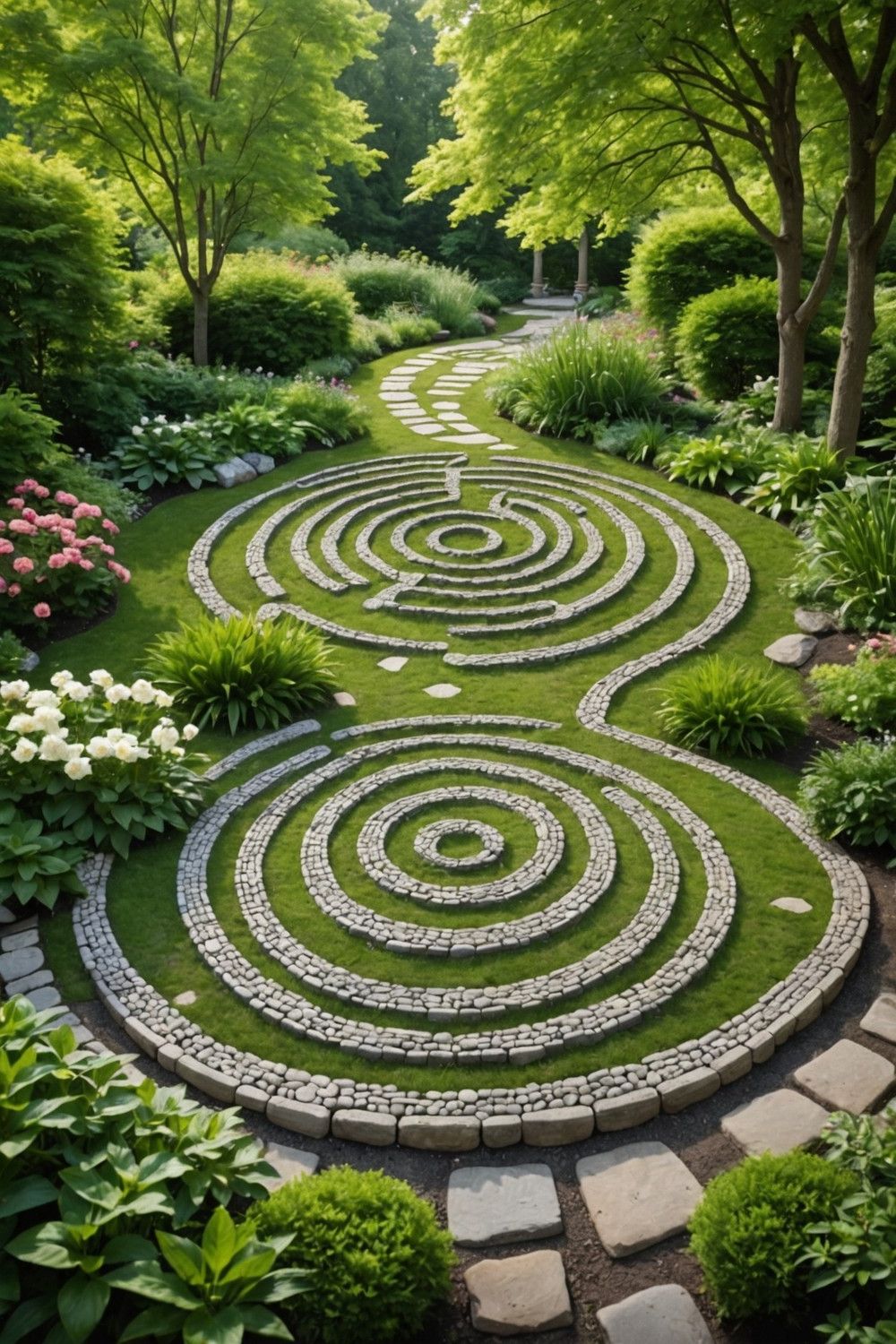
Creating a pebble labyrinth involves laying out a winding path that guides visitors through a serene meditative space.
Start by selecting a dedicated area in your garden, ensuring it’s easily accessible.
Use larger stones as boundary markers, then fill the pathways with smaller pebbles, forming intricate designs.
These playful patterns invite exploration while providing a sense of tranquility.
Adding some plants along the edges can really make the space feel more peaceful and relaxing – perfect for just kicking back and unwinding.