Sick of watching your wood garden beds crack, warp, and rot before their time?
I’ve spent years working with wood preservation, and I want to pass along 7 proven methods for keeping your raised beds sturdy so your plants thrive season after season.
Protecting a garden bed investment starts with smart choices, from the type of wood you buy to how you seal and reinforce it later. Here’s a full rundown to help your effort pay off for years.
Stick to these tips and your wooden beds will hold up for years, giving you a productive garden space you can keep using season after season.
Pick Rot-Resistant Wood
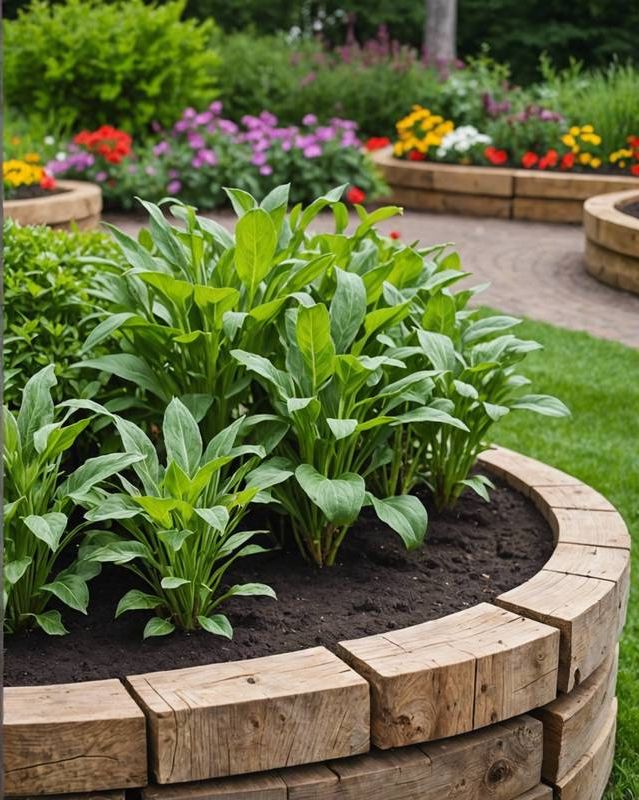
Look for naturally decay-resistant species like cedar, redwood, or cypress when shopping for garden bed lumber. These woods contain natural oils that repel insects and slow rot, so beds built from them hold up far longer than beds made from untreated pine or fir.
Apply a Wood Sealant
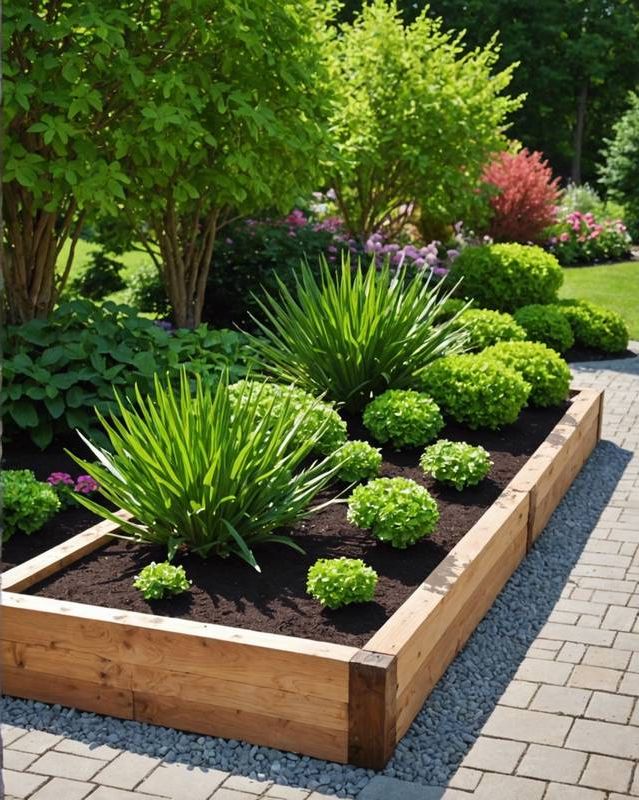
A good sealant shields your garden bed lumber from sun, rain, and soil moisture.
It forms a protective layer that blocks water, insects, and the rot that comes with both.
Pick a product made for outdoor wood use, and apply it according to the manufacturer’s directions on the label.
A properly sealed bed resists weathering far better and can add years to its usable life.
Raise the Bed Off the Ground
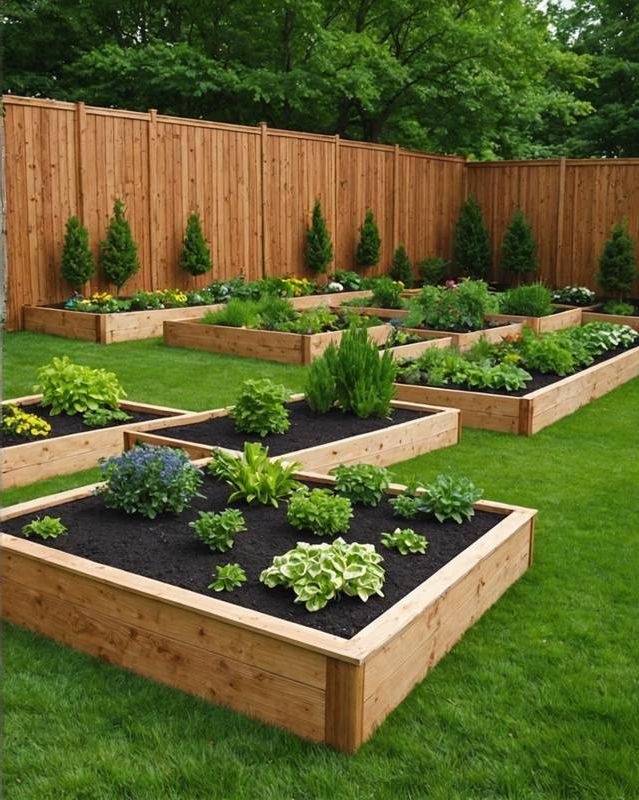
Lifting your garden bed off the soil is one of the easiest ways to add years to its lifespan.
Without direct contact with damp earth, the wood stays drier and resists rot and decay much longer.
An elevated design also drains faster, so rainwater doesn’t pool against the wood and weaken its structure.
As a bonus, raising the bed keeps ground-dwelling pests and burrowing insects away from the lumber.
Add a Landscape Fabric Liner
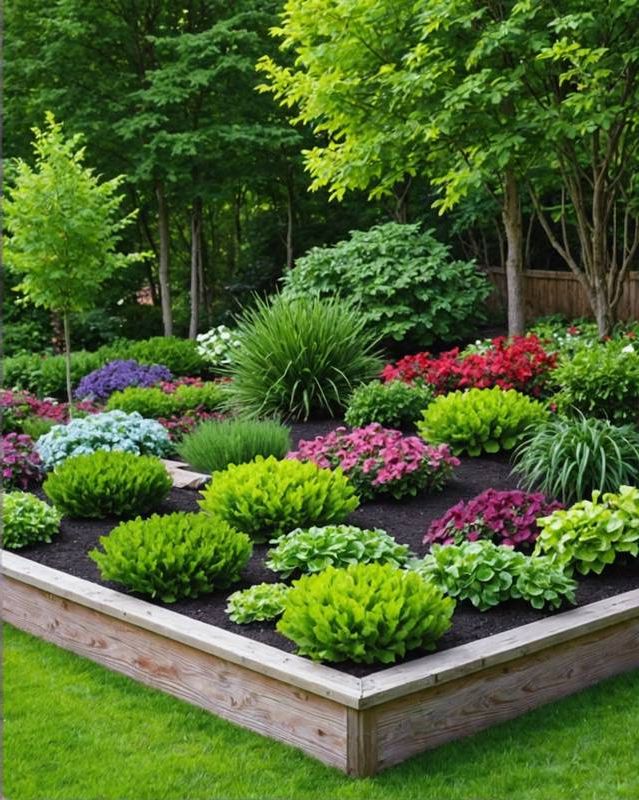
Before adding soil, line the inside walls and bottom of your garden bed with landscape fabric.
This barrier blocks weeds from sprouting up through the bottom or sides of the bed.
Measure the interior of the bed and cut the fabric so a few extra inches drape over each edge.
Hold the fabric in place using tent stakes or landscape pins.
Apply Mulch Around the Bed
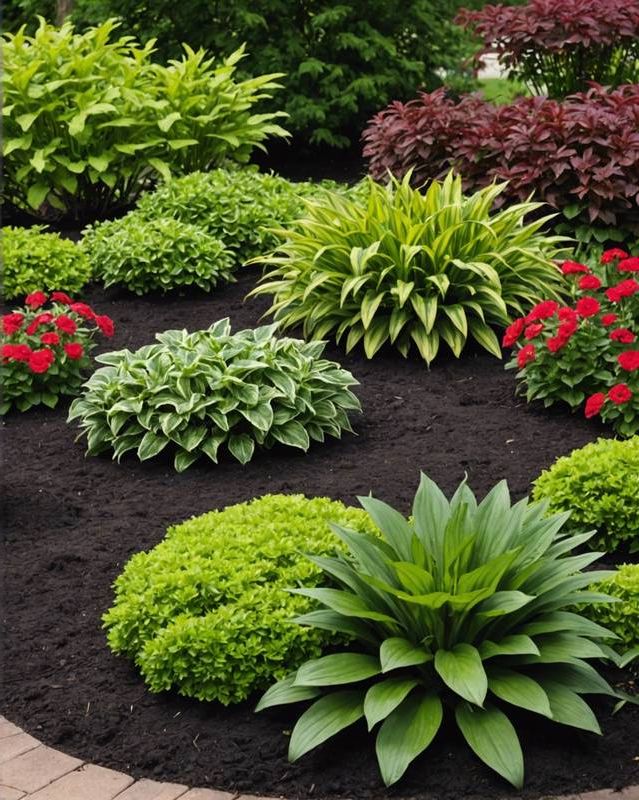
Spreading mulch around the outside of your garden bed gives the wood an extra layer of defense against rain, sun, and temperature swings.
Think of mulch as a buffer between the wood and the surrounding soil. It keeps excess moisture from soaking into the boards and turning them soft and rotten.
It also moderates soil temperature, which reduces stress on the wood and helps the bed last longer.
Stick with organic mulch options like straw, wood chips, or compost rather than synthetic alternatives.
Over time these materials break down and enrich the soil with nutrients, all while continuing to guard the wood against decay.
Coat the Wood With Paint or Stain
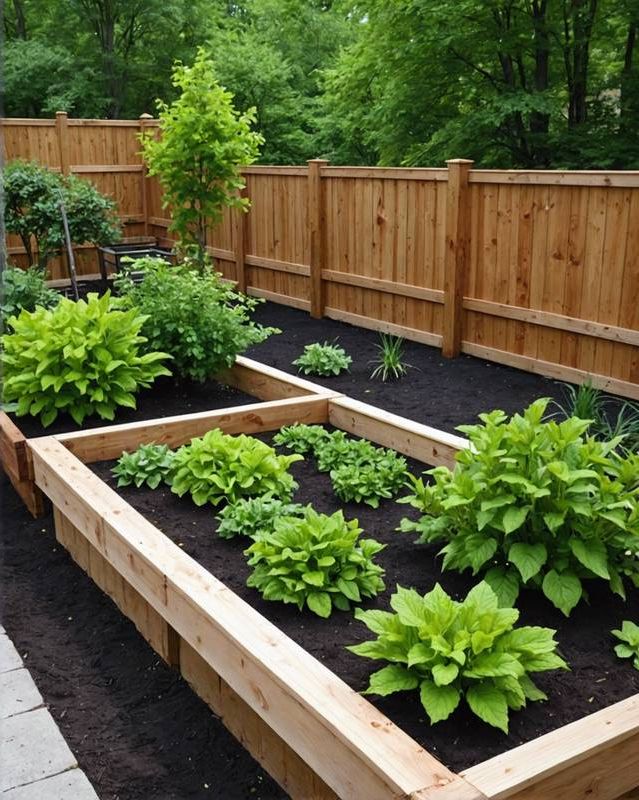
A coat of paint or stain gives your garden bed another line of defense, forming a surface layer that keeps rain and humidity from soaking into the grain.
That extra barrier slows rot and stretches the working life of the boards considerably.
Choose an exterior-grade paint built to withstand sun, rain, and temperature swings. Stain works well too, since it soaks into the grain, highlights the wood’s natural pattern, and still offers a measure of weather protection.
Fix Damage Right Away
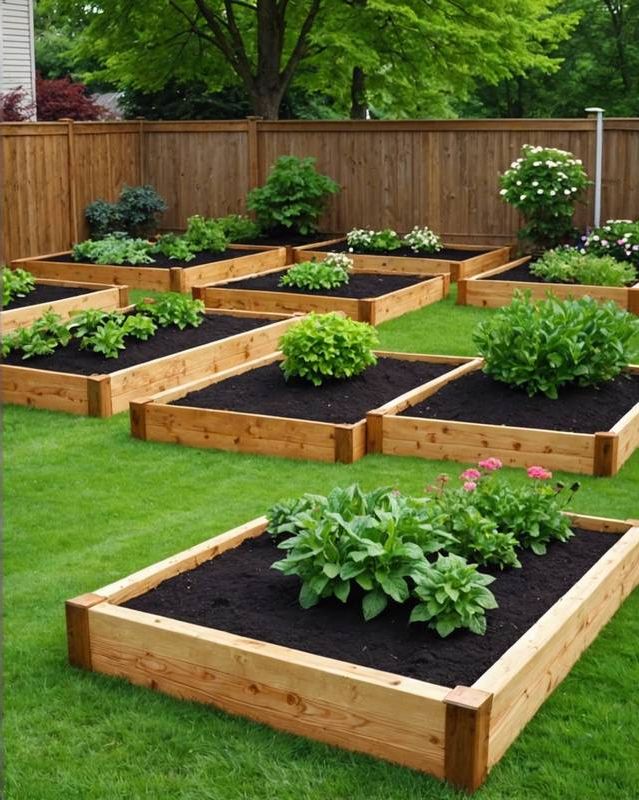
Keep a close eye on your wooden beds and act fast whenever you spot cracks, splits, or holes forming.
Tackling these problems early stops decay from spreading and keeps the damage from getting worse.
Skipping repairs weakens the structure over time and can hurt how well your plants grow. Patch small flaws as soon as you notice them, and your beds will stay sturdy while giving your plants the stable environment they need.